Chronic wasting disease is no longer a distant wildlife story. For many hunters, it is a real preseason concern that affects where they hunt, how they process deer, and what rules they need to follow. This gallery breaks down the basics in clear, practical terms so you can head into the season informed, prepared, and ready to make smart decisions in the field.
Chronic wasting disease is a fatal disease of deer family animals
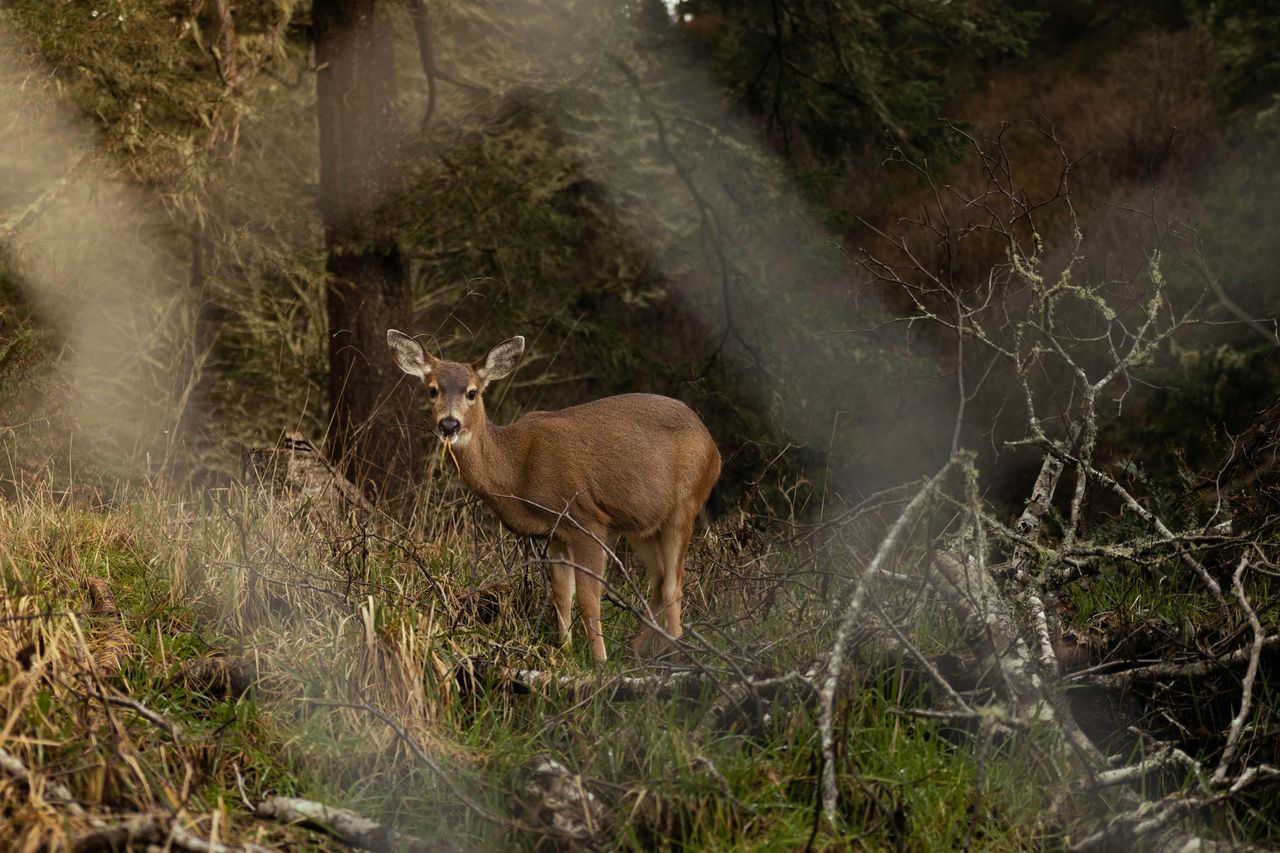
Chronic wasting disease, or CWD, affects members of the deer family, including white-tailed deer, mule deer, elk, and moose. It attacks the nervous system and is always fatal. That alone makes it one of the most serious wildlife health issues hunters face today.
The disease belongs to a group called transmissible spongiform encephalopathies. In plain language, that means abnormal proteins damage the brain and central nervous system over time. Animals can carry it for many months before obvious signs appear, which is part of what makes management so challenging for hunters and wildlife agencies alike.
Understanding that basic fact sets the tone for every other decision you make before and during season.
It spreads in ways that make control difficult

CWD spreads through infectious prions shed in saliva, urine, feces, and other tissues. Deer do not need direct nose-to-nose contact for the disease to move through a population. Shared spaces can become part of the problem.
Those prions can persist in the environment for years, especially in soil and places where deer gather repeatedly. That means a bait pile, feeding site, mineral lick, or crowded captive facility can raise concern far beyond a single season.
For hunters, the takeaway is simple. Anything that unnaturally concentrates deer can make disease spread harder to slow once it reaches an area.
An infected deer may look healthy
One of the toughest realities about CWD is that infected deer often appear normal for a long time. A deer can move well, feed normally, and show no visible warning signs while still carrying the disease.
In later stages, some animals may lose weight, act listless, drool excessively, stand with a wide stance, or seem unaware of danger. But by the time those signs are obvious, the disease is advanced. Hunters should not expect visual screening in the field to be enough.
That is why testing matters so much. A healthy-looking deer is not proof that the animal is CWD-free, especially in areas where the disease has already been detected.
Testing is the best way to know your deer’s status

If you hunt in or near a CWD management zone, testing your harvested deer should be part of your routine. Wildlife agencies often collect samples from lymph nodes or brain tissue, and many states publish locations, deadlines, and instructions before opening day.
Results are not usually instant, so planning matters. You may need to quarter your deer, keep the head refrigerated, or hold meat separately until the report comes back. Those details can affect how you process and store your harvest.
Getting a test does more than inform your household. It also gives state biologists the data they need to track where the disease is spreading and how fast.
State rules can change how and where you hunt

CWD regulations vary widely from state to state, and sometimes county to county. Before the season starts, hunters should check rules on carcass transport, mandatory testing, baiting, feeding bans, carcass disposal, and whether deer can be moved across management boundaries.
These rules are not just paperwork. They are designed to reduce the chances of moving infectious tissues from one area to another. A deer head in the truck bed or a spine taken across state lines may create legal trouble and disease risk at the same time.
The smartest move is to read the current regulations every year, even if you have hunted the same property for decades.
Carcass handling matters after the shot
Once a deer is down, good processing habits become especially important in CWD country. Many agencies recommend minimizing contact with brain, spinal cord, eyes, spleen, and lymph nodes, because those tissues are more likely to carry concentrated infectious material.
Using dedicated knives, avoiding cuts through the backbone when possible, and boning out meat can all help reduce unnecessary exposure. It is also wise to wear gloves, clean tools thoroughly, and keep high-risk parts separate from edible meat.
Where you discard remains matters too. Dumping carcasses on the landscape or moving them long distances can contribute to spread, even when it seems convenient at the end of a long day.
Baiting and feeding can increase disease risk

Many hunters think of baiting as a strategy issue, but in CWD areas it is also a disease issue. When deer gather tightly around one food source, they leave behind saliva and other material in a small space, creating more opportunity for prions to accumulate.
The same concern applies to backyard feeding and mineral sites. Even if intentions are harmless, repeated congregation changes deer movement and can intensify contact in ways nature normally would not. That is why some agencies prohibit or limit these practices.
If your goal is healthy deer and a strong future herd, reducing artificial concentration is one of the clearest steps you can support before the season opens.
CWD affects herd management and hunting quality
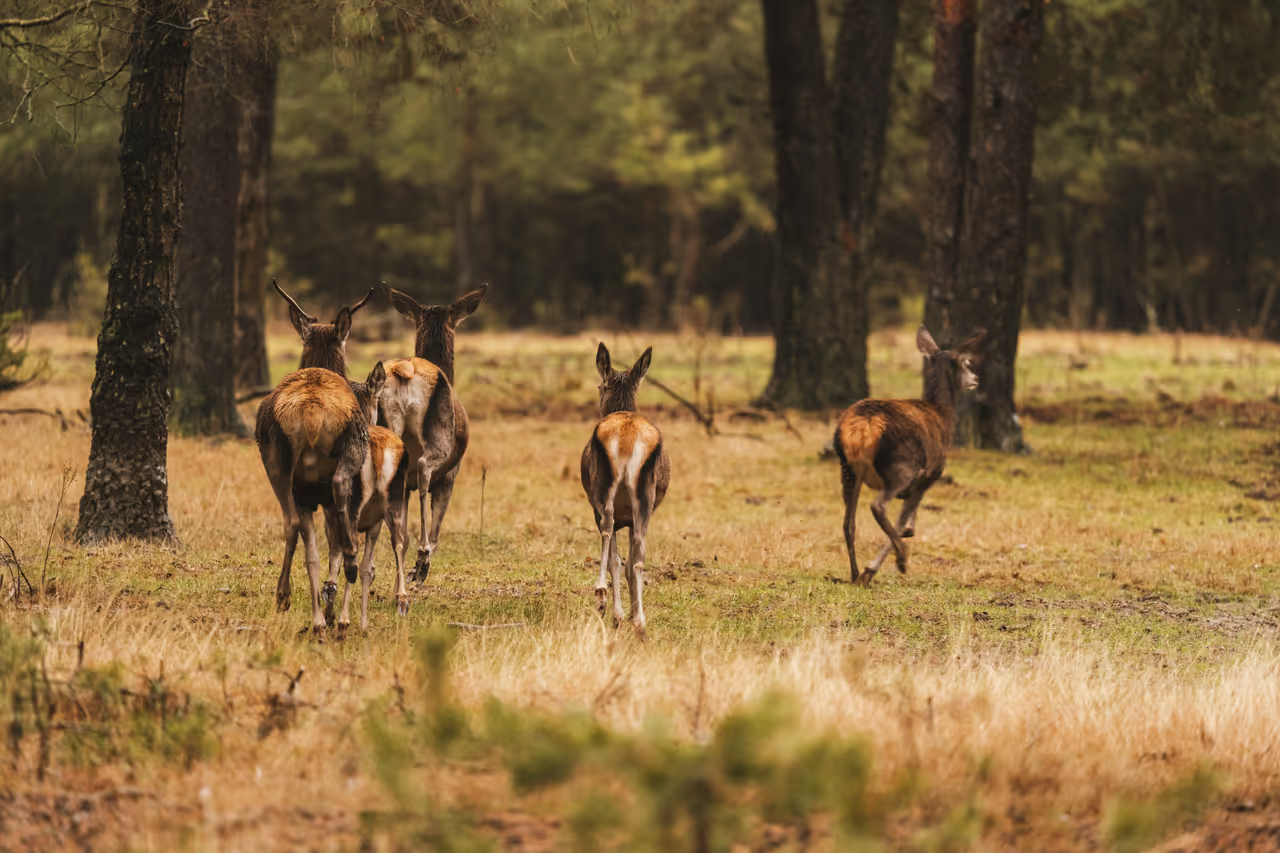
Hunters often ask what CWD means for the future of the places they love. Over time, the disease can alter age structure, reduce survival in some populations, and make it harder for managers to maintain healthy herd numbers in affected regions.
It can also change the hunting experience itself. More testing, more regulations, and concern about transporting or eating venison all add friction to traditions that once felt simple. In some areas, agencies may encourage higher harvest of certain deer classes to slow prevalence.
The broader point is that CWD is not just a lab issue. It has real consequences for local hunting culture, access, confidence, and long-term conservation planning.
Human health guidance is cautious for a reason
There is currently no confirmed case of CWD infecting humans, but public health agencies still advise caution. The recommendation in many places is clear: do not eat meat from an animal that tests positive for the disease.
That advice reflects uncertainty, not panic. Scientists continue to study whether a species barrier fully protects people, and until those answers are stronger, hunters are encouraged to avoid unnecessary risk. Having your deer tested in affected areas is part of that precaution.
For most hunters, this means being patient before filling the freezer. Proper labeling, separate storage, and waiting for test results are sensible habits when CWD is part of the local conversation.
Hunters are central to slowing the spread

Wildlife agencies cannot manage CWD alone. Hunters are the people in the woods, at check stations, on local properties, and in camp conversations where habits and attitudes are shaped. That makes them one of the most important forces in the response.
Submitting deer for testing, following transport rules, reporting sick animals, and discouraging risky practices all make a difference. So does staying informed as new research and regulations emerge. Responsible choices by ordinary hunters add up quickly across a region.
Going into season with a plan is the best place to start. Know the rules, know the testing process, and treat CWD as a conservation issue that deserves serious attention from everyone who values deer hunting.