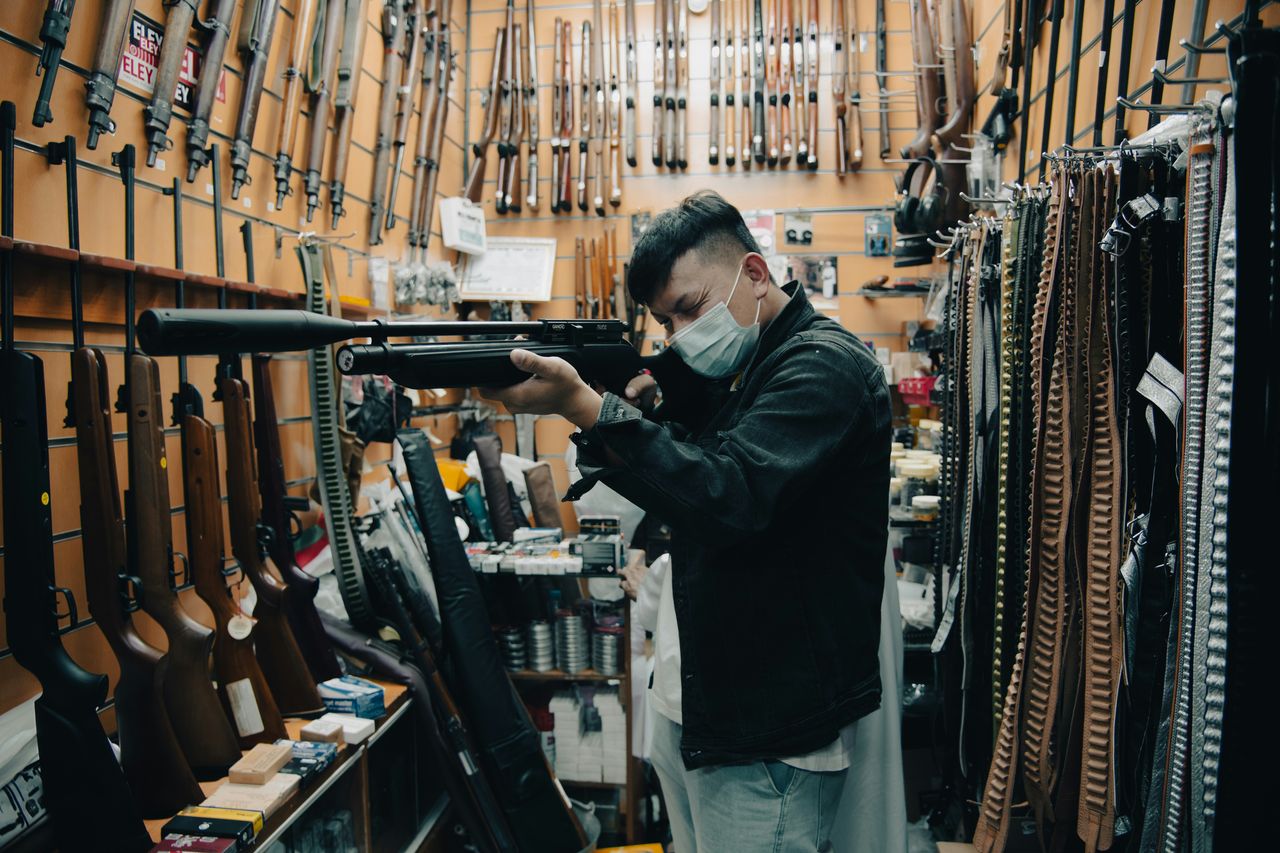
It sounds strange now, but Chinese-made firearms were once a routine sight in American display cases. The reason was not a single mistake. It was a legal and political opening that lasted just long enough for millions of dollars in imports to pour through.
The basic reason they were legal in the first place
For most of the Cold War, Americans did not see Chinese rifles in stores because the trade relationship was far more limited. That changed as U.S. China ties opened in the late 1970s and 1980s, when commercial imports from China expanded across many categories, including sporting goods and firearms. Once Chinese state companies like Norinco and Poly Technologies had U.S. import partners, their guns could enter the same civilian sales channels as many other foreign firearms.
The key legal gate was not whether a gun came from China. It was whether the firearm met U.S. import rules under the Gun Control Act of 1968. That law allowed imported firearms if they were considered particularly suitable for or readily adaptable to sporting purposes, and ATF became the agency judging that line. In other words, country of origin alone did not automatically block Chinese rifles and pistols.
That distinction mattered. According to ATF and Treasury materials, imported rifles could be approved if they fit the sporting purposes test, even while truly military firearms or clearly non-sporting configurations were restricted. So for a time, Chinese manufacturers had a lawful lane into the American consumer market, especially for semiautomatic rifles and shotguns configured for civilian sale.
Why gun dealers and buyers embraced them so quickly

The biggest driver was price. Chinese factories were turning out rugged, simple designs in huge numbers, and American importers could land them on shelves at prices that undercut many European and even some domestic alternatives. A 1989 Washington Post report described Chinese AK-type rifles selling in Northern Virginia stores for about $350 to $400, at least $200 below competing military-style rifles.
That same pricing dynamic made the SKS especially popular. Dealers could stock an affordable centerfire semiautomatic rifle at a time when many first-time buyers wanted something more substantial than a .22 but cheaper than a premium hunting gun. The rifles were not refined, but they were durable, familiar, and backed by abundant 7.62×39 ammunition.
There was also a timing advantage. In the 1980s, the American market for military-style semiautomatics was growing fast, and Chinese exporters moved aggressively to supply it. Retailers did not need exotic sales tactics. A low sticker price, decent reliability, and the look of an AK or SKS were enough to move inventory in ordinary gun shops across the country.
The loophole was never really about machine guns.

A lot of people hear this history and assume American stores were openly selling Chinese machine guns. They were not. Federal law already drew a hard line between machine guns and semiautomatic civilian firearms, and ATF records from later smuggling cases make clear that illegal machine gun trafficking was treated as a separate criminal issue entirely.
What stores did sell were semiautomatic versions of military pattern rifles. That difference is central to the whole story. A semiautomatic AK-style rifle could still be marketed as a civilian firearm if it met import requirements, even though its appearance and basic design came from military lineage.
This is why so much of the later policy debate focused on features rather than brand names alone. Regulators were asking whether bayonet mounts, pistol grips, folding stocks, threaded muzzles, grenade launcher lugs, and the ability to accept large-capacity military magazines made a rifle non-sporting. The battle was less about the phrase made in China than about whether a specific configuration fit American import law.
The 1989 crackdown narrowed the market but did not end it

The first major federal wall went up in 1989, not 1994. After a three-month ATF study, the George H.W. Bush administration announced that imported semiautomatic assault type rifles did not satisfy the sporting purposes standard. ATF listed AK47 type rifles, certain SKS variants with detachable magazines, and many other models as barred from importation.
That looked decisive, but it was not the end of Chinese guns in stores. Importers and manufacturers adapted quickly by modifying rifles to remove the military features ATF had highlighted. Treasury later explained that some rifles which had failed the 1989 test were altered to strip features like bayonet mounts, pistol grips, night sights, or grenade launcher attachments.
So the commerce continued in revised form. The guns might arrive with thumbhole stocks, neutered attachments, or other cosmetic and functional changes intended to satisfy regulators. In practice, this meant Washington had narrowed the legal pathway without fully shutting it. Chinese makers still had a market, and American distributors still had a product they could sell.
Why the final shutdown came in 1994
The real end came on May 26, 1994, when President Bill Clinton announced that the United States was banning imports of munitions from China, principally guns and ammunition. The move was tied to the administration’s broader China policy and explicitly framed alongside continued sanctions after Tiananmen Square and wider disputes over human rights and security issues.
That made the 1994 action very different from the 1989 import review. The earlier move was a regulatory judgment about sporting suitability under existing gun law. The 1994 step was a country-specific embargo on firearms and ammunition imports from China. ATF’s own firearms commerce reporting later summarized it plainly: on May 26, 1994, the United States instituted a firearms imports embargo against China.
Once that happened, the open retail pipeline largely dried up. Dealers could still sell existing stock already in the country, and used guns would continue circulating for years. But the easy flow of newly imported Chinese rifles into American storefronts was over, not because demand disappeared, but because federal trade policy finally closed the import channel itself.
Why this happened with China and not every other exporter
Part of the answer is that China was unusually well positioned to exploit a peculiar moment in the U.S. market. It had enormous state-backed industrial capacity, access to proven military small arms designs, and a willingness to sell cheaply for commercial penetration. When American law left even a narrow opening, Chinese exporters could fill it faster and cheaper than many rivals.
There was also a geopolitical wrinkle. As a 1989 Washington Post report noted, U.S. rules already blocked military equipment imports from some Soviet bloc countries, while imports from places such as China, Yugoslavia, and Egypt were treated differently. That created an odd marketplace in which Chinese-made rifles could be legally sold even while Americans assumed communist origin alone would have made them impossible to import.
In short, the system was built around categories, features, and trade status more than ideology. If a rifle was semiautomatic, civilian configured, and judged importable, it could come in. That is why Chinese guns were not smuggled curiosities at first. They were commercial products moving through a legal framework that had not yet been tightened enough to stop them.
The legacy of that era is still visible today.
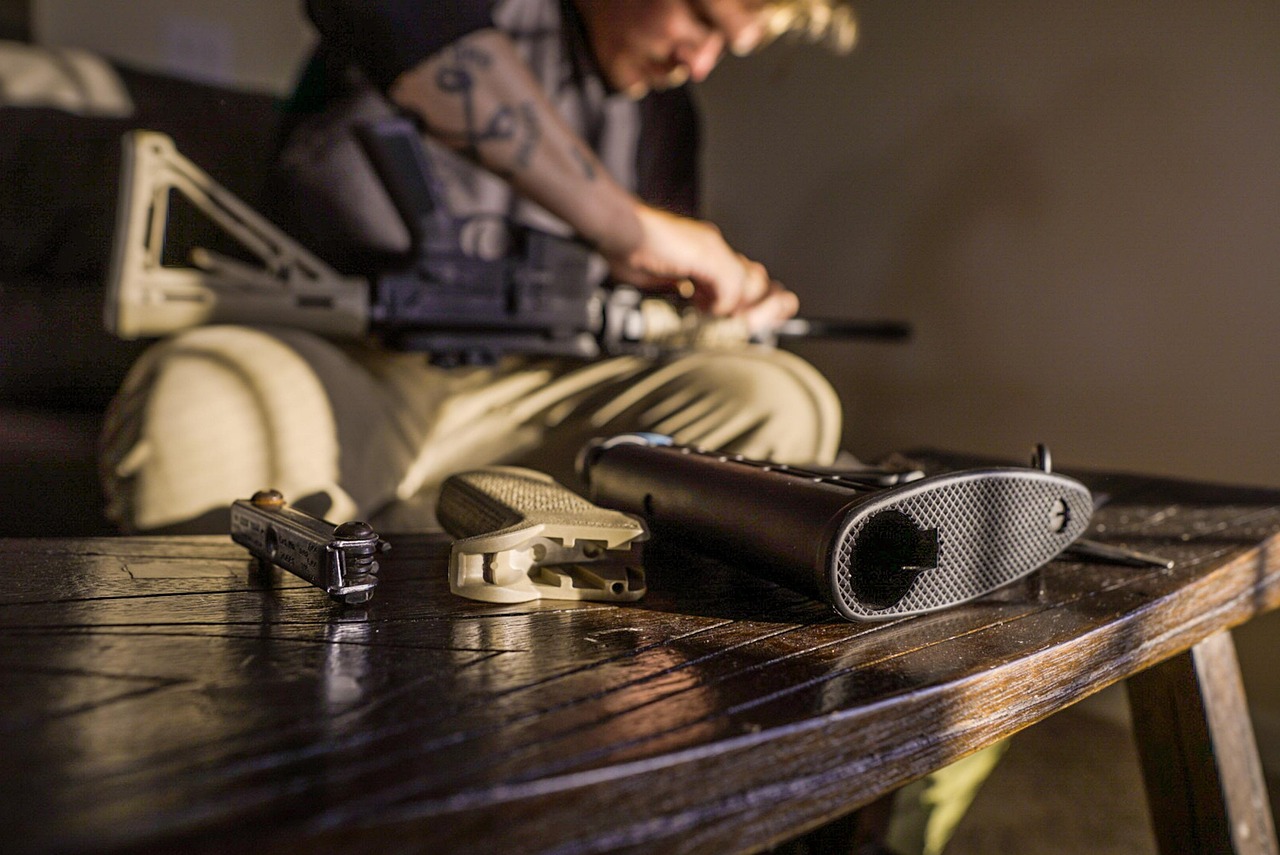
Even decades later, the 1980s and early 1990s import wave still shapes the U.S. gun market. Pre-bann and post-ban Chinese rifles remain recognizable categories to collectors, especially Norinco and Poly Tech AK variants and the huge pool of Chinese SKS carbines. Prices that were once bargain basement are now part of collector lore because surviving examples have become far scarcer.
The policy legacy is just as important. The Chinese import story helped cement the modern federal approach to imported semiautomatics: evaluate features, apply the sporting purposes standard, and, where necessary, use trade restrictions or sanctions to block an entire country’s products. The 1998 Treasury review built on lessons from the 1989 fight by focusing even more closely on features like large-capacity military magazine compatibility.
So when people ask why Chinese-made firearms were once sold openly in American gun stores, the answer is fairly simple. For a while, U.S. law allowed them if they fit import rules, and the market loved them because they were cheap and available. The ban only arrived after Washington moved from regulating configurations to embargoing Chinese munitions outright.