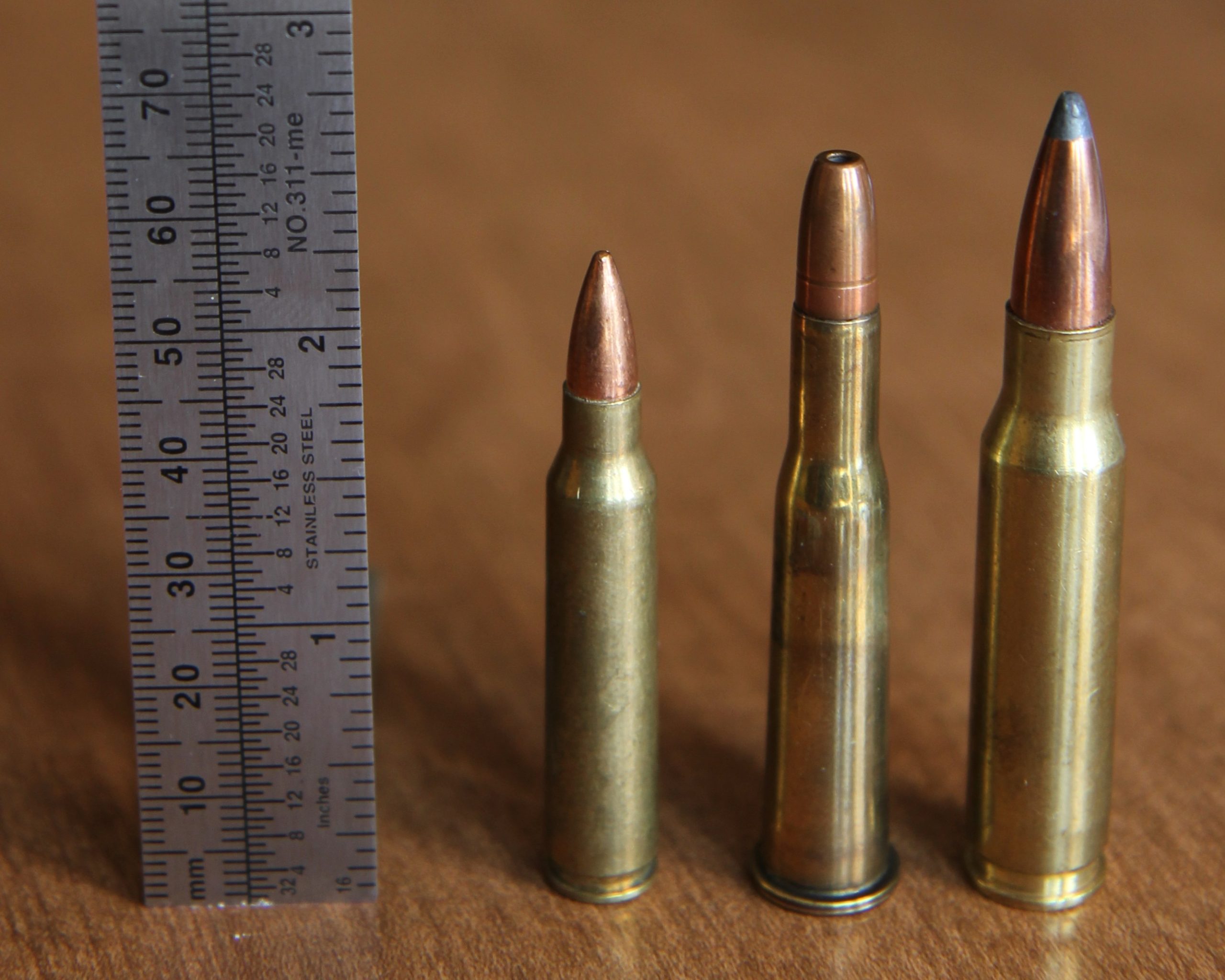
Winchester’s ammunition business is operating in a market where costs and demand can change much faster than a traditional annual pricing cycle. Recent reporting shows Winchester Ammunition sales reached $500.3 million in Q2 2026, while reports also indicated another price increase taking effect August 1. The exact mechanics of any internal pricing policy are not publicly detailed, but a quarterly review strategy would make sense for several practical reasons.
1. Costs Can Change Within Months
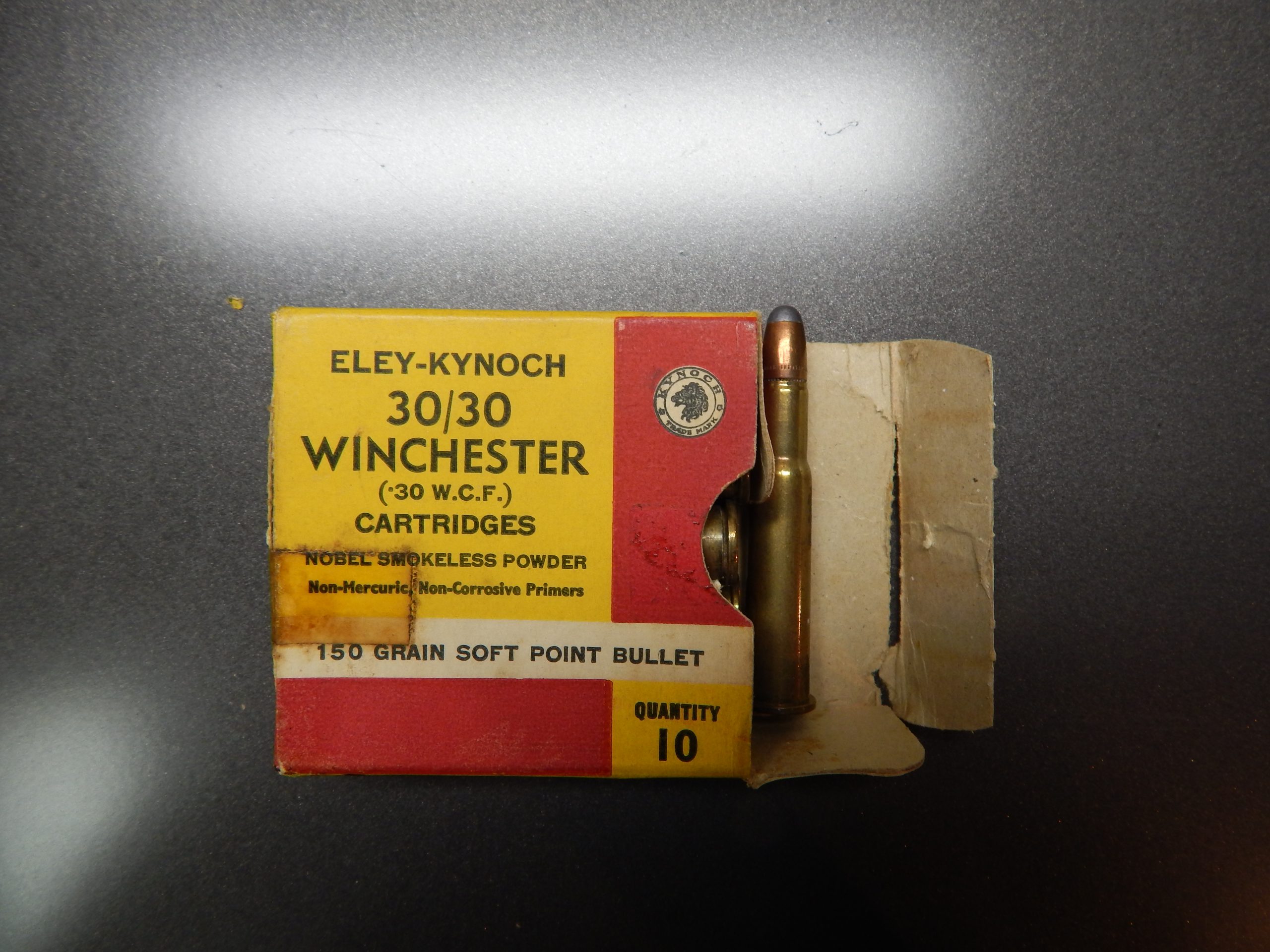
Winchester operates in a market where ammunition costs can move faster than an annual price sheet can capture. Components, freight, energy, labor, and packaging can change within months, leaving a yearly review exposed to sudden cost gaps. In 2026, reports pointed to another Winchester increase taking effect on August 1, following earlier increases. A quarterly review gives the company 4 checkpoints instead of 1, making it easier to respond before costs accumulate. For dealers, that can mean smaller, more frequent adjustments rather than one large reset after 12 months.
2. Demand Does Not Stay Constant
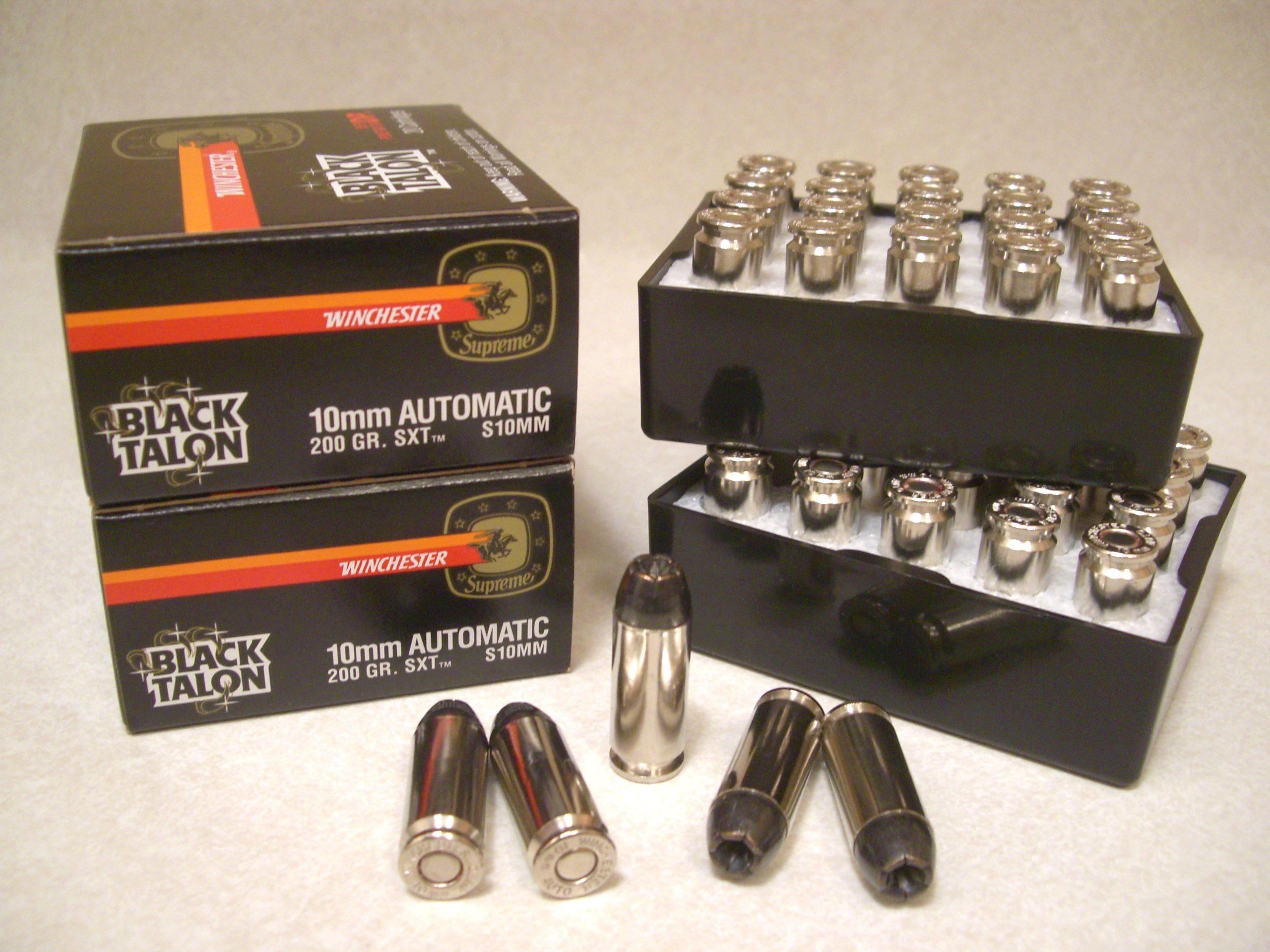
Ammunition demand is not steady throughout the year. Hunting seasons, range activity, major shooting events, and political headlines can change ordering patterns quickly. Winchester can use a 3-month review cycle to see whether a product is moving faster or slower than expected and adjust its pricing strategy accordingly. Its ammunition segment reported $500.3 million in second-quarter 2026 sales, up 11.8% from $447.6 million a year earlier. That kind of movement makes annual pricing less flexible. That gives planners a clearer view of whether a strong quarter reflects lasting demand or a short-lived buying surge.
3. Different Products Need Different Pricing
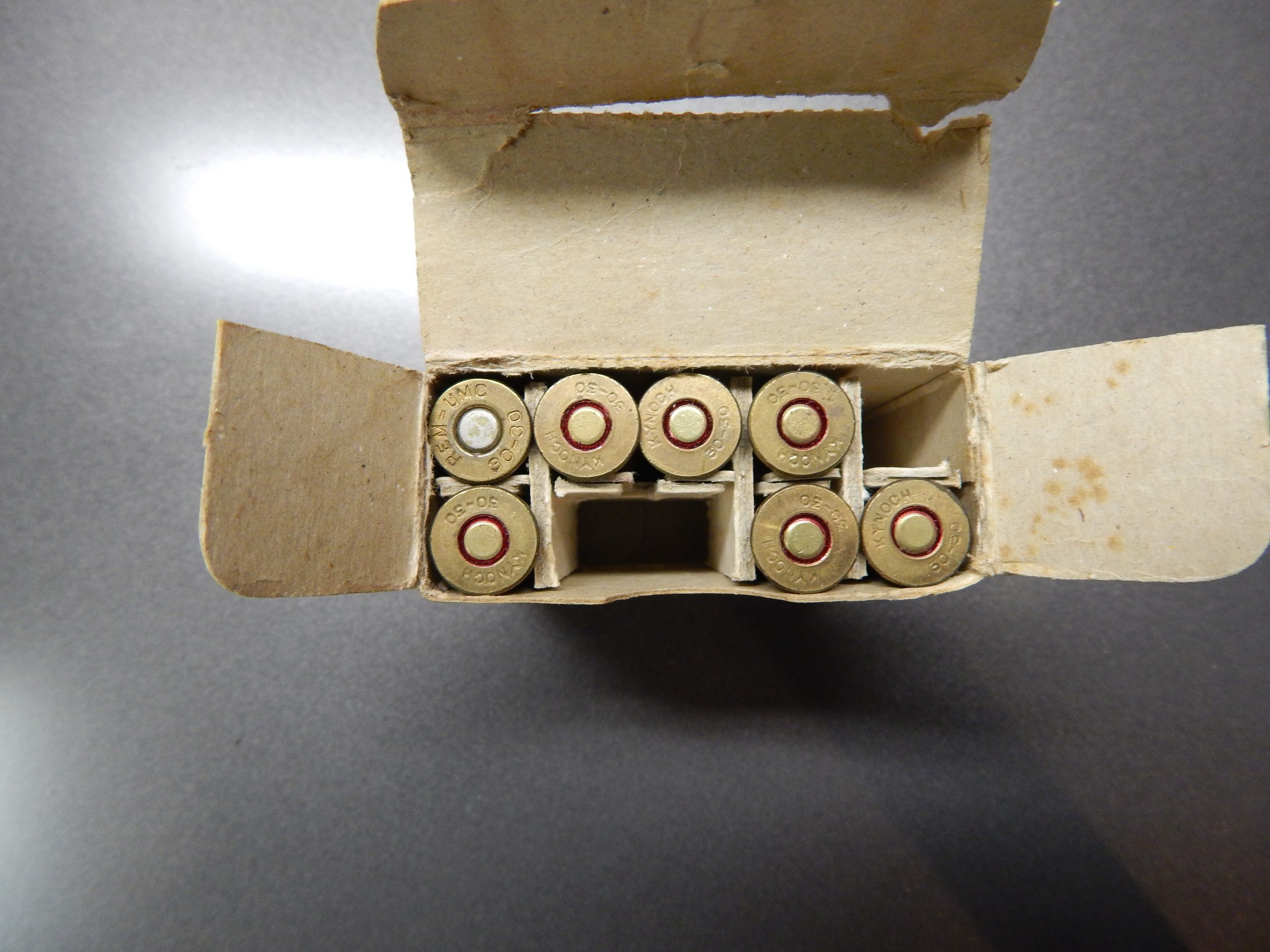
Quarterly reviews also give Winchester more room to separate products instead of treating every cartridge or load the same way. A popular training round, a hunting cartridge, and a premium defensive load can face very different costs and demand. Reviewing prices every 3 months lets the company react to those differences sooner. For buyers, the result may be a more uneven price pattern across calibers and product families. This can help Winchester protect margins where costs are rising while keeping other lines more competitive. That can make product-level pricing more precise.
4. Supply Problems Can Appear Quickly
Supply chains are another reason a 12-month pricing window can become awkward. Ammunition depends on inputs such as brass, lead, primers, powder, packaging, transportation, and industrial energy. A disruption in any one area can change the economics of production before a yearly review arrives. A 3-month cycle gives Winchester more frequent opportunities to reassess those pressures. Procurement and finance can revisit assumptions while changes are still recent, rather than trying to reconstruct an entire year’s cost history. That can make planning more responsive when one input suddenly becomes more expensive.
5. Trade And Freight Conditions Keep Moving
Currency and trade conditions can add another layer of uncertainty, especially for a brand operating across a broad distribution network. Freight rates, imported materials, tariffs, and supplier contracts can change the cost of getting a product to market. Four reviews a year provide 4 chances to reassess assumptions, reducing the need to guess where costs will stand 9 or 12 months ahead. In a volatile year, that flexibility can be especially useful. A shorter horizon makes pricing assumptions simpler to update when costs move. That can reduce the pressure to build excessive protection into prices.
6. Dealers Need Faster Cost Signals
Retailers also need pricing information that reflects current market conditions. If wholesale costs change only once a year, dealers can face a mismatch between what they paid for inventory and what replacement stock will cost. More frequent reviews can make those shifts visible sooner, although they also create more work for distributors and stores. Instead of waiting 12 months to correct an outdated price structure, Winchester can review performance every 3 months. The shorter feedback loop can make pricing decisions more closely match current market conditions. Dealers may therefore see changes sooner.
7. Recent Sales Data Becomes More Useful
Christian Müller, CC BY-SA 4.0/Wikimedia Commons
Quarterly reviews can improve forecasting because each decision is based on a shorter block of real sales data. Winchester can compare volume, revenue, product mix, inventory movement, and market response from one quarter to the next. Its second-quarter 2026 ammunition sales rose 11.8% year over year, while segment earnings reached $28.1 million, up 12.4%. Those figures show why current performance can matter more than a forecast made many months earlier when setting the next price window. In practical terms, the company gets more opportunities to compare price and volume.
8. Smaller Decisions Can Replace Big Resets
The biggest change for buyers may be psychological rather than purely financial. A yearly increase feels like a major event, while quarterly reviews create the possibility of smaller adjustments that arrive more often. That can make budgeting harder for retailers and consumers, but it can also reduce the chance of a large catch-up increase after a year of rising costs. The key point is that quarterly reviews do not automatically mean 4 increases. They create 4 decision points, with pricing still dependent on costs, demand, inventory, and strategy.