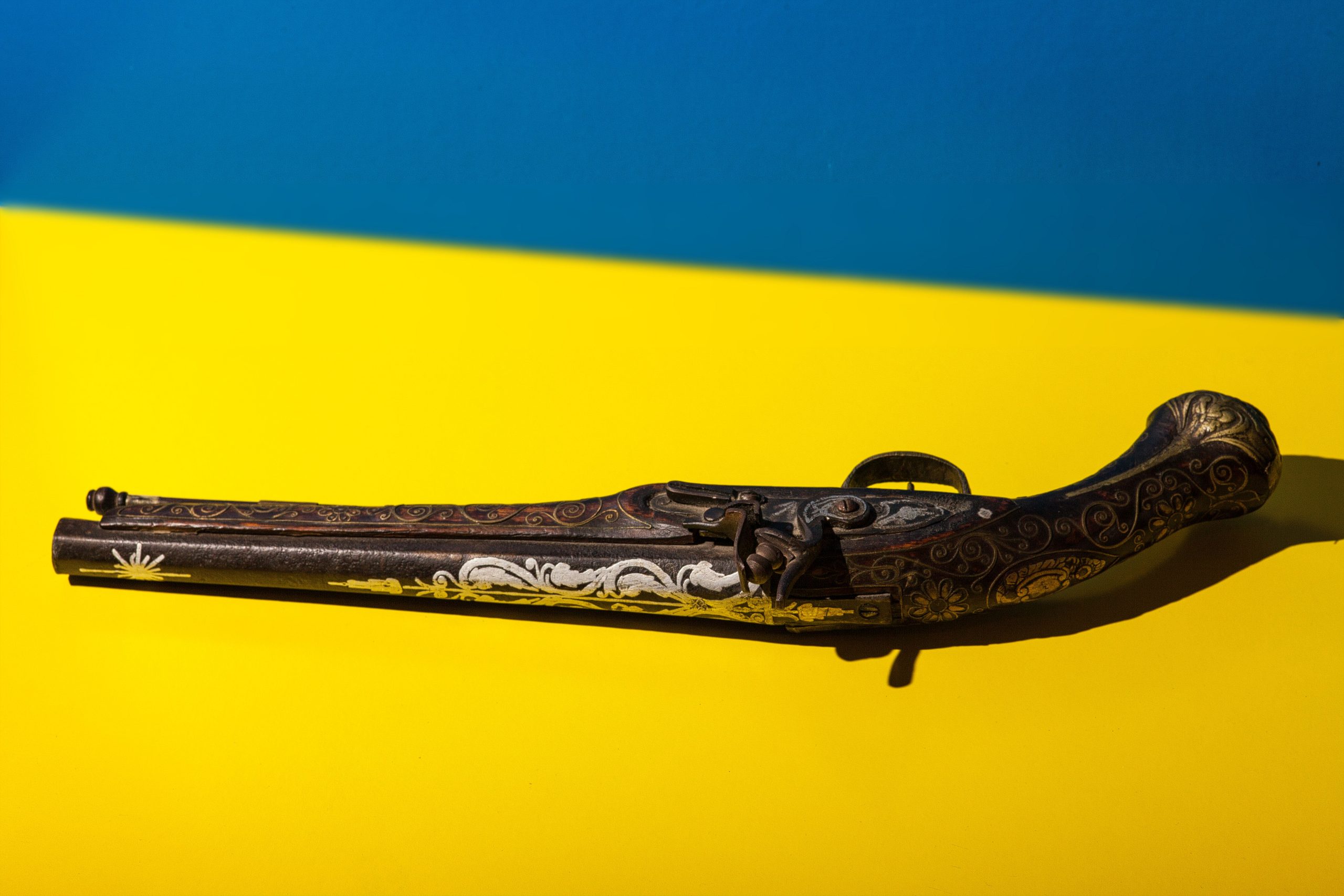
Firearms displayed in museums may look ready for action, but many are no longer treated as weapons at all. Age, corrosion, fragile materials, uncertain repairs, and historical importance can make firing them unacceptable. In major collections, preservation has replaced function as the priority. Some examples are valuable because they reveal how weapons were designed, manufactured, or used in their era. Once that evidence becomes irreplaceable, protecting the original artifact matters far more than proving that it can still fire.
1. USS Monitor’s 11-Inch Dahlgren Guns
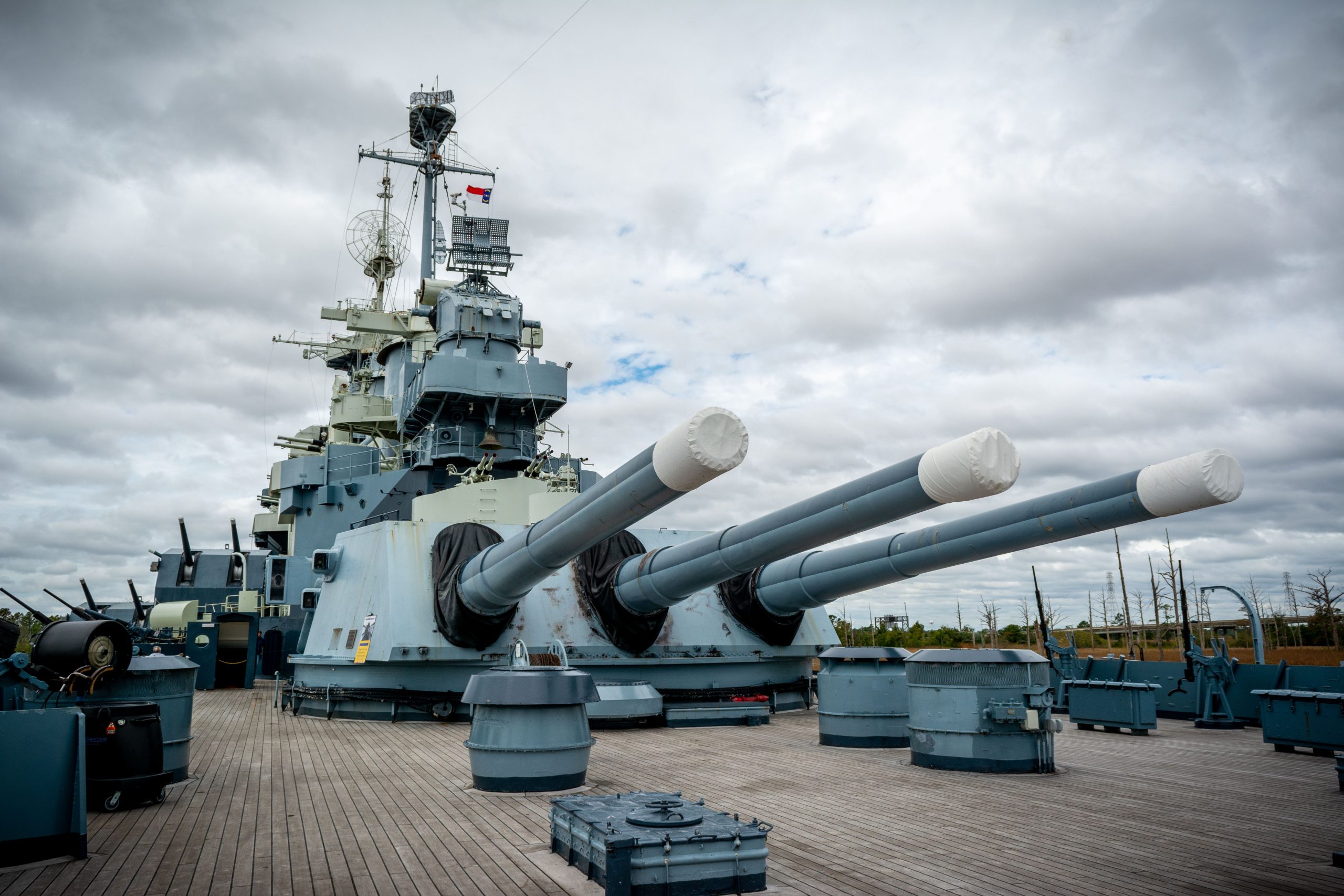
The two 11-inch Dahlgren shell guns recovered from USS Monitor are among the clearest examples of museum arms that belong to conservation, not firing. Each weighed about 16,000 pounds and spent more than a century underwater before recovery. Saltwater corrosion, internal concretion, and the gun’s archaeological value make firing unthinkable. The Mariners’ Museum has instead treated them as fragile evidence of Civil War naval technology, carefully cleaning and stabilizing the iron. Their story is about preservation after 160 years, not returning a weapon to service.
2. Springfield Armory’s Historic Test Arms
Springfield Armory National Historic Site holds more than 13,000 cataloged objects, including firearms tied to American weapons development. Many are no longer regarded as working guns because their greatest value lies in surviving as mechanical evidence. Museum staff describe the collection as objects that will never be fired again, reflecting a shift from function to preservation. Age, corrosion, historic finishes, and irreplaceable manufacturing details all matter. Firing one could destroy evidence that researchers may need decades from now.
3. The Met’s Seringapatam Blunderbuss
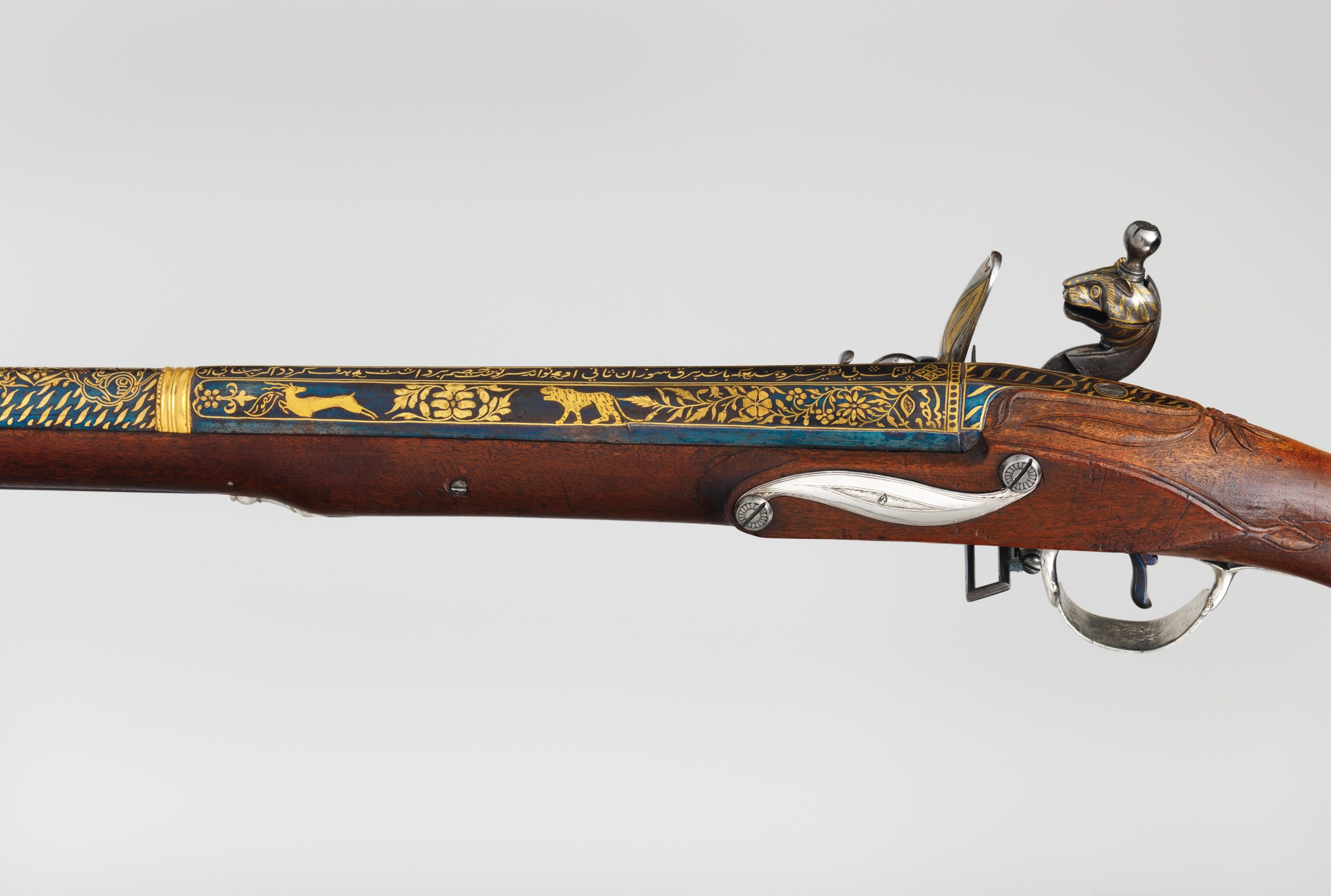
The Metropolitan Museum of Art preserves a striking flintlock blunderbuss from Seringapatam, India, measuring about 95.3 centimeters long and weighing roughly 2.83 kilograms. Its 53.8-millimeter bore and ornate steel, wood, gold, and silver construction make it a historical artifact rather than a candidate for shooting. The gun records the technology and craftsmanship surrounding warfare in late 18th-century South Asia. Putting an antique this very rare through a firing cycle could damage its surviving materials, finishes, and historical evidence.
4. Surviving Matchlocks and Early Indian Firearms
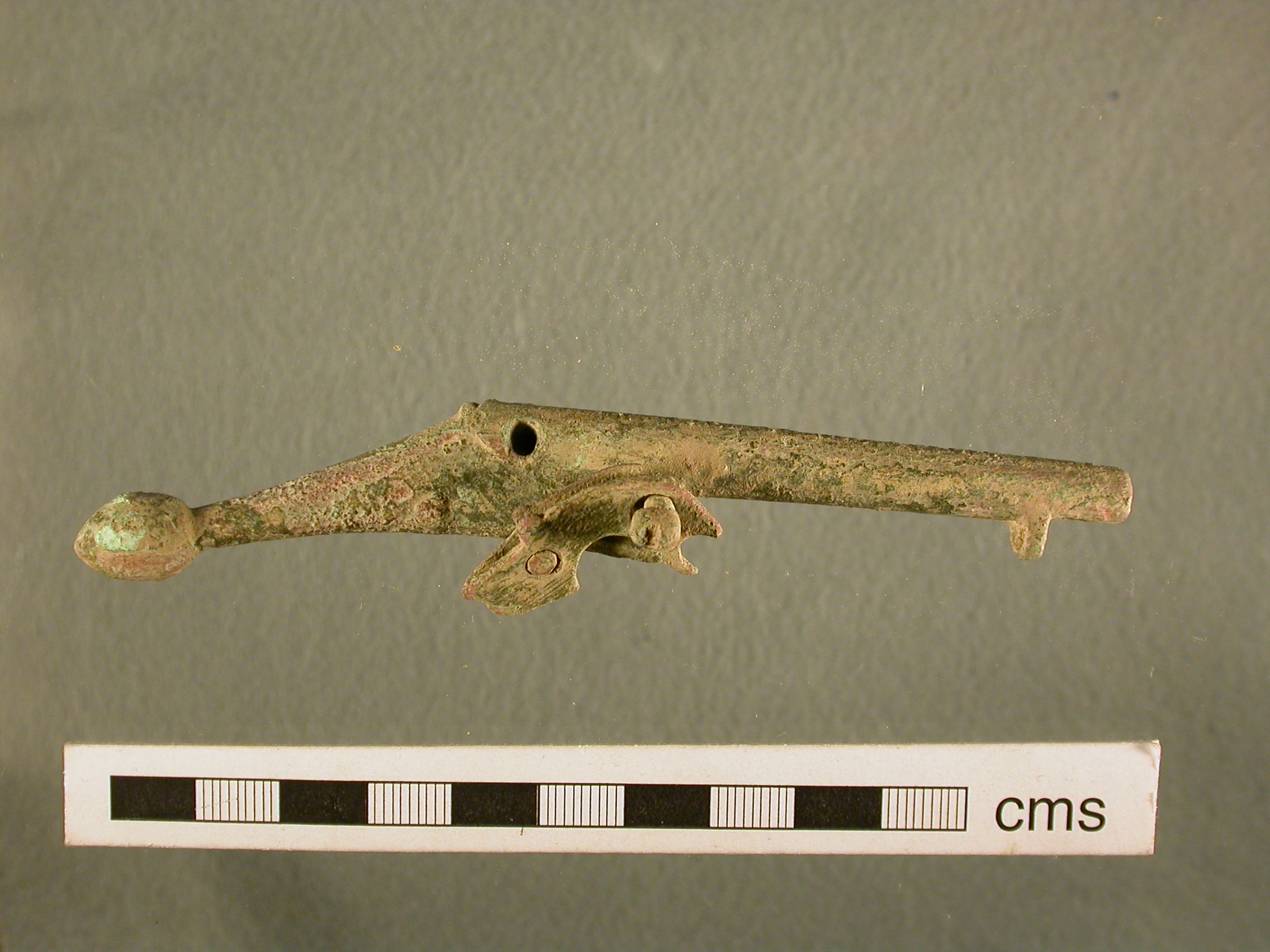
Indian museums hold firearms ranging from early matchlocks to later flintlock weapons, many dating back centuries. These pieces can contain fragile wood, aged iron, decorative metalwork, and mechanisms never intended to survive modern handling indefinitely. The National Museum in New Delhi, for example, includes firearms and gunpowder flasks in its Arms and Armour collection, spanning prehistory through the 19th century. For such objects, conservation takes priority over function. A single firing could turn an irreplaceable artifact into a damaged fragment.
5. Museum-Collected Civil War Rifles
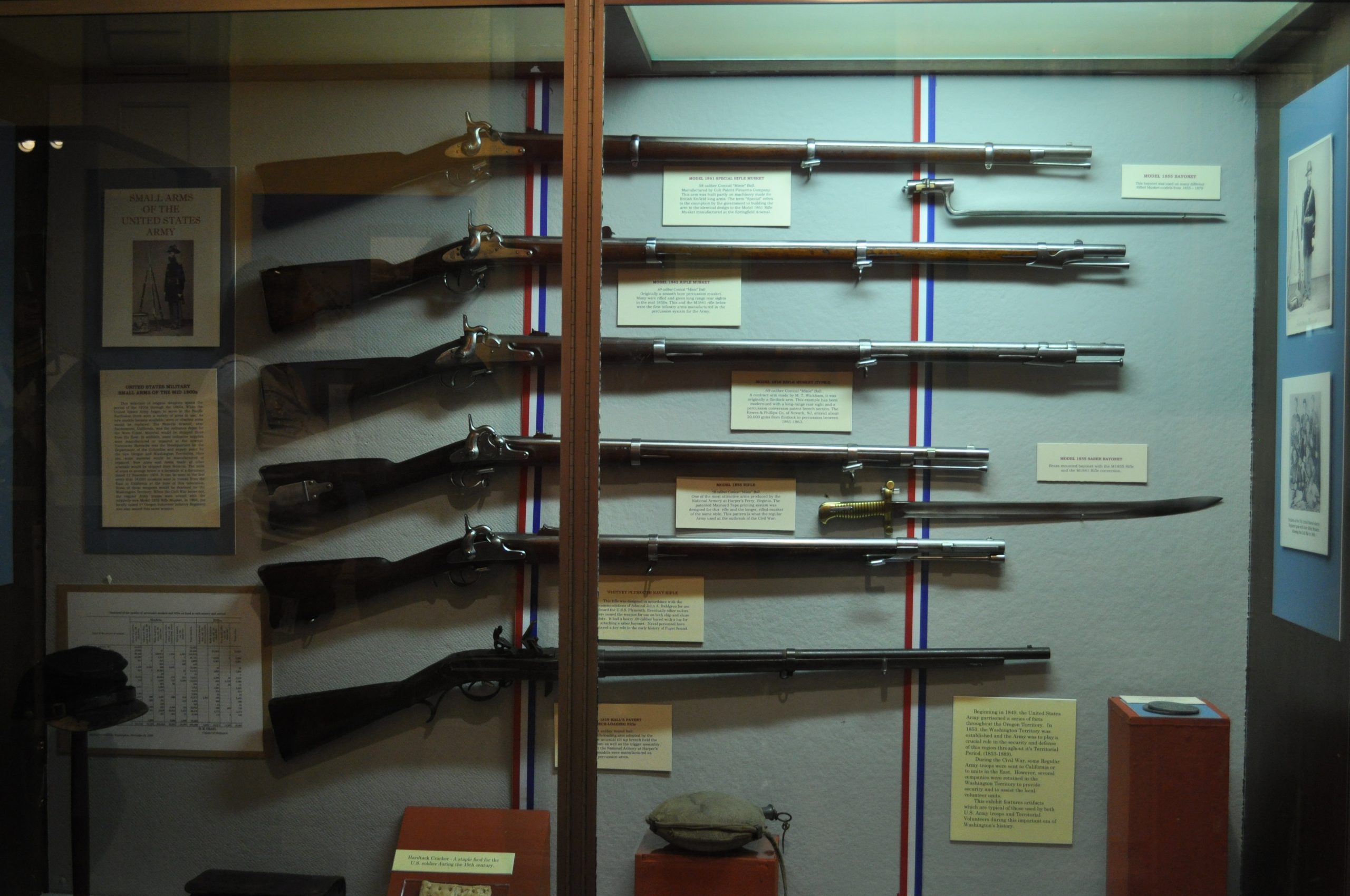
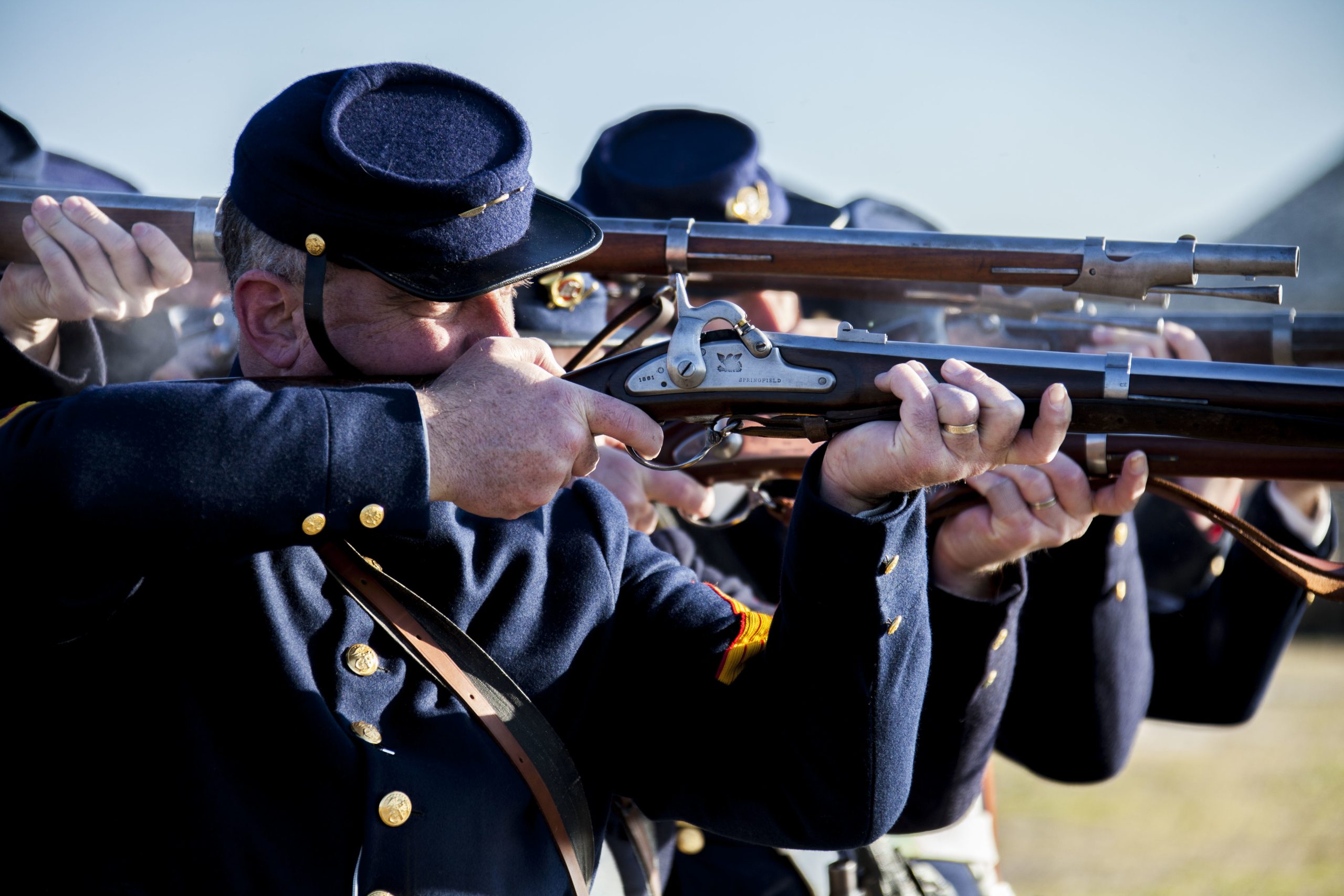
Civil War-era rifles and muskets may look surprisingly complete, but appearance alone does not prove that an antique firearm is safe to fire. Decades of moisture, corrosion, weakened wood, altered parts, or unknown repairs can change the risk dramatically. Museums therefore preserve many examples as historical objects rather than shooting pieces. Their value may include battle provenance, markings, unit associations, and surviving finishes. Once an artifact becomes important evidence, protecting its original condition is usually more valuable than proving that its mechanism still works.
6. Rare Experimental and Prototype Firearms
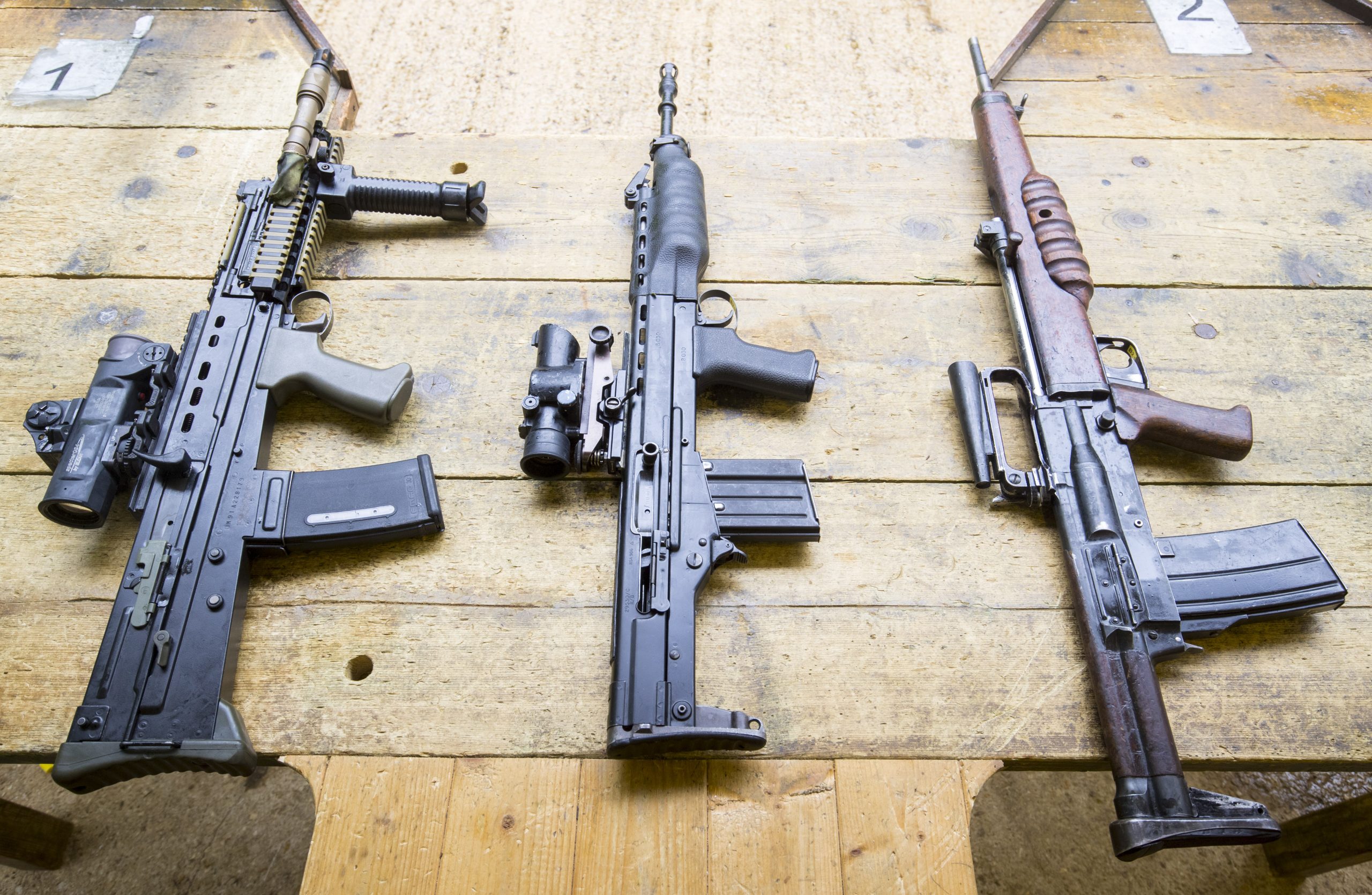
Experimental firearms can be even less suitable for firing because their unusual designs were never produced or maintained like standard service weapons. Springfield Armory’s collection includes experimental material connected with weapons development, and the National Park Service stresses preservation over function. A prototype may contain one-of-a-kind machining, unusual finishes, or mechanisms that cannot be replaced if damaged. Even if a museum could technically make it operate, firing it would risk destroying exactly the evidence that makes the object historically important.
7. Firearms With Unknown Live-Ammunition History
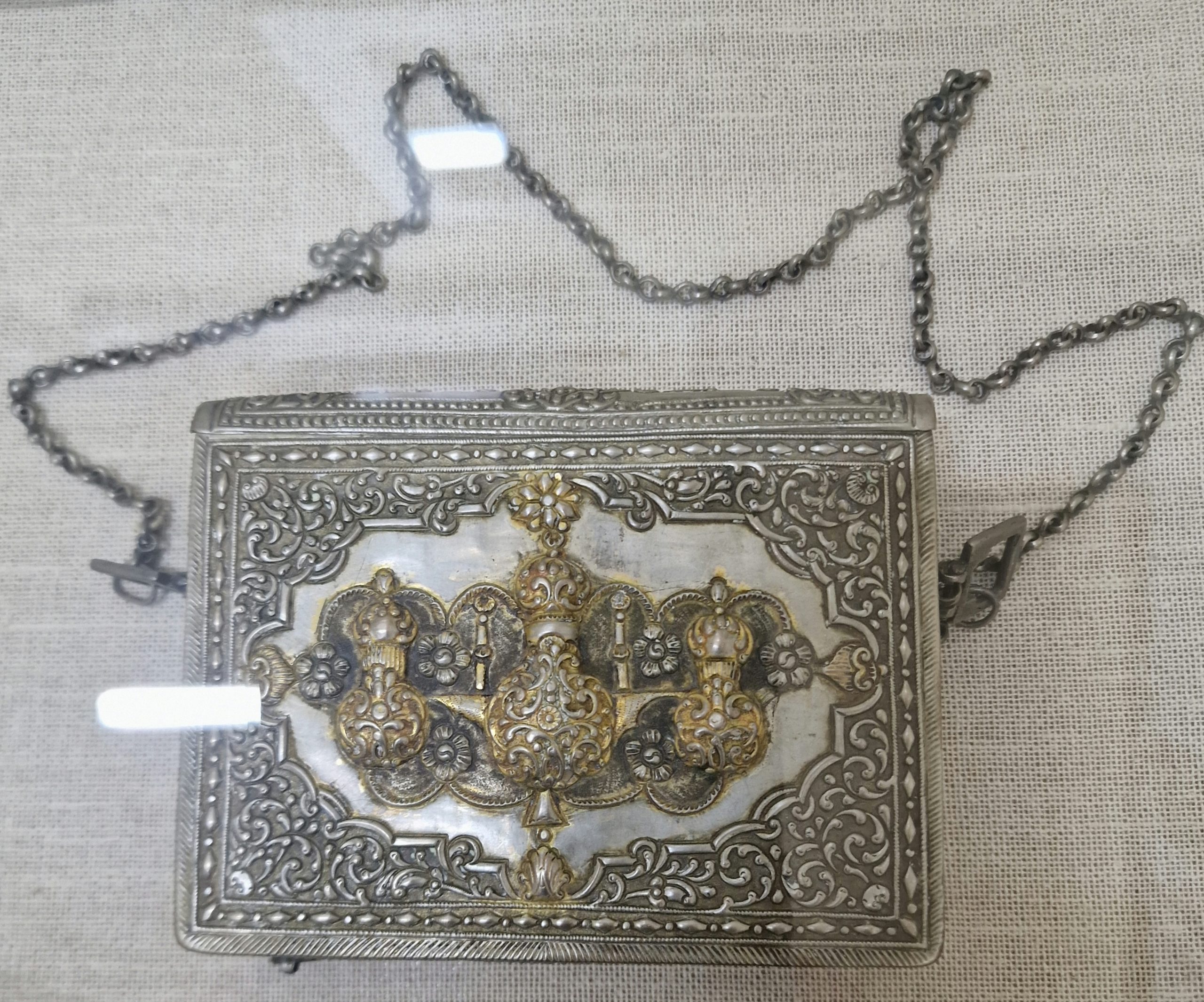
Some museum firearms are dangerous for a different reason: nobody can confidently establish what may remain inside or with them. Historic collections can include ammunition of uncertain status, old cartridges, or objects whose previous handling is poorly recorded. Museum guidance stresses expert assessment when ammunition may be live and recommends keeping ammunition separately secured. That caution extends to firearms themselves. An apparently empty antique is not automatically harmless, so conservators treat uncertainty as a reason for controlled examination, not an invitation to fire it.
8. Artillery and Heavy Naval Guns With Archaeological Value
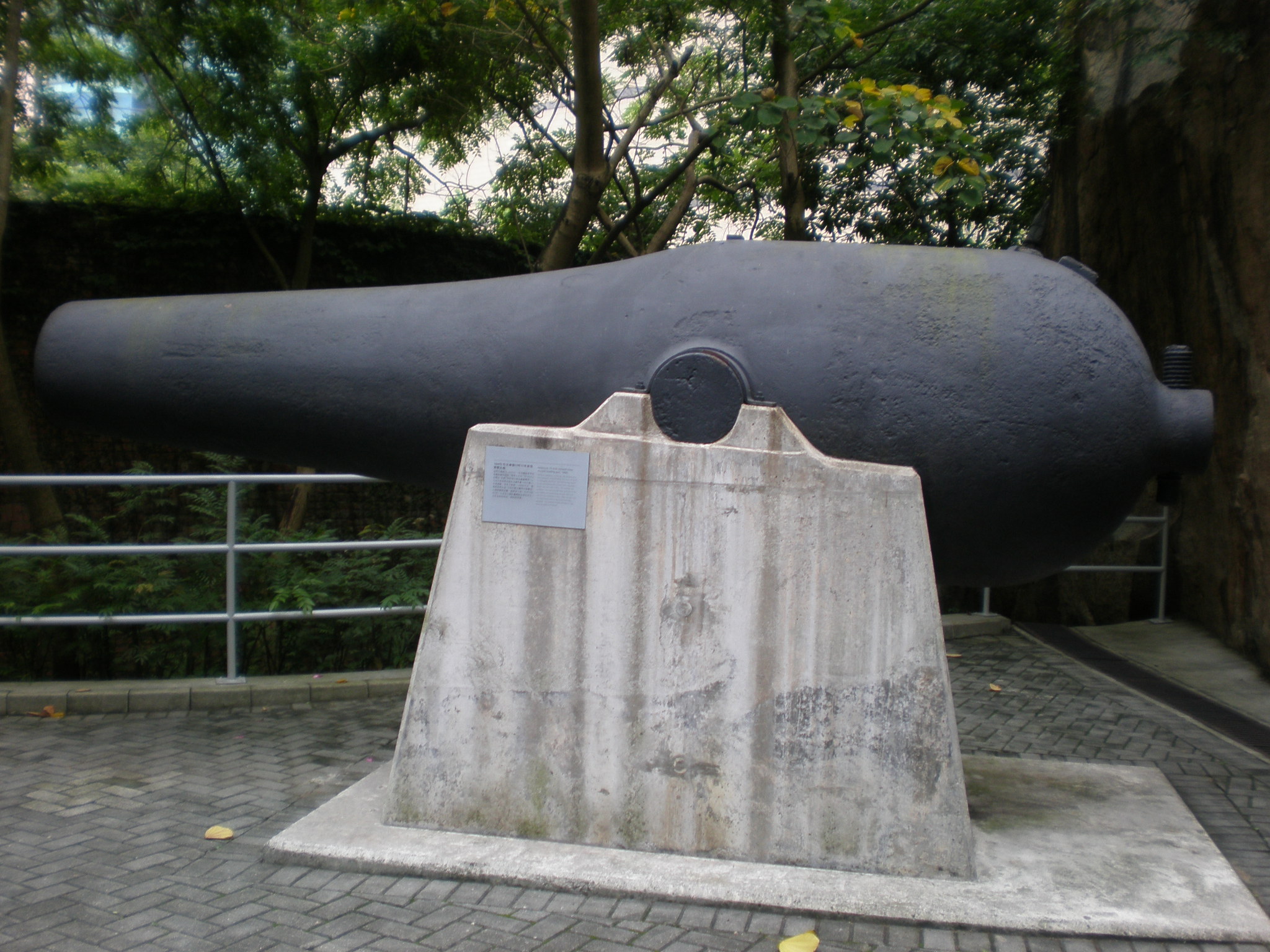
Large museum guns recovered from battlefields, shipwrecks, and historic sites present a special preservation problem. The USS Monitor’s Dahlgren guns, for example, required custom conservation equipment to remove concretion from their bores after recovery from the wreck. Their archaeological context is as important as their engineering. Firing would introduce enormous mechanical stress and could permanently alter or destroy evidence. At roughly 16,000 pounds each, these guns demonstrate why some museum weapons are best understood as archaeological objects rather than functioning arms.