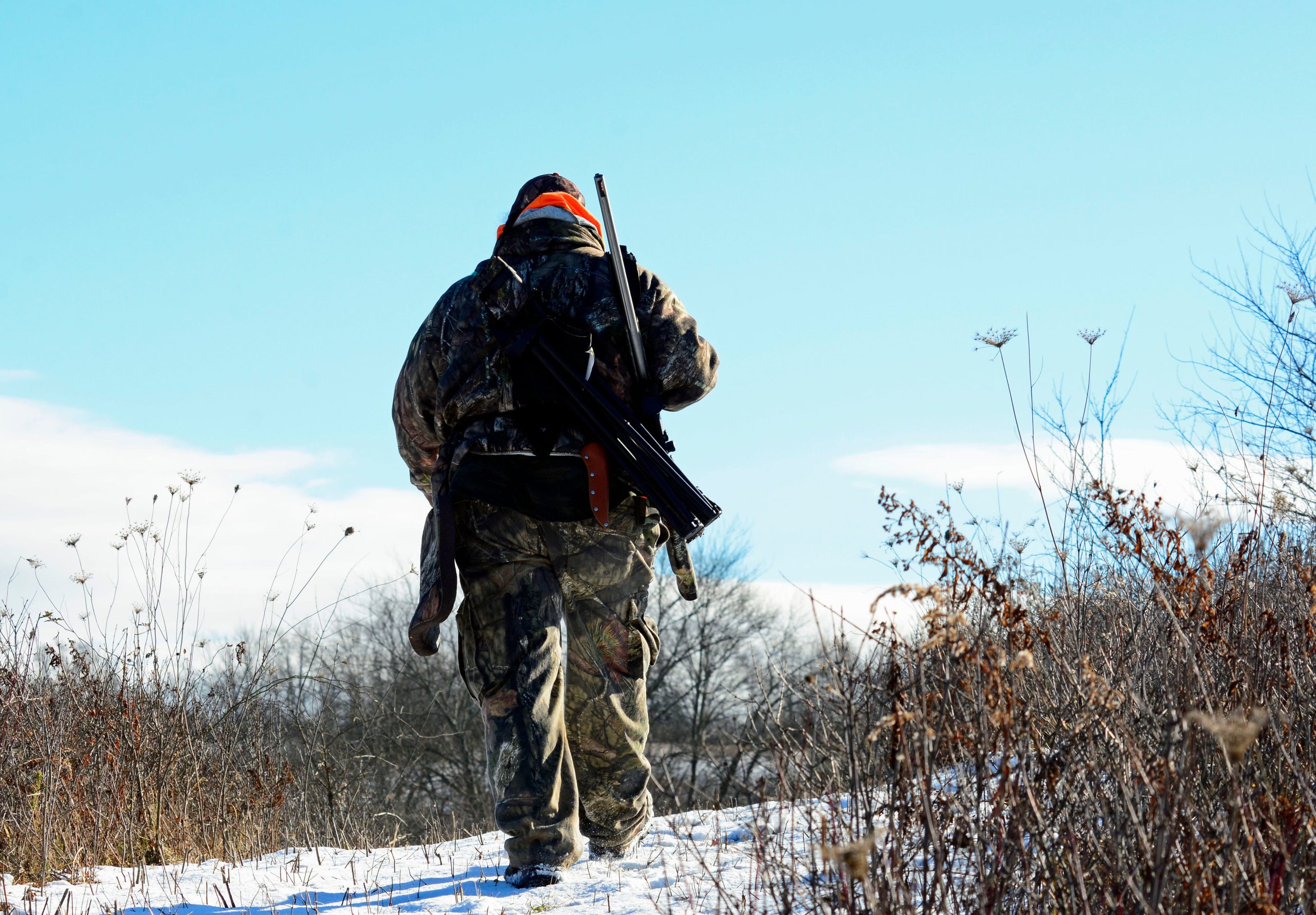
Booking a hunting outfitter involves more than choosing a destination and paying a deposit. Experienced hunters look closely at the guide’s knowledge, local wildlife conditions, accommodation, licensing requirements, and the actual services included in the price. A well-planned hunt can still disappoint when expectations do not match reality. Asking the right questions before committing helps uncover hidden costs, unclear policies, and unrealistic promises. These 9 questions can help hunters evaluate an outfitter carefully and decide whether the experience is worth their time and money.
1. What Is Your Actual Success Rate Over the Past 3 Seasons?
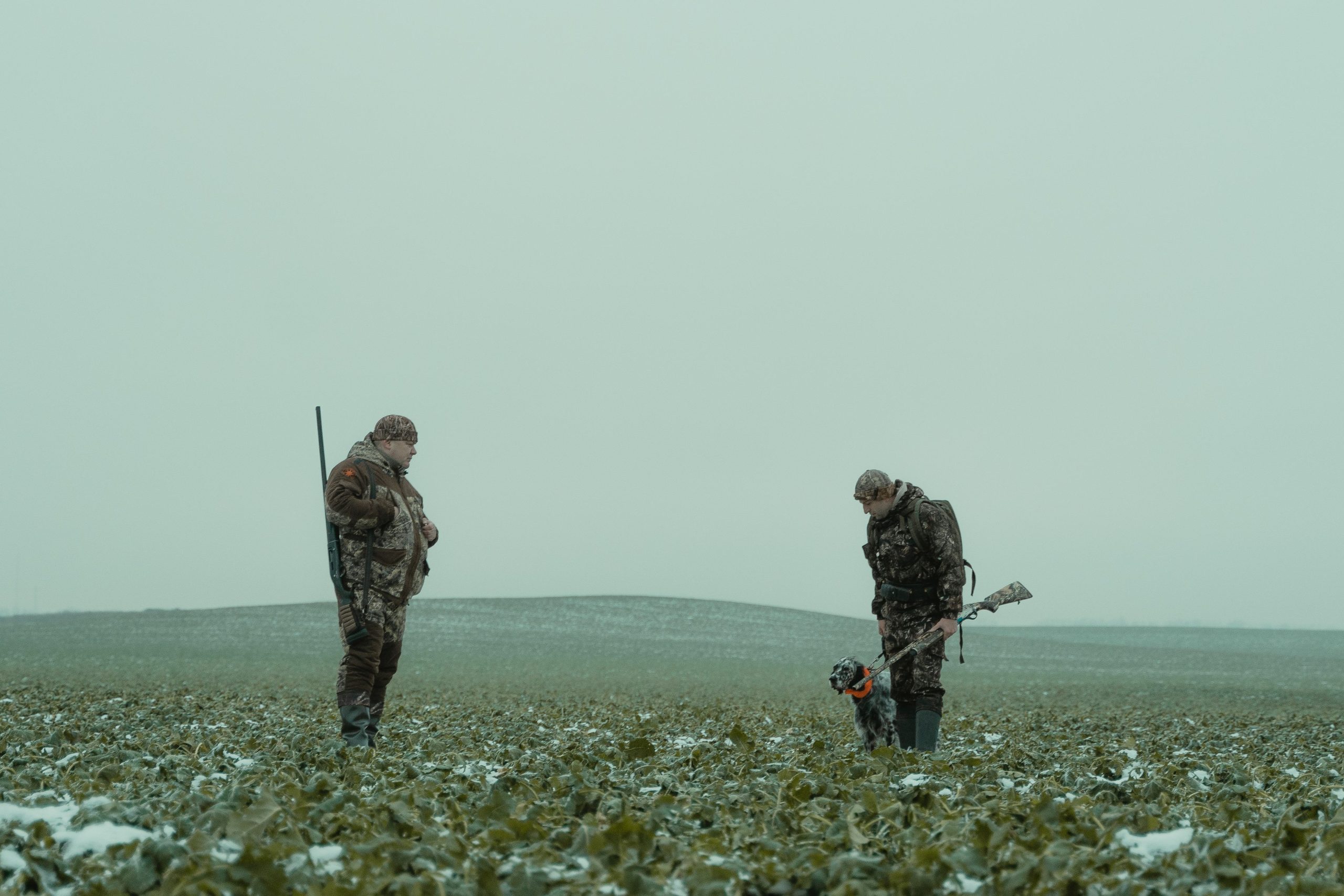
A reported success rate means little without knowing how it was calculated. Ask an outfitter for figures covering the last 3 seasons, including the number of hunters who participated, the number who harvested an animal, and whether unsuccessful hunters were included. A 75% success rate among 20 clients represents 15 successful hunts, but the figure may exclude cancellations or hunters who passed on opportunities. Also ask whether results reflect similar terrain, weather, and hunting methods. Honest operators explain these details rather than guaranteeing a particular outcome or relying on impressive percentages alone.
2. How Many Hunters Will Each Guide Be Responsible For?
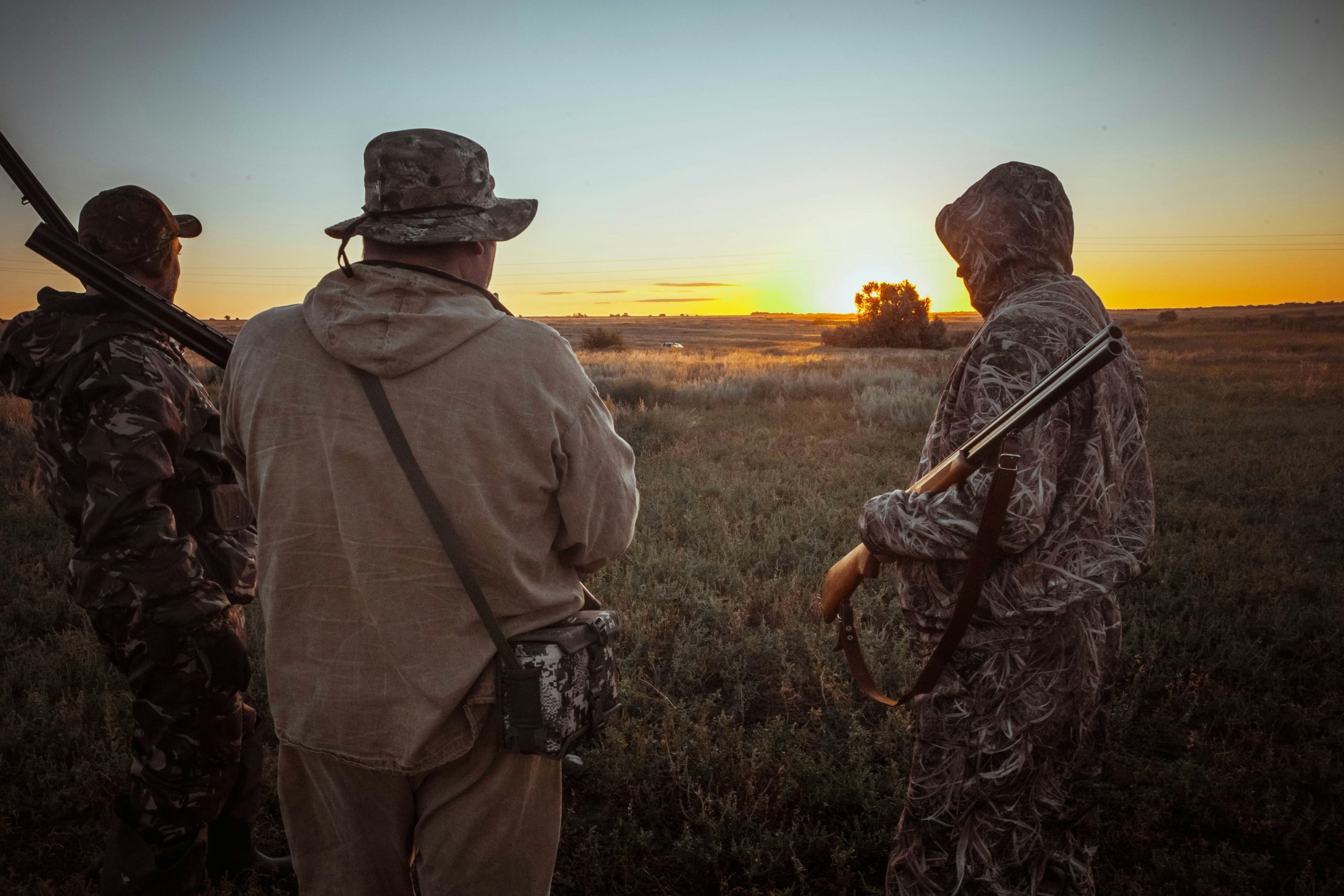
The guide-to-hunter ratio can shape an entire hunting trip. Ask whether you will receive a dedicated guide or share one with 2 or 3 other hunters. In unfamiliar terrain, a 1:1 arrangement may allow more personalized scouting, flexible movement, and quicker adjustments when wildlife activity changes. Group hunts can cost less, but they may involve competing schedules and fewer individual opportunities. Find out whether guides remain with clients throughout the day, how groups are divided, and whether additional charges apply for private guiding. The important issue is understanding exactly how much attention your booking includes.
3. What Is Included in the Quoted Price?
A package advertised at $4,500 may not cover every expense associated with a hunting trip. Request a written breakdown of accommodation, meals, guide fees, transportation, field preparation, and any trophy-related services. Ask whether hunting licenses, tags, ammunition, airport transfers, and gratuities are extra. For example, another $700 in travel and licensing costs can significantly change the overall budget. Clarify the payment schedule, deposit amount, and final balance deadline before sending money. A detailed quotation helps you compare two outfitters fairly instead of choosing one based on a lower headline price.
4. What Happens If Weather or Wildlife Conditions Affect the Hunt?
Wildlife does not follow a guaranteed schedule, and weather can make hunting unsafe or unproductive. Ask how the outfitter handles heavy rain, extreme temperatures, wildfire closures, or sudden changes in animal movement. If a 5-day hunt loses 2 days to severe weather, determine whether alternative activities, replacement dates, refunds, or credits are available. Read the cancellation policy carefully because weather-related disruptions may be treated differently from guide cancellations or legal hunting closures. A responsible outfitter explains the limits of the service in advance instead of promising that every scheduled day will produce an opportunity.
5. How Familiar Are Your Guides With This Specific Hunting Area?
A guide’s experience should extend beyond general hunting knowledge. Ask how many seasons they have worked in the exact region and whether they understand its access routes, terrain, animal movement, and seasonal restrictions. Someone with 10 years of experience elsewhere may know less about a particular property than a local guide with 4 seasons there. Find out how scouting is conducted, whether trail cameras or recent observations inform decisions, and how backup locations are selected. Experienced operators can explain their methods without revealing sensitive hunting spots. Local knowledge matters most when conditions change and the original plan stops working.
6. Can You Explain the License, Tag, and Legal Requirements?
Hunting regulations vary by state, species, season, and land ownership, so never assume the outfitter handles every legal detail. Ask which licenses and tags you must obtain, whether applications or lotteries are involved, and what deadlines apply. Some permits require planning several months before a trip, while others may be available closer to the season. For an out-of-state hunt, confirm whether nonresident fees, weapon restrictions, harvest reporting, and transportation rules apply. Request the relevant official regulations and verify them independently. A booking confirmation is not a substitute for legal authorization, and responsibility for compliance must be clear before departure.
7. What Are the Accommodation and Daily Hunting Arrangements?
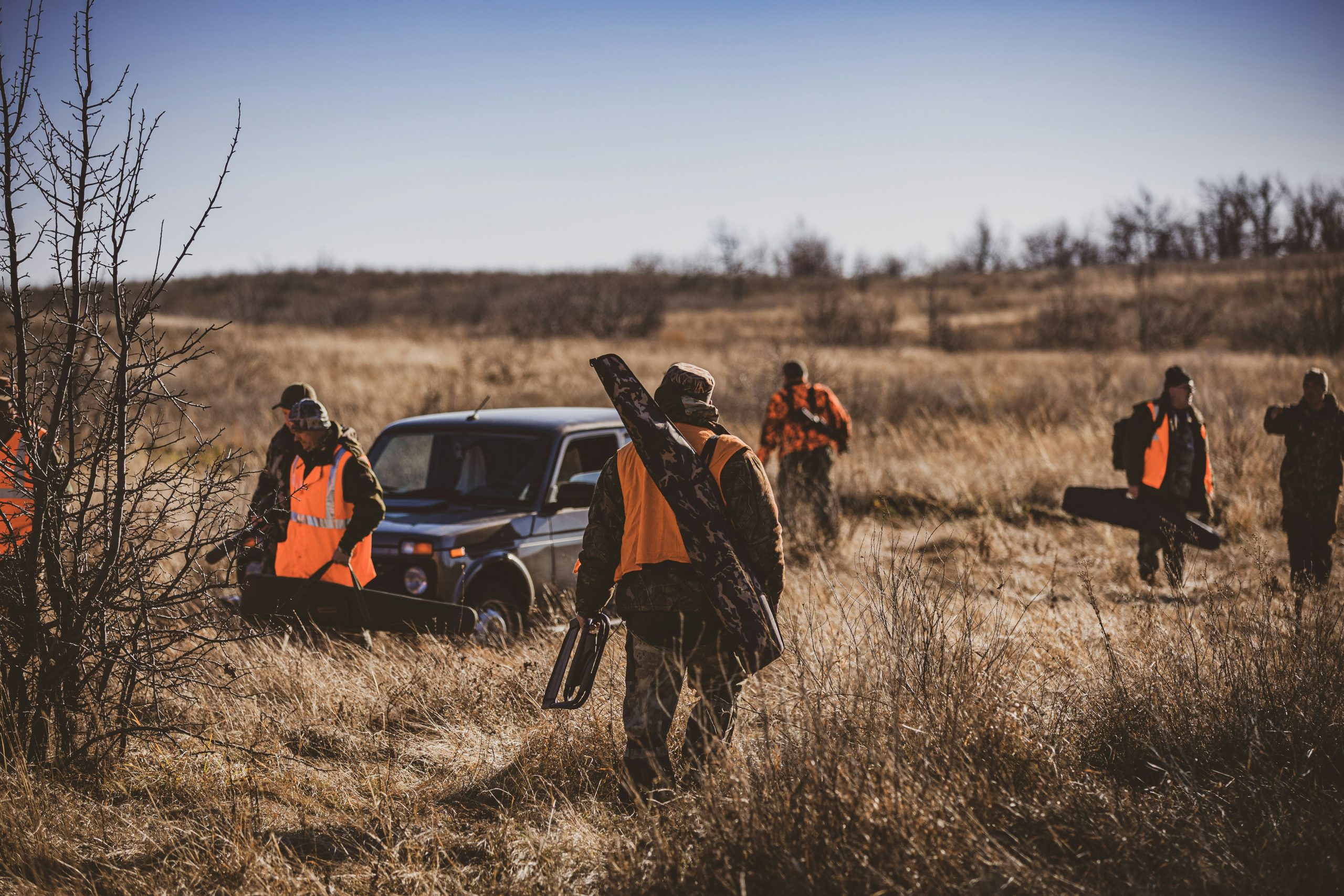
Comfort and logistics can affect performance during a demanding hunt. Ask whether accommodation is a lodge, cabin, tent camp, or nearby hotel, and confirm how far it is from the hunting area. A camp located 30 miles away could mean an early departure and additional travel each morning. Clarify sleeping arrangements, bathroom access, meal schedules, drinking water, and available heating or cooling. You should also know when hunting typically begins, how long field days last, and whether rest periods are built into the schedule. Request recent photos and a sample daily itinerary to ensure the facilities match your expectations.
8. What Equipment Must I Bring, and What Can You Supply?

Before traveling, obtain a complete equipment list tailored to the species, season, and terrain. Ask whether the outfitter supplies essential items such as blinds, calls, safety equipment, or field transportation, and whether rental fees apply. You may need 3 layers of clothing for changing conditions, waterproof footwear, navigation tools, and species-appropriate equipment permitted by local law. Confirm firearm transport requirements or restrictions on other hunting equipment well before departure. Also ask whether ammunition, batteries, and specialist gear are readily available nearby. A checklist received at least 2 weeks before travel gives you time to address missing items without expensive last-minute purchases.
9. What Is Your Cancellation Policy, and Can I Speak With Previous Clients?
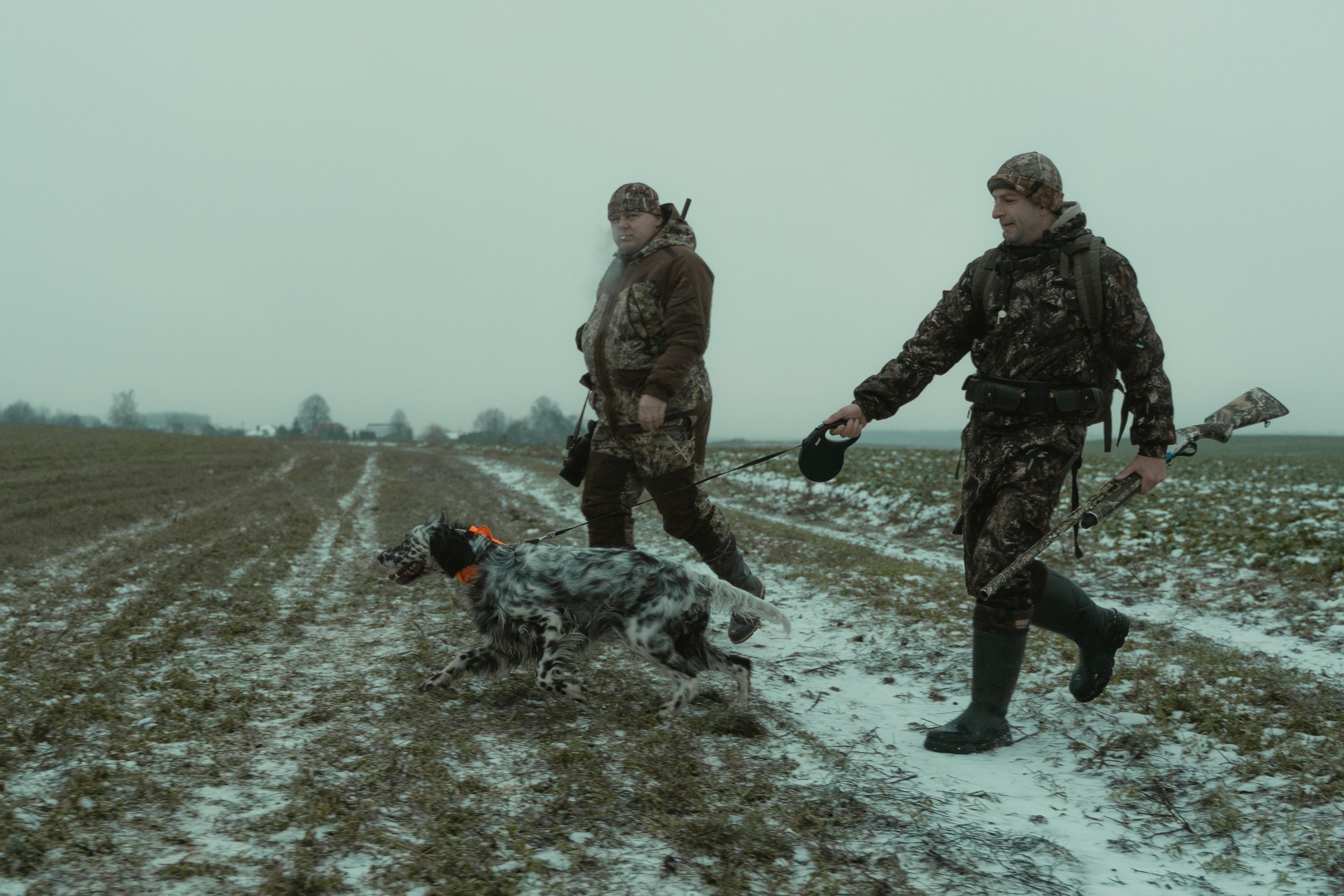
Before paying a deposit, ask for the complete cancellation and refund terms in writing. Check what happens if you cancel 60 days before arrival, become ill, or cannot travel because of an unexpected disruption. Some outfitters retain deposits, while others offer partial refunds or rescheduling under specific conditions. Request references from 2 or 3 previous clients who completed comparable hunts, and ask about communication, guide professionalism, and unexpected charges. Independent reviews can provide additional context, but look for detailed accounts rather than relying on star ratings alone. Clear policies and credible references help establish trust before you commit.