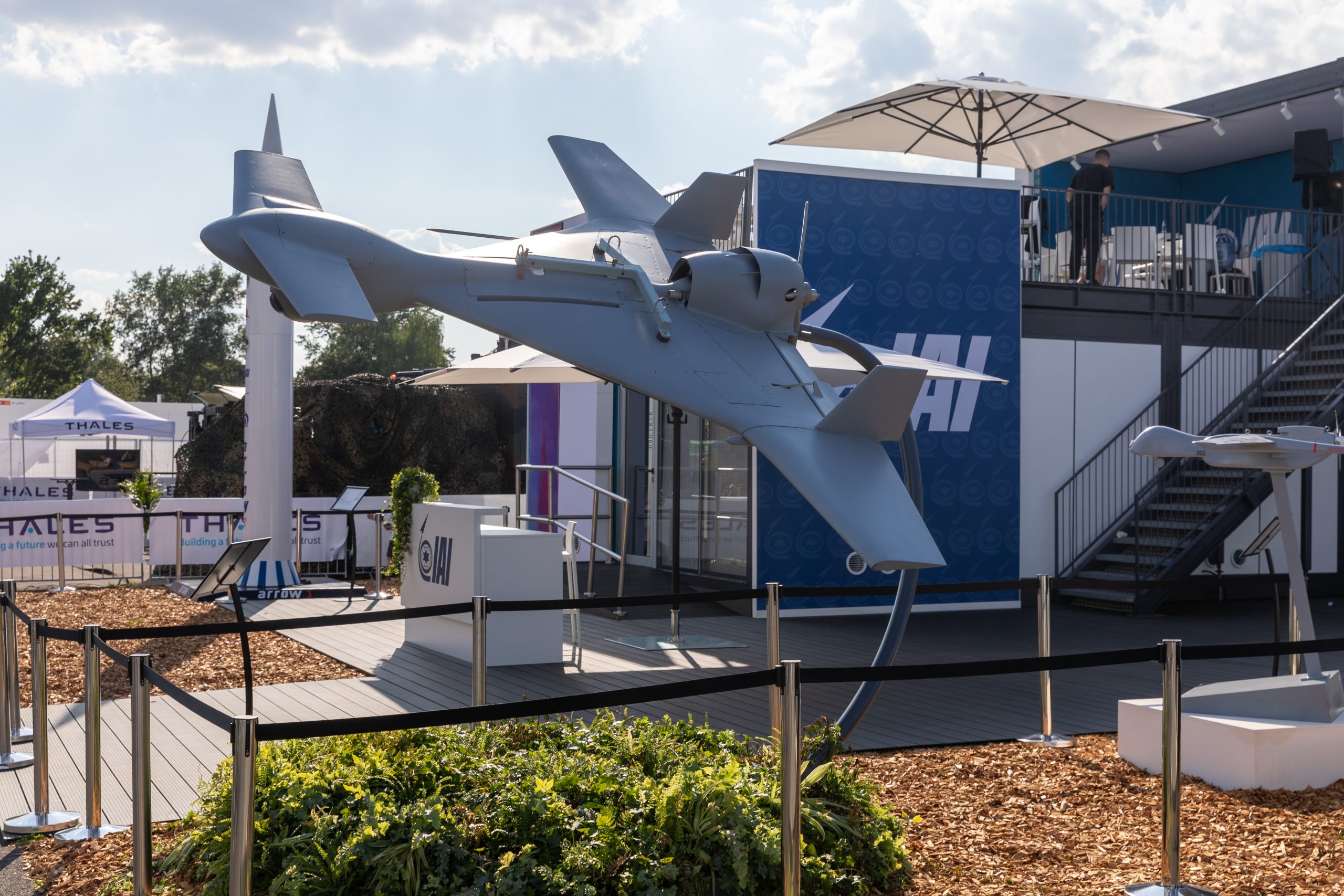
Loitering munitions have changed the balance between expensive conventional weapons and relatively affordable precision strikes. Unlike ordinary drones, these systems are designed to search, wait, and attack as part of the same mission. Their spread across conflicts from Nagorno-Karabakh to Ukraine showed smaller militaries that they could threaten artillery, radar, armor, and infrastructure without maintaining large fleets of combat aircraft. The result is a new kind of battlefield reach where speed, sensors, and numbers can sometimes matter as much as traditional firepower.
1. IAI Harop
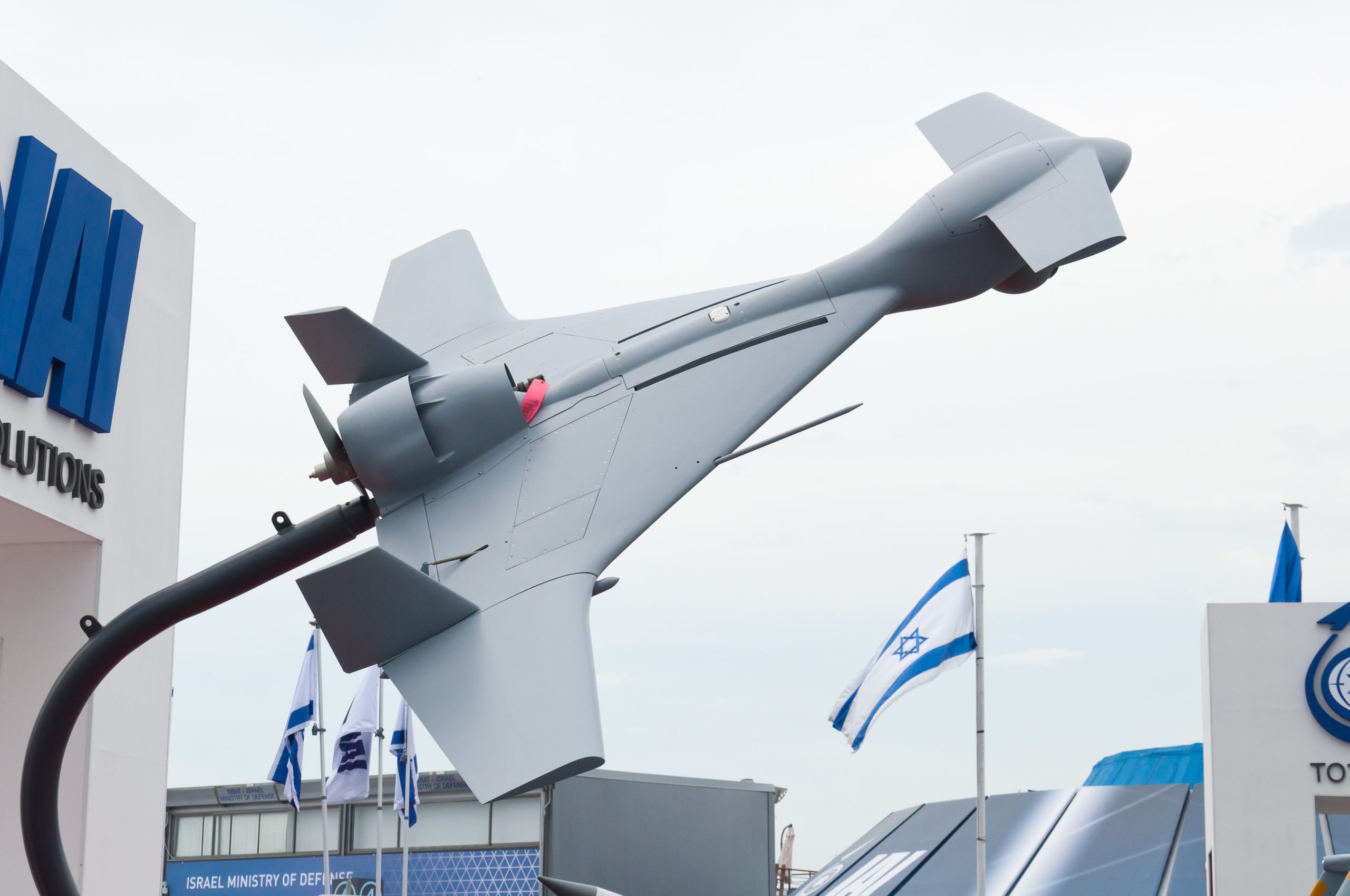
Azerbaijan turned the Israeli Harop into one of the clearest examples of how a smaller military can threaten expensive air defenses. The 2016 and 2020 Nagorno-Karabakh fighting showed the value of a munition that can search for a target before diving onto it. The Harop is reported to have a range of roughly 1,000 km and can carry a warhead of about 23 kg. Its ability to attack radar emitters made air defenses more cautious, while its loitering time gave operators another option beyond a conventional missile strike. It gave operators extra time.
2. IAI Harpy
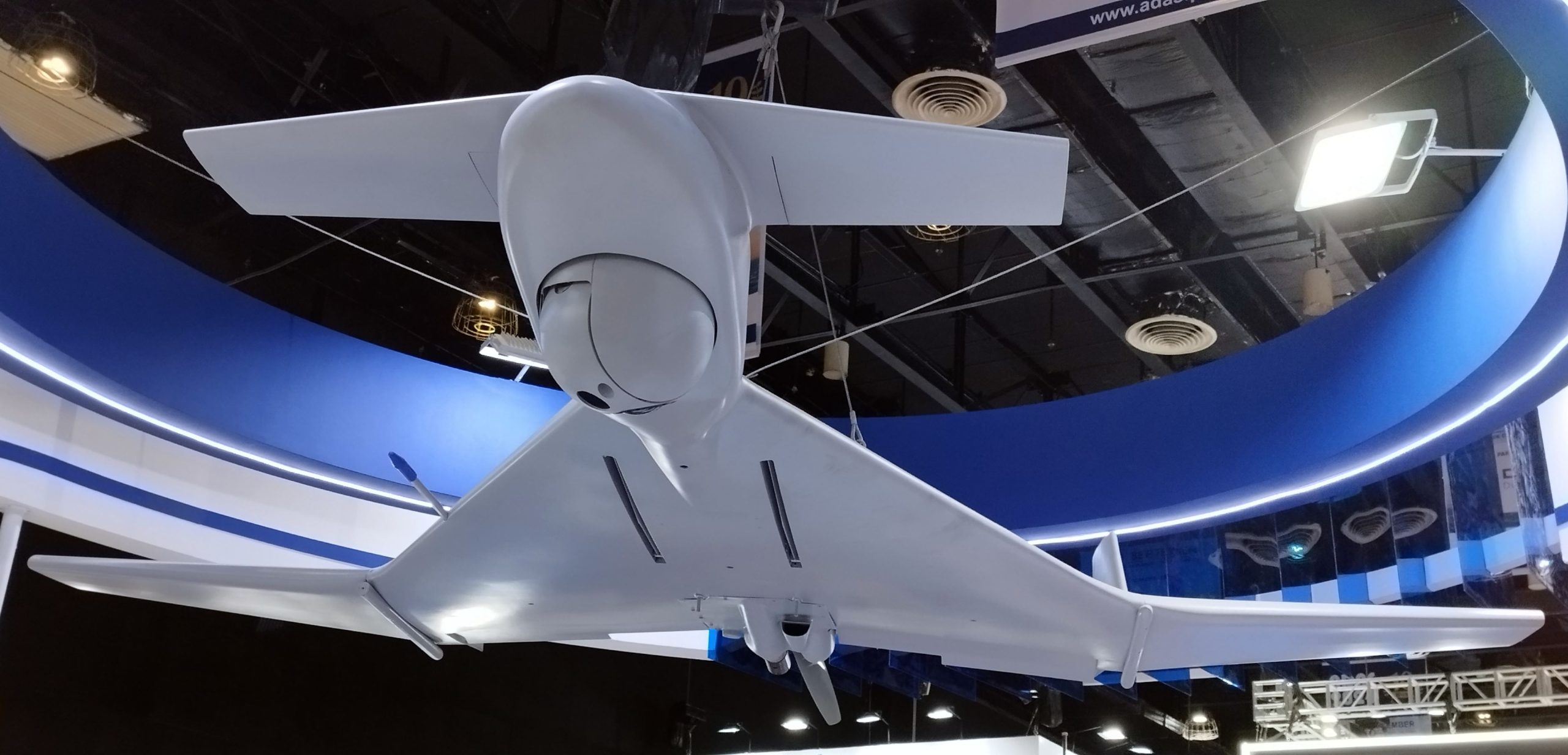
The Harpy helped establish the idea that a loitering weapon could specialize in hunting radar rather than simply hitting a preselected point. Israel developed it as an anti-radiation system, and countries with smaller air forces saw a way to pressure sophisticated surface-to-air missile networks without sending pilots into the danger zone. Its reported reach is about 500 km, with an endurance measured in hours. That combination made the weapon especially relevant to nations that could not afford large fleets of dedicated electronic-attack aircraft.
3. WB Warmate
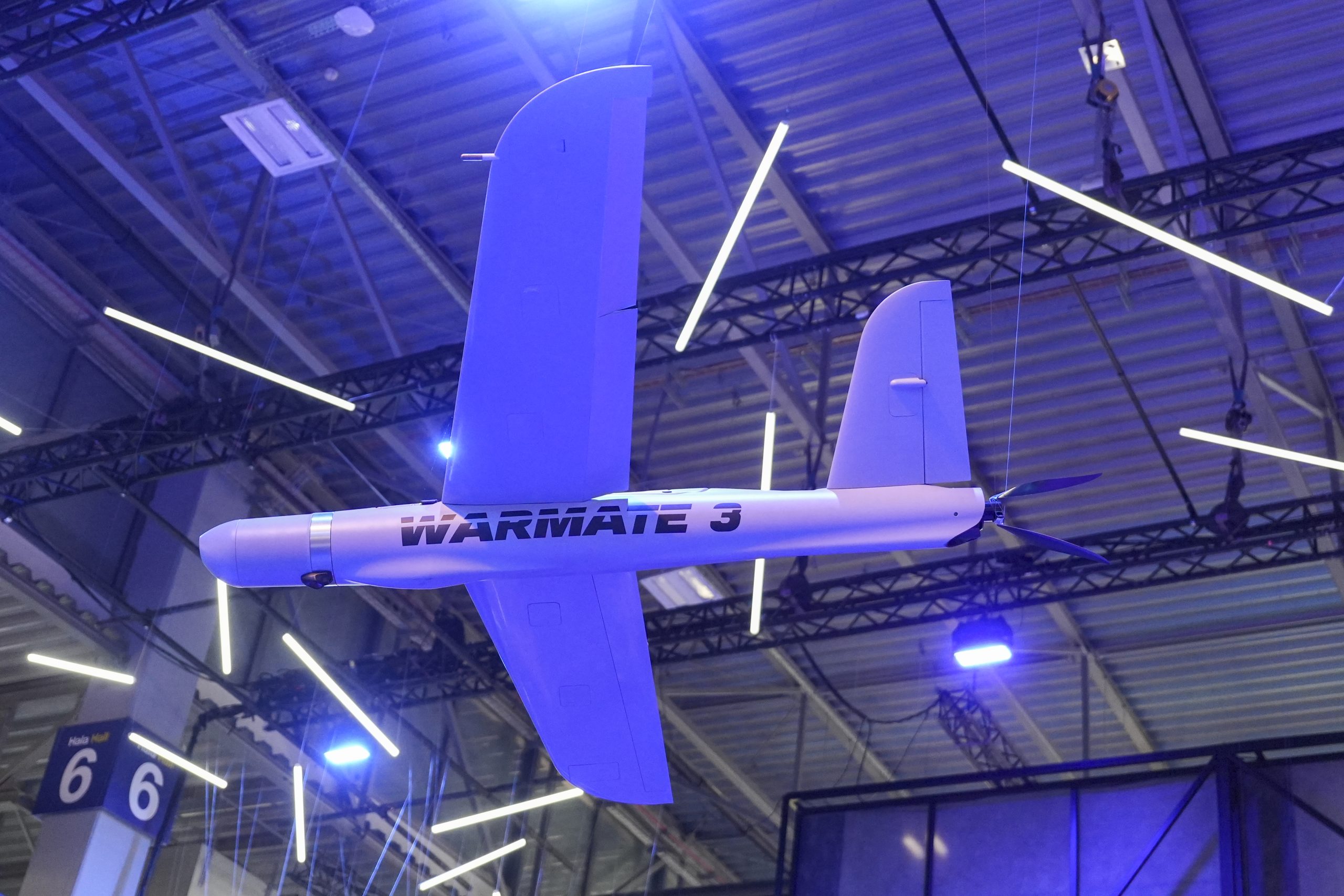
Poland’s Warmate showed that loitering munitions did not have to be huge, strategic weapons. Weighing about 5 kg in early configurations, it can be transported and launched by small teams, making it attractive to forces that need precision effects close to the front. Ukraine became a prominent wartime user, while Poland continued developing the family. A reported endurance of about 70 minutes and an operating range of around 15 km put the system in a useful middle ground between hand-launched drones and larger strike weapons. That portability mattered for dispersed units.
4. Switchblade 300
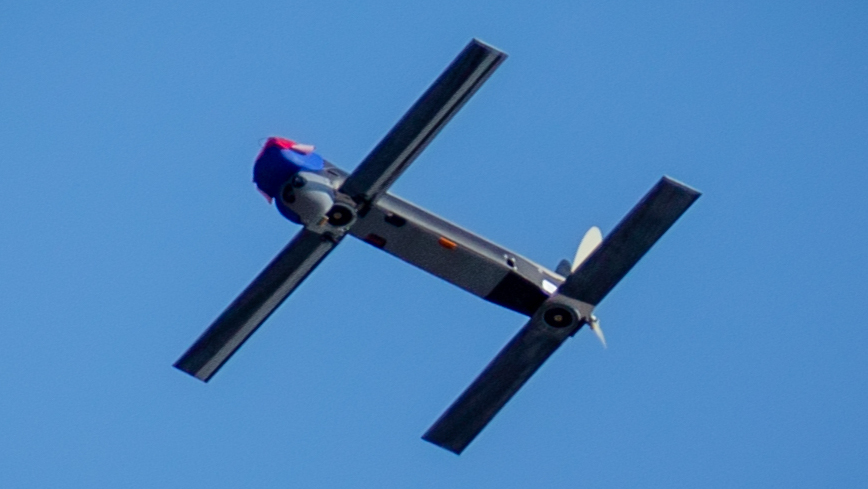
The American Switchblade 300 helped bring a loitering munition into the hands of small infantry units. Ukraine received the system during the 2022 invasion, using a compact weapon that could be carried, launched, and controlled by troops without an aircraft or artillery battery. The 300 is designed for relatively light targets and has a warhead of roughly 1 kg. Its significance was less about raw destructive power and more about giving dispersed teams a precision option that could be available within minutes rather than waiting for heavier fires.
5. ZALA Lancet
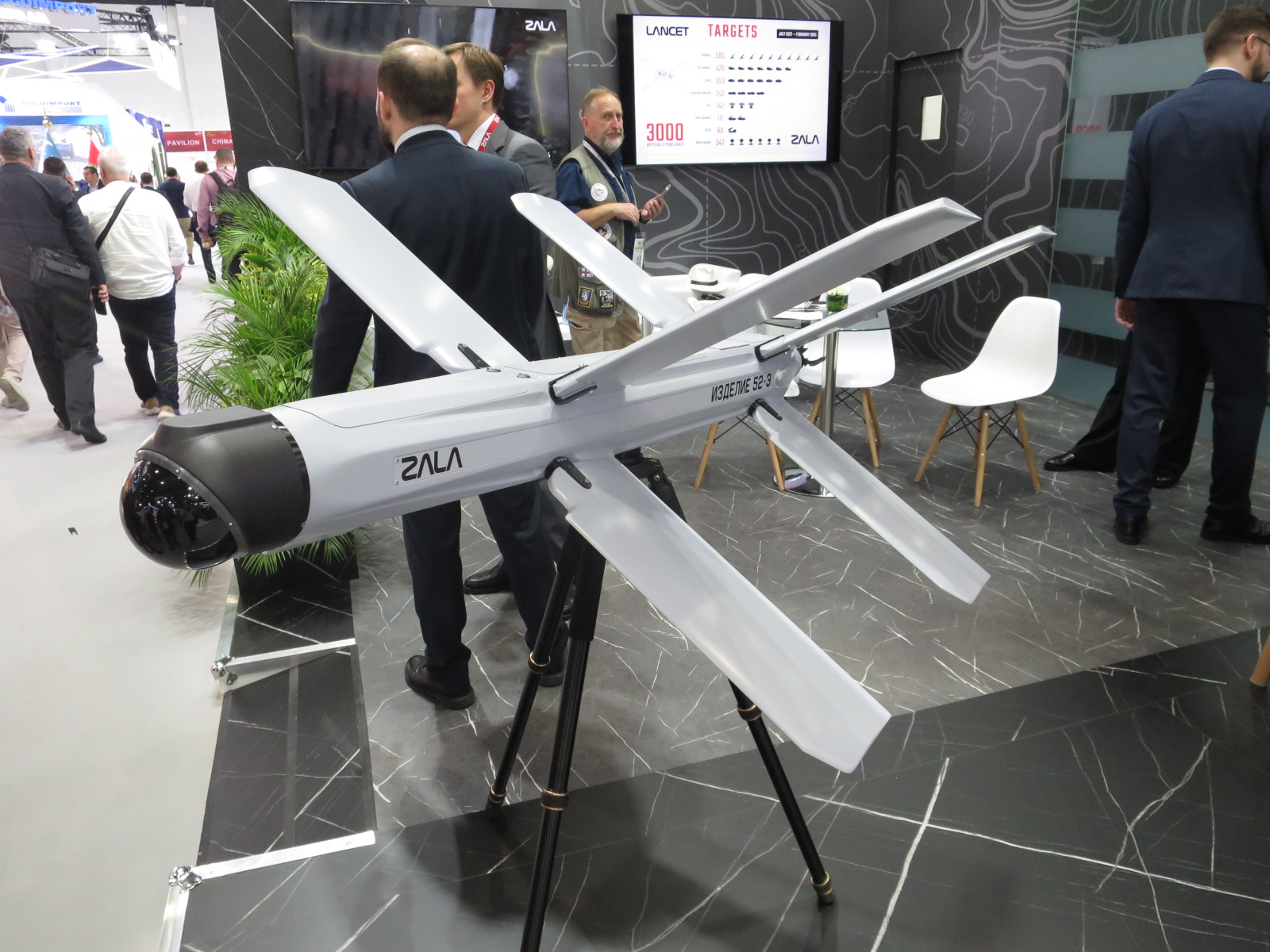
Russia’s Lancet demonstrated how loitering munitions become more powerful when paired with reconnaissance drones. In Ukraine, Lancet variants have been used against artillery, radar equipment, and other battlefield targets, with operators receiving a live view before impact. The Lancet-3 is commonly described as having a warhead of around 3 kg, while open-source assessments place its effective reach in the tens of kilometres. The important lesson for smaller militaries is the kill chain: finding, tracking, and striking a target can be linked without relying entirely on traditional artillery observers.
6. STM Kargu
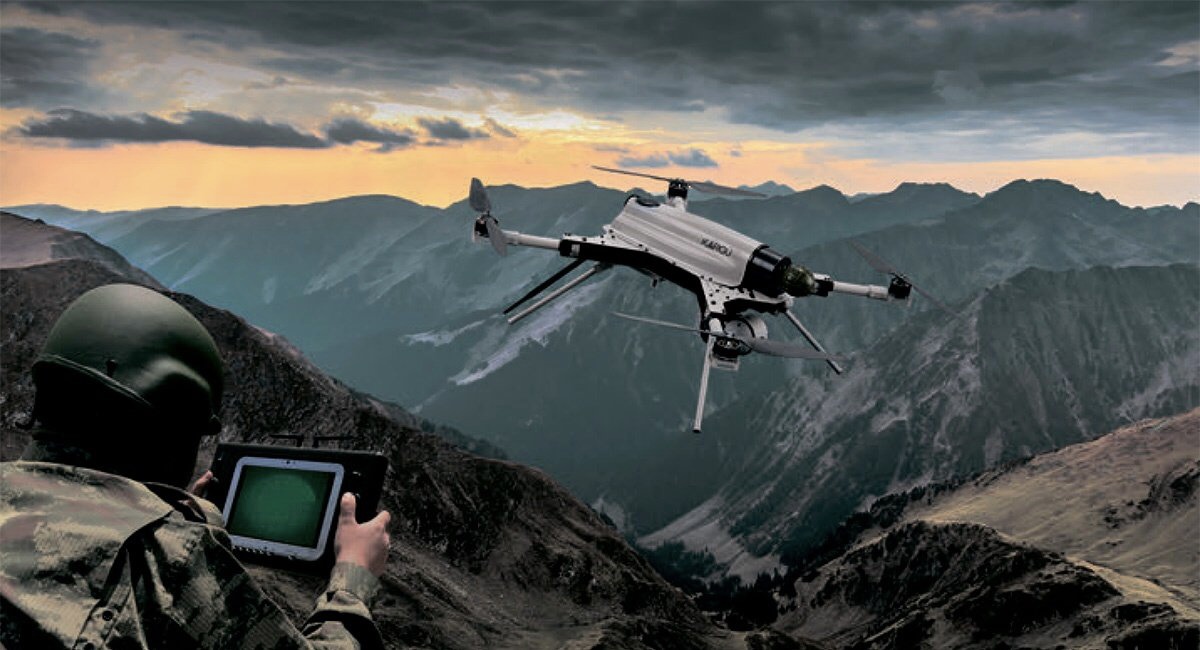
Turkey’s Kargu brought a different idea to the loitering-munition market: a small rotary-wing system built for short-range attacks. Its compact form allows a soldier to carry the weapon, while electro-optical and infrared sensors support target identification. The Kargu weighs roughly 7 kg depending on configuration and is intended for tactical missions rather than long-distance strikes. Its development mattered to smaller states because it showed that useful loitering capability could come from a relatively light platform, not only from large fixed-wing missiles.
7. HERO 120
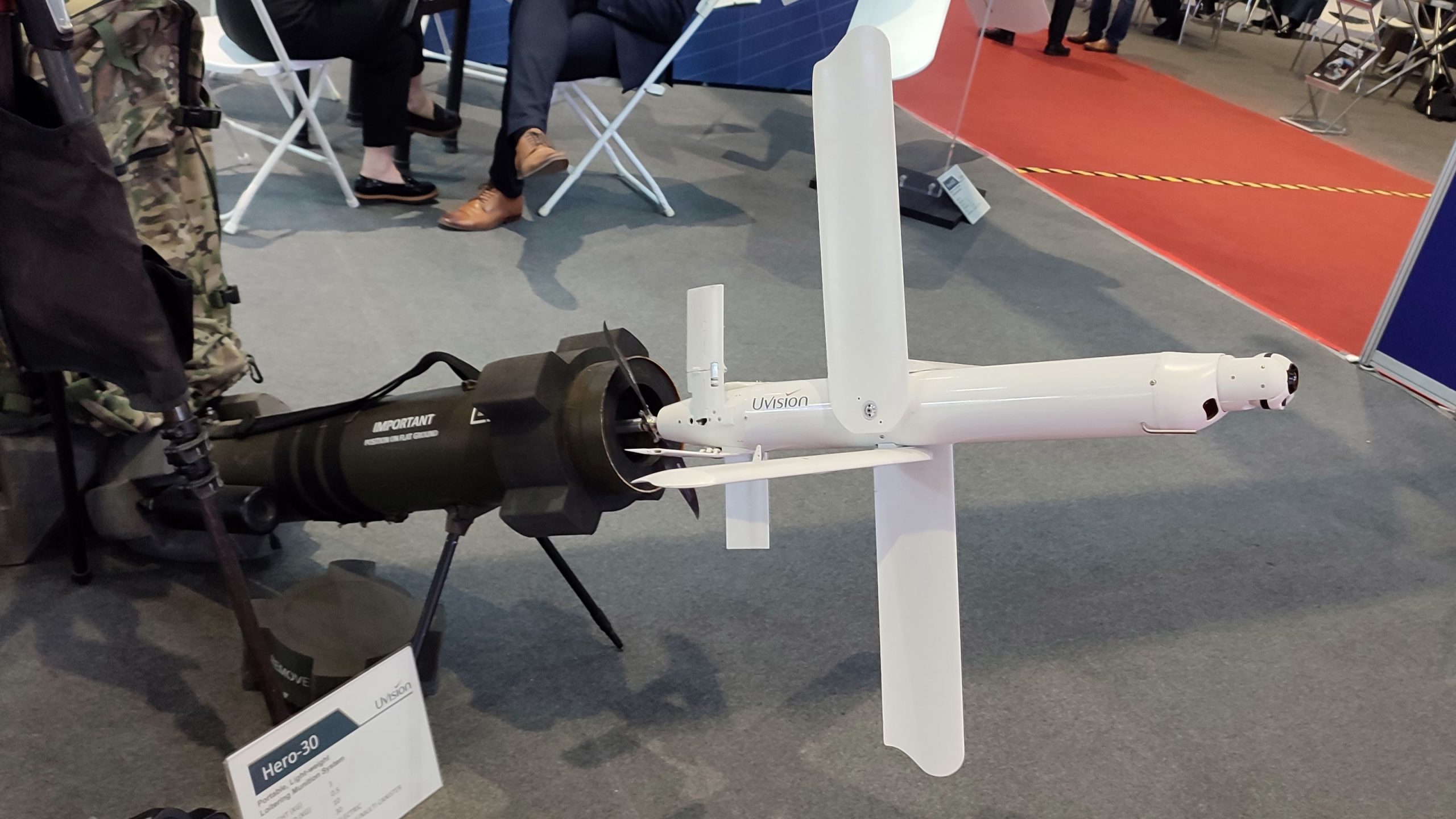
Israel’s HERO 120 represents the next step for militaries wanting more reach and a heavier punch without moving all the way to a traditional missile. The system is designed for anti-armor and precision strike missions and is commonly listed with an endurance of about 60 minutes. Its reported warhead is around 4.5 kg, while published specifications put its range at roughly 40 km. For smaller countries, that mix offers a way to extend precision fires while keeping the launcher, crew, and logistics footprint smaller than many conventional missile systems.
8. Shahed-136
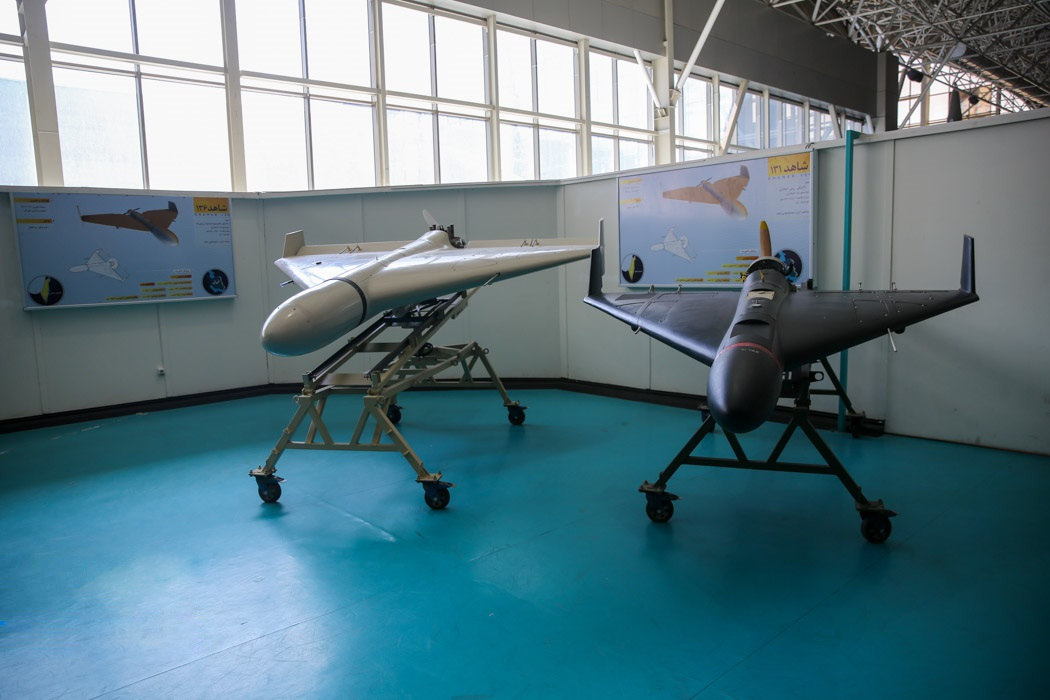
Iran’s Shahed-136 changed the discussion by showing how low-cost, long-range one-way attack drones could be produced in large numbers. Russia has used the design extensively under the Geran-2 designation, particularly against fixed infrastructure and other distant targets in Ukraine. Public specifications commonly give the Shahed-136 a range of around 1,500 to 2,000 km and a warhead in the tens of kilograms. Its importance for smaller nations is the economics: massed, relatively inexpensive weapons can force an opponent to spend costly air-defense interceptors.