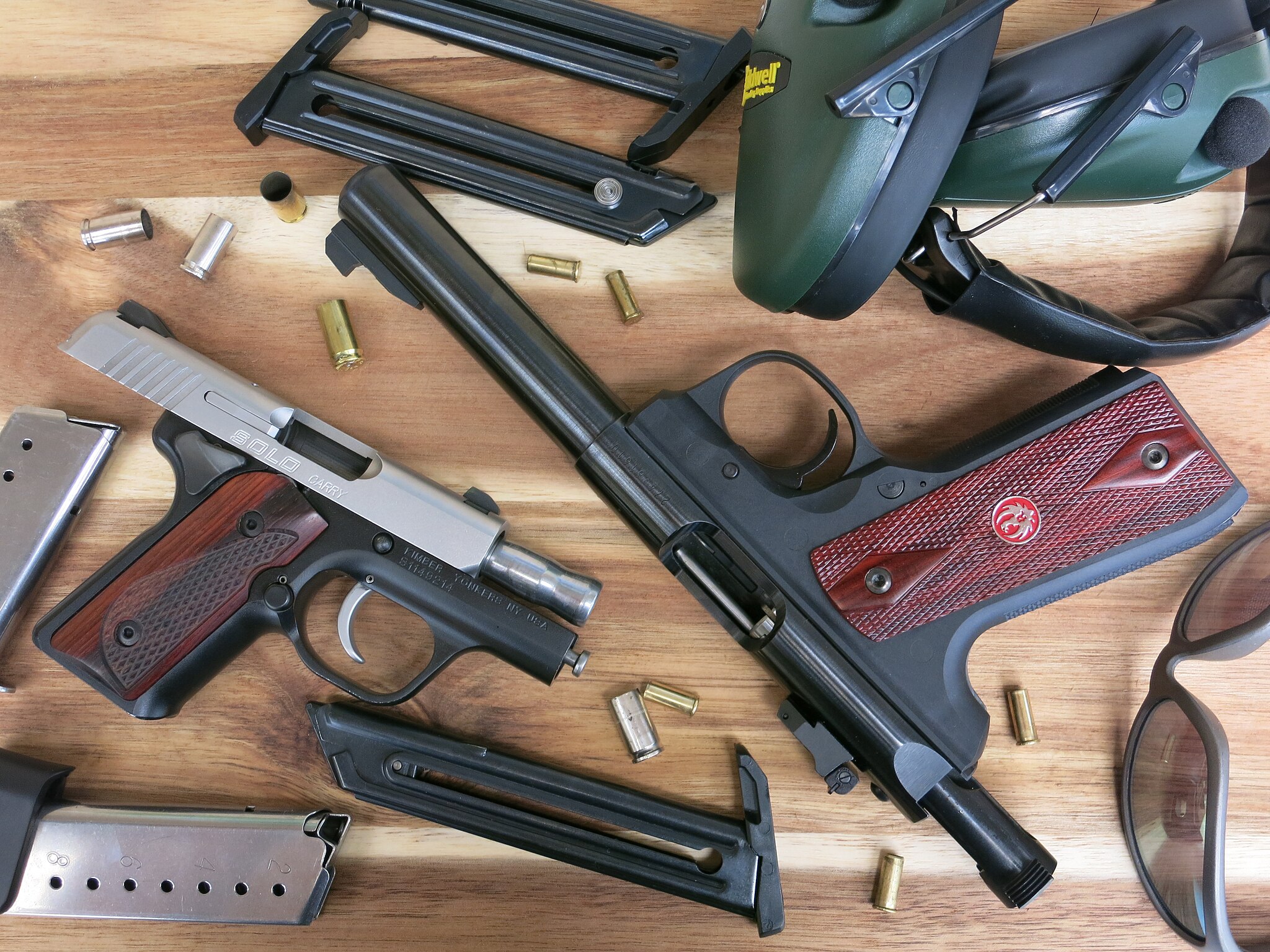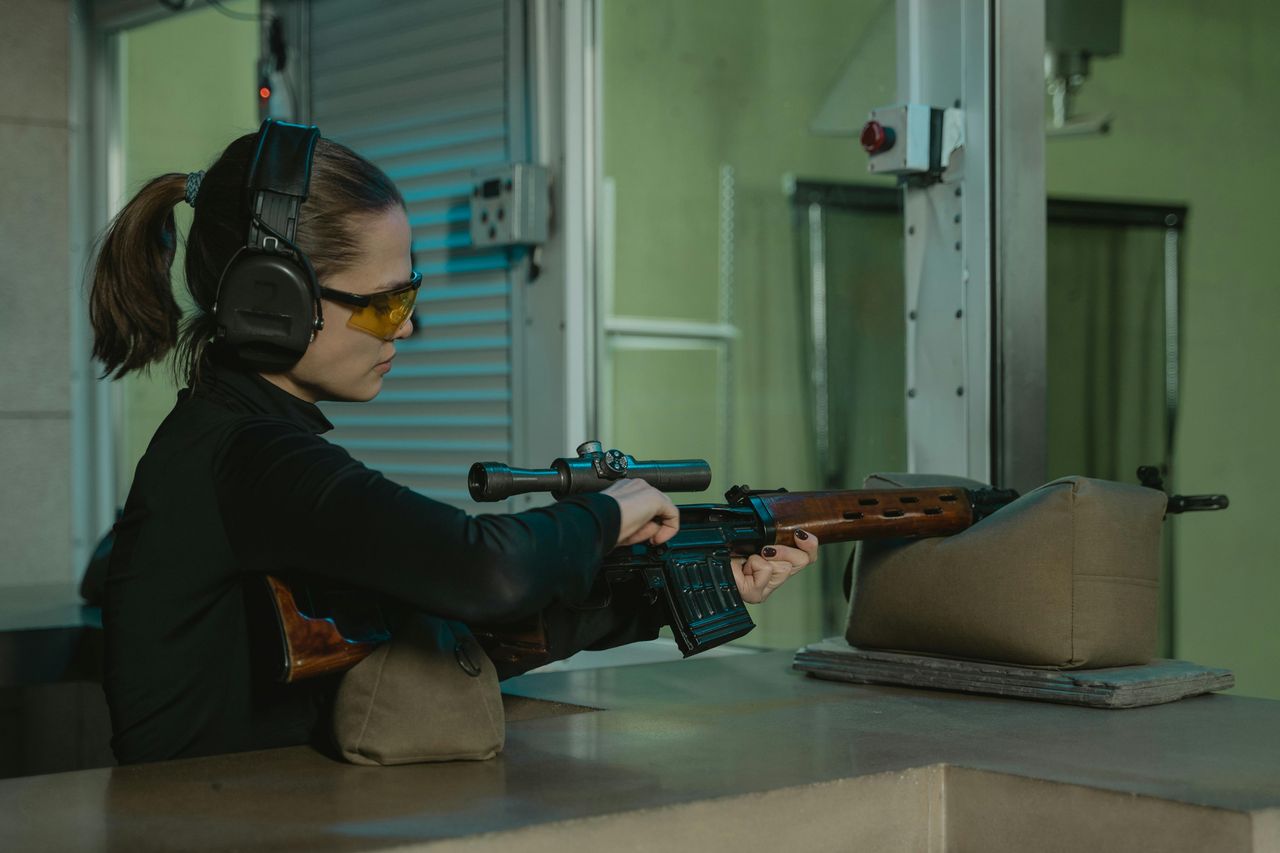
New gun owners get flooded with confident advice, and not all of it holds up once real range time and training enter the picture. Experienced shooters tend to be less interested in myths, shortcuts, and macho sayings than in habits that actually keep people safe and competent. This gallery breaks down 10 pieces of beginner lore that veterans of the range often push back on hard.
You only need a gun, not training

One of the most common things a first-time owner hears is that buying the firearm is the hard part and everything else is obvious. Experienced shooters usually roll their eyes at that. They know safe handling, storage, malfunction clearing, and sound judgment are skills, not instincts.
Training also does more than improve accuracy. It exposes blind spots, builds consistency, and makes stressful moments less chaotic. The people who have been shooting for years often say the same thing: the more they learned, the more they realized how much there was to practice.
Owning a gun without training is a little like buying a car and skipping driver’s education. You may get by for a while, but that is not the same as being prepared.
A bigger caliber always solves the problem

Beginners often hear that the answer is simple: get the biggest caliber you can handle, then go bigger. Seasoned shooters tend to reject that chest-thumping advice. They know recoil, follow-up shots, and confidence under pressure matter just as much as raw power.
A gun that feels intimidating can discourage practice and create bad habits. Experienced shooters usually recommend finding a caliber and platform you can control well, shoot accurately, and train with regularly. In the real world, a hit with a manageable firearm beats a miss with a hand cannon.
That is why many veterans of the range sound less impressed by size and more interested in performance. Practical shooting tends to humble caliber debates pretty quickly.
You do not need hearing protection for just a few shots

This is the kind of advice experienced shooters dismiss immediately. Firearm noise can damage hearing fast, and the idea that a couple of rounds are harmless is one of those myths that survives only because people repeat it casually.
Seasoned shooters usually treat ear protection as non-negotiable, whether they are indoors, outdoors, shooting rifles, or standing nearby. Many double up with plugs and muffs because hearing loss and tinnitus do not care whether the shooting session was short.
The same crowd that has been around ranges for years has often seen the consequences firsthand. They are not being fussy. They are trying to protect something you do not get back once it is gone.
A manual safety makes a gun safe by itself

New owners are sometimes told that the little lever is the main thing standing between safe and unsafe handling. Experienced shooters disagree because they have learned that mechanical safeties are useful, but they are not a substitute for disciplined behavior.
A firearm is made safe by how it is handled, stored, and managed. Finger discipline, muzzle awareness, and treating every gun as loaded are the habits that prevent tragedy. A safety can fail, be disengaged accidentally, or be forgotten in a stressful moment.
That is why seasoned shooters sound repetitive about fundamentals. They are not anti-safety device. They just know the real safety system starts with the person holding the gun, not the switch on the frame.
If it jams, it must be a bad gun

A first malfunction can send a beginner straight into blaming the firearm. Experienced shooters usually see a bigger picture. They know stoppages can come from ammunition, magazines, poor maintenance, limp-wristing, or simple user error, not just a defective pistol or rifle.
That does not mean the gun is never the problem. It means one hiccup is not a complete diagnosis. The more time someone spends shooting, the more they realize reliability is a system made up of gear, technique, and upkeep.
Seasoned shooters also stress learning how to clear common malfunctions safely. That knowledge turns a frustrating interruption into a manageable part of training instead of a reason to panic or swear off the platform entirely.
You should keep a defensive gun unloaded
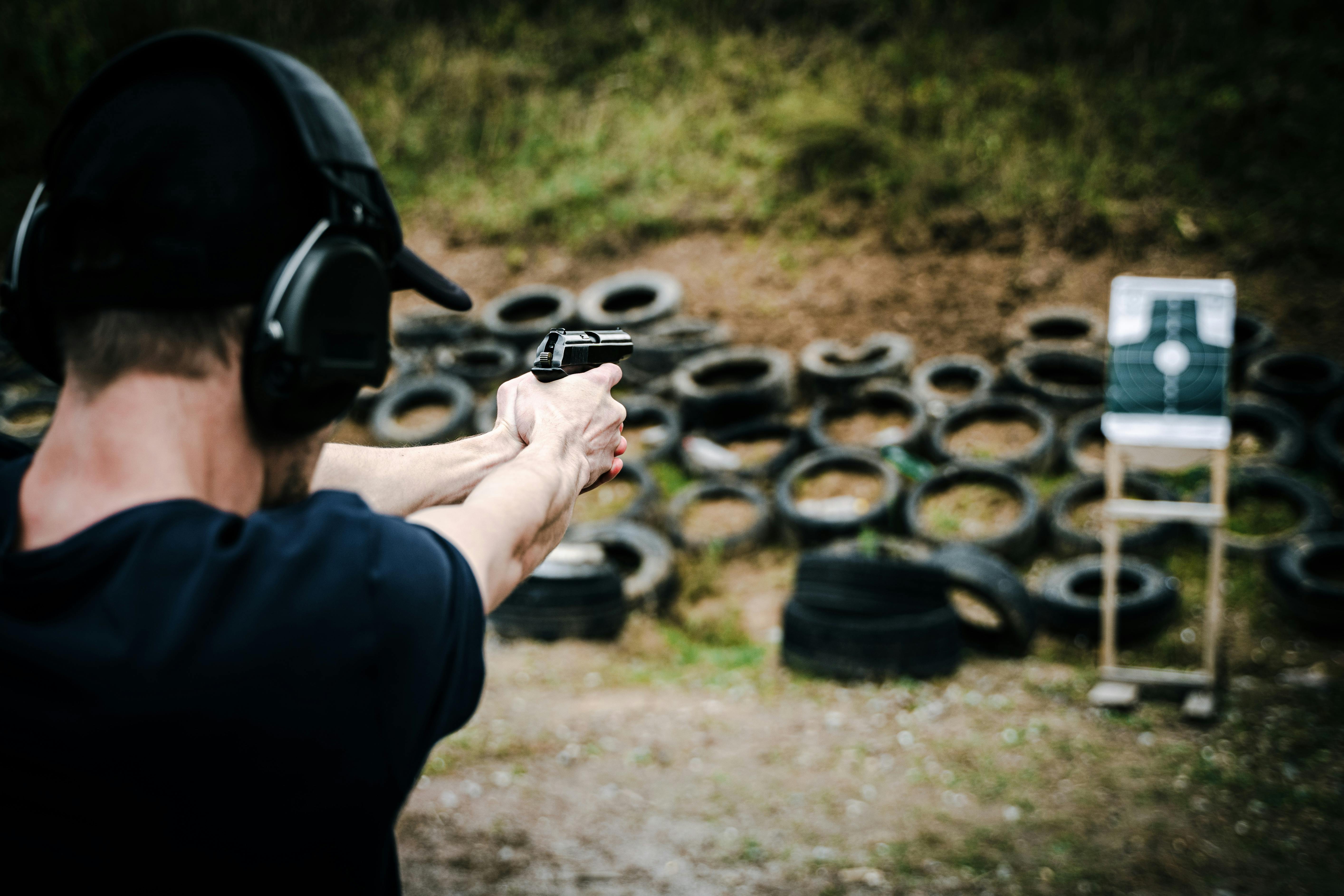
This topic makes experienced shooters very particular, because they tend to separate storage from readiness instead of treating them as the same question. The blanket advice to keep a defensive firearm unloaded sounds cautious, but many veterans say it can create dangerous delays in the one moment speed actually matters.
Their view is usually more nuanced: secure the gun from unauthorized access, especially around children or visitors, but choose a storage method that still allows responsible, rapid access. Quick-access safes and consistent routines come up a lot in those conversations.
Experienced owners are not dismissing safety. They are arguing that a defensive plan should account for both security and practical use, rather than pretending one concern cancels out the other.
Range accuracy means you are ready for real life

New owners often feel reassured once they can keep shots on paper at a comfortable pace. Experienced shooters know that is only one slice of the picture. Static lane shooting in good light, with no pressure and no movement, does not replicate a high-stress encounter.
That is why veterans often talk about drawing safely, using cover, decision-making, low-light practice, and learning when not to shoot. Accuracy still matters, of course, but context matters too. Hitting a target is not the same as solving a problem responsibly.
The more seasoned the shooter, the less likely they are to confuse a decent range session with complete preparedness. Confidence is useful, but false confidence is where trouble likes to start.
Cleaning after every single use is mandatory

Some beginners get told that a gun must be scrubbed spotless after every trip or it is being neglected. Experienced shooters tend to be more practical. They value maintenance, but they also know there is a difference between routine care and obsessive ritual.
Many modern firearms can run through a fair amount of shooting before they truly need a deep cleaning. What matters more is understanding your particular gun, lubricating where appropriate, checking for wear, and making sure it remains reliable.
Veterans often warn that overcleaning can be its own problem if someone disassembles parts unnecessarily or damages finishes and screws. The goal is not a museum piece. It is a firearm that is safe, functional, and understood by its owner.
A shotgun does not require much aiming
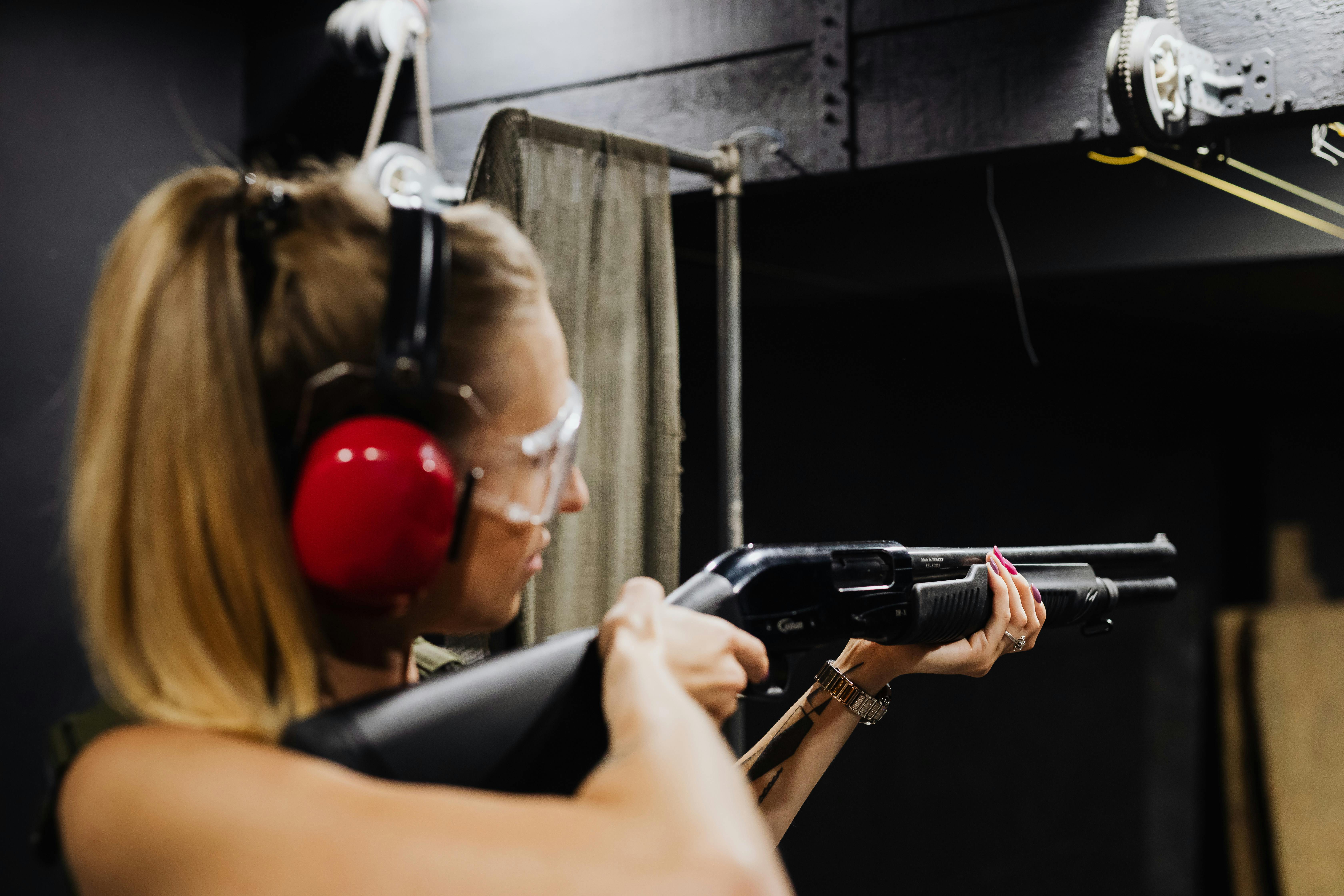
This old line refuses to die, and experienced shooters tend to hate it. The idea suggests a shotgun spreads so widely that precise aiming hardly matters, which can give a new owner a dangerously casual view of what happens when a shot is fired.
In reality, shot patterns at common indoor distances are often much tighter than people expect. You still need sight alignment, target identification, and accountability for every pellet. A miss is still possible, and so is an unintended hit.
Seasoned shooters usually encourage people to pattern their shotgun with their chosen load and learn exactly how it performs. The shotgun can be very effective, but it is not a magic wand that excuses sloppy fundamentals.
Once you know the basics, you are set

Beginners are sometimes told that after a class or two, the learning curve is basically over. Experienced shooters almost never think that way. If anything, time on the range tends to make them more curious, more careful, and more aware of how quickly skills can fade.
Fundamentals are the foundation, not the finish line. Grip, stance, trigger control, safe presentation, legal awareness, and judgment all benefit from repetition. Even strong shooters keep tuning details because consistency is something you maintain, not something you permanently unlock.
That long-term mindset is one of the clearest differences between novice advice and seasoned perspective. The people who have done this for years usually respect the basics most because they know mastery never really stops asking for work.