Late-season deer hunting is a different game from the opening weeks, and experienced hunters know it. As food dwindles, temperatures drop, and hunting pressure adds up, mature deer become more predictable in some ways and far more cautious in others. These tactics focus on the cold-weather patterns, subtle setups, and smart decisions that many seasoned hunters believe give them their best odds when the season gets tough.
Set Up Between Bedding And Feed
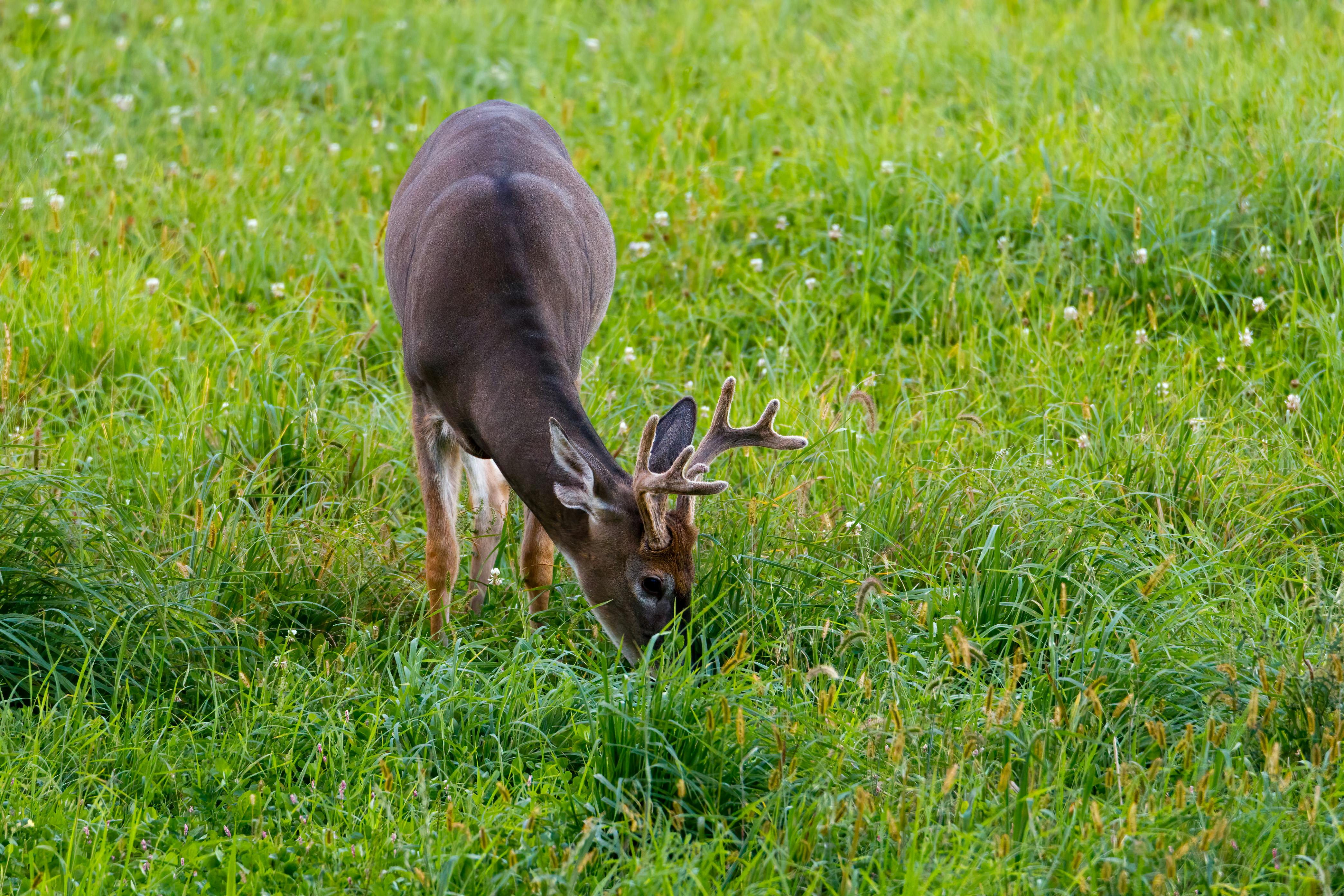
A classic late-season mistake is sitting right on top of the food source and waiting for the show. Veteran hunters often prefer the quieter middle ground, where deer stage before entering open fields and where daylight movement is more realistic.
These transition routes can be brushy fence lines, creek crossings, ditch edges, or narrow timber strips connecting thermal bedding cover to food. They are rarely dramatic, but they consistently funnel cautious deer.
When temperatures are bitter and pressure is high, mature bucks may rise late and move carefully. A stand or blind tucked into that security zone can beat a food-edge setup by putting you closer to legal shooting light movement.
Target Thermal Cover In Brutal Weather
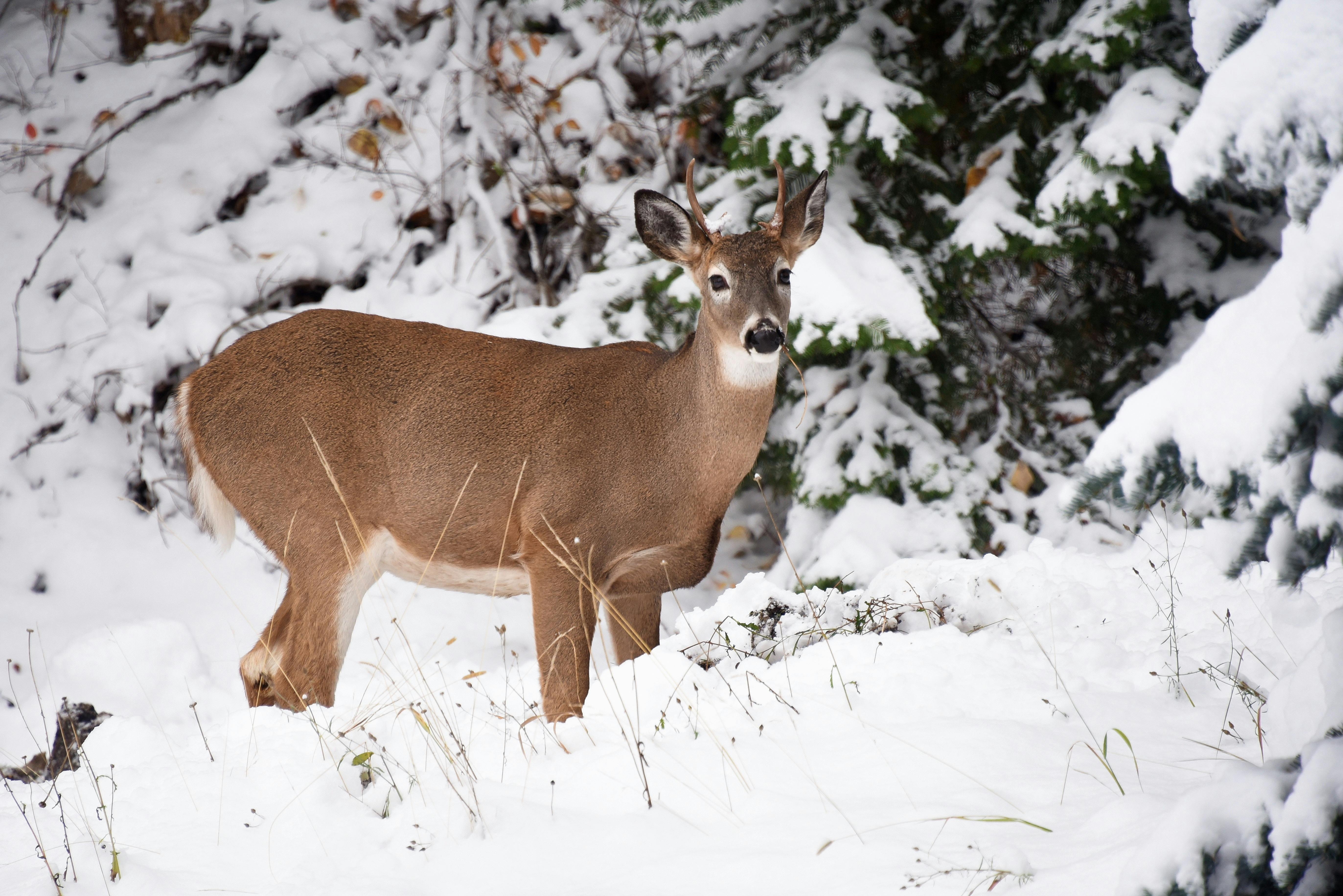
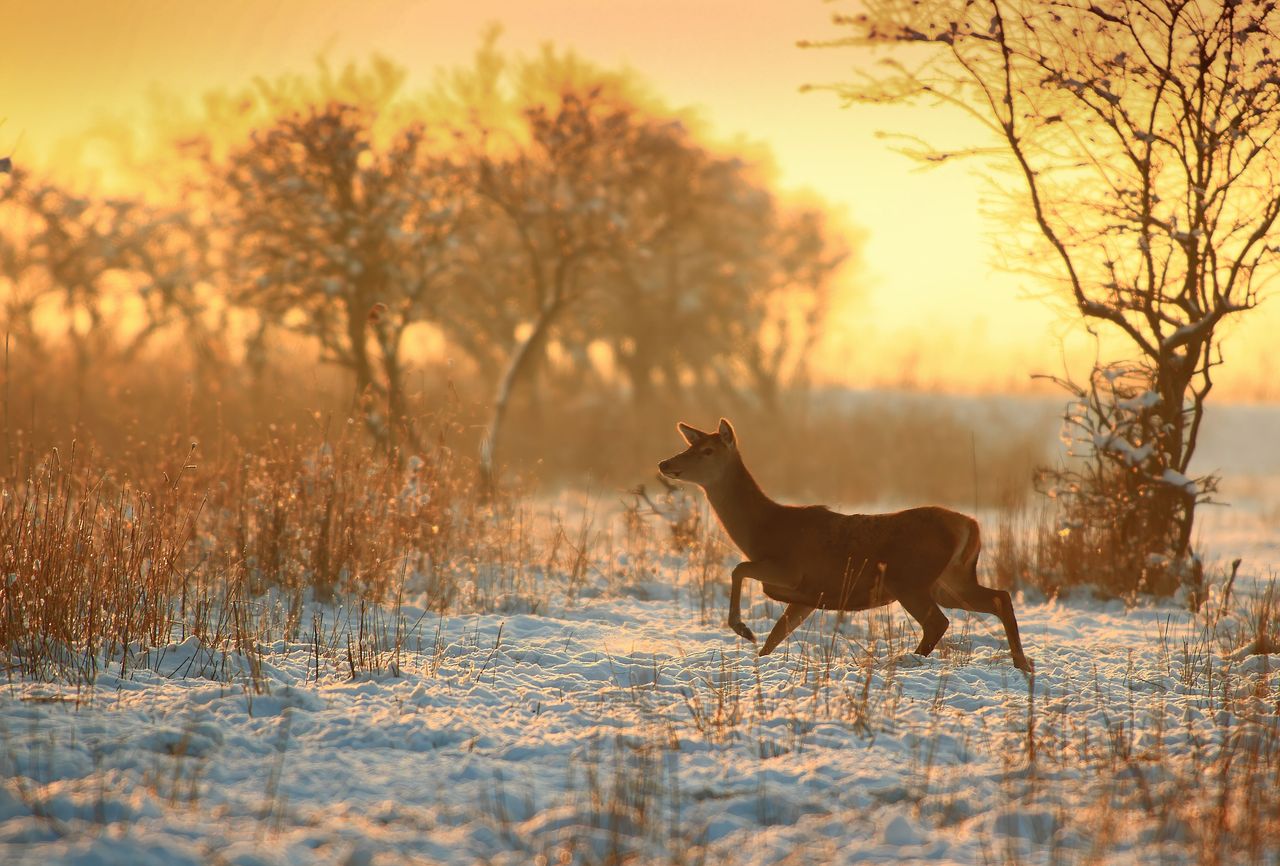
When wind chills plunge and snow stacks up, deer do not use the landscape randomly. They gravitate toward thermal cover, the kind of habitat that blocks wind, conserves energy, and makes survival easier through the nastiest conditions.
Think cedar swamps, conifer stands, cattail marsh edges, and dense young pines. These spots may not look glamorous, but they often hide the kind of late-season concentrations that experienced hunters count on.
The trick is to hunt the downwind fringe rather than bust into the heart of it. Deer use these sanctuaries because they feel secure, and one careless entry can empty the place faster than any weather front can refill it.
Wait For The Sharpest Cold Fronts
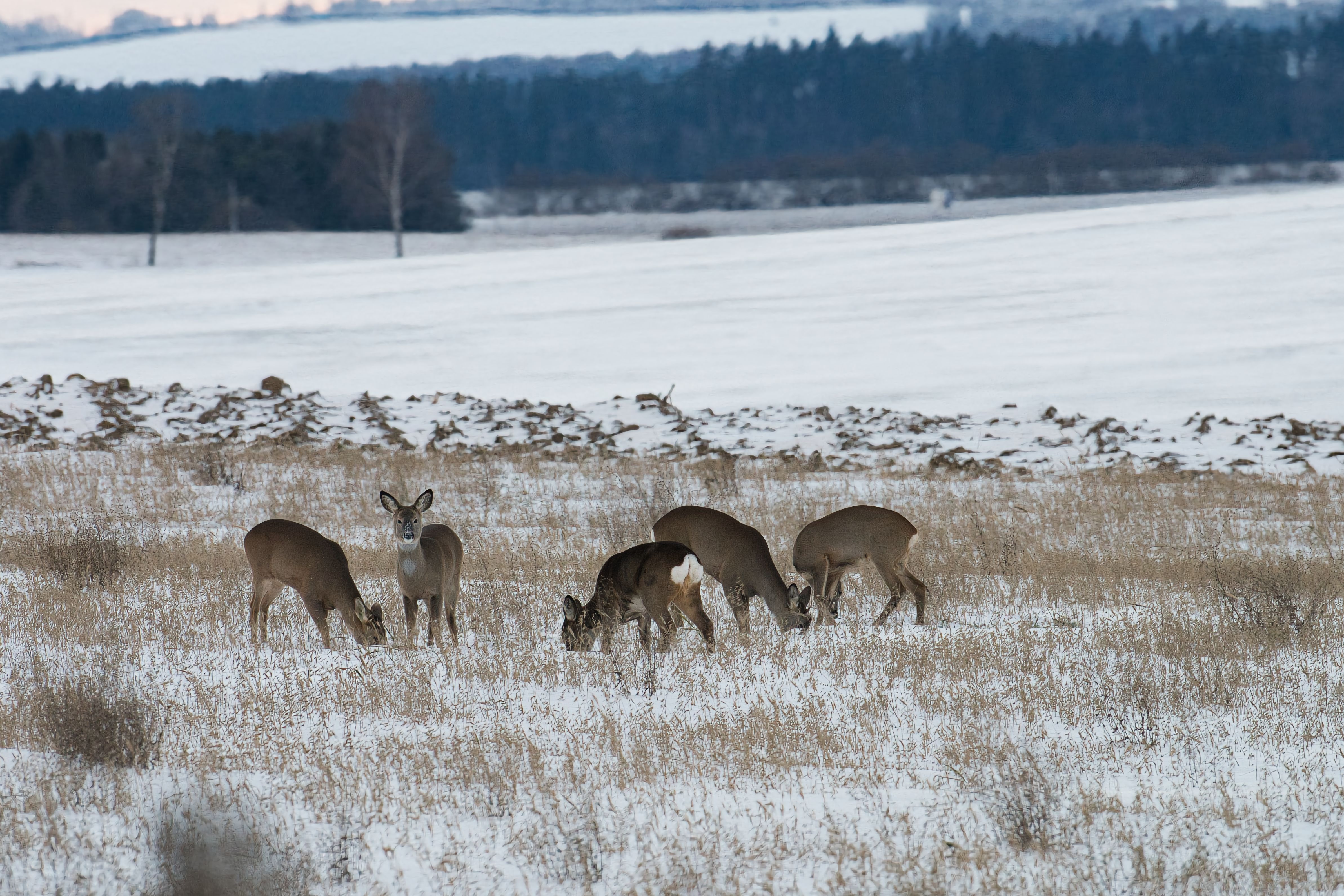
Late season rewards patience, especially when conditions have been mild or deer have gone mostly nocturnal. Many seasoned hunters save their best stands for the first real temperature drop after a warm spell or for the nastiest stable cold front of the week.
Those weather swings can create urgency around feeding, and urgency is what brings deer out earlier. A mature buck that stayed hidden for days may suddenly expose himself when the forecast tells him calories matter more than caution.
This is not magic, but it is one of the most repeated cold-weather patterns hunters trust. If your schedule allows only a few sits, tying them to the sharpest fronts can dramatically improve the odds.
Hunt Afternoons More Than Mornings
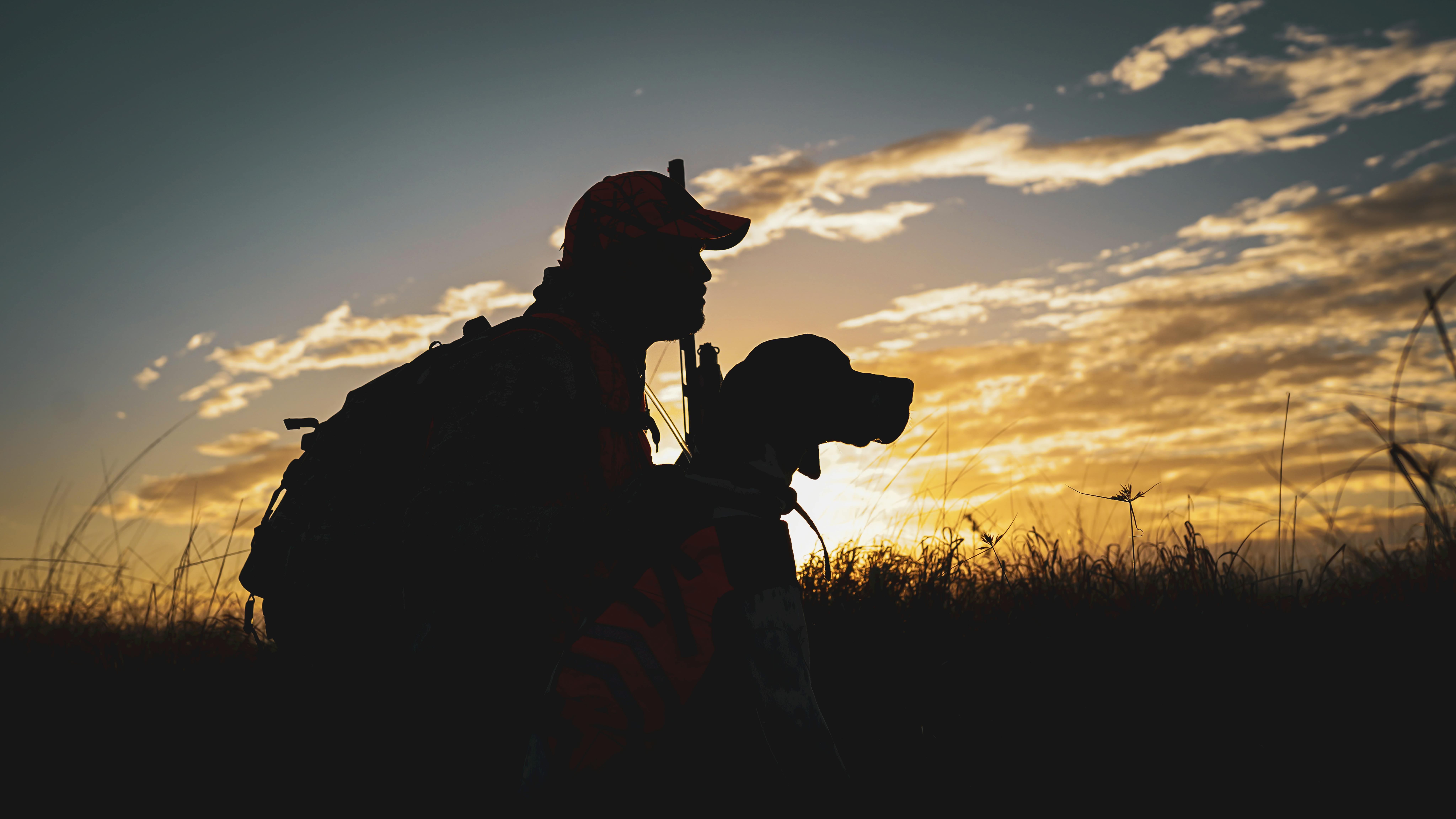
Morning hunts can still work, but many veteran deer hunters lean hard into late-season afternoons. Deer often return to bedding before daylight, and pressing close to those areas in the dark can create exactly the kind of disturbance you cannot afford.
Afternoons, by contrast, let you slip in with more visibility and focus on the evening feed. When temperatures are low and food is limited, deer commonly rise early enough to offer a real daylight window.
This approach also helps protect a property from repeated intrusion. Instead of gambling on a risky dawn entry, experienced hunters often wait for the final hours, when movement toward food is more dependable, and the setup stays cleaner.
Glass From Distance Before You Commit
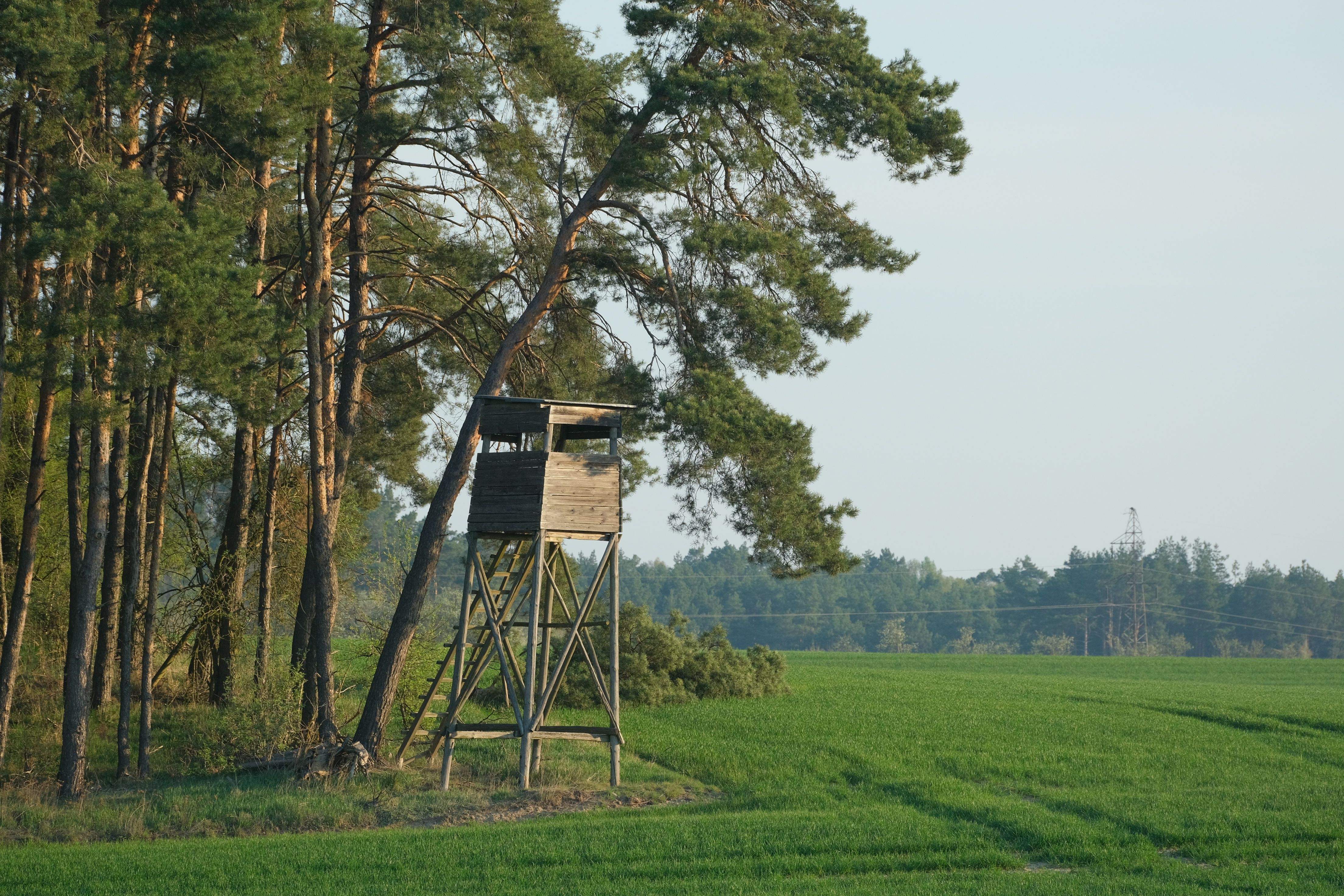
Late-season deer are often easier to pattern from afar because food and cover are more limited. Rather than charging into every promising setup, smart hunters spend time behind optics, watching fields, hillsides, and staging cover from a distance.
That scouting style keeps pressure low while revealing where deer actually enter, which corner they prefer, and how soon movement starts. It can also expose the one subtle route mature bucks use differently from the main herd.
In open farm country especially, an evening of glassing can save several wasted sits. The hunters who outperform others late in the year are often the ones who gather one more piece of proof before hanging a stand or brushing in a blind.
Use Ground Blinds Where Trees Fail
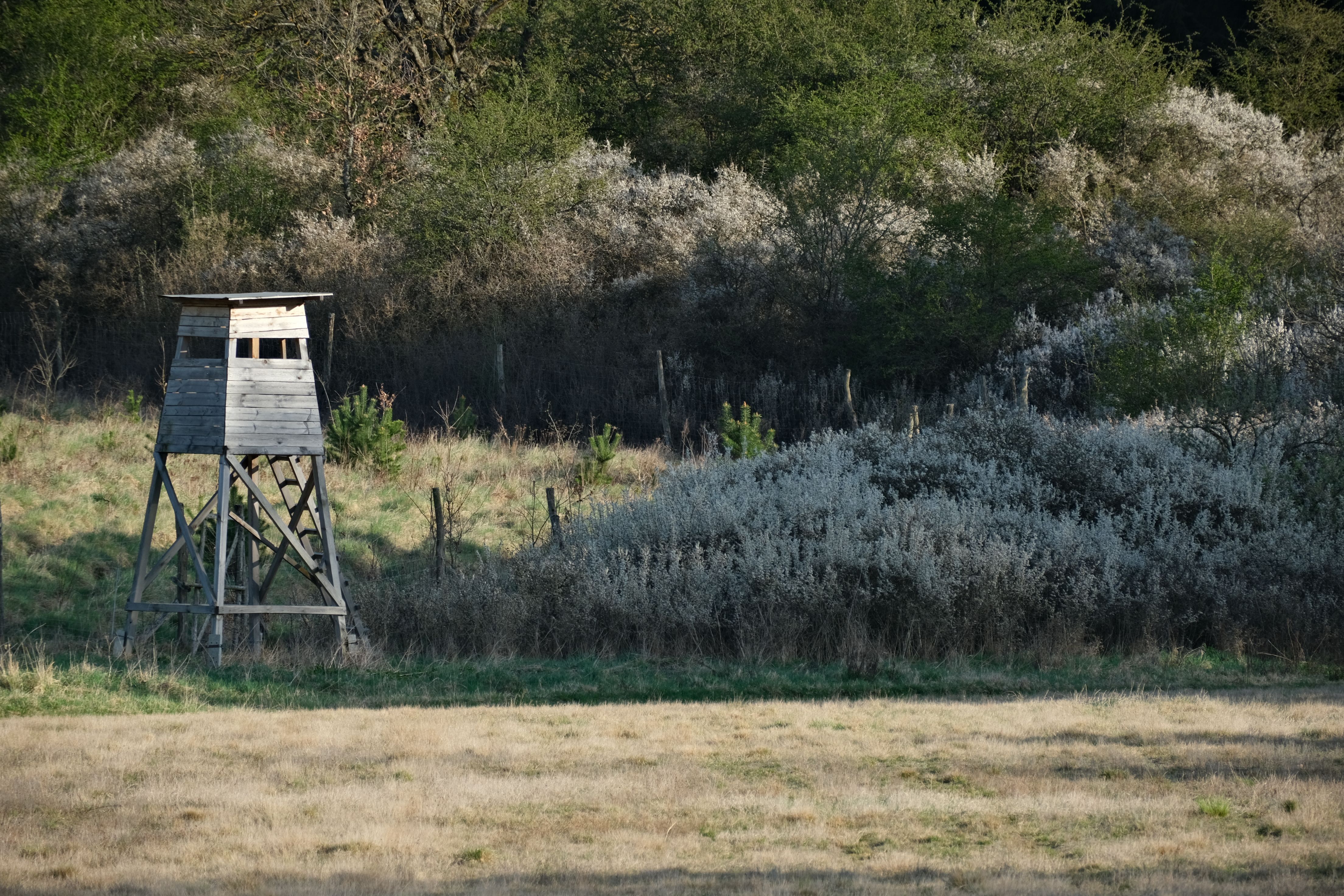
Late season often strips away leaves, exposes stand locations, and makes tree access noisy. In the right place, a well-positioned ground blind can solve all three problems while putting you exactly where winter deer movement says you should be.
Field edges, fence corners, brush piles, and grassy ditches can all hide a blind better than bare timber can hide a climber. In an agricultural country, experienced hunters frequently use blinds to cover food-focused patterns with less silhouette and less movement detection.
The secret is placement that looks natural and allows a quiet approach. When trees are wrong, sparse, or too exposed, a blind can be the most practical late-season adjustment on the property.
Stay Mobile Until The Pattern Is Proven

Late-season deer can look predictable on paper, but pressure, wind, and changing food can shift movement quickly. Hunters who cling to one favorite stand often watch empty woods while more adaptable hunters move with the freshest sign and observations.
That does not mean random bouncing around. It means having multiple low-impact options, reading tracks in snow, noticing fresh droppings, and reacting when deer begin using a different corner, crossing, or staging pocket.
Experienced hunters treat mobility as insurance against stale assumptions. Once the pattern is proven, they settle in and hunt it hard, but until then, they stay flexible enough to follow what the deer are doing right now.