Some of the most intriguing government firearms were not mass-produced in ordinary military factories. They came from specialist workshops, private manufacturers, engineering companies, and tightly controlled government facilities where unusual requirements mattered more than production volume. A small clarification is important: several entries below were secret workshops or industrial manufacturers rather than literal retail gun shops. Their common thread was discreet government work, limited production, or clandestine procurement.
1. Birmingham Small Arms and the Welrod
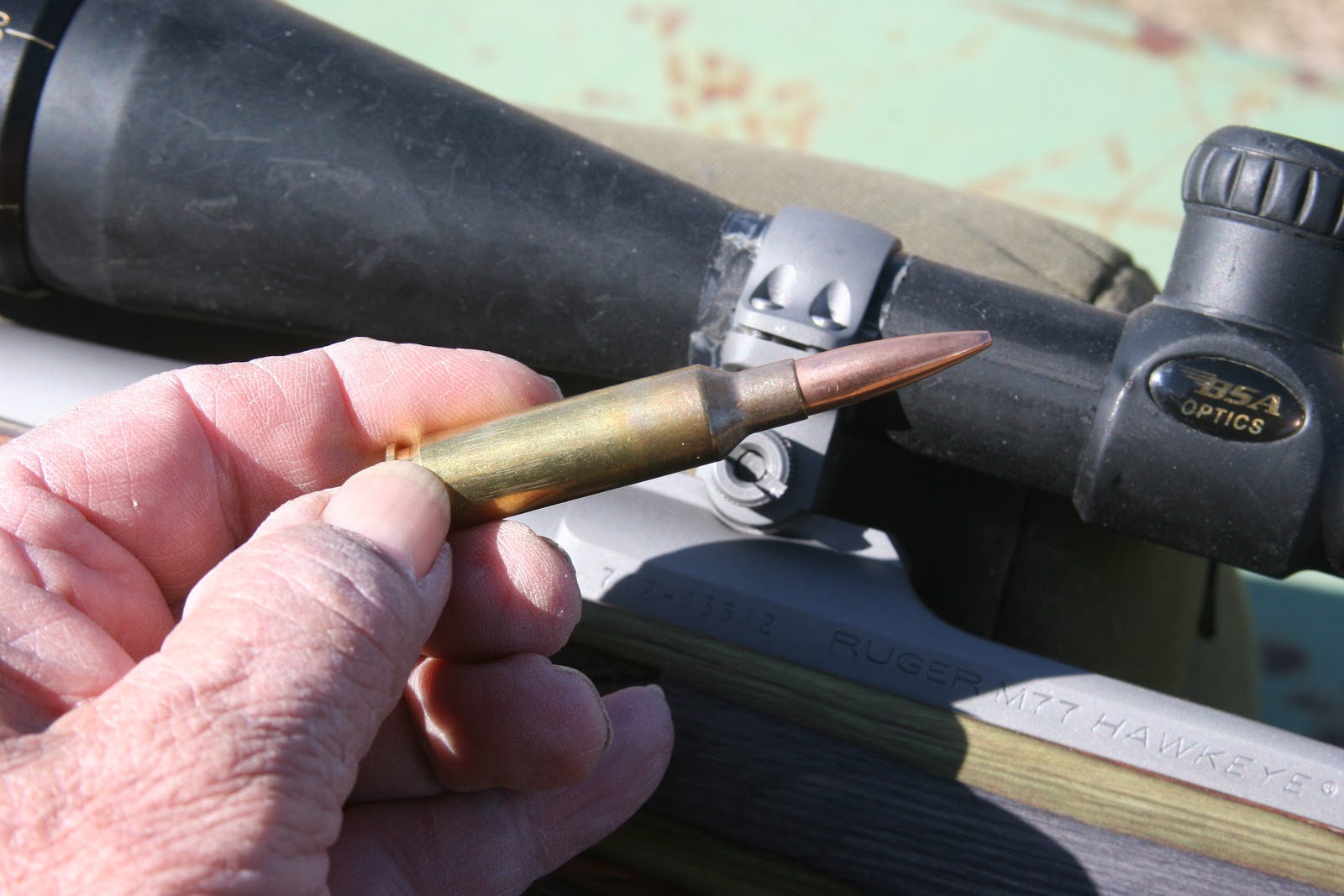
Birmingham Small Arms (BSA) was a major British manufacturer, but during WWII, part of its work moved into unusually secret territory. BSA produced the Welrod, a compact suppressed pistol developed for Britain’s SOE. Production began in 1943, and the pistols were stripped of normal manufacturer markings to protect their origin. Estimates put total production at roughly 14,000, although the exact figure remains uncertain. BSA’s role was not a commercial handgun order. It supported a government-backed clandestine weapon intended for agents and resistance networks.
2. Station IX at The Frythe
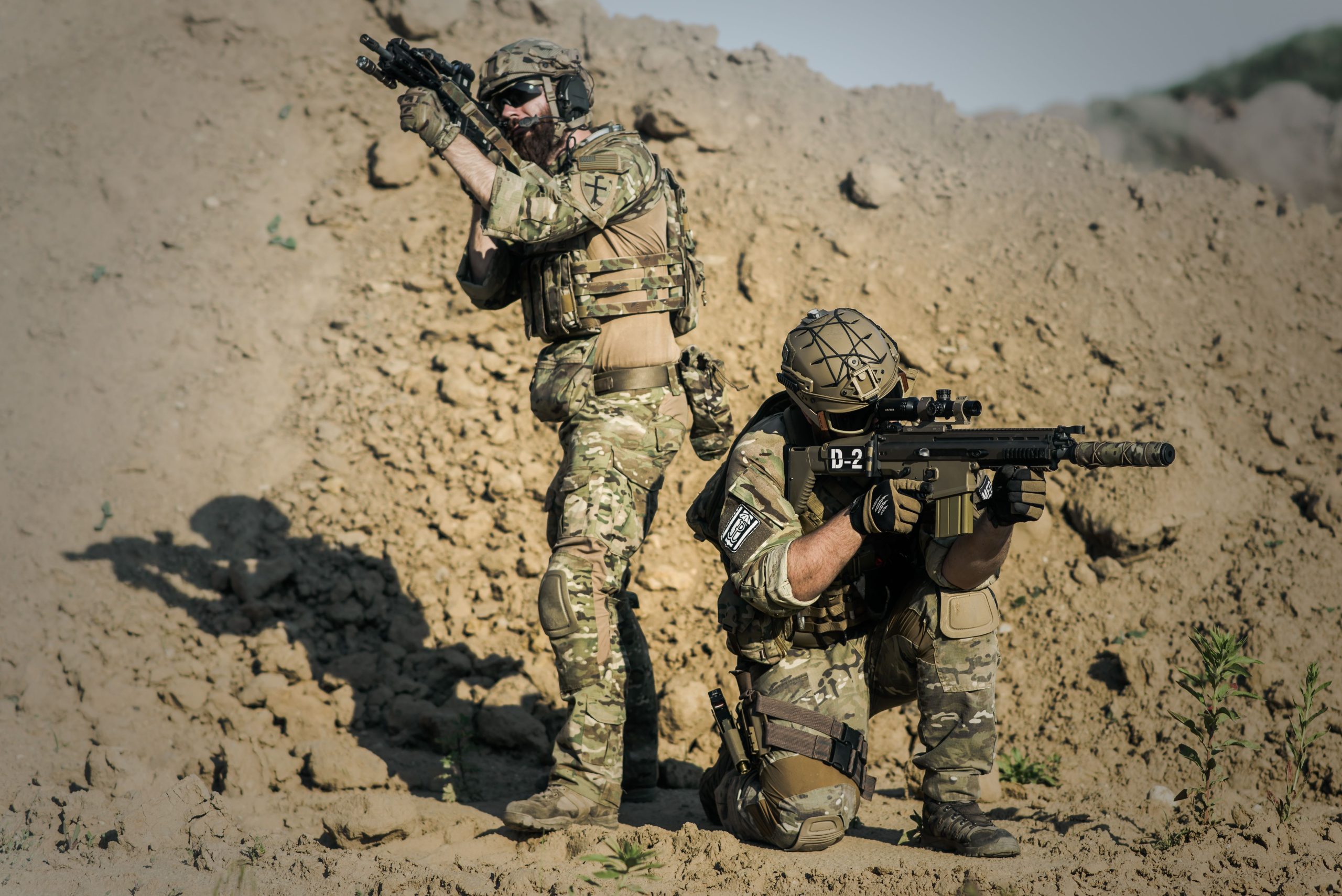
Station IX was less a normal gun shop than a secret British workshop because it designed and built equipment for clandestine government work. Based at The Frythe near Welwyn, the facility worked under the SOE umbrella and produced equipment for agents behind enemy lines. Its best-known firearms were the Welrod and Welgun, while the same organization also developed the Welbike. During WWII, Station IX showed why governments created small specialist workshops when ordinary factories could not provide the secrecy or unusual designs required for covert missions.
3. Ford’s Dagenham Works and the De Lisle
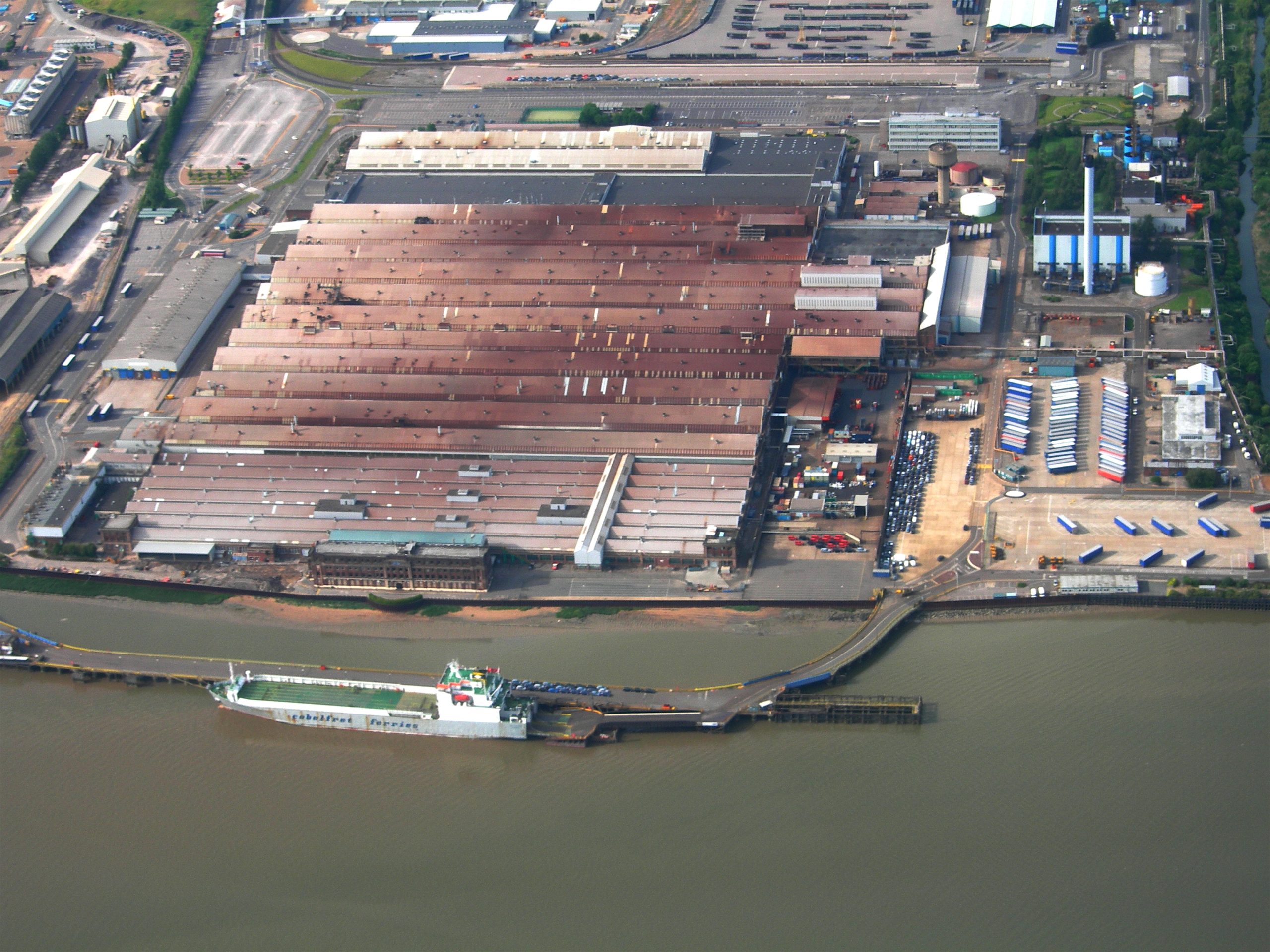
The De Lisle carbine began as the work of British engineer William Godfray De Lisle and became a specialized SOE weapon during WWII. Ford’s Dagenham works were involved in producing the first batch, showing how a large factory could support an unusual government requirement. The design combined a shortened Lee-Enfield action with a large integral suppressor and used .45 ACP ammunition. Only a small number were made, with commonly cited production figures around 130. Its limited output reflected its narrow clandestine purpose rather than any attempt at mass military issue.
4. Birmingham Firms and the Silenced Sten
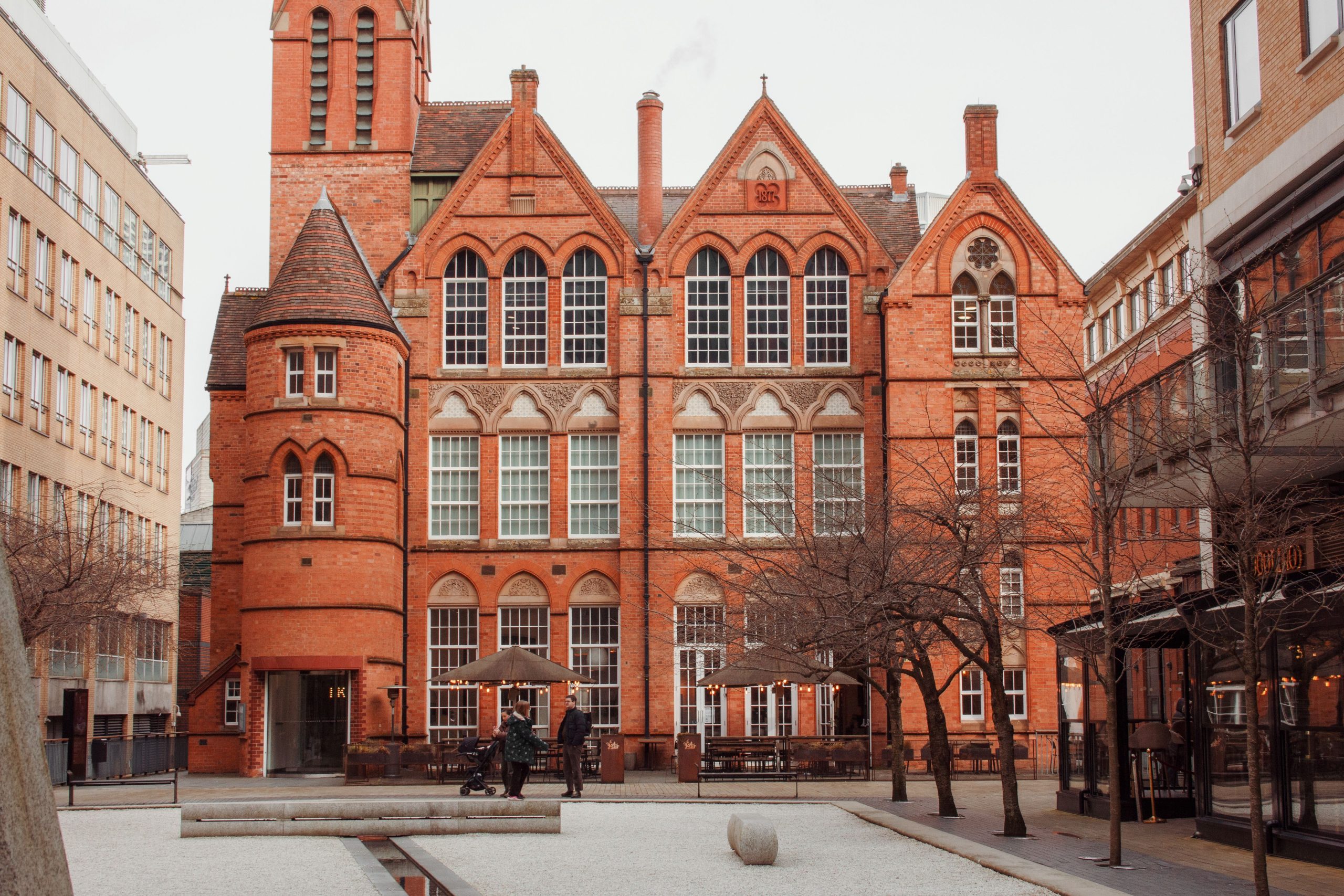
Britain’s wartime silenced Sten program relied on industrial firms, with Birmingham manufacturers involved in the wider production network. The project created several suppressed Sten variants for SOE and special duties. Exact totals remain difficult to establish because wartime records and surviving examples are incomplete. The approach was simple: use an inexpensive service submachine gun as the foundation, then adapt it for covert work. Several major variants existed, showing how ordinary factories could produce secret government equipment without creating a new firearm.
5. C.I.S.A. and the Welgun Project
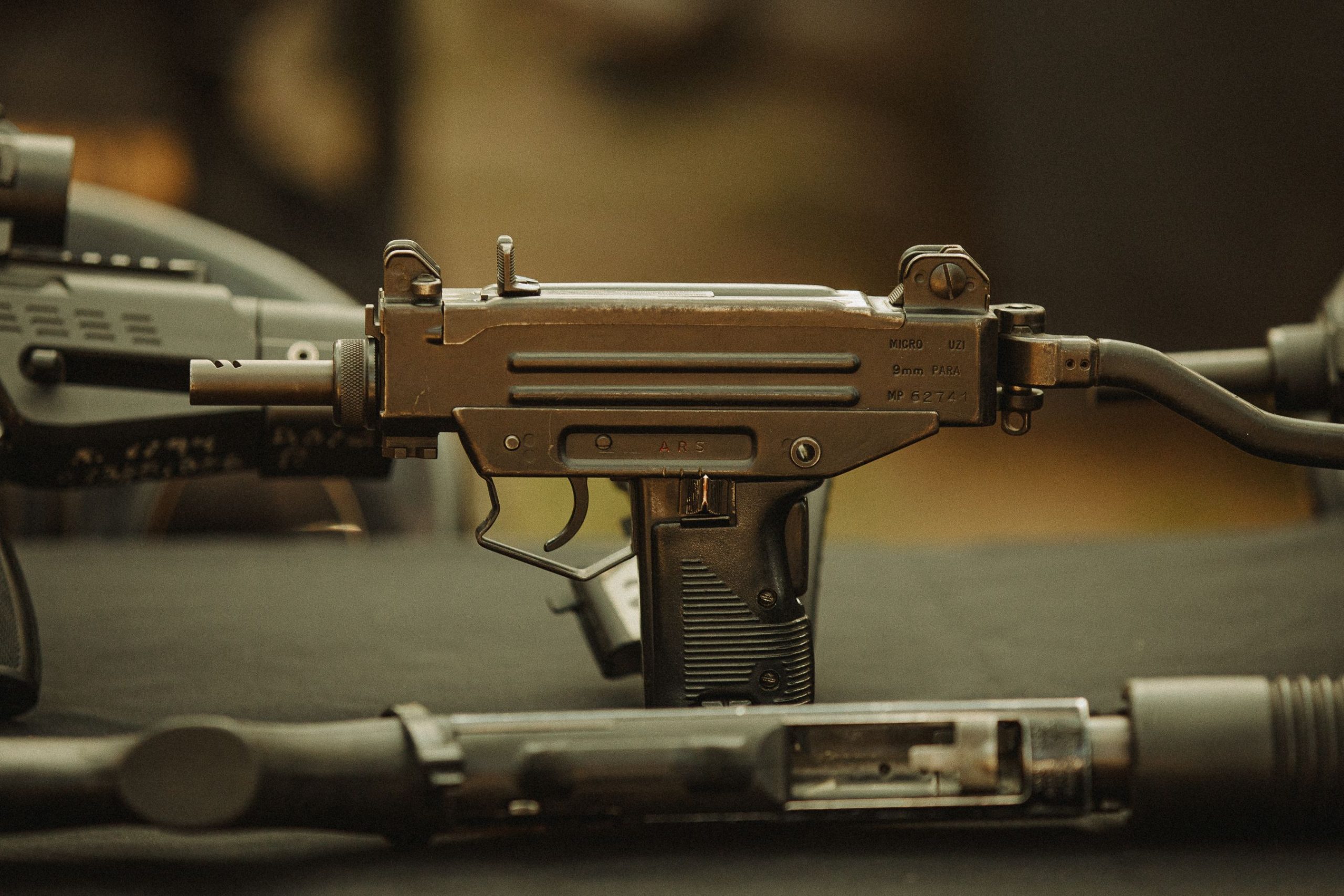
The British Combined Services Administration was involved in evaluating the Welgun, a wartime submachine-gun project associated with Station IX. The weapon was intended to give clandestine forces a compact arm that could be made quickly. By October 1942, six examples had reportedly been produced for demonstration, and then more test guns. BSA examined the design and considered an initial production run of 60,000, while a later proposal called for 100,000 guns at 5,000 per month. The plan never became a major service program, but it shows how secret prototypes could move toward production.
6. Southwest Pump Company and U.S. Welrods
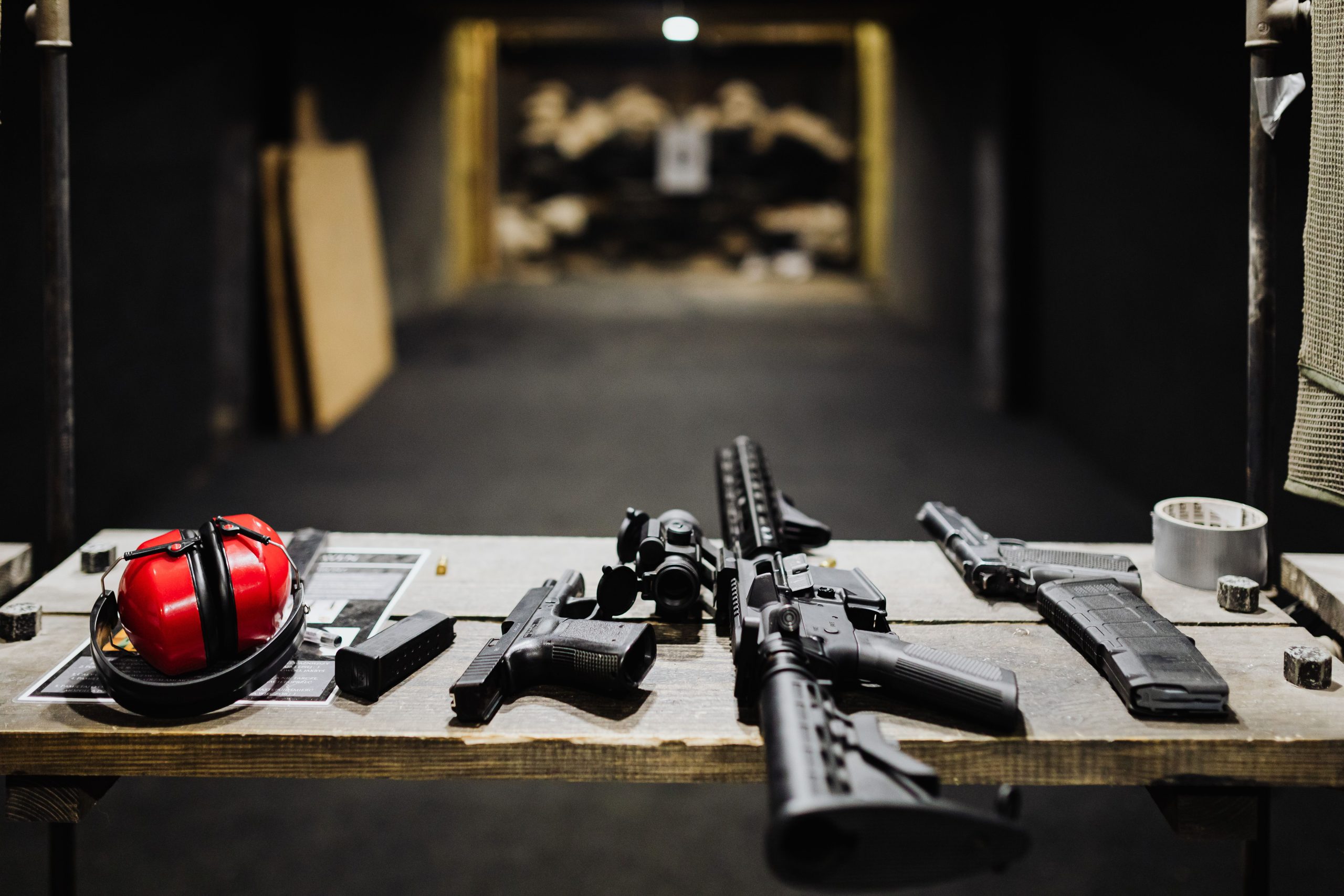
The Welrod story crossed the Atlantic when American authorities evaluated the British-suppressed pistol during WWII. U.S. production followed in limited numbers, with Southwest Pump Company near Dallas, Texas, identified as one American manufacturer. Unlike a normal commercial order, the work served military and intelligence requirements for a weapon designed for concealed use. Exact American production figures remain uncertain. The program demonstrates how a small private manufacturer could enter a government procurement chain without becoming a mass-market firearm.
7. Small British Workshops Supporting SOE
SOE procurement did not depend only on giant factories. Small British workshops and specialist engineering firms supplied components, modifications, prototypes, and special equipment that larger plants were not suited to handle. During the 1940s, secrecy was often protected through compartmentalized work, limited markings, and restricted distribution rather than one mysterious factory. The De Lisle, Welrod, and silenced Sten programs show this pattern. That helps explain confusing records: production was divided, designs changed during testing, and some weapons were made difficult to trace to their makers.
8. Private Arms Dealers Behind Covert Supply Chains
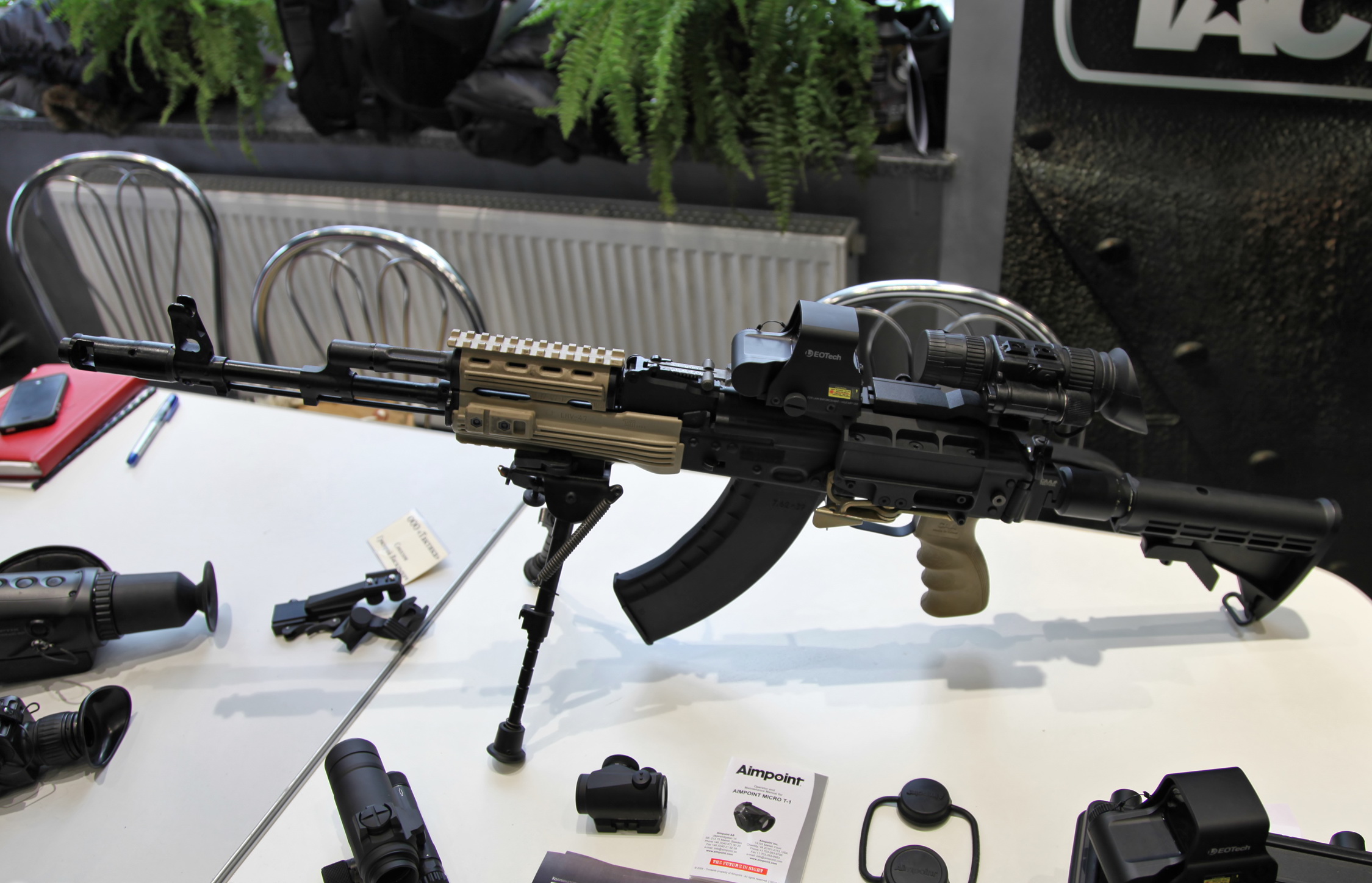
Not every secret government gun operation involved a workshop physically building a new weapon. Private arms dealers could link governments to covert procurement. Samuel Cummings, for example, built Interarms into a major international arms business after leaving the CIA in the 1950s, and reporting linked the company to sensitive government and foreign military transactions. A 1985 report described a potential $10 million weapons contract involving Afghan insurgents. These cases differ from custom gunmaking but show how private companies could keep official supply chains less visible.
9. Covert Workshops as a Recurring Pattern
The lesson is that secrecy usually depended on a network, not one gun shop. A government might design a weapon at one facility, prototype it at another, contract production to a factory, and then distribute it through intelligence channels. WWII Britain provides examples through Station IX, BSA, Ford, and specialist manufacturers. Later Cold War operations used private arms companies and intermediaries. Numbers show the contrast: Welrod production may have reached about 14,000, while the De Lisle stayed near 130, showing very different operational needs.