Choosing the right handgun caliber for self-defense is not as simple as picking the biggest or most powerful option. In fact, experts warn that certain calibers can create more problems than solutions. Factors like recoil, concealability, ammo availability, and the ability to make quick, accurate follow-up shots matter far more in real-life encounters than raw power. Below are seven calibers that trainers and firearms experts often caution against when selecting a handgun for personal protection.
1. .50 Action Express
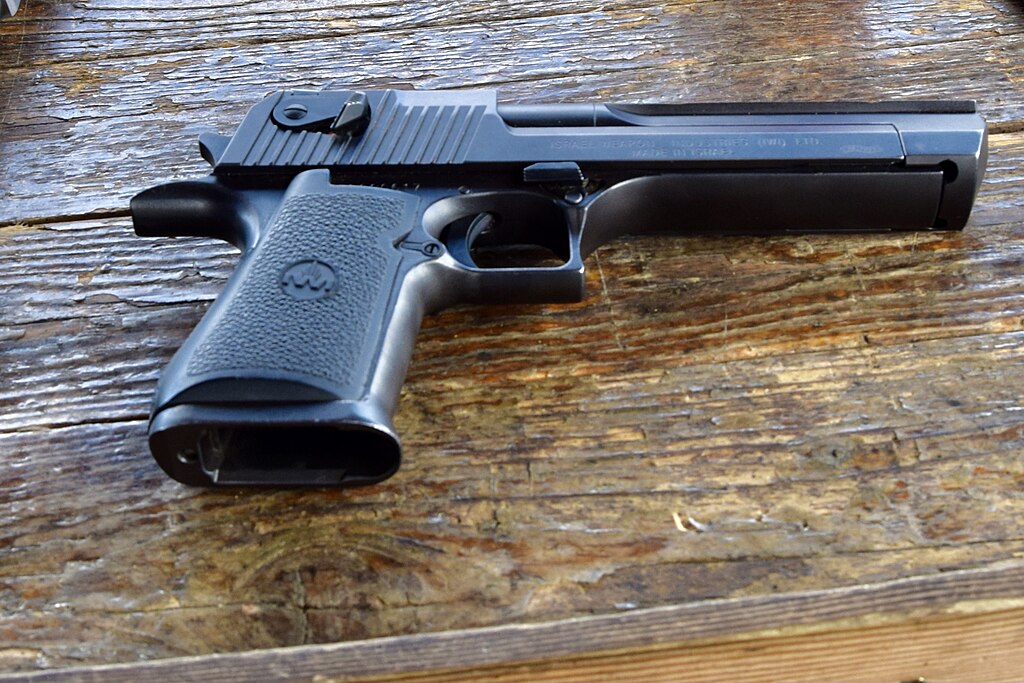
The .50 Action Express may be famous in movies, but in practice, it’s one of the least practical choices for self-defense. Its enormous recoil and heavy muzzle blast make it difficult for most shooters to fire accurate, controlled follow-up shots under stress. The pistols chambered for this round are bulky, heavy, and difficult to conceal, while ammunition is expensive and rarely available at local shops. Experts agree that its drawbacks far outweigh any perceived power advantage for self-defense use.
2. .500 S&W Magnum
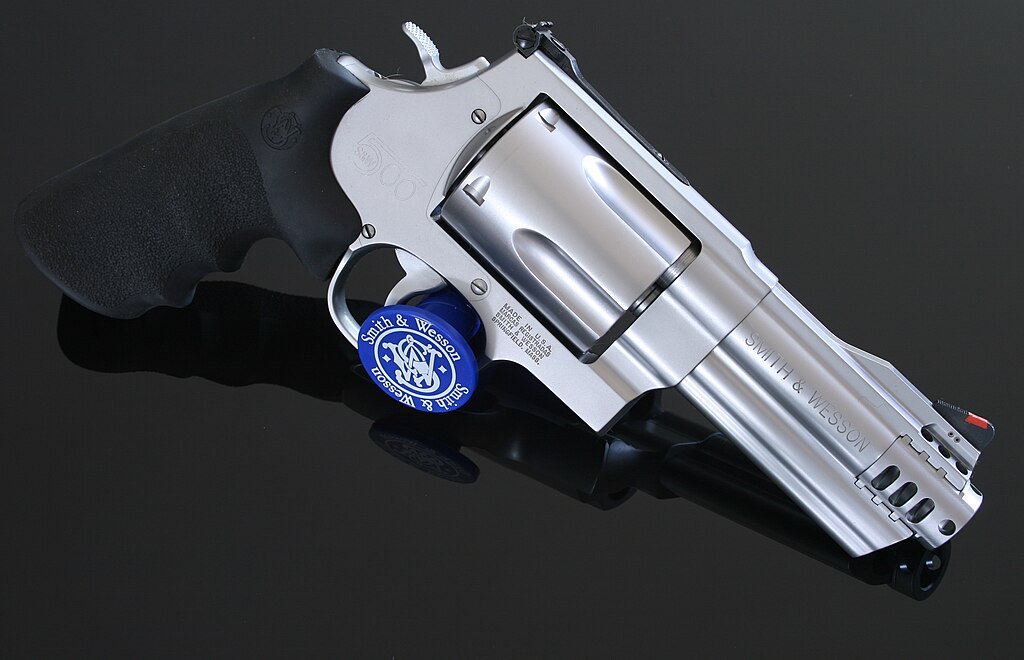
The .500 S&W Magnum is an impressive round built for hunting large game, but it is completely impractical for everyday carry. Its fierce recoil makes it extremely challenging to manage, especially in high-pressure defensive situations where control is everything. The firearms chambered in this caliber are huge and heavy, with low ammunition capacity, making them nearly impossible to conceal. Trainers consistently warn that its sheer overkill creates more risk than benefit for self-defense.
3. .454 Casull

The .454 Casull was designed for revolvers capable of taking down dangerous animals, not for use in defensive handguns. Its recoil is punishing, its muzzle blast is deafening, and few shooters can fire rapid, accurate shots with it. In addition, ammunition is costly and far less available compared with mainstream self-defense calibers. While impressive on paper, most instructors caution that carrying a revolver chambered in .454 Casull is a poor and impractical choice for personal protection.
4. .44 Magnum

The .44 Magnum is an iconic round with legendary stopping power, but it poses serious challenges in defensive scenarios. Its sharp recoil and heavy muzzle flip make accurate, fast shooting difficult, especially for those without extensive experience. Revolvers chambered in this caliber typically hold fewer rounds than semi-automatics, limiting capacity during high-stress encounters. Experts often point out that in real-world self-defense, shot placement and speed matter more than raw power, making this round a problematic option.
5. .357 Magnum (Heavy Loads)
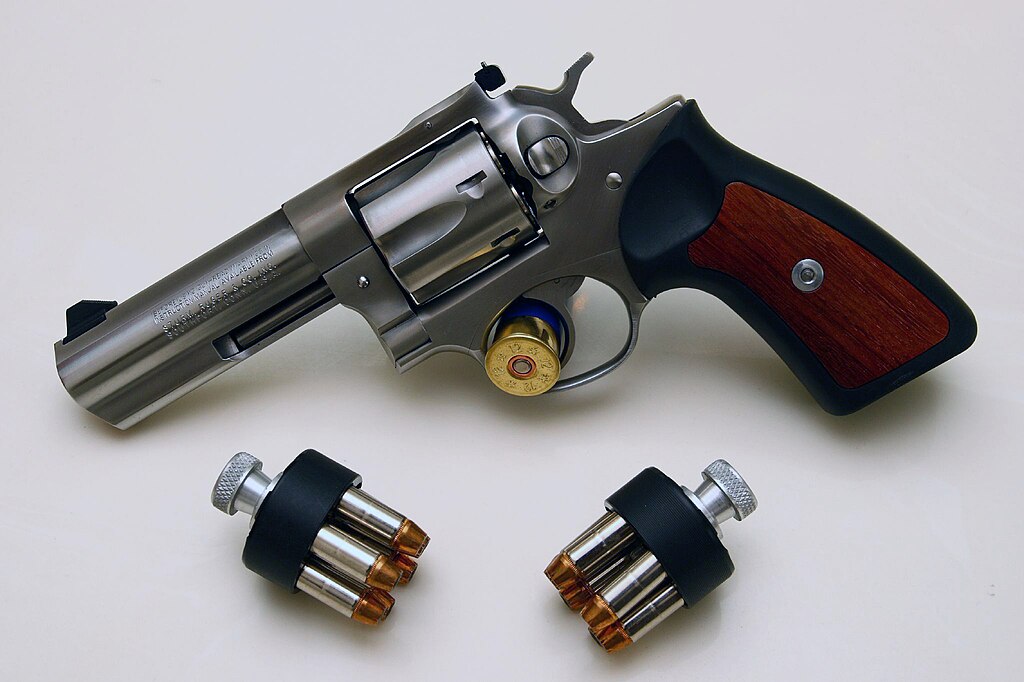
The .357 Magnum is a respected defensive caliber, but heavily loaded rounds can create issues for many shooters. Hot .357 loads increase recoil, muzzle blast, and overpenetration risk, making quick follow-up shots harder to control. While moderate defensive loads can be effective, high-pressure magnum ammunition often proves more of a liability in close-range encounters. Firearms experts generally recommend that self-defense shooters choose manageable loads or alternative calibers that balance effectiveness with controllability and consistency.
6. .22 Long Rifle
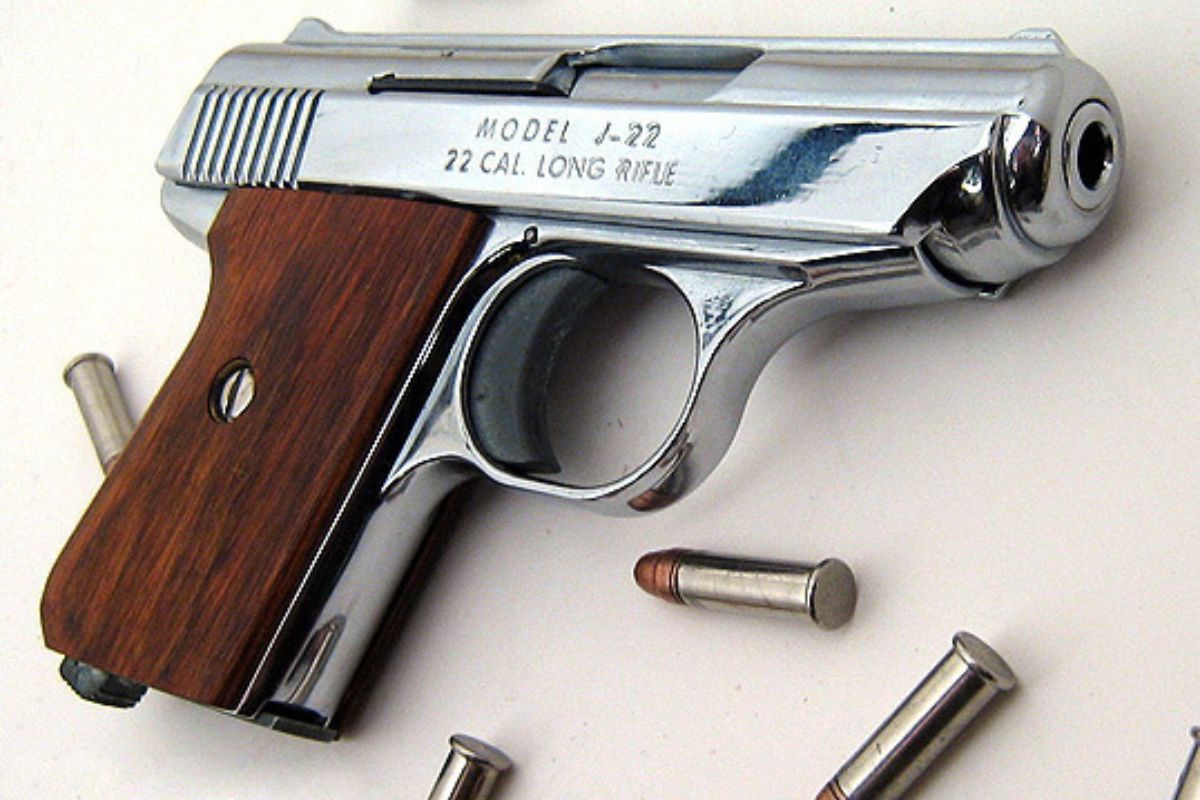
The .22 Long Rifle is one of the most widely used rounds in America, but experts caution against relying on it for self-defense. While its low recoil makes it easy to handle, its lightweight bullets often fail to penetrate deeply enough to stop an aggressor effectively. Rimfire ammo can also be less reliable than centerfire cartridges, raising concerns about misfires. Although useful for training or recreational shooting, most trainers strongly advise against depending on .22 LR for protection.
7. .380 ACP
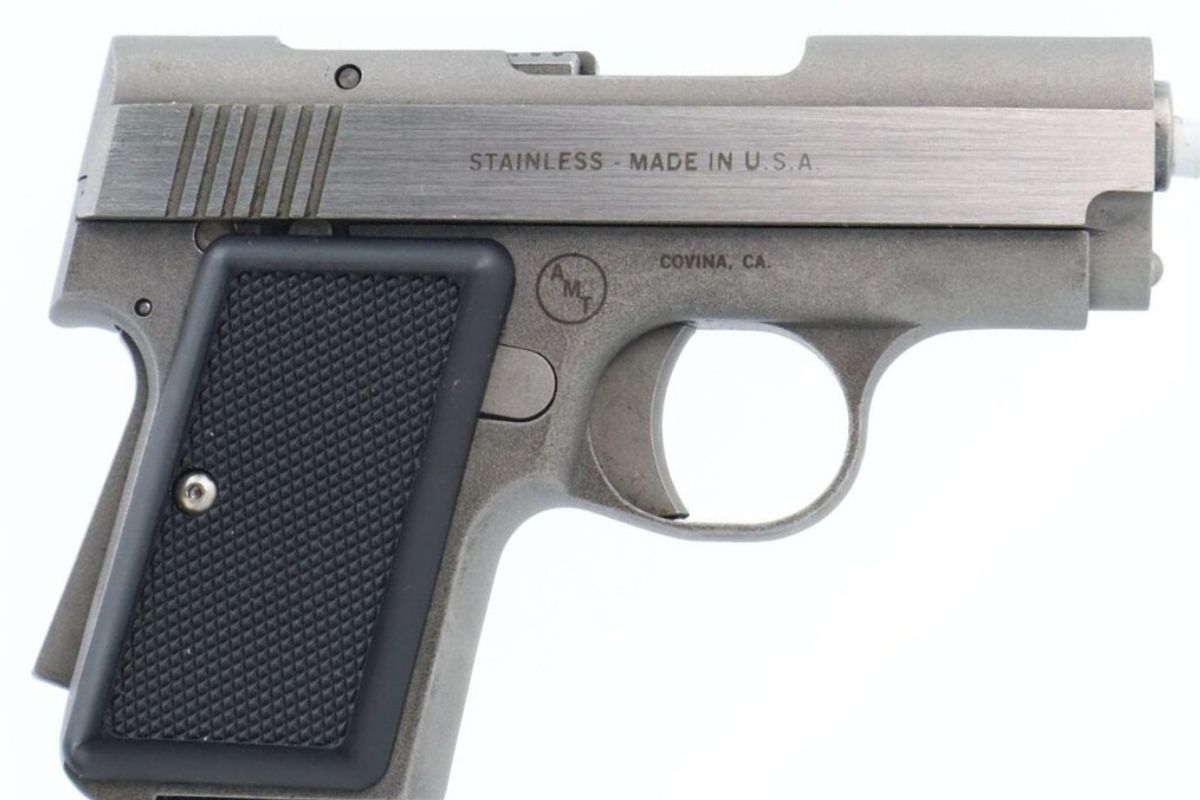
The .380 ACP has gained popularity due to its use in compact pistols, but many experts warn that it comes with compromises. While modern ammo has improved performance, .380 ACP generally lacks the penetration and stopping power of 9mm in a similar-sized handgun. Limited magazine capacity in smaller pistols is another drawback. Though convenient for concealed carry, trainers often suggest moving up to 9mm for a better balance of power, capacity, and reliable self-defense performance.