For years, long range shooting seemed ruled by a few untouchable names. Now the center of gravity is moving, and it is changing what serious shooters expect from a caliber.
The old kings are losing their automatic advantage
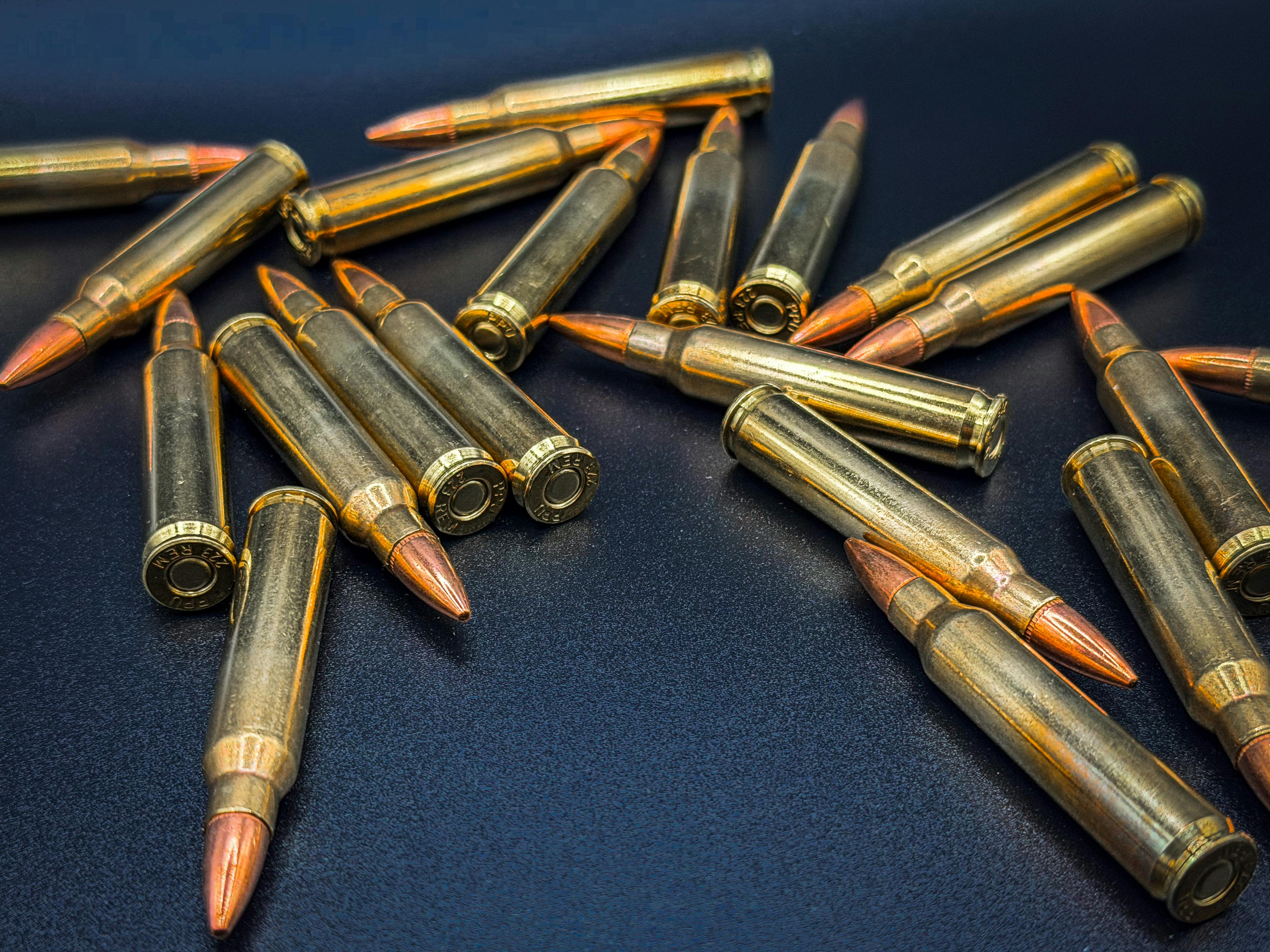
Traditional long-range cartridges earned their reputation honestly. Rounds like .308 Winchester, .30-06 Springfield, and later .300 Winchester Magnum built decades of trust through military use, hunting success, and competition history. They were available everywhere, easy to load for, and backed by a mountain of proven data. For a long time, that combination made them the safe answer for anyone stretching distance.
But long range shooting has become much more performance driven. Shooters today are less interested in legacy and more interested in what gives the highest first-round hit probability at 800, 1,000, or 1,500 yards. That change matters because once people start measuring drop, wind drift, recoil, and spotting ability side by side, older cartridges stop looking unbeatable. They still work, but working is no longer the same as leading.
A .308 is a perfect example. It remains accurate, widely supported, and excellent for training, but it sheds velocity faster than many newer cartridges and gets pushed harder by wind. At 1,000 yards, that translates into more correction, more uncertainty, and less margin for error. In a discipline where tiny advantages stack up, that becomes hard to ignore.
The result is not that classic calibers are suddenly useless. It is that they are no longer the automatic default for precision shooting. The shift is quiet because it is not driven by hype alone. It is driven by repeated outcomes on ranges, in matches, and in ballistic data that shooters can see for themselves.
Bullet design is doing as much as cartridge design
A huge part of this transition is not the case itself but the projectile. Modern long range bullets are more aerodynamic, more consistent, and more purpose-built than the common offerings many traditional cartridges were built around. High-BC bullets have changed what shooters expect from downrange performance, especially when wind becomes the deciding factor.
That matters because caliber popularity often lags behind bullet innovation. A cartridge designed around older bullet shapes may still be effective, but newer rounds are often optimized from the start to launch long, sleek projectiles efficiently. Think of the rise of 6 mm and 6.5 mm match bullets that hold velocity exceptionally well without creating punishing recoil. Those bullets do not just fly flatter. They make misses easier to read and corrections easier to apply.
The Creedmoor family is the clearest case study. The 6.5 Creedmoor did not defeat .308 by magic. It paired manageable recoil with excellent factory ammunition and bullets that retained energy and resisted wind better at distance. That formula widened the audience for long range accuracy because more shooters could shoot it well.
Now the same logic is pushing even newer options forward. Cartridges like 6 GT, 6 Dasher, 6 ARC, and 7 PRC are gaining attention because they are built around modern bullet behavior, not nostalgia. When the projectile becomes the star, the cartridge has to evolve with it or get left behind.
Recoil is no longer treated as the price of power
One of the biggest mindset changes in long range shooting is how people think about recoil. Older generations often accepted heavy recoil as the natural cost of serious performance. Magnum cartridges were seen as the adult option, the rounds you graduated into if you wanted real distance. Today, many skilled shooters see that tradeoff very differently.
In practical terms, lower recoil helps shooters stay on target through the shot. That means they can spot impact, call misses, and make faster corrections without relying entirely on a spotter. In precision rifle competition, this is a major advantage. In hunting, it can mean better shot execution under stress and a clearer view of what happened after the trigger break.
That is one reason 6 mm and 6.5 mm cartridges have expanded so quickly. A shooter behind a 6 Creedmoor or 6.5 Creedmoor often gets enough ballistic performance for long range work while avoiding the disruption of a harder-kicking magnum. The gun moves less, the shooter flinches less, and fatigue builds more slowly over a full day of firing.
This is where traditional calibers begin to lose ground. A .300 Winchester Magnum still delivers enormous capability, especially for hunting larger animals at extended range, but for many target applications it asks the shooter to tolerate recoil that no longer buys a meaningful advantage. Once efficiency becomes the priority, excess begins to look outdated.
The match world is acting like a live research lab

Competitive shooting often previews where the broader market is headed. Precision Rifle Series matches, F-Class events, and elite long range communities function like fast-moving laboratories where equipment gets tested under pressure. If a cartridge helps shooters hit more and recover faster, it does not stay a secret for long.
Over the past decade, match results and equipment lists have shown a clear trend toward efficient, low-recoil cartridges with excellent wind performance. According to match reporting across the precision rifle world, 6 mm variants have become especially common because they offer a rare combination of speed, accuracy, and shootability. The adoption pattern is telling because competitors are ruthless about abandoning gear that stops delivering results.
The cycle works quickly. A few top shooters prove a concept, gunsmiths start chambering more rifles for that round, ammunition makers follow, and load data becomes easier to find. What begins as an edge case can become normal in just a few seasons. That is exactly what happened with 6.5 Creedmoor, and similar momentum has followed rounds like 6 GT and 6 Dasher.
Traditional calibers do still appear, especially among shooters who value familiarity or dual-purpose use. But the match environment keeps exposing their compromises. When scores are separated by tiny margins and wind calls decide standings, cartridges that waste less recoil and hold better ballistics steadily pull the sport away from its old center.
Technology around the cartridge is accelerating the shift

Caliber choice does not happen in isolation anymore. Better rangefinders, more precise ballistic solvers, stable bipods, improved suppressors, and high-quality factory match ammunition have changed how shooters build complete systems. That broader technological ecosystem favors cartridges that are easy to tune, easy to manage, and predictable across varying conditions.
Factory ammunition is especially important. One reason some traditional calibers held power for so long was availability. Today, however, premium factory loads in modern cartridges are far better than they used to be. A shooter can buy match-grade 6.5 Creedmoor, 6 Creedmoor, or 7 PRC ammunition with impressive consistency right off the shelf. That lowers the barrier to entry and reduces the old advantage of legacy rounds.
Suppressor use also matters more than many people realize. Suppressors can tame blast, improve comfort, and sometimes help shooters maintain a better sight picture. Pair that with a moderate-recoiling cartridge and the entire shooting experience becomes more controlled. Suddenly the appeal of a hard-kicking traditional round becomes even narrower outside very specific uses.
Barrel manufacturing and chambering standards have improved as well. Rifle builders can now get exceptional precision from cartridges that once seemed too specialized for mainstream use. As that reliability spreads, newer calibers stop feeling experimental. They begin to feel practical, and that is usually the moment the market truly changes.
Hunting and practical shooting are splitting the old one-size-fits-all idea
For decades, many shooters wanted one rifle and one cartridge to do everything. It needed to handle deer season, range days, maybe elk, and maybe a local precision match. Traditional calibers fit that role because they were versatile enough and available everywhere. But the modern shooting world is becoming more specialized, and specialization weakens the case for old general-purpose favorites.
In target shooting, the best cartridge is often the one that minimizes recoil while maximizing consistency and wind resistance. In hunting, the equation changes. Terminal performance, legal minimums, barrel length, terrain, and animal size all matter. That is why rounds such as 7 PRC have drawn attention. They offer modern long-range ballistics while still carrying strong hunting credentials that some smaller match cartridges cannot match.
This split is making older calibers look like compromise choices. A .308 can still hunt, train, and compete, but it may not be the best at any of those tasks if the shooter is willing to tailor the rifle to a specific purpose. Once people stop demanding one answer for every scenario, new cartridges gain room to dominate narrower but important roles.
That does not mean versatility is dead. It means versatility is no longer enough by itself to preserve status. Shooters are increasingly selecting systems based on actual use cases, and when they do, modern calibers often outperform classics in the categories that matter most to them.
Obsolete is a strong word, but the direction is clear
It is worth being careful here. Traditional calibers are not disappearing tomorrow, and many will remain effective for generations. There are too many rifles, too much ammunition production, and too much institutional familiarity for that to happen quickly. Plenty of shooters will keep using .308, .30-06, and .300 Winchester Magnum very successfully.
Still, the market has a way of revealing what people really value. New rifle launches, ammunition development, and competition trends show where investment is going. Manufacturers are putting energy into cartridges that deliver better aerodynamic efficiency, lower recoil, and smarter compatibility with modern bullets and suppressors. That is not an accident. It reflects demand shaped by measurable performance gains.
The phrase obsolete can sound dramatic, but in practice it often means something quieter. It means a cartridge that used to be the first recommendation becomes the fifth. It means new shooters start somewhere else. It means elite users keep proving there are better tools for a growing number of jobs.
That is the shift happening now in long range shooting. The old favorites still work, and some will always have a place. But the era when tradition alone could keep a caliber on top is ending, replaced by a more exacting standard built around efficiency, precision, and what actually happens when the wind starts pushing back.