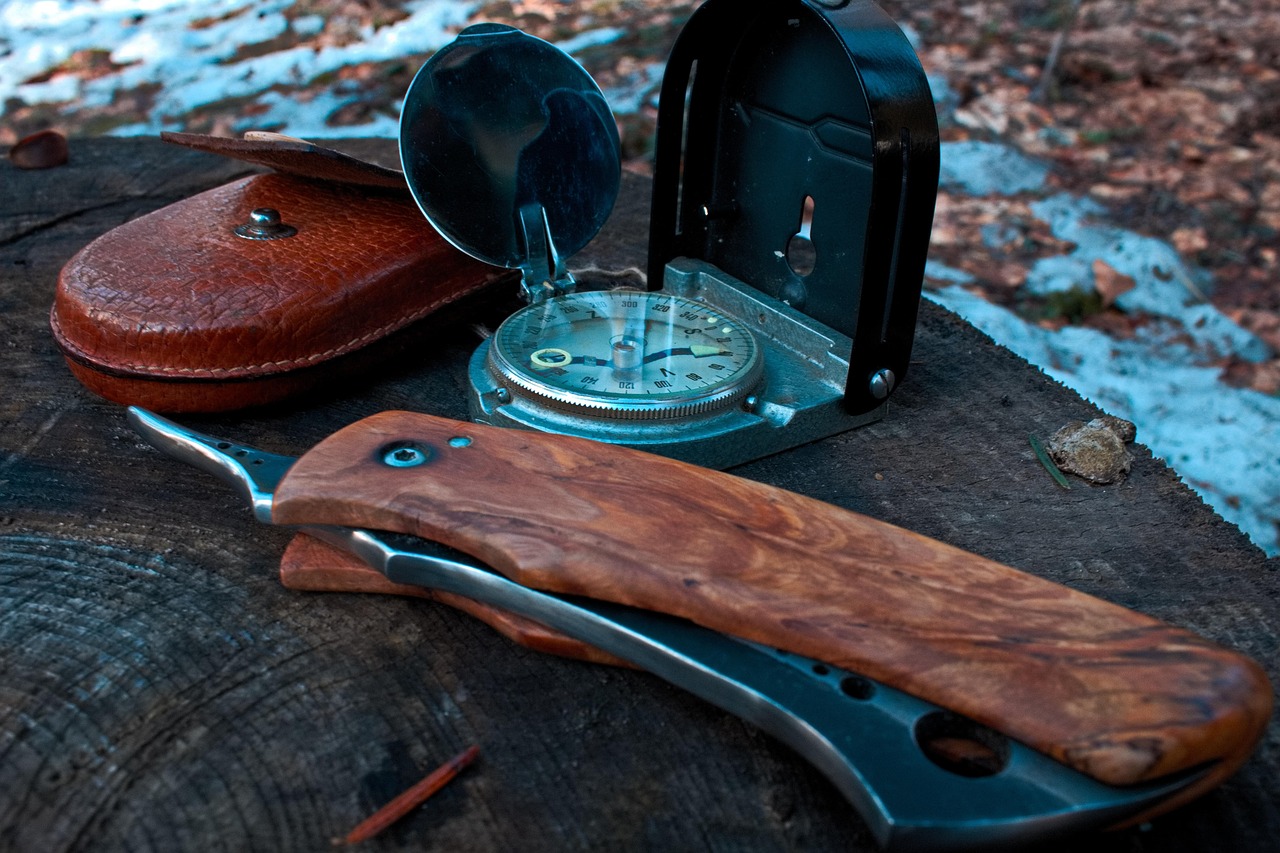
Some gear gets replaced easily. A few pieces stay in your head long after they leave your pack.
Why certain knives never really leave you
A good bushcraft knife earns trust slowly, then all at once. You notice it when feather sticks start cleaner, notches look sharper, and your hand stays comfortable long after the fire is going.
That is why trading away the right knife can sting more than selling a tent or swapping an axe. Knives carry memory differently. They are tactile, personal, and brutally honest about what works in wet, cold, and tired hands.
The ones I still regret losing were not always the flashiest models. They were the blades that balanced edge geometry, handle comfort, steel choice, and sheath carry in a way that made hard outdoor tasks feel simple.
The ESEE Laser Strike was better than I appreciated
The ESEE Laser Strike is one of those knives that reveals its strengths over time. Official specs list a 4.75-inch blade, .188-inch stock, and 1095 carbon steel with Micarta handles, which is a combination that still makes a lot of sense for real field use.
At roughly 10 inches overall and about 9.5 ounces without the sheath, it sits in that useful middle ground. It is large enough for light batoning and camp food prep, but still compact enough to carry all day without feeling like a sharpened pry bar.
What I undervalued back then was how complete the package felt. ESEE’s long-standing lifetime, transferable warranty also adds real confidence, and the company openly notes that 1095 performs well in the field if you respect its tendency to rust when neglected.
The Fallkniven F1 was the quiet professional
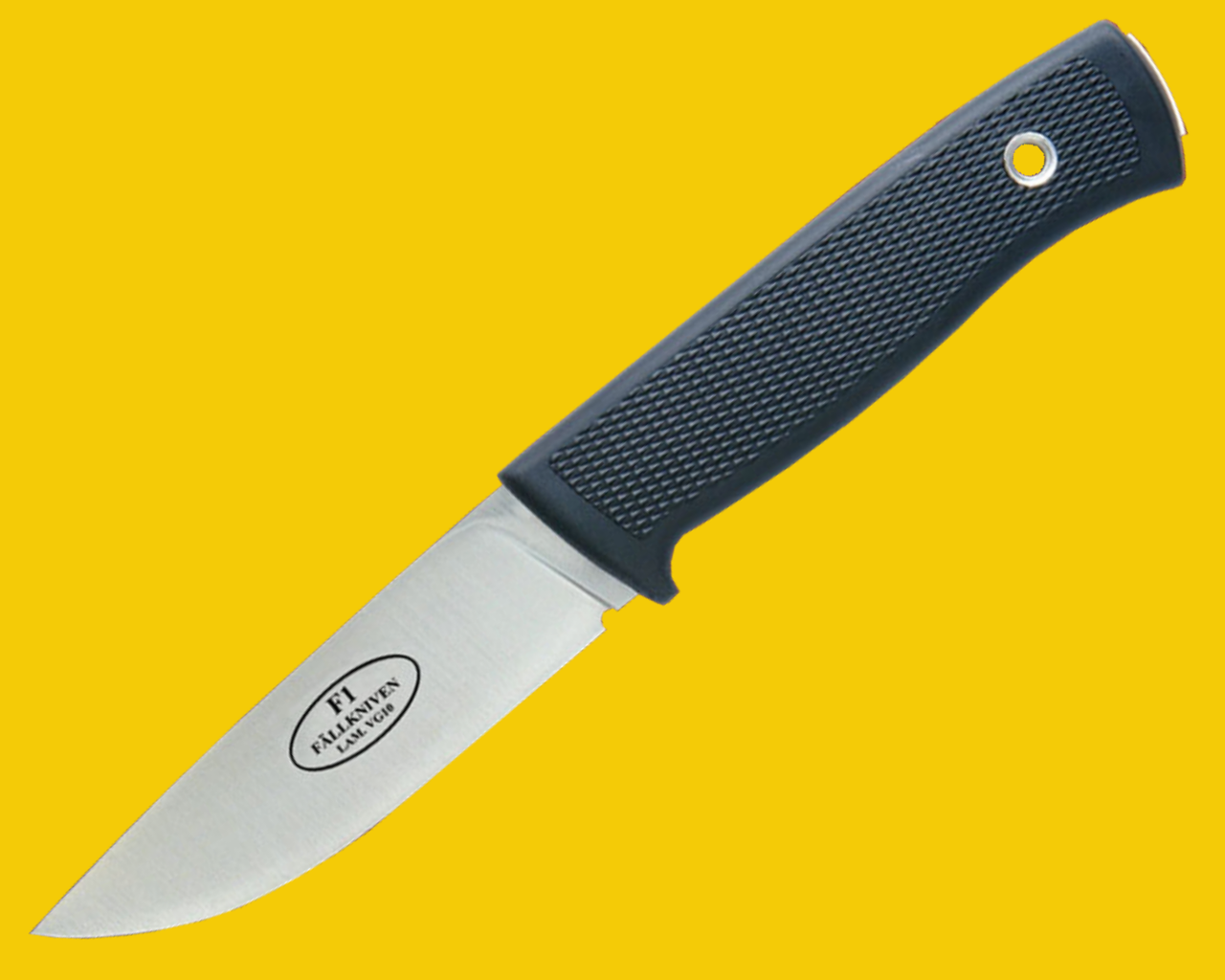
The Fallkniven F1 never begged for attention, which may be why I traded mine too casually. Its reputation comes from understated competence: a 97 mm blade, 4.5 mm thickness, convex grind, and laminated stainless construction in the classic version.
Fallkniven has long described the F1 as its pilot survival knife, and the dimensions explain the appeal. At about 210 mm overall and around 150 grams in the standard configuration, it carries light while still feeling stout enough for serious camp chores.
The regret comes from how versatile it was in ugly weather. Unlike many beloved carbon steel bushcraft knives, the F1 asked less of me in damp conditions, and that stainless-laminated approach made it a blade I could trust on long trips without babysitting corrosion.
The Bark River Bravo 1 had field manners you can’t fake
The Bark River Bravo 1 is the knife I miss when I think about pure hand comfort. Bark River lists it at 4.25 inches of blade length, .217-inch thickness, and available in steels including A-2 and CPM 3V, all wrapped in that famously palm-filling handle.
It also has real lineage. Bark River says the Bravo 1 was developed with Force Recon input, and the model has been one of the brand’s defining field knives for years, with production numbers that reportedly passed 10,000 across versions.
What made it special was not just toughness. It was how the convex edge and neutral handle let the knife carve, slice, and bear down without creating hot spots. Some knives impress on paper; the Bravo 1 impressed after an hour of actual work.
The Benchmade Puukko 200 was a modern sleeper
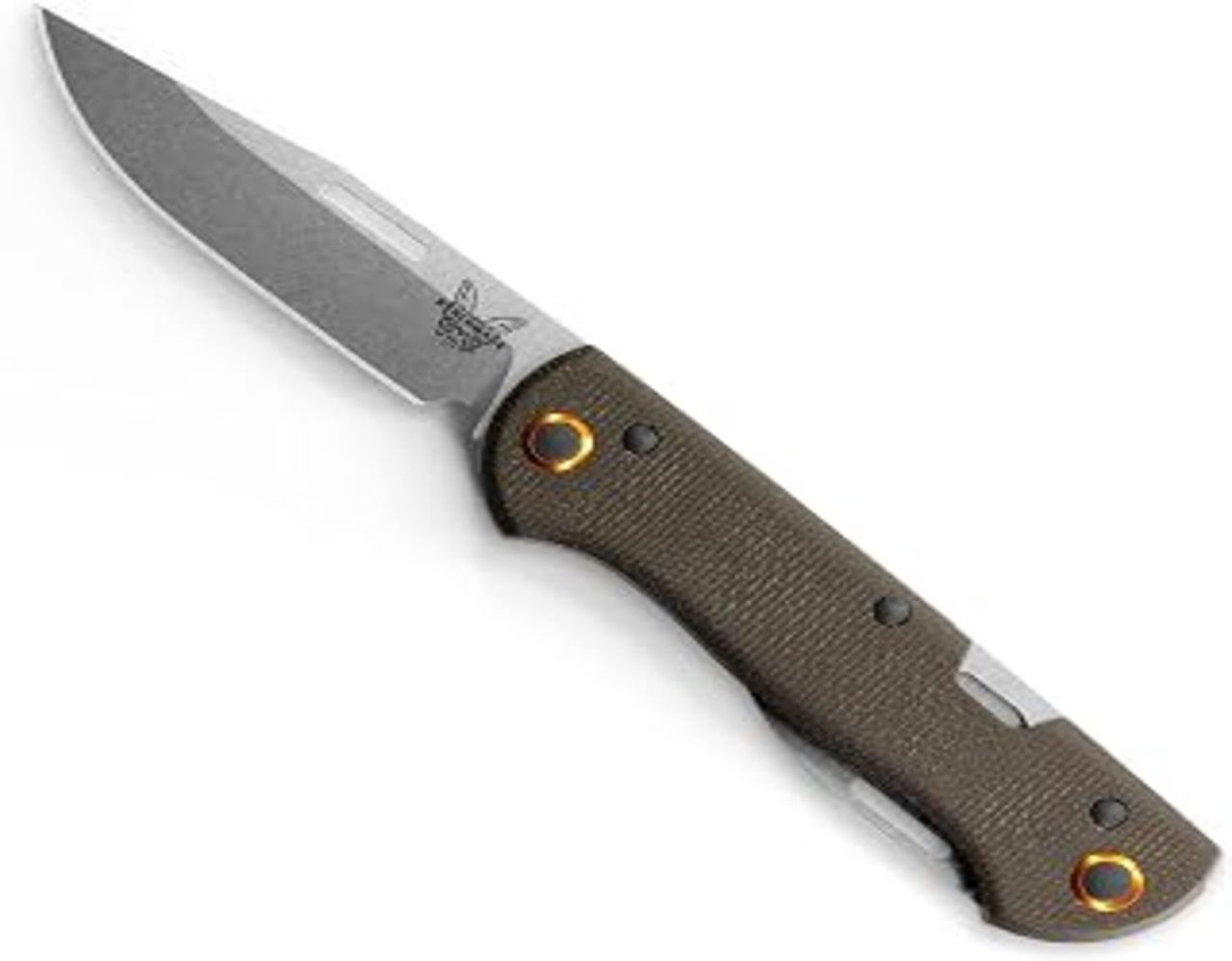
Benchmade does not always dominate bushcraft conversations, which is exactly why the Puukko 200 felt underrated. Contemporary product coverage and Benchmade material references describe it with a 3.75-inch CPM-3V blade, Santoprene handle, full tang build, and leather sheath.
That recipe matters because CPM-3V has a strong reputation for toughness, while Santoprene offers a secure grip in rain and cold. In practice, the knife gave me more confidence than many prettier Scandinavian-inspired blades that looked traditional but felt less capable.
I regret trading it because it represented a rare sweet spot. It had modern steel, practical ergonomics, straightforward carry, and none of the collector anxiety that keeps some owners from really using a knife hard in the woods.
What these trades taught me about buying the next knife
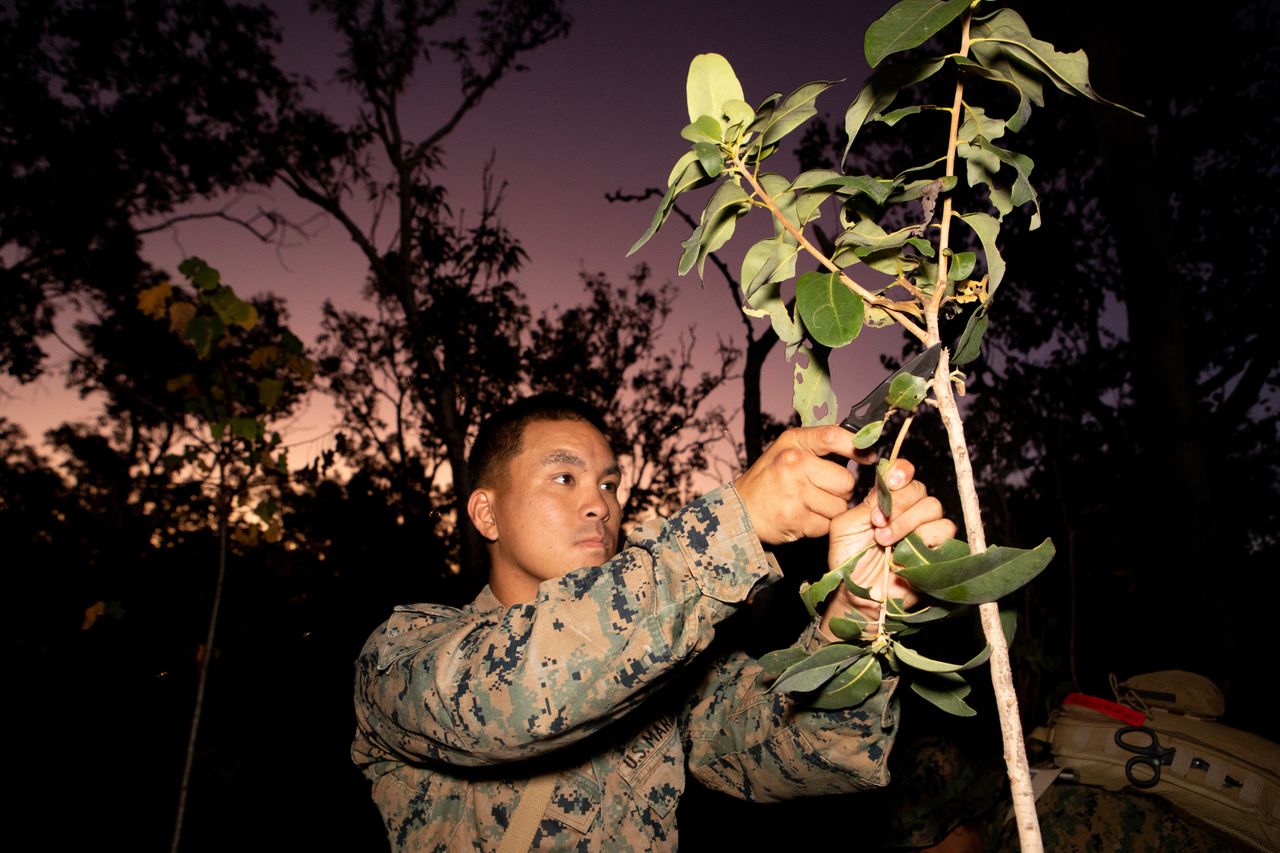
The lesson was not to hoard everything. It was to pay closer attention to the tools that quietly remove friction from camp life, because those are usually the ones you miss after they are gone.
For me, the common thread was never brand prestige alone. It was a blend of secure grip, sensible blade length, steel matched to climate, and a sheath I actually wanted to wear from dawn until firelight.
If I were rebuilding that lineup today, I would shop slower and trade less impulsively. The knife you regret most is usually the one that did not need explaining in the field. It just worked, every single time.