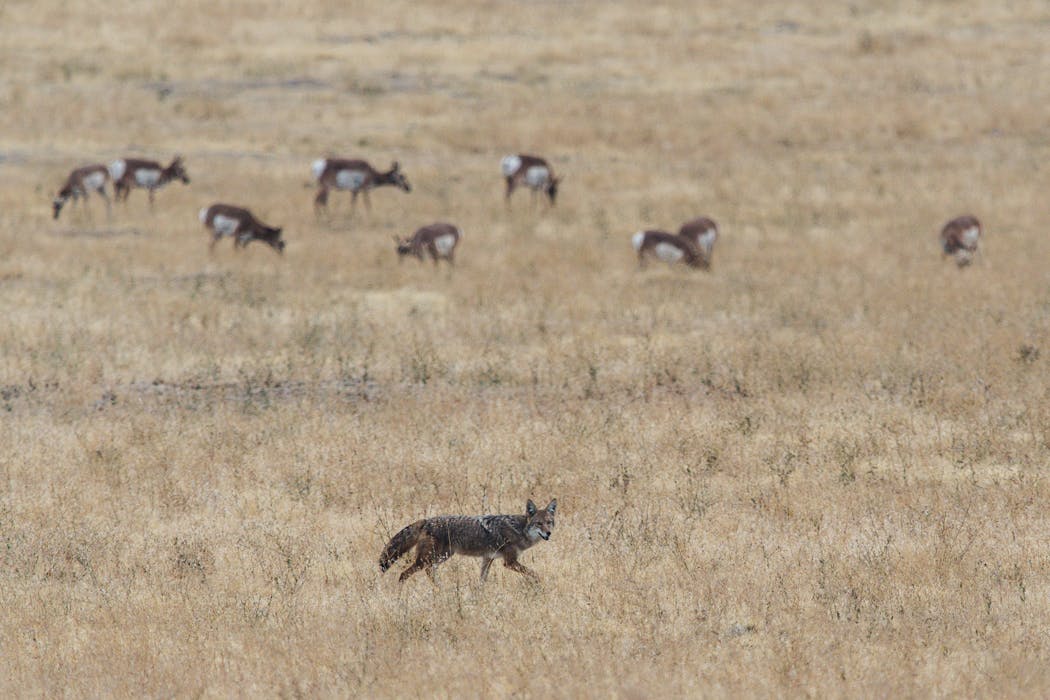
Deer look peaceful from a distance. Up close, in neighborhoods and city parks, they can ignite one of the most emotional fights in local government.
Why Urban Deer Have Become A City Problem

White-tailed deer have adapted remarkably well to suburbia. Edge habitat, ornamental landscaping, fragmented woods, and fewer predators give them exactly what they need. In many communities, that has translated into herds that are far larger than residents remember from even a decade ago.
City officials usually do not move toward culls because of one bad season. They get there after years of complaints about damaged gardens, stripped understory in parks, rising deer-vehicle collisions, and fears about tick exposure. According to the City of Iowa City, a survey it commissioned found the urban deer population had nearly tripled from 2010 levels, pushing the city toward a new five-year management plan in 2024.
Other cities report similar patterns. Meridian Township in Michigan says deer-vehicle collisions dropped from 153 in 2019 to 77 in 2024 after adding police culls to a broader management program that already included archery. In Wildwood, Missouri, officials said they hit a first-year goal of culling 300 deer. What these programs have in common is not just deer. It is the sense among officials that inaction has become its own decision.
Why Hunters See Culls As Necessary
Hunters tend to frame urban deer culls in practical rather than ideological terms. From their perspective, cities have created excellent deer habitat while restricting the very tools that once kept numbers in check. When herds swell inside park systems, golf courses, greenbelts, and subdivisions, they argue that controlled removal becomes basic wildlife management.
That argument is often backed by local data. Pittsburgh’s 2025-2026 archery-controlled deer management program harvested more than 140 deer, with a share of the venison donated to food banks. Oxford, Ohio, reported that professional culling and expanded hunting access were both part of its most recent deer management strategy. In Montgomery County, Maryland, park officials continue to run annual operations that combine archery, firearms hunting in some areas, and park police sharpshooting across dozens of parks.
Hunters also bristle at the idea that urban culls are simply trophy hunting by another name. In most city programs, the rules are tight, access is limited, and the objective is reducing herd size, especially does, not chasing antlers. Many local ordinances require hunter safety certification, site-specific permissions, distance setbacks, and close coordination with police or wildlife staff. To hunters, that looks less like sport and more like a public service that cities are reluctant to acknowledge.
Why Residents Push Back So Hard

For many city residents, deer are not a management problem first. They are neighbors, symbols of nature, and part of what makes a community feel livable. That emotional starting point changes everything. A deer grazing near a playground may strike one person as a hazard and another as the last gentle thing left in an overbuilt landscape.
Opposition also comes from fear. People worry about arrows crossing property lines, wounded animals running through yards, nighttime sharpshooting near homes, and children stumbling into restricted areas. Even when officials insist the operations are highly controlled, many residents hear only one thing: lethal force is being brought into places where families walk dogs and push strollers.
There is also deep skepticism about whether agencies are overstating the case. The CDC notes that deer do not infect ticks with the bacteria that cause Lyme disease, even though deer are important hosts for adult ticks and can help tick populations spread. That nuance matters because public arguments often collapse into slogans. Residents who already distrust culls seize on oversimplified disease claims as proof that officials are trying to scare them into compliance.
The Ecology Case Is Stronger Than It Sounds
The strongest case for culling is usually ecological, not cosmetic. Overabundant deer can transform urban woodlands by repeatedly browsing young trees, wildflowers, and shrubs before they mature. Over time, that can leave a forest with a canopy overhead but almost nothing growing underneath, a condition some ecologists describe as a slow-motion collapse.
That concern is showing up more clearly in local debates. In Grand Haven, Michigan, residents and officials warned that heavy deer pressure was damaging natural areas and pushing forests toward what one local committee member called a death spiral. This is the less visible side of the deer issue. Residents notice tulips and hostas first, but land managers are often watching oak regeneration, invasive species, and the disappearance of native understory.
Research and wildlife agencies have long argued that urban deer management is difficult because every option is expensive, controversial, and usually must be repeated over time. A 2022 review from University of Illinois scholars put it bluntly: a range of options exists, but all are costly, and all require long-term commitment. That is one reason city deer debates never really end. They are not single-season disputes. There are recurring arguments over what kind of landscape a community wants.
The Nonlethal Alternatives Sound Better Than They Work

If culls are so divisive, why not just use contraception, relocation, fencing, or habitat changes? Cities do explore those options, and residents often prefer them. The problem is that each alternative comes with tradeoffs that become painfully clear once a town tries to scale them.
Relocation is expensive, logistically difficult, and can be hard on the animals. Fencing can protect specific gardens or restoration zones, but not a whole city. Contraception gets the most public support, yet it is labor-intensive and often works best in isolated herds where managers can repeatedly identify and treat a very high percentage of females. Even then, results are gradual rather than immediate.
That is why some places end up with hybrid models. Syracuse announced a pilot trap-and-euthanize effort in areas where sharpshooting was not possible under state guidelines. Elsewhere, officials mix archery with targeted professional removal. And even where fertility control shows promise, the cost is real. In one widely watched East Coast program, maintaining deer contraception through the end of the decade is projected to cost millions. Residents may prefer nonlethal methods in theory, but budgets force harder choices in practice.
Where The Real Collision Happens

The deepest conflict is not actually between hunters and deer lovers. It is between two ideas of what a city is for. One side sees urban nature as something to be carefully managed, even lethally, when animal populations exceed what the landscape can support. The other sees cities as places that should learn to coexist with wildlife, even when coexistence is messy.
That split can scramble political alliances. Gardeners, park ecologists, and some public health advocates may line up with hunters. Animal welfare groups, neighborhood associations, and parents may line up against them. In some cities, residents support deer reduction in principle but oppose the moment it is proposed near their block. That is where public meetings go sideways. Everyone agrees there is a problem, right up until the map shows where the solution will happen.
The Wildlife Society and other professional groups have long warned that urban wildlife conflicts are really social conflicts wearing an ecological costume. That sounds abstract until you watch a city council hearing on deer. Then it becomes obvious. The facts matter, but values drive the room. People are arguing over risk, compassion, expertise, trust, and who gets to define humane.
What Smarter Deer Policy Looks Like
The cities handling this best do not pretend there is a painless answer. They explain the data, publish annual results, define success clearly, and show residents exactly why a chosen method was used. Worthington, Ohio, for example, tied its recommendations to a task force review, community opinion, and a long-term combination of targeted removal, archery, and continued monitoring. That kind of transparency does not erase opposition, but it lowers the temperature.
Good policy also means being honest about goals. If the purpose is fewer collisions, say that. If the purpose is forest recovery, measure that. If venison is being donated, explain how much and where it goes. Pittsburgh’s reporting on harvest totals and food donations worked because it turned an abstract cull into something tangible, even for people who remained uncomfortable with it.
Most of all, smarter policy accepts that urban deer are now permanent civic actors. These fights will keep happening as suburbs expand and wildlife adapts. Hunters and residents are on a collision course because both sides are responding to something real. The challenge for cities is not choosing a controversy-free option. It is choosing a defensible one before the herd, and the politics around it grow even harder to manage.