Big game hunting arguments usually start around caliber, distance, or optics. Lately, though, one of the sharpest fights in the hunting world is about compressed air.
Why airguns are suddenly part of the big game conversation
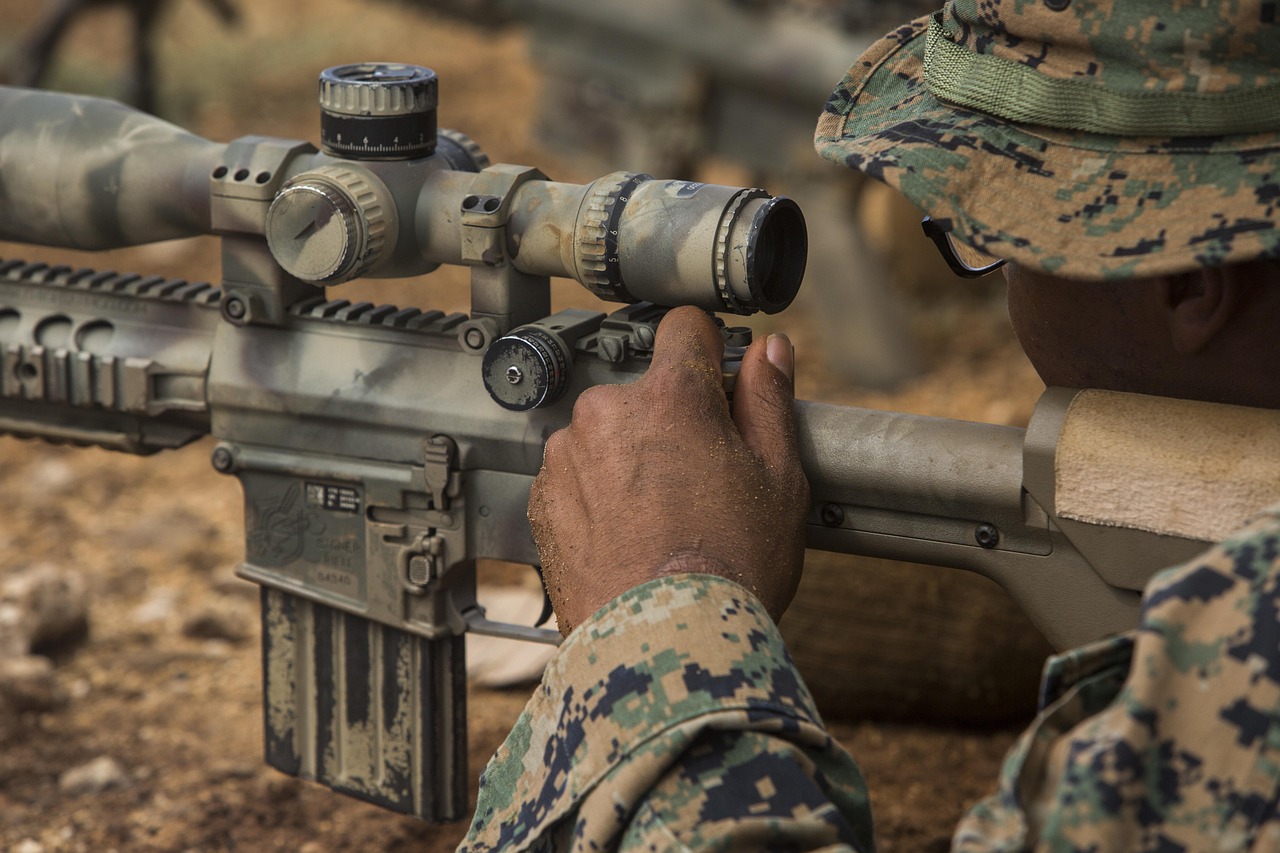
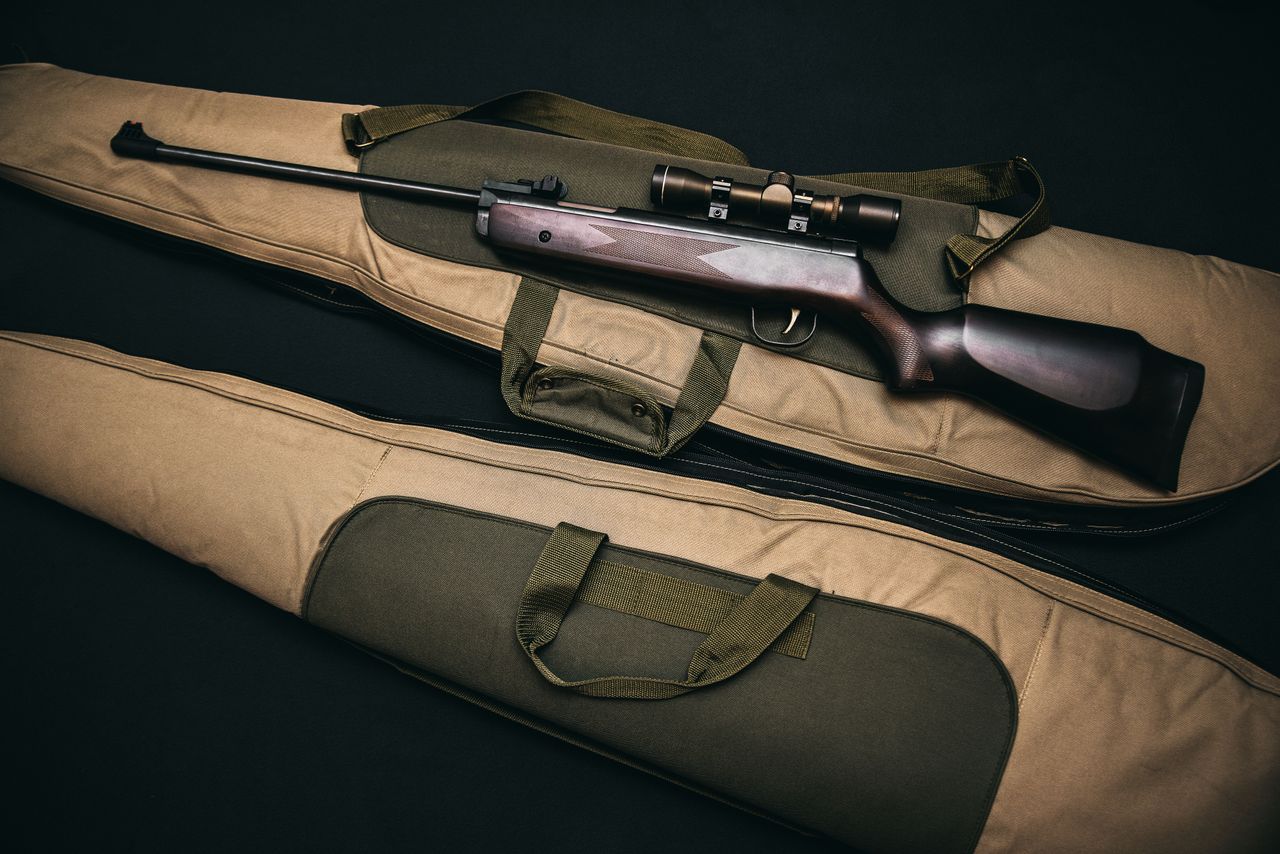
For years, most people heard “airgun” and pictured backyard plinking, not deer camp. That image is outdated. Modern pre-charged pneumatic rifles, especially big-bore models in .35, .40, .45, and .50 caliber, can push heavy slugs with enough force to take medium and large game at close range, and that has dragged airguns from the fringe into serious hunting debate.
According to the Congressional Sportsmen’s Foundation, airguns are now legal methods of take for white-tailed deer and/or other medium to large game in 26 states, while nearly half the states still prohibit them for big game entirely. That split alone explains the argument. In one state, an air rifle is treated as a lawful hunting tool. Across the border, it may still be viewed as too weak, too niche, or too unfamiliar for deer-sized animals.
The technology has helped force the issue. Outdoor Life has noted that modern airguns have been used to take whitetails, mule deer, elk, bison, bear, mountain lion, javelina, and pronghorn where legal. The Airgun Sporting Association, which openly advocates expanding hunting access for big-bore airguns, frames them as advanced tools for ethical hunting rather than toys or shortcuts. That claim is exactly what traditionalists are testing, and not everyone is buying it.
The law says one thing in one state and the opposite in another.
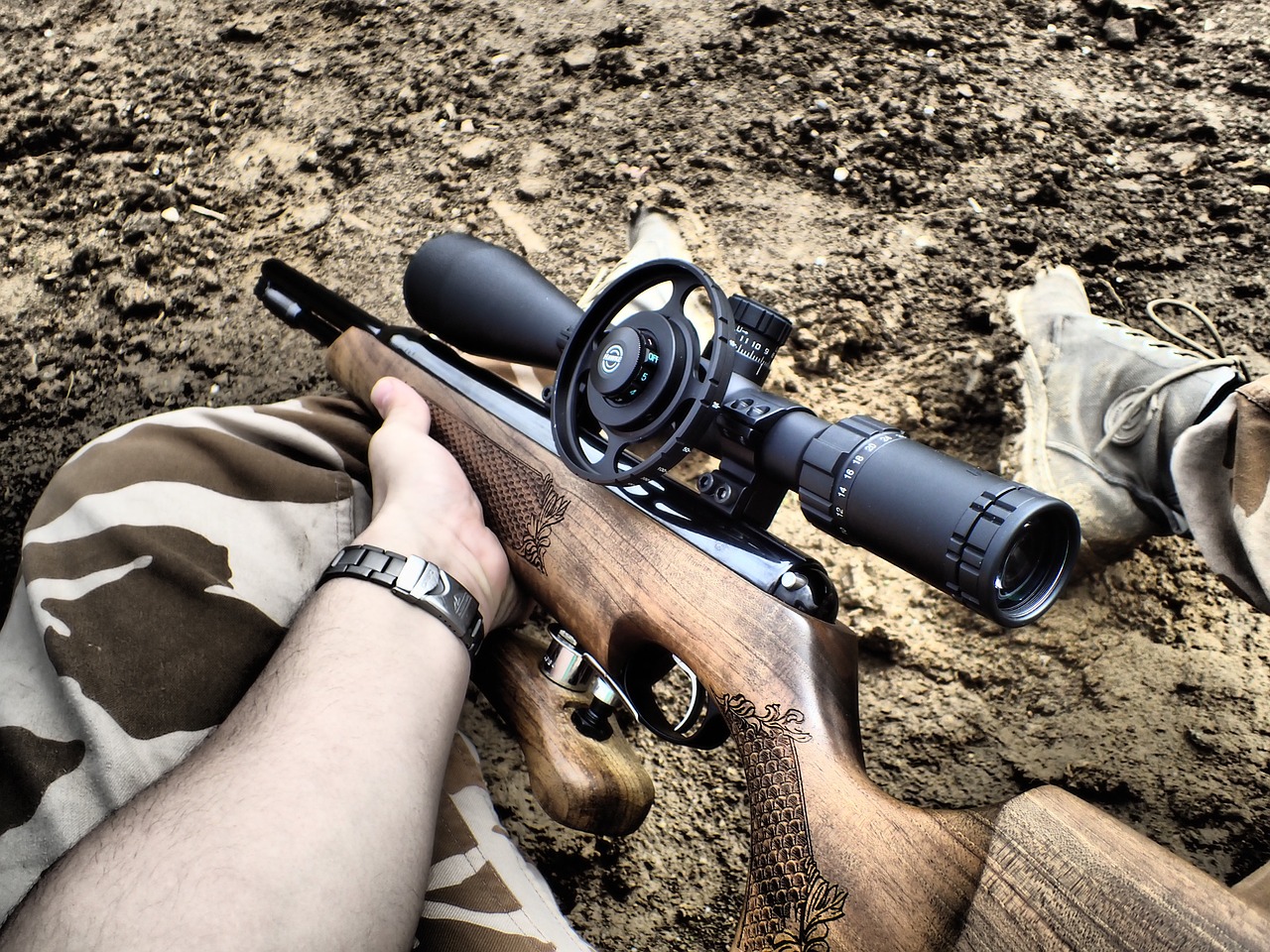
One reason this debate feels so personal is that legality varies wildly. Texas allows pre-charged pneumatic air guns for species including white-tailed deer, mule deer, pronghorn, javelina, and even desert bighorn sheep under its current hunting rules. Arkansas permits big-bore air rifles for deer, but only if they are at least .40 caliber, produce at least 400 foot-pounds of muzzle energy, fire a single expandable slug, and are charged from an external tank.
Utah has gone even further in spelling out technical standards for big game airguns. Its 2025 big game field regulations require an airgun used for big game to meet detailed specifications under state rule, reflecting an effort to regulate performance rather than simply ban the category. Missouri also permits air-powered guns for deer during its alternative methods portion, a sign that agencies increasingly see airguns as fitting somewhere between archery tackle and conventional firearms.
Then you have states moving much more cautiously. Virginia allows air rifles of .35 caliber or larger for deer in certain contexts, while Pennsylvania still does not list air- or gas-operated rifles among lawful arms for big game in its 2025-26 digest, even as legislation has been introduced to change that. This patchwork tells hunters something important: wildlife agencies are not arguing over whether airguns exist. They are arguing over whether airguns create clean kills consistently enough to deserve a place beside rifles, muzzleloaders, and bows.
The ethics fight is really about clean kills, not novelty
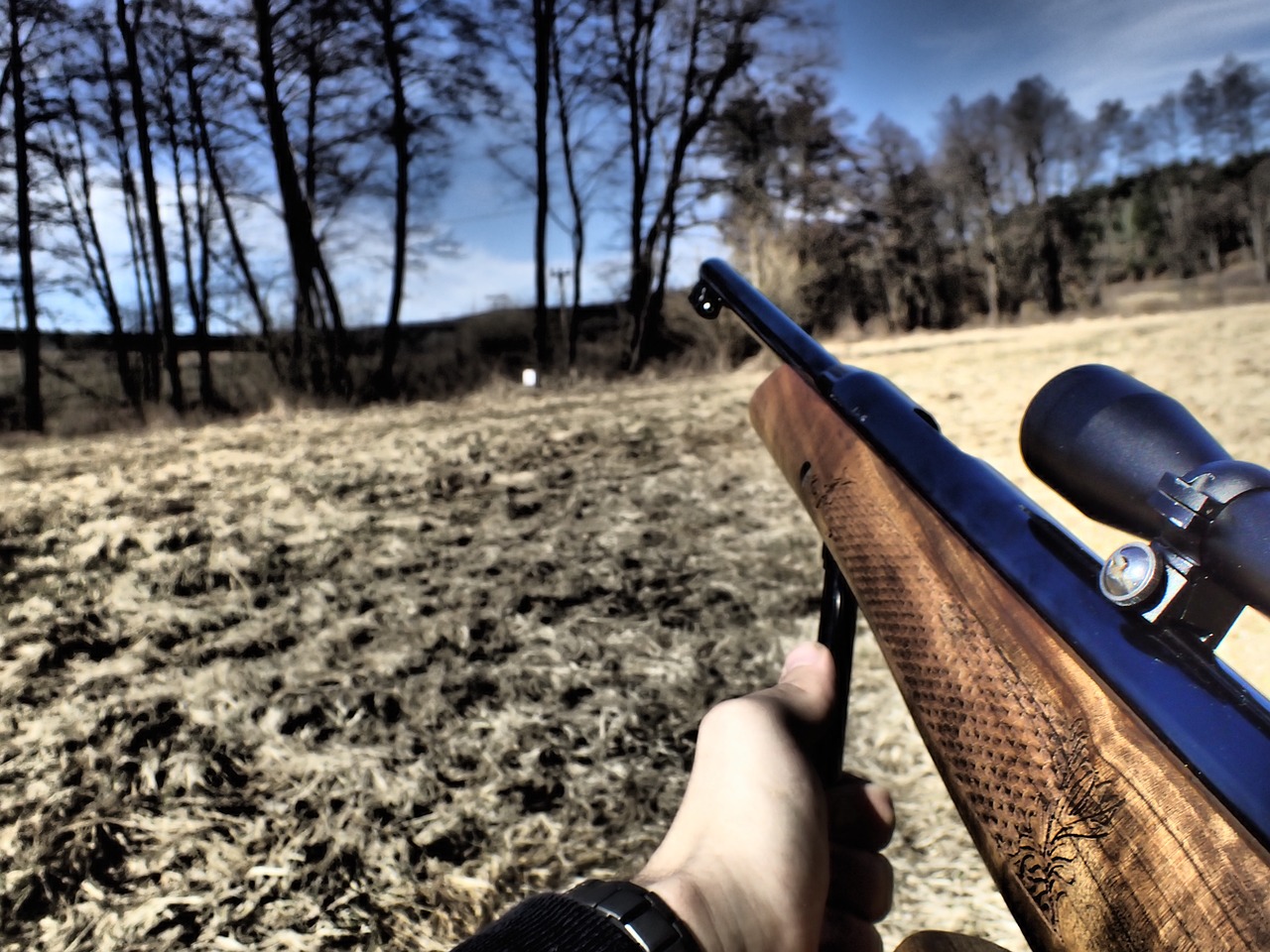
Most serious hunters are not actually debating whether a big-bore airgun can kill a deer. The better question is whether it can do so reliably enough, across a wide range of shooters, field conditions, and shot opportunities, to meet the unwritten ethical standard hunters use on themselves.
That concern is not irrational. The Airgun Sporting Association says currently available big-bore airguns can range from roughly 175 to 700 foot-pounds of energy, which is a huge spread. A hunter carrying a powerful .457 or .50 caliber slug gun is in a different world from someone stretching a marginal setup beyond its practical range. Even airgun advocates repeatedly warn newcomers to stop thinking like centerfire rifle hunters and start thinking more like bowhunters, with tighter distance limits and stricter shot discipline.
Texas wildlife regulators use almost the same language in practice, urging hunters using air guns or arrow guns to wait before retrieval, much as archery hunters often do, to allow the animal time to expire. That is revealing. It suggests agencies recognize that even when legal, these tools may kill more through carefully placed wound channels and blood loss than through the kind of hydrostatic shock hunters associate with high-velocity rifle bullets.
This is where the campfire disagreement becomes sharp. Supporters call that challenge honest and sporting. Critics hear the same facts and conclude the margin for error is too small.
Fair chase means different things depending on what bothers you. u

Hunters love the phrase “fair chase,” but they rarely define it the same way. For one group, using an airgun for big game is fair specifically because it narrows the hunter’s advantage. Effective range is shorter, follow-up shots are slower, and the hunter has to get closer and know the gun intimately. In that view, airguns are not an easy mode. They are a self-imposed handicap, not unlike bowhunting.
Another group sees the fairness question differently. To them, fair chase is not about making the hunt harder for the hunter. It is about minimizing avoidable suffering for the animal. If a centerfire rifle offers a larger performance cushion in bad angles, wind drift, imperfect hits, or adrenaline-soaked field shooting, then deliberately choosing the lower-powered tool can look less fair, not more fair.
That tension is why airguns split even hunters who agree on almost everything else. Many of the same people who admire recurve bows, sidelock muzzleloaders, and iron sights are uneasy with big-bore PCP rifles because they do not fit a familiar category. They are modern but range-limited. They are powerful but not in the conventional rifle sense. They can look high-tech while behaving more like primitive-weapons gear in the field.
So the argument is not really old school versus new school. It is two competing definitions of responsibility, both claimed in the name of ethics.
The practical limitations are exactly what supporters and criticsinterpret differentlyy
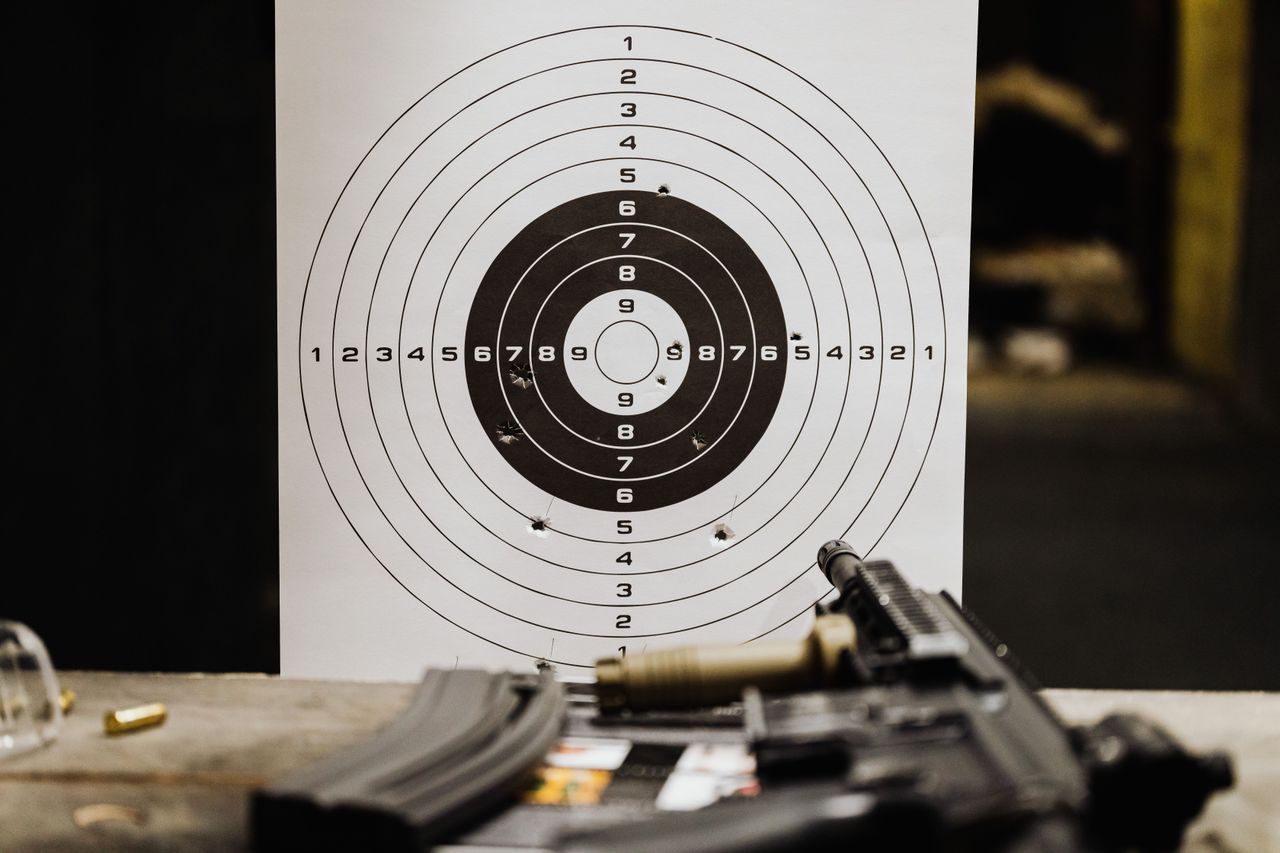
Talk to experienced airgun hunters, and you hear the same themes over and over: practice more, shoot closer, know your exact slug, and never assume centerfire-like performance. Those points are echoed by industry groups and hunting educators alike. Hunter-ed describes successful big game airgun hunting as a matter of preparation, legal compliance, and ethical decision-making, not just owning the right rifle.
Even advocates admit these guns demand discipline. The Airgun Sporting Association notes that if a big-bore airgun starts in the low 200s FPE at the muzzle, it may be carrying only around 150 FPE by 100 yards. Airgun Depot has offered a rough rule of thumb of about two foot-pounds of energy for each pound of game, which is not a legal standard but does show how quickly performance questions become serious when animals get larger.
To supporters, those constraints are the whole appeal. The hunter has to close the distance, pass on weak angles, and treat each shot as a one-shot problem. To critics, those same constraints create the risk that enthusiastic but underprepared hunters will buy into marketing, overestimate capability, and try shots their equipment cannot back up.
That is why this debate does not stay technical for long. It becomes social. Every ethical hunter believes they know their limits. The question is how many actually do.
Wildlife agencies are quietly deciding what the future looks like
State regulators tend to move more slowly than internet arguments, but their rule books show where the issue is headed. Agencies are increasingly writing detailed thresholds rather than broad bans. Arkansas specifies caliber, energy, projectile type, and charging method. Utah uses tightly defined equipment rules. Missouri has carved out a season structure where air-powered guns are lawful for deer during an alternative methods portion.
That kind of regulation suggests agencies are trying to separate serious big-bore hunting equipment from ordinary pellet rifles in the public imagination. They are also trying to reduce ambiguity for wardens and hunters. A vague rule invites abuse. A rule tied to caliber, muzzle energy, and projectile design is easier to enforce and easier to explain.
At the same time, not every state is persuaded. Pennsylvania’s current big game regulations still exclude air- or gas-operated rifles from lawful big game arms, even though lawmakers have proposed opening that door. That hesitation matters. It shows some agencies and legislatures remain unconvinced that legalization would improve hunting opportunity without increasing wounding risk or enforcement headaches.
In other words, the future of airgun hunting will probably not be decided by message boards. It will be decided by wildlife commissions, one technical rule at a time.
What this argument is really about in the end
Underneath the gear talk, this is a dispute about identity. Hunters are deciding what kind of challenge is admirable, what kind of risk is acceptable, and how much trust should be placed in individual judgment versus fixed legal standards. Airguns just happen to expose those fault lines better than most equipment debates.
The strongest case for big-bore airguns is clear enough. They are legal in a growing number of states, technologically capable within limited ranges, and often used by hunters who want a closer, more deliberate style of pursuit. In skilled hands, under the right conditions, they can be effective and humane. That is no longer the fringe position.
But the strongest case against them is seriou,s too. A tool can be capable and still be too easily misused. A method can be legal and still be a poor choice for average field conditions. And once a state approves big game airguns, not every hunter using one will bring expert-level restraint to the woods.
That is why this debate feels so unresolved. It is not really about whether compressed air can kill a deer. It is about whether the hunting community believes fairness is measured by challenge, by certainty, or by the narrow space where both can still coexist.