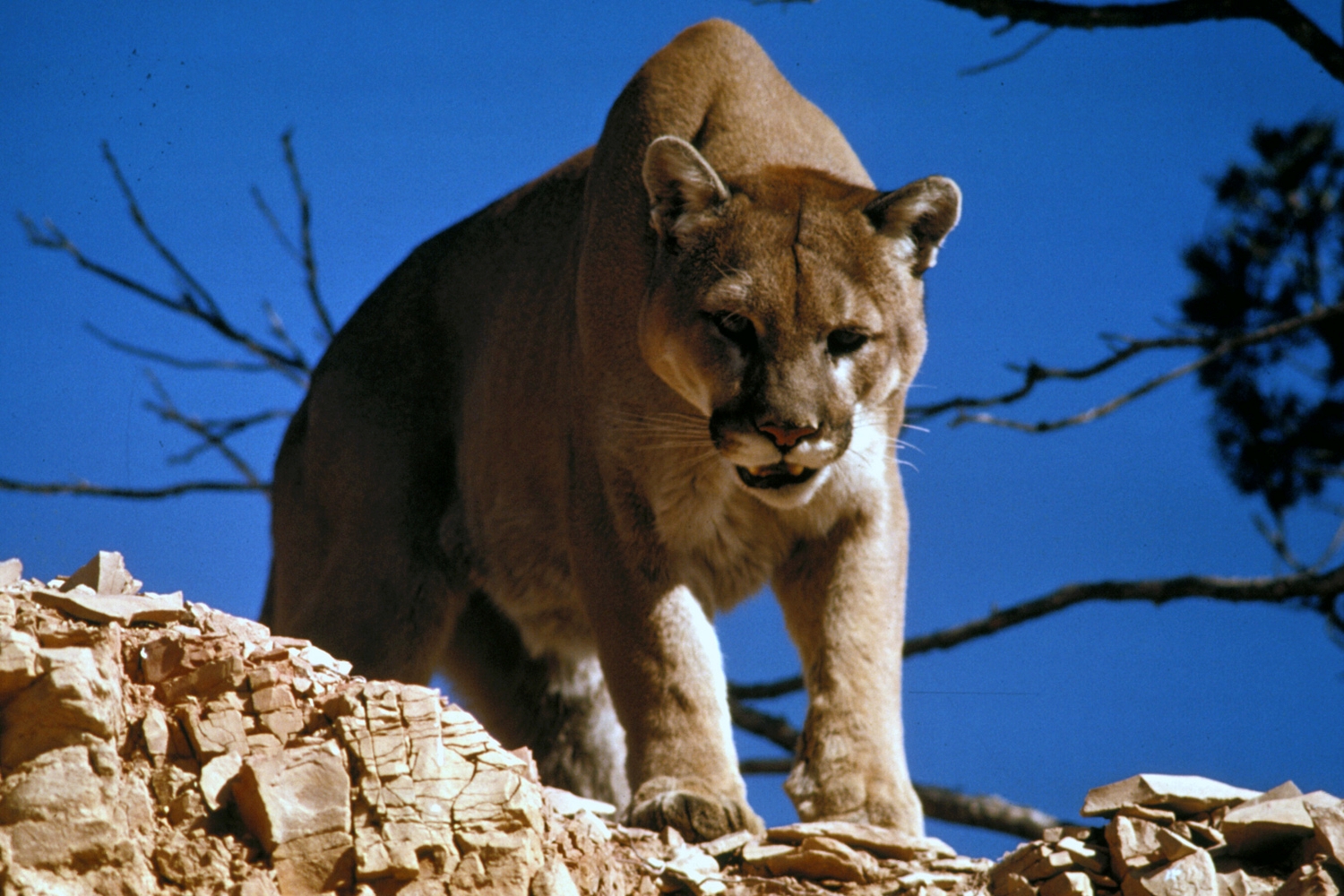
A mountain lion encounter is rare, but knowing how to read the landscape can make a major difference when you’re hiking in cougar country. These predators are usually elusive and avoid people, so a single sighting does not automatically mean you’re being stalked. However, repeated signs, unusual behavior, or a cat that refuses to leave deserve serious attention. The key is to stay calm, create distance, and avoid running. Here are 9 signs worth recognizing.
1. A Mountain Lion Keeps Appearing Ahead of You
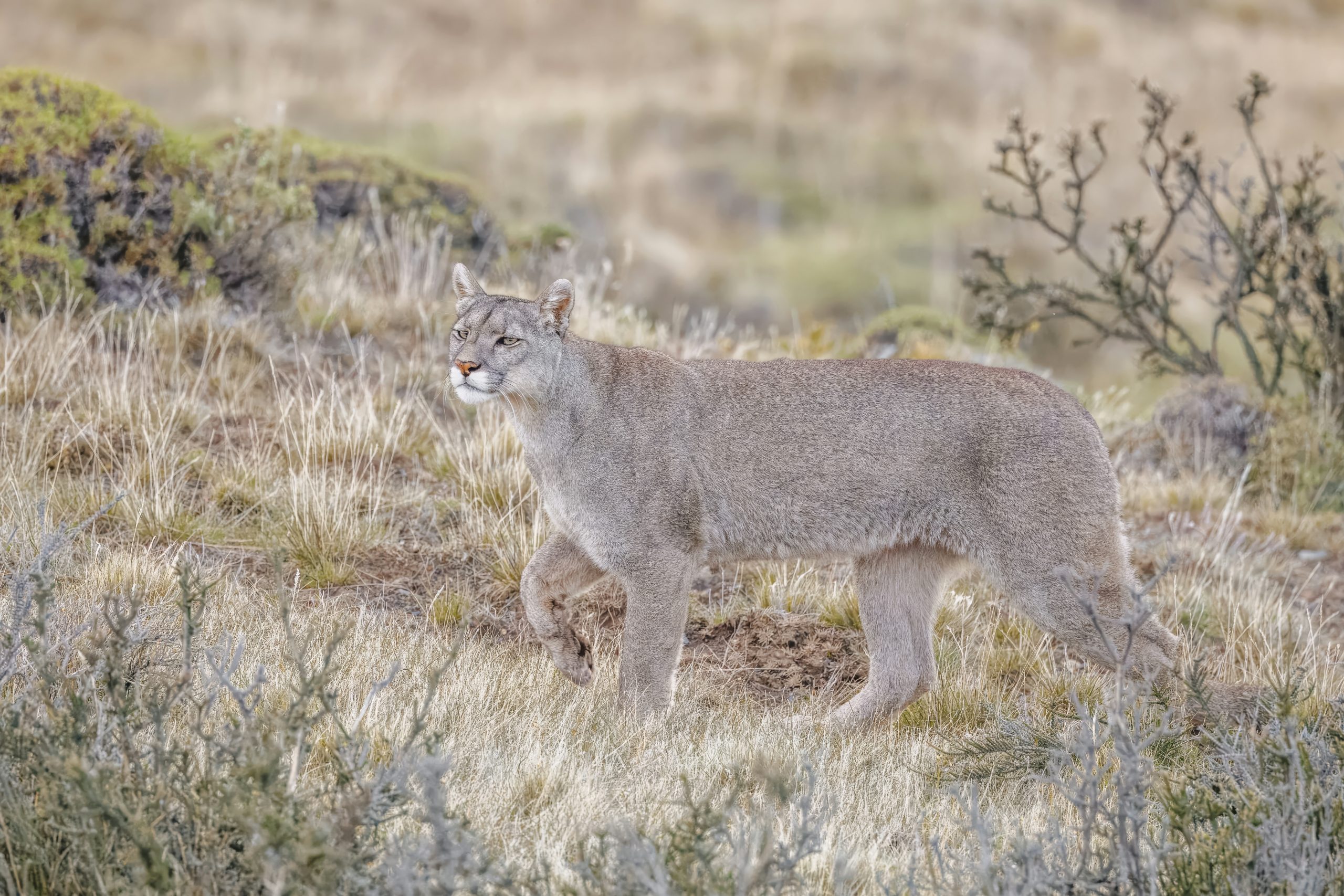
Seeing the same mountain lion more than once can be unsettling, especially if it appears along different parts of your route. One sighting may simply mean the animal is traveling through the same habitat, but repeated appearances deserve attention. Mountain lions can cover several miles while searching for prey, and they may use trails, ridgelines, and drainage corridors as travel routes. If the cat repeatedly remains ahead of you instead of disappearing, stop moving toward it. A distance of roughly 100 yards or more is preferable when practical. Do not approach for a photograph or test whether it will follow.
2. The Cat Watches You Without Leaving
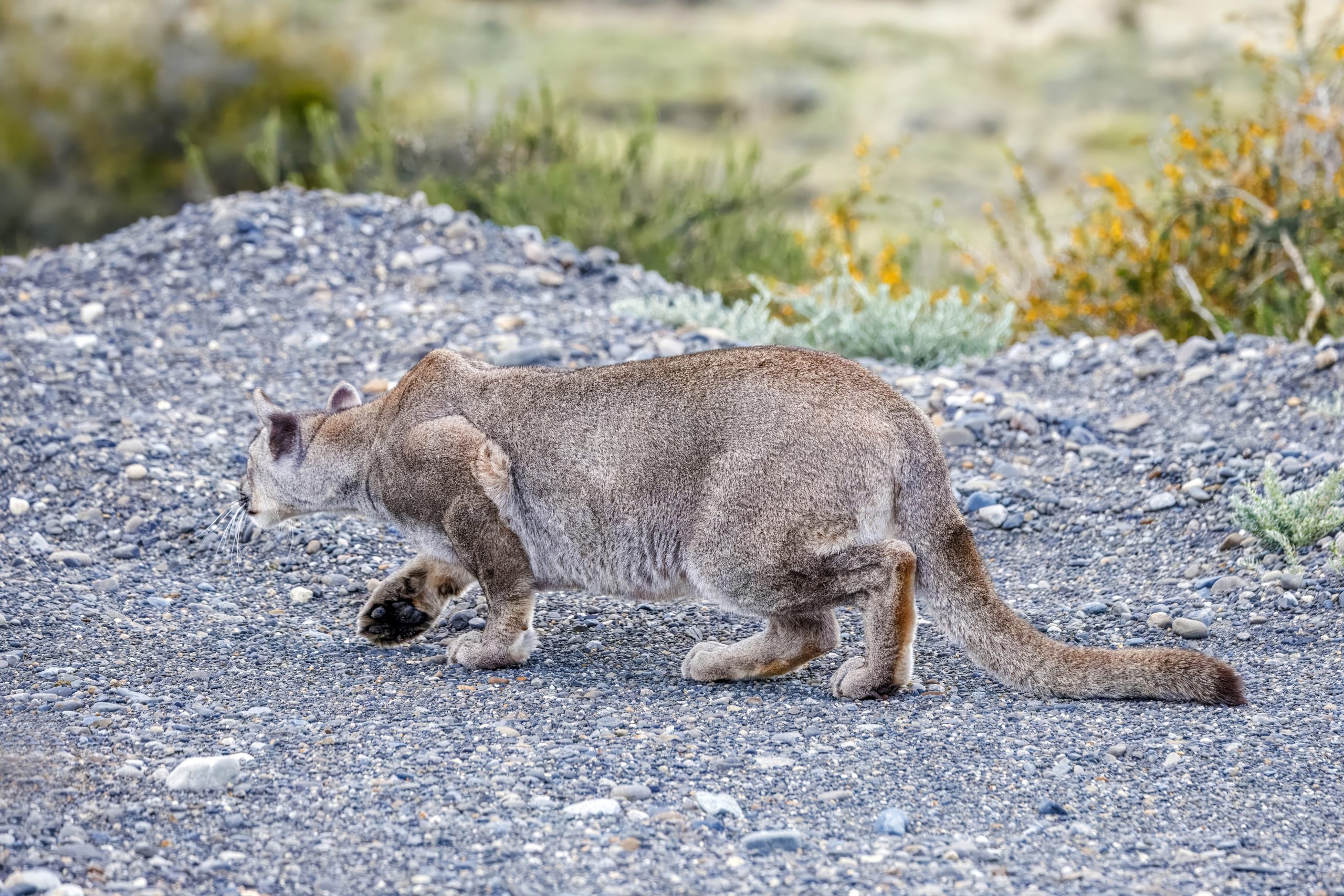
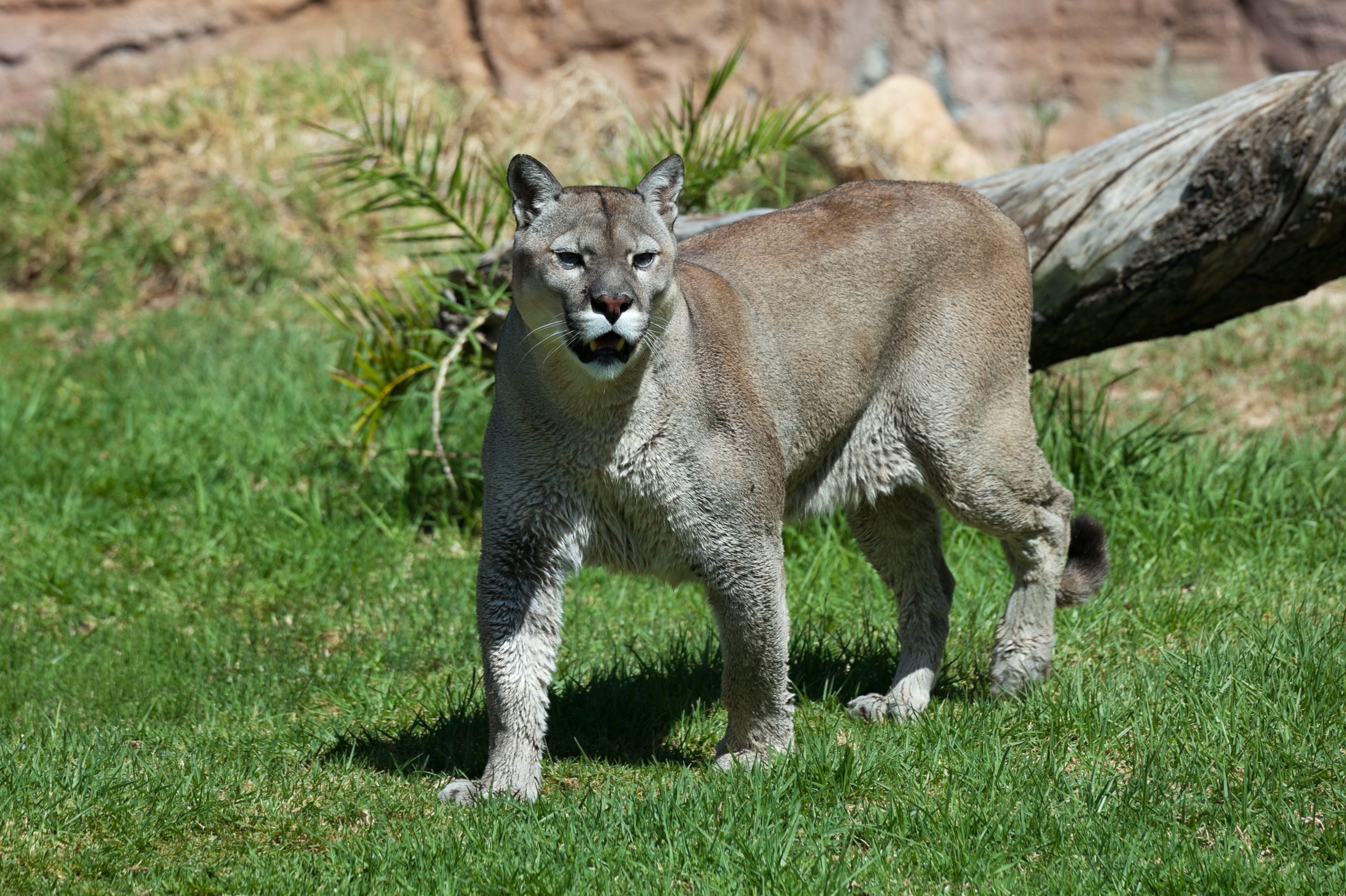
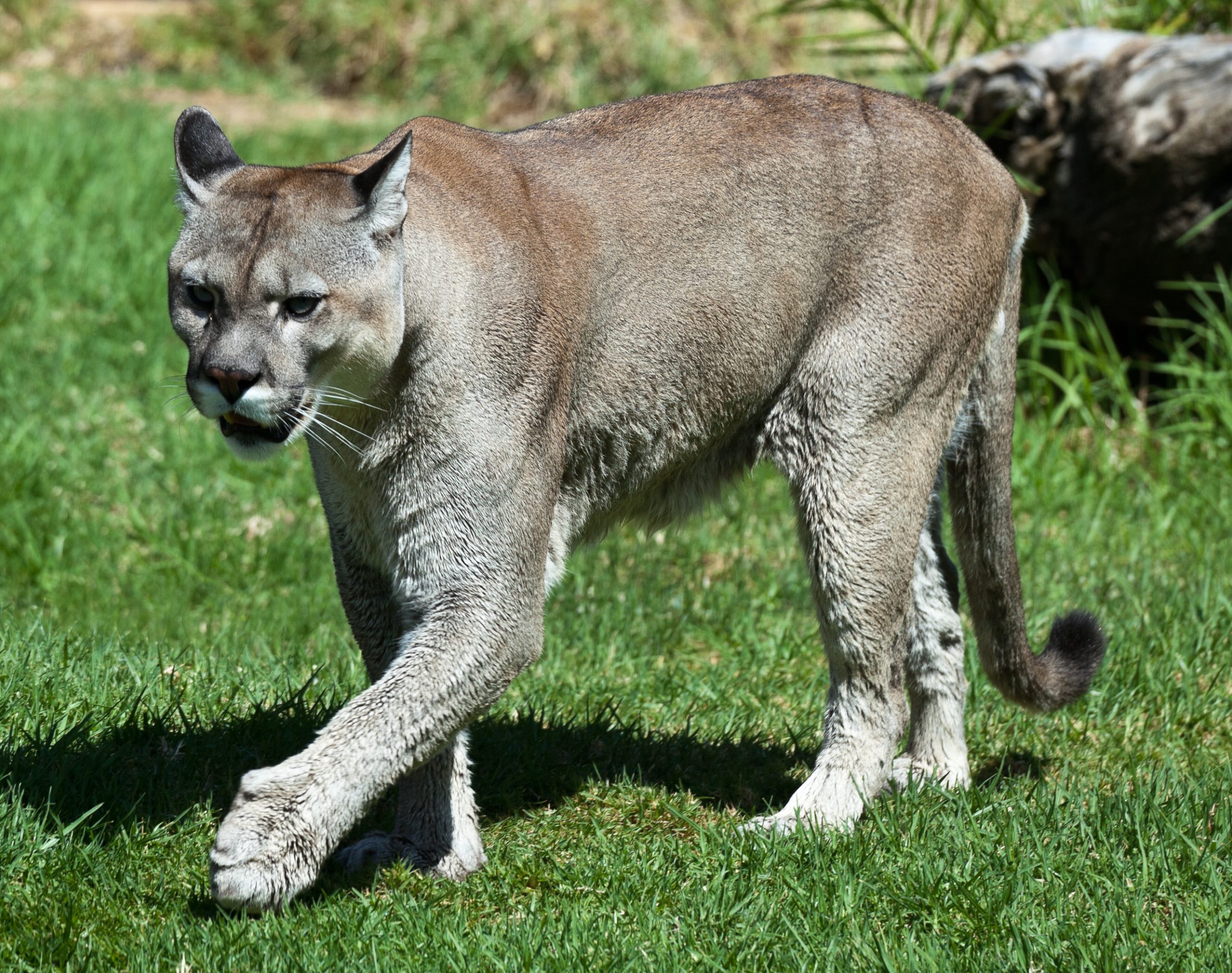
A mountain lion that stops, faces you, and maintains prolonged attention is behaving differently from one that quickly retreats. Cougars often avoid humans, so a cat that remains focused on a person deserves caution. Watch its ears, head position, and body language rather than turning your back. If it crouches, moves closer, or repeatedly changes position to stay near you, increase your distance without running. Keep children within arm’s reach and make yourself appear larger by raising your arms. Give the animal an escape route and avoid blocking its path. Calm, deliberate movement is safer than sudden gestures or a chase.
3. Fresh Tracks Appear Along Your Route
Tracks can reveal that a mountain lion has recently passed through an area, although tracks alone do not prove that the animal is following you. A typical adult cougar track may measure around 3 to 4 inches across and usually shows four toes with no obvious claw marks. Fresh prints in mud, snow, or soft soil can indicate recent activity. Look for several prints forming a natural travel pattern rather than assuming one isolated mark is meaningful. If tracks repeatedly appear on the same trail you’re using, consider turning around or choosing another route. Avoid following the tracks, because curiosity can take you directly toward the animal.
4. You Find Fresh Signs of a Kill Nearby
A partially consumed deer, elk, or other animal can indicate that a mountain lion is using the surrounding area. Cougars often cover kills with leaves, soil, grass, or other material and may return later to feed. Finding a carcass that appears recently disturbed should therefore change your plans immediately. Do not approach, inspect, or photograph it from close range. Keep dogs under firm control and move away calmly, preferably in the direction you came. A cougar defending or returning to a food source may be less willing to retreat. Give the site a wide berth, especially during the following 24 to 48 hours.
5. Your Dog Suddenly Becomes Extremely Alert
Dogs can sometimes notice wildlife before their owners do, making a sudden behavioral change worth paying attention to. A dog that freezes, stares into thick vegetation, growls, or repeatedly focuses on one area may have detected an animal you cannot see. That does not automatically mean a mountain lion is present, because dogs also react to deer, bears, coyotes, and other wildlife. Still, don’t allow your dog to investigate. Keep the leash short and bring the animal close to you. Mountain lions may view small pets as prey, while a barking dog can also provoke an unwanted confrontation. Move toward an open area and leave the location.
6. The Mountain Lion Follows Instead of Retreating
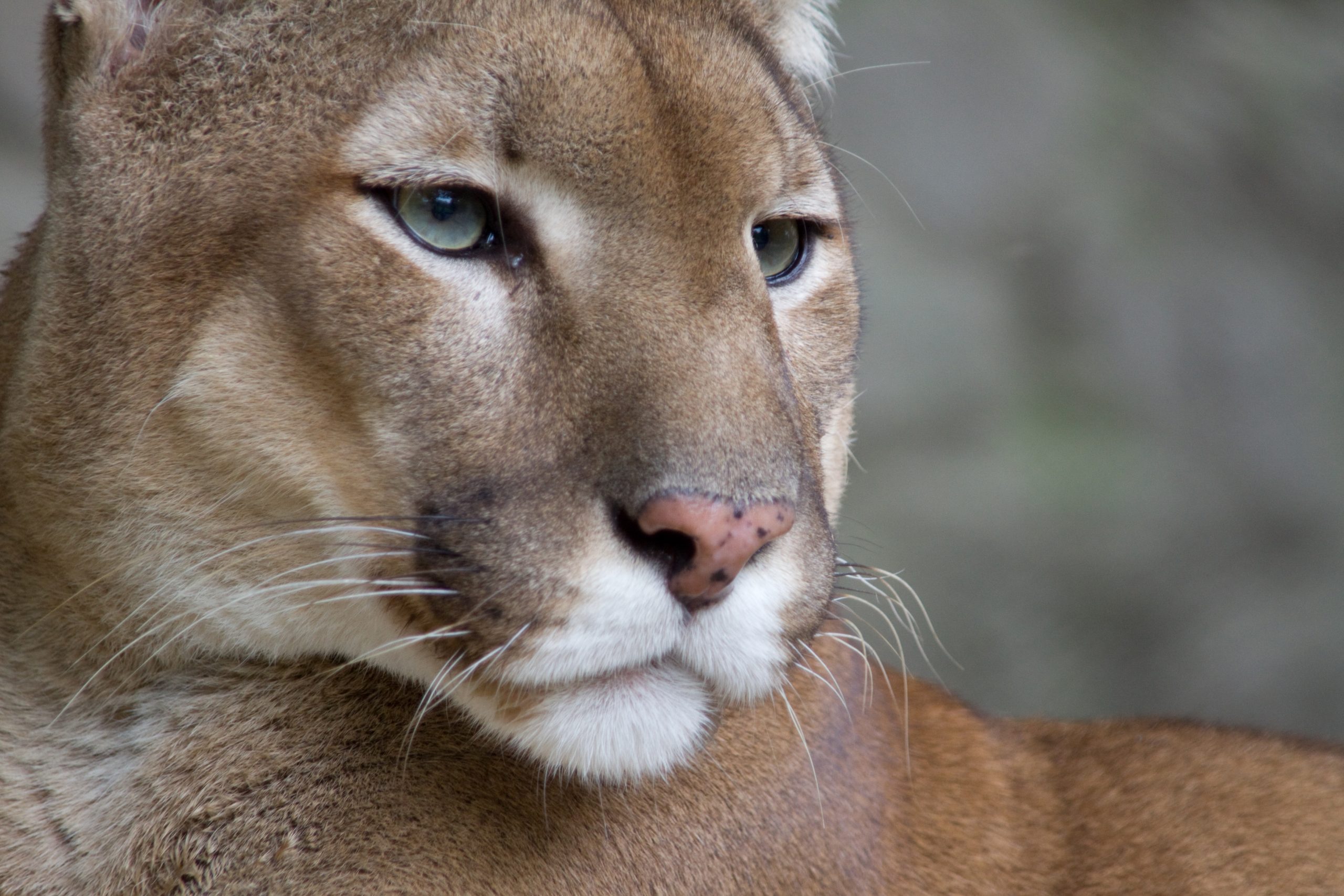
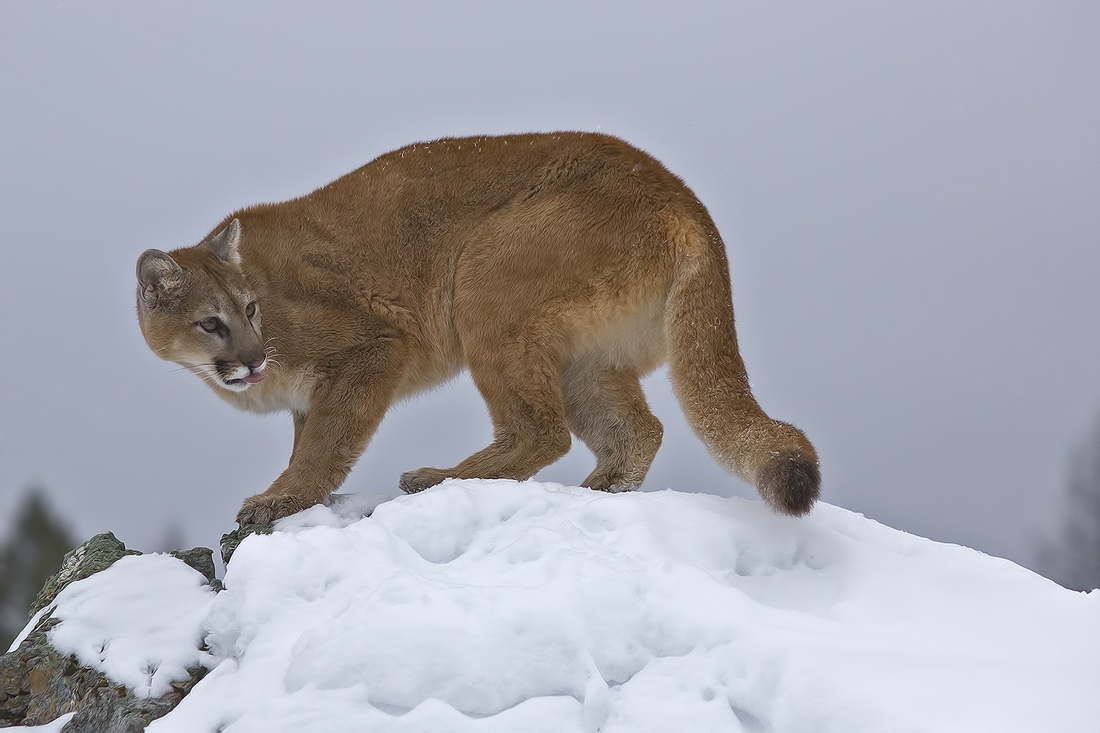
One of the clearest warning signs is a cougar that continues moving toward you after you have attempted to create distance. Mountain lions normally prefer avoiding people, so persistent forward movement should not be ignored. Do not run, crouch, or turn your back. Face the animal while slowly backing away and make yourself look as large as possible. Speak firmly and confidently rather than screaming uncontrollably. If it comes closer, throw rocks or other objects without bending down or turning away. Maintain visual contact and continue creating space. If the animal attacks, fight back aggressively and protect your head and neck.
7. You Hear Unusual Vocalizations Nearby
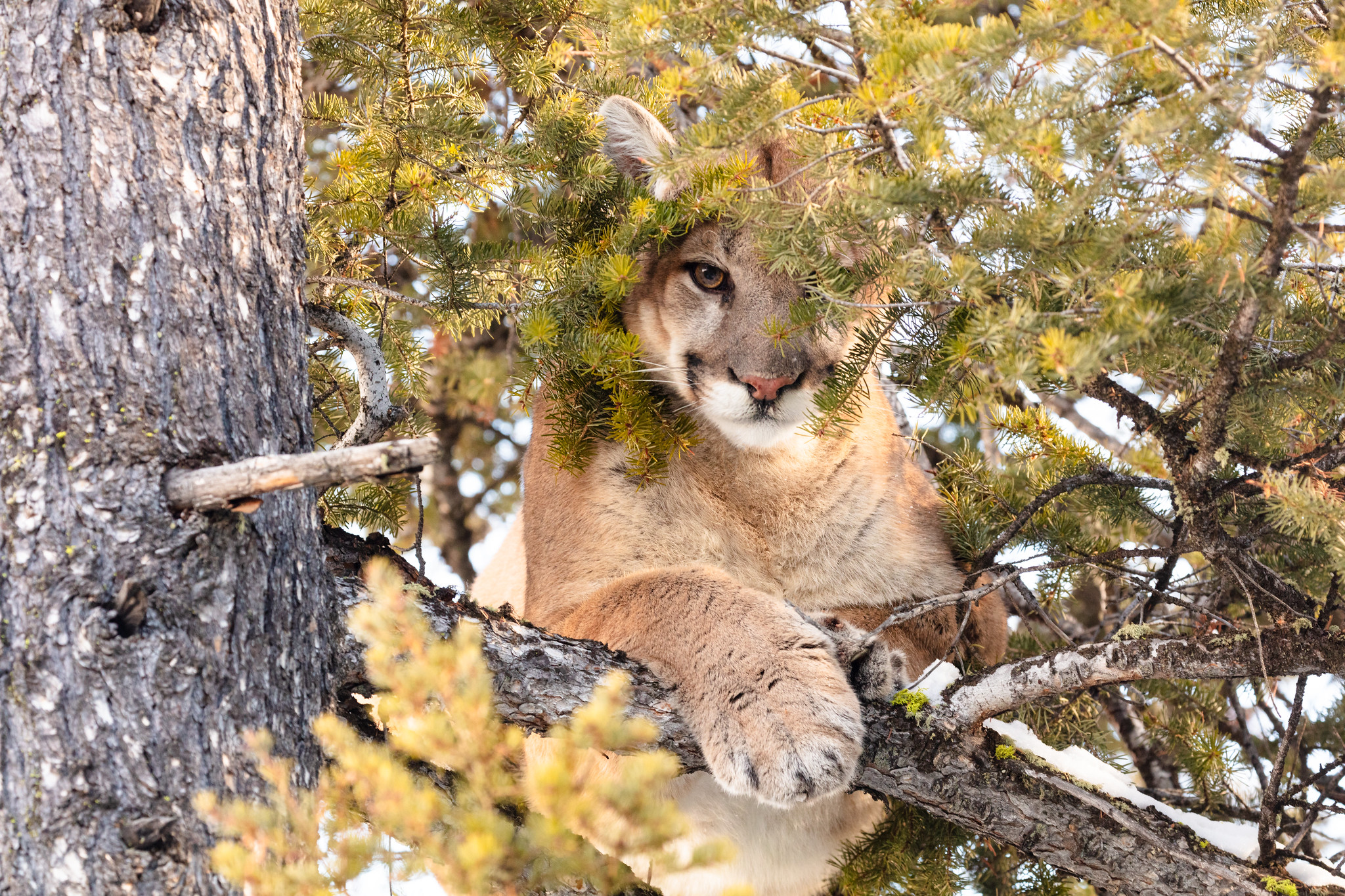
Mountain lions can produce several sounds, including growls, hisses, snarls, and screams that may sound surprisingly human. Hearing one strange noise does not prove a cougar is stalking you, because other animals can produce confusing calls at night. However, repeated vocalizations combined with tracks, sightings, or movement nearby should increase your caution. Stop and listen rather than walking blindly into dense vegetation. Keep your flashlight trained toward likely cover and stay with your group. If you hear repeated sounds from the same direction while traveling, choose a different route. Never investigate a strange call simply because you want to identify the animal.
8. The Cat Behaves Abnormally Around People
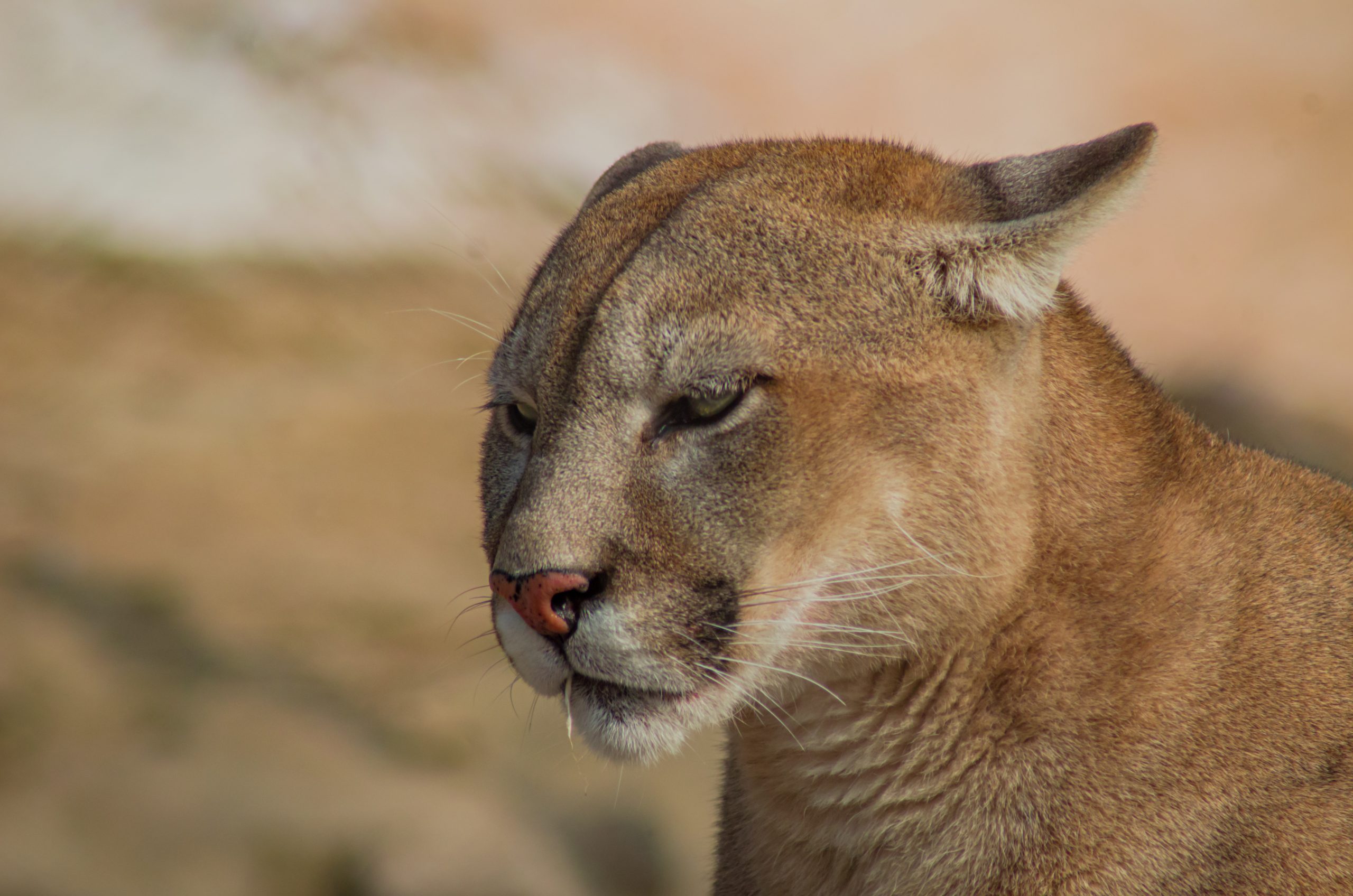
A mountain lion that appears unusually comfortable around humans may be more concerning than one that immediately disappears. Healthy wild cougars generally try to avoid people, particularly in areas with regular human activity. A cat lingering around campsites, approaching buildings, or refusing to retreat when people make themselves visible should be reported to local wildlife authorities. Do not feed it, photograph it from close range, or attempt to drive it away yourself. Secure food, garbage, and pet supplies that could attract wildlife. Keep children indoors or close beside adults until the situation is assessed. One bold encounter does not confirm stalking, but it deserves caution.
9. You Notice Several Warning Signs Together
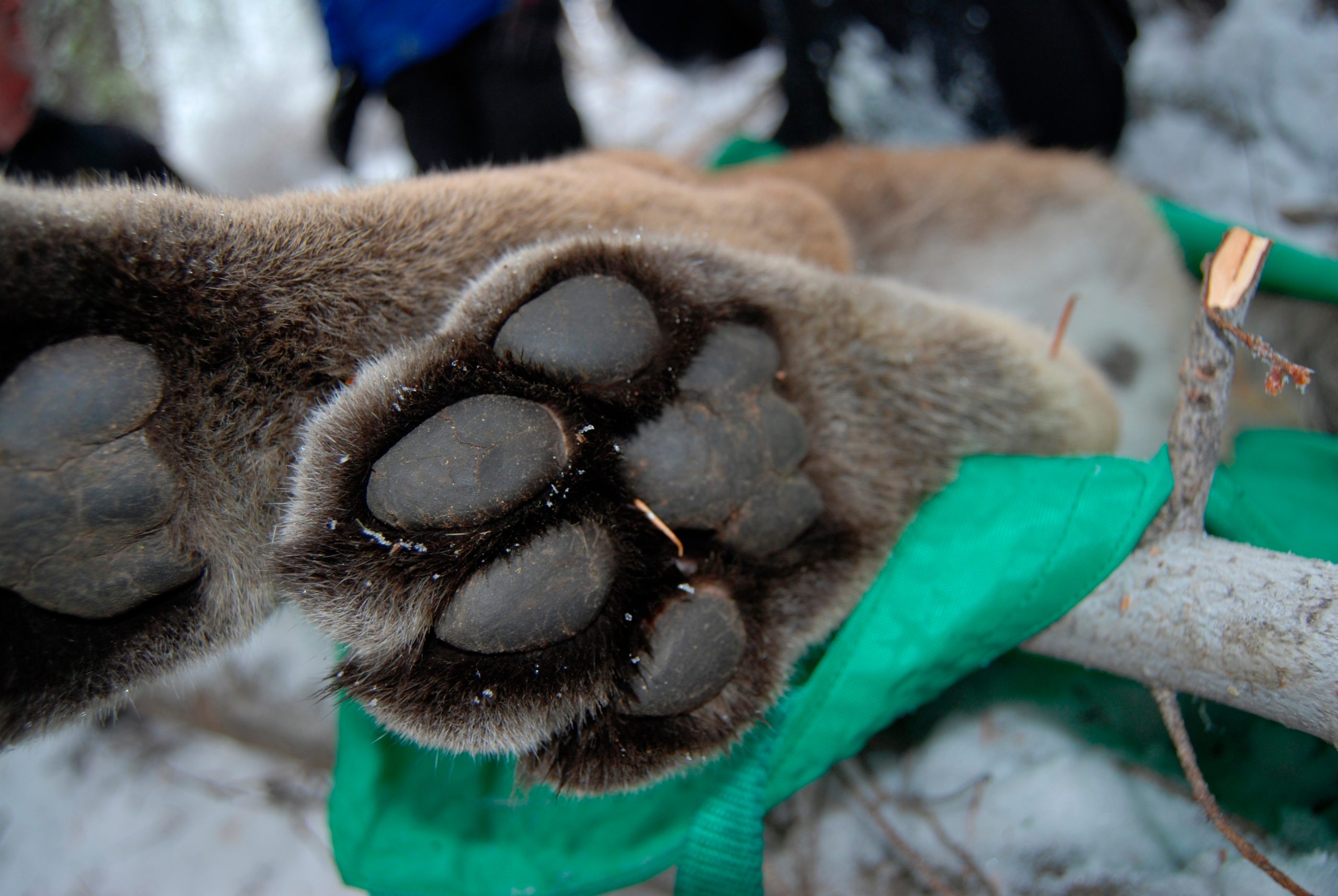
The strongest reason for concern is not one isolated clue but a combination of signs occurring close together. For example, fresh tracks, a nearby kill, repeated sightings, and a cougar that refuses to retreat create a much more serious situation than any single observation. Treat the pattern as a reason to leave rather than trying to prove what the animal intends. Stay with your group, keep children and pets close, and move toward a populated or open area without running. Once safe, report unusual behavior to wildlife officials. Remember that mountain lion attacks are uncommon, but recognizing multiple warning signs can help you respond before a situation escalates.