America’s long-running gun debate was never limited to one firearm or one piece of legislation. From the 1986 restrictions on newly manufactured machine guns to the 1989 import crackdown and the 1994 assault-weapons law, Congress repeatedly wrestled with how to classify semiautomatic firearms that looked or operated differently from traditional sporting guns. The 1994 law ultimately named 19 specific firearm types and also created a broader feature-based definition, making several models especially controversial.
AR-15
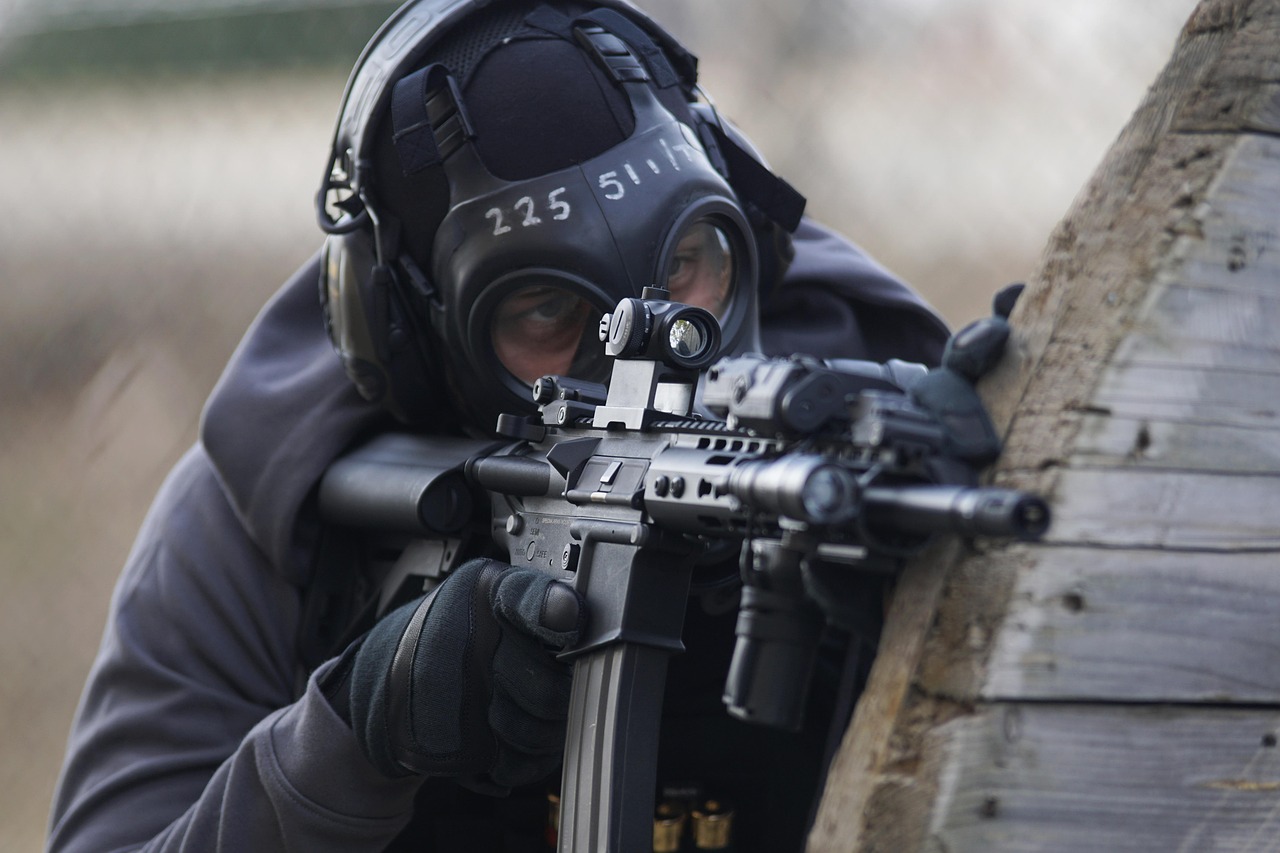
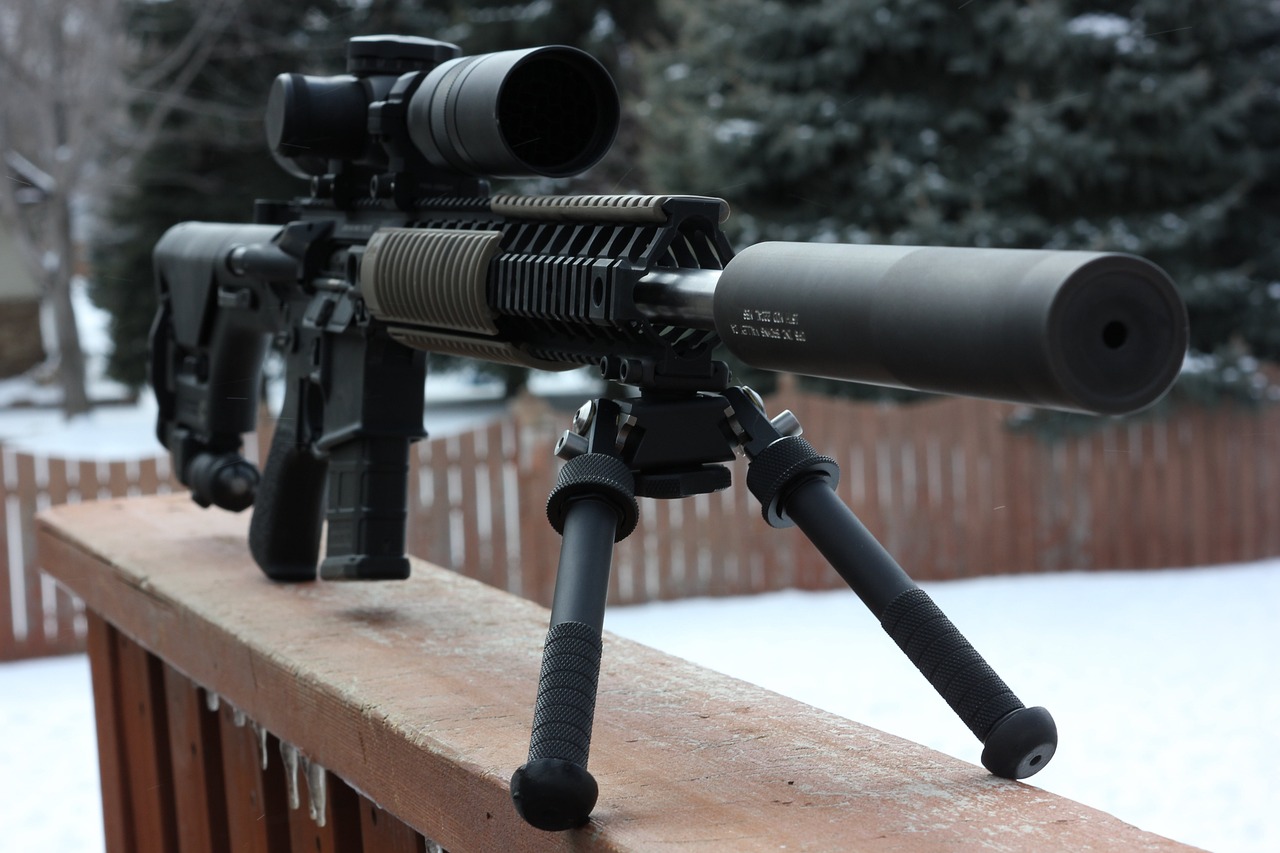
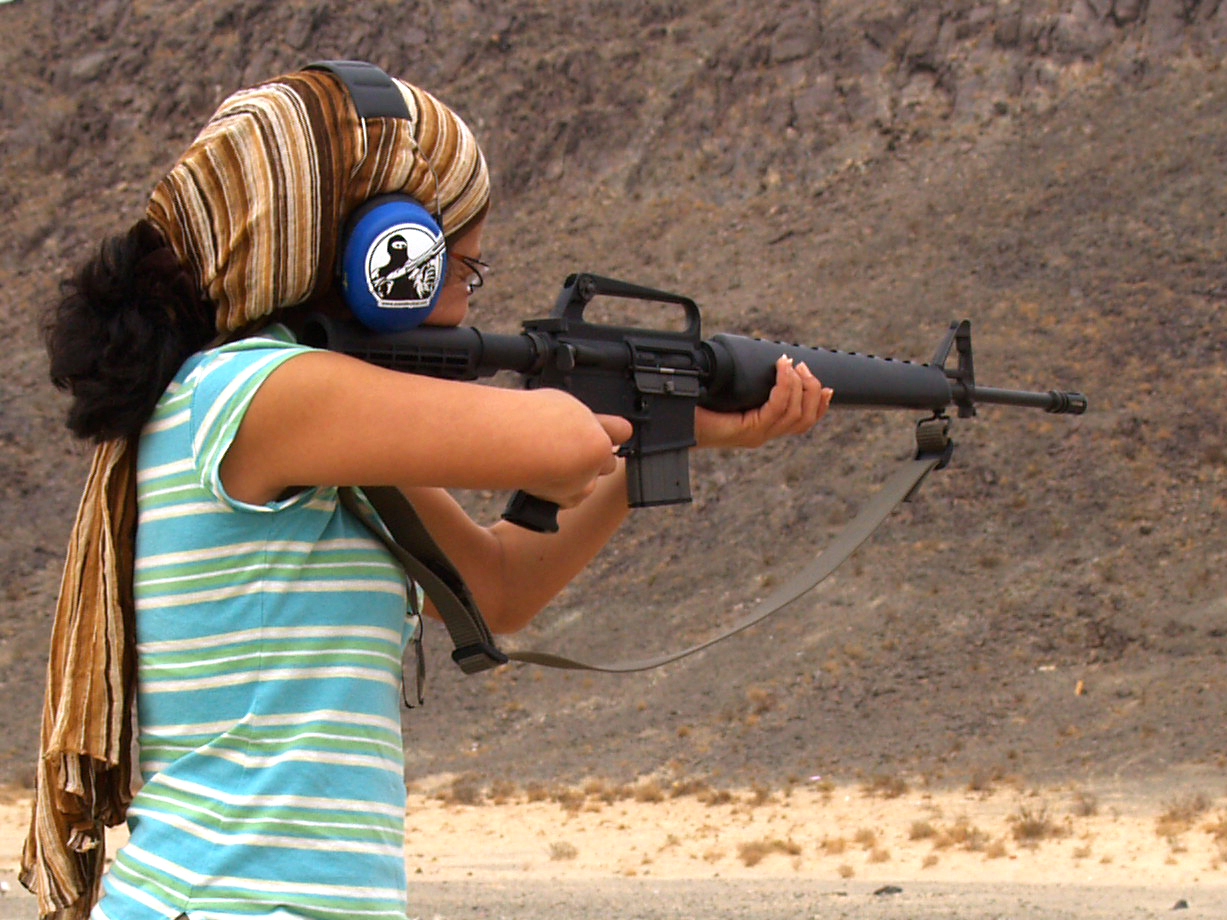
The AR-15 became a congressional lightning rod because lawmakers disagreed over whether its military appearance and modular design justified special restrictions. It is a semiautomatic civilian platform, not a machine gun, firing one round per trigger pull. Its political story intensified after the 1989 import restrictions and during the 1994 federal assault-weapons debate. Congress covered certain AR-style configurations under the 1994 law, which used a list-plus-feature-based test. The ban lasted 10 years before expiring in 2004. Its political reach extended beyond rifles alone.
AK-47
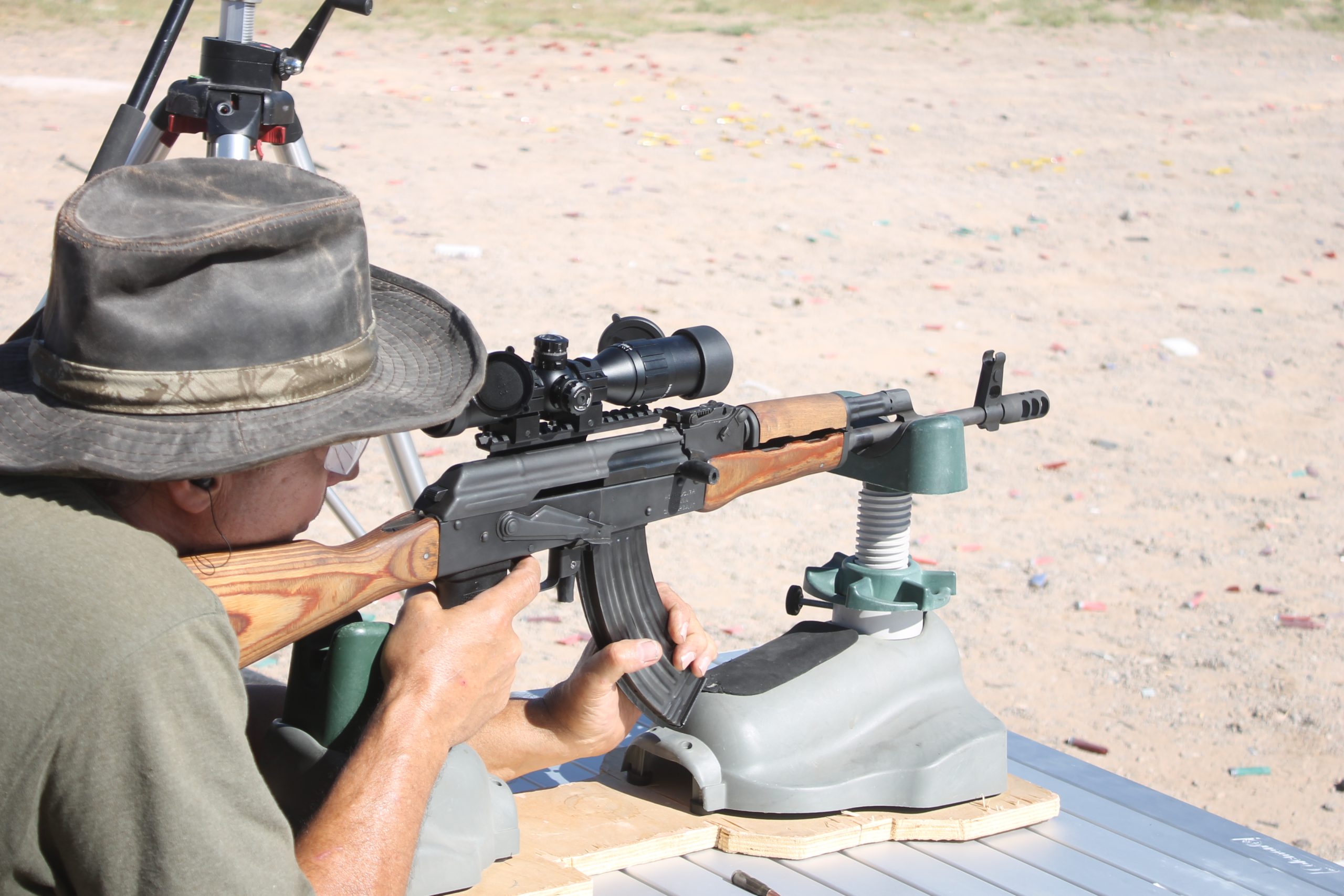
The AK-47 name became shorthand in Washington for a class of rifles lawmakers wanted to regulate, even though many civilian rifles sold in America were semiautomatic variants rather than original military machine guns. The 1989 import action targeted numerous foreign-made rifles, while the 1994 law later used both named models and feature tests. Congress debated whether cosmetic traits mattered to public safety. The dispute helped turn the AK pattern into one of the most recognizable symbols in America’s gun-policy arguments for more than a decade.
Uzi
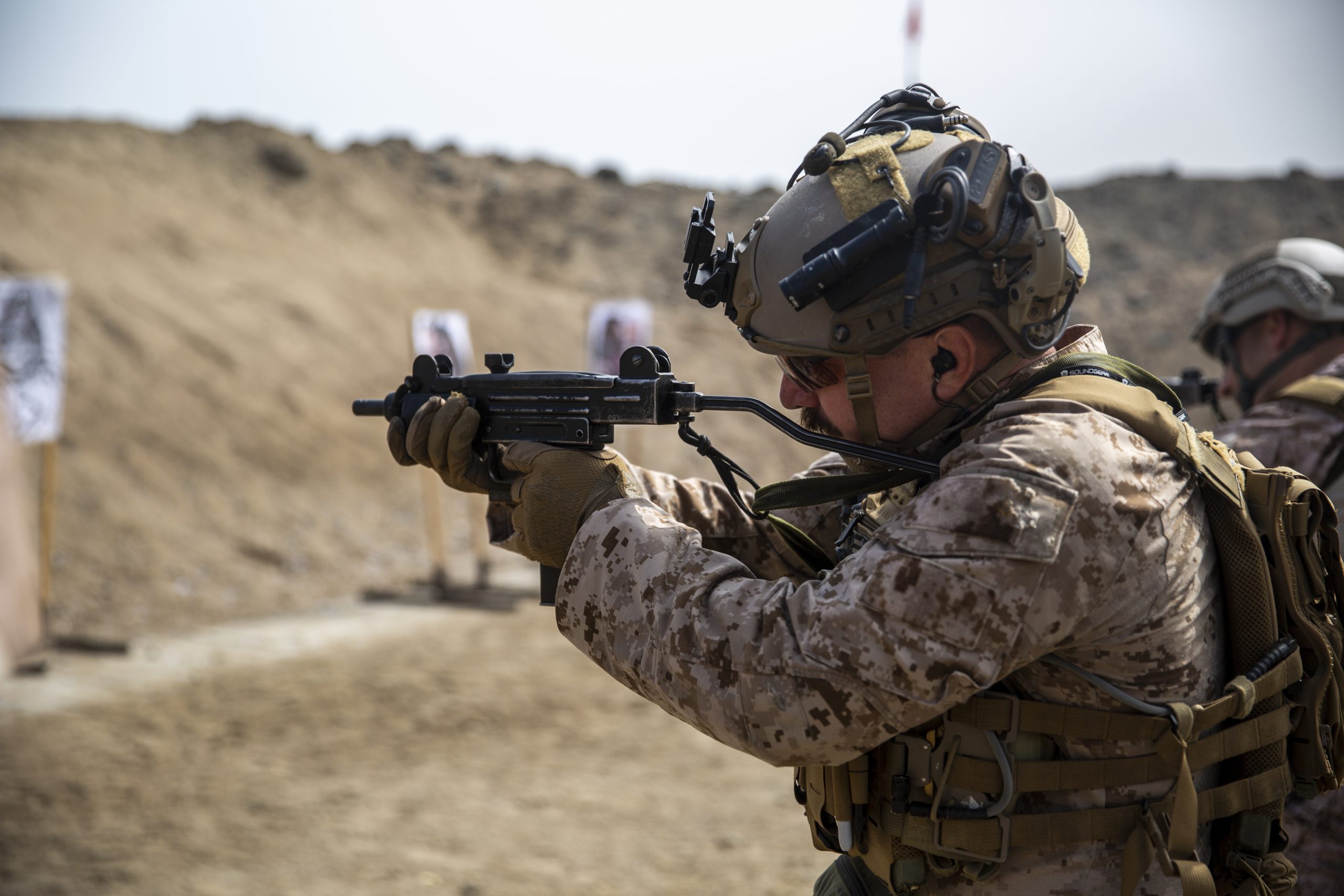
The Uzi drew congressional attention because it looked unmistakably military and was compact, controllable, and associated with Israeli military service. Yet civilian versions sold in the United States were generally semiautomatic, not fully automatic. The 1989 federal import restrictions targeted certain foreign-made semiautomatic firearms, and the 1994 law separately addressed listed weapons and specific features. The Uzi became part of a larger argument over whether lawmakers should regulate a gun’s function, appearance, origin, or some combination of all three.
TEC-9
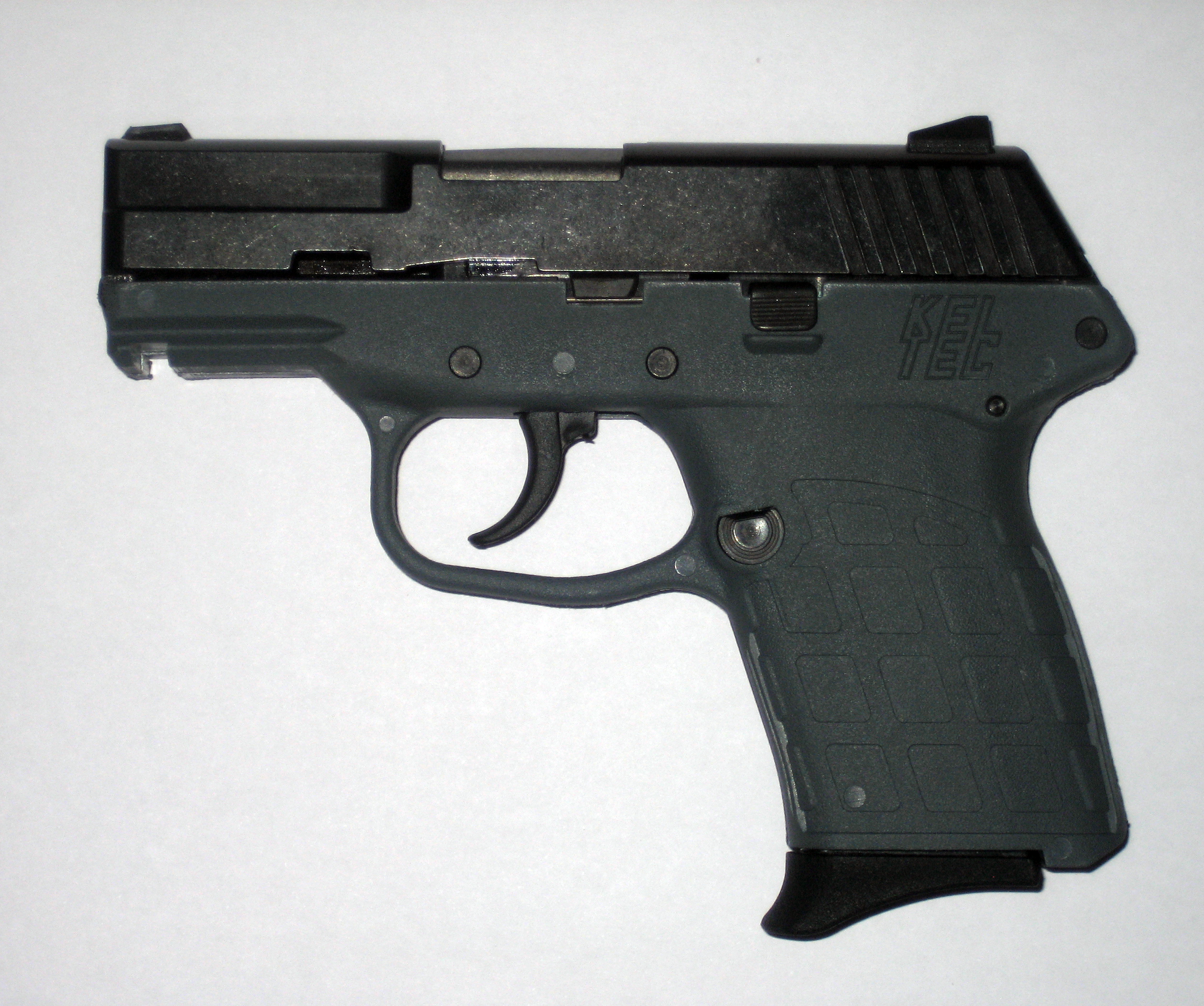
The TEC-9 became one of the most controversial semiautomatic pistols in the congressional debate of the early 1990s. Its large magazine capacity, distinctive appearance, and criminal-case publicity made it a frequent example for supporters of tighter restrictions. The 1994 federal law specifically included the TEC-9 family among named firearms covered by its assault-weapons definition. That detail mattered because the statute did not rely only on appearance. It combined named models with broader feature rules, making the TEC-9 a lasting symbol of the fight.
MAC-10 and MAC-11
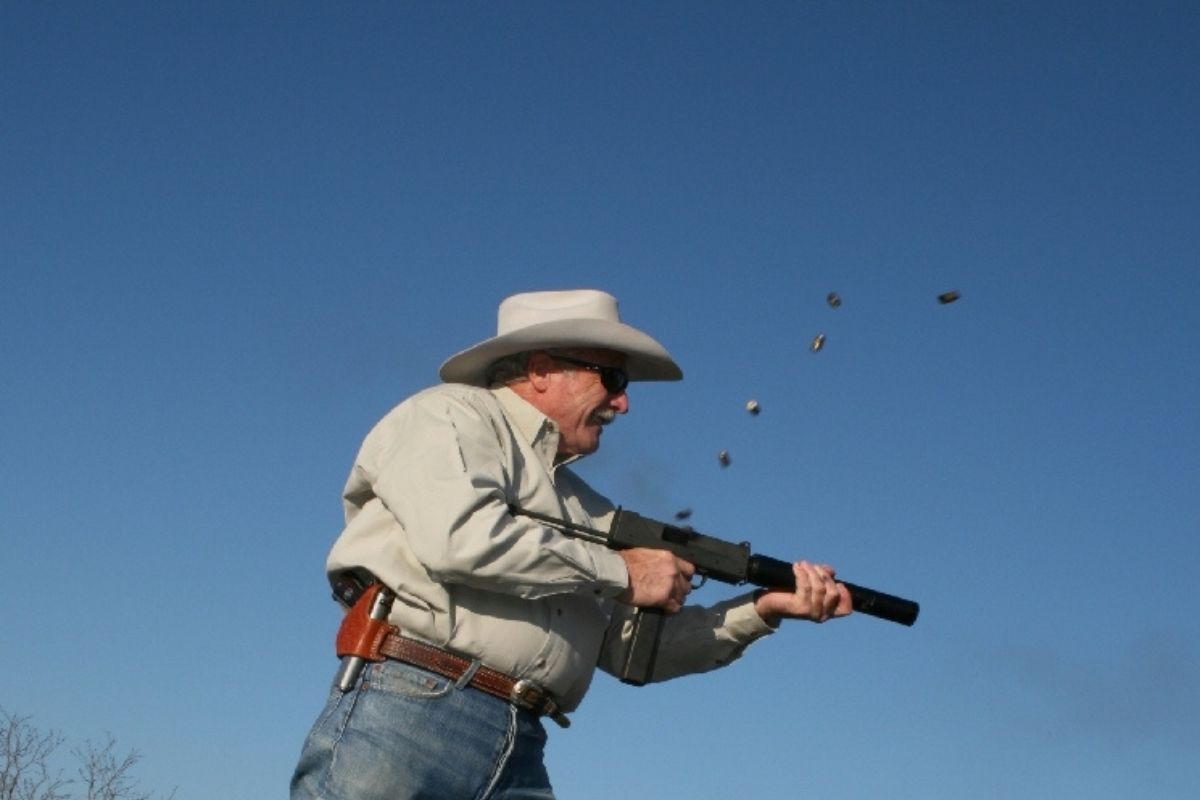
The MAC-10 and MAC-11 occupied a strange place in the debate because their compact shapes and rapid handling made them look like machine guns, while ordinary civilian versions were semiautomatic. Congress and federal regulators wrestled with how to separate prohibited machine guns from semiautomatic firearms that merely resembled military arms. The 1986 law had already sharply restricted civilian possession of newly made machine guns, while later debates focused on semiautomatic look-alikes. The two models became familiar examples in that distinction.
Street Sweeper and Striker 12
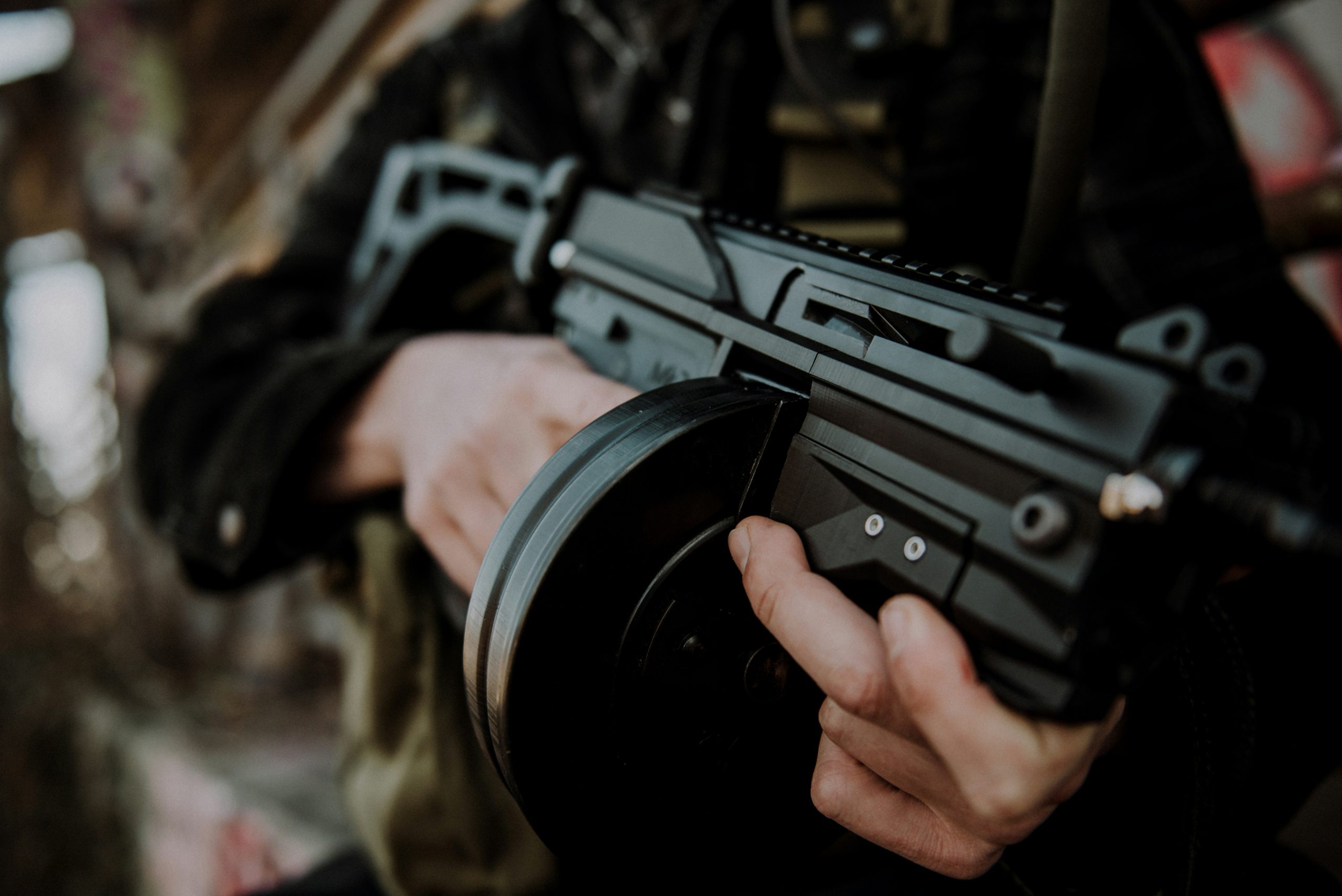
The Street Sweeper and Striker 12 became controversial because their revolving-cylinder designs looked far removed from traditional sporting shotguns. Federal regulators and lawmakers debated whether such unusual firearms fit older sporting categories or deserved special treatment. The 1994 assault-weapons law specifically named both models, showing how Congress sometimes relied on model names as well as general features. Their inclusion became a memorable part of the debate, especially because the law was built around a 10-year restriction rather than a permanent federal ban.
Galil
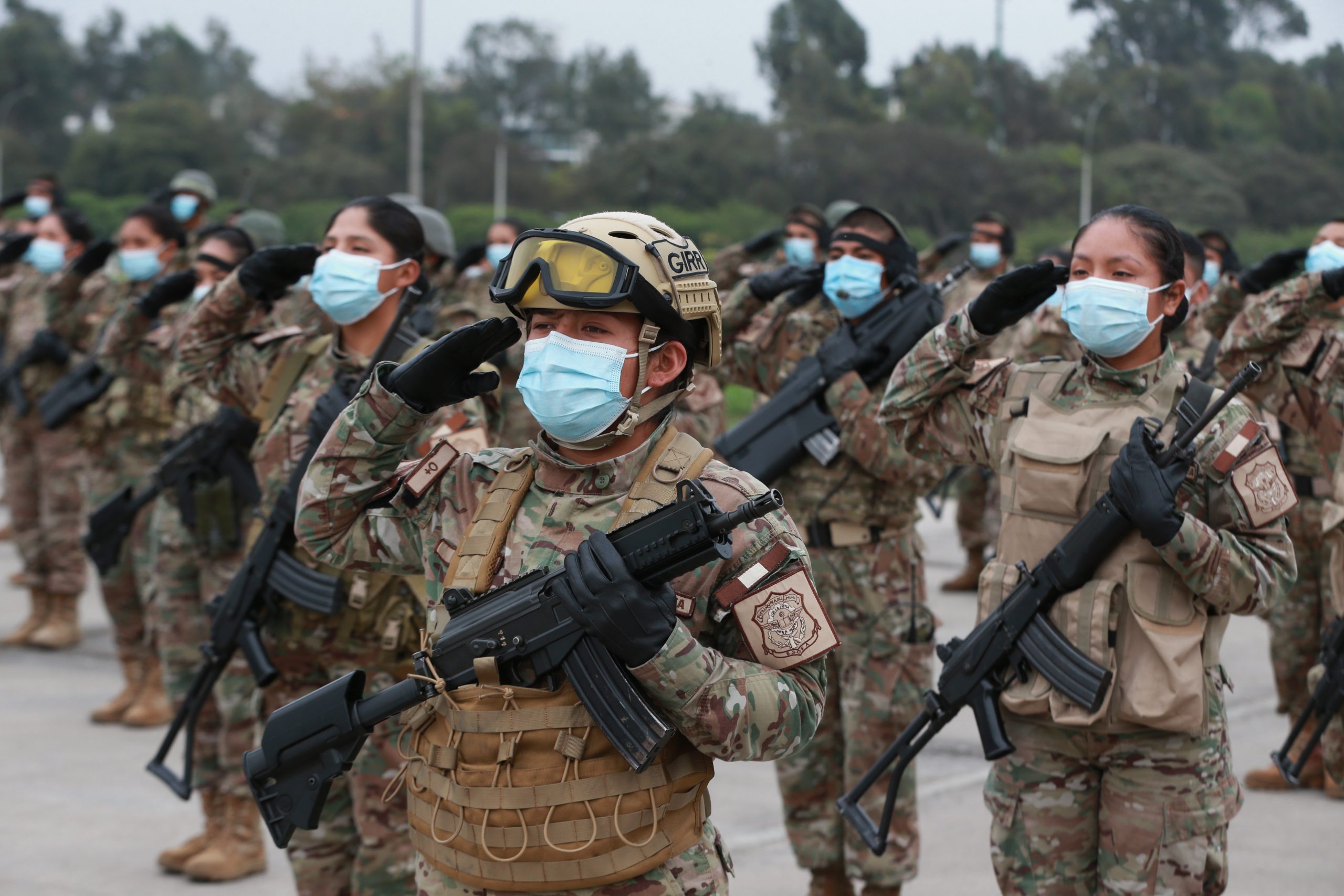
The Israeli Galil entered the congressional debate because it combined a military pedigree with a semiautomatic civilian configuration. Its folding stock and other design features placed it squarely in arguments over whether appearance and handling characteristics should influence federal law. The 1994 statute specifically named the Galil, while the earlier import system had already focused attention on foreign-made semiautomatic rifles. The model therefore became part of a broader dispute that stretched from the 1989 import restrictions to the 1994 ban and its eventual expiration in 2004.
FN FAL and FN LAR
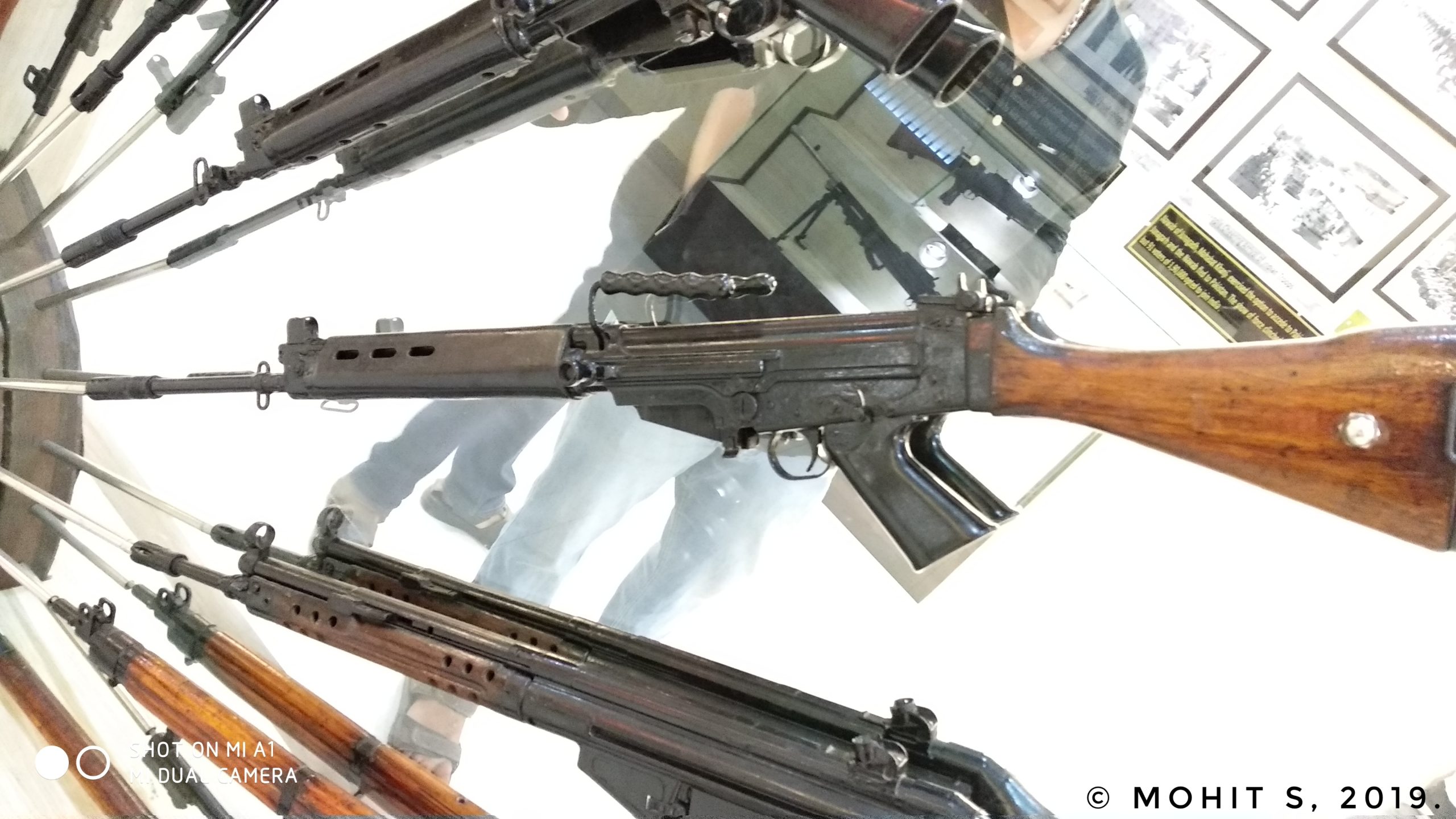
The FN FAL and FN LAR represented another group of foreign military-style rifles pulled into the debate over what counted as a sporting firearm. Civilian versions could be semiautomatic, yet their military ancestry and features made them politically contentious. The 1994 law specifically named FN/FAL and FN/LAR among covered firearms, while the broader statute also used feature-based rules. Their inclusion illustrated the difficulty Congress faced: lawmakers wanted clear categories, but manufacturers could alter stocks, magazines, and other features without changing the basic operating system.
Steyr AUG
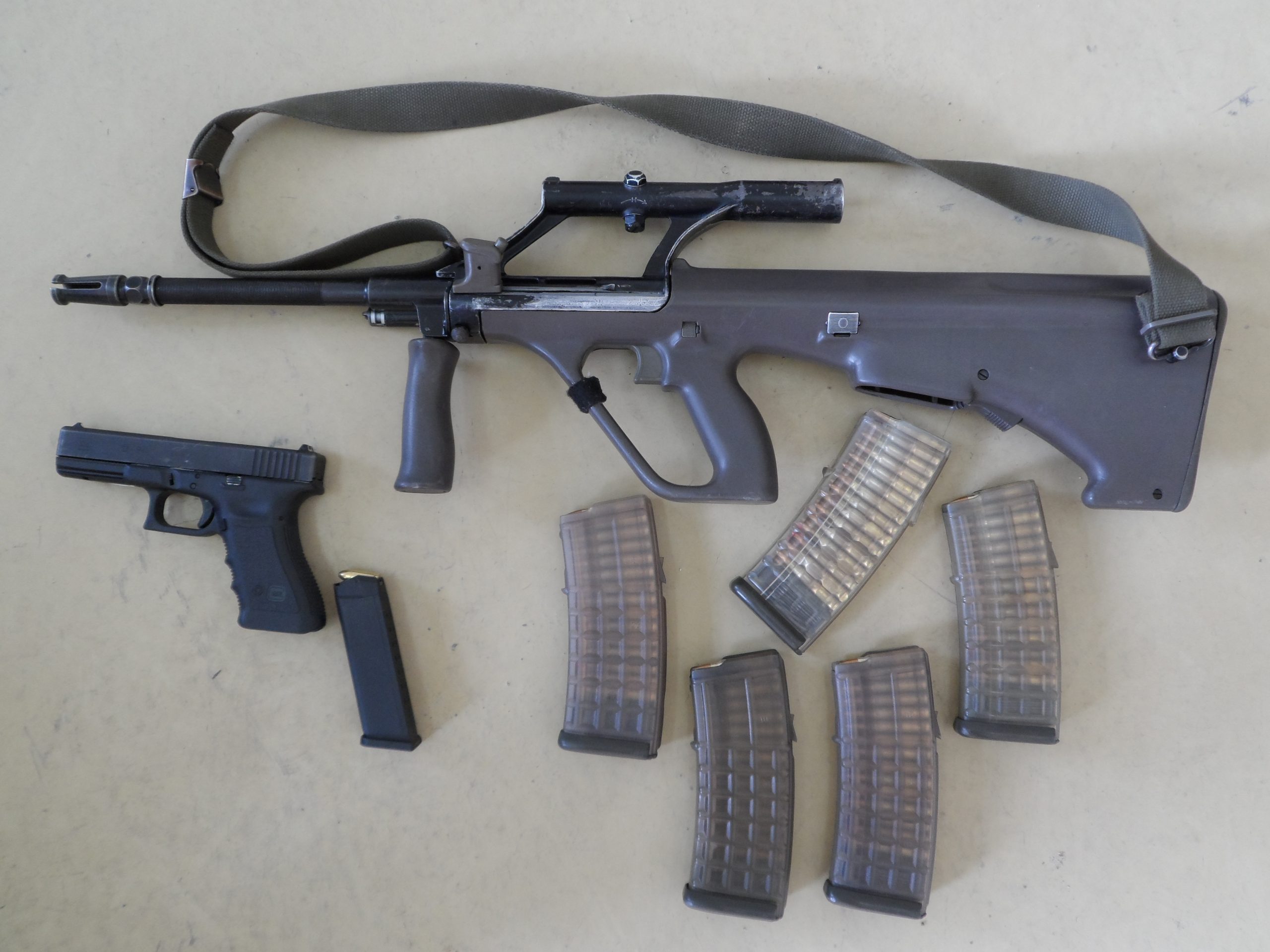
The Steyr AUG became controversial partly because its bullpup layout looked different from conventional sporting rifles. Its compact design placed the action behind the trigger, while civilian versions could operate semiautomatically. The 1994 federal assault-weapons law specifically named the AUG, making it one of the rifles directly identified by Congress rather than covered only through a general feature test. Its appearance became central to the argument, with supporters seeing military styling as a warning sign and opponents arguing that appearance alone did not determine function