At a glance, the Mossberg 500 and 590 can look like close cousins, and in many ways they are. But once you look past the shared pump-action DNA, the 590 reveals a handful of practical differences that have made it a favorite for duty, defensive, and hard-use roles. This gallery breaks down nine of the most notable distinctions in a way that’s easy to understand, whether you’re a first-time buyer or just curious about what separates these two well-known shotguns.
Built with a heavier-duty mission in mind
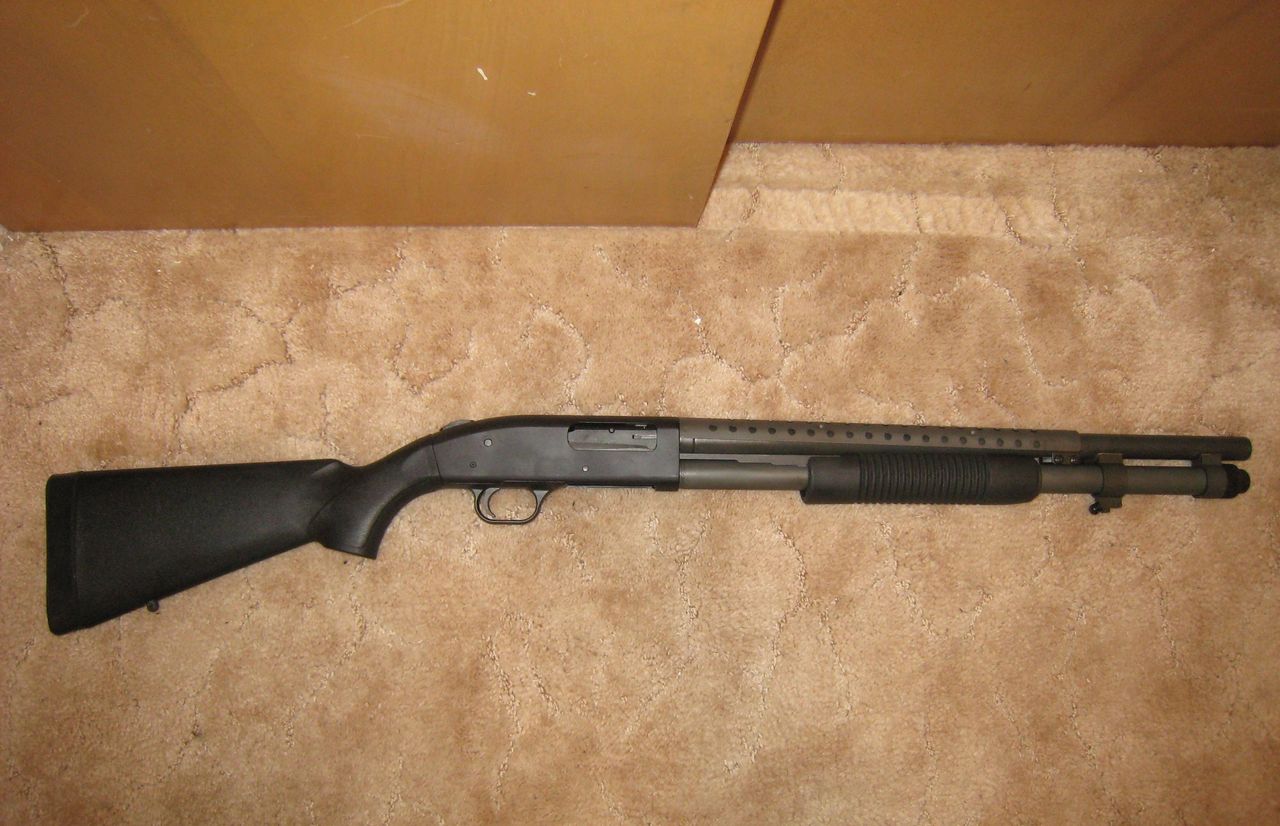
The Mossberg 590 was developed with a more hard-use role in mind, and that purpose shapes the way people talk about it today. While the 500 earned its reputation as a versatile all-around pump shotgun, the 590 is often framed as the version aimed more squarely at duty and defensive work.
That doesn’t mean the 500 is fragile or second-rate. It simply means the 590’s identity is more specialized from the start, with design choices that reflect frequent handling, fast loading, and rougher service conditions.
For many buyers, that intended role is the first real dividing line. The 500 feels like a broad utility platform, while the 590 feels like a purpose-built evolution of it.
The magazine tube is designed differently
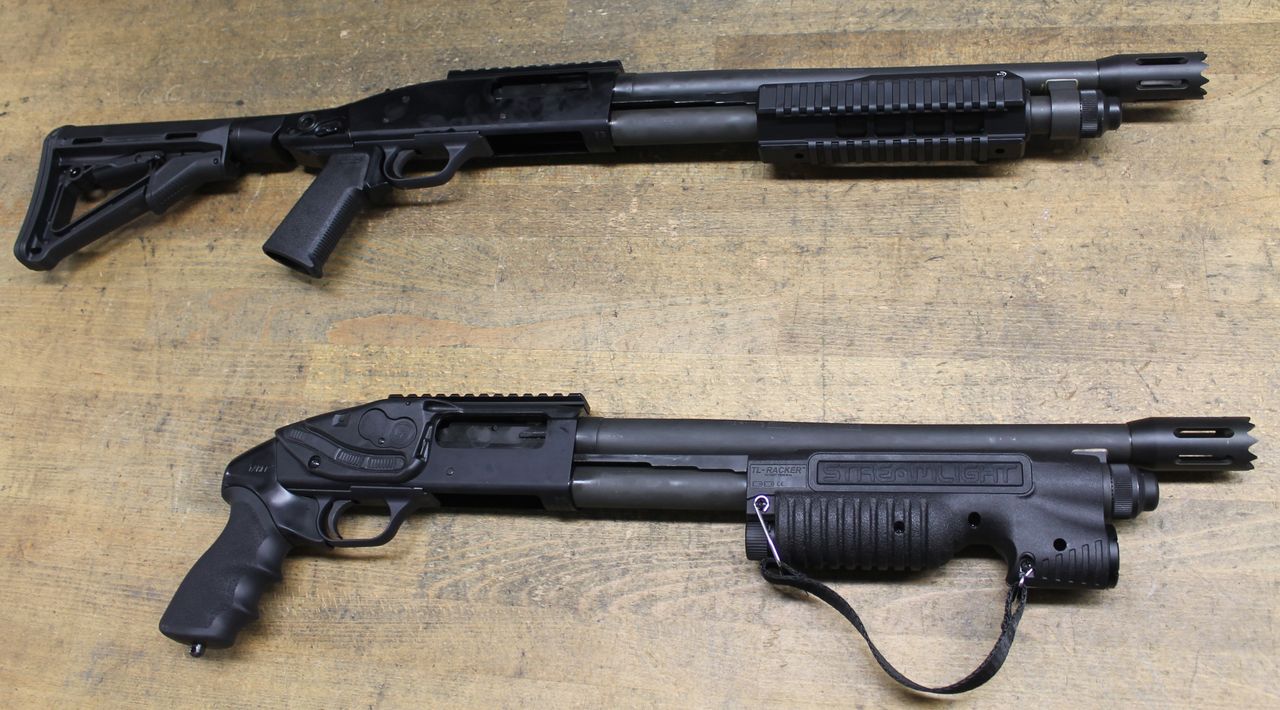
One of the biggest mechanical differences is the magazine tube setup. On many Mossberg 500 models, the barrel attaches in a way that uses a closed-end magazine tube, which changes how the front end comes apart.
The 590 uses a magazine tube arrangement that’s more like a cap-retained system, with the barrel secured at the end of the tube. That may sound like a small engineering detail, but it affects maintenance, parts compatibility, and the overall feel of the gun’s front end.
It’s also one of the quickest ways experienced owners tell the two apart. Look toward the muzzle end, and the family resemblance starts giving way to a more distinct identity.
Cleaning the magazine area is more straightforward
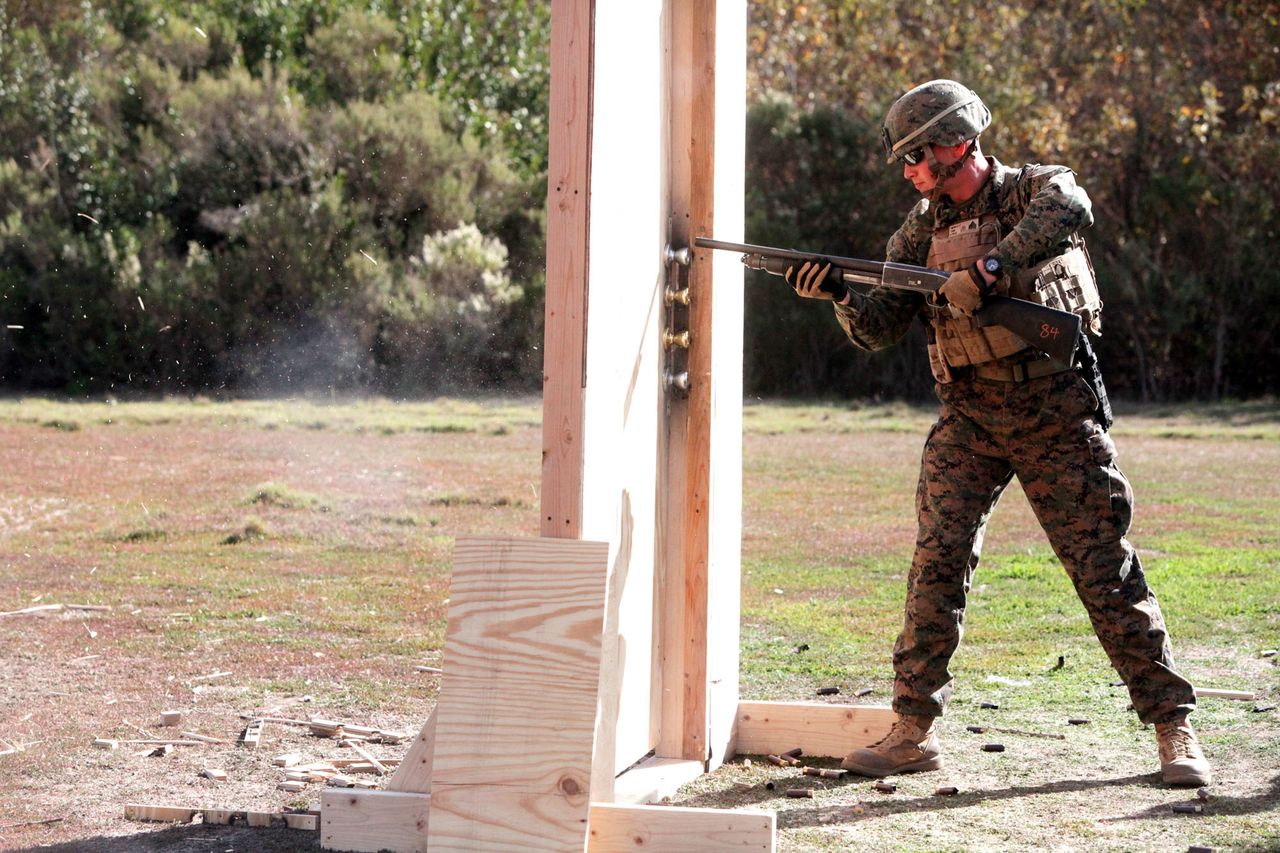
Because of that magazine tube design, the 590 is often seen as easier to service in the magazine area. The cap-style arrangement can make it simpler to access the spring and follower when it’s time for a thorough cleaning or replacement.
That matters more than it might seem. Shotguns used in dusty conditions, stored for long periods, or run hard on the range can benefit from easier maintenance, especially in parts that collect grime and debris.
The 500 is no stranger to dependable service, but the 590’s layout gives it a practical edge for owners who like gear that comes apart with less fuss. It’s a small convenience that can feel pretty significant over time.
Barrel compatibility is not always the same
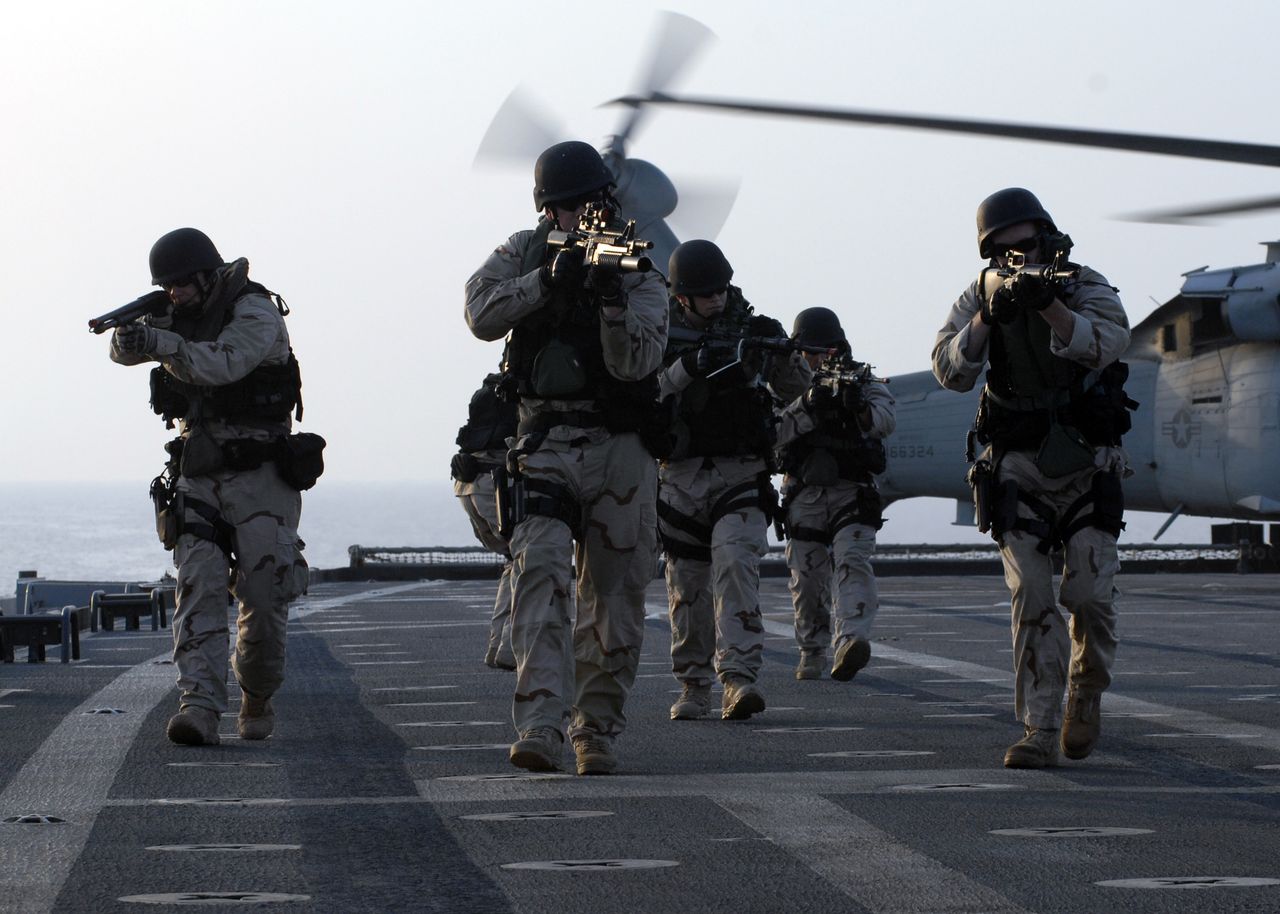
This is where a lot of first-time buyers get tripped up. Because the 500 and 590 use different magazine tube and barrel attachment systems, barrels don’t always swap freely between the two the way people assume they will.
That can influence how flexible the gun feels over the long haul. A shooter who wants one receiver and a stack of barrels for different roles may find the 500’s ecosystem more familiar, especially across common sporting configurations.
The 590 can still offer options, but it’s less of a mix-and-match story than many expect. If future customization is part of the plan, this difference deserves more attention than it usually gets.
Many 590 models offer higher capacity
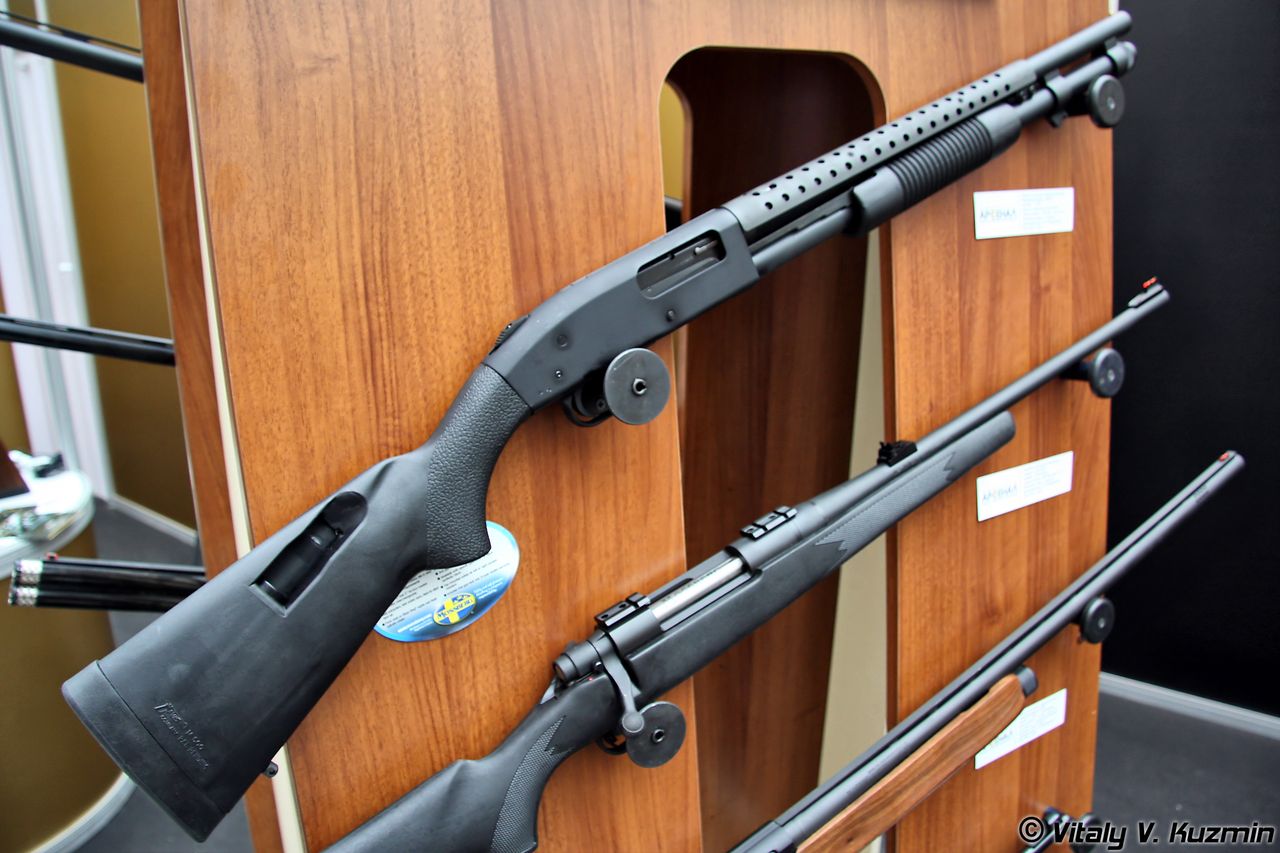
The 590 is commonly associated with extended magazine capacity, and that’s one of the features people notice first. Many configurations are built around a longer magazine tube that holds more shells than a standard-capacity 500 setup.
That extra capacity is part of the 590’s tactical reputation. It reinforces the idea that this shotgun was configured with defensive, law enforcement, or security-minded roles in view, rather than field carry or general-purpose sporting use.
Of course, exact capacity depends on shell length and the specific model. Still, in broad strokes, the 590 tends to lean bigger and bolder right out of the box, and that changes the ownership experience immediately.
The 590 often wears military-style furniture and features
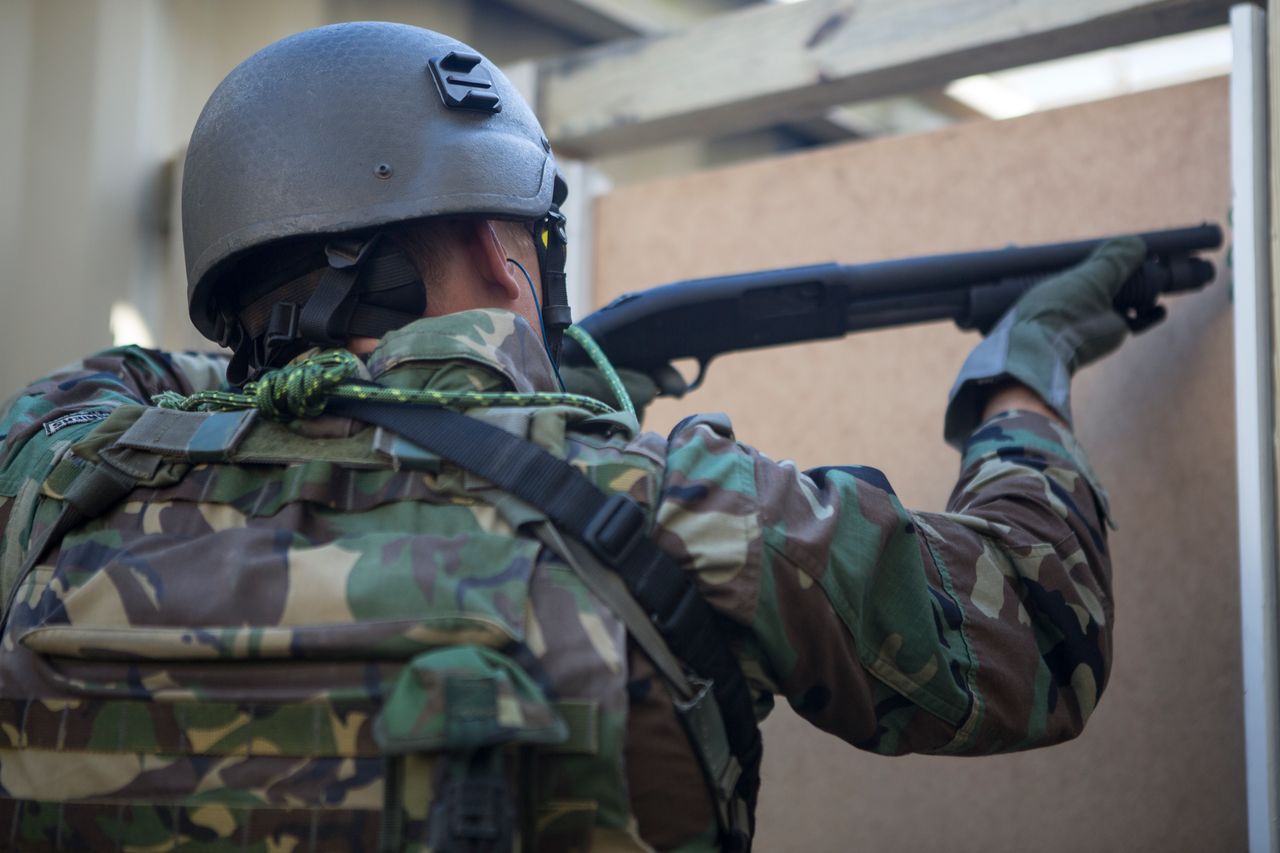
Walk past a rack of shotguns and the 590 often announces itself visually. Many variants come with heat shields, bayonet lugs, ghost ring sights, or other military-inspired touches that are far less common on a typical Mossberg 500 field model.
Those details do more than change the look. They shape how the gun handles, how it aims, and how it’s perceived by buyers who want something that feels ready for defensive use rather than bird season.
That said, the 500 spans a huge range of trims, from hunting classics to security models. The difference is that the 590 more often arrives already dressed for a tougher, more tactical role.
The 590A1 takes durability even further
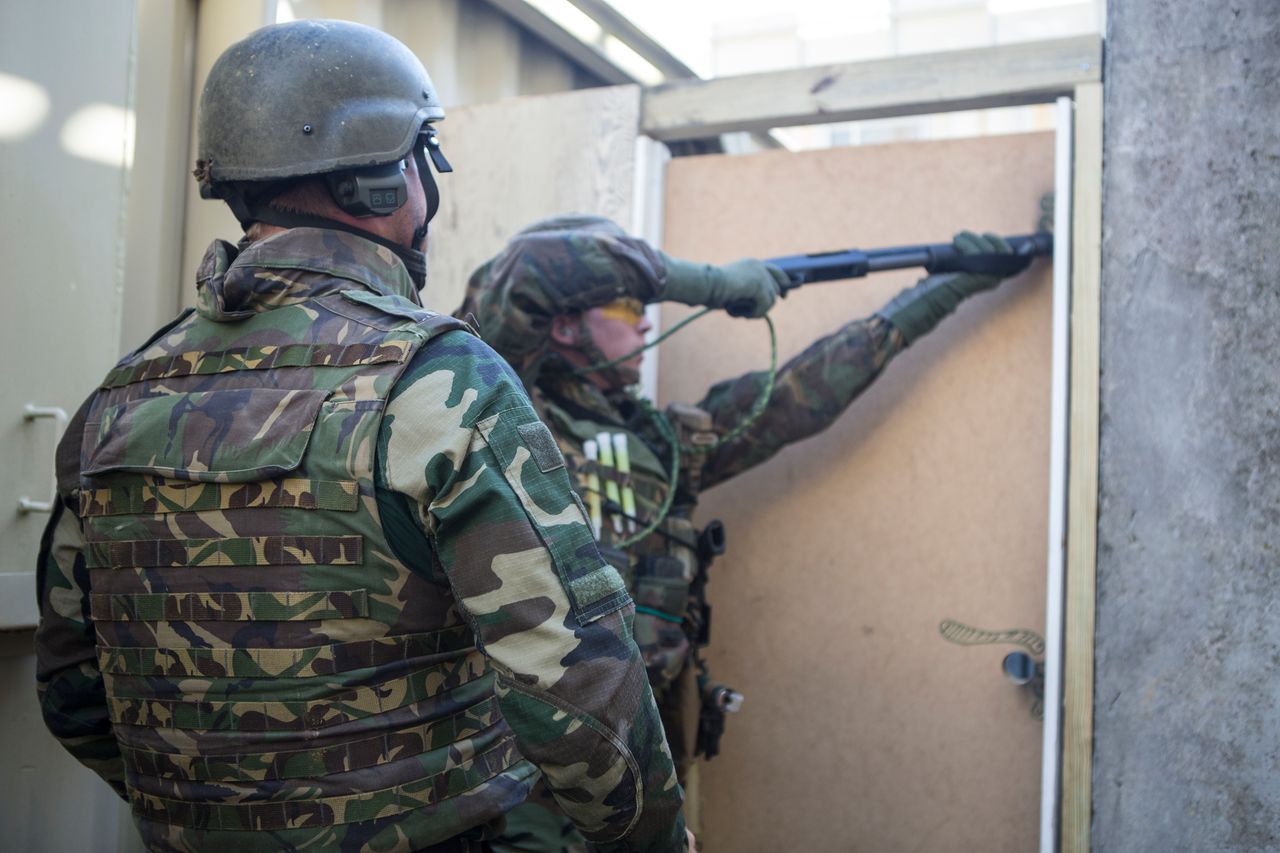
Strictly speaking, the 590A1 is its own variant, but it helps explain why the 590 name carries such a rugged reputation. This version is famous for upgrades like a heavier barrel and other duty-oriented details intended to meet tougher service standards.
That halo effect spills over to the standard 590 in the minds of many shoppers. Even when they aren’t looking at an A1 specifically, they associate the 590 line with extra toughness and institutional use.
The 500, by contrast, is usually celebrated for versatility and value. The 590 family gets talked about in more serious, hard-use language, and the 590A1 is a big reason that image has stuck so strongly.
The 500 usually has a broader sporting identity

The Mossberg 500 has long been one of the classic all-purpose American pump shotguns. It shows up in hunting camps, trap ranges, farm trucks, and home closets, with countless barrel lengths and stock options built for sporting life.
That broader identity makes the 590 stand out by contrast. The 590 belongs to the same family, but it’s less about being everything to everyone and more about leaning into a narrower mission from the factory.
For buyers deciding between them, this may be the most useful perspective of all. The 500 often feels like a flexible blank canvas, while the 590 feels like a shotgun that already knows exactly what job it wants to do.
Aftermarket choices can reflect different priorities
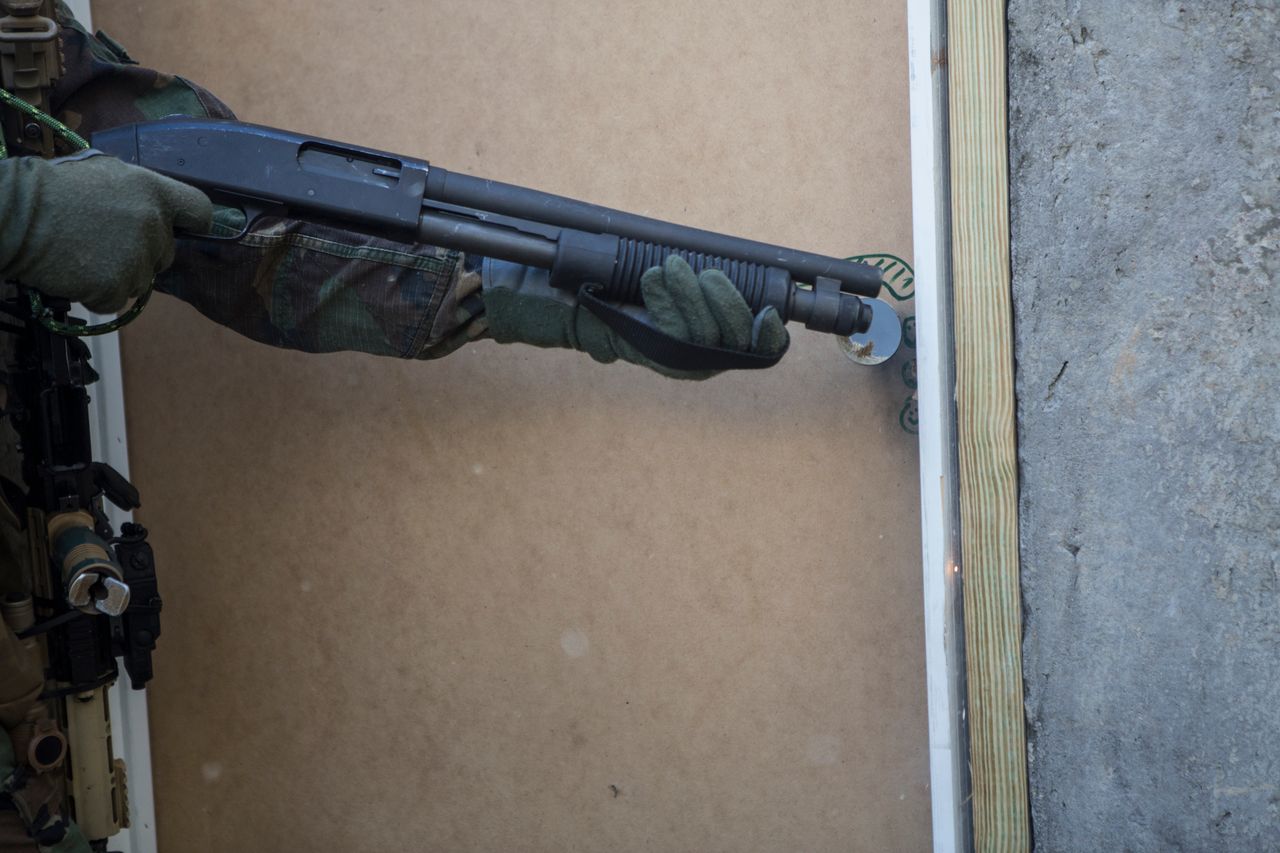
Both shotguns enjoy strong aftermarket support, which is part of why the Mossberg platform remains so popular. Stocks, forends, shell carriers, sights, lights, and sling options are easy to find, and owners of either model rarely feel ignored.
Even so, the direction of those accessories often reflects the gun’s personality. The 500 is frequently paired with hunting and general-purpose upgrades, while the 590 tends to attract more defensive and tactical add-ons.
That distinction matters because people don’t just buy a shotgun; they buy into a use case. The 590’s accessory culture often starts from a different assumption about where the gun will live and what role it will fill.