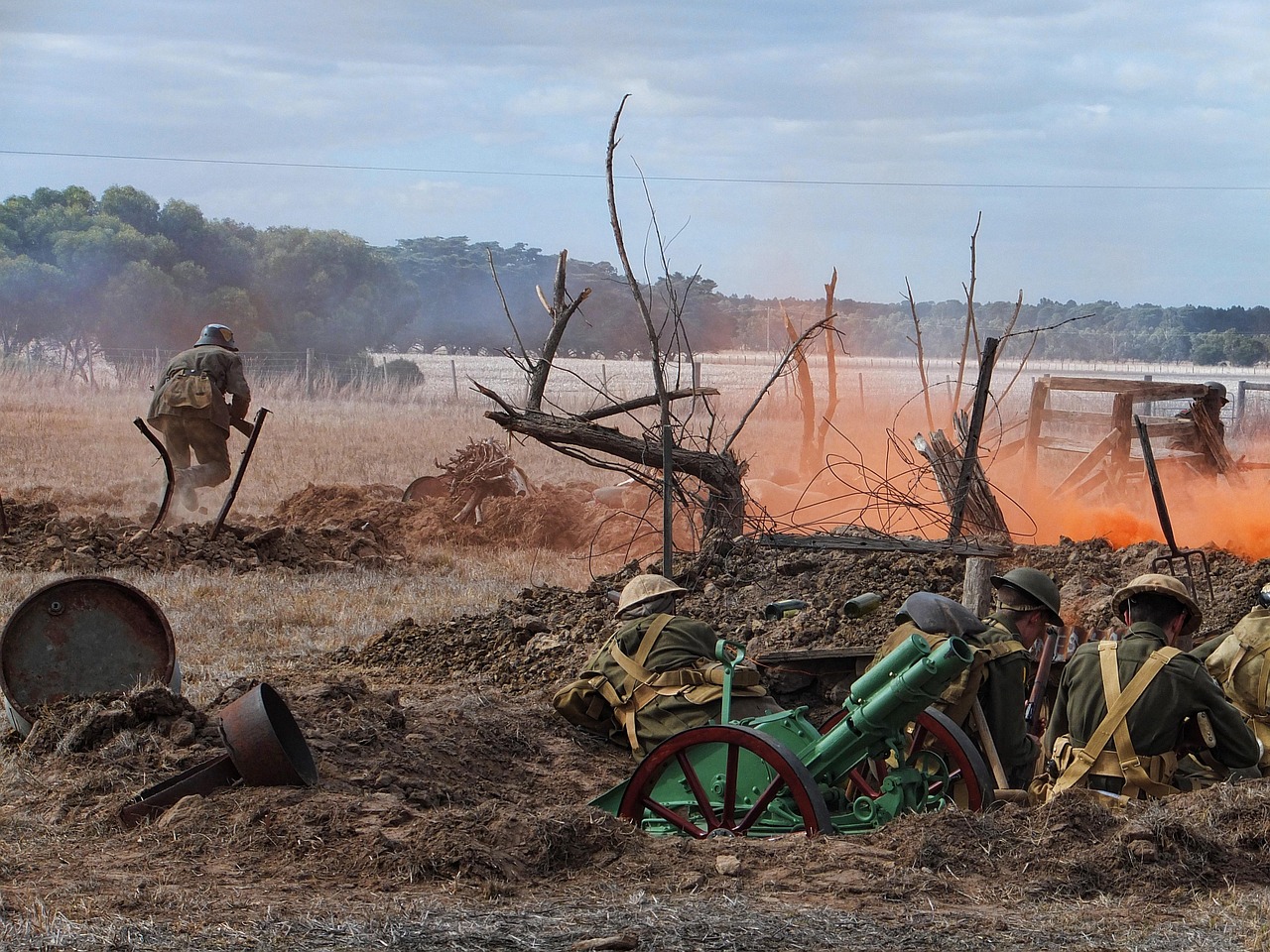
The First World War turned medicine into a race against dirt, shock, and time. One of the most important answers to that nightmare was a wound-treatment system born from sheer necessity.
Why WWI Wounds Were So Deadly
Industrial war created injuries older armies had rarely seen at such scale. Shell fragments, machine-gun fire, and debris blasted deep, ragged wounds that carried mud, cloth, and manure straight into tissue.
Those wounds did not just bleed. They festered. Gas gangrene and overwhelming infection were constant threats before antibiotics existed, and surgeons quickly learned that simply bandaging a wound shut could trap contamination inside.
According to historical reviews in PubMed and the NIH archive, early wartime assumptions about antiseptics often failed because contaminated tissue had to be physically opened and cleaned, not merely washed on the surface. That realization set the stage for a more systematic solution.
The Desperation That Forced Innovation
By 1914 and 1915, medical services were overwhelmed by casualties arriving from trench fighting in catastrophic condition. Surgeons needed something that worked not in ideal hospitals, but in crowded casualty clearing stations close to the front.
French surgeon Alexis Carrel and English chemist Henry Drysdale Dakin became central figures in that search. Their collaboration focused on a basic but revolutionary question: how do you disinfect a filthy battlefield wound deeply enough to matter?
The answer was not elegant. It was labor-intensive, exacting, and difficult to maintain under fire. But in a war where infection killed as surely as bullets, difficulty mattered less than survival.
What the Carrel-Dakin Method Actually Was
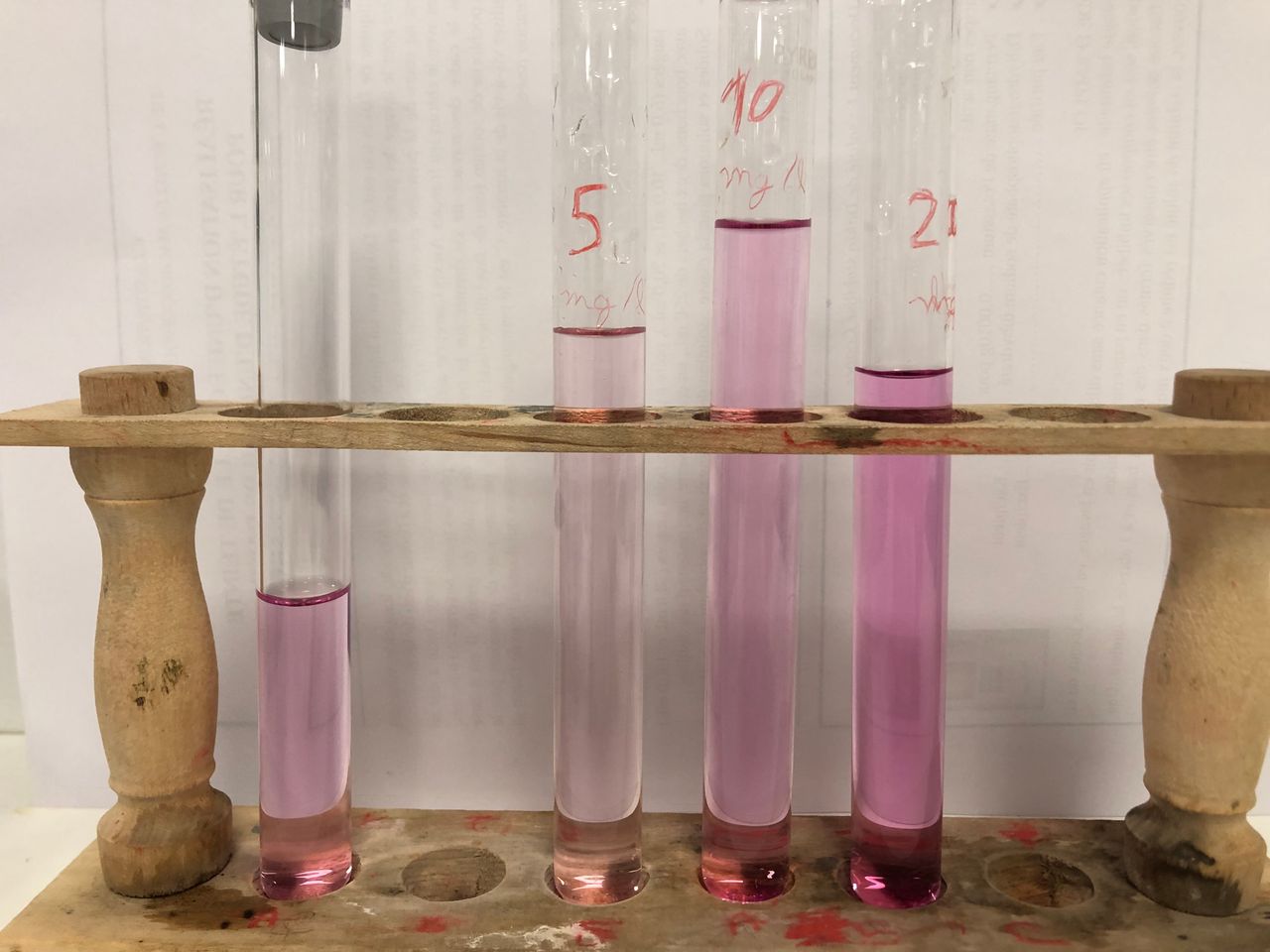
The technique combined aggressive surgical debridement with repeated irrigation using Dakin’s solution, a carefully prepared dilute sodium hypochlorite antiseptic. In plain terms, surgeons cut away dead tissue, left the wound open, and continuously or repeatedly bathed it through tubes.
That detail mattered. The method was built on the idea that chemicals alone could not rescue devitalized tissue. Dead muscle and embedded contamination had to be removed first, then the antiseptic had to reach every recess of the wound.
Historical reviews in PubMed describe the Carrel-Dakin approach as one of the signature pre-antibiotic wound treatments of the war. It was demanding, but it offered a structured alternative to helplessness.
Why It Seemed So Revolutionary
Before this, many badly contaminated wounds were managed with inconsistent cleaning and hopeful dressing changes. The Carrel-Dakin system imposed discipline: precise solution strength, timed instillation, drainage, and repeated inspection.
That regularity helped reduce bacterial burden in an era with few reliable tools. Surgeons were no longer pretending a filthy wound was clean after a quick rinse. They were treating infection as an ongoing battle.
Accounts preserved in medical history literature note that the protocol was time-consuming and not universally loved. Even so, it gained influence because it produced better outcomes than passive observation in many severe wounds.
The Limits and the Brutality of the Method
This was not a miracle cure. The system demanded trained staff, careful preparation, and repeated attention, all of which were hard to guarantee near the front. If the protocol slipped, results could slip with it.
It was also physically harsh by modern standards. Debridement meant cutting away tissue that could not be saved, and leaving wounds open looked alarming to patients accustomed to the idea that closure meant healing.
Yet that harshness reflected a grim truth of WWI medicine: a wound that looked tidier but hid infection could be far deadlier than one left open and managed honestly. In that sense, desperation forced surgeons toward realism.
Its Influence Beyond the Trenches
The Carrel-Dakin method helped cement principles that still shape trauma care: remove dead tissue, control contamination, ensure drainage, and do not close a dangerous wound too early. Those lessons outlived the solution itself.
As antibiotics, better anesthesia, and more advanced surgery arrived, the exact protocol became less central. But the underlying logic of staged wound care remained powerful and spread into civilian trauma and emergency surgery.
Medical historians regularly place the method alongside other WWI breakthroughs, such as the Thomas splint, as evidence that modern trauma care was forged under battlefield pressure. War accelerated ideas that peacetime medicine later refined.
The Real Legacy of a Desperate Invention
What makes the Carrel-Dakin method memorable is not just the chemistry. It is the mindset behind it: observe what is killing patients, abandon comforting myths, and build a repeatable system around hard evidence.
In WWI, that meant admitting that infection was not an afterthought but the central enemy after survival from the blast itself. Surgeons who accepted that reality saved lives others would have lost.
So the battlefield surgery technique born out of desperation was more than a wartime hack. It was a turning point, proving that modern trauma medicine advances fastest when doctors confront ugly problems without sentimentality.