It sounds like pure pulp fiction. It wasn’t.
Why A Cigarette Pack Gun Ever Made Sense
In the world of clandestine tradecraft, the best weapon was often the one nobody noticed. Intelligence services and resistance networks valued concealment because a gun discovered at a checkpoint could doom a mission before it began.
That is why cigarette packs, tobacco pouches, shaving kits, and other ordinary items became natural camouflage. The CIA’s museum history shows how covert gear was routinely hidden in everyday objects, from tobacco packets to modified personal items, because normal-looking objects passed with less scrutiny.
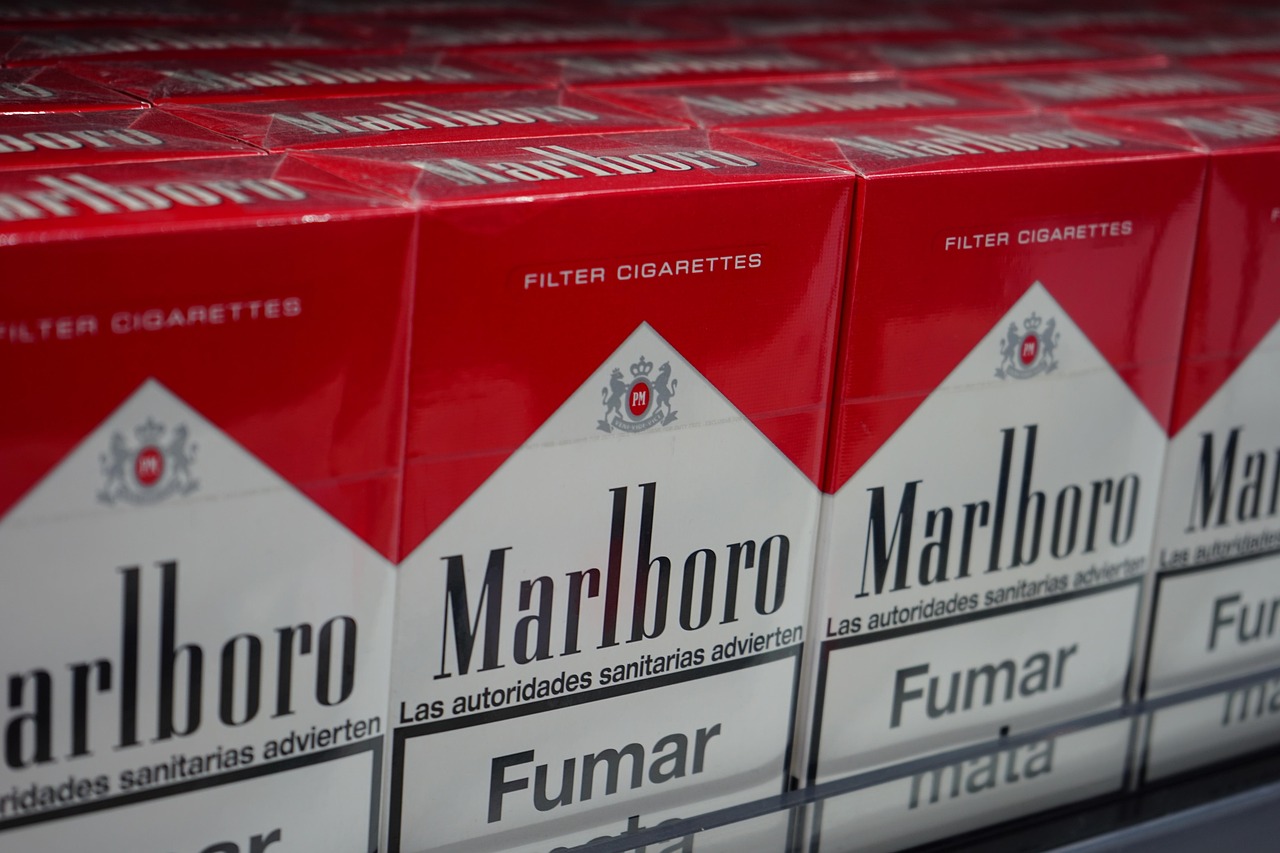
A cigarette pack, in particular, made perfect period camouflage. In the 1940s through the Cold War, cigarettes were everywhere: in uniform pockets, café tables, train stations, and black-market exchanges. A hidden pistol inside that shape was not about comfort or accuracy. It was about getting one close-range chance when no obvious sidearm could be carried.
The Real Mission World Behind The Myth
The phrase “for real missions” matters here because disguised weapons were not designed for the shooting range. They existed for sabotage, escape, last-ditch self-defense, and assassination work in environments where being searched was almost guaranteed.
The Office of Strategic Services, America’s wartime intelligence service and the CIA’s predecessor, specialized in exactly that kind of unconventional problem. CIA historical material and National Park Service coverage both describe an organization that mixed guerrilla warfare, espionage, sabotage, forged papers, and specialized gear for agents working behind enemy lines.
In that ecosystem, a disguised pistol was one more tool in a larger survival system. It was never meant to win a firefight. It was meant to create a single opening: eliminate a sentry, survive capture long enough to escape, or arm a resistance fighter long enough to seize a better weapon.
The Closest Famous Relative: The FP-45 Liberator
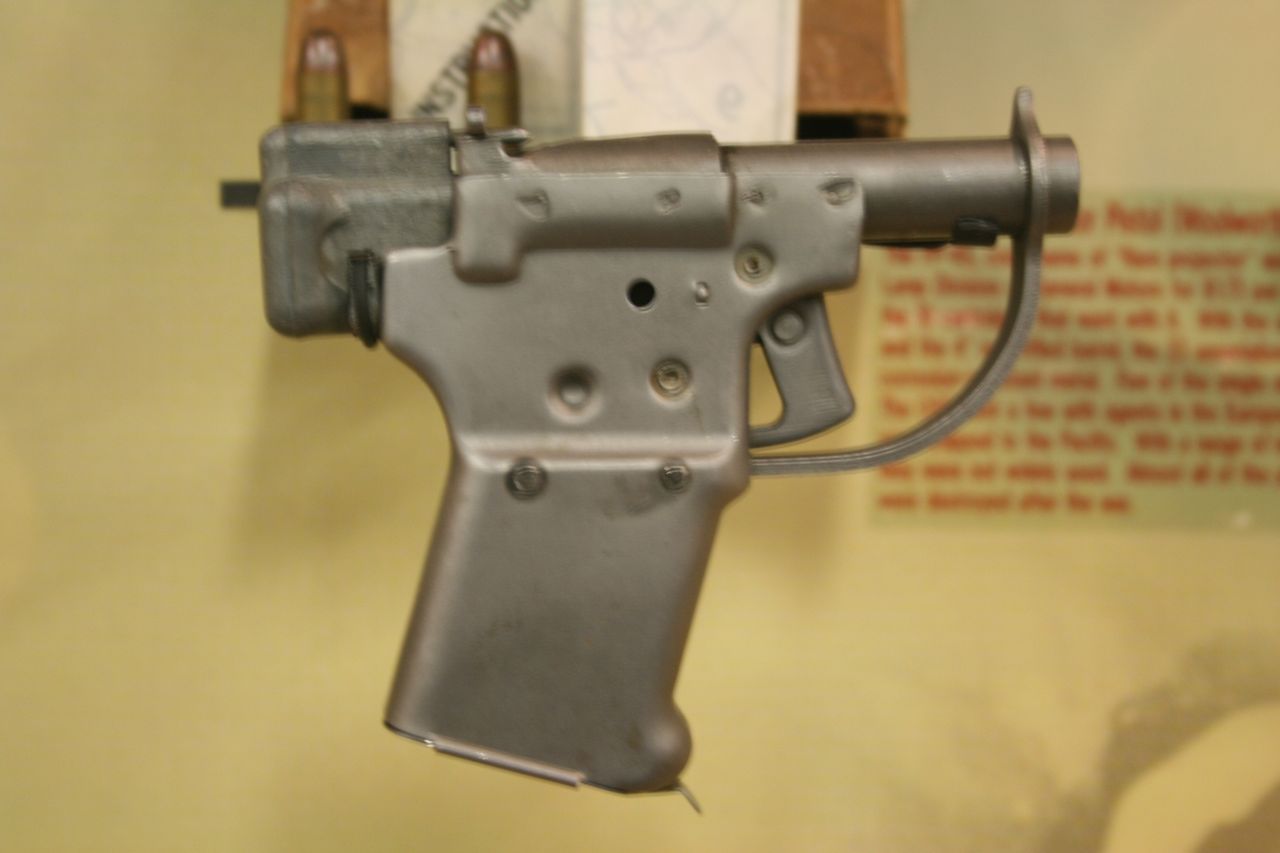
The best-documented cousin to the cigarette-pack pistol idea is the FP-45 Liberator. It was a crude, single-shot .45-caliber pistol built in 1942 for irregular warfare, designed to be cheap, easily concealed, and simple enough for rapid mass production.
According to CIA historical material, the OSS later held the easily concealed Liberator in its inventory, while the National Park Service notes it was distributed especially to guerrillas in China and the Philippines. Its intended use was brutally practical: fire one close shot, then take the enemy’s full-power rifle or sidearm.
That mission logic also explains the appeal of smaller disguised guns. A weapon hidden in something as ordinary as a cigarette pack sacrificed barrel length, sights, durability, and reload speed. In exchange, it could exist where a normal handgun simply could not.
What These Tiny Disguised Pistols Were Actually Like
Disguised pistols in cigarette-pack or cigarette-case form were typically compromise weapons. Historical references from the International Spy Museum collection describe single-shot .22-caliber examples that could be concealed in a cigarette pack, which tells you almost everything about their intended role: ultra-short-range, surprise-dependent, and limited.
These were not fighting pistols in any conventional sense. The tiny size reduced power and practical accuracy, and concealment designs often left little room for proper grips, useful sights, or safe, fast reloading. If the first shot did not solve the problem, the operator was immediately at a disadvantage.
That sounds harsh, but it reflects their real purpose. A disguised gun was a specialist’s tool, much like a lock pick or forged identity card. It traded performance for access, and in espionage work, access is often the rarest commodity of all.
Why Intelligence Services Kept Building Concealed Weapons

Covert services kept returning to disguised weapons because human behavior is predictable. Guards look for pistols on belts, shoulder holsters under jackets, and bulky shapes in luggage. They are less likely to react to a cigarette pack in a breast pocket unless they already suspect the carrier.
CIA museum material on concealment devices makes the broader point clearly: everyday objects that blend into the environment are ideal for clandestine use. The same principle supported hidden cameras, document drops, disguise kits, and weapons that could survive a quick pat-down or visual inspection.
In practical terms, that meant disguise could be more valuable than caliber. A mediocre gun in the right place might matter more than a fine pistol left behind. For agents and underground operatives, that calculus was not theoretical. It could decide whether a mission continued or ended in a prison cell.
The Legacy Of The Cigarette Pack Pistol
Today, the cigarette-pack pistol lives at the intersection of espionage history, weapons design, and myth. Some examples were real, some were experimental, and some survive mostly through museum collections and specialist references rather than mass public memory.
What remains undeniable is the mission logic behind them. Wartime and intelligence organizations repeatedly pursued weapons that were cheap, concealable, deniable, and close at hand. Whether it was a disguised .22 hidden in a cigarette pack or the brutally simple FP-45 Liberator, the thinking was the same: one hidden chance is better than none.
That is why these guns still fascinate people. They were not made to impress. They were made for the hardest kind of work, in places where being ordinary-looking was sometimes the deadliest advantage a person could have.