It sounds like a gimmick, but it is really a manufacturing philosophy. And in the gun world, that philosophy has shaped everything from elegance to frustration.
Why “no standard-sized screw” matters more than it sounds
When people hear that a gun was built without a single standard-sized screw, they usually imagine some bizarre one-off contraption. In reality, the phrase points to a very real tradition in firearms making: proprietary screws, custom thread pitches, unusual slot widths, and hand-fitted fasteners that do not match what you would pull from a hardware bin.
That was especially common in older firearms, when gunmakers treated screws as precision components rather than generic consumables. Shooting Sportsman notes that screw standardization was only proposed nationally in Britain in the 1840s by Joseph Whitworth, and even after that, gunmakers often kept their own dimensions and profiles. In other words, the firearm trade stayed stubbornly independent even as the rest of industry moved toward common standards.
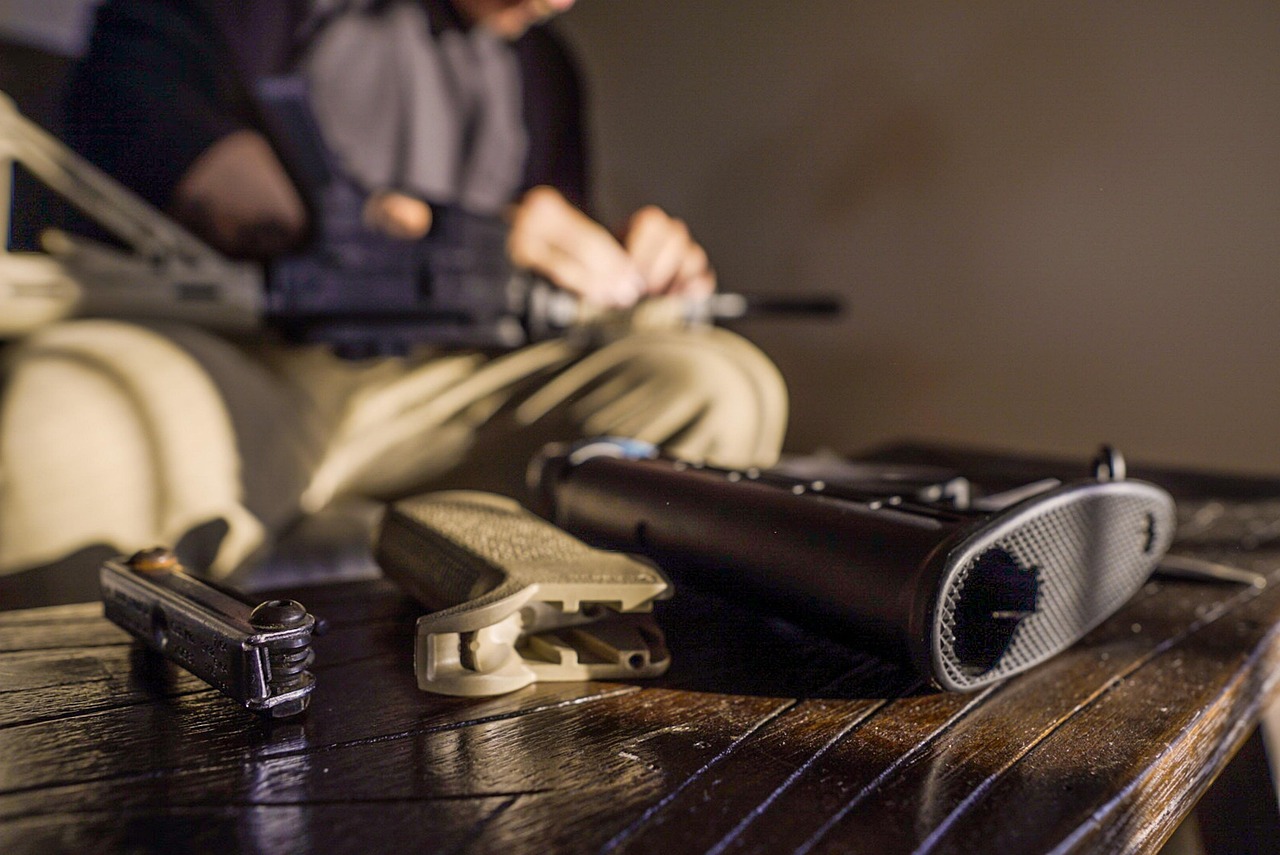
Gunsmiths still run into the consequences today. RifleMagazine has pointed out that firearms often contain wood screws and machine screws, unlike ordinary shop stock, while Brownells and Forster both sell dedicated gunsmith screw assortments because so many gun screws are oddball sizes. That alone tells you something important: nonstandard screws are not an accident in gun history. They are part of the culture.
In the shop, that meant a screw was chosen for fit, appearance, and function, not convenience. In the long run, though, it also meant repairs became harder, replacement parts scarcer, and amateur work far more likely to damage valuable metal and wood.
The old gunmaker’s obsession with fit, finish, and control

For traditional gunmakers, a screw was never just a screw. Head diameter, shank length, thread depth, slot width, and the way the screw indexed when tightened all mattered, especially on fine sporting arms and service revolvers where visible screws were part of the gun’s appearance.
That is why gun-specific screwdrivers even exist. Shooting Illustrated explains that firearm screws use a range of head patterns and dimensions, and that poorly fitted drivers are a major cause of damage. The classic “buggered screw” on an old revolver or shotgun is usually proof that somebody treated a fitted gun screw like a household fastener.
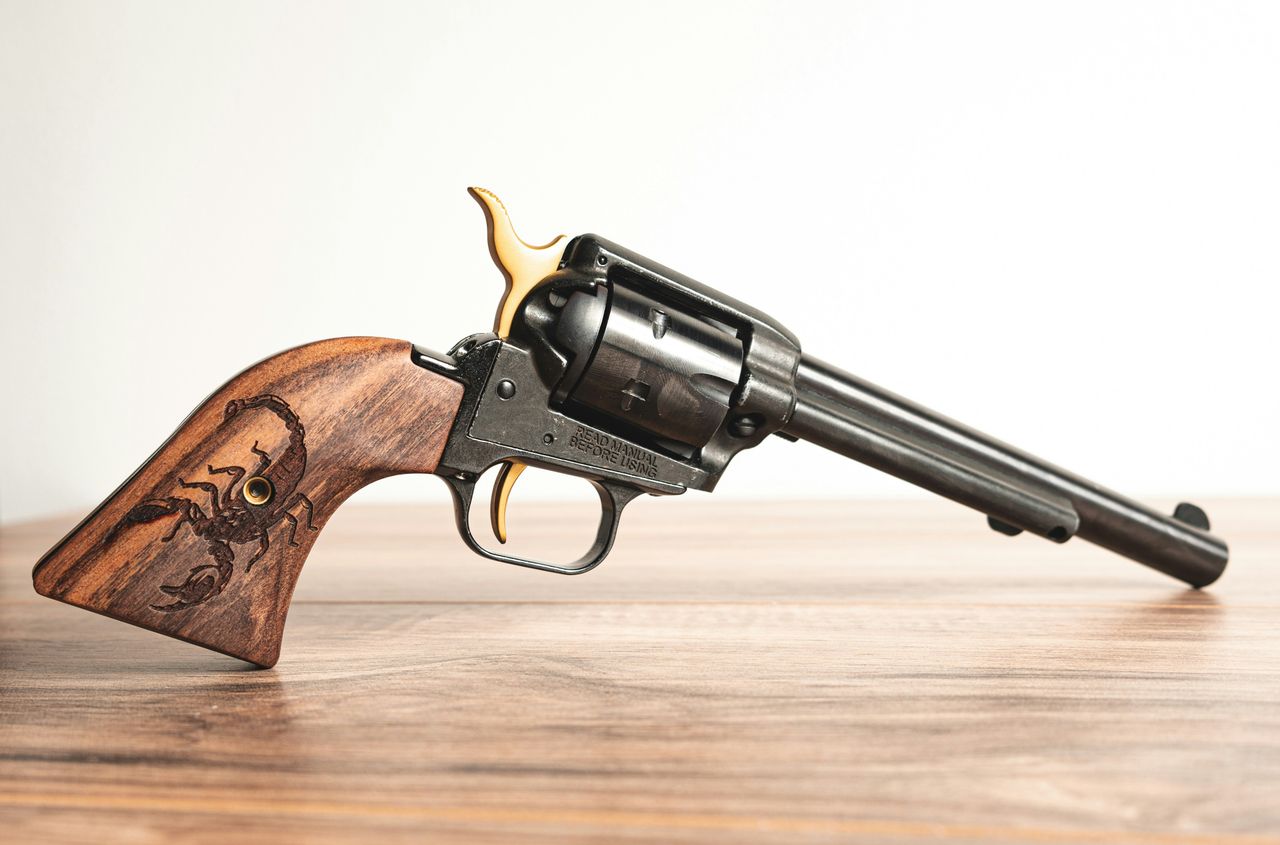
Smith & Wesson’s old revolvers are a good example of how much attention manufacturers paid to screw layout. American Rifleman’s look at sideplate screws traces the company’s evolution from five-screw to four-screw and then three-screw frame patterns, showing that screw placement reflected manufacturing decisions as much as mechanical need. The screw count became part of how collectors identify eras of production.
Custom sizing also gave factories control over assembly and service. If a maker used proprietary screws, armorers needed the correct tools and parts, and unauthorized tinkering became harder. That may sound inconvenient today, but from the manufacturer’s perspective it protected fit, finish, and consistency in an era when many guns still relied heavily on hand labor.
Proprietary screws were common, even if total exclusivity was rare
Here is the important distinction: many guns were built with few or no truly standard off-the-shelf screws, but very few famous production arms advertised that fact in plain language. The industry norm was not usually “this gun has no standard screws” as a slogan. Instead, it was simply accepted that gun screws were often proprietary to the model or maker.
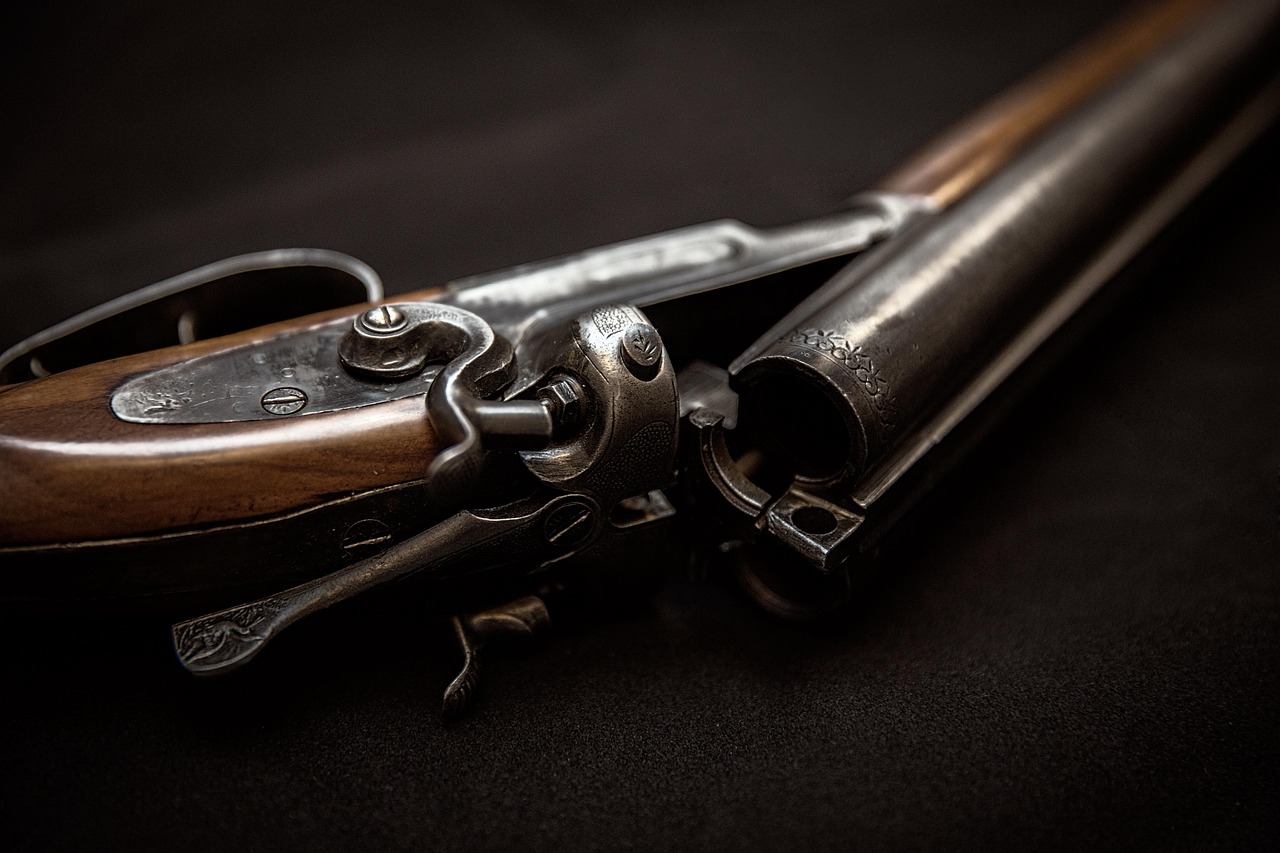
That reality shows up all over gunsmithing literature. A Kansas Association of Muzzleloaders article on gun screws states bluntly that Winchester used many proprietary screw sizes and threads. Experienced restorers often end up fabricating replacements by hand because exact originals are unavailable. The same pattern appears in forum discussions among collectors and gunsmiths working on Schofields, Winchesters, and early Smith & Wessons.
Even modern shooters still get caught by it. Browning Buck Mark owners have long noted that some barrel screws can be nonstandard hex sizes, and various handgun and sight systems use manufacturer-specific fasteners. According to Shooting Illustrated, one reason companies change screw slot patterns or dimensions is to force the proper tool and torque to be used during service.
So if you are looking for one mythical gun made entirely from exotic screws, the more accurate story is broader and more interesting. Large parts of the firearms industry operated as though standardization was optional, and in some corners, almost undesirable.
Why manufacturers did it anyway
From a business and engineering perspective, custom screws offered real benefits. A firearm is a high-recoil machine with vibration, heat, oil exposure, and repeated disassembly. Using a purpose-made screw with the exact shoulder, head profile, and thread engagement a designer wanted could improve assembly consistency and preserve structural integrity.
There was also the issue of cosmetics. On blued steel or color-case-hardened actions, screw timing mattered. Good makers wanted slots that lined up neatly when tightened and screw heads that sat flush with surrounding metal. A hardware-store screw might work mechanically, but it could ruin the look of the gun. On premium doubles and finely finished revolvers, aesthetics were inseparable from quality.
Production methods matter too. American Rifleman’s examination of the Mauser 98 emphasizes how deeply firearm design was tied to the manufacturing processes of its day. In that world, standard industrial parts were not always the most efficient answer. A factory already making specialized forgings and fitted internals had little reason to treat screws as generic commodities.
And there was a softer reason: identity. Gunmakers liked doing things their own way. Proprietary screws, unique slots, and specialized tools reinforced brand distinctiveness. That could annoy later owners, but it helped define a maker’s reputation for exactness and seriousness.
The downside every collector and gunsmith eventually learns
The romantic side of custom screwmaking ends the moment one is missing. Then the owner discovers that a replacement may require measuring threads under magnification, cutting a blank, turning the head to shape, timing the slot, polishing it, and then coloring it to match the gun.
That is not theory. Gunsmithing articles and collector discussions repeatedly describe hand-making screws for older firearms because the originals do not match modern stock. RifleMagazine notes that replacement work often means adapting or fabricating screws rather than ordering a standard part. Brownells and Forster built whole product lines around this reality because demand never went away.
Damage is another issue. Shooting Illustrated warns that improper tools and poor bit fit can scar both the screw and the surrounding metal. Once a slot is chewed up, the gun loses value and becomes harder to service. On collectible arms, one ruined screw can stand out like a dent in a classic truck’s fender.
The final problem is accessibility. Proprietary fasteners put distance between the gun and the average owner. That may be acceptable for a best-grade shotgun cared for by a specialist, but it is far less appealing on a working rifle or carry pistol where easy field maintenance matters.
The shift toward simpler, more standardized firearms

Over time, firearms design moved away from this old-world approach. Military requirements, mass production, interchangeable parts, and lower-cost manufacturing all pushed the industry toward simpler fastening systems, fewer screws, and easier maintenance.
A telling example comes from American Rifleman’s history of Smith & Wesson sideplate screws. The progression from five screws to fewer screws was not a decline in quality so much as a refinement of production. If a gun could do the same job with fewer parts and easier assembly, manufacturers took that route. Simplicity became a virtue.
Some designers went further and tried to minimize threaded fasteners altogether. Small Arms Review has noted that gun designers more than a century ago demonstrated that firearms could be built with no threaded joints or with dramatically reduced reliance on screws. Later stamped-metal military arms, such as the M3 and M3A1 discussed by Forgotten Weapons, embraced simplification for cost, speed, and reliability under field conditions.
That does not mean screws disappeared. It means they became more standardized, more utilitarian, and less expressive. Modern guns generally treat screws as service hardware. Older guns often treated them as fitted parts with personality.
So what is the real legacy of the gun with no standard screws?
The real legacy is not a single obscure firearm, but a whole era of gunmaking that prized independence over compatibility. Some guns may effectively have been built with entirely proprietary screw dimensions, especially high-grade arms and certain older production lines, even if catalogs did not shout it from the rooftops.
That tells us something revealing about firearms history. Guns were never just mechanisms for launching bullets. They were products of machining culture, regional craftsmanship, and brand identity. A screw thread could express all three. To the old gunmaker, standardization was useful only if it served the gun, not the other way around.
For collectors, that legacy is both charming and maddening. It rewards patience, proper tools, and respect for detail. It also punishes shortcuts immediately. A gun built without a single standard-sized screw is not merely eccentric. It is a reminder that there was a time when every visible piece, down to the last slot in the last screw head, was expected to belong to that gun and no other.
And honestly, that is part of why old firearms still fascinate people. Even the smallest parts have attitude.