The Mateba Model 6 Unica occupies a rare corner of firearm history because it combines two ideas that normally belong to different handgun families. It retains a revolver’s exposed cylinder, yet firing causes its upper assembly to recoil and automatically prepare the next chamber. Designed in Italy by Emilio Ghisoni, the Unica became famous for its low bore axis, unusual appearance, powerful chamberings, and remarkably inventive mechanism. Its production from 1997 to 2005 made it an uncommon but unforgettable example of unconventional handgun engineering.
1. It Really Is a Recoil-Operated Revolver
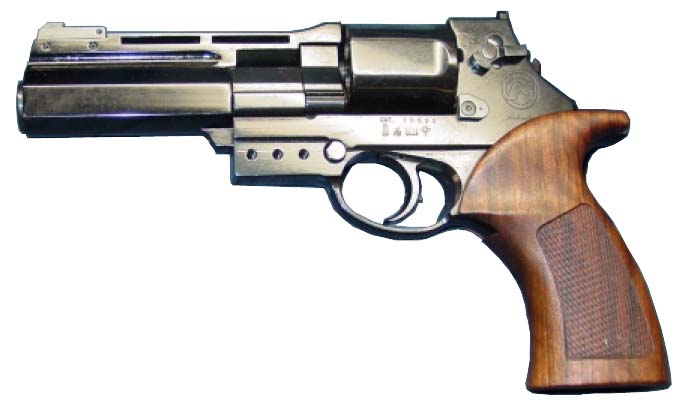
The Mateba Model 6 Unica looks like a revolver, yet its cycling system behaves more like a recoil operated pistol. When a round is fired, the barrel, cylinder, and upper frame move rearward together by about 12.7 mm. That movement cocks the hammer, while the returning assembly indexes the cylinder for the next chamber. The shooter still uses a trigger for every shot, so it is better described as a semi-automatic revolver. Only a handful of practical designs ever combined these two ideas. Its unusual action was its defining feature, not merely a cosmetic departure.
2. Emilio Ghisoni Designed the Unusual System
Italian designer Emilio Ghisoni created the mechanism behind the Mateba Unica, building on an unusual approach to revolver geometry. His patent for the basic concept dates to 1987, while the Model 6 Unica reached production in 1997. Ghisoni later became associated with the Chiappa Rhino, another revolver famous for placing its bore unusually low. The Unica shows his fascination with controlling recoil through layout rather than simply adding weight. Its strange appearance was therefore the result of deliberate engineering. That philosophy gave the Unica a strong identity among handgun designs.
3. The Barrel Sits Below the Cylinder
Most conventional revolvers fire from the upper chamber of the cylinder, but the Unica fires from the bottom chamber. That change alters its silhouette because the barrel sits low relative to the cylinder. The bore axis is closer to the shooter’s hand, helping direct recoil more rearward instead of producing as much upward rotation. The design also permits an unusual open-top profile without a conventional top strap. With a 6-round cylinder and low bore, the Mateba looks unlike almost any ordinary revolver. It was a mechanical solution that made the entire revolver look unconventional.
4. Six Rounds Power the Signature Action
The standard Model 6 Unica uses a 6-round cylinder, giving it the familiar capacity of many traditional service revolvers. What changes is how those chambers are indexed. Instead of the trigger alone doing the mechanical work of rotating the cylinder after every shot, recoil supplies the energy for the cycling system. The upper assembly travels rearward, the hammer is cocked, and the cylinder is brought to the next position during its return. That sequence is the heart of the Mateba’s identity and its engineering appeal. That recoil-driven sequence is what separates it from ordinary revolvers.
5. Magnum Cartridges Made It a Heavy Handgun
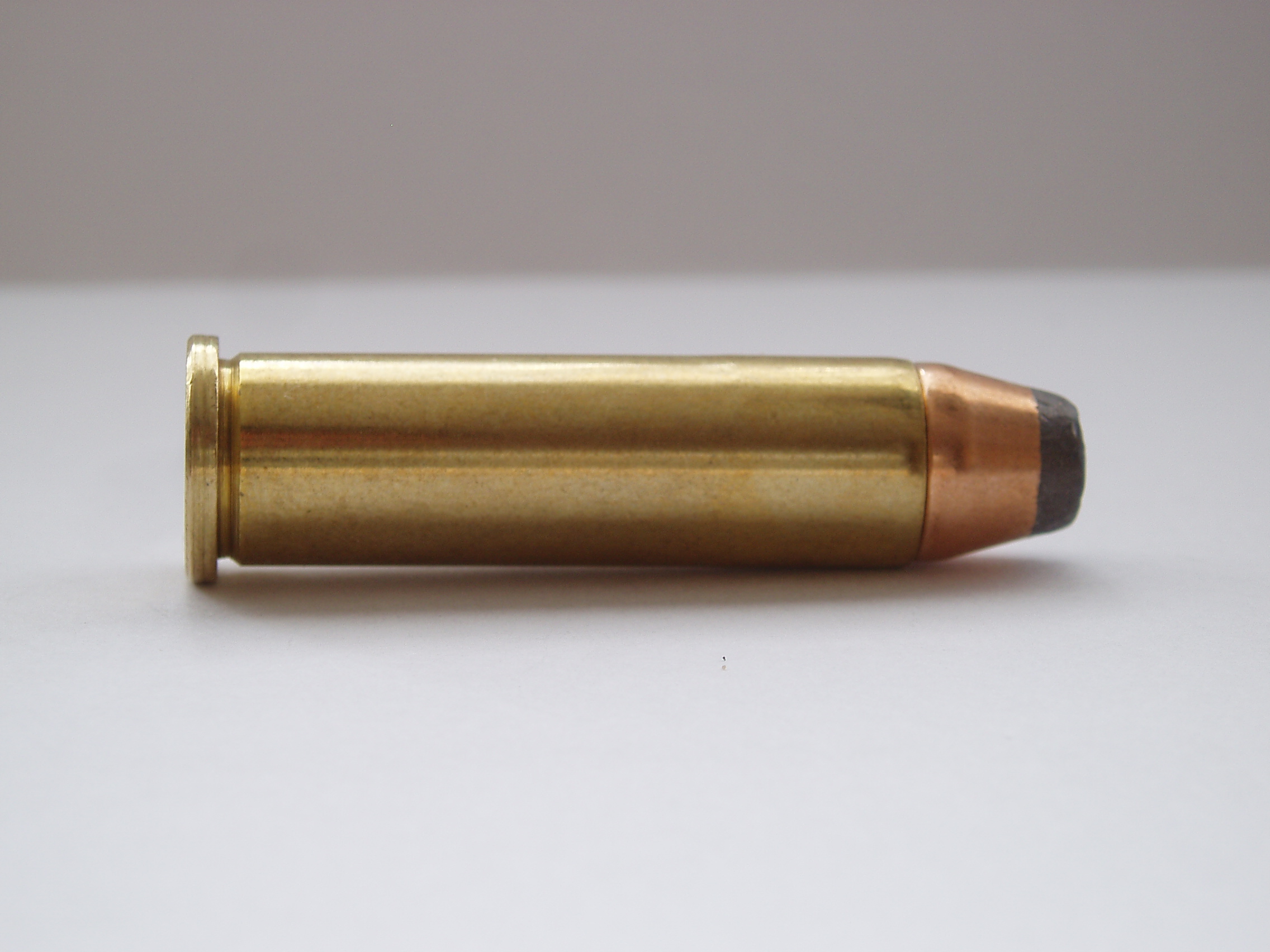
The Unica was offered for powerful cartridges including .357 Magnum, .44 Magnum, and .454 Casull. A commonly documented 4-inch .357 Magnum version weighed about 1.27 kg, or roughly 2.8 pounds, before ammunition. That is substantial for a handgun, but the weight and low bore arrangement were part of the design philosophy. Longer barrel versions were also offered, extending the range of configurations. The combination of magnum chamberings, moving upper assembly, and distinctive frame made the Mateba an unmistakably specialized revolver. Even its compact versions had a substantial feel.
6. Interchangeable Barrels Added Flexibility
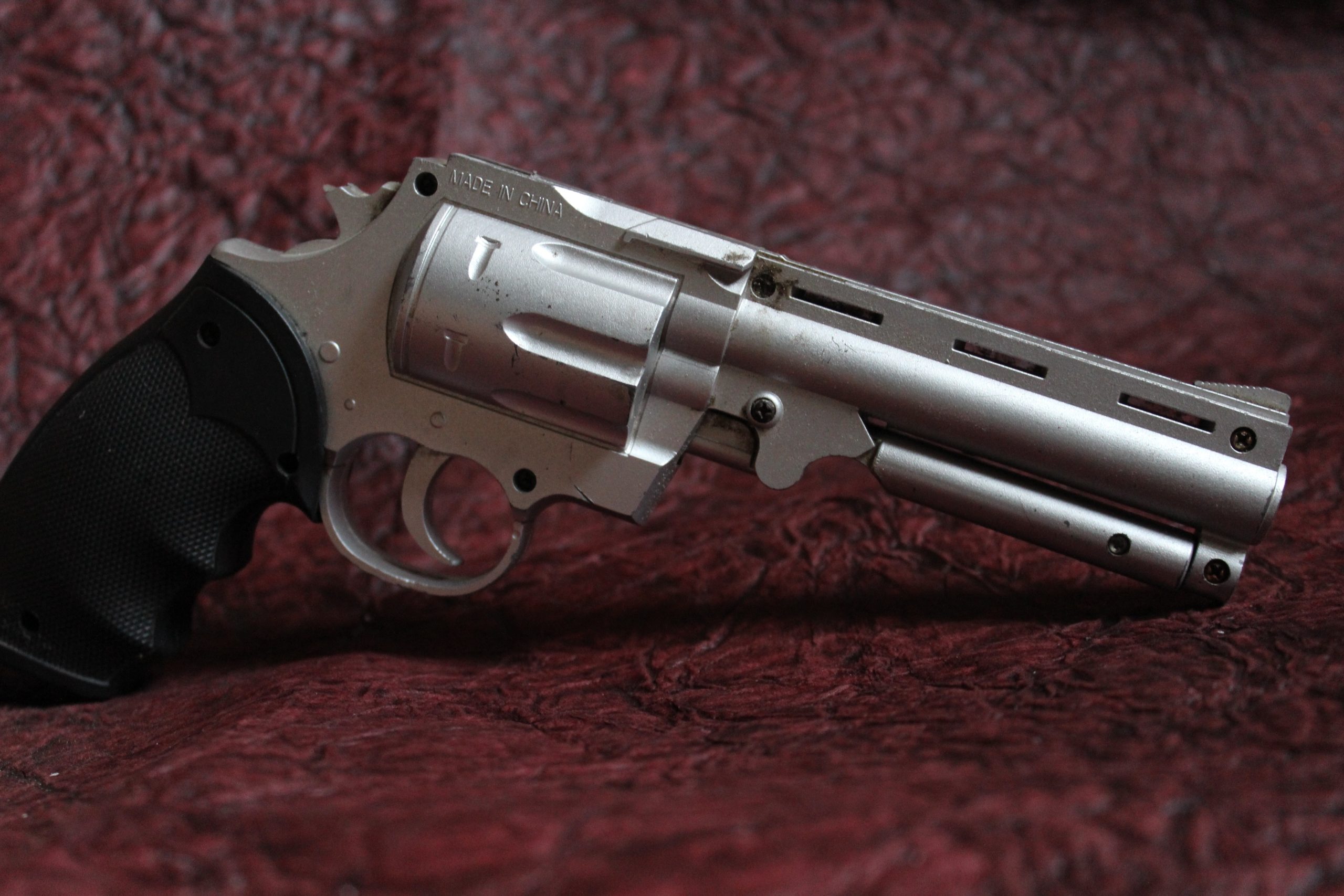
One striking feature of the Model 6 Unica was its range of interchangeable barrel lengths. Documentation lists options from approximately 3 inches through 8 inches. That meant the same basic action could appear in compact, sporting, hunting, or specialized configurations. The design was therefore more than a single novelty revolver. Its modular barrel concept reflected Mateba’s attempt to make the unusual action adaptable. Few revolvers of its period offered such a distinctive combination of changeable barrels and recoil-driven cycling. Its flexibility was notable for such a rare design.
7. The Grifone Took the Idea Even Further
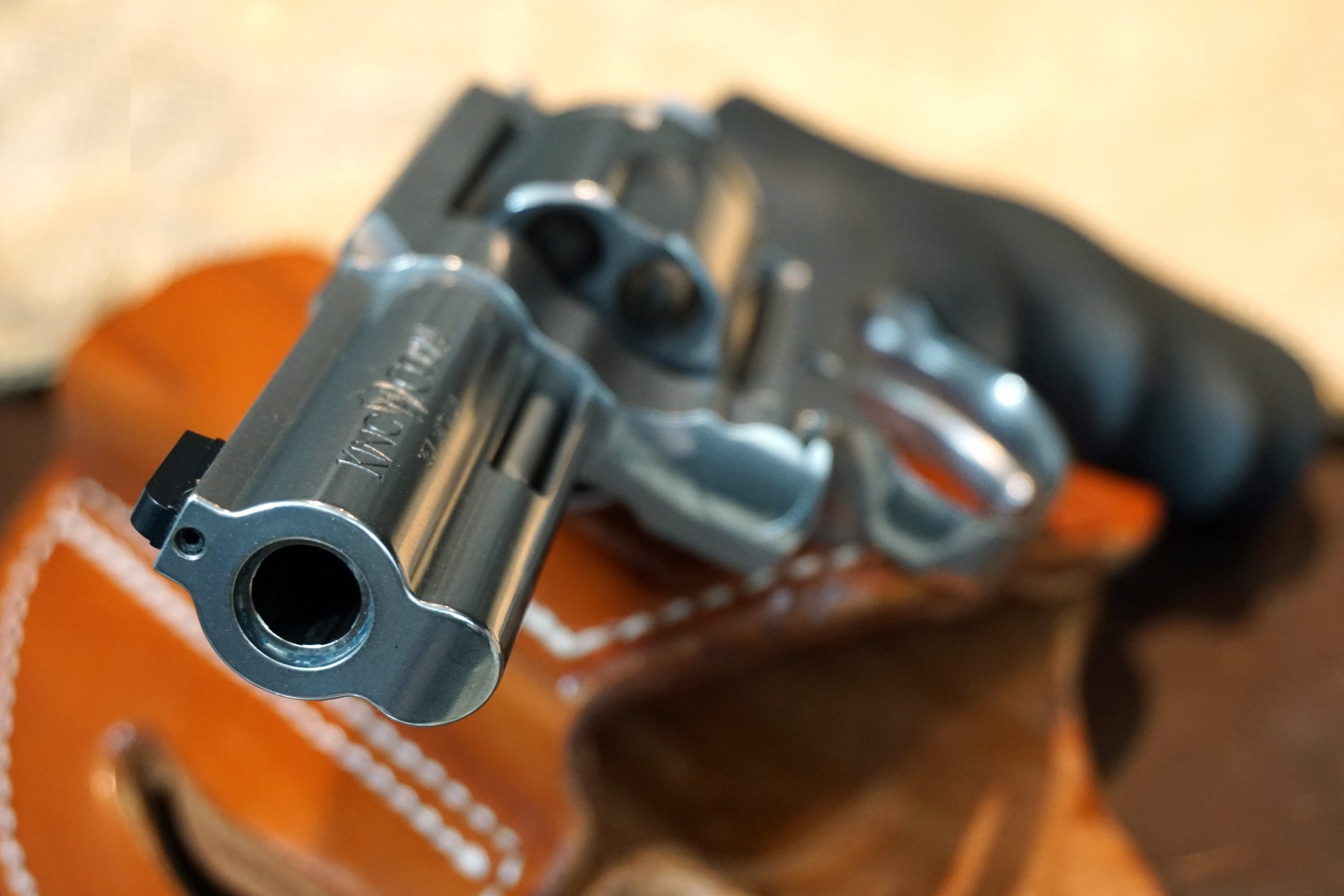
Mateba pushed the Unica concept beyond a conventional handgun with the Grifone carbine. This version used an 18-inch barrel and added furniture around the same basic action, creating one of the strangest members of the family. Versions were associated with cartridges such as .357 Magnum and .44 Magnum, with other configurations also reported. The Grifone demonstrated that the recoil-operated mechanism was not limited to a short handgun format. It remains an unusual example of how far Mateba was willing to stretch the autorevolver concept. It extended an unconventional handgun concept.
8. Production Was Brief, Which Made It Rare
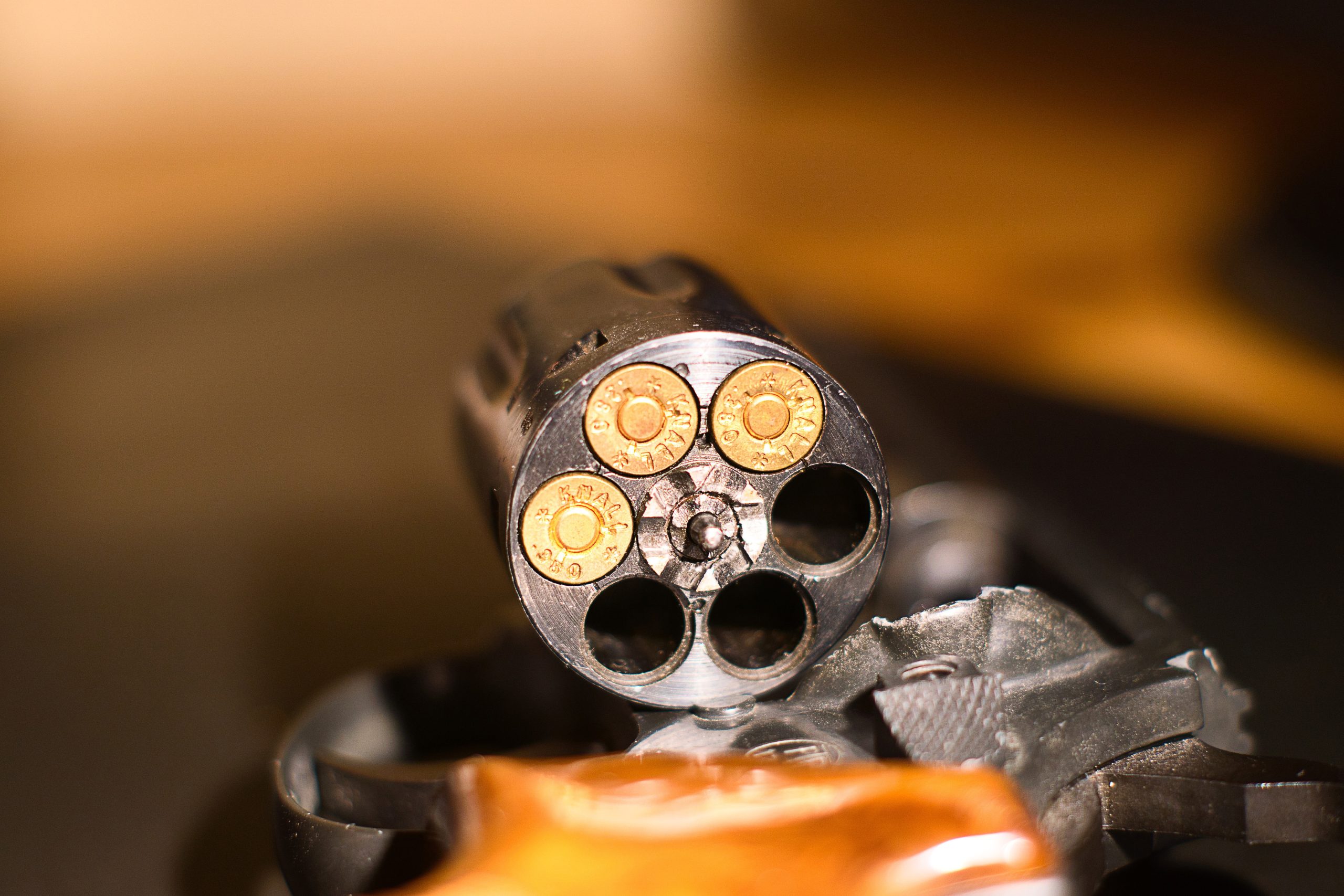
The Model 6 Unica was produced from 1997 to 2005, giving the design a commercial life of only about 8 years. That relatively short period, combined with its specialized engineering and Italian manufacture, helped make surviving examples highly distinctive among collectors. It was never a mainstream alternative to ordinary revolvers or semi-automatic pistols. Instead, the Mateba became famous because it solved the revolver’s cycling problem in an entirely different way. Its rarity today is closely tied to that unusual design and limited production history.