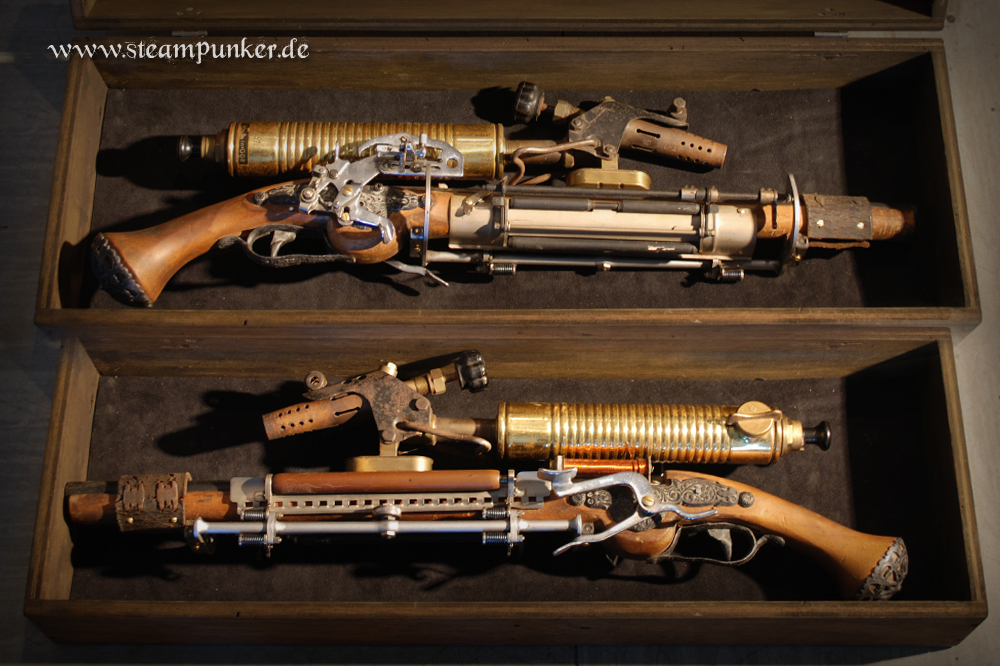
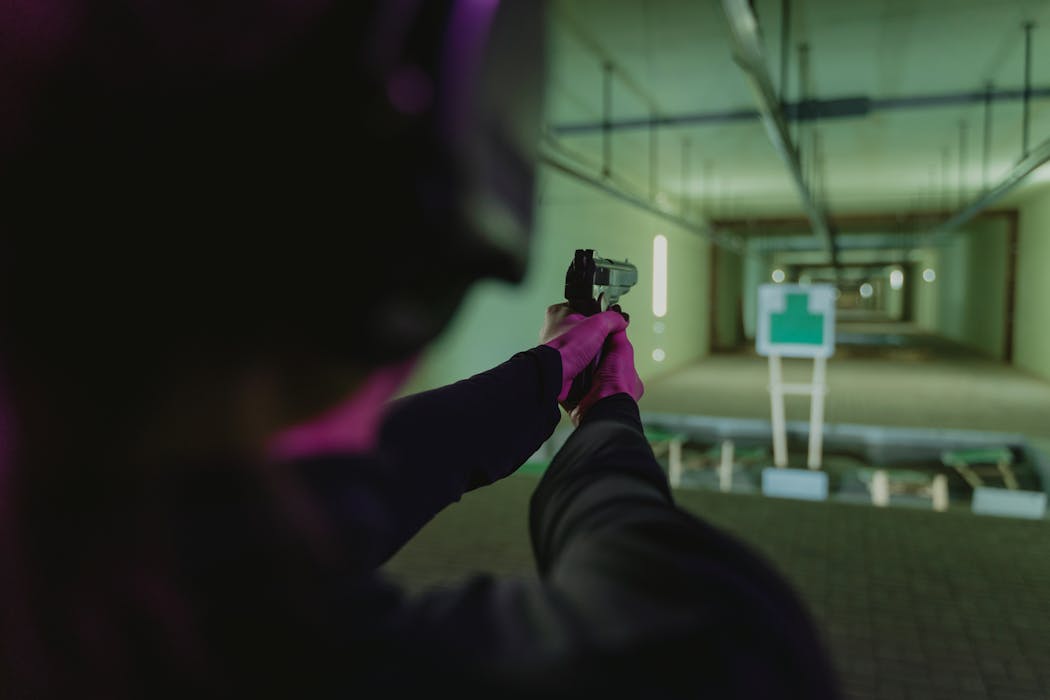
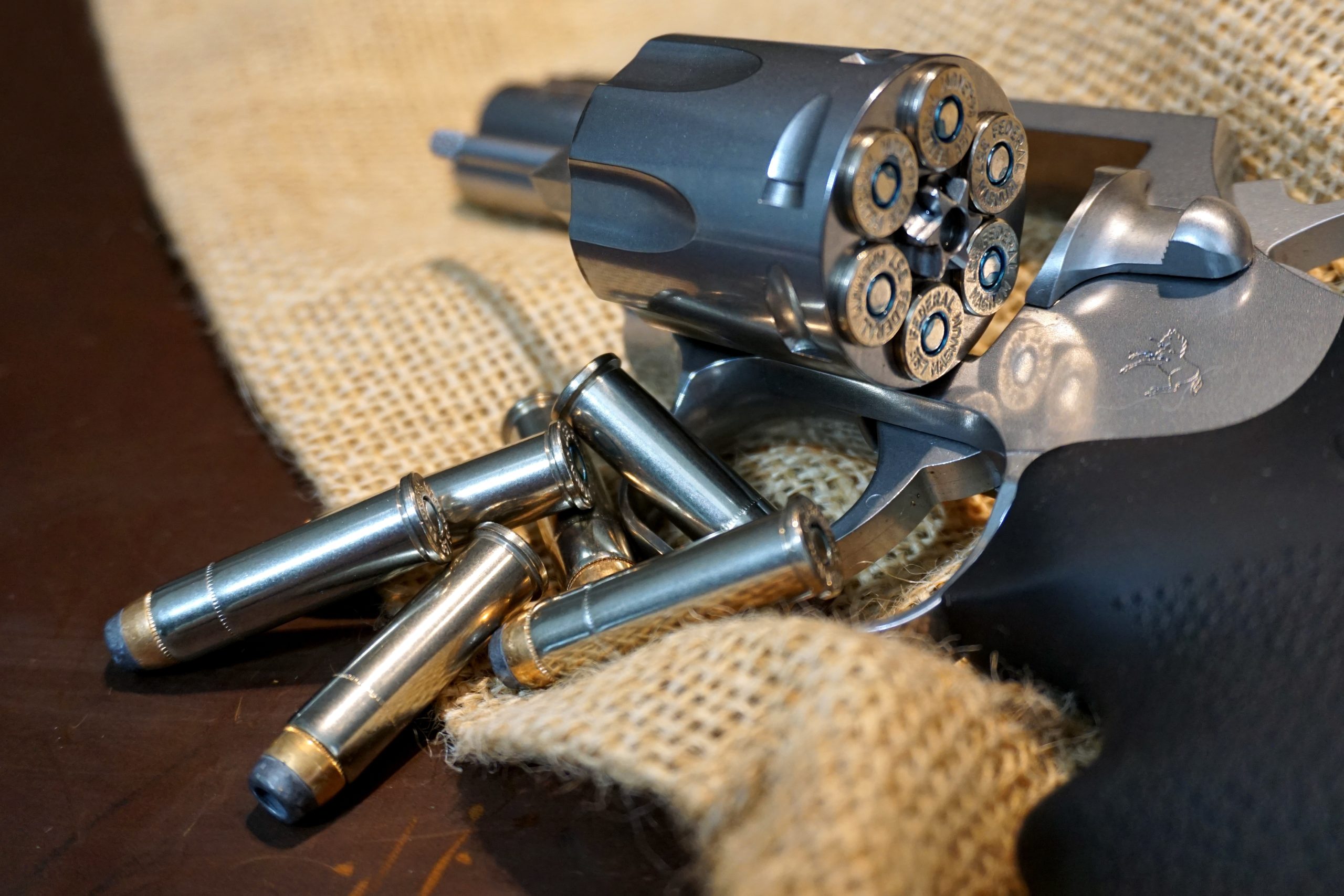
Buying a firearm is often framed as a matter of identity, taste, or trend, but the smartest choice usually comes down to fit, training, and purpose. This gallery looks at ten types of guns people often purchase for the wrong reasons, from hype to Hollywood influence. The point is not to shame anyone, but to show how a flashy or emotional purchase can turn into an expensive mismatch.
Ultra-Compact Pocket Pistols

Tiny pistols are easy to sell because they promise effortless concealed carry. For many first-time buyers, that convenience sounds perfect, especially if they are nervous about carrying something larger every day. The problem is that the smallest guns are often the hardest to shoot well.
Short grips, snappy recoil, and minimal sights can make practice frustrating. A buyer who chooses a pocket pistol mainly because it disappears in lightweight clothing may end up with a firearm they avoid training with. In real life, a slightly larger handgun is often easier to control, easier to draw, and far more confidence-inspiring at the range.
Full-Size Handguns Chosen for Movie Cool
A full-size pistol can be an excellent tool, but some buyers pick one because it looks like something a movie hero carries. That is a rough way to make a real purchase. What looks imposing on screen can feel heavy, awkward, and impractical in everyday use.
Large handguns are harder to conceal, tougher for some people to grip properly, and not always the best fit for home storage plans. When the purchase is driven by image instead of ergonomics, the result is often a gun that spends more time admired than practiced with. The coolest choice on screen may be the least useful one off it.
Micro 9mm Pistols Bought as Beginner Guns

Many shoppers assume the newest micro 9mm is the obvious first handgun because it is popular, modern, and widely praised online. Popularity, however, does not automatically make something beginner-friendly. A gun built to be as small as possible often demands better technique than a new shooter actually has.
These pistols can be sharp in recoil and unforgiving of poor grip. That can lead to bad habits, discouraging range sessions, and a false sense that shooting is simply harder than it needs to be. For plenty of beginners, a compact handgun with a fuller grip and longer sight radius is a much smarter place to start.
Big-Bore Revolvers for Bragging Rights
There is no denying the appeal of a large-caliber revolver. It has presence, history, and a certain larger-than-life reputation. But some buyers jump into one mainly for the story it tells, not because it fits their skill level, budget, or realistic use.
Heavy recoil and expensive ammunition can quickly turn enthusiasm into avoidance. A gun that feels thrilling for five rounds at the counter may become a safe queen after one bruising range trip. If the goal is regular practice, improved accuracy, and genuine familiarity, a more manageable revolver or handgun usually delivers more satisfaction than a hand-cannon bought for ego.
Short-Barreled Shotguns Picked for Tactical Style
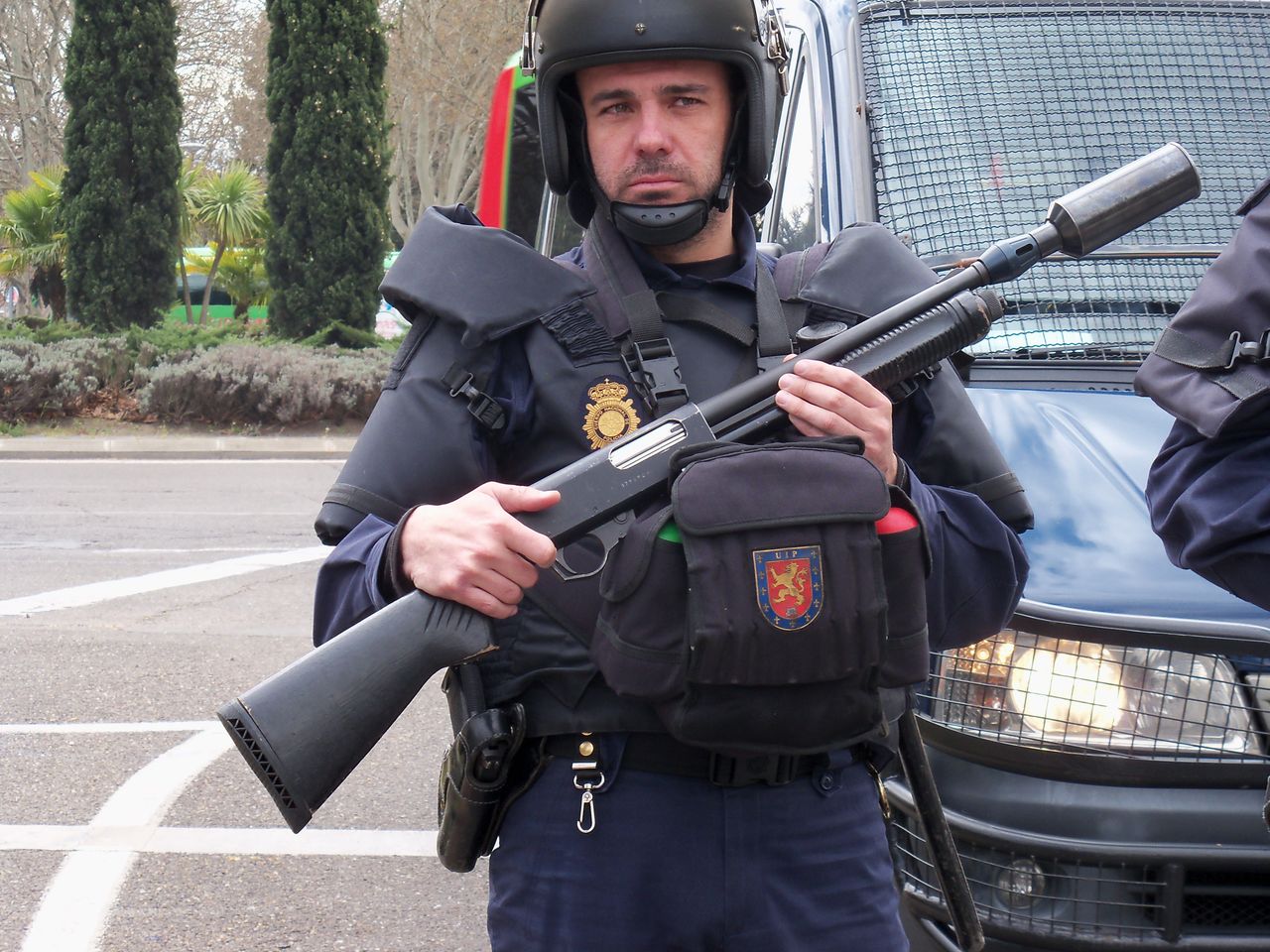
Compact shotguns have a serious visual appeal, especially when they are marketed with tactical furniture and aggressive styling. Buyers sometimes assume shorter automatically means better for home defense. In practice, these guns can be harder to control, louder indoors, and less forgiving for inexperienced shooters.
Reduced barrel length does not magically make a shotgun easy to use under stress. Recoil management, manual operation, and ammunition selection still matter a great deal. If someone chooses a short shotgun mostly because it looks intense, they may overlook the training required to run it efficiently. Style can be persuasive, but handling characteristics matter far more than attitude.
AR-Style Rifles Bought Only Because Everyone Has One
The AR platform is popular for plenty of legitimate reasons, from modularity to ease of use. Still, some people buy one simply because it feels like the default modern rifle, the item they are supposed to own. That kind of herd logic can lead to a purchase without a clear role.
A rifle should match a purpose, whether that is training, sport shooting, varmint control, or home defense planning. When the decision is driven mostly by social pressure, buyers often underinvest in optics, slings, storage, and instruction. The rifle itself may be fine, but the reason behind the purchase leaves the owner no closer to a thoughtful setup.
Tiny .380 Pistols Chosen Out of Fear

Fear drives a lot of rushed purchases, and very small .380 pistols are a common result. Buyers who are anxious about recoil, complexity, or simply owning a gun may gravitate toward the smallest thing in the case because it feels less intimidating. Unfortunately, less intimidating to look at does not always mean easier to shoot.
These guns can be surprisingly sharp, difficult to rack, and hard to aim well under pressure. A person trying to make themselves feel safer may wind up with a firearm that is unpleasant to practice with. A better path is usually calm instruction, honest hands-on testing, and a choice based on control rather than nerves.
Lever Actions Bought Purely for Nostalgia

Lever-action rifles are charming, capable, and deeply tied to American visual culture. That is exactly why some buyers choose one with their heart before thinking through what they actually need. Nostalgia can be a wonderful entry point, but it can also blur practical questions about optics, capacity, ammunition cost, and intended use.
For range fun or hunting in the right context, a lever gun may be a perfect match. Trouble starts when someone expects old-school appeal to cover modern needs it may not meet well. Buying a rifle because it feels like a piece of living history is understandable. Buying it while ignoring its limitations is where regret tends to enter.
Exotic or Collectible Guns Bought Before Basics

There is nothing wrong with appreciating rare designs, military surplus pieces, or unusual collector firearms. The issue comes when a new buyer jumps straight to something exotic before learning what makes a practical everyday firearm work for them. Complexity, parts availability, and quirky controls can turn curiosity into confusion fast.
A collectible may be fascinating, but fascination is not the same as usability. New owners often discover too late that magazines are scarce, ammunition is pricey, and maintenance is less straightforward than expected. It is much easier to enjoy unusual firearms once you already own something reliable, familiar, and easy to train with. Basics first tends to make every later purchase better.
Precision Rifles Bought for Long-Range Fantasies

A heavy precision rifle can be a remarkable piece of equipment, but it is often purchased with a fantasy attached. People imagine effortless hits at extreme distance, dramatic range days, and instant credibility. The reality is that long-range shooting demands patience, data, quality glass, and a lot of practice.
Without that commitment, an expensive precision setup becomes a very heavy reminder of unmet expectations. It is also not the most versatile choice for many casual owners. Buying one because the idea of long-range shooting sounds impressive is different from buying one because you are ready to learn the discipline. The distinction matters more than the barrel profile.