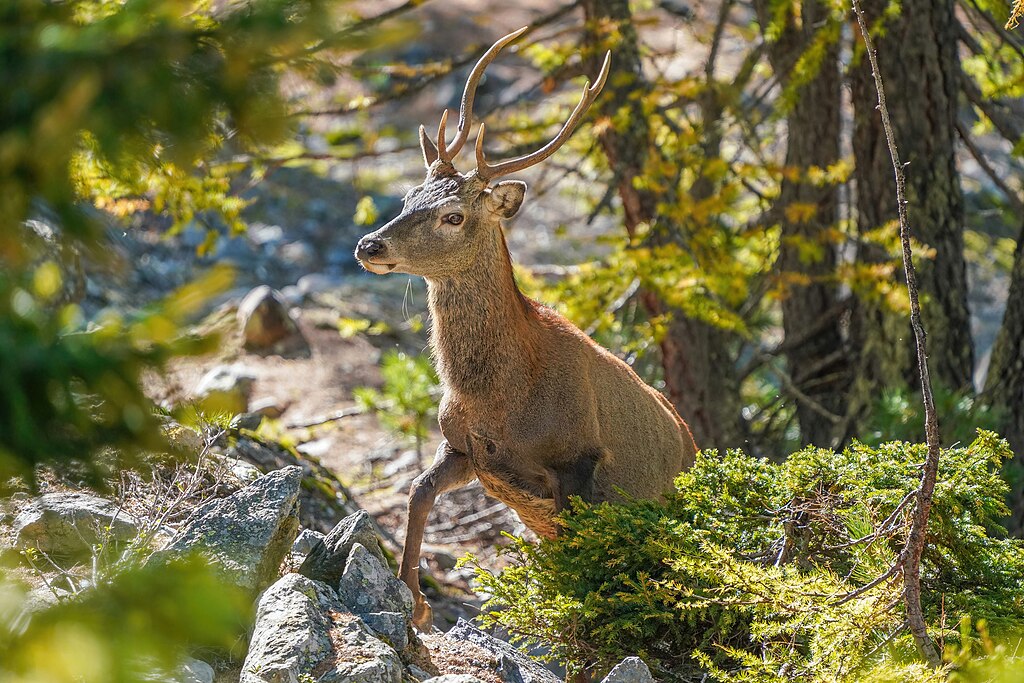
Finding shed antlers can feel like pure luck until you start noticing the same patterns seasoned whitetail hunters rely on every year. The best shed hunters are not just covering ground, they are reading winter deer behavior, food, bedding, and pressure with purpose. These nine tips can help turn a long spring walk into a far more productive search.
Wait Until Most Bucks Have Dropped
One of the biggest mistakes new shed hunters make is heading out too early. If you push into core winter areas before the majority of bucks have dropped both sides, you can bump deer, scatter them, and make future finds harder than they need to be.
Serious hunters usually watch trail cameras, glass late season groups, and pay attention to local timing before making their first real pass. When most bucks are carrying one antler or none at all, your odds improve fast. Patience at the front end often means more bone in hand later.
Start With Winter Food Sources

If deer are still in a winter pattern, groceries drive movement. Cut corn, soybean fields, brassica plots, and standing grain edges are classic starting points because bucks burn energy all winter and return again and again to the easiest calories available.
Experienced shed hunters rarely wander aimlessly through the woods first. They begin where deer fed heavily in February, then work outward along the routes leading back to cover. When an antler loosens during a hop over a rut, a turn through mud, or a head shake in stubble, food source zones often reveal it quickly.
Focus on Bedding Areas After Feeding Spots
Once feeding areas are covered, serious hunters shift attention to bedding cover. South-facing hillsides, thick CRP, cedar pockets, cattail marsh edges, and brushy points all hold deer during harsh weather, especially where winter sun and protection from wind come together.
These areas deserve a slower pace and a sharper eye. Bucks often rise, stretch, and reposition inside bedding cover, which makes antlers more likely to shake free there than many people realize. The key is to search without charging straight through the center and destroying sign that can help you understand how deer used the spot.
Walk the Trails Between Food and Cover
Travel corridors are where a lot of sheds get missed by hunters who only search destination spots. Bucks drop antlers while moving too, especially on narrow trails, ditch crossings, creek banks, fence gaps, and places where they jump, duck, or twist their heads.
Veteran shed hunters love those connecting routes because they funnel movement and shrink the search area. Instead of scanning acres at random, you are following the same lines deer used day after day. That kind of efficient walking does not just save time, it increases the chance your eyes land on a tine before someone else’s do.
Slow Down and Grid Search High-Value Pockets
Covering miles sounds productive, but speed can work against you. Antlers disappear in grass, bean stubble, leaves, and last year’s stems, so disciplined hunters often slow way down when they reach a concentrated use area that looks like it should hold bone.
A simple grid pattern helps prevent missed ground and keeps your eyes from drifting. Walk one line, turn, and come back on a parallel line with a slightly different angle of light. Plenty of sheds are found on the second pass, not because they moved, but because your perspective did.
Use Sun Angle to Make Antlers Pop
Light matters more than many people think. Early morning and late afternoon can make antlers stand out because side light creates contrast on curves, tines, and the pale underside that gets washed out when the sun is high and flat.
Seasoned shed hunters often choose routes based on how the light hits a slope or field edge. They keep the sun at an angle that helps shadows define shape rather than erase it. That small adjustment can turn what looked like another stick into a matched side lying in plain view all along.
Look Hard Around Obstacles and Pressure Points
Antlers tend to fall where a buck’s head gets jarred. Fence crossings, creek banks, downed logs, steep ditches, terraces, gates, and tight brush openings are all classic pressure points that force a deer to jump, climb, or twist in a way that can pop a loose antler free.
Hunters who consistently find more sheds treat these spots like hot corners on a map. They circle them from multiple angles and check both the immediate landing zone and the approach. A buck may lose one side at the obstacle and carry the match another 30 yards before it drops.
Scout With Optics Before You Burn a Property
Not every shed has to be found with your boots already in the middle of the field. From a road, hill, or distant edge with permission, binoculars can reveal antlers in open ground without pushing through the very areas you want to keep calm and readable.
This is especially useful on larger farms and food plots where a glassing pass can tell you where deer are concentrated. Then you can plan a tighter search instead of stomping every acre. Serious hunters know once a property gets trampled, subtle signs and easy picks become much harder to sort out.
Bring Help That Covers Ground Efficiently
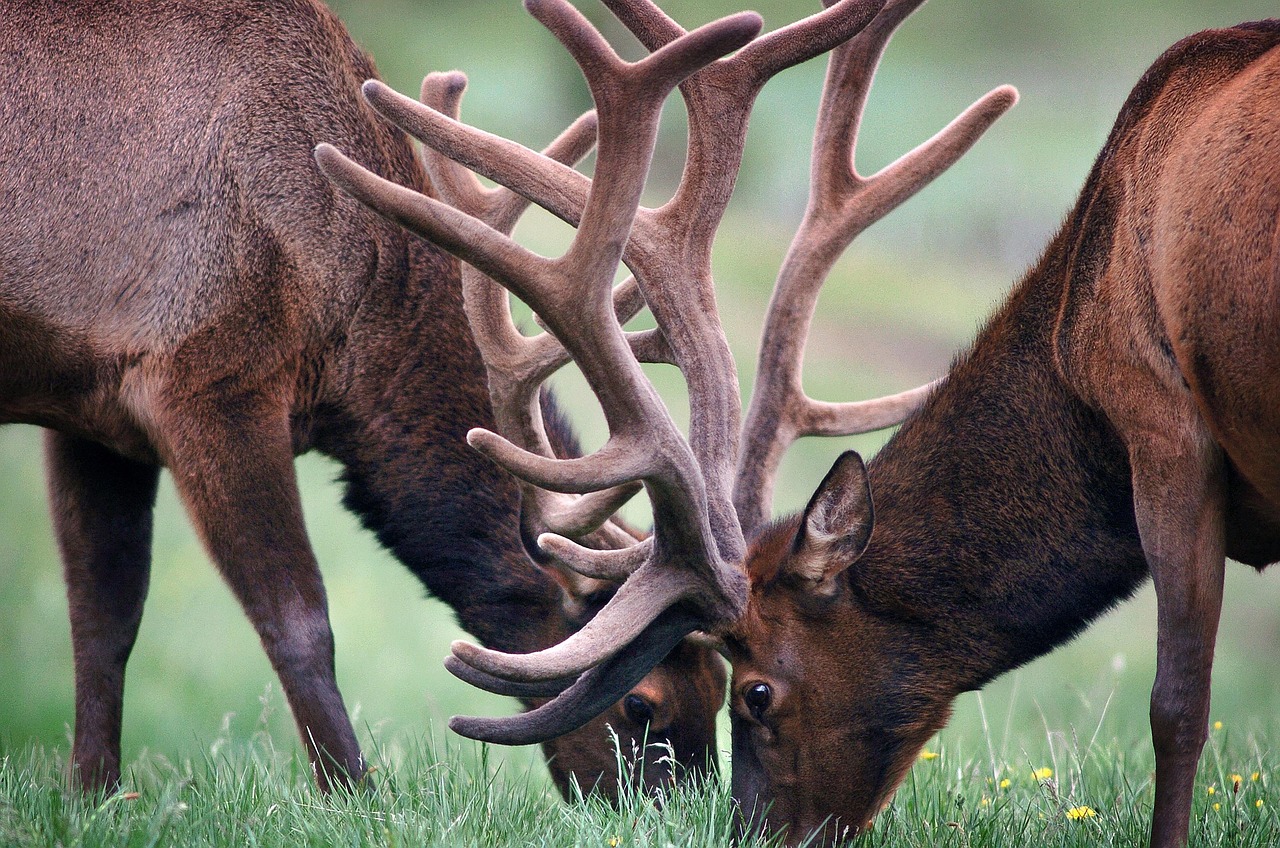
A trusted partner can make a shed hunt far more efficient when the property is large enough to divide intelligently. Two careful searchers can work parallel lines, cover opposite edges of a bedding area, or compare likely travel routes without stepping all over each other’s best ground.
For many hunters, a well-trained shed dog can be an even bigger advantage. Dogs can pick up antlers hidden in thick cover that human eyes walk past repeatedly. Whether you hunt solo or with help, the point is the same: cover valuable terrain methodically, not chaotically.