Lever-action rifles have earned their place in hunting camps through their balance, quick handling, and classic mechanical design. Many feel especially comfortable when moving through open timber, following a trail, or carrying a rifle for several hours. However, thick brush introduces challenges that are easy to overlook. Low branches can catch a long barrel, vines can interfere with movement, and bulky stocks may become awkward in confined spaces. Even a well-balanced rifle has limitations when visibility is poor, and every step requires attention. These eight lever guns illustrate how barrel length, weight, cartridge choice, and overall dimensions affect handling when the woods become dense.
1. Marlin 336

The Marlin 336 is a familiar deer rifle, commonly chambered in .30-30 Winchester, with a side-ejecting action and a tubular magazine. Many versions have a 20-inch barrel and weigh about 7 pounds, making them comfortable to carry along wooded trails. Its moderate length still becomes noticeable when saplings, thorny vines, and low limbs crowd the route. The lever can be cycled quickly, but brush does not make a safe shot easier. Keep the muzzle controlled, and pause to clear obstacles rather than forcing the rifle through tangled growth. Its familiar shape remains practical for many hunters.
2. Winchester Model 94
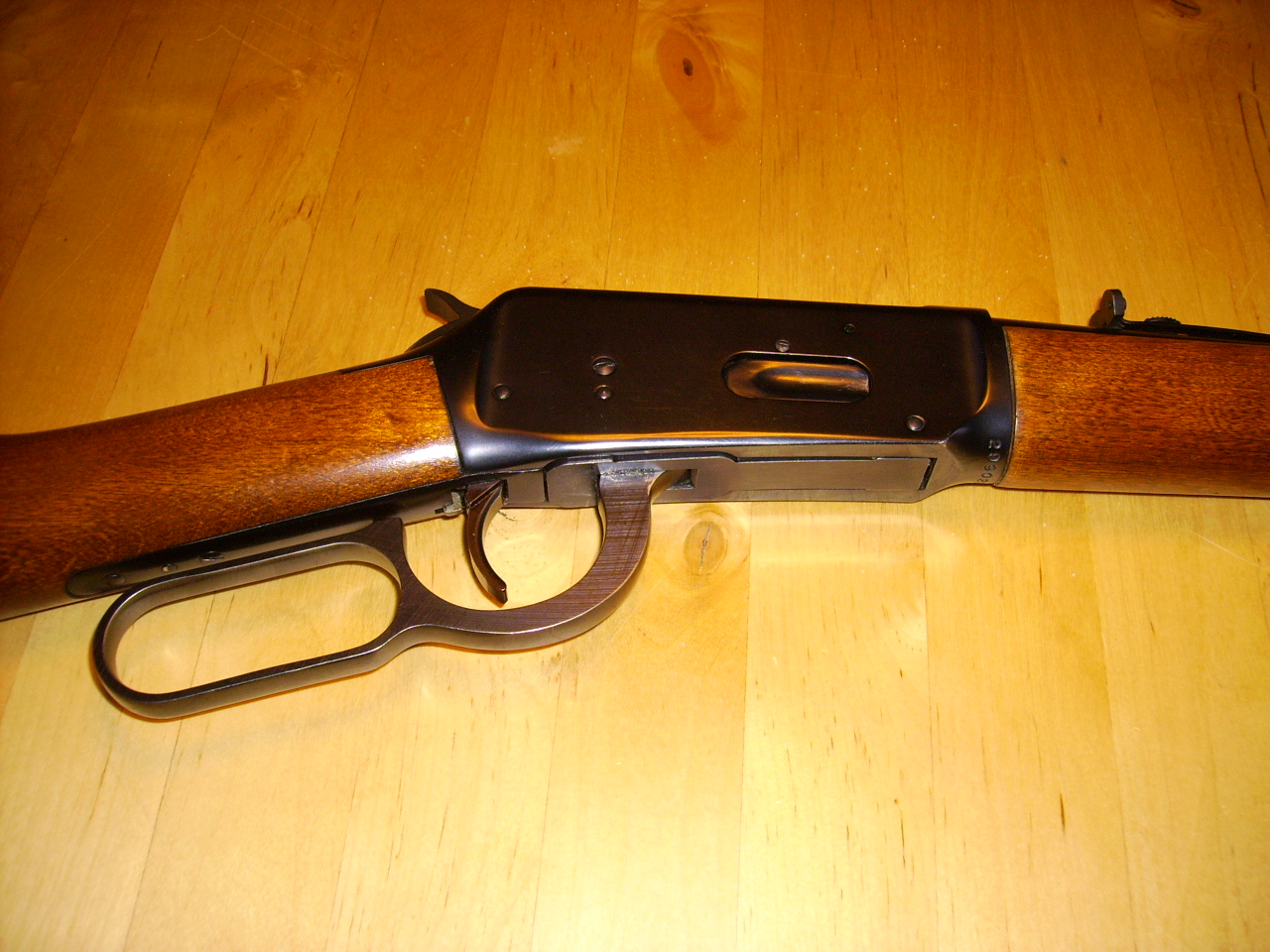
The Winchester Model 94 helped define the handy lever rifle, especially in .30-30 Winchester. Traditional versions often use a 20-inch barrel and weigh roughly 6.5 to 7 pounds, so they ride lightly on a sling and feel lively in the hands. That compact feel has limits: a protruding branch can snag the barrel or sling, while dense foliage can block a clear view of the target. The rifle’s slim profile helps, but it cannot make a cramped shooting lane safe. Move slowly, keep the muzzle pointed safely, and wait for an unobstructed view. Good handling still depends on space and visibility.
3. Henry Big Boy
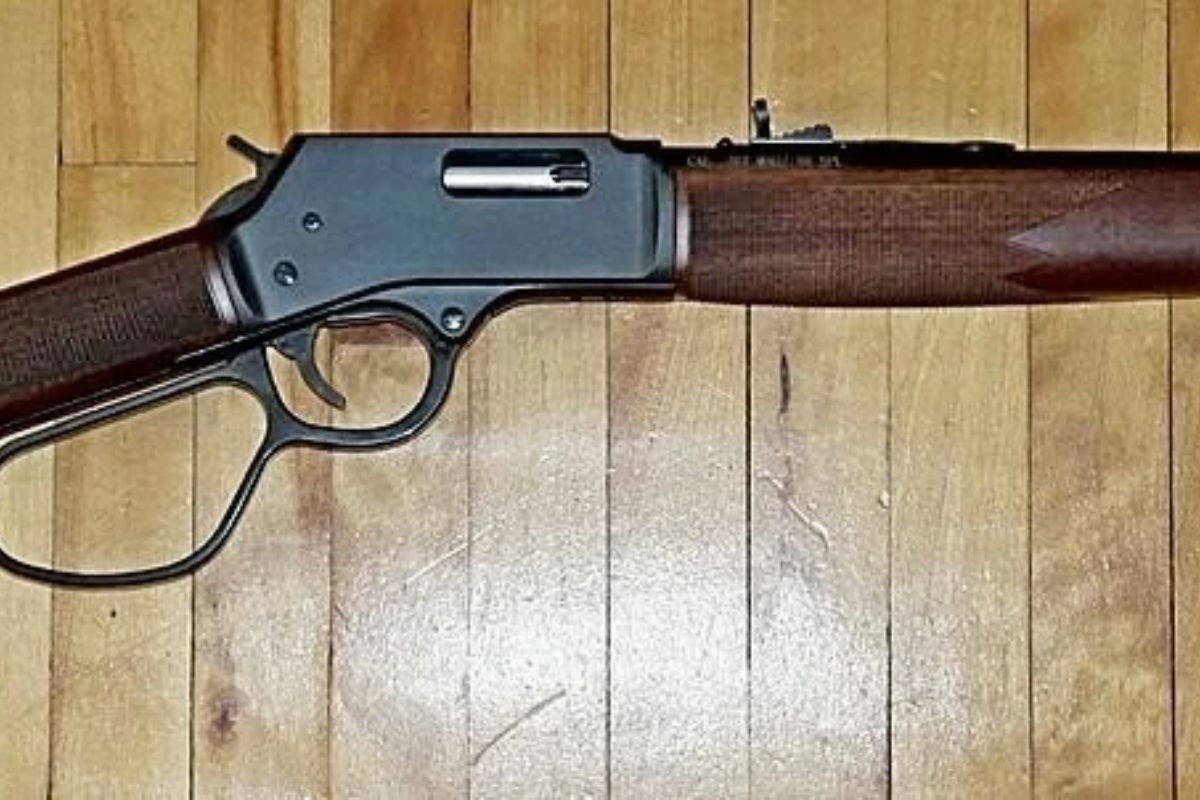
Henry’s Big Boy line offers a traditional look in cartridges such as .357 Magnum, .44 Magnum, and .45 Colt, depending on the version. Many models have a 20-inch barrel and weigh around 8 to 9 pounds, with brass or steel receivers adding to the solid feel. That weight can steady the rifle, yet it becomes tiring on a long walk and makes quick repositioning harder among tight branches. Its tubular magazine and rounded fore-end can also catch on vegetation. In thick brush, careful movement and a clear path matter more than a smooth action. A careful pace helps preserve its handling advantage.
4. Marlin 1895
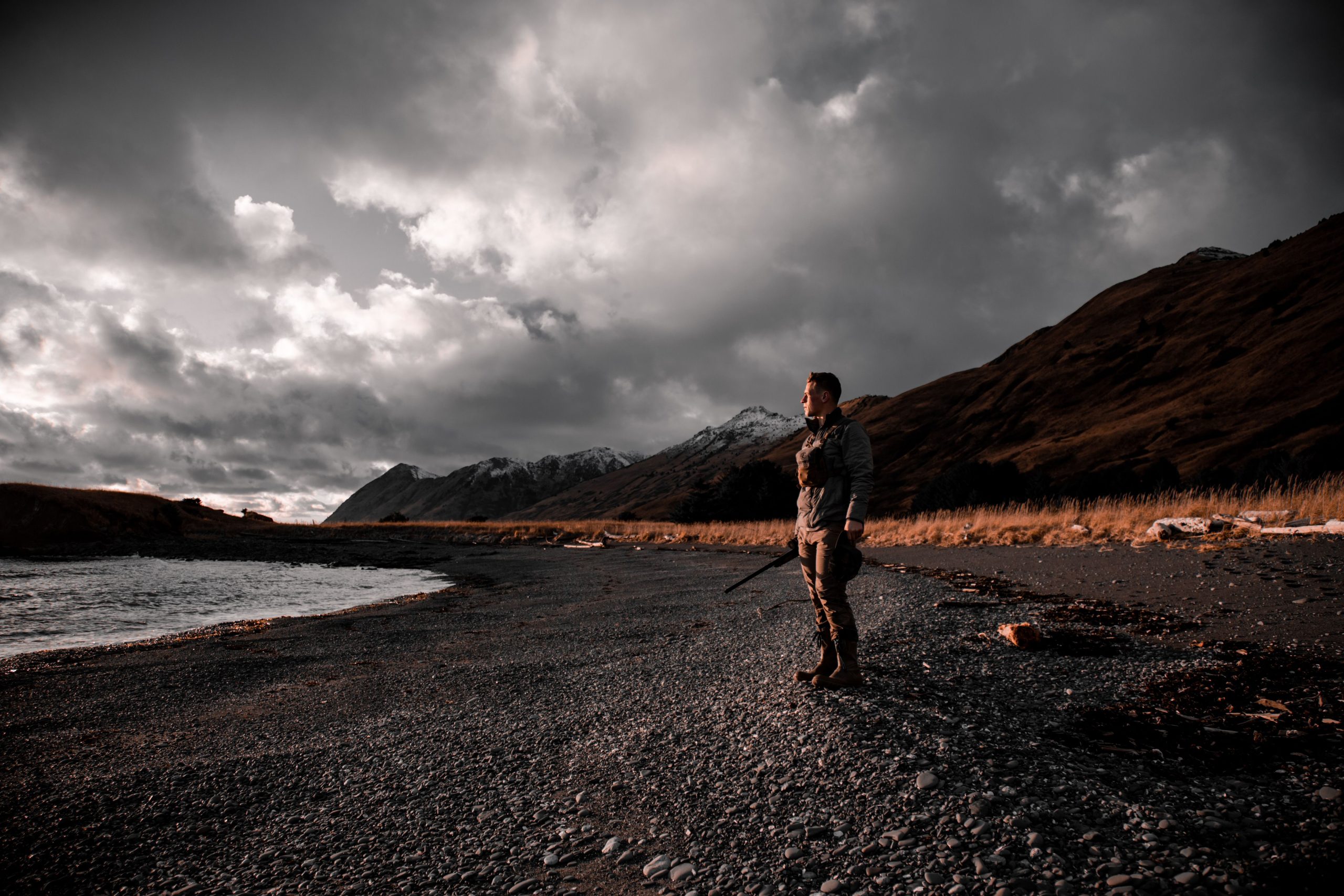
The Marlin 1895 family is built around powerful big-bore cartridges, most notably .45-70 Government. Barrel lengths vary by model; common hunting versions use barrels around 18.5 to 22 inches and can weigh roughly 7 to 8 pounds. The larger cartridge suits some large-game applications, but the rifle’s weight, recoil, and overall bulk may feel less forgiving when branches restrict movement. Thick cover also makes it harder to identify what lies beyond a target. Keep shots deliberate, confirm a safe backstop, and avoid treating a short barrel as permission to rush.
5. Winchester Model 1886
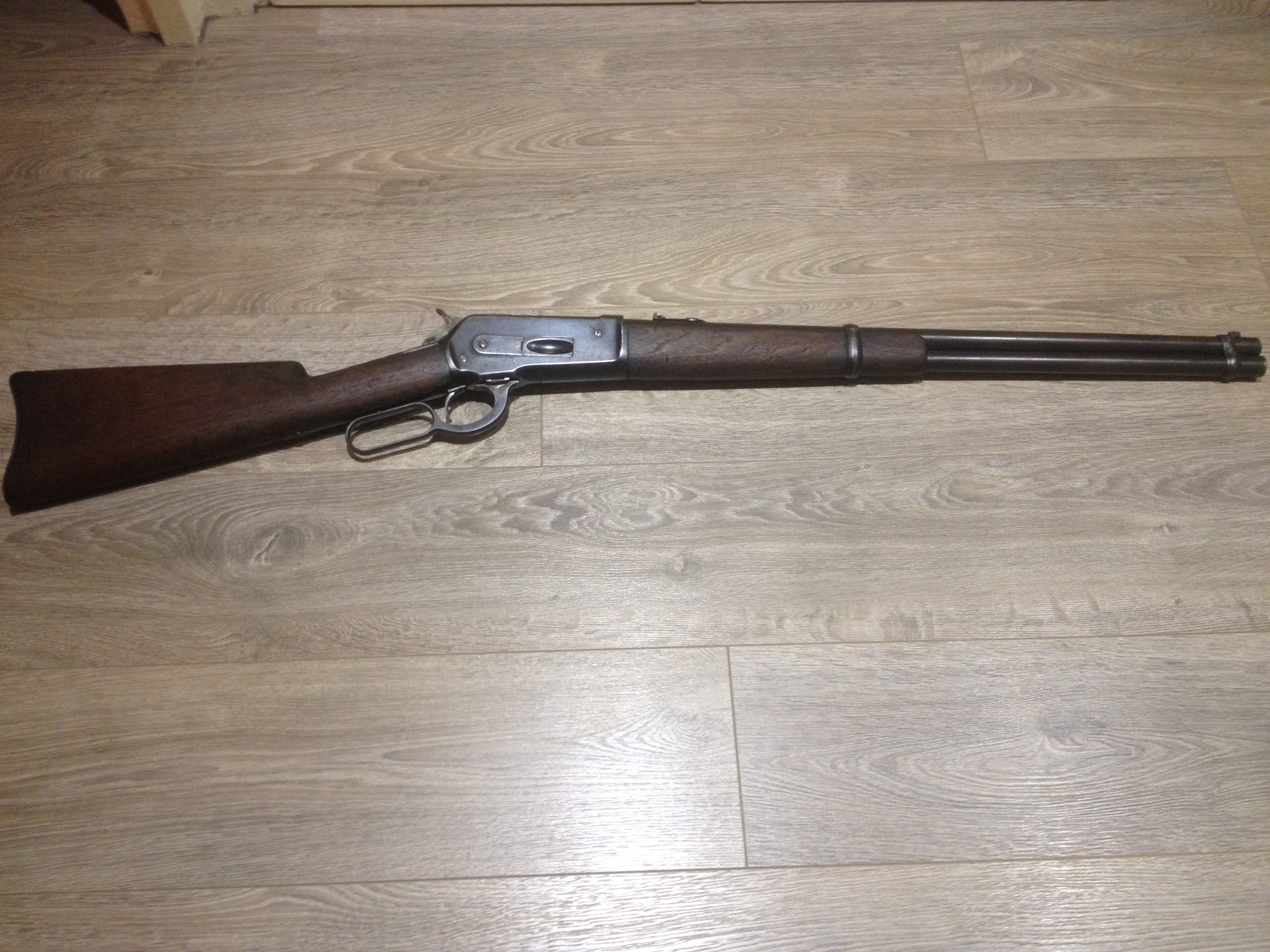
The Winchester Model 1886 was designed for larger cartridges and has a stronger, more substantial action than many classic deer rifles. Modern reproductions vary, but some hunting versions use barrels near 24 inches and weigh around 8 pounds or more. That extra length and mass can feel reassuring in open country, yet become awkward where alder stems, fallen limbs, and vines crowd the trail. Its substantial build is not a flaw; it simply reflects a different purpose. In dense cover, plan your route, keep the rifle secured while climbing, and never push through brush with the muzzle leading.
6. Browning BLR
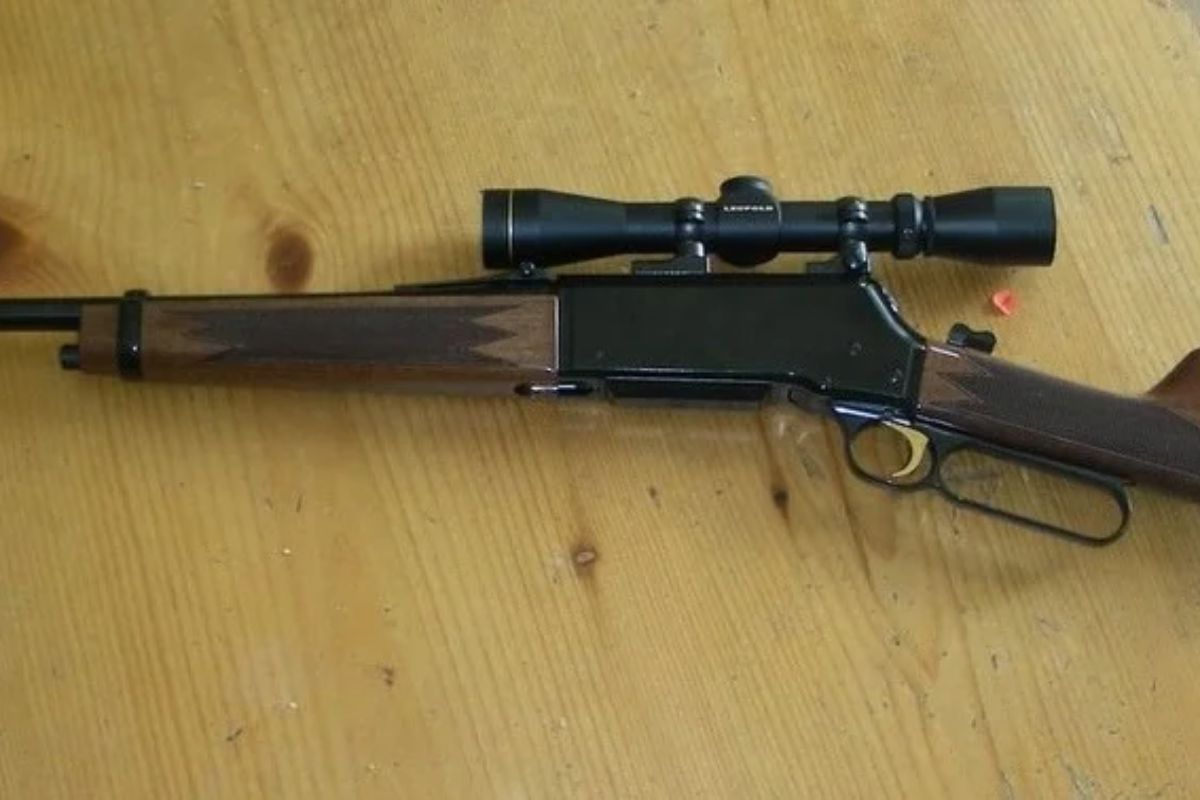
The Browning BLR stands apart from traditional tube-fed designs because its detachable box magazine allows many versions to use pointed bullets. Chamberings and dimensions vary widely, but common hunting models have barrels around 20 inches and weigh roughly 6.5 to 7.5 pounds. Its compact handling can be useful on uneven woodland trails, although a scope, sling, or projecting magazine may snag on tight vegetation. The BLR still demands patience. Check that the magazine is secure, maintain muzzle awareness, and wait until branches no longer obstruct the sight picture.
7. Savage Model 99
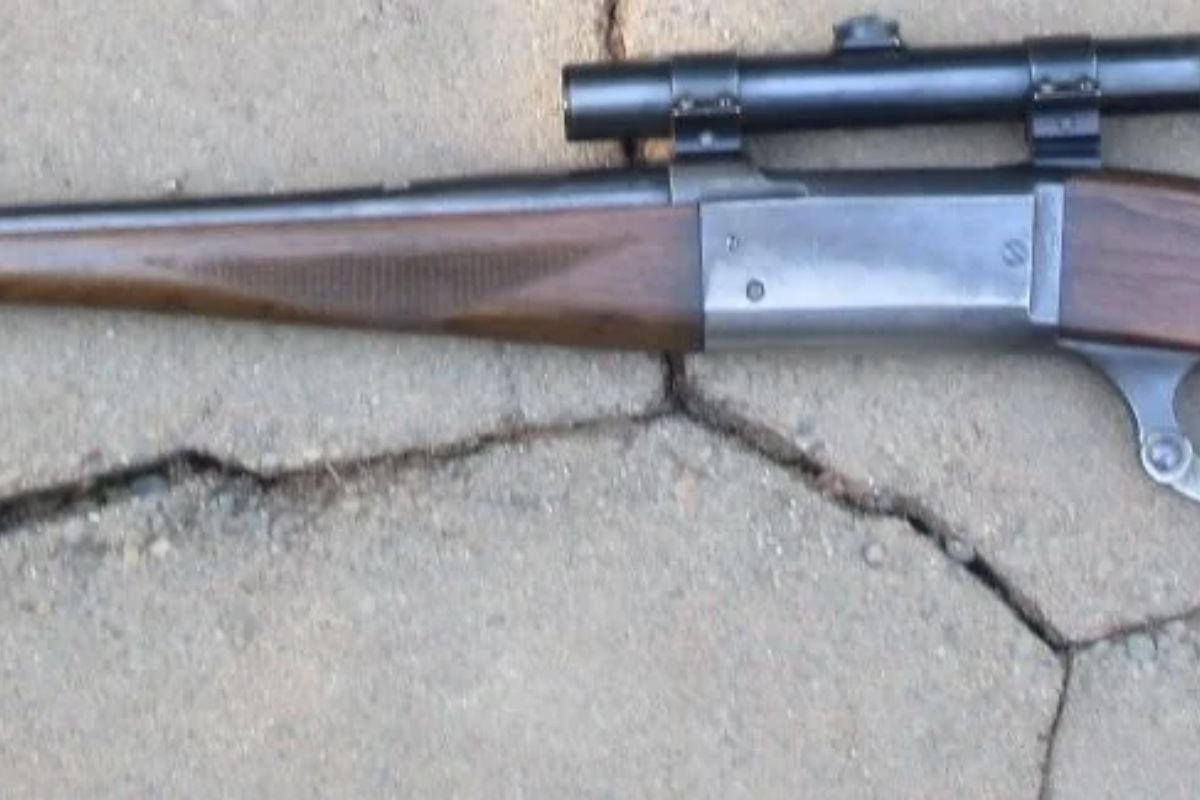
The Savage Model 99 is a classic lever-action design known for its internal rotary magazine on many versions and chamberings that included .300 Savage. Production models differ, but many hunting rifles have barrels around 22 to 24 inches and weigh roughly 7 to 8 pounds. Its smooth lines carry well across open woods, yet a longer barrel can catch on close branches and make turning in a narrow gap cumbersome. Older rifles also deserve careful condition checks before use. In thick brush, do not hurry a shot through leaves; identify the target fully and ensure the area beyond it is safe.
8. Rossi Model 92
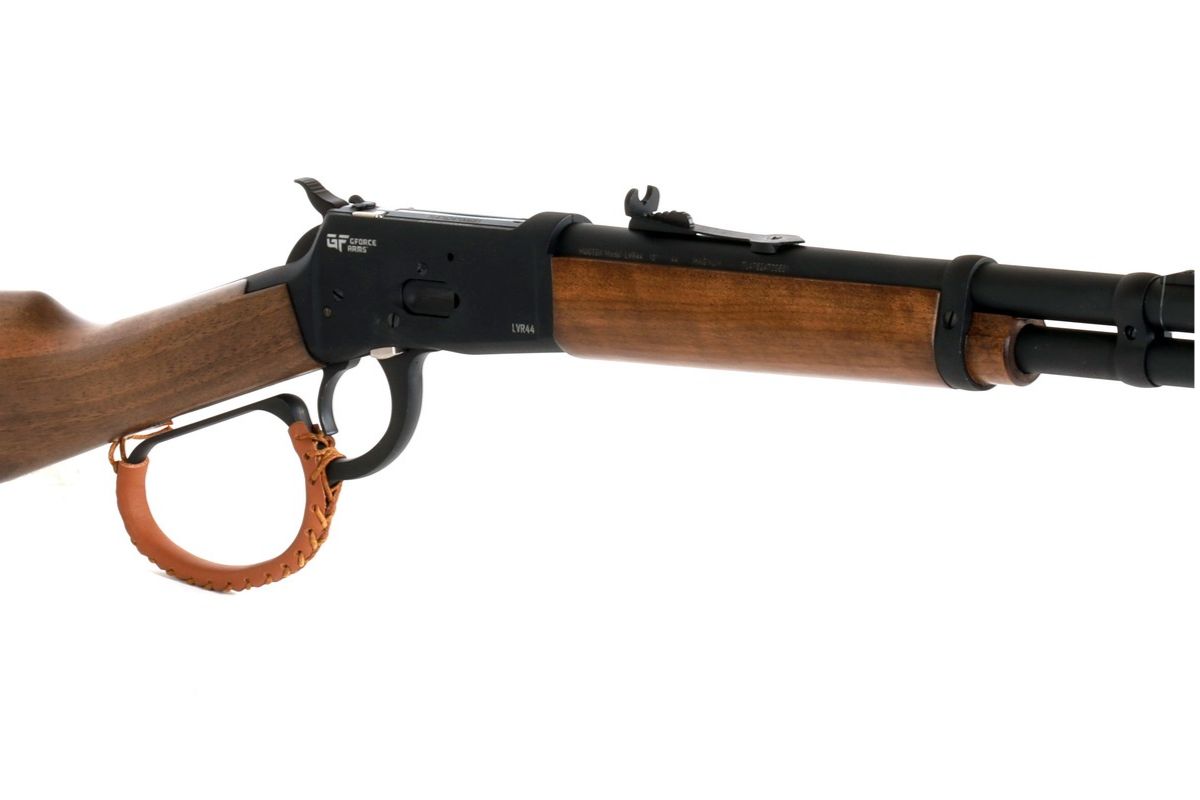
The Rossi Model 92 is a modern interpretation of the Winchester 1892 pattern, commonly offered in pistol cartridges such as .357 Magnum and .44 Magnum. Depending on the version, barrel lengths often range from about 16 to 20 inches, with weights near 5.5 to 6.5 pounds. That light, short format can feel nimble on a narrow trail, but a compact rifle still catches on briars and cannot see through tangled foliage. Small dimensions are no substitute for safe judgment. Keep the muzzle controlled, avoid forcing the action against debris, and take a shot only when the target and its background are clear.