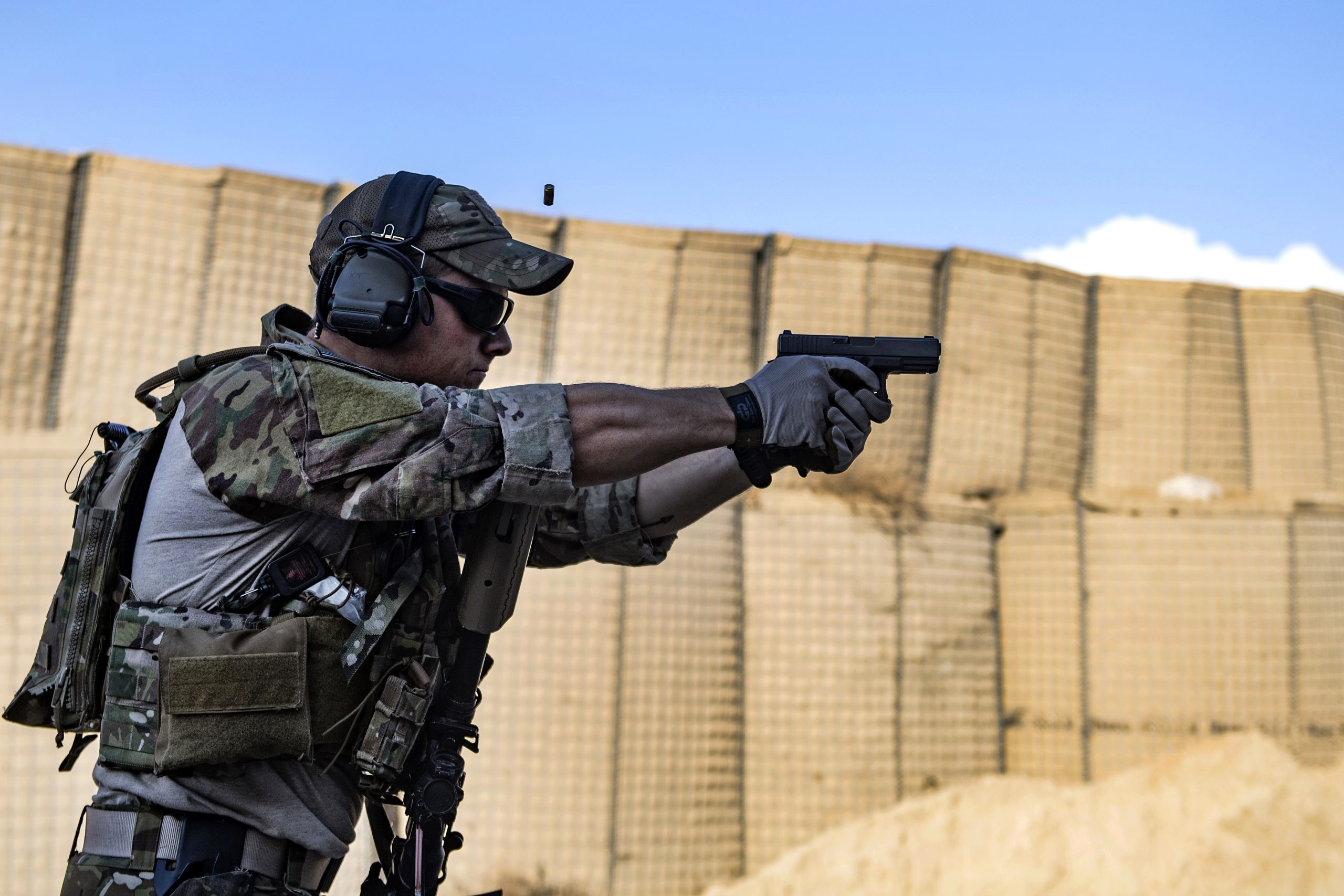
Pistol design has changed dramatically over the past 150 years. Features that once represented major engineering breakthroughs have gradually disappeared, replaced by simpler manufacturing methods, improved materials, and changing preferences among firearm owners. Some innovations were abandoned because they were expensive or complicated, while others became so familiar that their original importance faded from view. Looking back at these eight features reveals how inventors solved practical problems and how yesterday’s cutting-edge ideas sometimes became little more than footnotes in firearms history.
1. Toggle-Lock Action
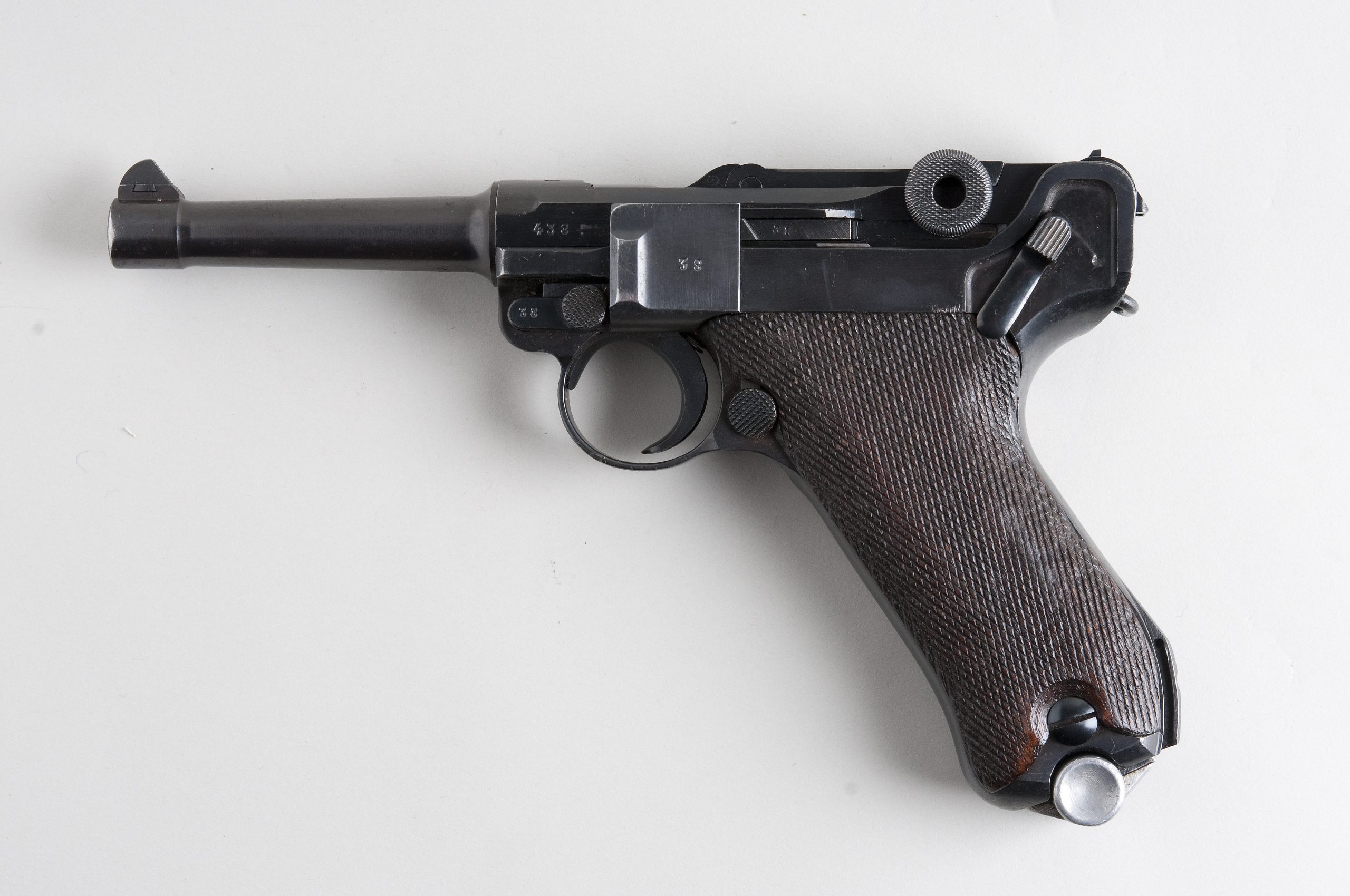
In the late 19th century, the toggle-lock action made the Luger P08 instantly distinctive. Designed by Georg Luger and adopted by the German military in 1908, it used jointed links that rose and folded during cycling rather than a conventional sliding bolt. The mechanism helped establish the pistol’s recognizable profile, but it demanded close-fitting parts and careful maintenance. As simpler locked-breech systems became easier to manufacture, the toggle design faded from service use. Its engineering legacy remains visible in one of the most recognizable military pistols of the 20th century.
2. Tip-Up Barrel
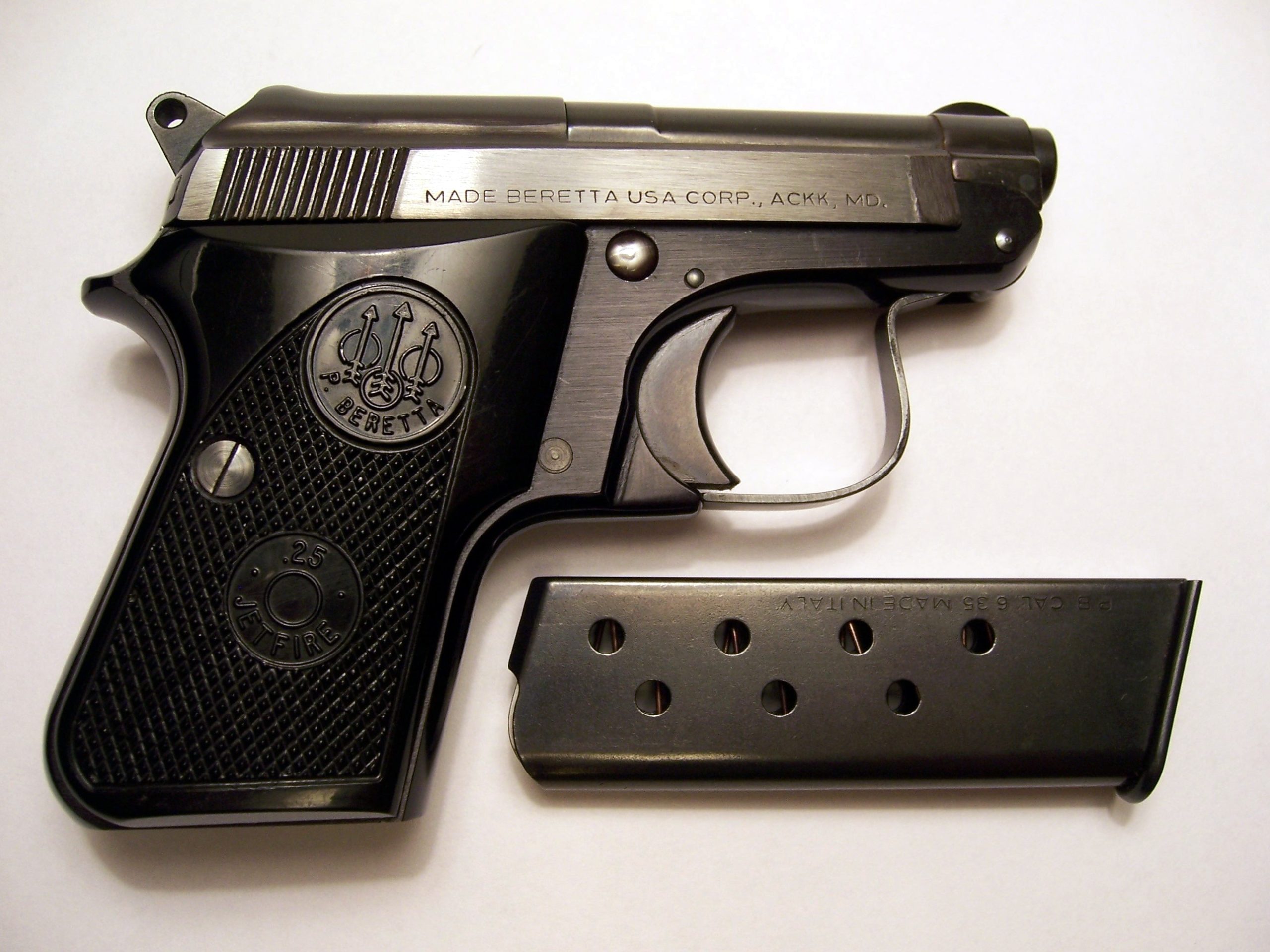
Before modern handling habits became standard, a tip-up barrel offered a different way to load a small pistol. The Beretta 950, introduced in 1952, allowed its barrel to pivot upward so a cartridge could be placed directly into the chamber without first retracting the slide. That was especially useful on a compact, lightweight pistol with a stiff slide. The arrangement did not replace ordinary loading systems, and it remained associated with a limited family of small pistols. Today, it is a niche solution rather than a common feature on new designs.
3. Heel-Mounted Magazine Release
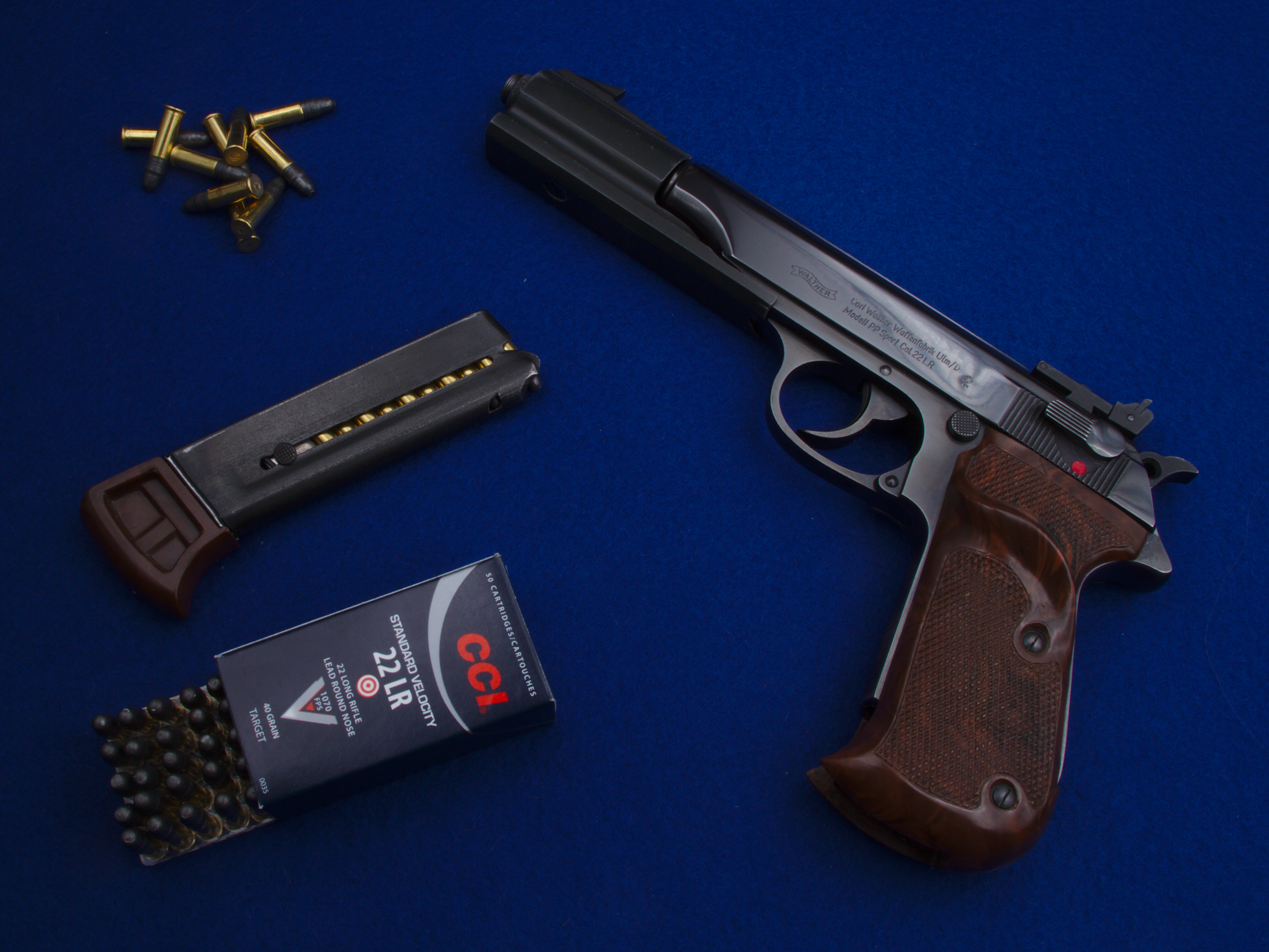
Many early European pistols placed the magazine catch at the bottom of the grip rather than beside the trigger. This heel-mounted release appeared on designs such as the Walther PP, introduced in 1929, and several later service pistols. It helped reduce the chance of accidentally releasing a magazine while handling the gun, but changing magazines usually took longer than with a modern push-button catch. As reload speed and standardized controls became more important, side-mounted releases spread widely. The heel catch survives mainly on selected compact and traditional designs.
4. Magazine Disconnect Safety
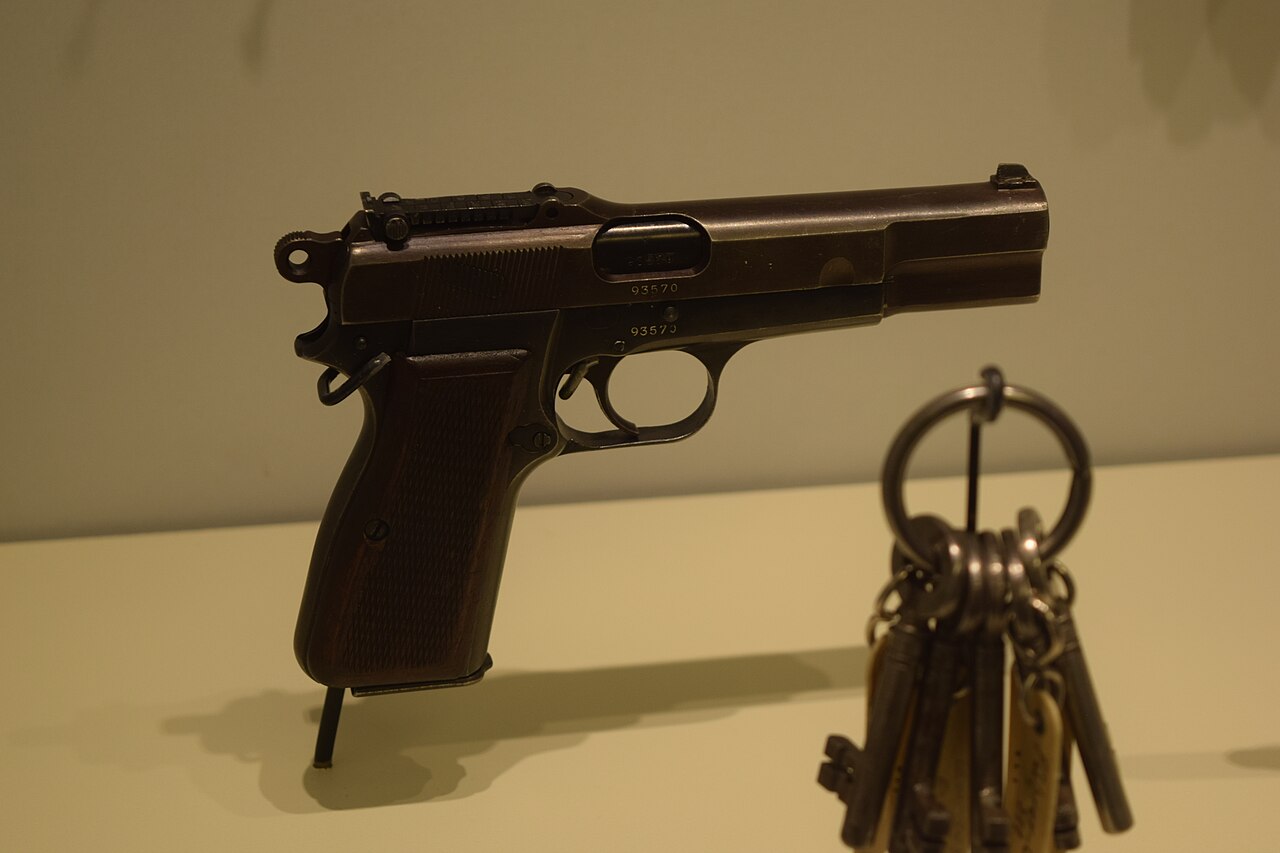
A magazine disconnect prevents a pistol from firing when its magazine is removed, even if a cartridge remains in the chamber. The feature became familiar on some service pistols, including the Browning Hi-Power, which entered production in 1935. Supporters valued the added layer of control during handling, while critics noted that it could stop the pistol from firing if a magazine was lost or damaged. It never became universal, and many modern designs omit it. Its history shows how safety features can divide designers even after decades of use.
5. Detachable Shoulder Stock
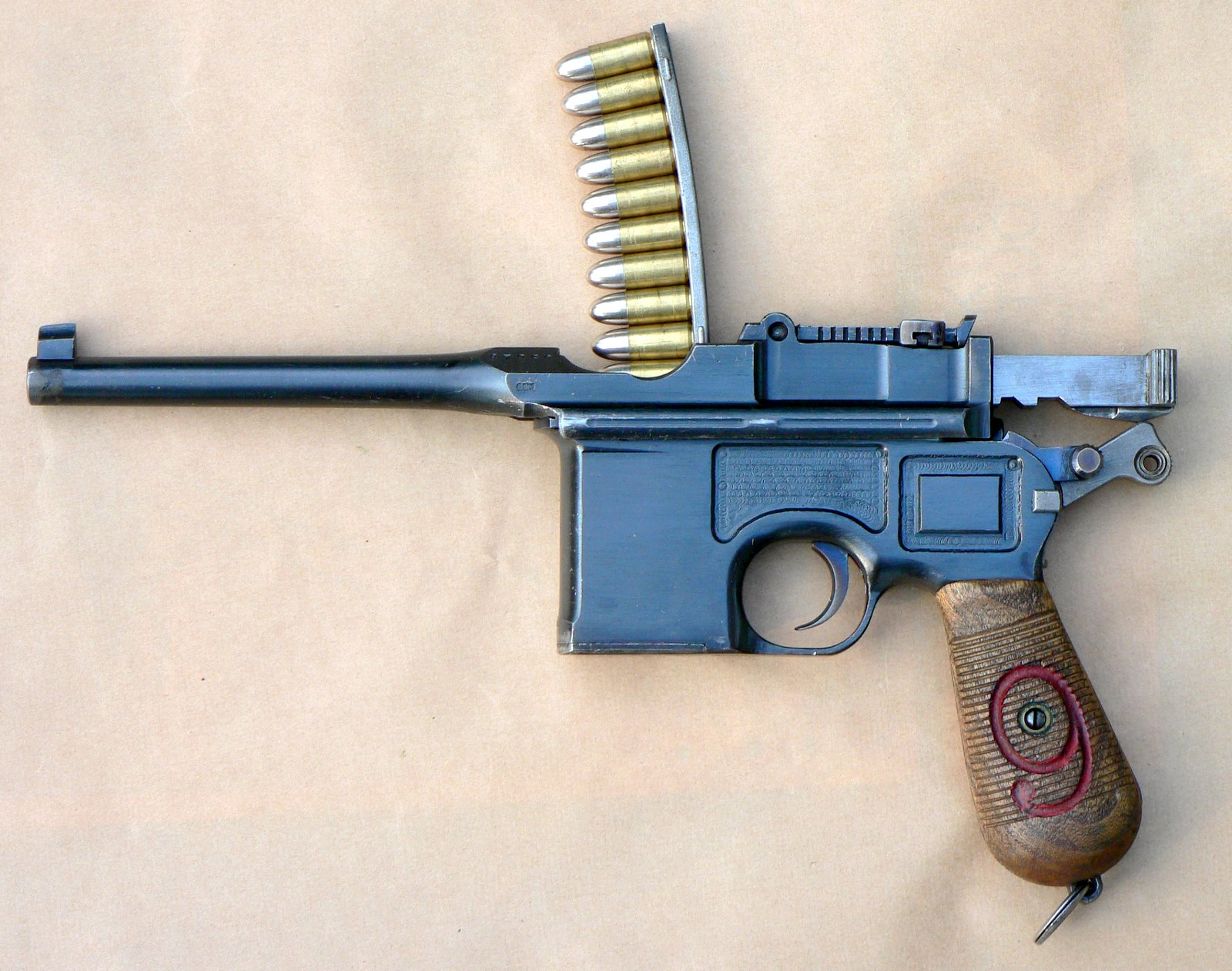
Some early military pistols could accept a detachable shoulder stock, turning a handgun into a more stable, carbine-like arm. The Mauser C96, introduced in 1896, is among the best-known examples; its wooden holster could attach to the grip as a stock. This gave the pistol a longer, steadier support point without requiring a separate long gun. The arrangement added bulk and was less convenient than carrying a holster alone, so it gradually lost favor as compact submachine guns and carbines developed. Collectors now recognize it as a striking feature of early military design.
6. Lanyard Ring
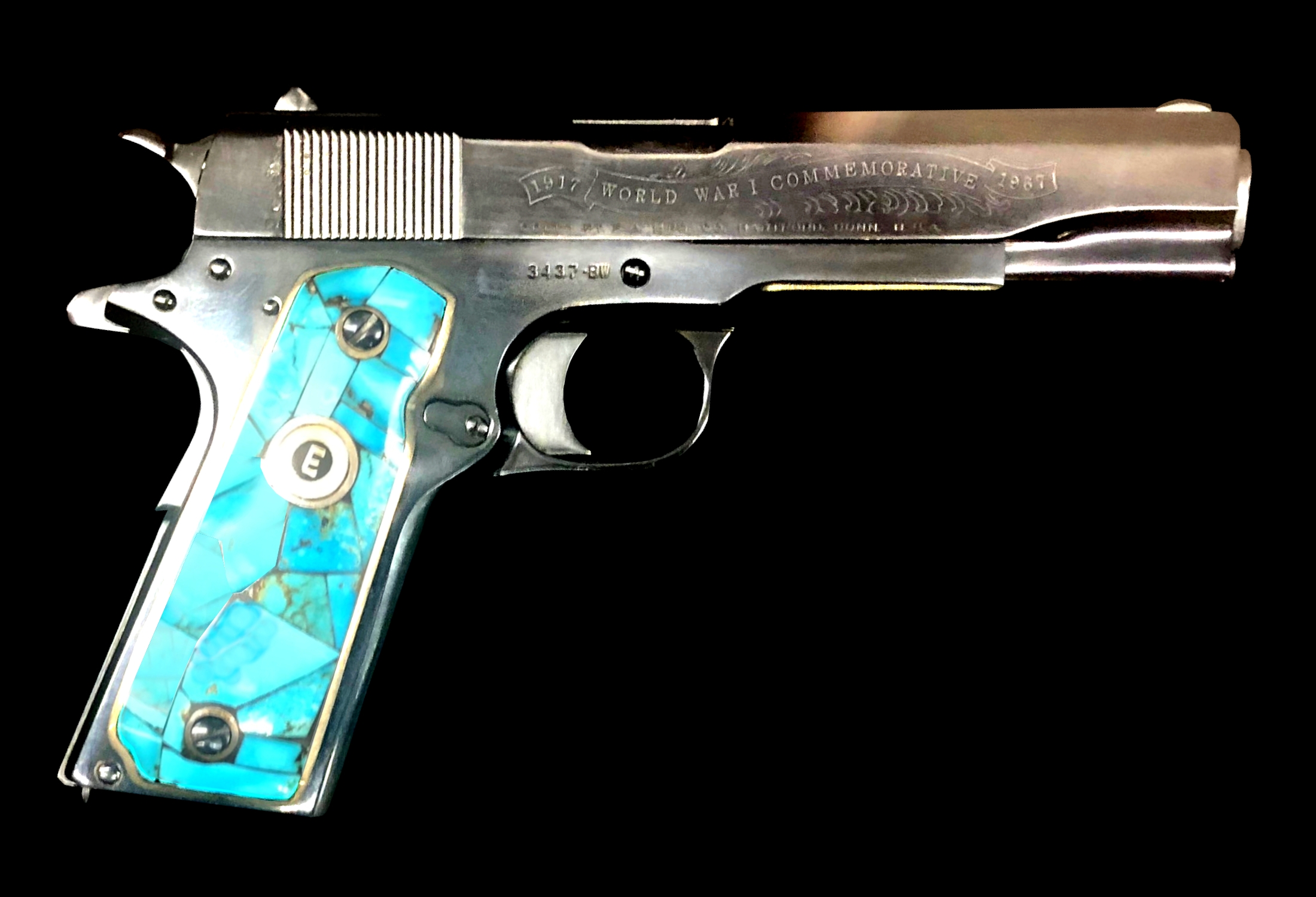
A small metal ring at the base of a military pistol grip once served an important practical purpose: it let a soldier secure the firearm to a lanyard and reduce the risk of losing it. The M1911, adopted by the United States in 1911, included a lanyard loop on its frame, reflecting an era when mounted troops and field conditions made retention a concern. As equipment and carry practices changed, the ring became less central to everyday use. It still appears on some military-style pistols, but many civilian models leave it out, making it easy to overlook today.
7. Squeeze-Cocking Mechanism
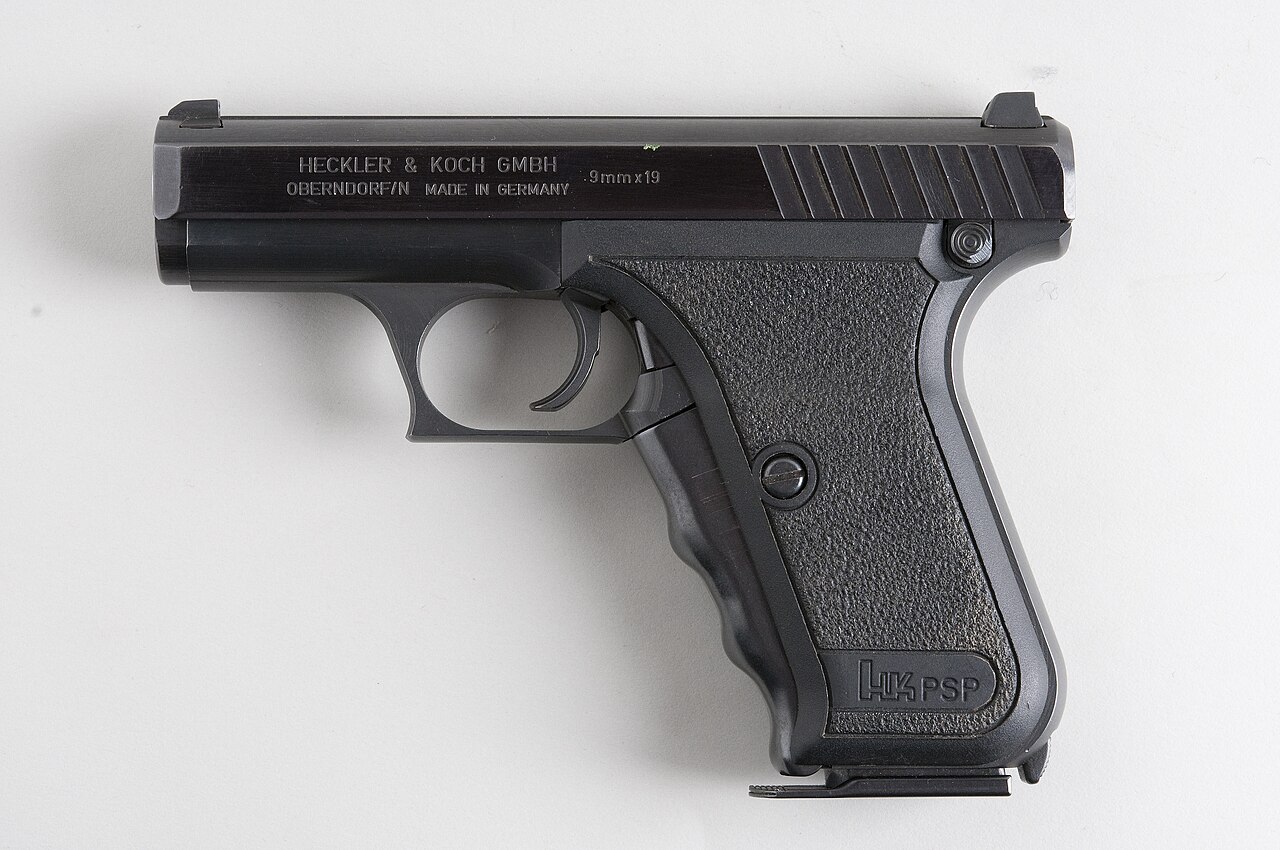
The Heckler & Koch P7, introduced in 1976, used a front grip lever that had to be squeezed to cock the firing mechanism. Releasing the lever decocked the pistol, giving the design an unusual combination of readiness and a distinct safety procedure. The system also helped keep the pistol slim, but it added mechanical complexity and made the gun feel different from more familiar trigger-and-slide designs. The P7 family earned a strong following, yet the squeeze-cocking idea never spread widely. Today, it is remembered as a bold, specialized approach rather than a mainstream standard.
8. External Loaded-Chamber Indicator
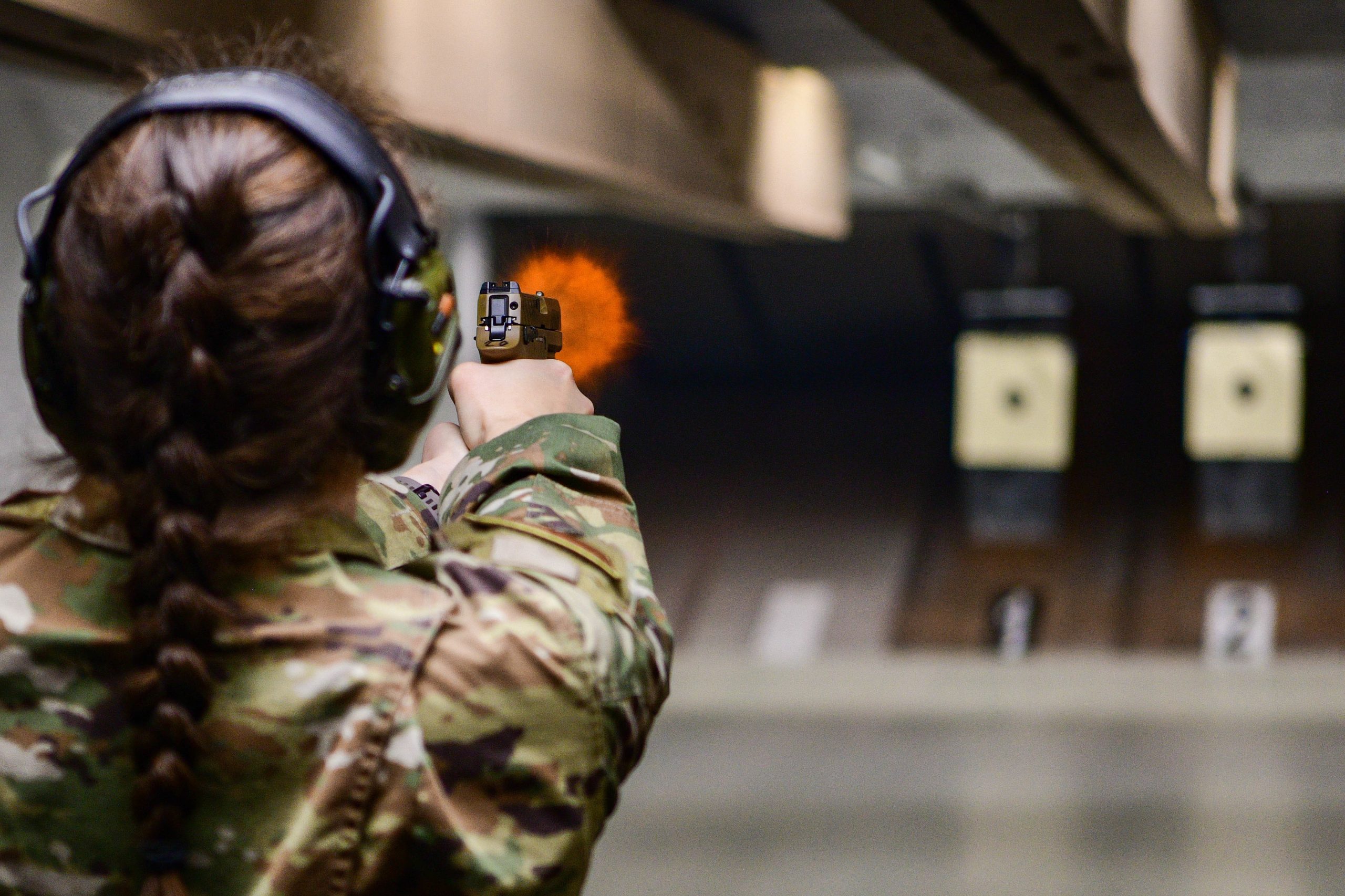
Before small visual indicators became common on newer pistols, some designs used an exposed pin or other mechanical signal to show that a cartridge was chambered. The idea addressed a simple question: could the user check the pistol’s status without pulling back the slide? Designs varied, and not every indicator was easy to see in poor light or under stress. As manufacturing improved, some makers integrated clearer indicators into newer models, while others avoided the added parts. The external style is now less familiar, although the underlying safety concern remains important.