A shotgun that once sat unnoticed in a shop can become an intriguing discovery decades later. Changing tastes, unusual engineering, discontinued production, and shifting hunting traditions all influence which older firearms attract collectors. Some models were criticized for their weight, awkward handling, unconventional mechanisms, or appearance, while others simply arrived when buyers preferred something more familiar. Estate sales can bring these overlooked designs back into view, although condition, originality, and documented history matter more than nostalgia alone. Here are 11 shotguns whose unusual reputations and place in firearms history help explain their lasting collector interest.
1. Winchester Model 1911 SL
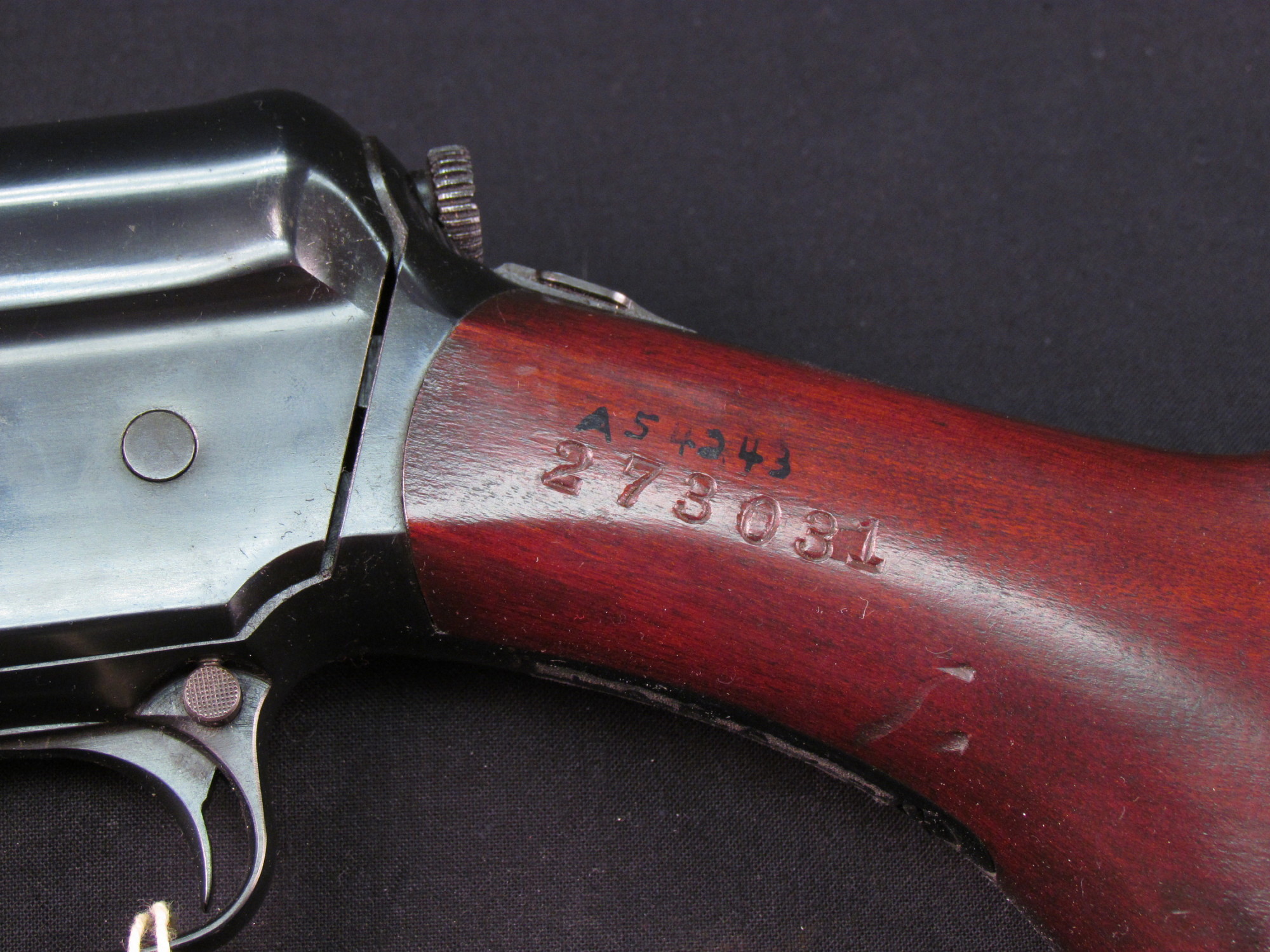
Winchester’s Model 1911 SL arrived in 1911 as the company’s answer to self-loading shotguns, but its unusual handling requirements damaged its reputation. Patent restrictions meant it lacked a familiar bolt handle and used a ribbed barrel that had to be moved manually. Unsafe loading practices led to the nickname “Widowmaker,” making it a model to study cautiously rather than casually shoot. About 83,000 were made before production ended in 1925. Today, its story attracts historical interest, but any example should be assessed by a qualified gunsmith.
2. Winchester Model 1887
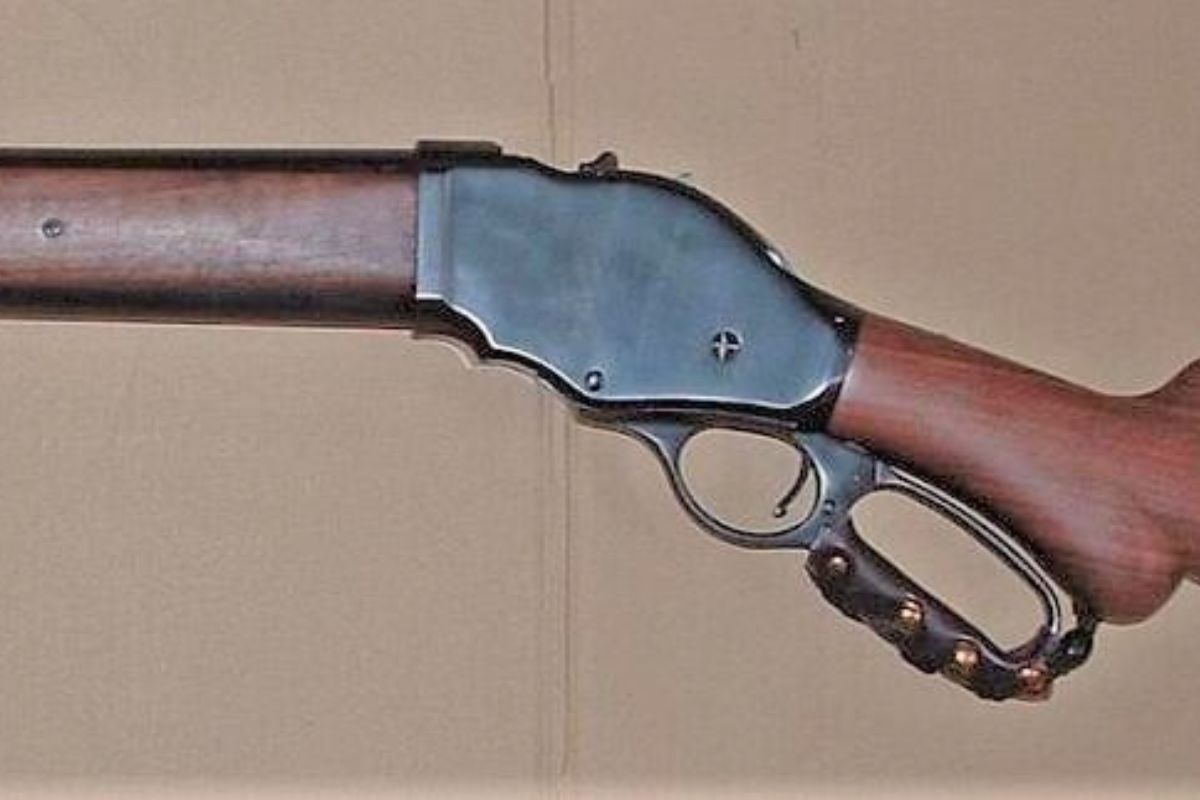
The Model 1887 is unusual because it uses a lever action, a mechanism later overshadowed by pump guns. John Browning designed it at Winchester’s request, and it appeared in 1887, when the company still favored levers. Its action felt different from the pump guns that later dominated, and it gradually lost ground as tastes changed. Roughly 65,000 were produced through 1901, linking surviving examples to an experimental period in sporting arms. Collectors value the unusual mechanism and period details, while originality and professional inspection matter more than a seller’s claims.
3. Remington Model 10
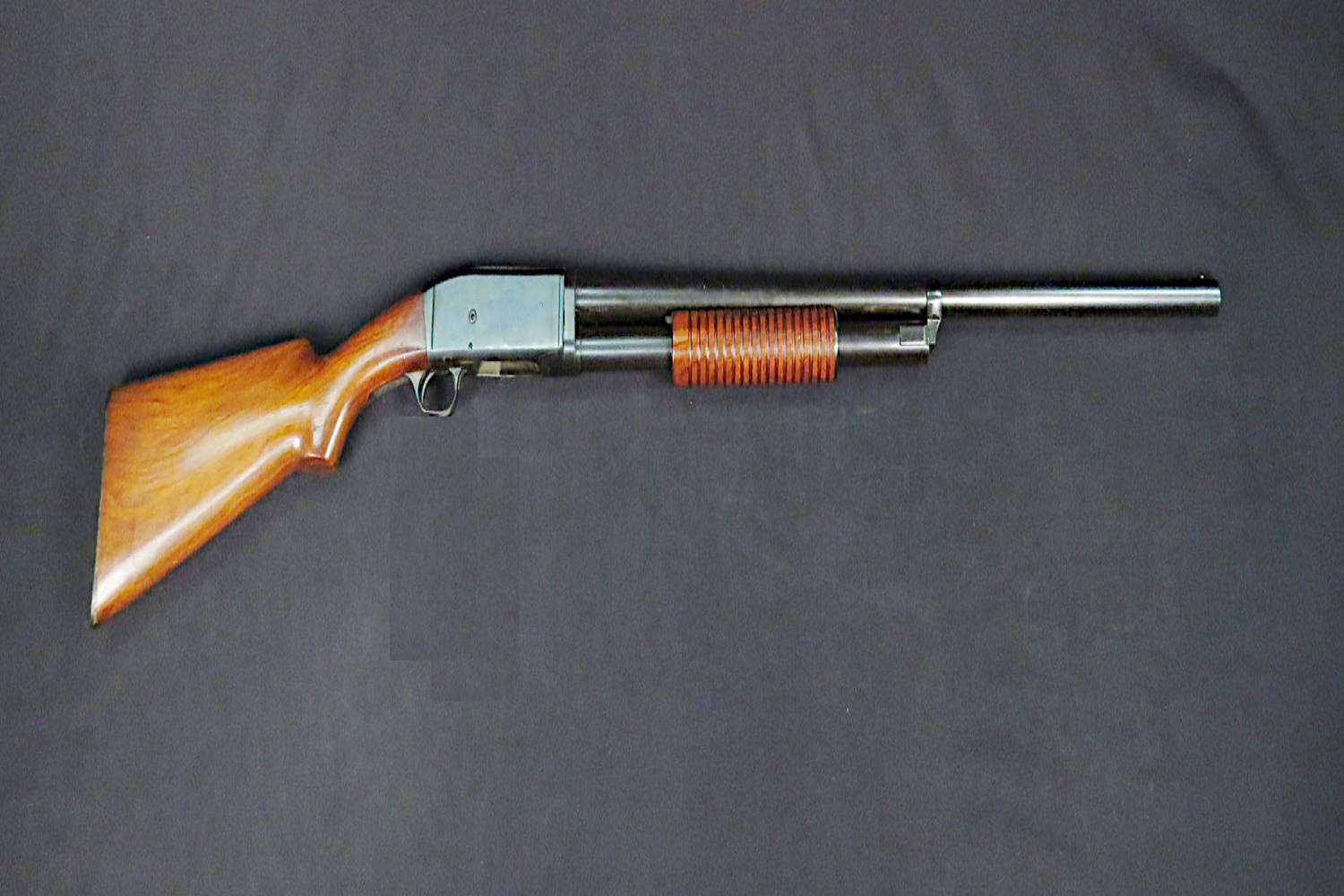
Remington’s Model 10 offered a bottom-loading, bottom-ejecting pump action when it appeared in the early 1900s. That arrangement kept the receiver’s side closed, but made the gun less familiar than designs that ejected through the side. Some versions later served in military and police roles, giving it a history beyond hunting. Its uncommon layout can make it an interesting estate-sale find, especially when original markings remain clear. Confirm the model and have its condition assessed professionally rather than assuming age or military-style features automatically make it valuable.
4. Savage Model 720

The Savage Model 720 is easy to overlook because its name is less celebrated than the Browning Auto-5, though both share a long-recoil design heritage. Savage produced the 720 under license, giving American buyers another version of a proven semiautomatic pattern. Its squared receiver and practical finish may seem plain beside ornate sporting guns, but that understated look is part of its appeal today. Versions differ by period and condition, so verify markings and parts before judging originality. A familiar mechanism under a less famous name can reward careful research.
5. Stevens Model 520
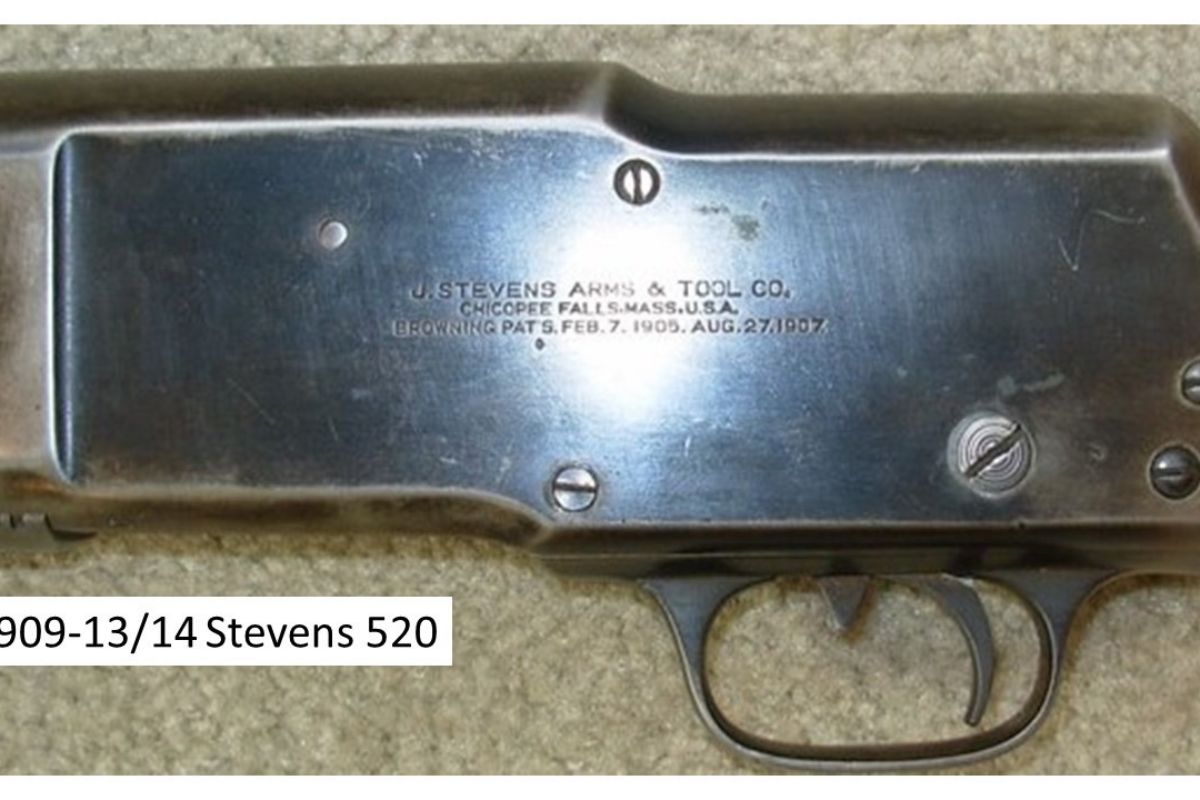
The Stevens Model 520 brought John Browning’s pump-action ideas to a more affordable market. Its receiver has a distinctive rounded profile, and the design appeared in several forms, including versions sold under Sears branding. Buyers seeking a working shotgun could overlook its unusual lines in favor of familiar competitors. That same profile now helps collectors recognize it among older sporting arms. The 520 family spans different configurations and production years, so one feature alone cannot establish model or value. Check markings, originality, and condition before drawing conclusions.
6. Stevens Model 620

The Stevens Model 620 developed the earlier 520 pattern with a smoother, streamlined receiver, giving it a different look from many contemporary pump shotguns. It appeared in several configurations, and some examples served in military or guard roles during the 20th century. Because its name is less prominent than those of major competitors, a sporting version may be passed over at an estate sale. Military associations should be verified through markings and documentation. Wear, replaced parts, and altered finishes can greatly affect collector interest and value.
7. Sears Ranger Model 30

Store-brand shotguns are often overlooked because the receiver name may differ from the original manufacturer. The Sears Ranger Model 30 is associated with the Stevens 520/620 family, showing how a department-store label can hide a recognizable design. These guns were sold as practical tools rather than prestige pieces, so plain wood and modest finishes are common. The challenge today is identifying the exact variant, not relying on the store name alone. Clear markings, correct parts, and documented history matter more than a story repeated at the sale.
8. Remington Model 58
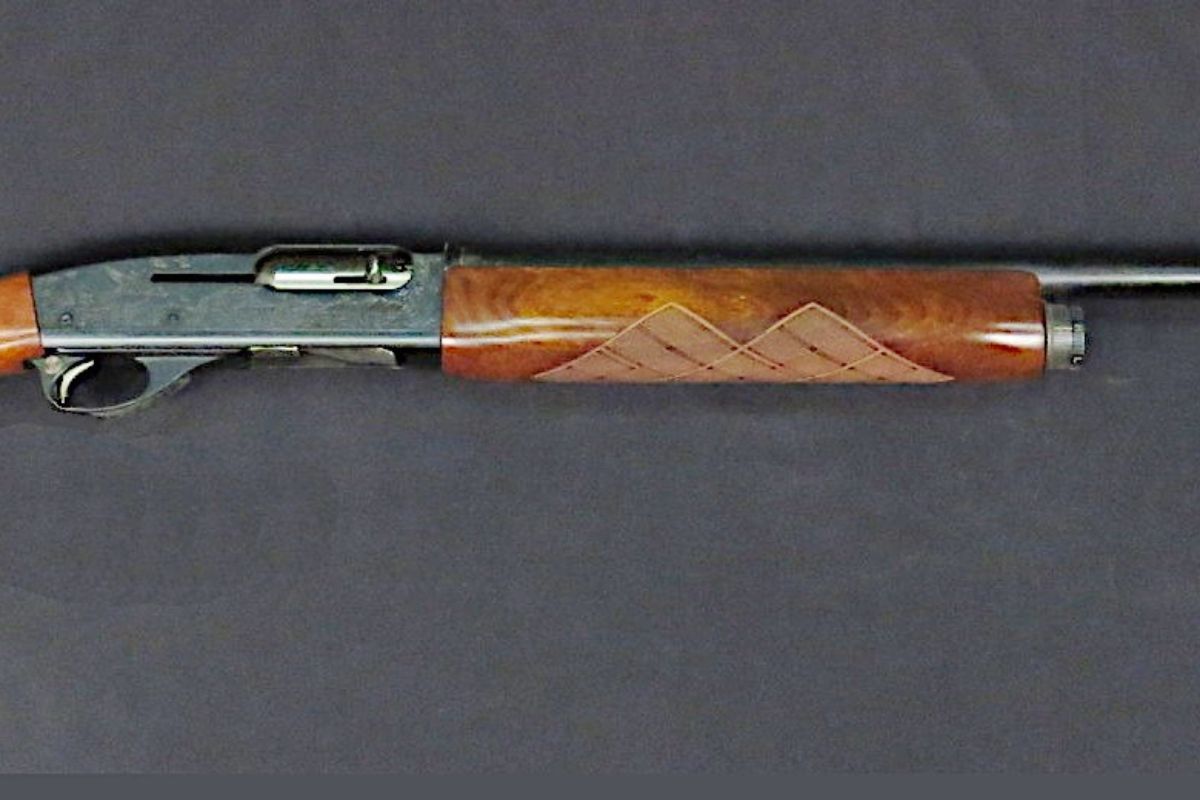
Remington’s Model 58 was a gas-operated semiautomatic introduced in the 1950s, when makers were still refining reliable gas systems for shotguns. Its distinctive design later gave way to newer developments, leaving the 58 as a less common chapter in the company’s history. Hunters who preferred simpler or more familiar actions may have passed it by, while collectors appreciate its place in autoloader evolution. Since age and mechanical condition vary, have a qualified gunsmith inspect any example before use, and confirm the model from its markings.
9. Browning B-2000

Browning’s B-2000 arrived in the 1970s with a gas-operated action unlike the company’s famous Auto-5. It never achieved the same recognition, partly because buyers already associated Browning with the humpback profile. That makes the B-2000 an interesting find for collectors looking beyond the best-known models. Features can differ by version, so identify it by markings and configuration rather than a seller’s memory. A complete example with sound wood and an unaltered finish is generally more compelling than one with undocumented repairs or missing parts.
10. Mossberg 200K

Mossberg’s 200K is a less celebrated pump shotgun from a company known for practical sporting firearms. Its utilitarian styling favors function over luxury, so it can seem unremarkable beside engraved doubles or famous repeating models. That modest reputation is why it may be overlooked in a mixed estate collection. Collectors of everyday American sporting arms may value an intact example as a record of mid-century design. Confirm the model and gauge from markings, inspect for alterations, and remember that rarity alone does not guarantee strong demand.
11. Marlin Model 55 Goose Gun

Marlin’s Model 55 Goose Gun stands apart because it was built for a specialized hunting role rather than general use. Its long barrel and single-shot, bolt-action format made it an unusual choice for waterfowlers, and that difference prompts curiosity today. It belongs to a period when manufacturers tried designs for particular hunting needs. At an estate sale, check the exact variant and original configuration, since similar Marlin models can be confused. Collectors may appreciate its niche purpose, but condition, completeness, and reliable identification should guide any decision.