Remote roads can look peaceful at first, but they often hide risks that become obvious only when you know what signs to watch for. These areas may lack phone service, regular traffic, or proper maintenance, which means a simple mistake can leave you stranded far from help. Learning to read the land, the weather, and the condition of the surface can help you avoid dangerous situations. Paying attention early keeps you safe, protects your vehicle, and gives you the confidence to turn around when the road ahead feels uncertain.
1. Deep Ruts or Washed-Out Sections
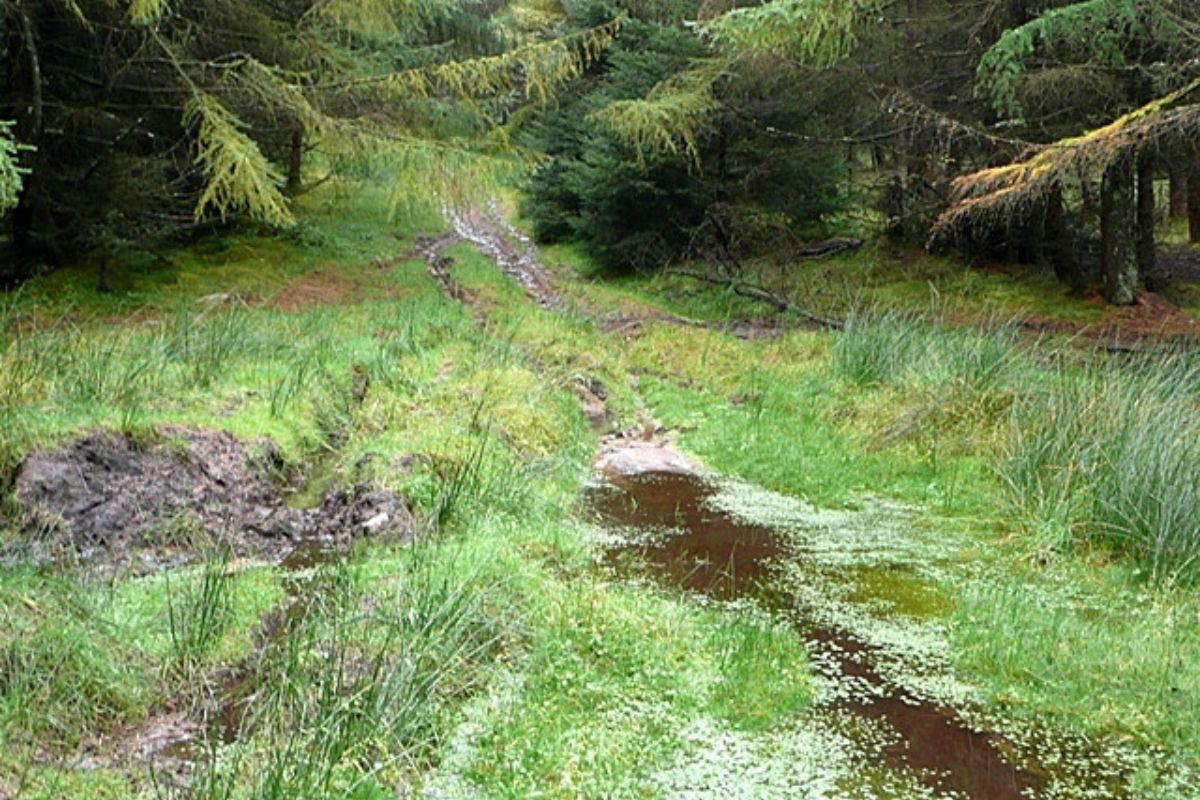
Deep ruts and washed-out sections often signal that the road has been weakened by heavy rain, repeated use, or long periods without maintenance. When you see grooves that look sharply cut into the surface, it usually means the soil has lost stability and may collapse further under the weight of a vehicle. Washed-out edges can cause sudden drops that twist your wheels or tilt your vehicle into unsafe angles. These damaged areas often hide loose rocks or pockets of soft earth that collapse when driven over. If the road looks torn apart, it is safer to turn back.
2. Mud That Looks Wet But Feels Spongy
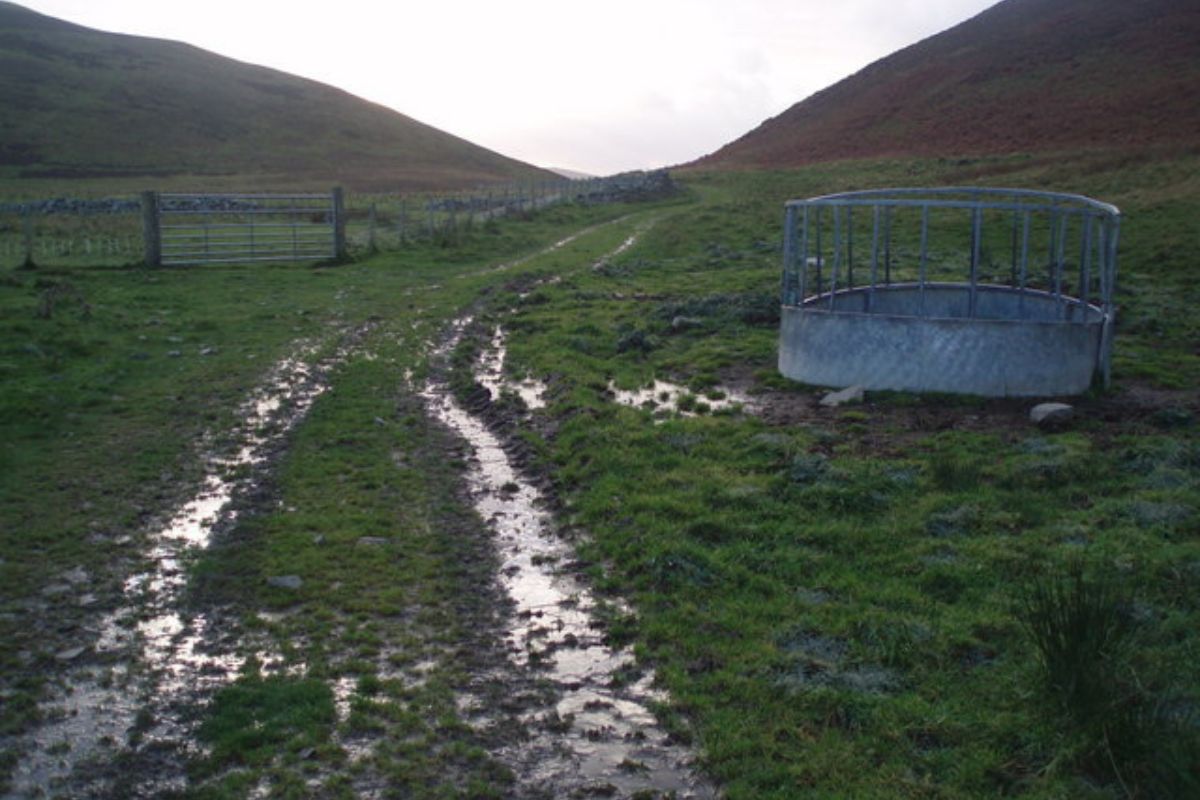
Spongy mud is one of the most deceptive hazards on remote roads because it appears manageable from a distance but can trap a vehicle within seconds. When the ground feels soft underfoot or shows ripples when stepped on, it usually means water has gathered beneath the top layer of soil. Once a tire breaks through that thin surface, it sinks rapidly and loses traction. Clay-based mud becomes especially dangerous because it clings tightly to tires and refuses to release them. This kind of terrain can require towing equipment to escape, which is rarely available in remote regions.
3. No Cell Signal and No Sign of Traffic
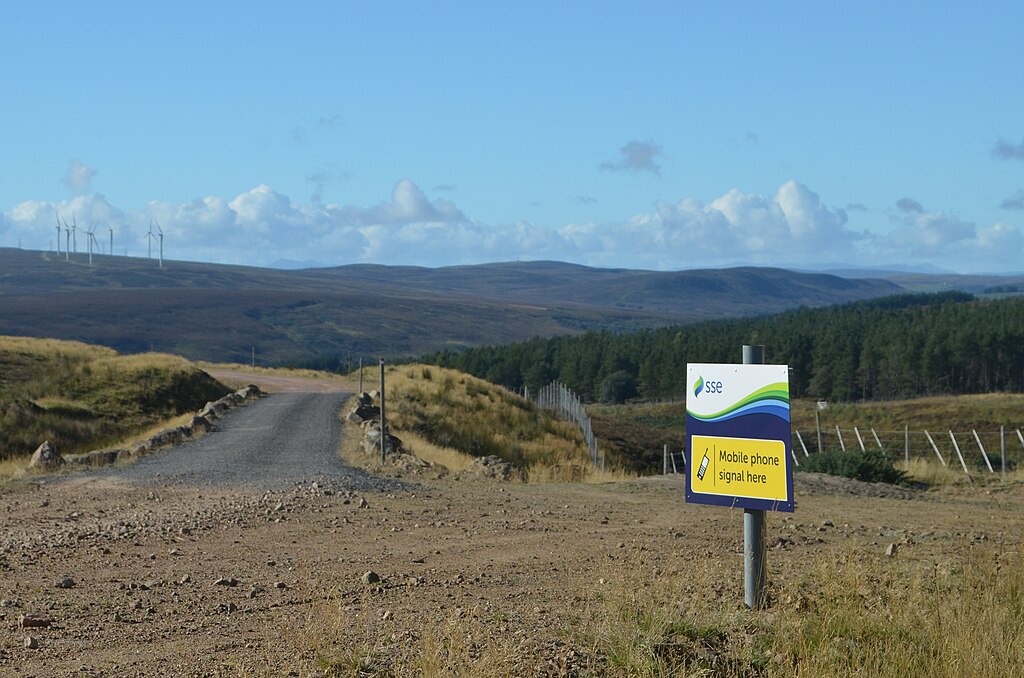
A remote road with no cell signal and no signs of recent travel should immediately raise caution. If the road has no tire tracks, no dust patterns, and no visible disturbances, it often means people avoid it for good reason. When something goes wrong in these areas, you cannot call for assistance, and it may be hours or days before another driver passes by. Even a minor breakdown becomes serious when you cannot communicate or walk back safely. If both phone service and traffic are absent, continuing forward becomes an unnecessary gamble with limited options for recovery.
4. Fresh Animal Tracks Crossing the Road
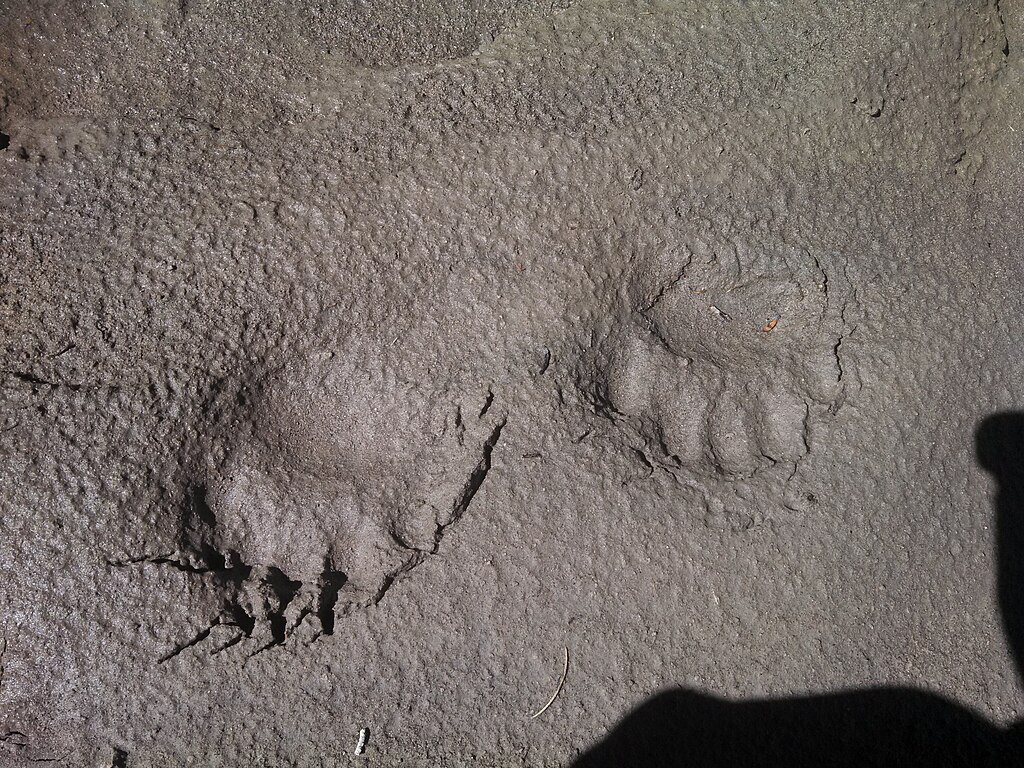
Fresh animal tracks on a remote road can reveal that large wildlife is active in the area, possibly crossing frequently. Tracks from bears, moose, mountain lions, or wild boar should never be ignored, especially if they appear crisp and sharply defined. These animals may be nearby or returning soon, and surprising one on a narrow road can lead to dangerous encounters or collisions. Scattered prints often show recent movement patterns, indicating that the road might cut through a common wildlife path. If the tracks look new and plentiful, it is safer to avoid advancing any farther.
5. Overgrown Vegetation Blocking the Path
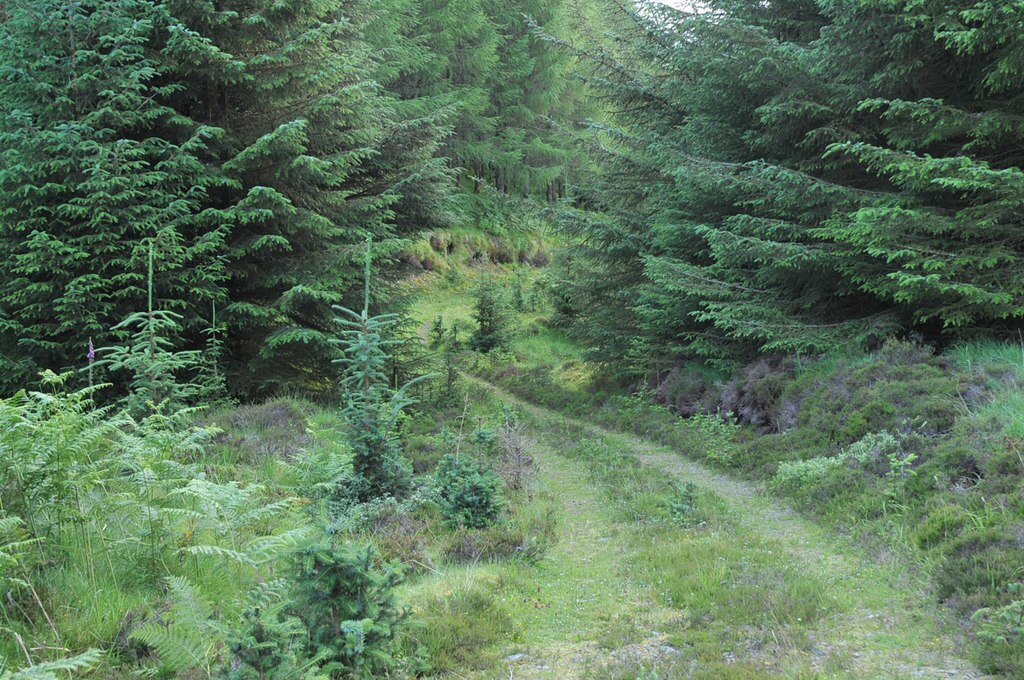
Thick vegetation growing across a road is a strong sign that it has not been traveled or maintained for a long time. Tall grass, thick weeds, or branches stretching into the path can hide steep holes, sharp rocks, or sudden drop-offs that cannot be seen from the driver’s seat. Plants growing in the middle of the track suggest that the soil beneath them is untouched and possibly unstable. Overgrowth also makes it difficult to see the road’s true edges, increasing the chance of sliding off into soft shoulders or ditches. When nature reclaims the road, it is not worth the risk.
6. Water Crossings With Unknown Depth
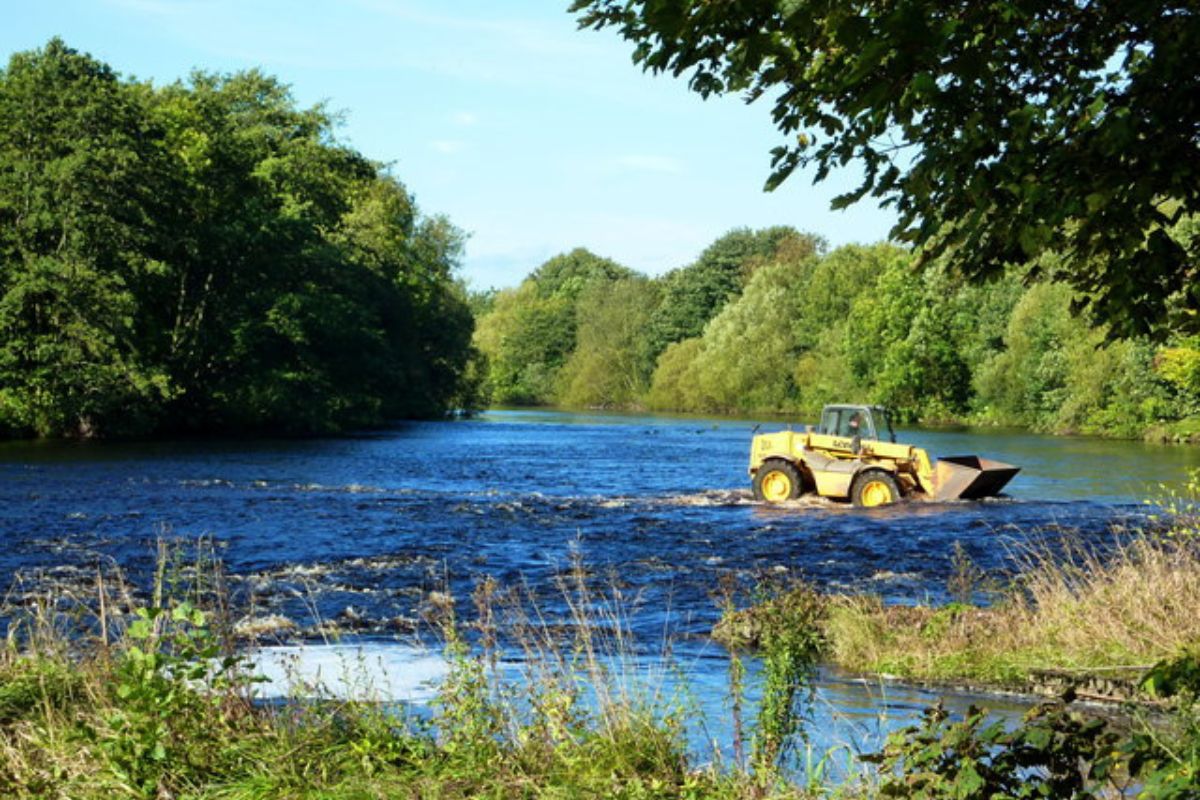
Water crossings are among the most unpredictable obstacles because their depth and bottom surface are rarely visible. Even when the water looks shallow, hidden potholes can drop your vehicle suddenly, causing it to flood or become stuck. Fast-moving water can push a vehicle sideways, especially in narrow channels. The bottom may be soft, rocky, or uneven, and the current can change rapidly after rain. Without knowing exactly how deep the water is or how firm the base feels, attempting the crossing becomes dangerous. If you cannot assess it safely, it is best not to proceed.
7. Weather Shifting Suddenly Ahead
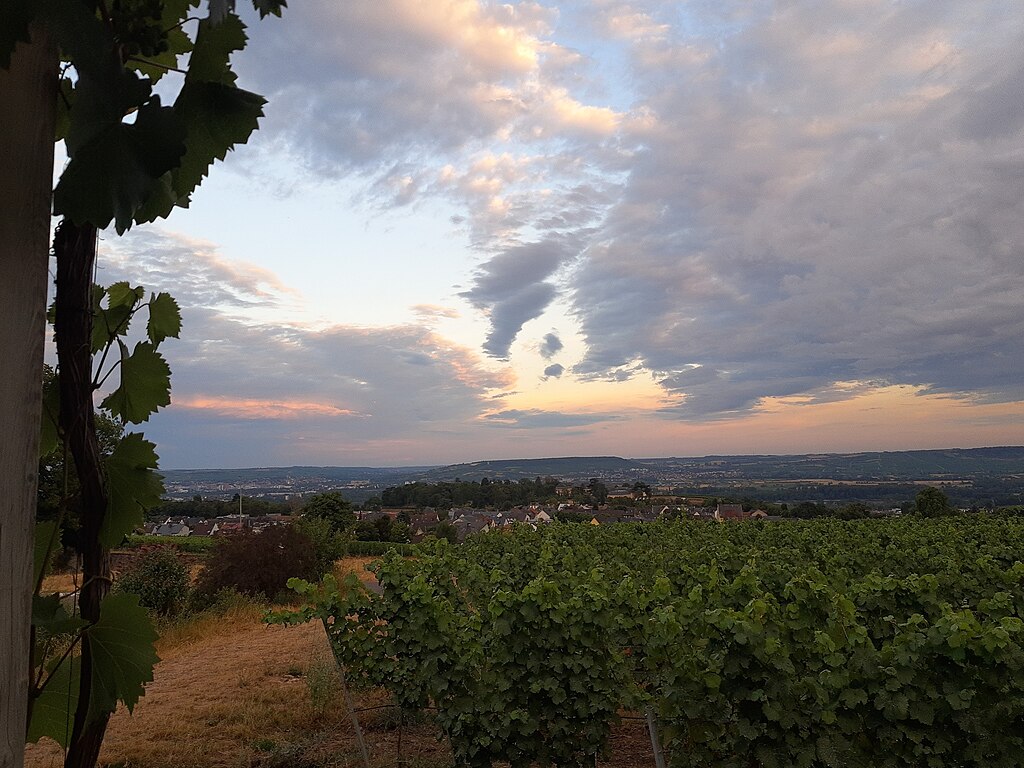
Sudden weather changes are a major warning sign on remote roads, especially in areas prone to fast-forming storms. Dark clouds rolling in quickly, strong gusts of wind, or rapid temperature drops often signal incoming conditions that can turn the road hazardous. Rain can create deep mud within minutes, and storms in desert regions can cause flash floods that sweep across seemingly dry terrain. Fog can also develop quickly, reducing visibility to just a few feet. When the weather shifts faster than expected, the safest choice is to turn around before conditions trap you in a dangerous area.