You can still build a reliable fire even when the ground is soaked and rain keeps falling. Wet environments challenge your patience, but the right techniques make all the difference. Staying calm, choosing proper materials, and understanding how moisture behaves can turn a tricky situation into success. Whether you’re camping, hiking, or surviving outdoors, mastering fire-making in damp conditions keeps you warm, dry, and confident when the weather turns against you.
Choose the Right Location and Avoid Low Ground
You should always build your fire on elevated terrain instead of low or sunken areas where water gathers. Look for natural windbreaks or tree canopies that help block moisture and keep the area dry. Clear away wet debris and use a flat rock or bark base to prevent your fire from soaking through. Starting on solid, dry ground ensures longer-lasting flames.
Gather Extra Tinder and Keep It Dry Before Lighting
You can never have too much Tinder in wet weather. Collect more than you think you’ll need and store it inside your jacket or backpack to keep it dry. Birch bark, cotton balls, or dry inner bark from dead branches make excellent choices. The drier your tinder, the easier your fire will catch, even with damp kindling.
Split Wood to Reach the Dry Inner Core
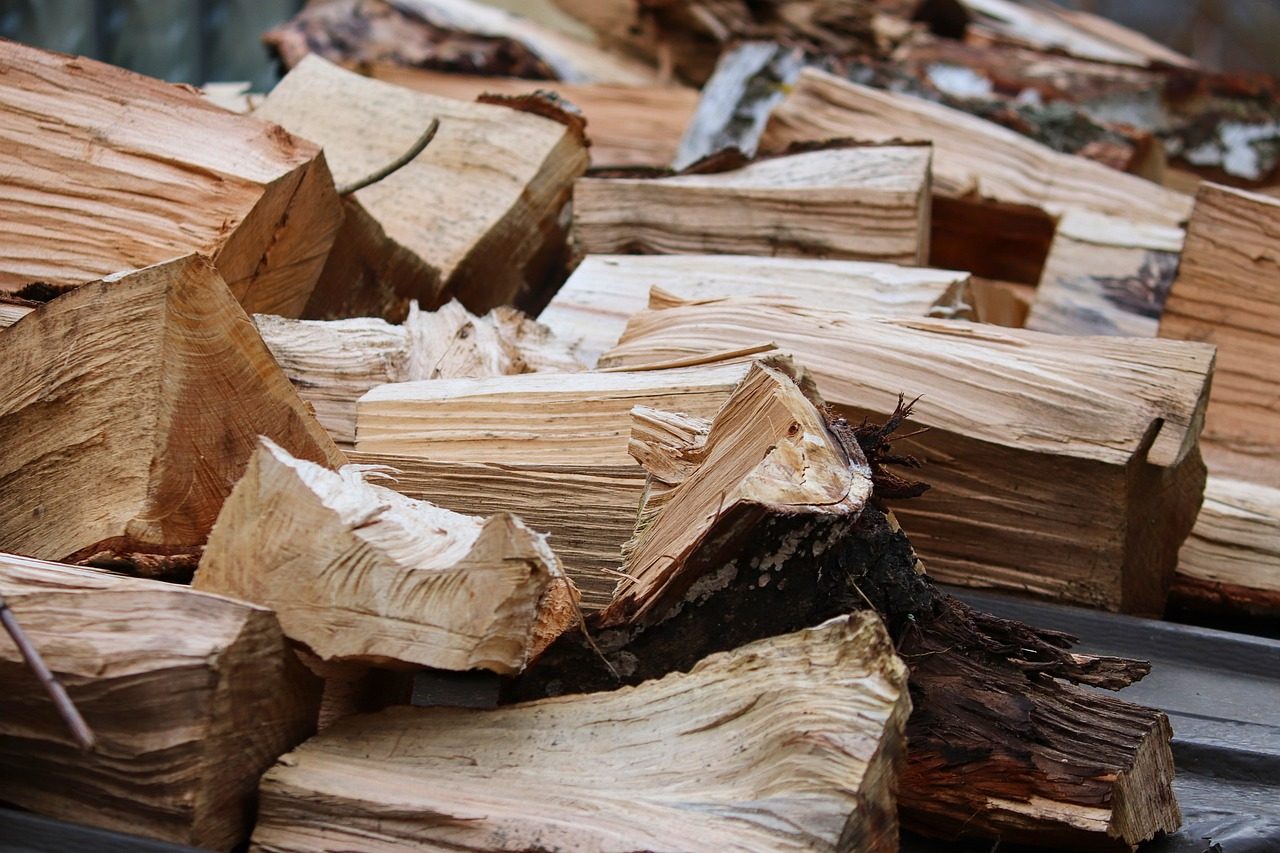
You should split wet logs open to expose their dry interior. The outer layer may be soaked, but the center often remains dry and flammable. Use your knife or hatchet to shave off wet bark and create thin dry slivers. This inner wood burns hotter and helps dry surrounding pieces once the fire starts growing.
Use Feather Sticks for Quick and Reliable Ignition
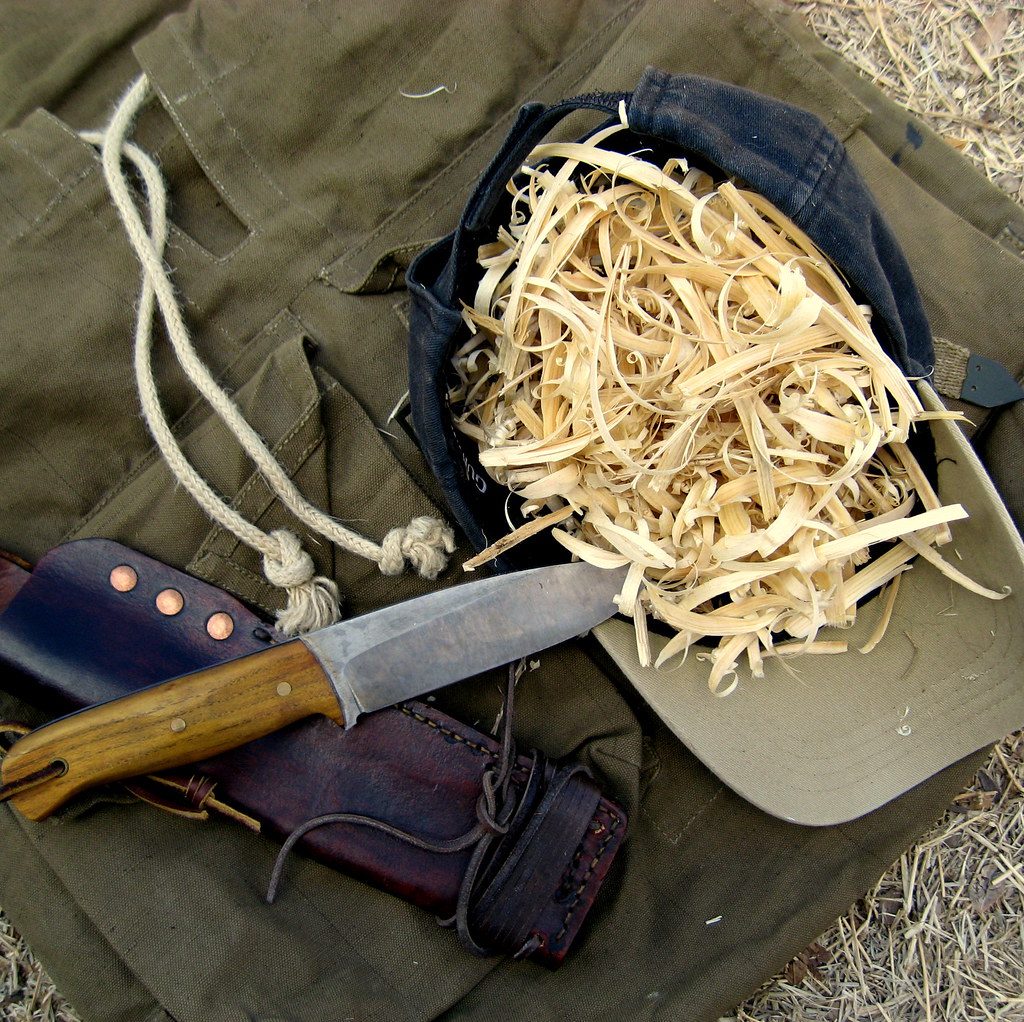
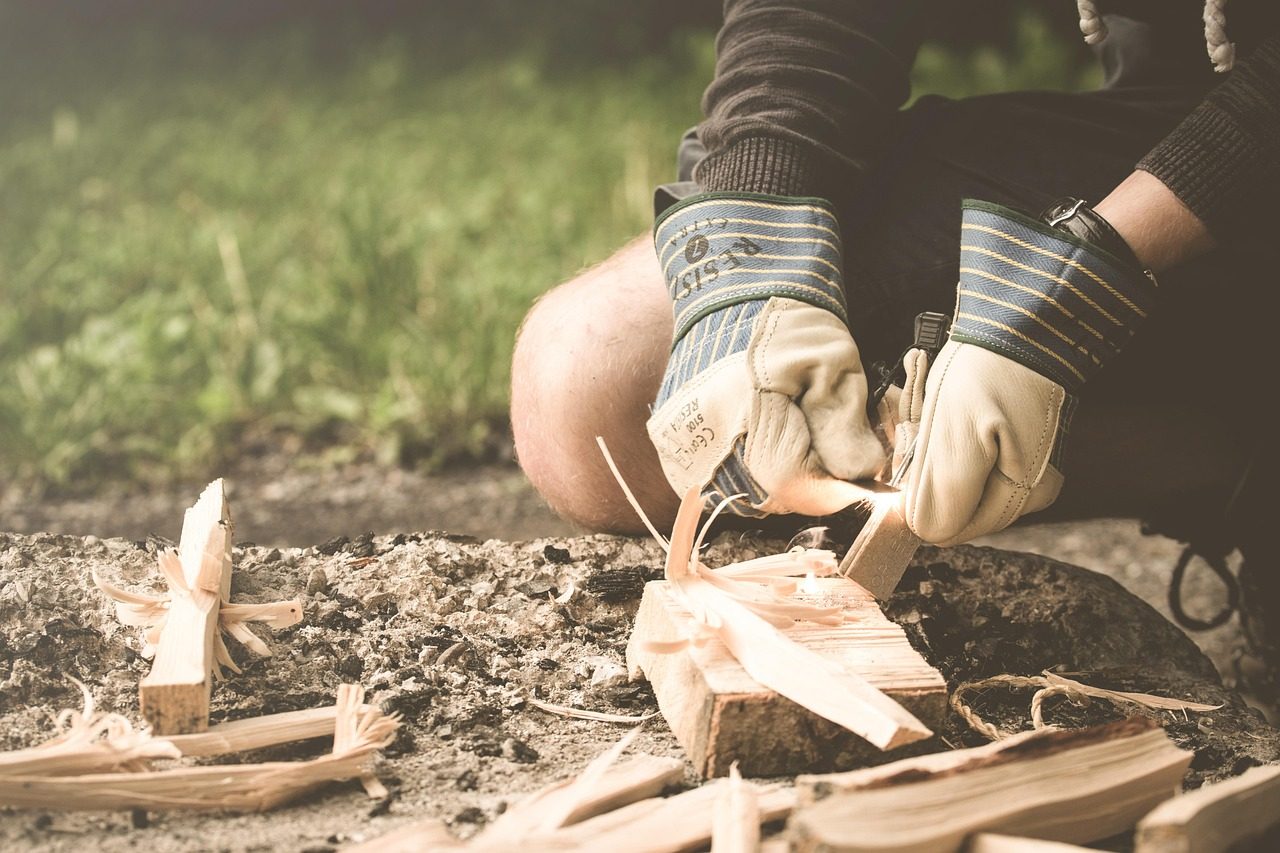
You can create feather sticks by shaving curls into a dry stick without cutting them off completely. These curls catch sparks easily and burn long enough to ignite kindling. Even if the surface wood is damp, the inner layers will produce dry curls. Feather sticks are a dependable way to kickstart a flame in wet conditions.
Build a Fire Platform to Keep Flames Off the Ground
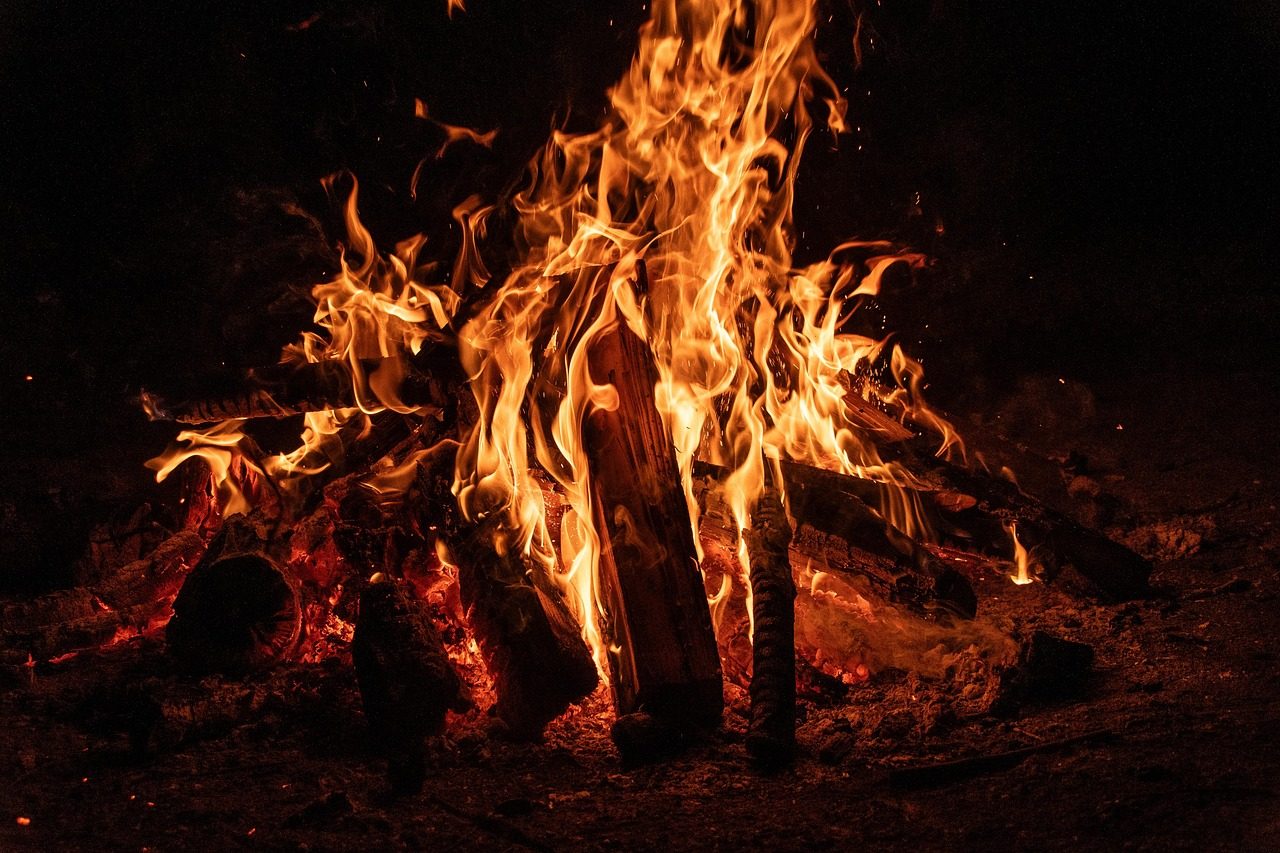
You should construct a base using bark, rocks, or dry logs to lift your fire above the damp soil. This prevents water from soaking into your tinder and allows airflow underneath. The raised platform also helps reflect heat upward, improving your fire’s stability. Starting elevated gives your flame a stronger, more reliable foundation.
Use Resin-Rich Wood for Better Combustion
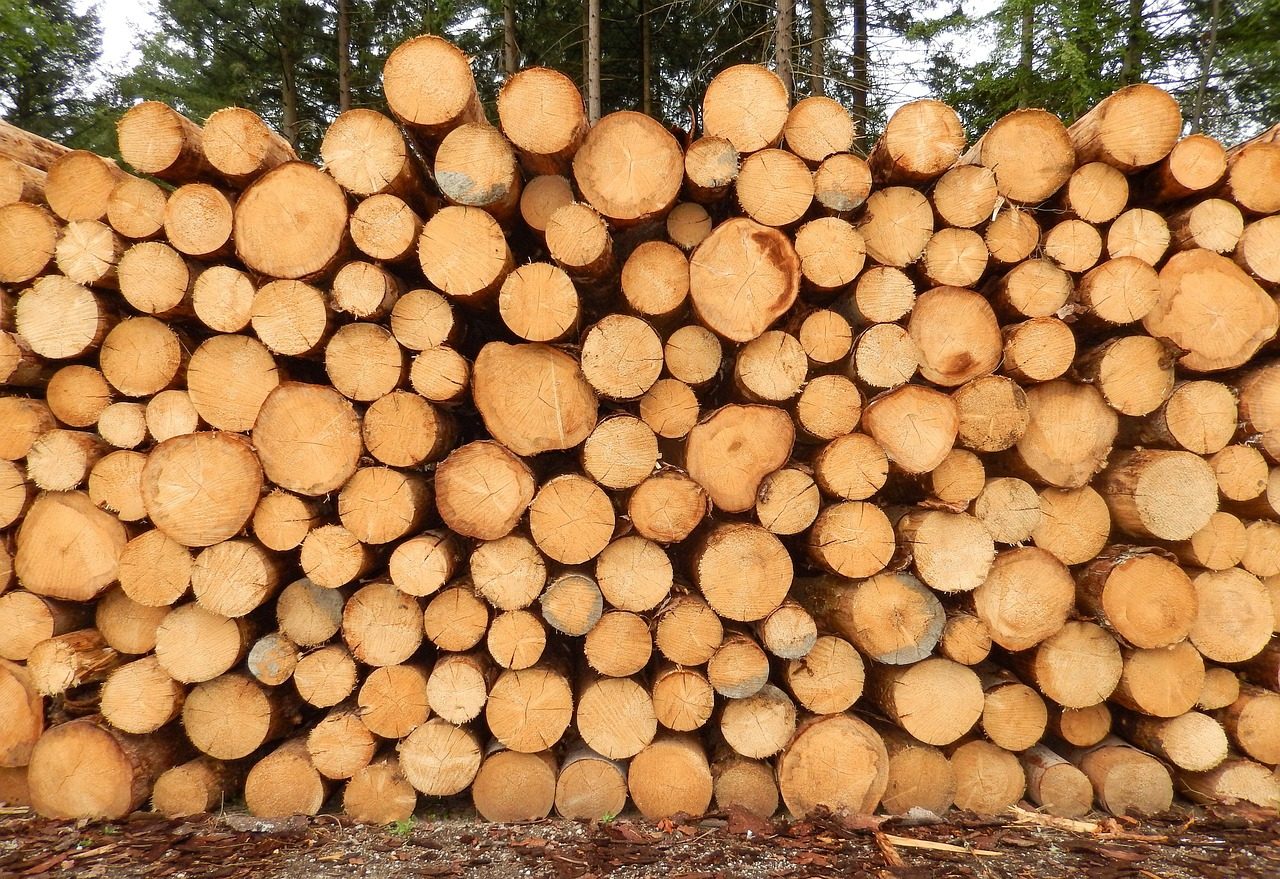
You can look for pine or other resinous woods when conditions are wet. The natural sap in these trees ignites easily and burns hot, helping dry out other materials. Collect small chunks or shavings of fatwood from stumps or fallen limbs. A bit of resin can make the difference between a fading spark and a roaring flame.
Prepare and Protect Your Firestarter from Moisture
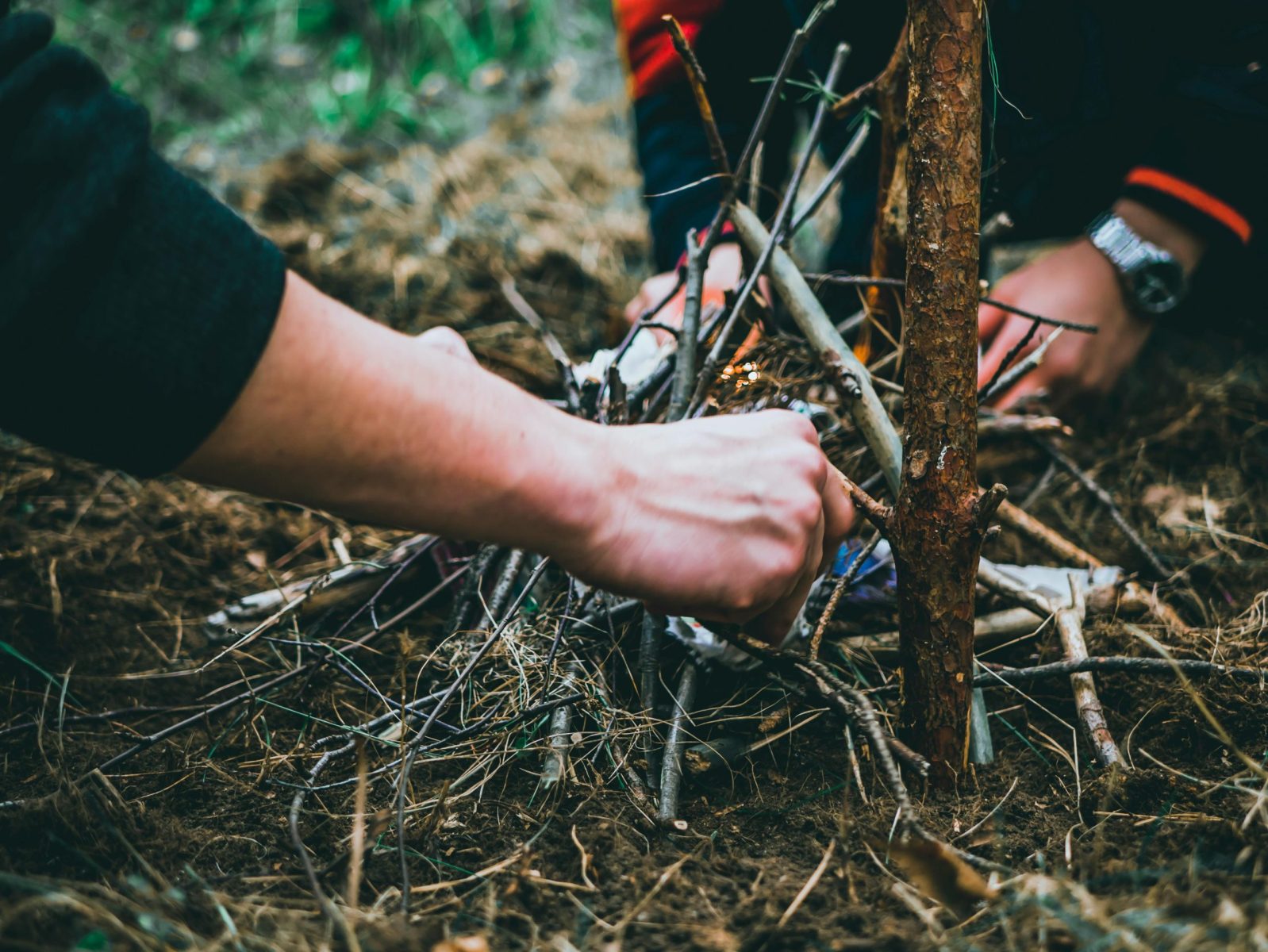
You should store waterproof matches, lighters, or ferro rods in sealed containers before heading out. Keeping your fire-starting gear dry is as crucial as having the right materials. Even a simple plastic bag or tin can save you from frustration. Reliable fire tools give you confidence when nature tests your patience.
Stack Wood in a Teepee Shape for Maximum Airflow
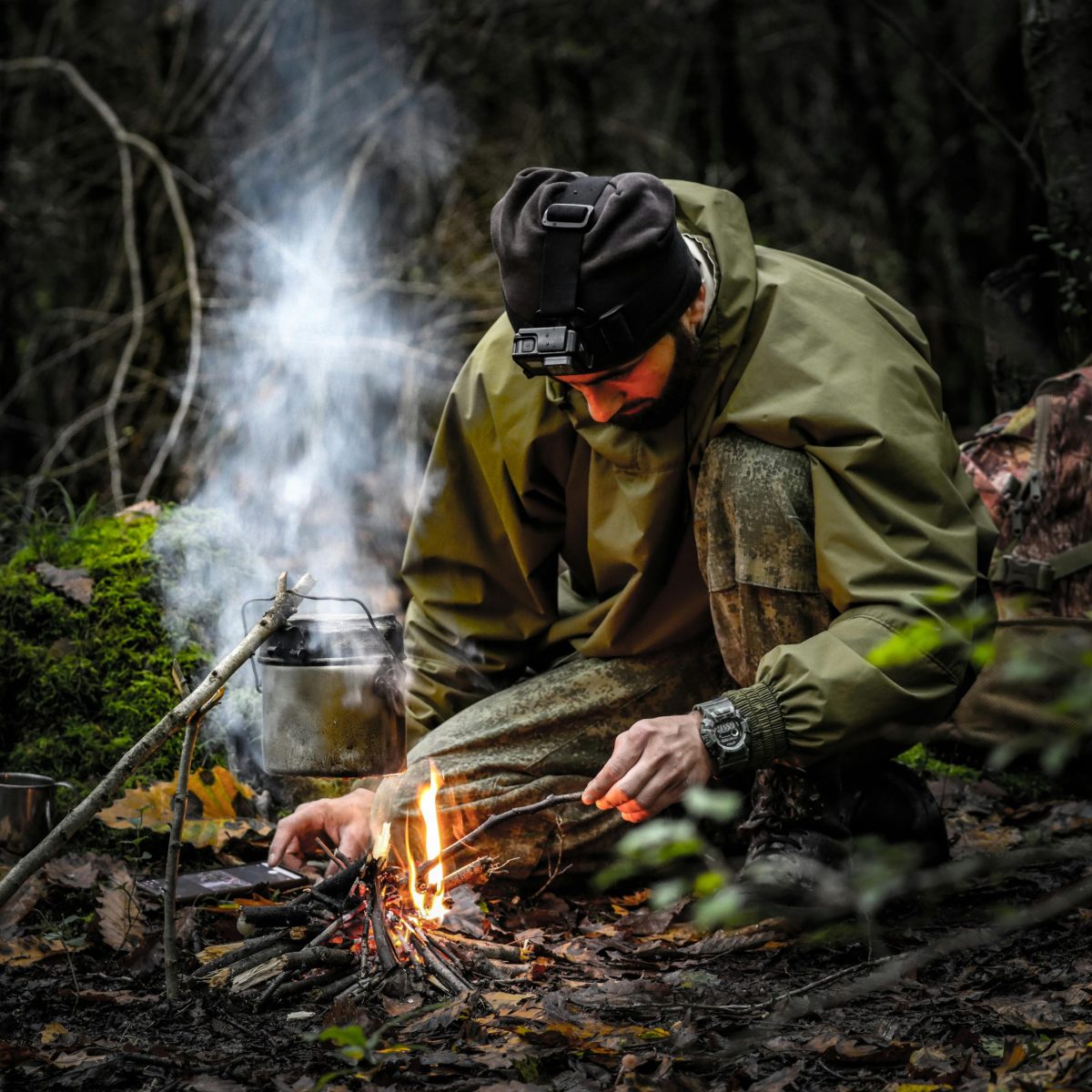
You can arrange your kindling and small logs in a teepee structure to encourage strong airflow. This design lets heat rise and dry damp pieces quickly. As the fire builds, add larger logs gradually. The open structure promotes oxygen flow, which helps flames overcome moisture and stay consistent in wet conditions.
Collect Dead Branches from Trees Instead of the Ground
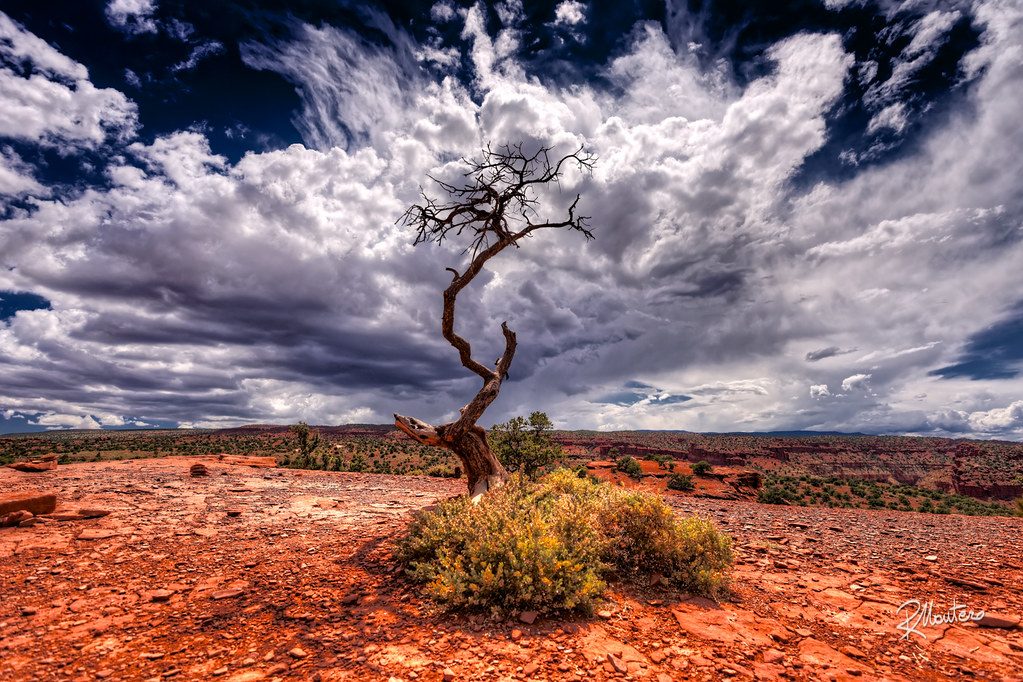
You should look up rather than down when gathering fuel. Dead branches still hanging off trees are usually drier than those lying on the wet ground. Snap off what you can reach safely and use smaller pieces to feed your early flames. This wood burns faster and cleaner, making it perfect for rainy days.
Use a Windshield or Reflector to Protect the Flame
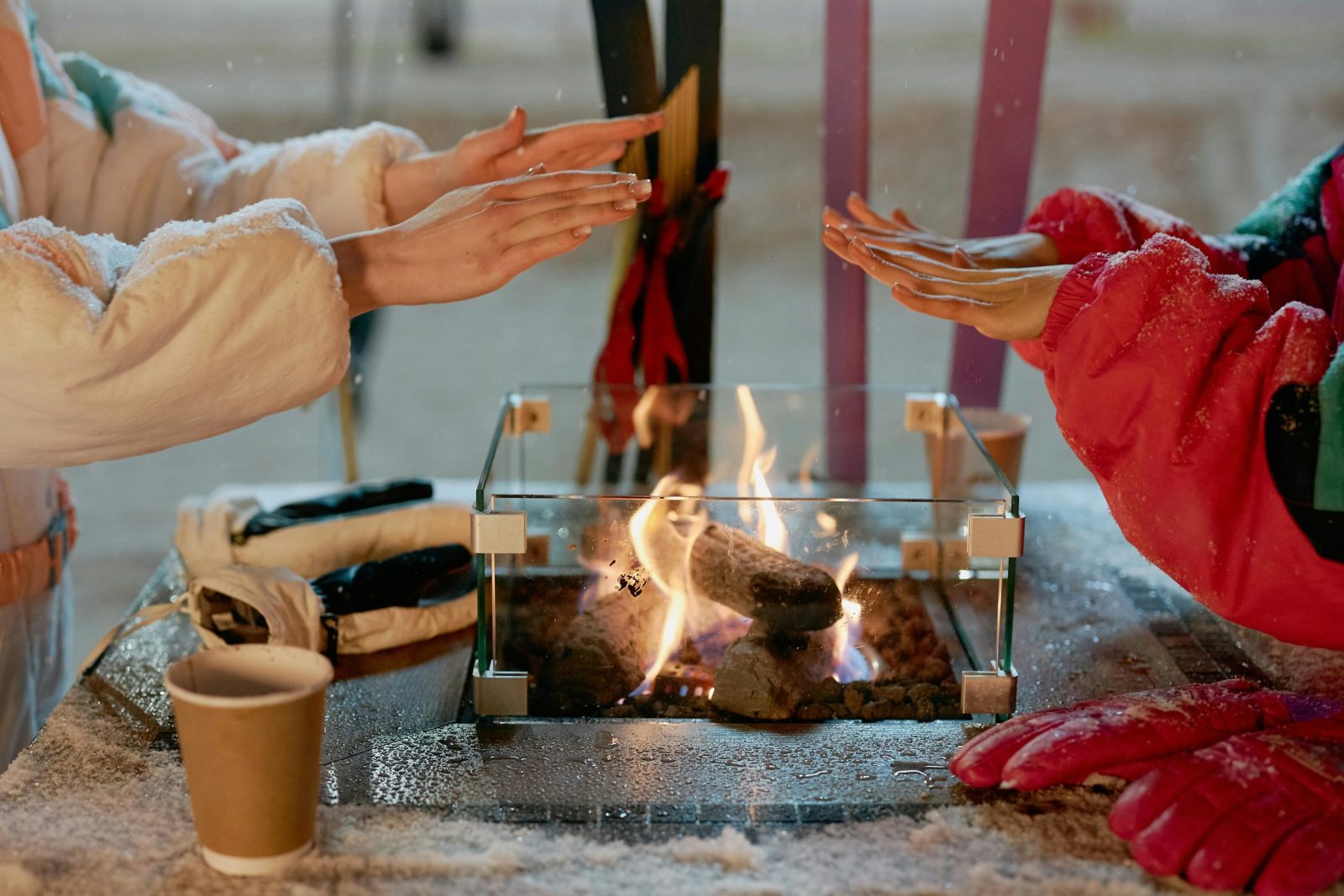
You can shield your fire from rain or wind using a reflective barrier made of logs, rocks, or foil. This simple wall blocks moisture and helps retain heat, drying nearby materials faster. Even a backpack or tarp can provide temporary cover while you nurture the first sparks into steady flames.
Keep Your Fire Small and Controlled in the Beginning
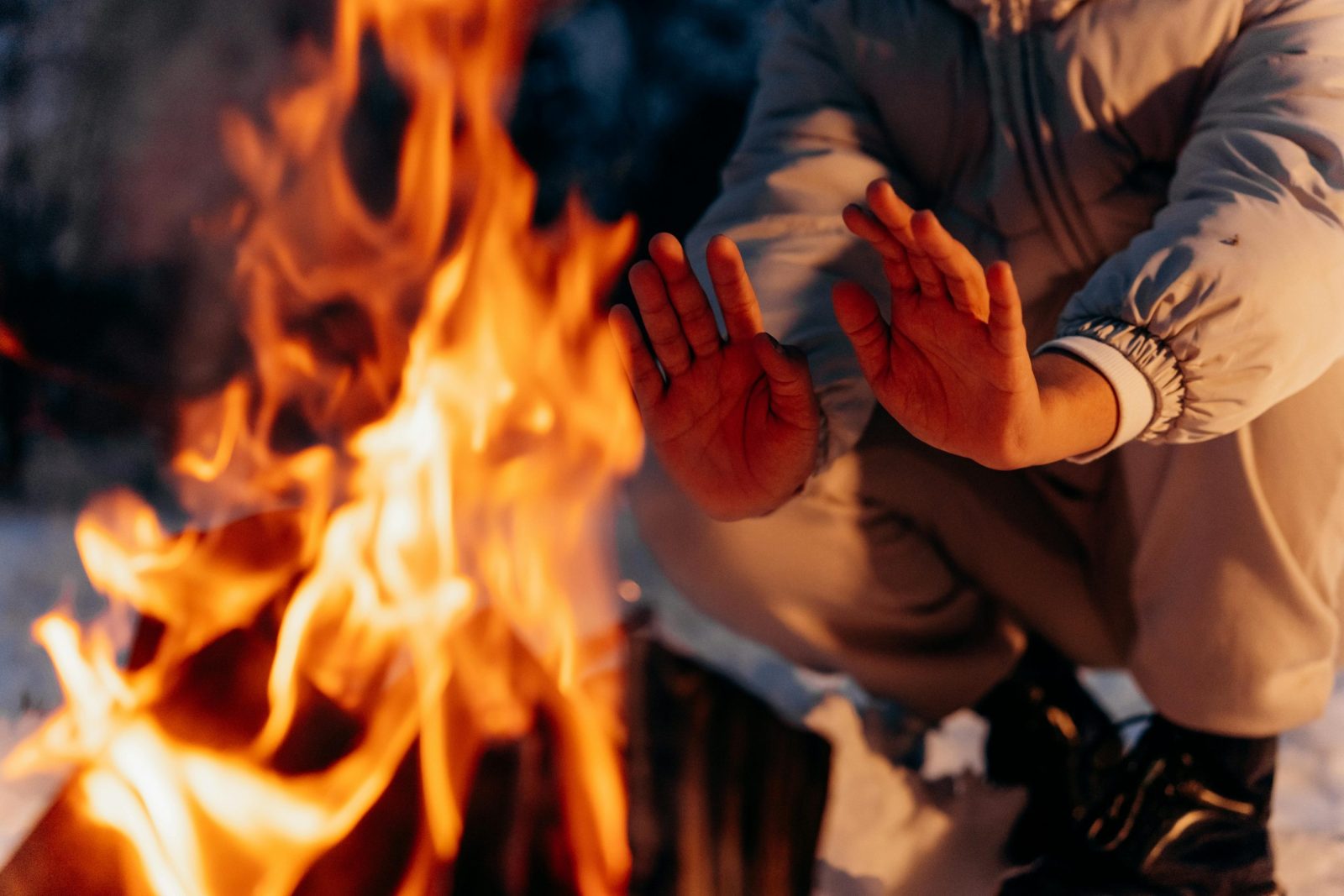
You should resist building a large fire right away. A smaller flame is easier to protect and manage in wet weather. Once it grows stable, you can gradually add bigger logs. This steady approach ensures your fire remains hot enough to dry damp wood and won’t burn out prematurely.
Use Charcloth or Cotton Pads as Reliable Tinder Boosters
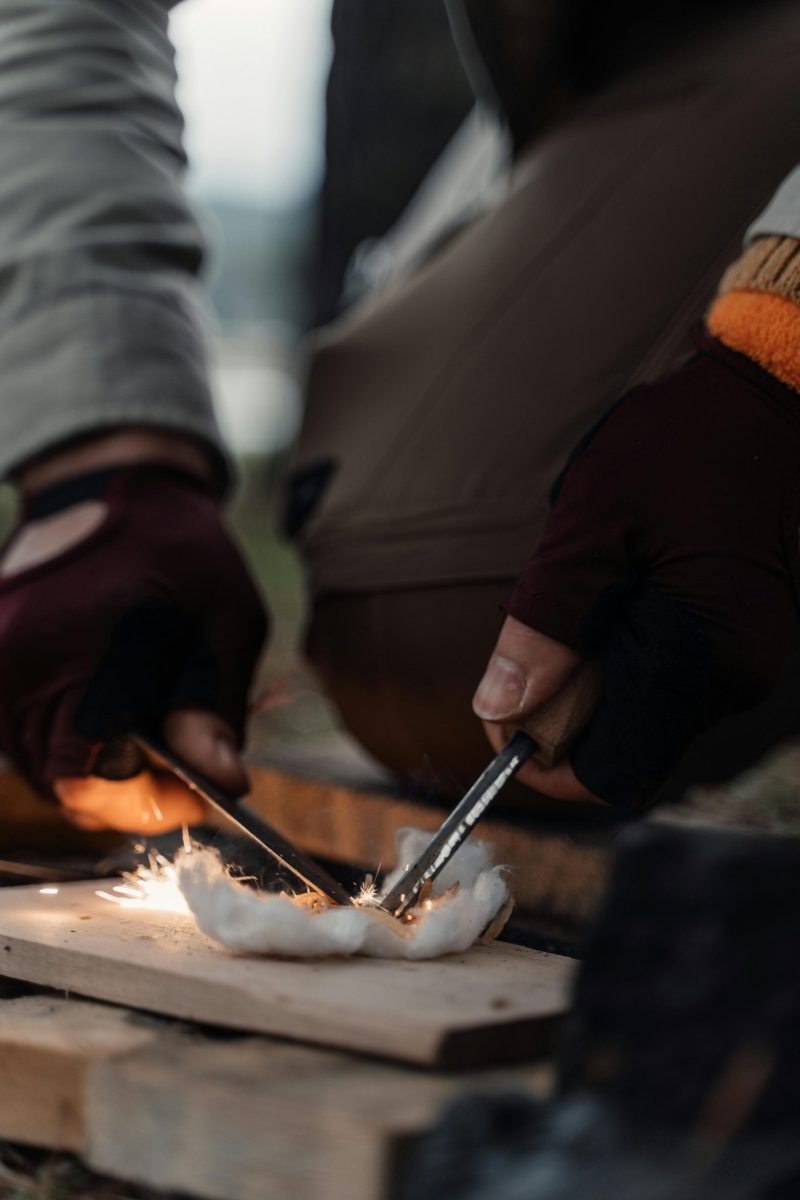
You can carry charcloth or pre-treated cotton pads for an easy ignition source. These materials light quickly, even with a weak spark, and burn long enough to ignite damp wood. Keep them in a waterproof container to preserve their dryness. They’re lightweight, effective, and ideal for challenging conditions.
Feed Your Fire Slowly to Avoid Smothering the Flame
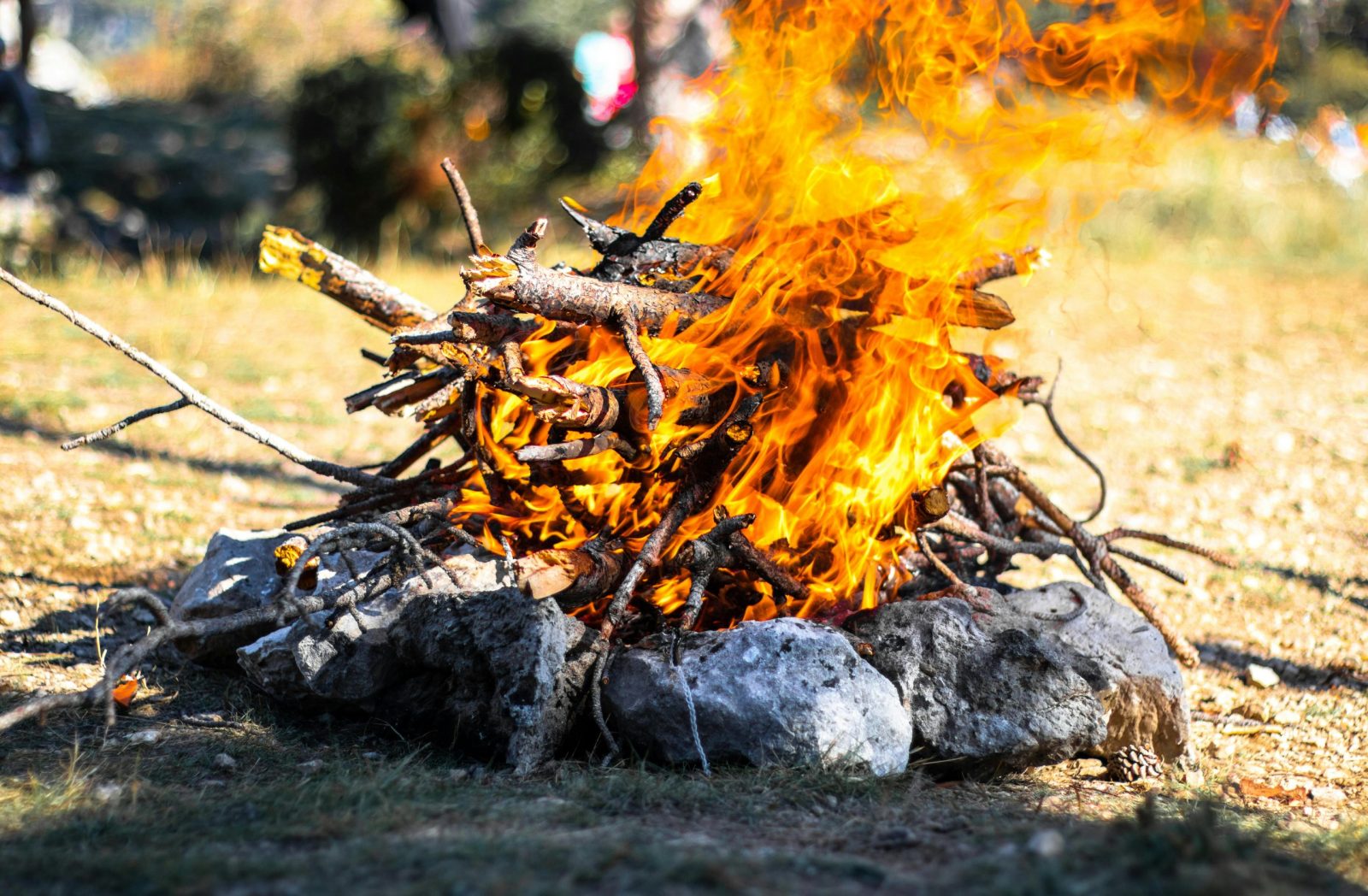
You should avoid piling on too much wood at once. Wet logs release steam that can choke out early flames. Add small sticks gradually, allowing each layer to catch before adding more. This method keeps the heat consistent and ensures your fire grows stronger instead of fizzling out.
Dry Your Firewood Around the Flames for Later Use
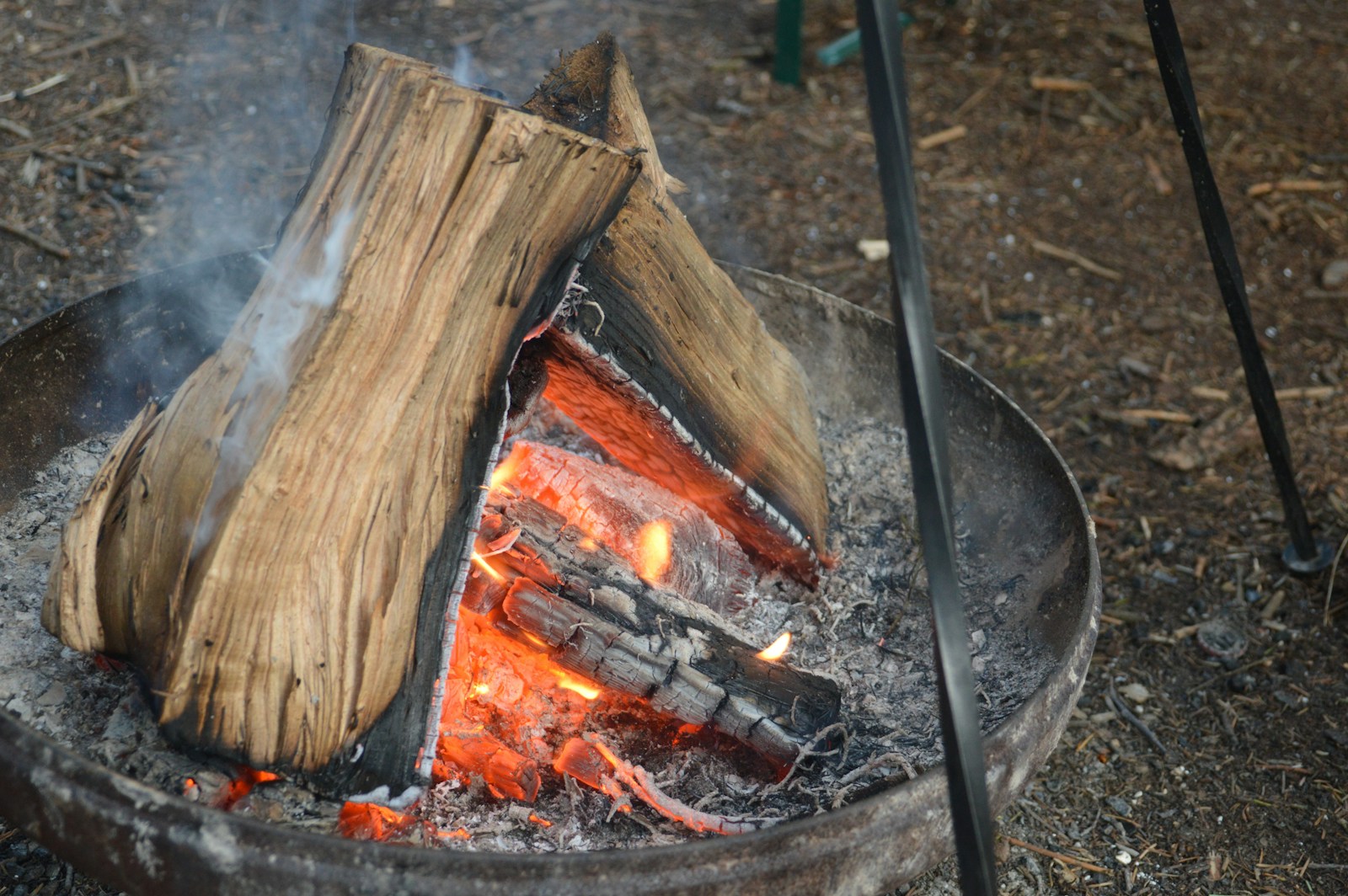
You can arrange extra wood near the fire’s edge to let the heat evaporate moisture. Rotating the logs occasionally helps them dry evenly. Once they’re ready, you’ll have a steady supply of dry fuel for the night. This habit prevents scrambling for wood later and keeps your fire healthy and reliable.
Practice Fire-Making Often to Build Skill and Confidence
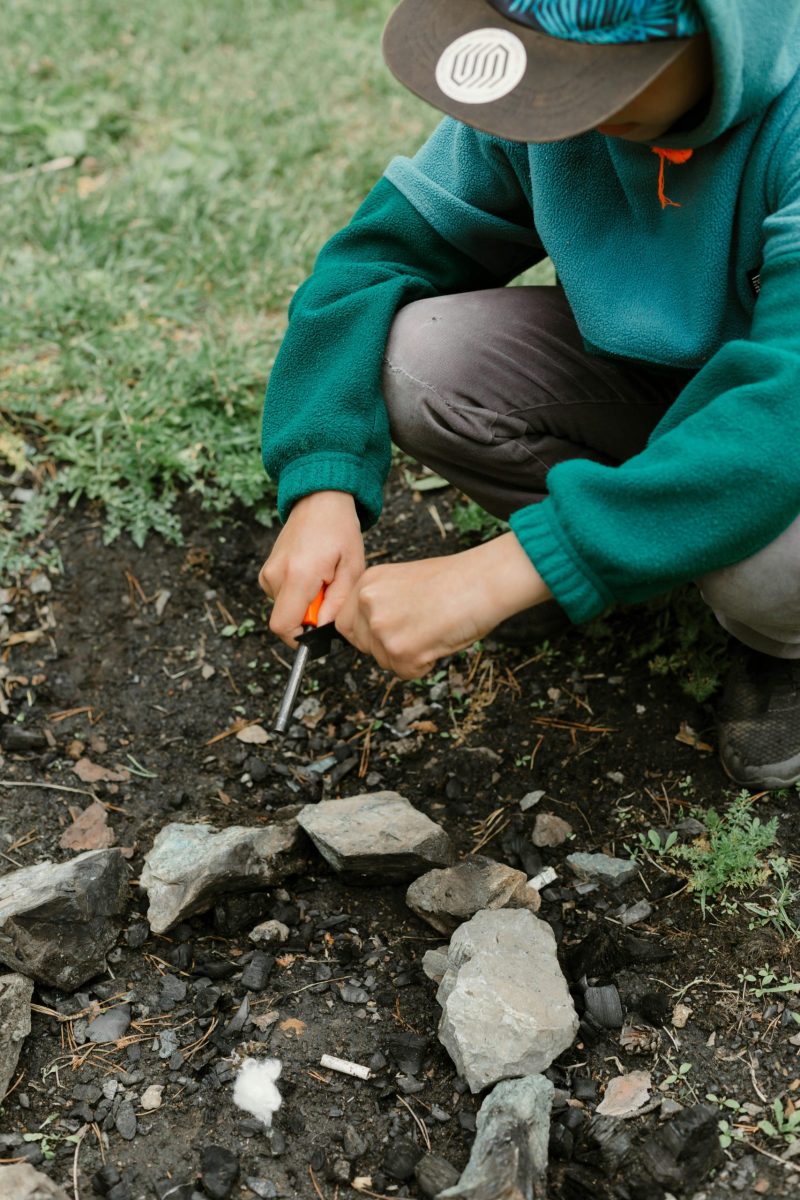
You should take time to practice these techniques even in non-emergency situations. Familiarity with your tools and materials prepares you for real challenges. Each attempt teaches you patience and improves your instincts. The more you practice, the easier it becomes to create a life-sustaining fire when conditions are far from ideal.