Northern trapping country can be unforgiving, with freezing temperatures, dense timber, snow-covered trails, and long distances between settlements. A cartridge that works well for one task may be poorly suited to another, especially when hunters must consider different game animals, firearm weight, ammunition availability, and changing weather. Experienced outdoorsmen understand that no single caliber handles every situation equally well. Looking at seven familiar cartridges reveals why versatility, practical limitations, and the demands of remote country matter just as much as reputation.
1. .22 Long Rifle
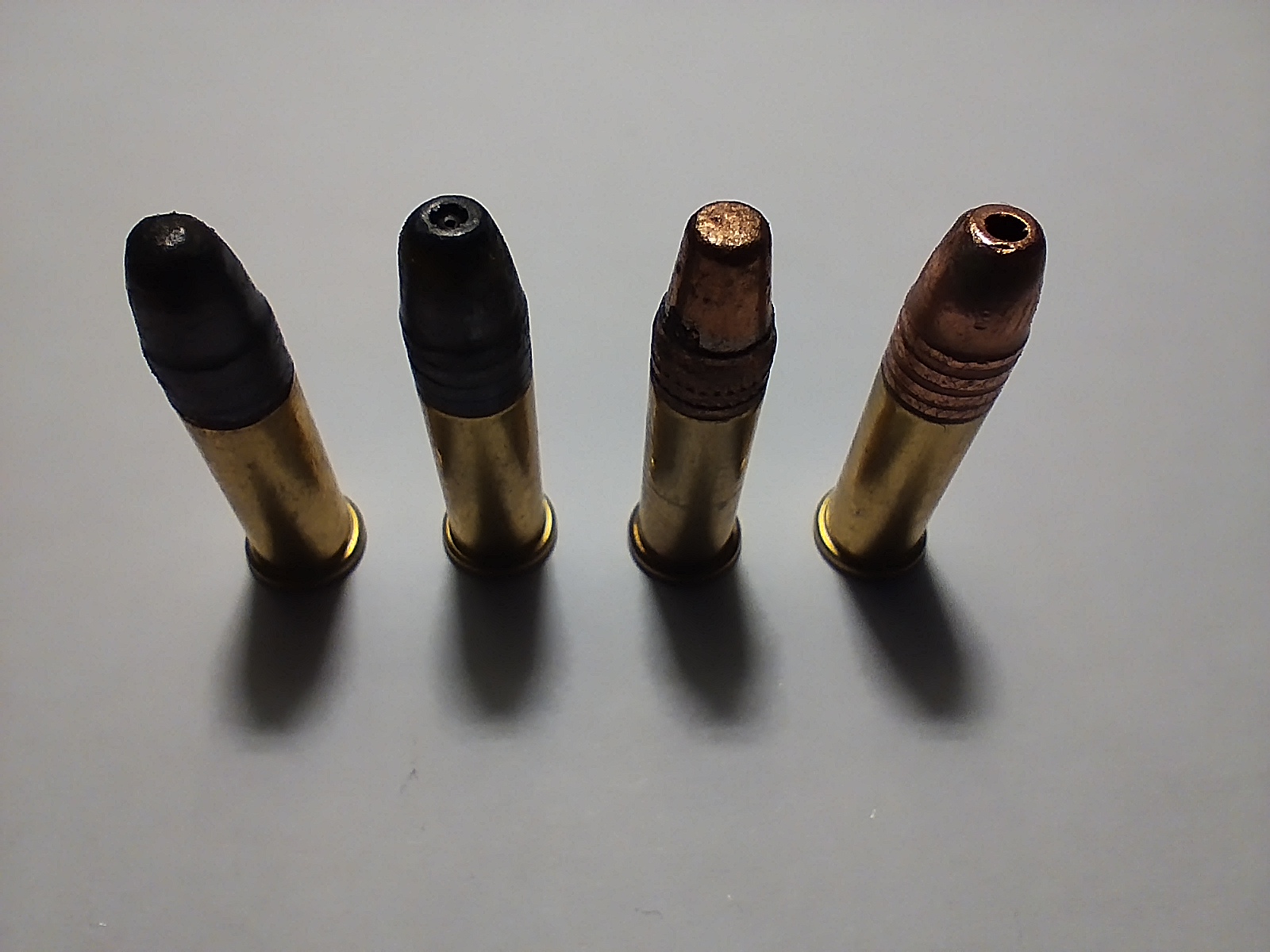
The .22 Long Rifle remains useful for small game and quiet practice, but its modest power limits its role in northern country. Common loads launch a 36- to 40-grain bullet at roughly 1,070 to 1,250 feet per second, depending on ammunition and barrel length. That can suit squirrels or similar small animals at sensible distances, yet wind, rain, and poor shot placement quickly expose its limits. Trappers covering varied terrain may carry it for specific jobs, but they cannot treat it as a universal answer for larger animals or emergencies. Its low cost also makes practice accessible.
2. .17 HMR
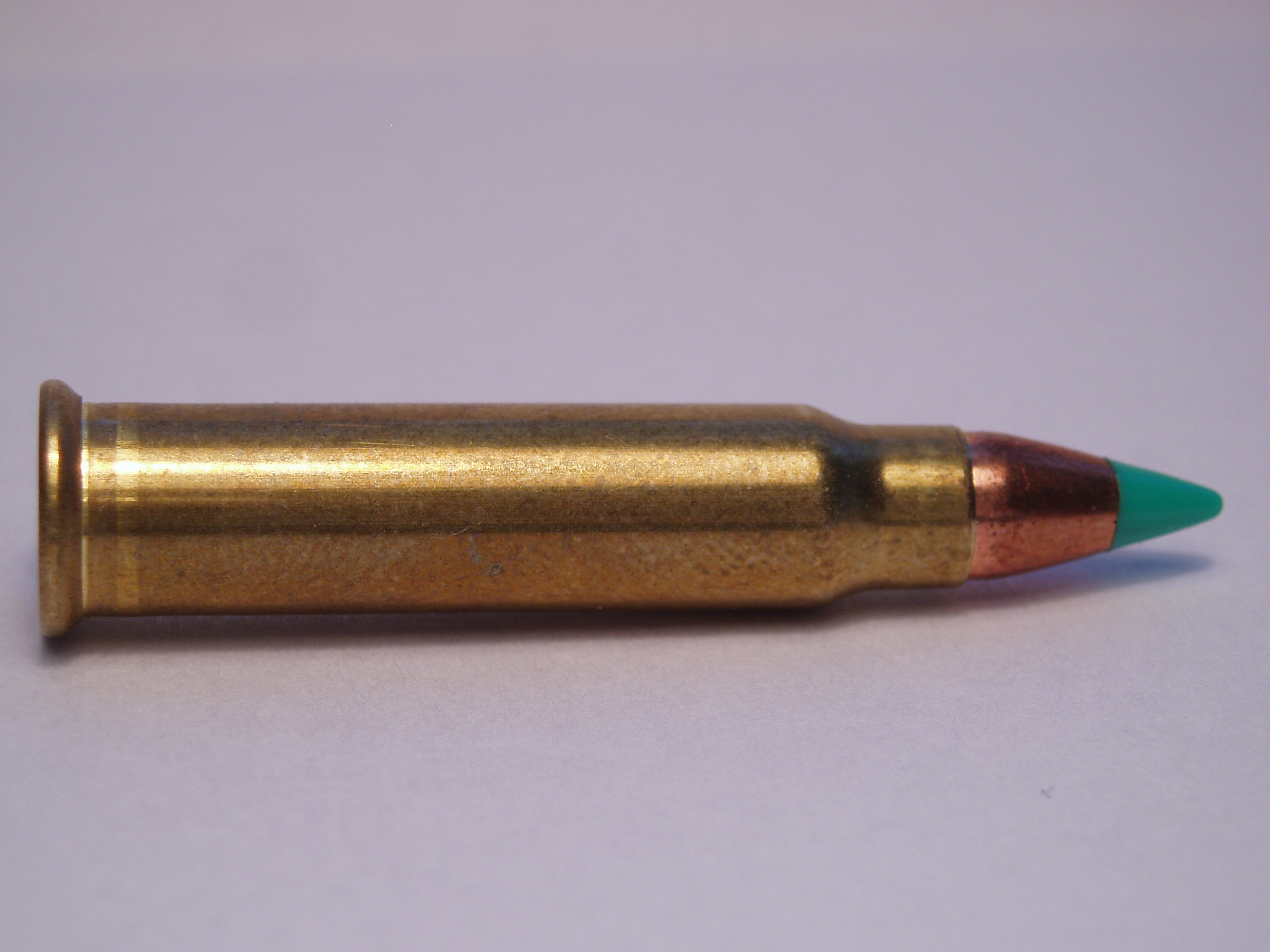
Introduced in 2002, the .17 Hornady Magnum Rimfire offers a flatter trajectory than many traditional rimfire rounds. Typical 17-grain loads are advertised around 2,550 feet per second, making it appealing for small varmints in open areas. Its light projectile, however, can be more affected by wind than heavier bullets, and ammunition is not always as easy to find in remote communities as common .22 LR. It also remains a small-game cartridge, not a substitute for a centerfire rifle when conditions or quarry demand more capability. In cold weather, keeping ammunition dry matters too.
3. .223 Remington
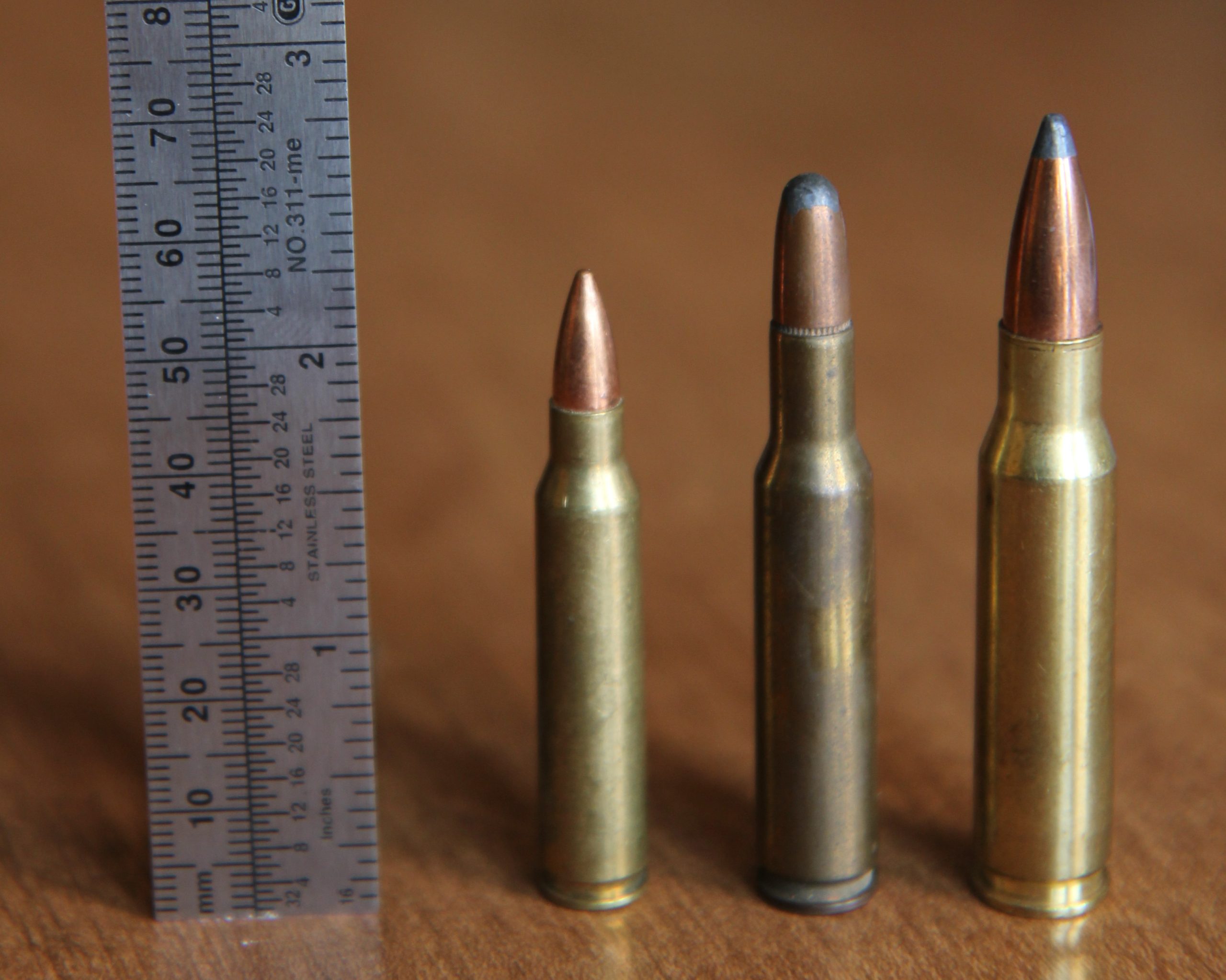
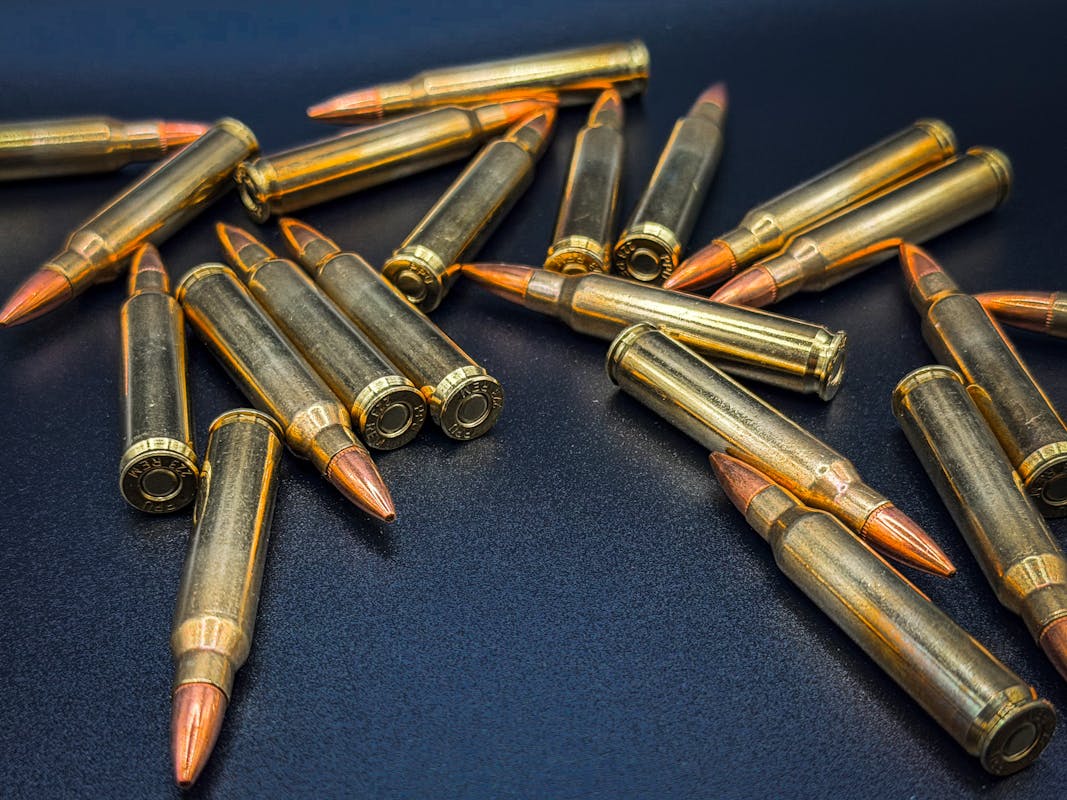
The .223 Remington is common in North America and uses bullets weighing about 55 to 77 grains. Light recoil and broad ammunition selection make it practical for target shooting and certain small- to medium-sized game. Performance depends on bullet construction, distance, and local rules. One load may not suit every purpose, and the cartridge is not a universal choice for larger northern animals. Trappers must match ammunition to the task. Wind can move light bullets off course in exposed country, and local regulations may restrict its use for certain species.
4. .243 Winchester
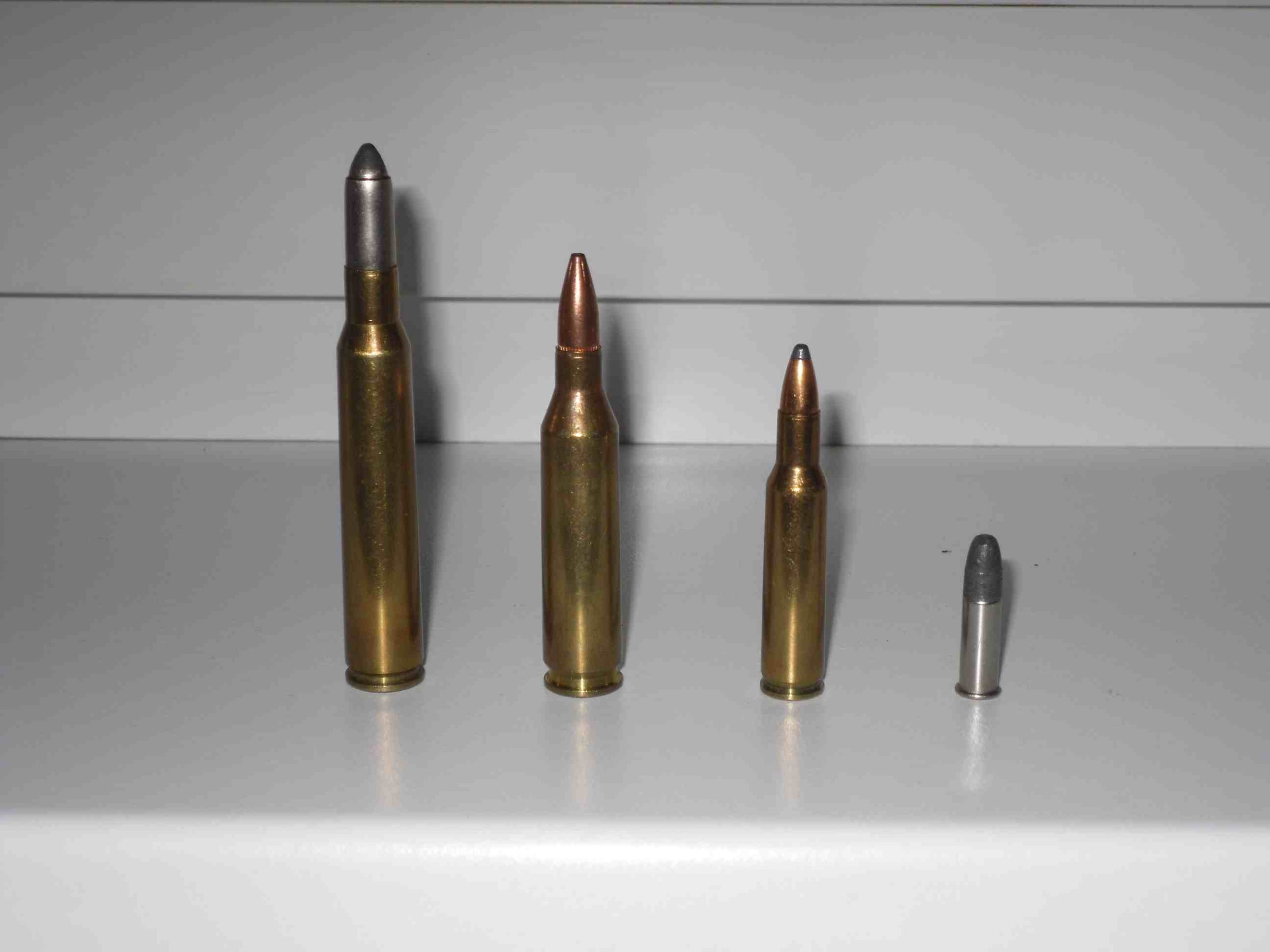
Since its introduction in 1955, the .243 Winchester has earned a reputation as a versatile hunting cartridge. Common bullet weights range from about 55 to 100 grains, giving shooters options for different lawful hunting applications. Recoil is generally manageable, although rifle fit and load choice matter. Its lighter bullets can be less forgiving in strong crosswinds, and it is not automatically ideal for every large animal or close-range situation. For a trapper moving between small game and deer-sized quarry, it can cover useful ground, but it still has clear limits.
5. .30-30 Winchester
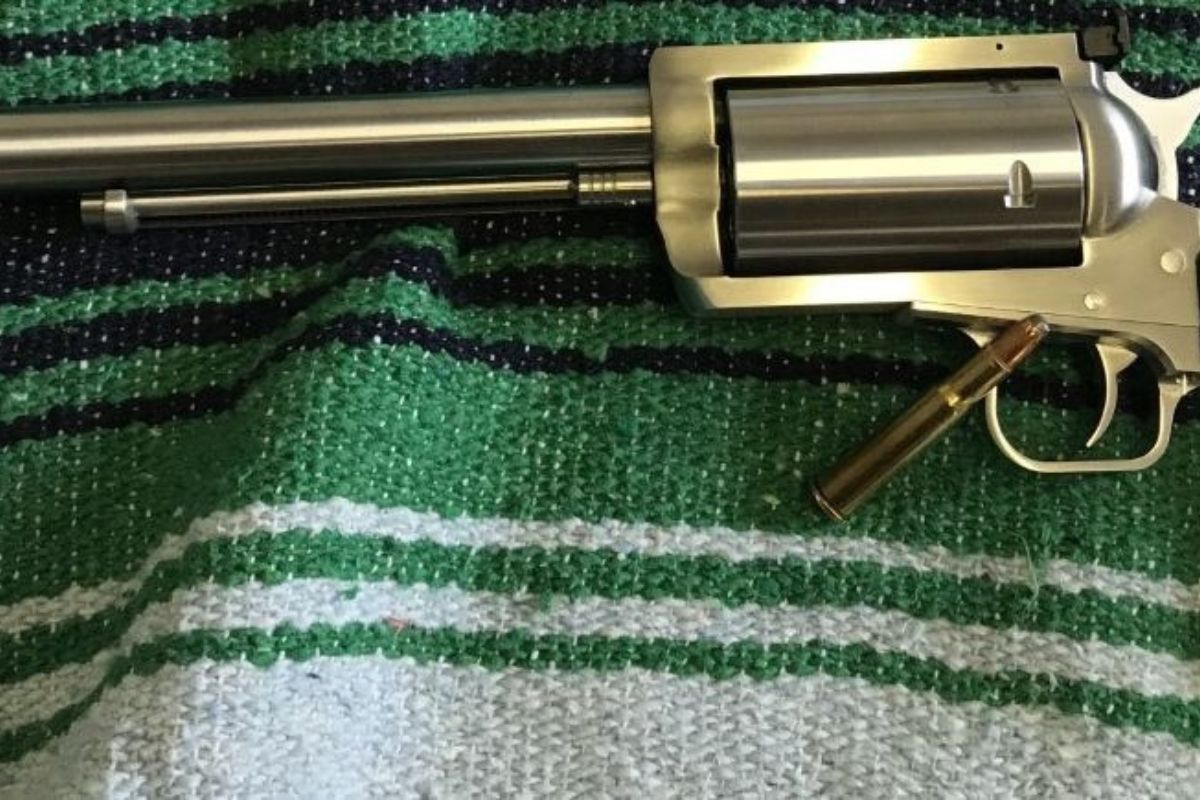
The .30-30 Winchester dates to 1895 and remains associated with handy lever-action rifles. Typical factory loads use bullets around 150 or 170 grains, with performance shaped by barrel length and ammunition design. Its moderate ranges and practical handling can suit thick woods, where long shots are uncommon. However, its trajectory is more curved than many modern high-velocity cartridges, making distance estimation important. It is not the best answer for every open-country shot or every species, so northern trappers may value it as one tool rather than their only rifle.
6. .308 Winchester
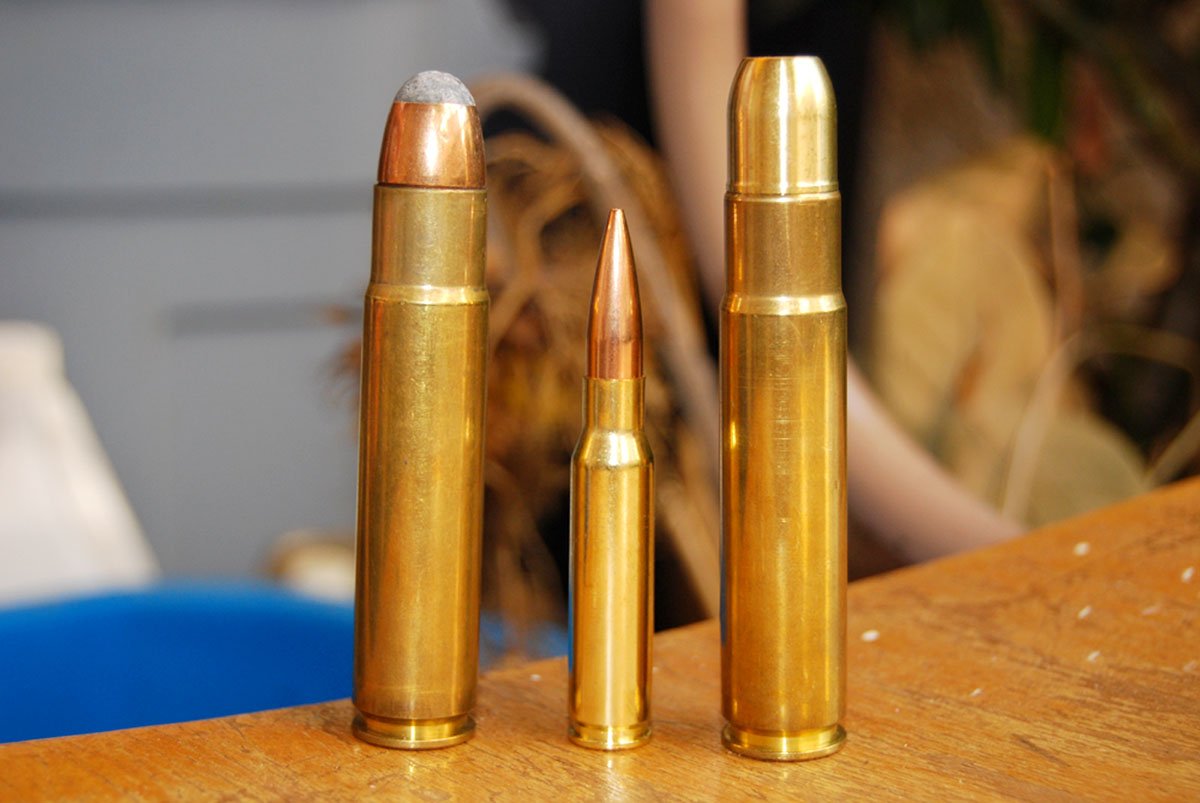
Adopted commercially in 1952, the .308 Winchester combines a broad range of factory ammunition with useful performance across many hunting settings. Loads commonly use bullets from about 150 to 180 grains, though other weights are available. It can be a sensible all-round option for deer-sized game and larger animals where regulations and conditions permit. Still, rifles chambered for it vary in weight, and recoil may feel sharp in a light model. Ammunition choice, shot distance, and the specific animal matter, which is why versatility should not be mistaken for unlimited capability.
7. .300 Winchester Magnum
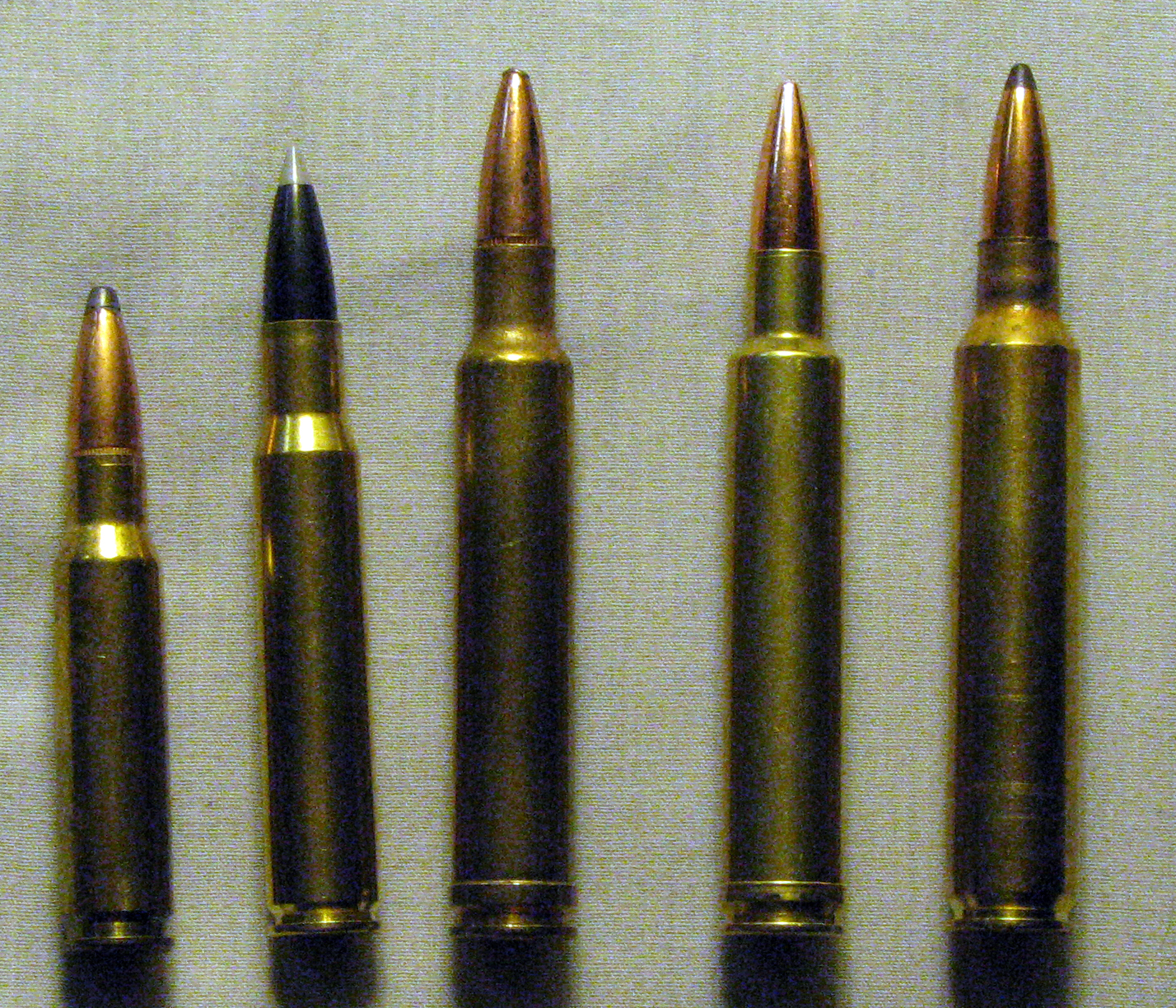
Introduced in 1963, the .300 Winchester Magnum is known for high velocity and strong long-range performance. Common hunting loads often use bullets of roughly 150 to 200 grains, depending on the intended game and ammunition design. That extra performance can help in suitable open-country conditions, but it comes with trade-offs: heavier recoil, louder muzzle blast, more expensive ammunition, and often a larger rifle. In dense timber or on small game, those advantages may be unnecessary. A northern trapper may appreciate its reach while still carrying a more practical option for everyday work.