The Browning Hi-Power has one of those names that even casual gun fans recognize, but a lot of its story still surprises people. Behind the sleek profile is a pistol shaped by unfinished genius, military demand, and decades of worldwide use. This gallery digs into the details most shooters never learned, from its true origins to the little design choices that made it legendary.
John Browning Did Not Finish It
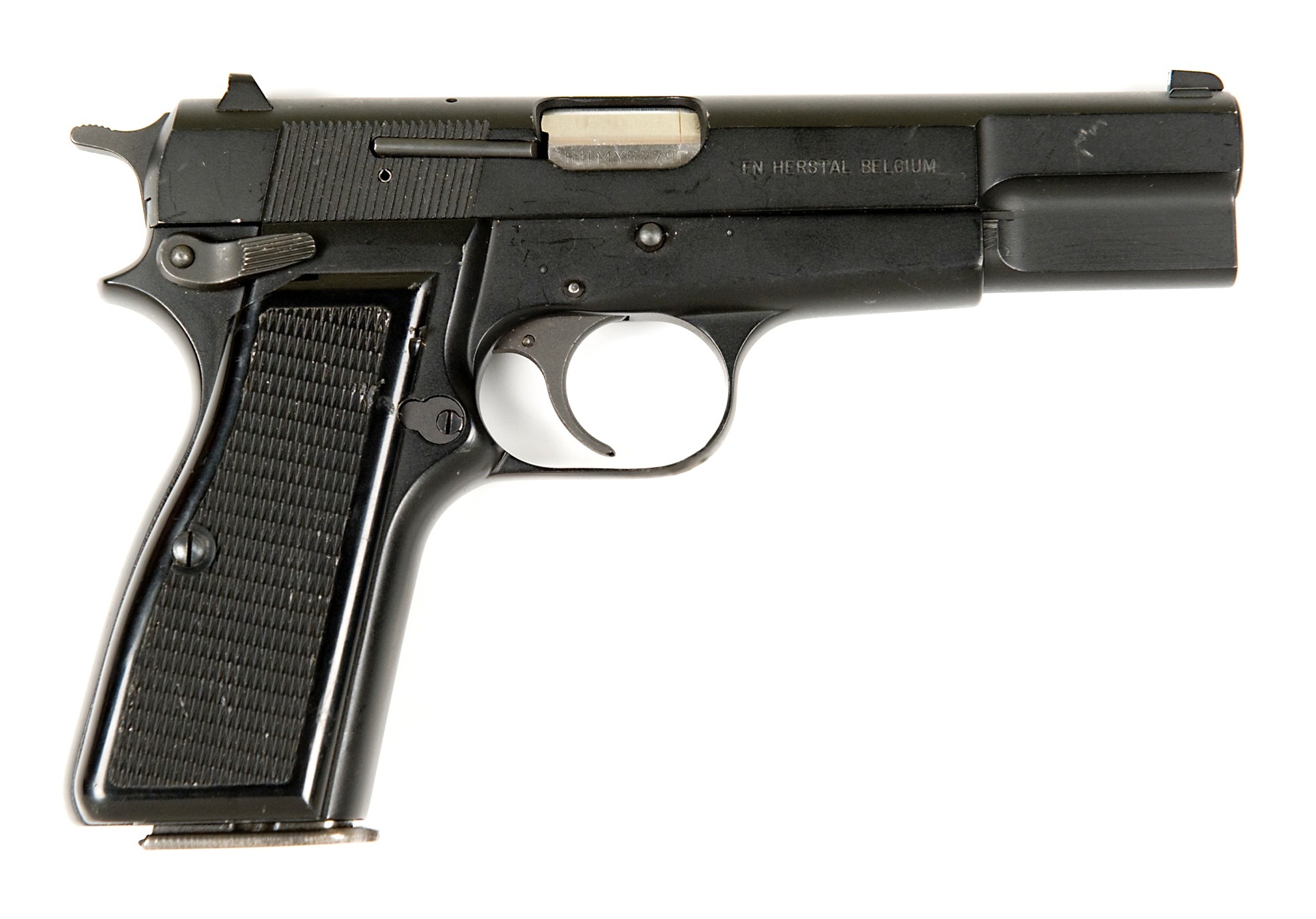
A lot of people assume the Hi-Power was entirely John Moses Browning’s final masterpiece, start to finish. The truth is more interesting. Browning began the design, but he died in 1926 before the pistol was completed, leaving the project unfinished at Fabrique Nationale.
The handgun we know today was heavily refined by Dieudonné Saive, an FN designer who helped transform Browning’s concepts into the finished pistol. That matters because the Hi-Power is really a bridge between two brilliant minds. It carries Browning’s influence everywhere, but its final form came from collaboration, not a single drafting table.
Its High Capacity Was a Big Deal
Today, a double-stack 9mm magazine feels normal, almost expected. In the 1930s, though, the Hi-Power’s 13-round magazine was a serious leap forward. Most military sidearms of the era carried far fewer rounds, so this pistol instantly stood out in a crowded field.
That extra capacity was not just a sales gimmick. It changed how armies and police forces viewed sidearms, especially at a time when magazine capacity could mean a real tactical advantage. The name Hi-Power itself is often linked to that higher ammunition load, which made the gun feel modern long before modern service pistols became standard.
It Was Built for a French Military Trial

The Hi-Power did not appear out of nowhere as a commercial pistol first. Its roots trace back to a French military requirement for a new sidearm, one that asked for features that sound familiar now, including high capacity, compact dimensions, and a magazine disconnect.
FN developed the pistol with that trial in mind, even though France ultimately did not adopt it. That twist is part of what makes the Hi-Power story so fun to tell. A handgun designed to satisfy one country’s military checklist ended up becoming a global icon in the hands of many others instead.
The Magazine Disconnect Divides Shooters

One of the Hi-Power’s most talked-about features is the magazine disconnect safety. On many versions, the pistol will not fire unless a magazine is inserted. Some users appreciated that added layer of safety, especially for military or police handling.
Plenty of shooters, however, came to dislike it because it can affect trigger feel and make magazines drop less freely. That is why many Hi-Power owners over the years have had gunsmiths remove or alter the part where legal and safe to do so. It is a classic example of a military requirement becoming a long-running debate among enthusiasts.
Both Sides Used It in World War II

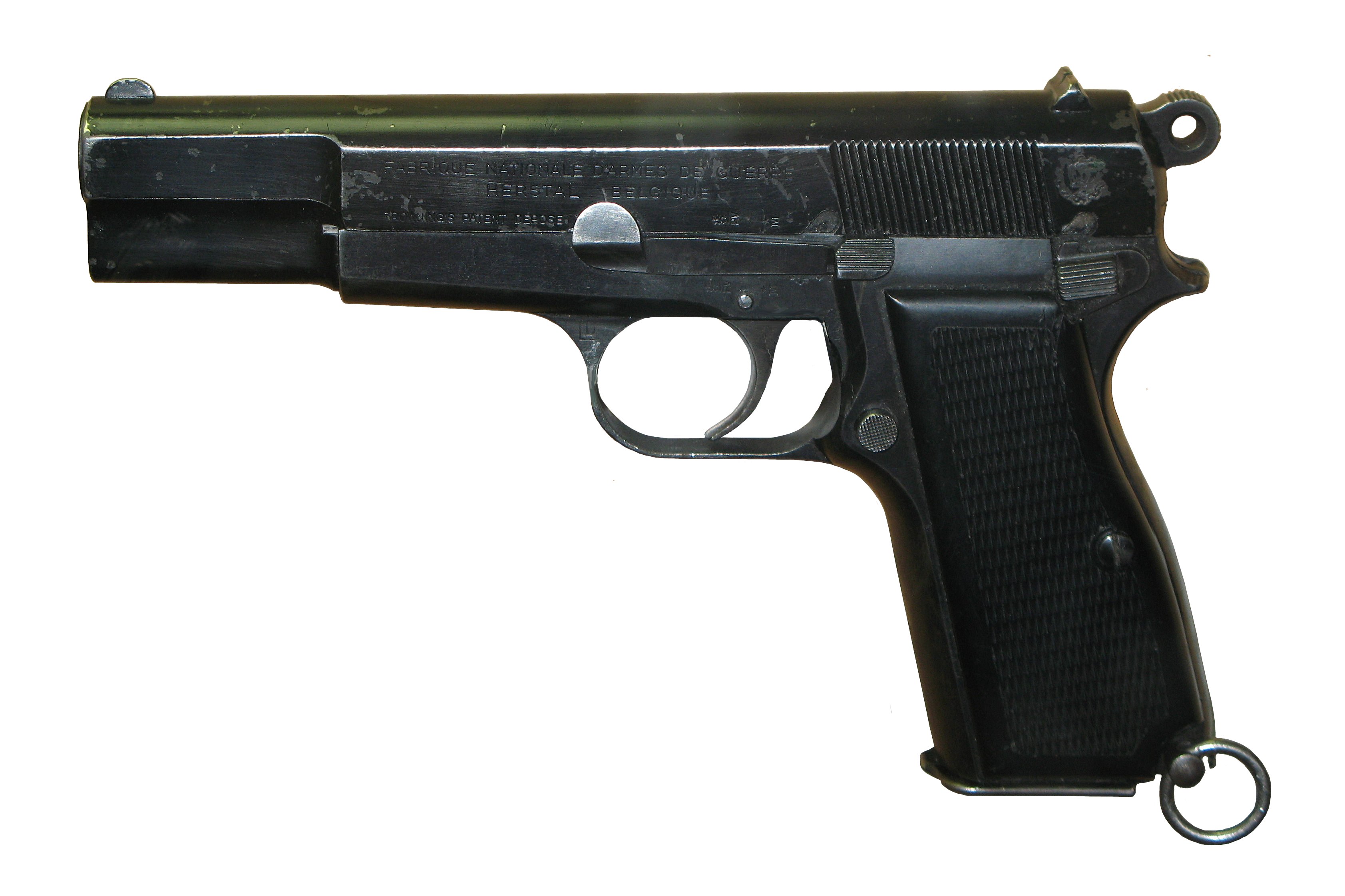
Few pistols have a wartime history as unusual as the Hi-Power. During World War II, FN’s Belgian factory fell under German control, and Hi-Powers were produced for Nazi forces. At the very same time, Allied-connected production continued in Canada through John Inglis and Company.
That means the same basic handgun ended up serving on both sides of the conflict, which is a rare and striking bit of firearms history. Collectors still pay close attention to markings, proofs, and production details from these wartime examples. Every stamp tells a story about where that pistol was made and who likely carried it.
It Became a Favorite Across the Globe

The Hi-Power was not just popular in one country or one branch of service. It spread almost everywhere. Over the decades, military and police organizations in dozens of nations adopted it, giving the pistol an international footprint few handguns can match.
Part of the appeal was simple reliability paired with a slim grip for a double-stack pistol. It felt easier to carry and point than some chunkier designs that came later. Because it traveled so widely, the Hi-Power picked up a reputation that was part battlefield tool, part diplomatic passport. If a sidearm could become cosmopolitan, this one did.
Its Grip Shape Helped Build Its Reputation

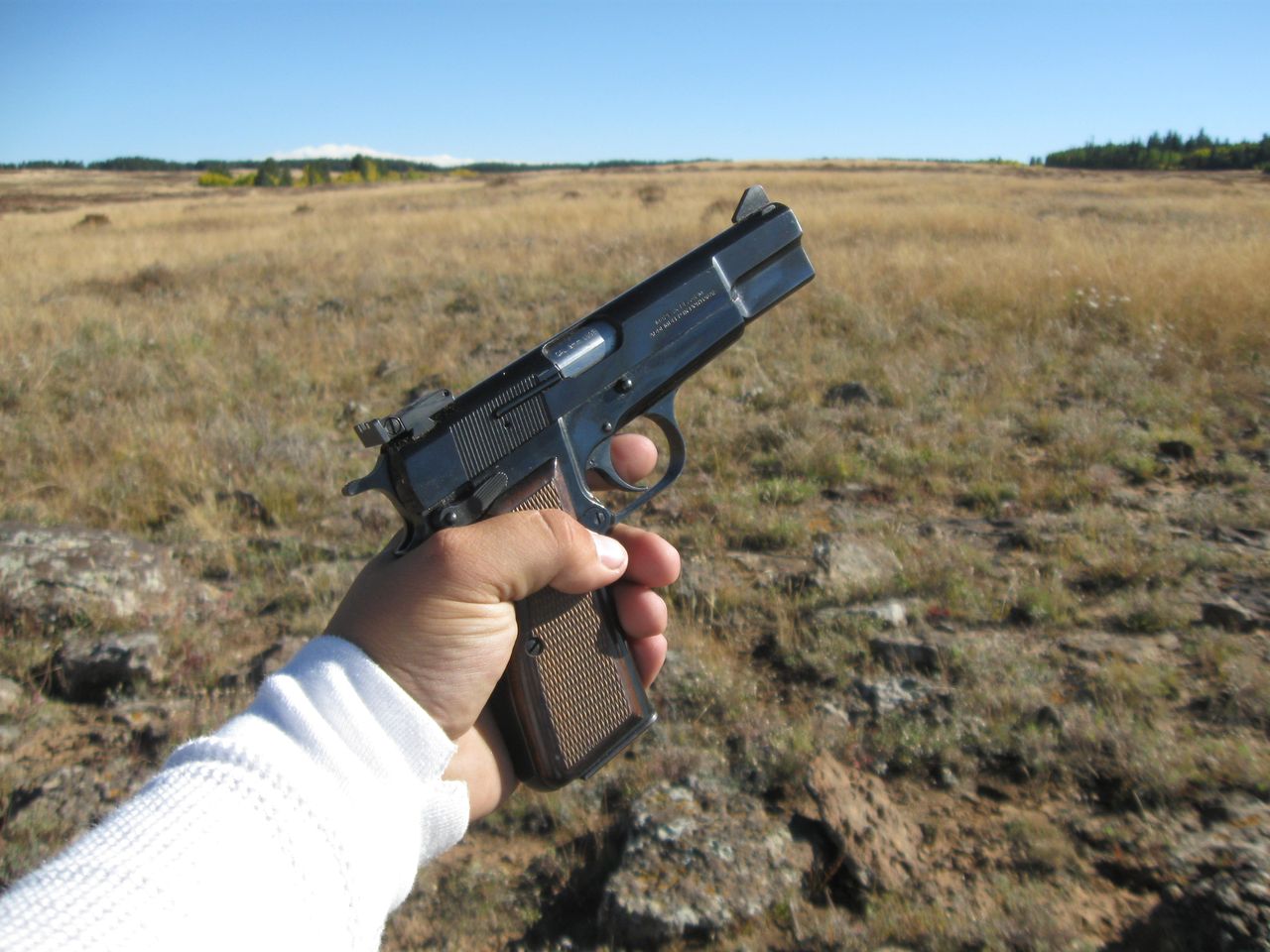
Ask longtime fans why they love the Hi-Power, and many will mention the way it feels in the hand before they mention anything else. The grip is famously ergonomic, with a natural pointing quality that helped the pistol earn loyal followers generation after generation.
That comfort was especially notable because the gun held 13 rounds without feeling overly bulky. For many shooters, it hit a sweet spot between capacity, balance, and controllability. Even people who prefer newer pistols often admit the Hi-Power has a kind of elegance that is hard to duplicate. It feels less like a tool stamped from a trend and more like a carefully shaped instrument.
Early Models Had Tiny Sights

Modern shooters who pick up an older Hi-Power are sometimes surprised by the sights. Many classic examples wear small, low-profile military-style sights that can seem hard to use by today’s standards. They made sense in their era, but they do not always feel generous on a modern range.
That difference says a lot about how handgun expectations have changed. Older service pistols were often built around practical battlefield carry more than fast, high-visibility target shooting. As the Hi-Power evolved, later variants added improved sights and updated controls. Still, those original sight setups are part of the pistol’s unmistakably old-school personality.
Clones and Copies Kept the Design Alive

Even after the original pistol became harder to find in regular production, the Hi-Power design refused to disappear. Licensed versions, close copies, and modern reinterpretations from companies in several countries kept the platform alive for new generations of shooters.
That ongoing interest says a lot about the gun’s staying power. Manufacturers do not keep revisiting a design unless people still want it. Some buyers chase historical authenticity, while others want a Hi-Power updated with better sights, stronger finishes, and modern machining. Either way, the message is clear: this is not a relic people admire from afar. It is a classic many still want to carry and shoot.
It Helped Shape the Modern Wonder Nine

The Hi-Power arrived decades before the phrase wonder nine became common, but it helped lay the groundwork for that whole category. A high-capacity 9mm service pistol with a relatively slim profile and combat-ready ambitions was a forward-looking idea long before the late 20th century made it mainstream.
In that sense, the Hi-Power was not just a successful pistol. It was a preview. Later designs from other makers pushed the concept further with double-action systems, polymers, and different safeties, but the Hi-Power showed the industry where things were heading. For many gun historians, that is its real legacy: not just popularity, but influence that echoed far beyond its own production run.