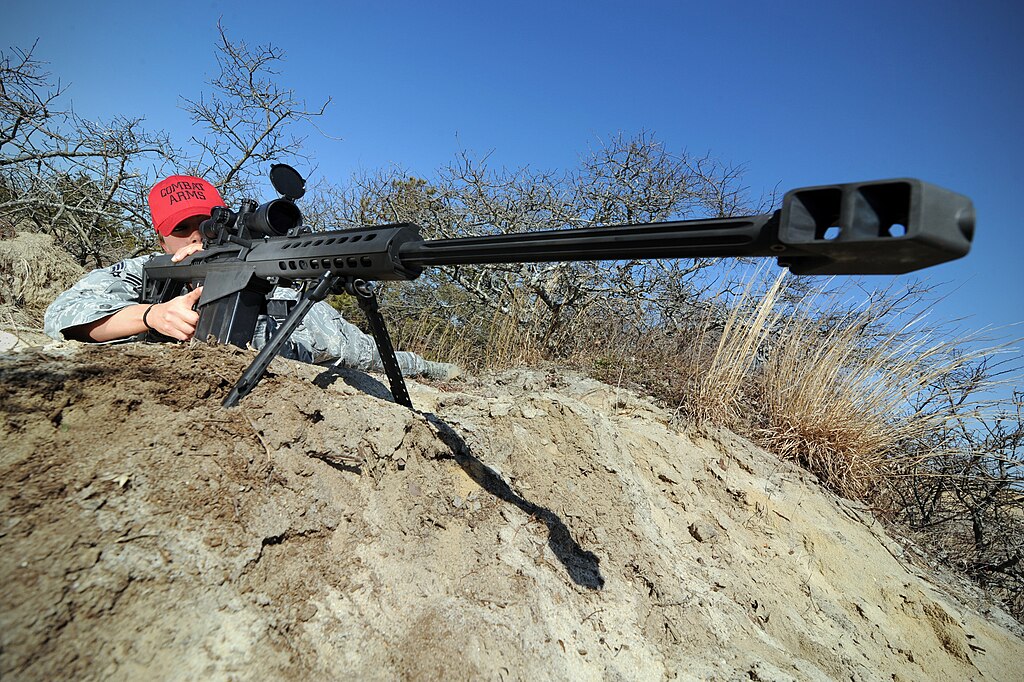
The U.S. military relies on specialized rifles for extreme long-range engagements and precision strikes. Among these, the Barrett M107 and the Barrett MK22 stand out as heavy hitters, each designed with unique missions in mind. The M107 is a semi-automatic .50 BMG powerhouse, optimized for anti-materiel tasks, while the MK22 is a modular, multi-caliber sniper system built for versatility and precision. Understanding their differences is crucial for anyone interested in modern military firearms.
1. Caliber Versatility
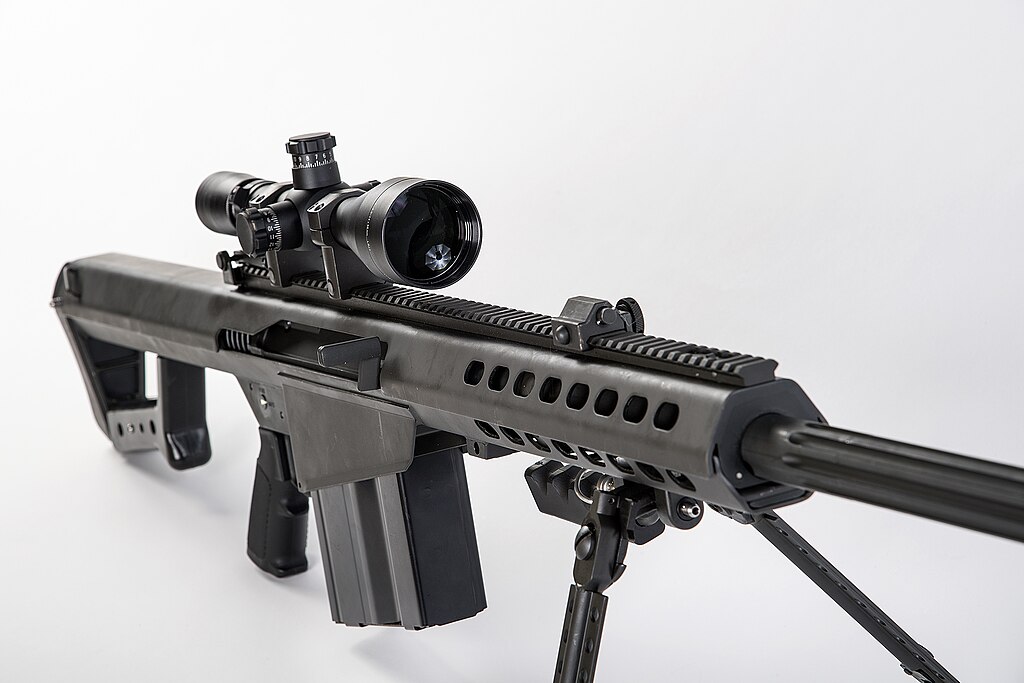
The Barrett M107 is chambered exclusively in .50 BMG, giving it immense firepower ideal for disabling vehicles, equipment, or long-range suppression. The MK22, in contrast, is modular, supporting multiple calibers like 7.62×51mm NATO, .300 Norma Magnum, and .338 Norma Magnum. This adaptability allows operators to switch calibers depending on mission requirements, from medium-range engagements to extreme long-range precision, making the MK22 a more versatile platform for modern military snipers.
2. Action Mechanism
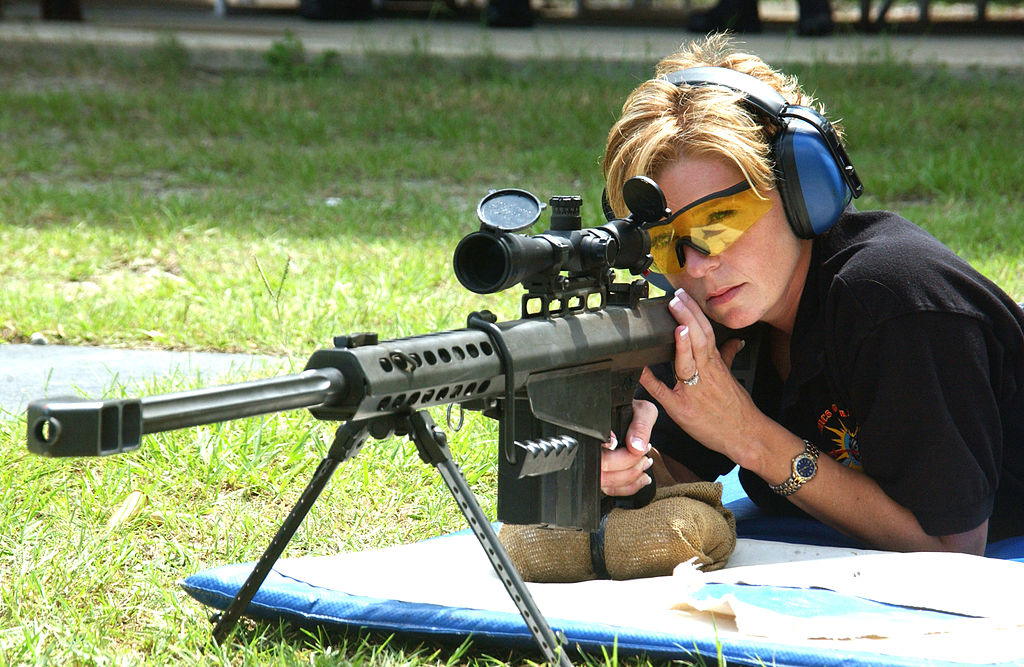
The M107 operates with a semi-automatic, recoil-driven system, allowing quick follow-up shots without cycling manually. This design suits rapid engagement against material targets and multiple threats. Meanwhile, the MK22 uses a bolt-action mechanism, prioritizing accuracy over speed. The controlled bolt system reduces recoil impact on follow-up shots, enhances precision at extreme distances, and provides a stable, consistent platform for operators requiring pinpoint accuracy in sniper missions or overwatch operations.
3. Weight and Portability
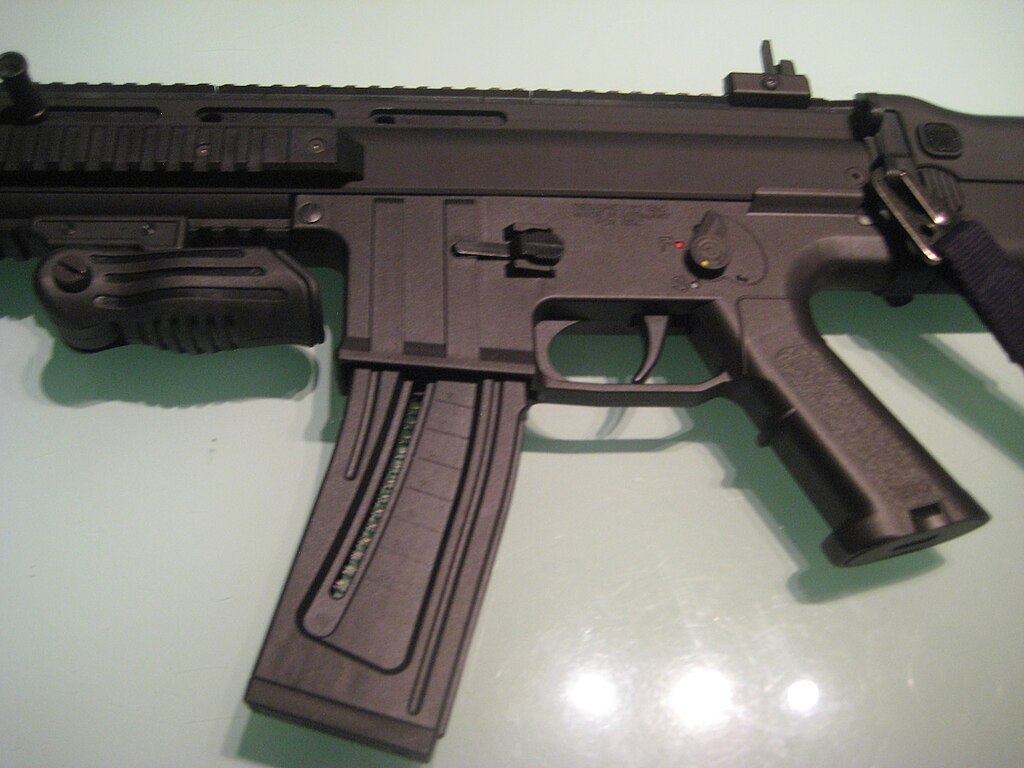
The M107 is a large, heavy rifle, weighing around 28.7 pounds for the 29-inch barrel version, reflecting its anti-materiel focus. The MK22 is significantly lighter, around 15.2 pounds for the .338 NM configuration without accessories. The reduced weight improves mobility and makes long-duration operations more manageable. Soldiers can carry the MK22 through varied terrains more comfortably, while the M107’s heft ensures stability during heavy caliber shots but limits quick repositioning during dynamic engagements.
4. Barrel Options
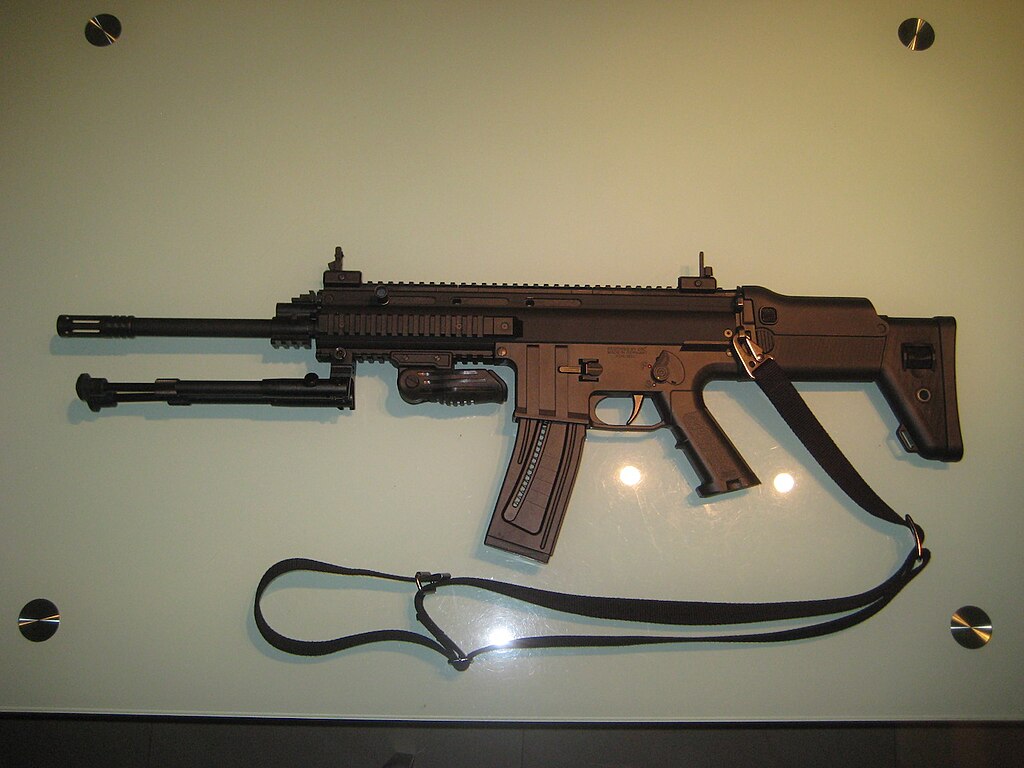
Barrel length impacts both range and handling. The M107 is available in 20-inch and 29-inch barrels, with longer barrels providing higher muzzle velocity for extended range. The MK22 offers barrel lengths from 20 to 27 inches, depending on caliber, enabling mission-specific configurations. Shorter barrels improve portability and maneuverability, while longer barrels maximize accuracy. This modularity ensures operators can adapt the MK22 for precision sniper work, while the M107 maintains consistent anti-materiel performance.
5. Effective Engagement Range
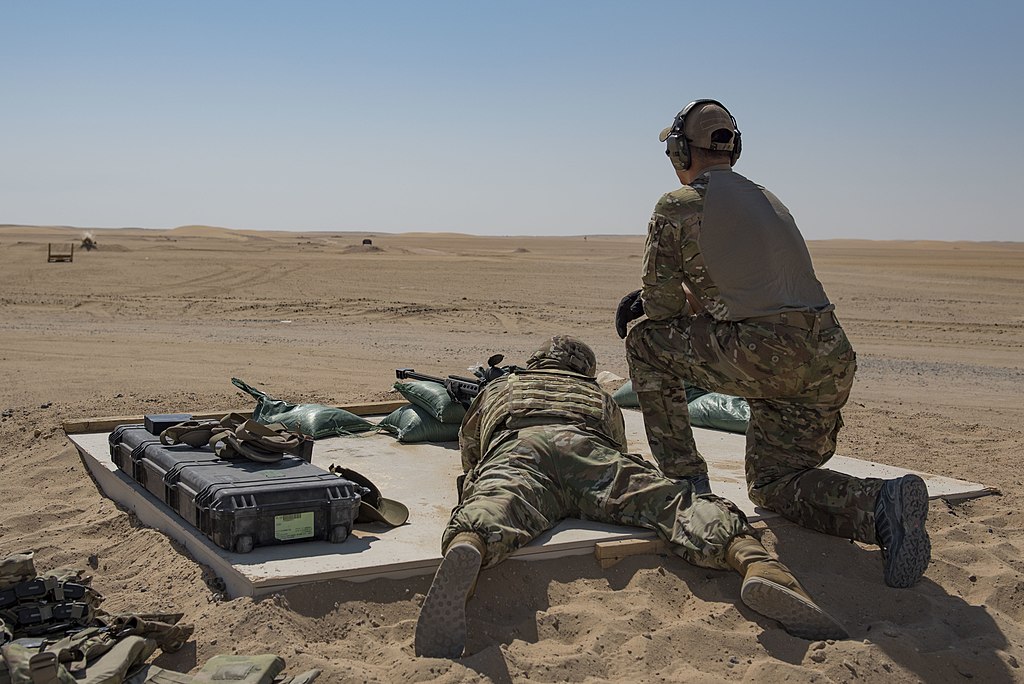
The M107 boasts an effective range up to 2,000 meters, ideal for anti-materiel operations and long-distance suppression. The MK22’s range depends on caliber, reaching up to 1,500 meters with the .338 NM setup, designed for precise long-range target engagement rather than raw destructive power. While the M107 emphasizes sheer reach and stopping capability, the MK22 focuses on controlled accuracy, making each shot count, especially in sniper missions where precision is essential for operational success.
6. Modularity and Customization
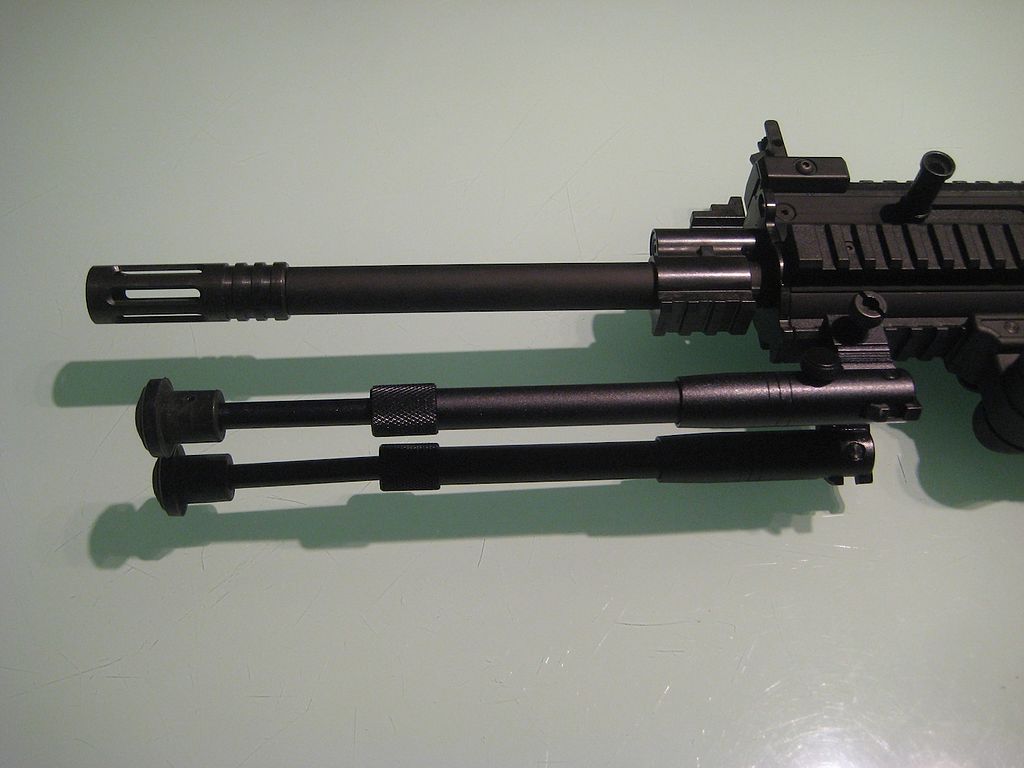
The M107 has a largely fixed configuration, optimized for reliability and anti-materiel tasks, with limited customization. The MK22, by contrast, is highly modular, featuring quick-change barrels, adjustable stocks, and adaptable rails. Operators can tailor optics, suppressors, and other accessories for mission-specific needs. This flexibility allows the MK22 to serve in various roles from urban sniper operations to mountain overwatch, offering unmatched adaptability for today’s multi-mission environments, unlike the more specialized M107 platform.
7. Stock Design and Ergonomics
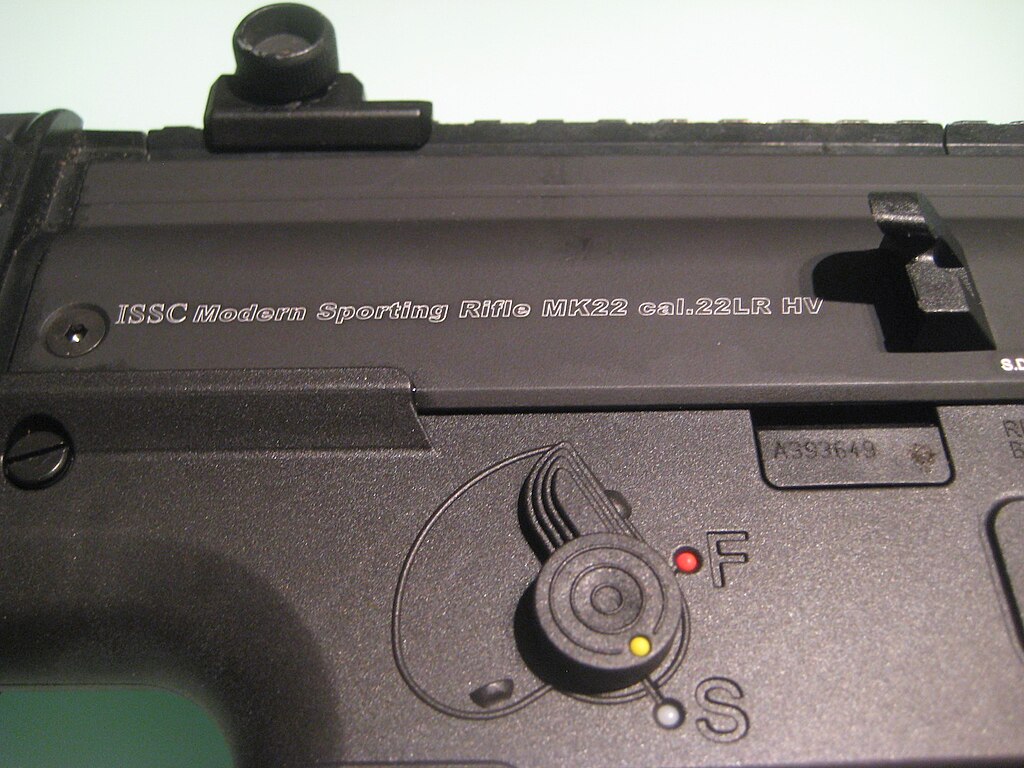
The M107 employs a fixed stock with a rear monopod to enhance stability during firing, particularly important for its powerful recoil. The MK22 features a folding, adjustable stock with an M LOK® system, allowing personalized ergonomics and compact storage. Adjustable cheek rests and butt pads improve comfort for extended missions. While the M107’s stock maximizes control for heavy rounds, the MK22 emphasizes user adaptability, letting snipers fine-tune their platform for different calibers, terrain, and shooting positions.
8. Suppressor Integration
Both rifles are suppressor compatible, but their approaches differ. The M107 can use a quick-detach suppressor to reduce muzzle blast and flash, important in tactical scenarios. The MK22 integrates suppressor-ready designs with muzzle brakes that reduce recoil and noise while preserving precision. The MK22’s system enhances stealth operations, allowing soldiers to engage targets without revealing their position. In contrast, the M107’s suppressor improves crew survivability and comfort but is secondary to its long-range firepower.
9. Rail and Accessory Systems
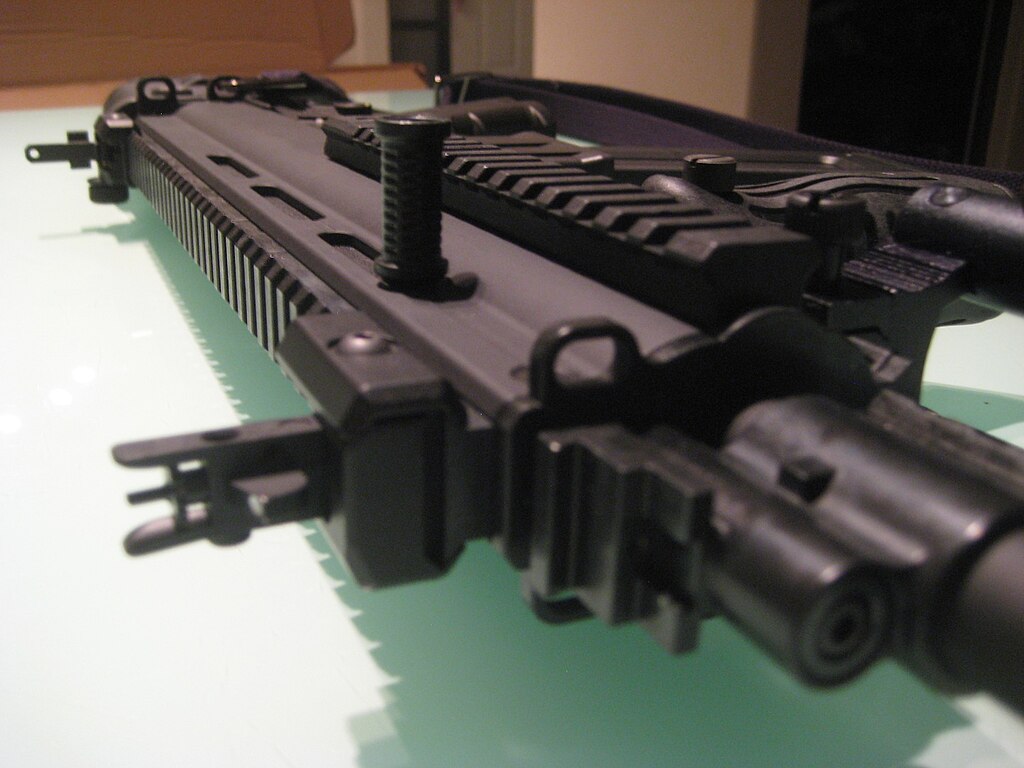
The M107 includes a full-length Picatinny rail for optics, night vision devices, and tactical accessories, allowing modular attachments. The MK22 uses a 10 mil rail with M LOK® slots for enhanced versatility in mounting optics, bipods, and other mission-critical gear. While both platforms support advanced targeting systems, the MK22’s design prioritizes operational flexibility and ease of accessory changes in the field. The M107 remains robust for its specific anti-materiel role, favoring stability over adaptability.
10. Deployment Roles
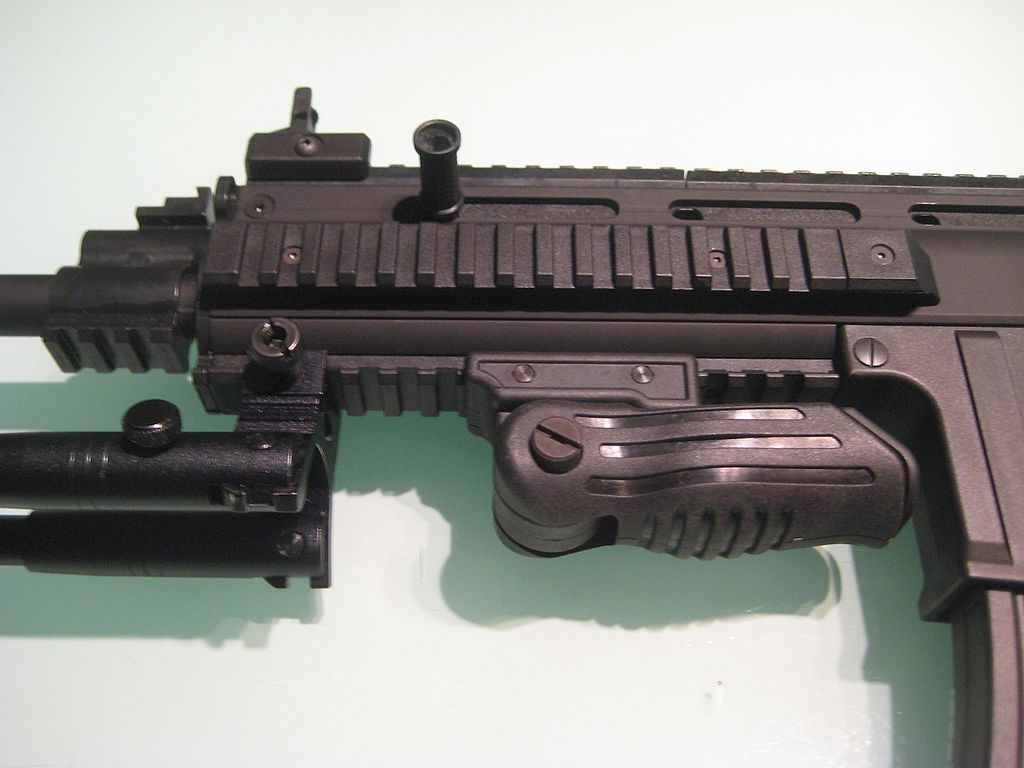
The Barrett M107 is a semi-automatic .50 BMG anti-materiel rifle used to disable vehicles, equipment, and fortifications at extreme ranges. The MK22 Advanced Sniper Rifle, adopted by the U.S. Army and Marine Corps, replaces older precision systems like the M2010 and uses a bolt-action, multi-caliber design with 7.62×51mm NATO, .300 Norma Magnum, and .338 Norma Magnum to provide modularity and tailored accuracy. Instead of replacing the M107, the MK22 complements it by offering greater precision, lighter weight, and adaptability for modern long-range sniper roles.