Starting a fire outdoors is much easier when you have the right tinder. While dryer lint is often recommended as a convenient fire-starting material, it has some limitations. Its performance depends on the fabric it comes from, and synthetic fibers may melt instead of catching fire properly. Natural materials offer several dependable alternatives because many contain fine fibers, natural oils, or lightweight structures that help flames develop. From dry tree bark to seed fluff, these materials can be collected responsibly and prepared with little effort. Understanding how each one behaves in different weather conditions can make a noticeable difference when preparing a reliable campfire.
1. Birch Bark
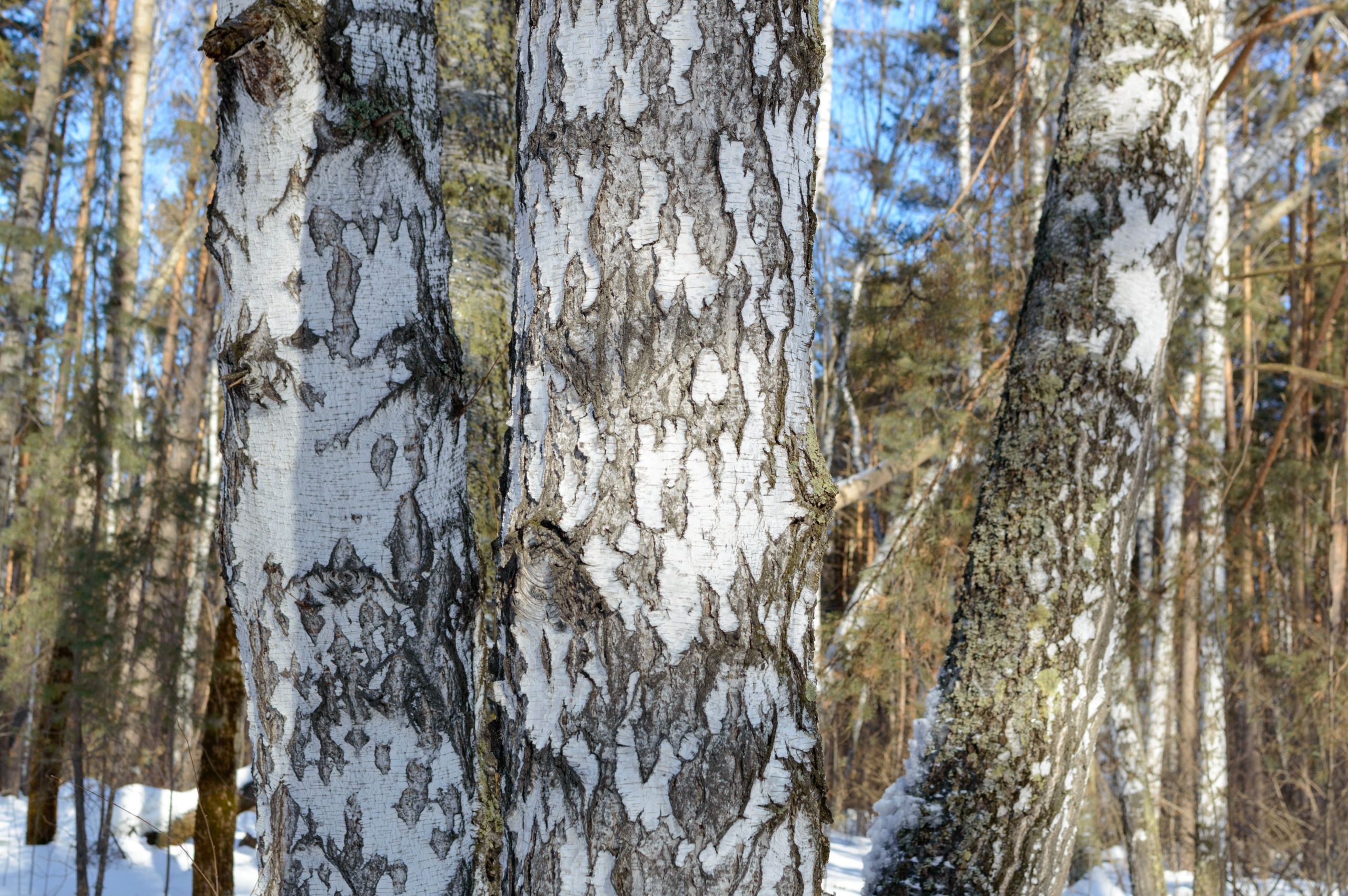
Birch bark is one of the most dependable natural tinder materials because its outer layers contain natural oils that help it ignite even when the surrounding environment is slightly damp. Its thin, papery texture makes it easy to separate into smaller pieces, while the curled edges provide plenty of surface area for a flame to catch. Unlike dryer lint, birch bark has a naturally occurring composition rather than depending on unknown fabric fibers. Collect loose bark from fallen branches whenever possible instead of stripping living trees. A small handful of dry, finely separated pieces can be useful for starting a campfire. Its availability varies by region, but it remains a particularly valuable material in birch-growing woodland.
2. Cedar Bark
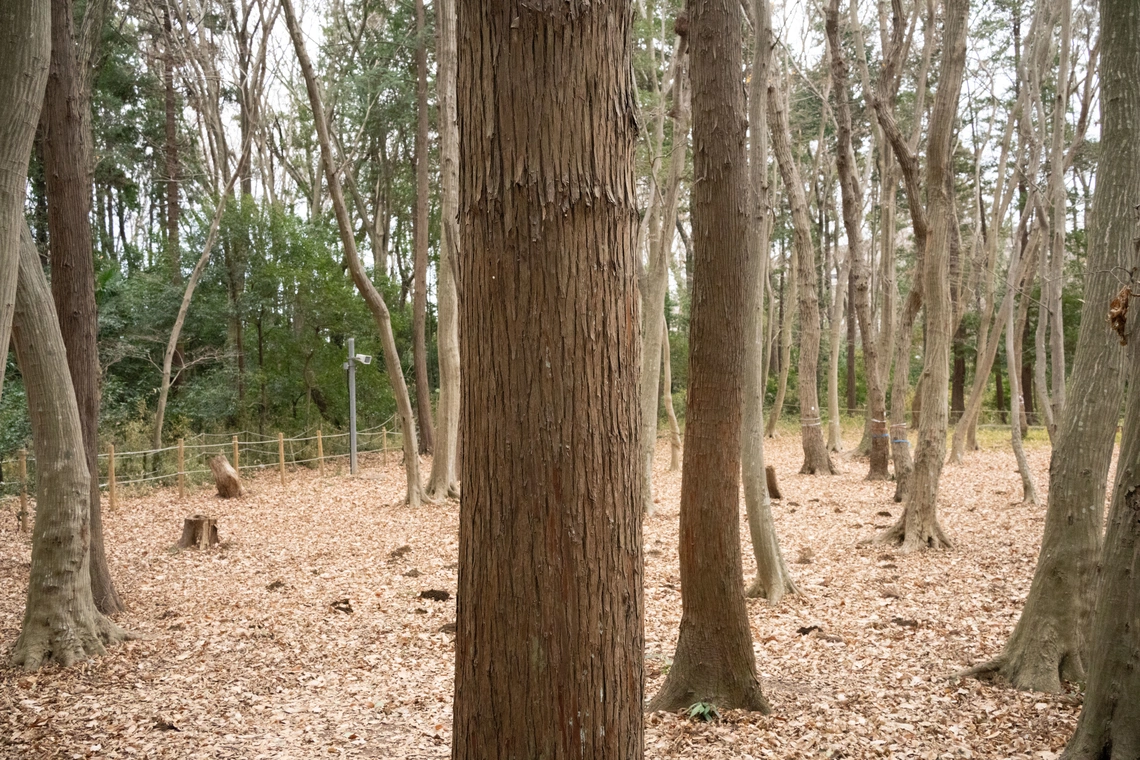
Cedar bark is especially useful for outdoor fire preparation because its naturally fibrous structure can be separated into thin strands that dry relatively quickly. The material has a distinctive woody aroma, and its lightweight fibers provide plenty of exposed surface compared with thicker pieces of wood. When collected from naturally shed bark or dead branches, cedar can become a practical alternative to manufactured tinder. Its performance depends heavily on moisture, so freshly collected material may need additional drying before use. A handful of loose fibers is generally more useful than a compact bundle because separated strands expose more surface area. Cedar is not equally available everywhere, but in areas where it grows, it is worth recognizing as a valuable natural resource.
3. Dry Pine Needles
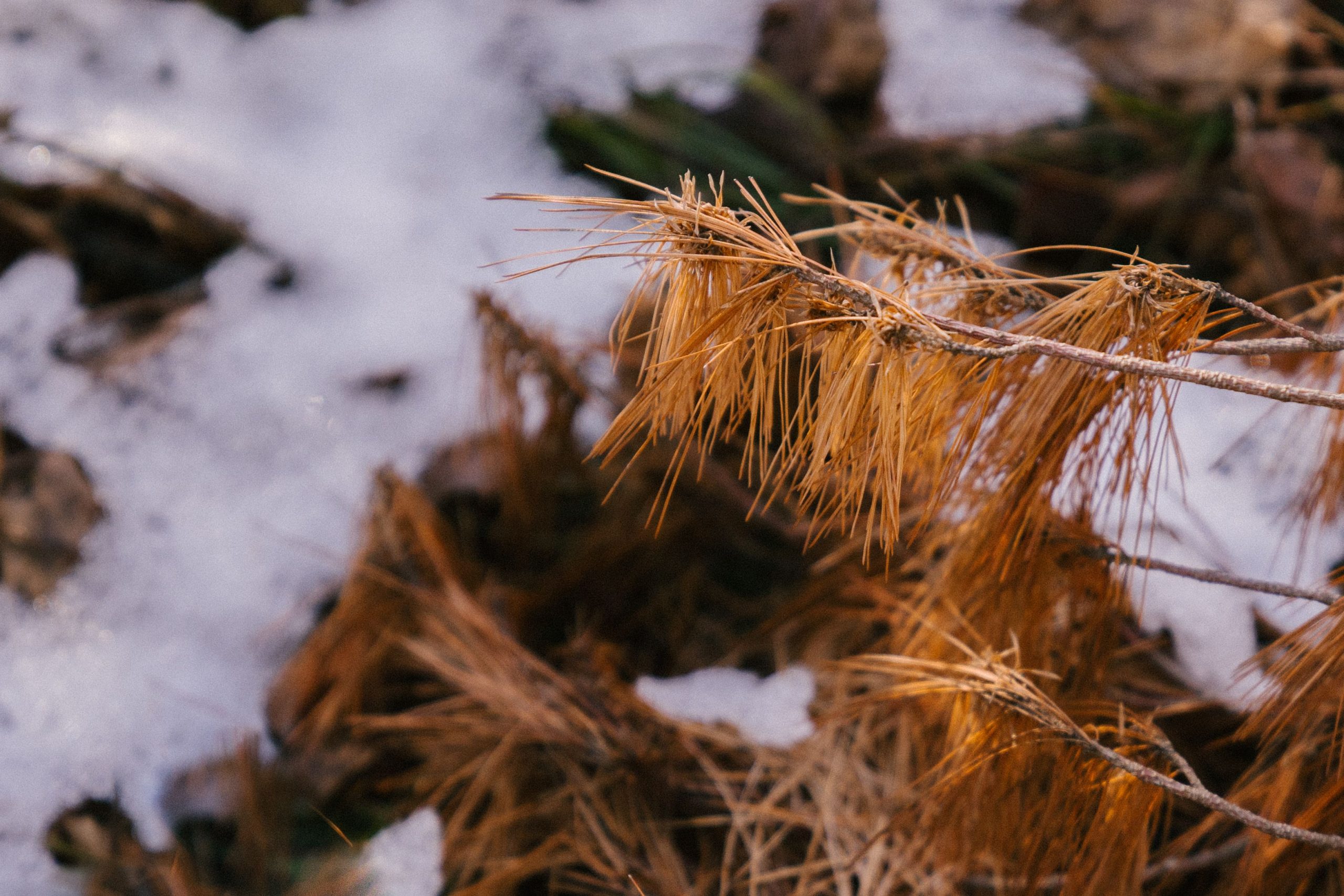
Dry pine needles are easy to recognize and can be found beneath mature pine trees in many woodland environments. Their narrow shape and relatively low weight make them convenient to gather, while their natural resin content can contribute to their flammability. Fresh green needles are considerably less suitable because their moisture content makes ignition difficult. Look for brown, fully dried needles that have accumulated beneath trees, and avoid collecting more than necessary from a sensitive natural area. A small bundle of dry needles can provide useful fine material for a fire-starting setup. However, tightly packed needles may restrict airflow, and resin-rich vegetation can produce smoke, so proper ventilation and a safe outdoor fire location are important.
4. Cattail Seed Fluff
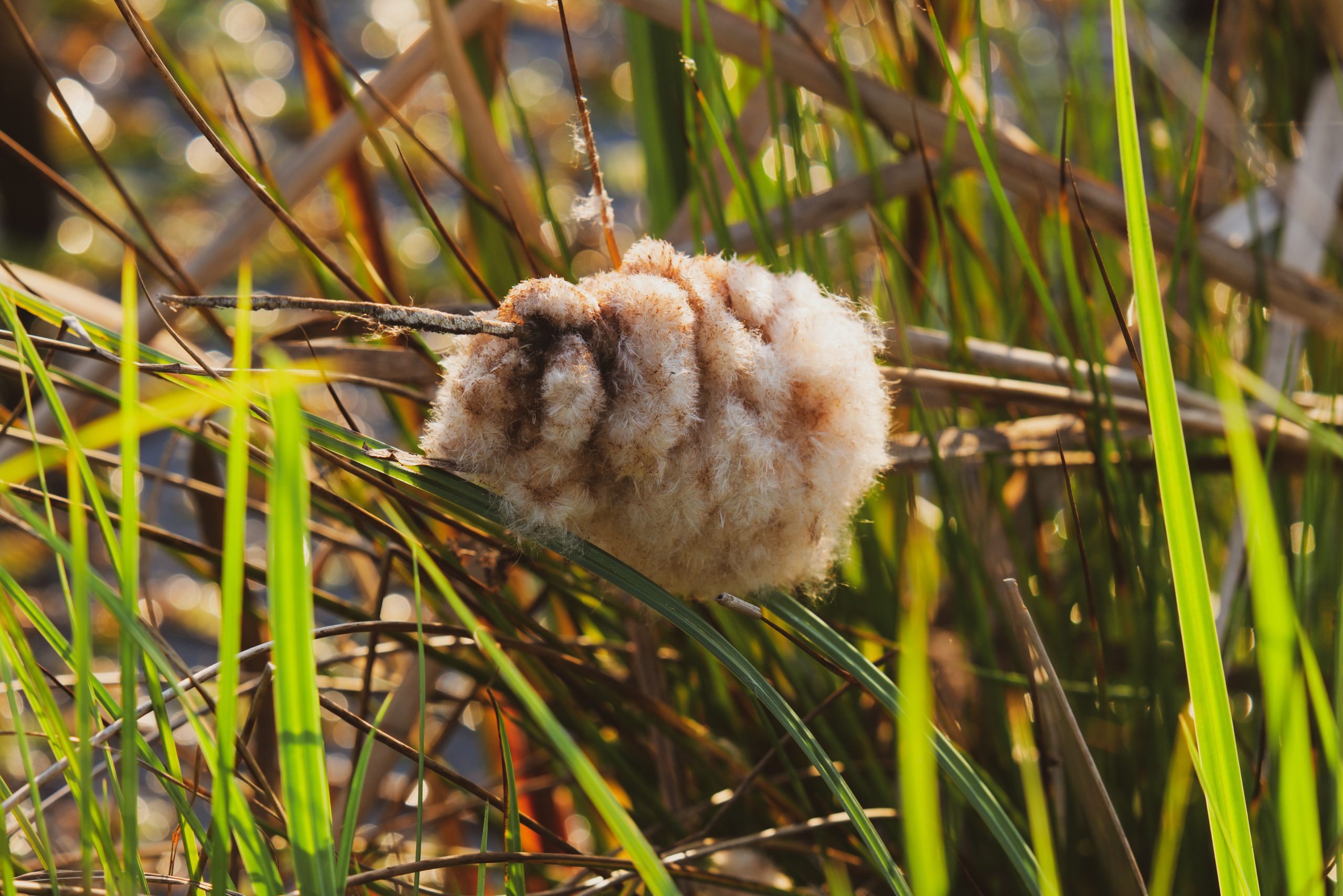
Cattail seed fluff is an extremely lightweight natural material found in the familiar brown, cylindrical seed heads of cattail plants. As the seed head matures and dries, it releases thousands of fine, cotton-like fibers that can be collected with very little effort. These fibers have a large surface area relative to their weight, making them interesting for traditional fire-starting applications. Unlike heavier plant material, cattail fluff is easy to carry in a small container, although its loose structure makes it vulnerable to wind and moisture. Collect only mature, naturally dry seed heads where harvesting is permitted. A single mature head can release a surprisingly generous amount of fluff, making this seasonal plant worth recognizing during outdoor trips.
5. Dried Grass
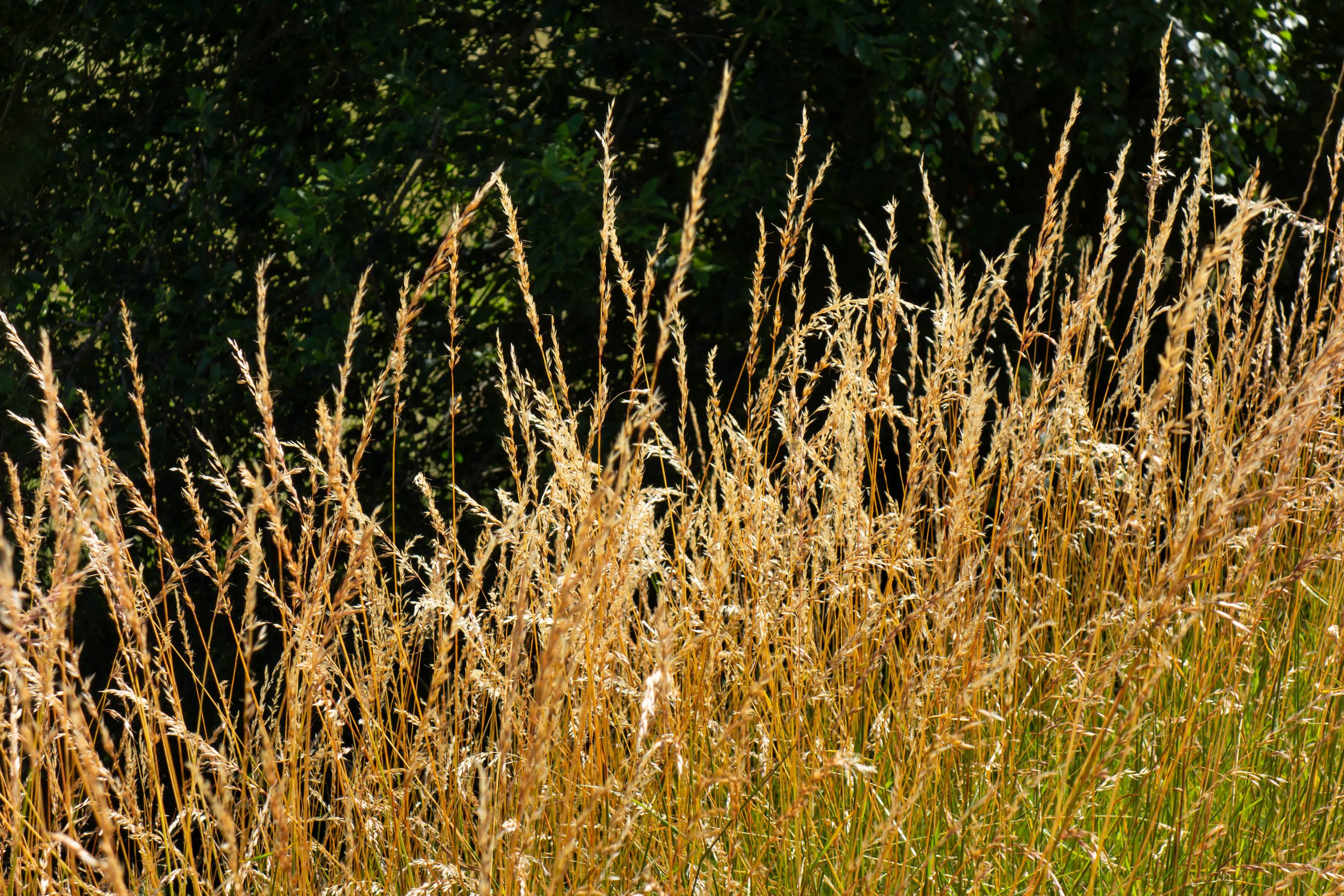
Dried grass is among the most accessible natural materials for outdoor fire preparation because it grows in fields, woodland clearings, and open countryside. Its thin stems lose moisture relatively quickly compared with thicker vegetation, particularly when exposed to sunlight and moving air. Fine, dry grass is generally more useful than coarse, damp stalks because it contains less moisture and has a greater exposed surface area. Avoid grass that is green, recently cut, or visibly wet from rain or morning dew. Different species vary in texture, length, and drying characteristics, so not every patch performs equally well. Collecting a small amount of already fallen grass is preferable to disturbing living vegetation or removing material from protected habitats.
6. Milkweed Seed Fluff
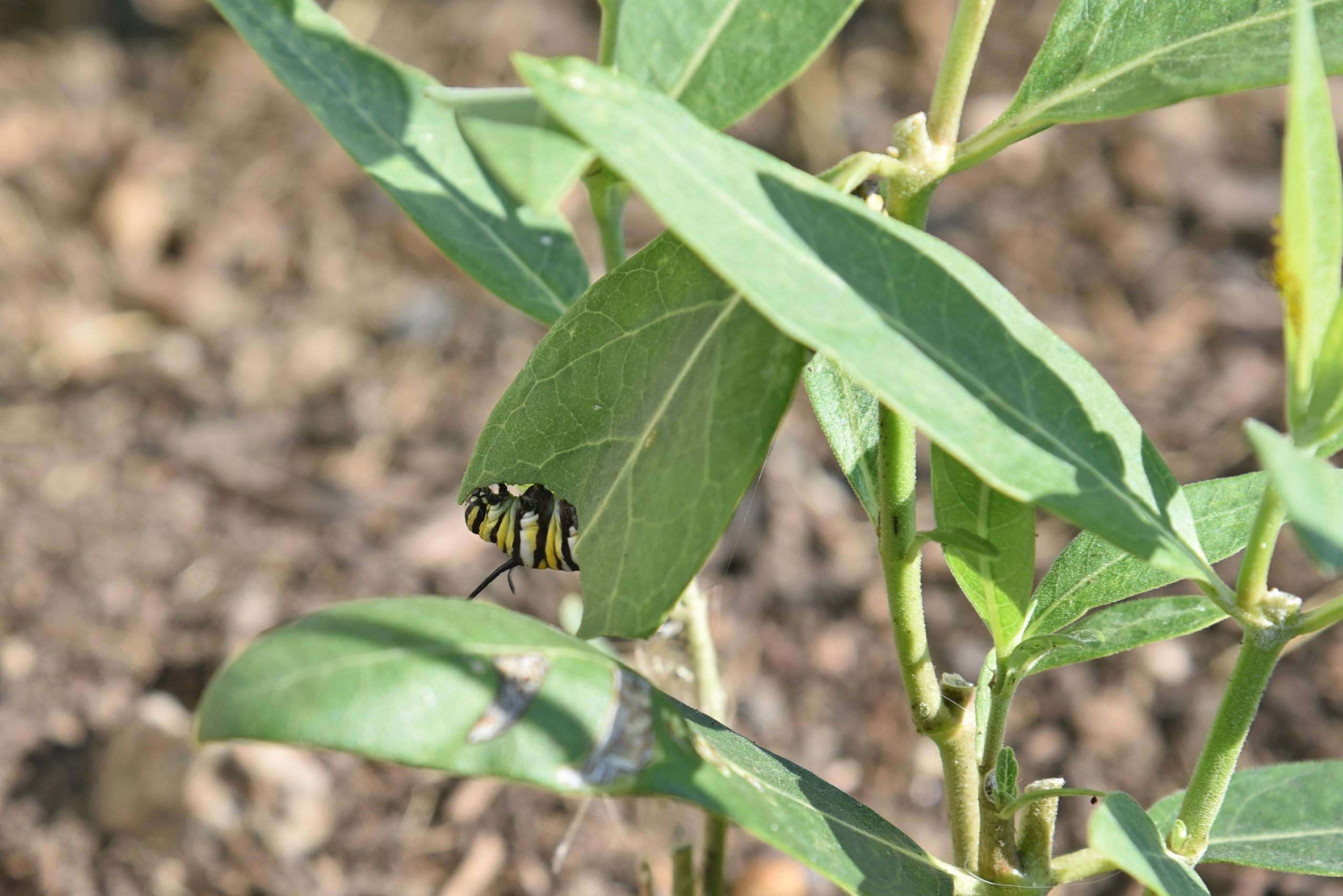
Milkweed seed fluff is another naturally occurring material worth recognizing because its silky fibers are remarkably lightweight. Each mature seed pod can contain numerous seeds attached to fine, parachute-like strands that help them travel through the air. Once the pods become dry and begin opening naturally, the fluff can be separated from the seeds and stored in a dry container. Its delicate structure provides considerable surface area despite its low weight, although the material can scatter easily in windy conditions. Milkweed availability depends on the region and season, and some species are important to local wildlife. Collect responsibly, leave plenty of seed material for natural regeneration, and avoid disturbing protected plants or habitats.
7. Coconut Husk Fibers
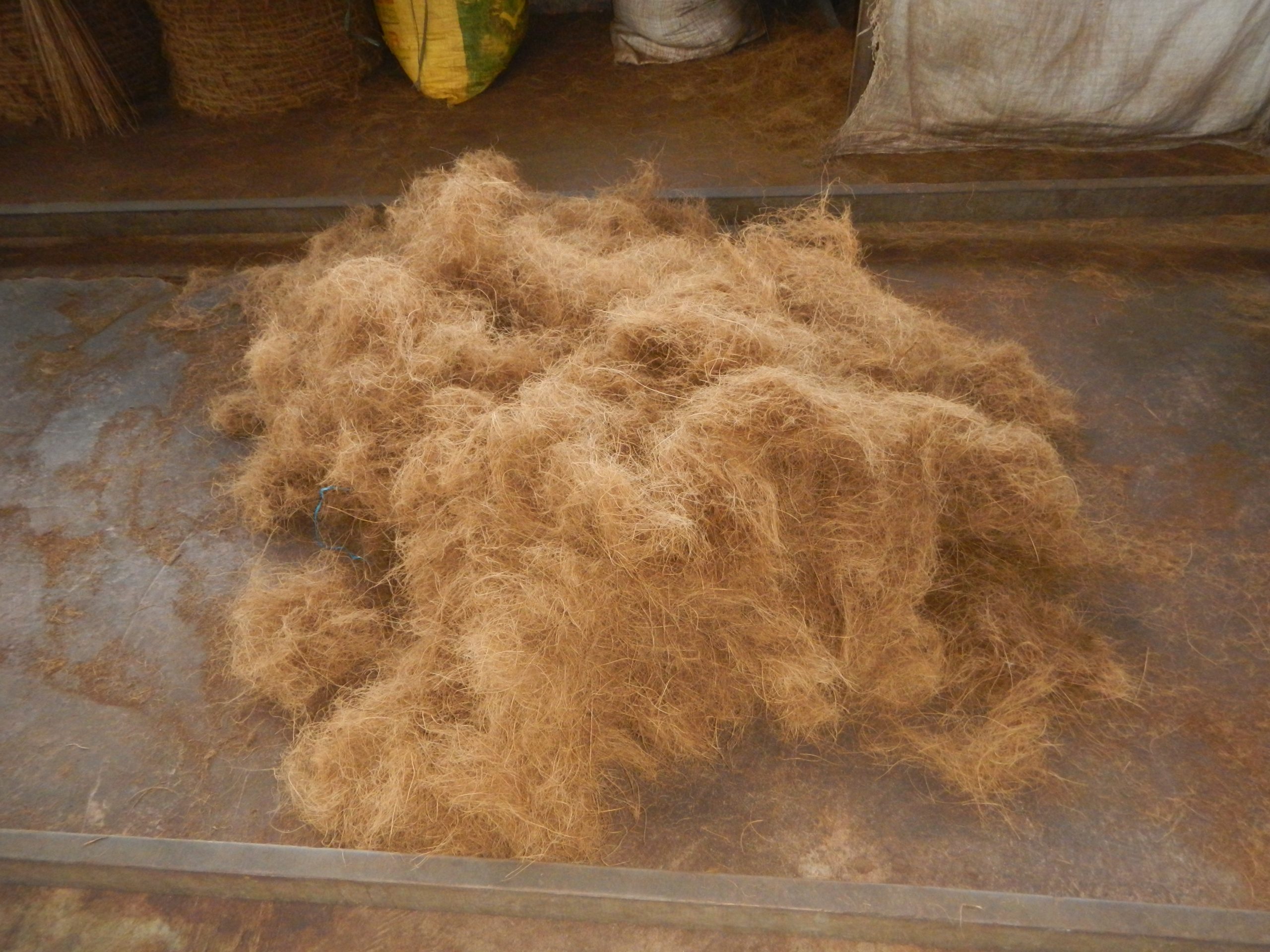
Coconut husk fibers are a particularly interesting natural tinder alternative in tropical regions because they are widely available wherever coconuts are processed. These coarse, woody fibers come from the husk surrounding the hard coconut shell and are naturally durable. When properly dried, their fibrous structure makes them useful in traditional fire-starting preparations. Unlike delicate seed fluff, coconut fibers are relatively robust and can be stored without breaking apart as easily. However, thick or damp husk pieces are not ideal, since their size and moisture can affect how readily they catch fire. In Kerala and other coconut-growing regions, discarded husks can provide a readily available resource. Always choose dry, clean fibers and avoid burning treated or chemically contaminated material.