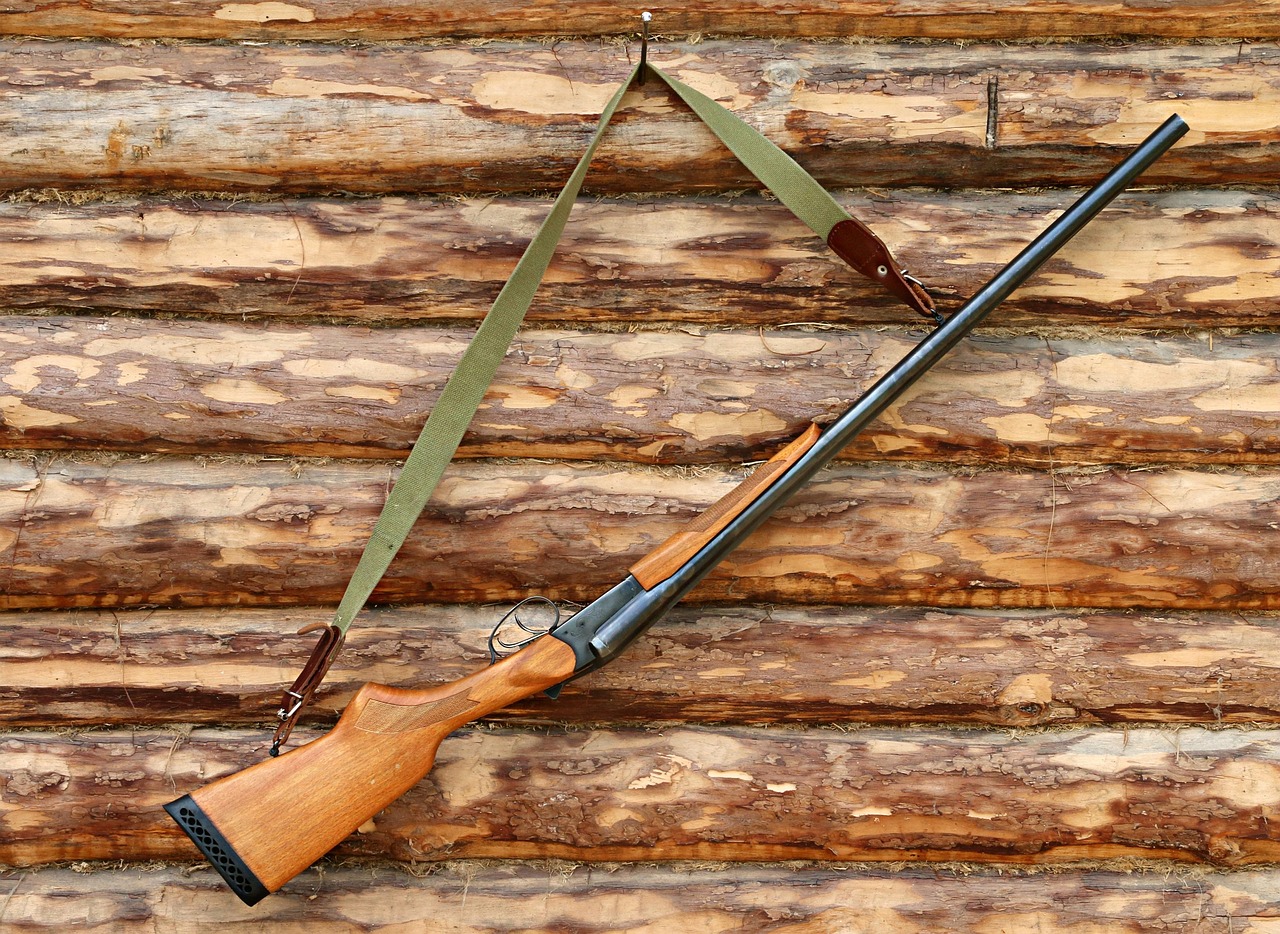
Finding an old rifle in an attic feels like striking hidden treasure. Sometimes it is; just as often, the value is in the history more than the dollars.
Start with safe handling and basic identification
Before you think about price, make sure the rifle is unloaded and handled safely. If you are not experienced, have a qualified gunsmith or firearm dealer check it first.
Then record exactly what is marked on the gun. The ATF says identifying marks commonly include the serial number, manufacturer, model, and caliber or gauge, and those markings are the starting point for figuring out what you have.
Take clear photos of the receiver, barrel markings, buttplate, sights, and any proof marks. Many attic rifles look similar at a glance, but one stamp or caliber marking can separate an ordinary hunting gun from a much scarcer variant.
Know the difference between old, antique, and collectible
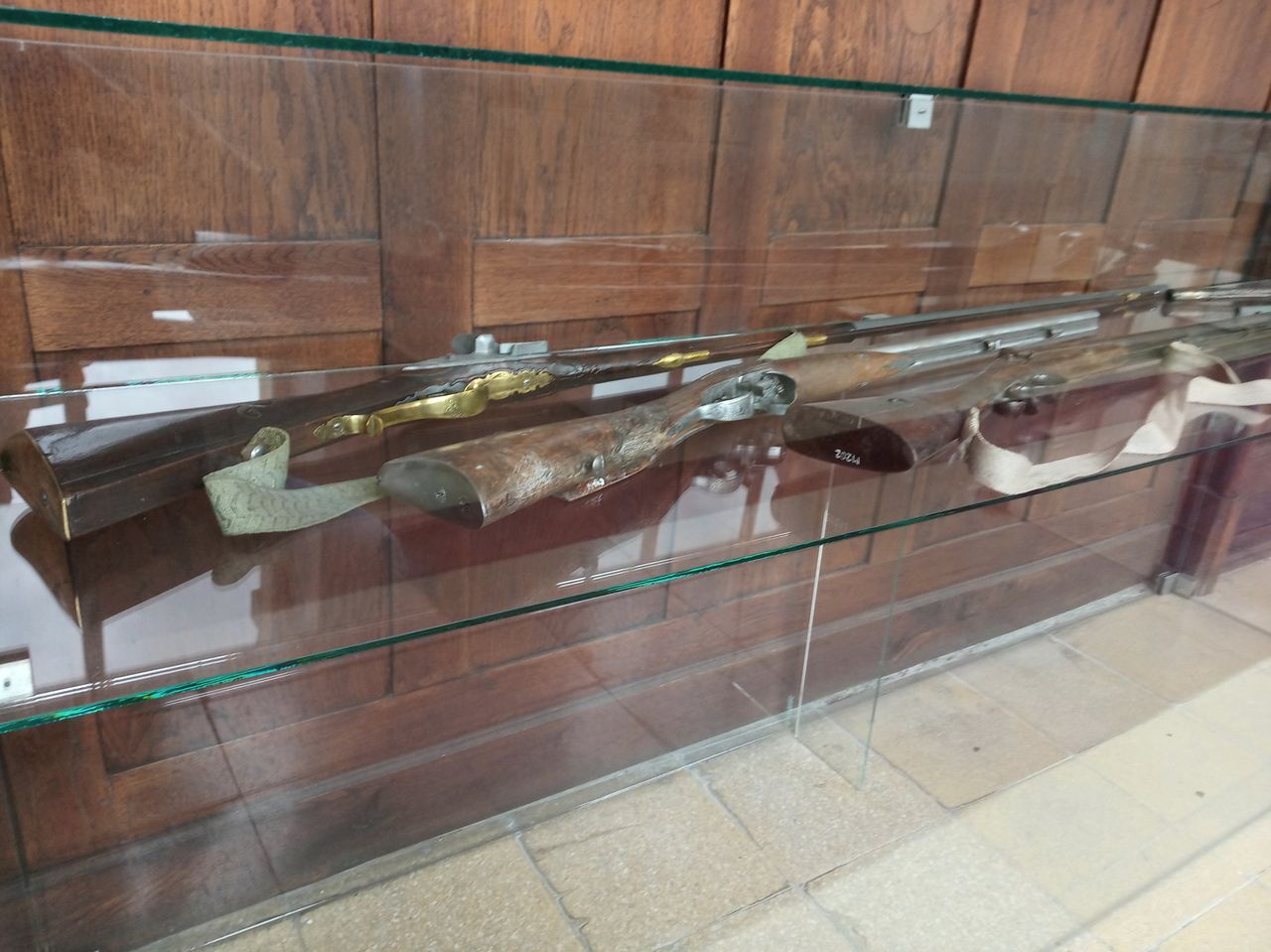
Age alone does not make a rifle valuable. Plenty of old utility rifles were made in huge numbers and still trade modestly.
Legally, “antique firearm” has a specific meaning. ATF regulations generally treat firearms manufactured in or before 1898 as antiques, with some added rules for certain fixed-ammunition guns. That legal category matters for transfer rules, but collector value still depends on demand, rarity, and originality.
A 1950s bolt-action deer rifle may be “old” without being especially collectible. By contrast, a pre-1899 Winchester, early military Mauser, or desirable first-variation lever gun can command real money if the details line up.
Condition drives value more than most owners expect
Condition is where attic finds usually rise or fall. According to Rock Island Auction, original finish, mechanical condition, bore quality, matching parts, and honest wear matter more than a family story.
Collectors pay premiums for rifles that still retain their original bluing, case colors, stock finish, and correct sights. Rust, deep pitting, cracked stocks, missing parts, or amateur refinishing can cut value fast.
Do not clean aggressively. Wiping away loose dust is one thing; sanding the stock, polishing metal, or rebluing can erase collector value. On older guns, untouched originality often beats “improved” appearance.
Rarity, provenance, and special features can change everything
Once the rifle is identified and its condition is clear, rarity becomes the next big driver. Short production runs, unusual calibers, factory special-order features, and documented military or frontier history can move a gun into a different price bracket.
Rock Island Auction notes that items with factory letters, boxes, matching accessories, or documented historical ties often bring stronger bids. Engraving helps only if it is factory or by a recognized period engraver; homemade decoration usually does not.
This is also where family lore needs proof. “Grandpa said it was used in the war” is interesting, but paperwork, named provenance, or archive letters are what the market rewards.
Use sold prices, not asking prices
The fastest way to overvalue an attic rifle is to look only at listings that have not sold. Asking prices reflect hope; sold prices reflect the market.
Compare your rifle to completed auction results from major firearms auction houses and to dealer appraisals from businesses that handle used guns regularly. Rock Island Auction bases estimates on condition, scarcity, and past sales, which is exactly the right framework.
If the rifle might be significant, get a formal appraisal from a reputable auction house, specialist dealer, or knowledgeable gunsmith. Bass Pro and Cabela’s also note that many stores can appraise used firearms for potential purchase or trade.
The simplest rule of thumb

If the rifle is common, altered, rusty, or missing parts, value is usually modest. If it is identifiable, original, mechanically sound, and tied to a desirable maker or model, the odds of meaningful value go up quickly.
In other words, the question is not “How old is it?” The real question is: “What is it, how original is it, and what have comparable examples actually sold for?”