Some rifles are useful. A few become legends.
The pre-64 Winchester Model 70 sits in that second category, and that is exactly why buyers still pay more for it than for many rifles that came later.
The break point that created a collector market

When shooters say “pre-64,” they mean Winchester Model 70 rifles made from 1936 through 1963, before the company’s major 1964 redesign. American Rifleman and Winchester’s own historical timeline both treat 1964 as the dividing line that changed the rifle’s identity in the public mind.
That redesign was not random. Winchester was under cost pressure, and the company reworked the Model 70 to fit faster, cheaper production methods. Winchester itself says the rifle underwent a significant redesign in 1964 to adapt to a changing marketplace.
Ironically, that practical factory decision created a premium collector class overnight. As several long-running gun publications have noted, Winchester did not just replace a rifle in 1964; it created the “pre-64” category that buyers still chase today.
Craftsmanship matters, and buyers can see it
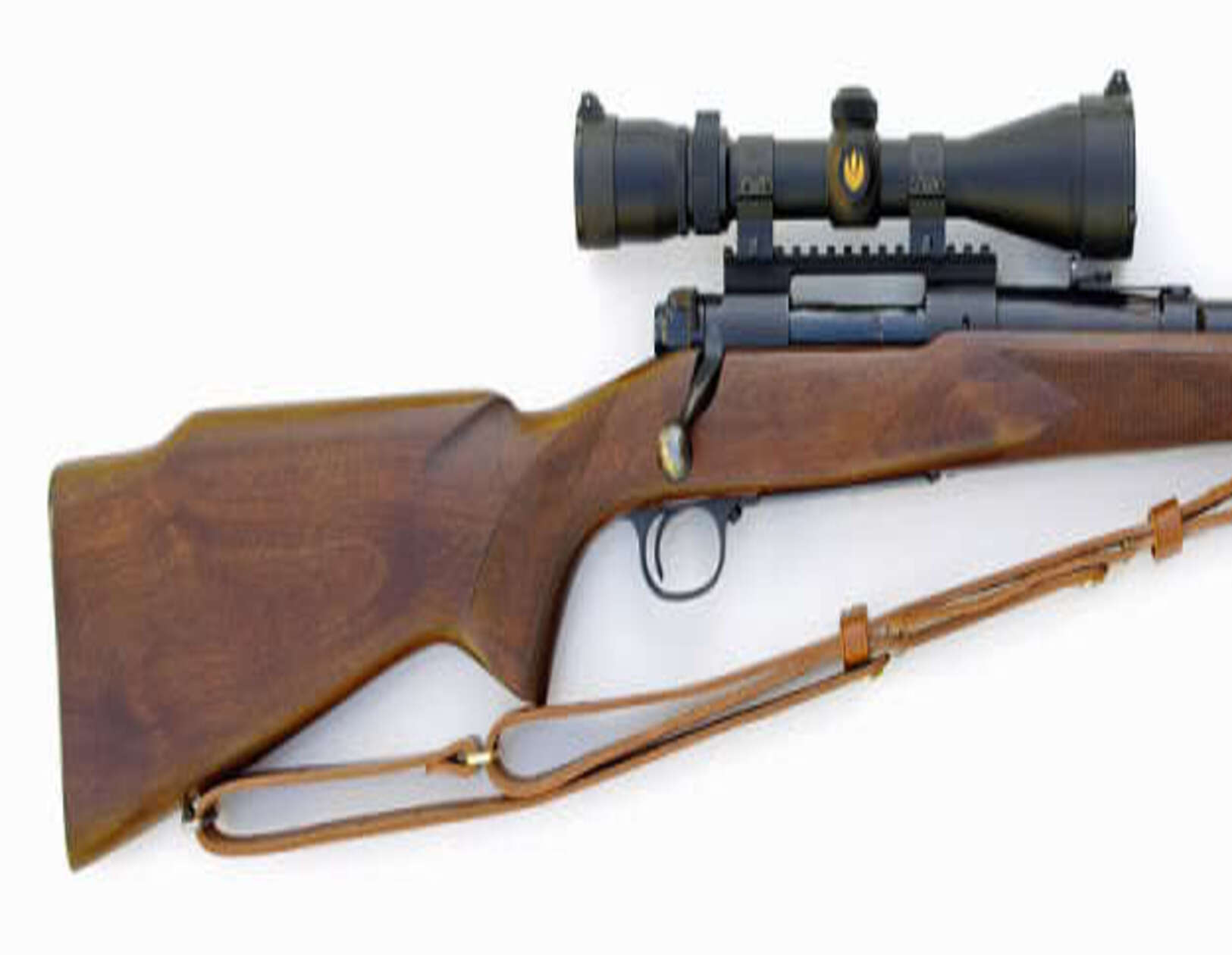
A big reason pre-64 rifles bring more money is that they look and feel expensive in a way many later production guns do not. Early Model 70s used forged and machined steel parts, a hinged floorplate assembly, and the kind of fit and finish people associate with old American gunmaking.
Collectors are not imagining that difference. Contemporary historians and museum material describe the early Model 70 as a highly refined sporting rifle, and later commentary repeatedly points to the 1964 shift toward more economical manufacturing methods as the moment when many shooters felt the magic had been reduced.
That matters in the hand. Bolt lift, metal polish, checkering, stock shaping, and overall visual balance all affect value. Buyers paying for a pre-64 are often buying workmanship as much as function, which is why even well-used examples can still attract serious money.
The action earned a reputation that never really faded

Mechanically, the pre-64 Model 70 built its name on controlled-round feed, a large claw extractor, and the kind of positive cartridge handling hunters trusted in rough country. Winchester later celebrated the return of that pre-64 type action in 1994, which says a lot about how enduring the original reputation was.
This is one of the most important value drivers. If a company eventually reintroduces the older system and markets that return as a virtue, it is effectively admitting that the original design still carries prestige. Winchester did exactly that when it highlighted claw extraction, controlled-round feed, and fixed-type ejection in the modern era.
To be fair, not every post-64 rifle was bad. Some later Model 70s shot extremely well. But in enthusiast culture, the pre-64 action became the benchmark for what a serious hunting bolt gun ought to be.
Scarcity and variation push prices higher
Pre-64 Model 70s are also valuable because collectors love variations, and this rifle has plenty of them. Standard grades, Super Grades, Featherweights, African models, target rifles, and less common chamberings all create layers of desirability that make the market deeper than it first appears.
Production totals tell part of the story. Boone and Crockett material citing factory-era figures notes that about 581,471 Model 70s were built before the 1963 overhaul, but common chamberings dominated those numbers. Rare chamberings and special configurations are much harder to find, and rarity almost always raises prices.
Condition multiplies everything. An untouched rifle with original finish, pad, sights, and stock can command a major premium over a refinished example. In collector markets, originality is currency, and pre-64 Winchesters reward it heavily.
Nostalgia added emotion to the price tag

The pre-64 Model 70 is not just a firearm; it is a symbol of a certain American hunting era. It became known as “The Rifleman’s Rifle,” a nickname Winchester used in the 1950s and one that stuck because the gun genuinely had the performance and polish to support the slogan.
Writers, hunters, and guides helped cement that aura. The rifle’s association with classic Western and North American big-game hunting gave it a storytelling advantage that later production rifles never fully inherited. Once that kind of romance settles into the market, price stops being about utility alone.
That is why buyers often compare a pre-64 to a classic truck or watch. Plenty of newer options may be more efficient on paper, but they do not carry the same emotional weight, and emotion routinely shows up in auction results.
Why the market still rewards them today
Today’s prices reflect the overlap of function, history, and identity. Auction tracking and collector-market summaries consistently show pre-64 Model 70s commanding stronger prices than ordinary later-production examples, especially when condition, chambering, and originality line up in the rifle’s favor.
There is also a simple truth at work: the market trusts a story it has been telling for more than 60 years. The 1964 redesign damaged the rifle’s image with a generation of shooters, and that reputation never completely disappeared, even though some later Model 70s were excellent guns.
So why do pre-64 Winchester Model 70s sell for more than the rifles that replaced them? Because buyers believe they represent the moment when Winchester built the rifle it wanted, before it started building the rifle it had to.