Some guns are odd. A few are odd for a very good reason.
The problem Remington noticed first
By the early 1960s, handgunners who wanted real distance had choices, but not many elegant ones. Revolvers could hunt, and cut-down rifles existed, yet neither truly solved the question of how to build a handgun for precise, extended-range shooting from the ground up.
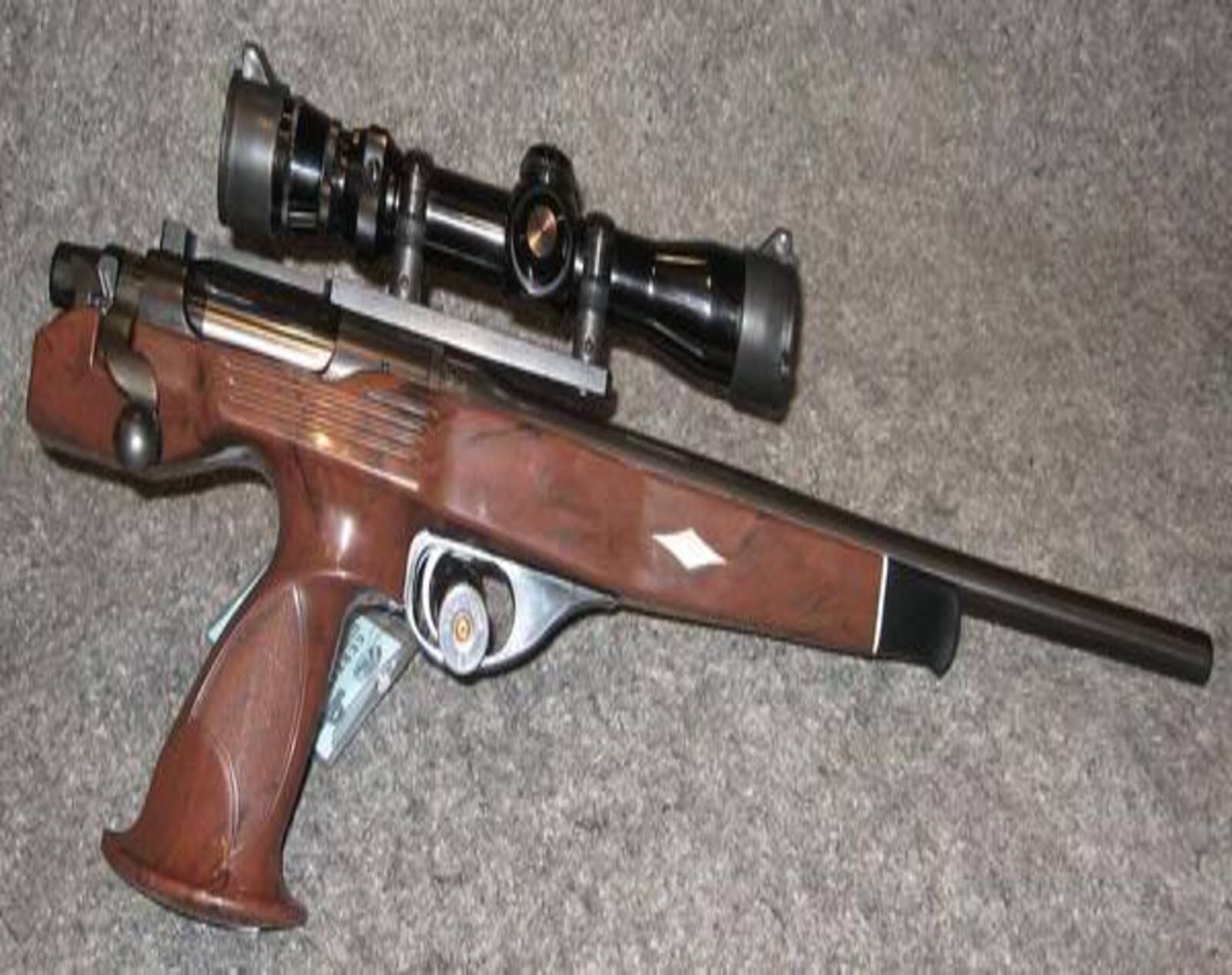
Remington saw the gap clearly. According to American Rifleman, the XP-100 debuted in 1963 as the “Long Range Pistol,” and even its name meant “experimental pistol number 100.” That was not marketing fluff. It reflected a design brief nobody else had chased seriously.
The problem was simple to describe and hard to solve: rifle-style accuracy in a handgun-sized package, without miserable balance, blinding muzzle blast, and all the inefficiency that came from stuffing full-size rifle cartridge ideas into a short barrel.
Why ordinary cartridges were the wrong answer
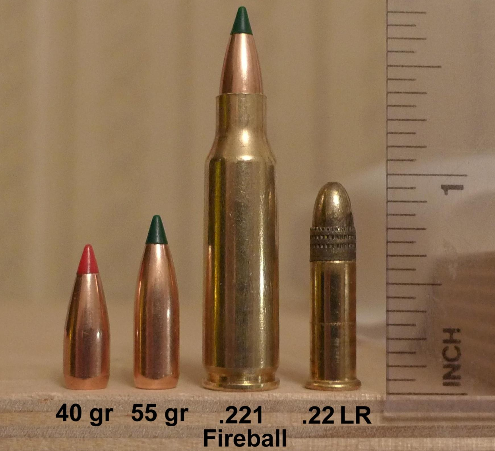
Early prototypes reportedly used .222 Remington, which made sense on paper because it was already respected for accuracy. In practice, though, a 10 1/2″ barrel could not burn that much powder efficiently. The result was excessive flash, sharp blast, and wasted potential.
That is where the XP-100 became genuinely innovative. Remington engineers shortened the .222 case to create the .221 Remington Fireball, a cartridge introduced for the pistol and later standardized by SAAMI. The case was trimmed to about 1.400″, making it far better suited to a compact barrel.
American Rifleman explained the logic plainly: too much powder from the longer .222 was still burning outside the gun. The XP-100 did not merely adopt a cartridge. It forced the creation of one tuned specifically to the realities of a long-range hunting handgun.
The gun itself was built around the mission
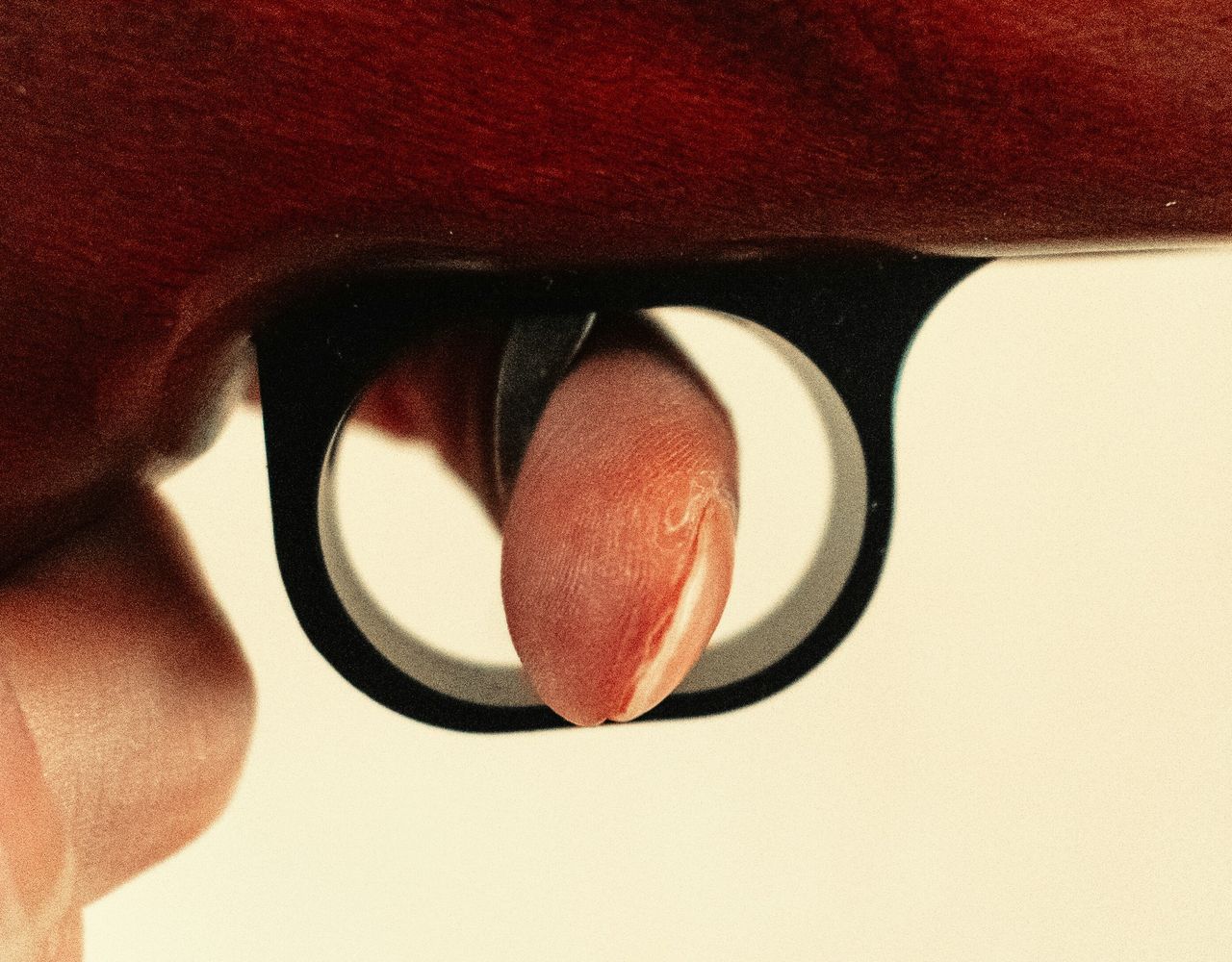
A cartridge alone would not have been enough. Remington also reworked the platform for balance, using a center-grip layout that moved the fire-control system amidship. That let the gun carry more like a true handgun instead of feeling like a chopped rifle with all the weight hanging forward.
American Rifleman notes that Remington used a short-action 40X receiver with tight tolerances, giving the pistol target-grade mechanical credibility. That mattered because long-range handgun shooting punishes every weakness in lockup, trigger quality, and bedding more harshly than casual pistol shooting does.
Then there was the stock. Remington leaned on DuPont chemistry and used Zytel, the same nylon-family material associated with the Nylon 66 era. It looked futuristic, but it also kept weight under control and helped support a practical, field-carryable package.
Why shooters took it seriously
The XP-100 was weird enough to attract curiosity, but it survived because it worked. It gave varmint shooters and early handgun hunters something rare: a factory-built specialty pistol that was not just a novelty, but a serious accuracy tool with optical sight capability from the start.
Its original price was $99, according to American Rifleman, and it came drilled and tapped for optics. That setup helped normalize scoped handguns long before they were commonplace. In effect, the XP-100 let shooters explore distances that had usually belonged to light rifles, not sidearms.
The pistol also sparked a culture. Gunsmiths wildcatted cartridges for it, competitors embraced it, and silhouette shooters later pushed the concept even further. A design that began as an answer to one overlooked problem turned into a platform for an entire precision-handgun subculture.
Its biggest success was changing expectations
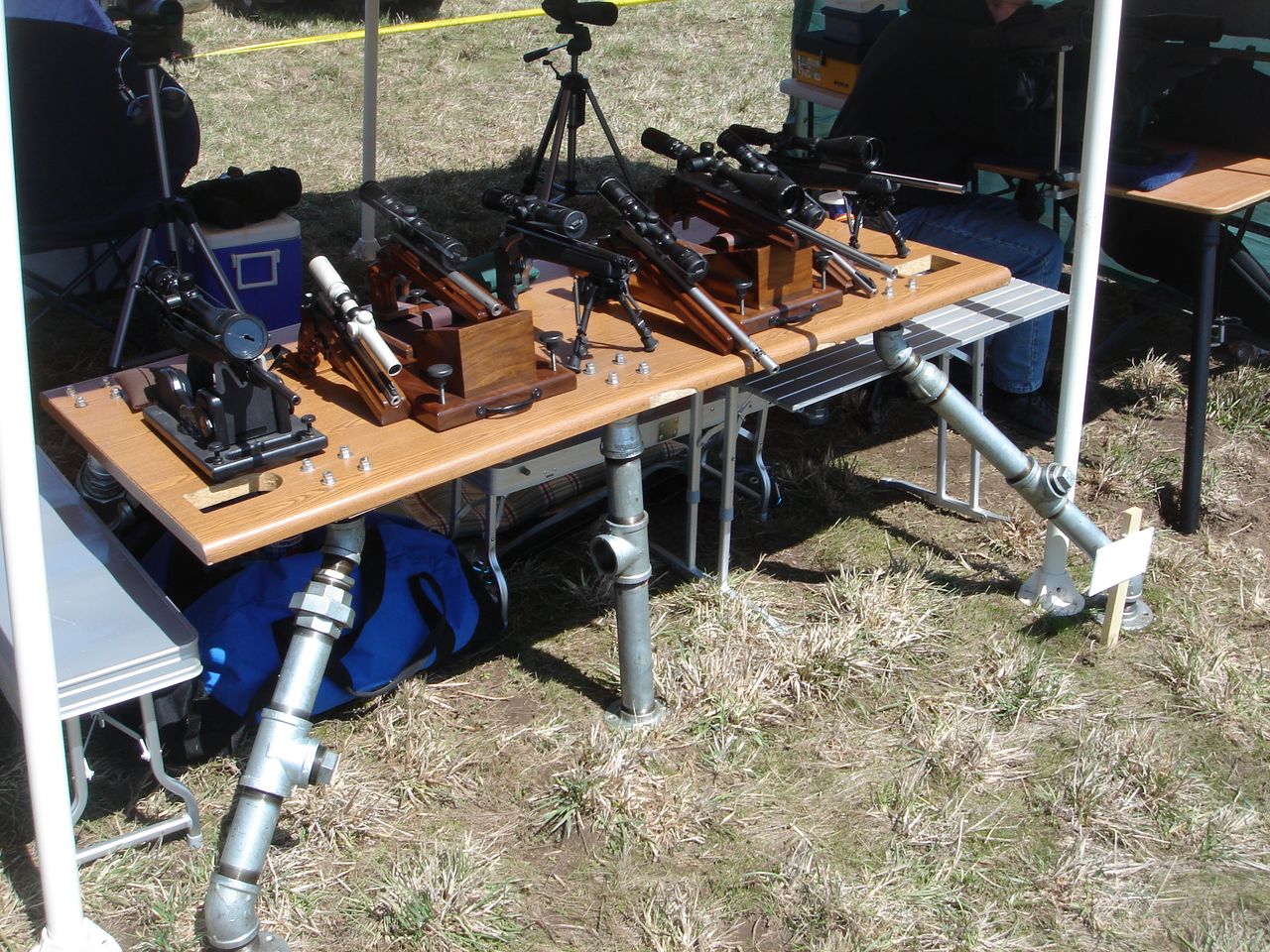
The XP-100 did not become a mass-market sidearm, and it was never supposed to. Its success was more subtle. It proved that a handgun could be engineered for reach and precision as a primary mission, not treated as a compromise between a holster gun and a rifle.
That distinction matters. Before the XP-100, the industry had examples of powerful handguns, but far fewer examples of integrated systems where action, grip location, barrel length, stock material, and cartridge were all optimized together for long-range shooting.
In that sense, the real breakthrough was systems thinking. The XP-100 solved muzzle efficiency with the .221 Fireball, solved handling with center-grip balance, and solved accuracy with a strong bolt action. Nobody else had combined those answers in one factory handgun first.
Why the XP-100 still matters today
Modern bolt-action pistols and specialty hunting handguns exist in a world the XP-100 helped create. Later models from Remington and custom builders moved to rear-grip stocks, longer barrels, and broader chamberings, but the original pistol remains the cleanest statement of the idea.
Its legacy also lives on in the cartridge world. The .221 Fireball proved that compact, efficient cases could deliver excellent performance without brute force. That thinking influenced later small-capacity, high-efficiency cartridges that valued powder economy and barrel-length realism over raw volume.
So yes, the XP-100 looked like a space-age curiosity. But beneath the vent rib and shark-fin styling was a very serious answer to a neglected engineering problem: how to make a handgun reach like a rifle, without pretending handgun physics did not apply.