In hunting, a quiet approach can matter just as much as patience, timing, and knowledge of the terrain. Some game animals have highly developed hearing that helps them detect faint footsteps, breaking twigs, or unfamiliar sounds long before a person gets close. Their reactions depend on more than hearing alone, since wind, vegetation, distance, and background noise all affect what they notice. Understanding how different animals use their ears offers a clearer picture of why approaching them can be challenging. These eight species demonstrate how sound awareness can influence movement, alertness, and survival in the wild.
1. White-Tailed Deer

White-tailed deer have large, movable ears that help them detect sounds from different directions without immediately turning their heads. Each ear can rotate independently, allowing the animal to investigate several possible sources of noise. A dry twig snapping or a boot scraping against leaves may trigger an alert response, especially in quiet woodland. Deer also combine hearing with their strong sense of smell and vision, so sound alone rarely explains their reaction. With 2 independently moving ears, they can remain alert while feeding, making careless movement a serious disadvantage for hunters approaching through cover.
2. Elk
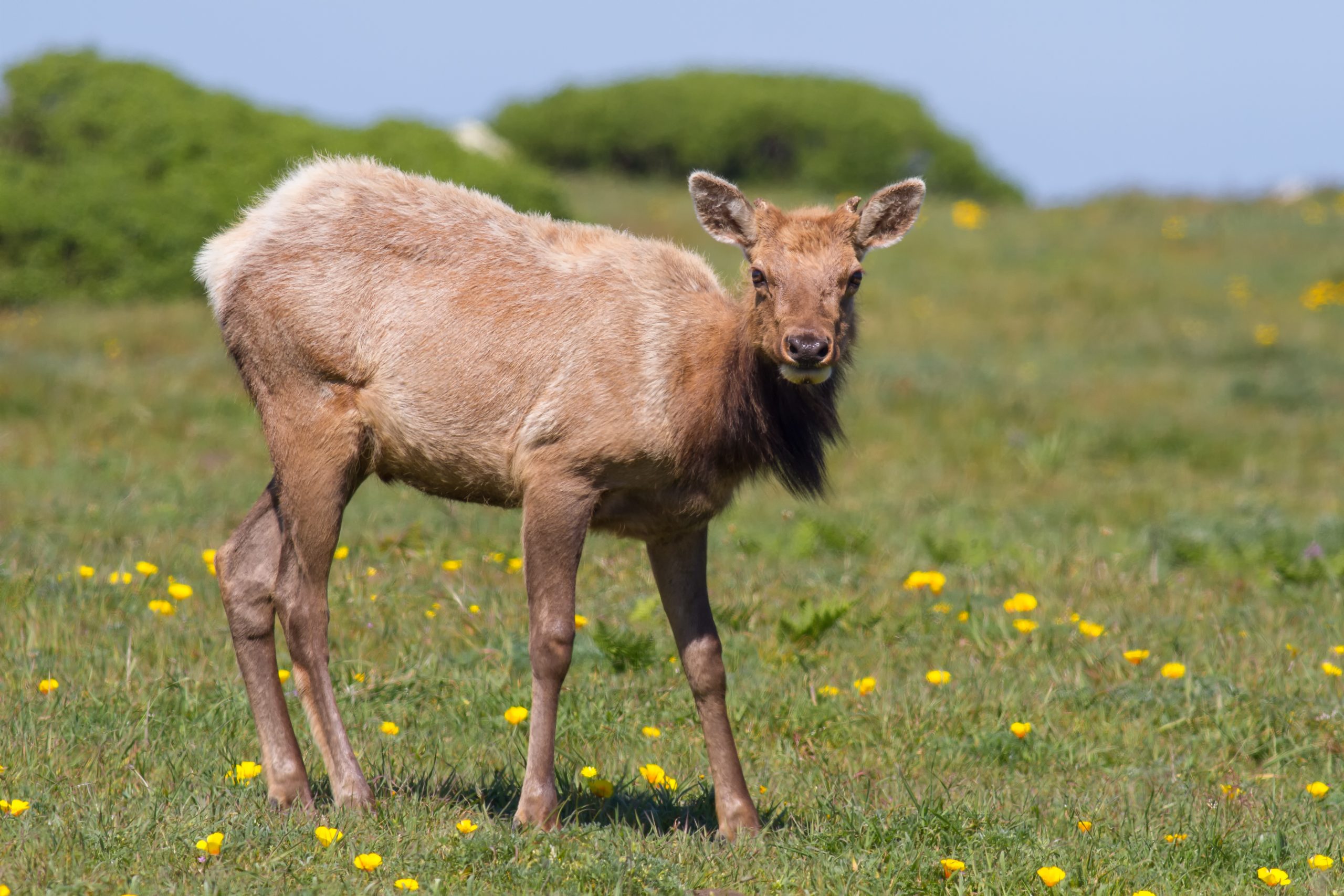
Elk depend on sharp hearing to detect potential danger across forests, meadows, and open mountain slopes. Their large ears can swivel toward unfamiliar sounds, helping them investigate noises that might otherwise go unnoticed. During the breeding season, bulls produce loud calls, but that does not mean they ignore quieter disturbances nearby. A misplaced footstep or the metallic click of equipment can make an elk pause or move away. Adults stand roughly 4 to 5 feet at the shoulder, and their size does not make them less cautious. Wind direction and terrain also influence how clearly sounds reach them.
3. Wild Turkey
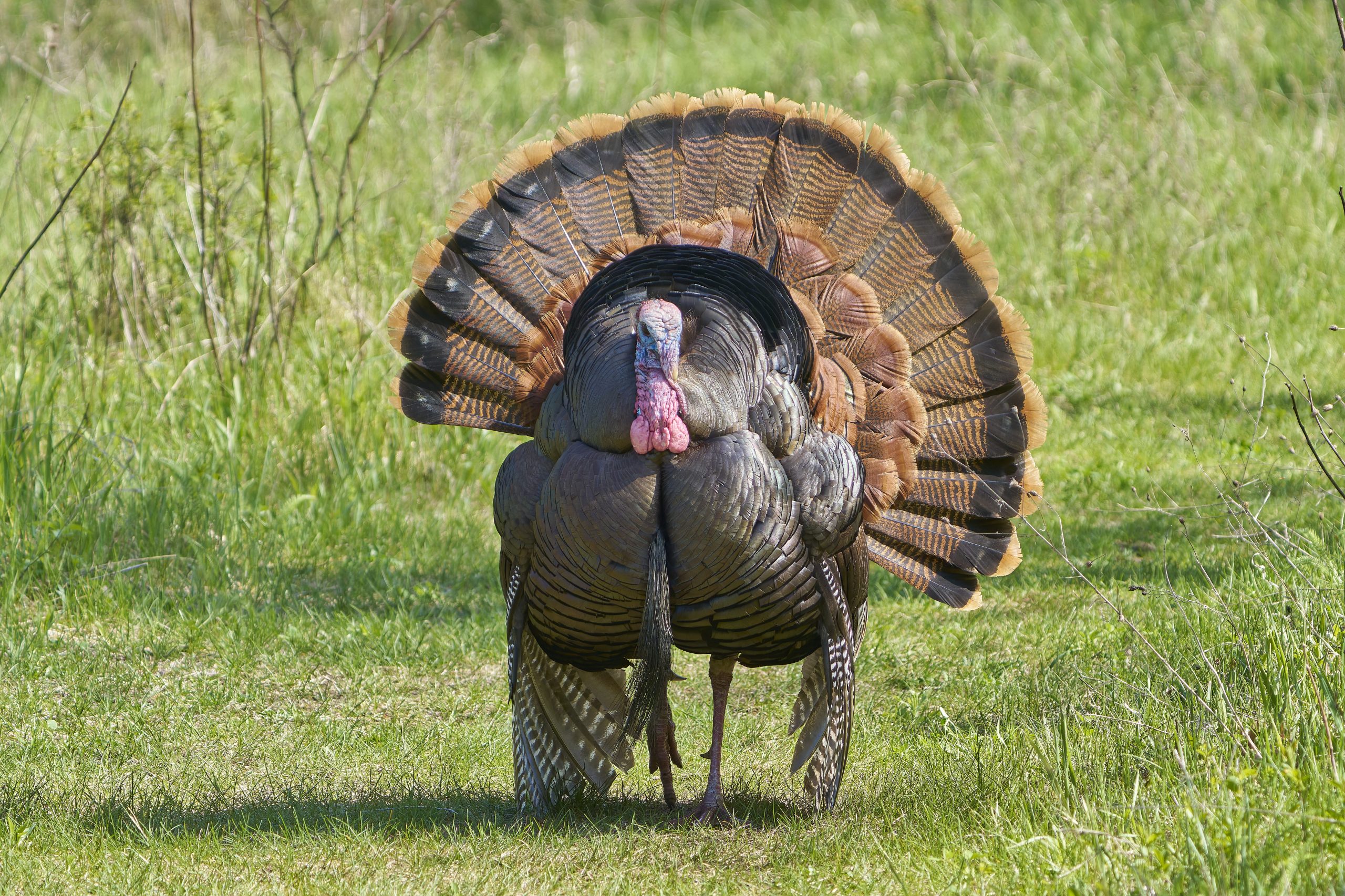
Wild turkeys are remarkably alert birds, using their hearing to notice disturbances while moving through woodland and open feeding areas. Their visible ear openings sit on the sides of the head, although they lack external ear flaps like mammals. Turkeys can react to unfamiliar sounds even when vegetation hides the source, making an approaching person difficult to conceal. Their hearing works alongside excellent vision, so silence alone does not guarantee an undetected approach. With 2 legs and strong flight muscles, a startled turkey can quickly run or fly away, leaving little time to respond once it recognizes danger.
4. Cottontail Rabbit

Cottontail rabbits rely on their long ears to detect approaching predators and other unusual sounds in grassland, brush, and woodland edges. Their ears can move to investigate noises while the animal remains relatively still, making sudden movement unnecessary for gathering information. A crunching footstep or rustle close to its hiding place may be enough to trigger an escape. Depending on the species, an adult cottontail generally weighs around 2 to 4 pounds. Its small size and quick acceleration make it challenging to approach quietly, particularly when dry leaves or brittle grass amplify every movement.
5. Red Fox
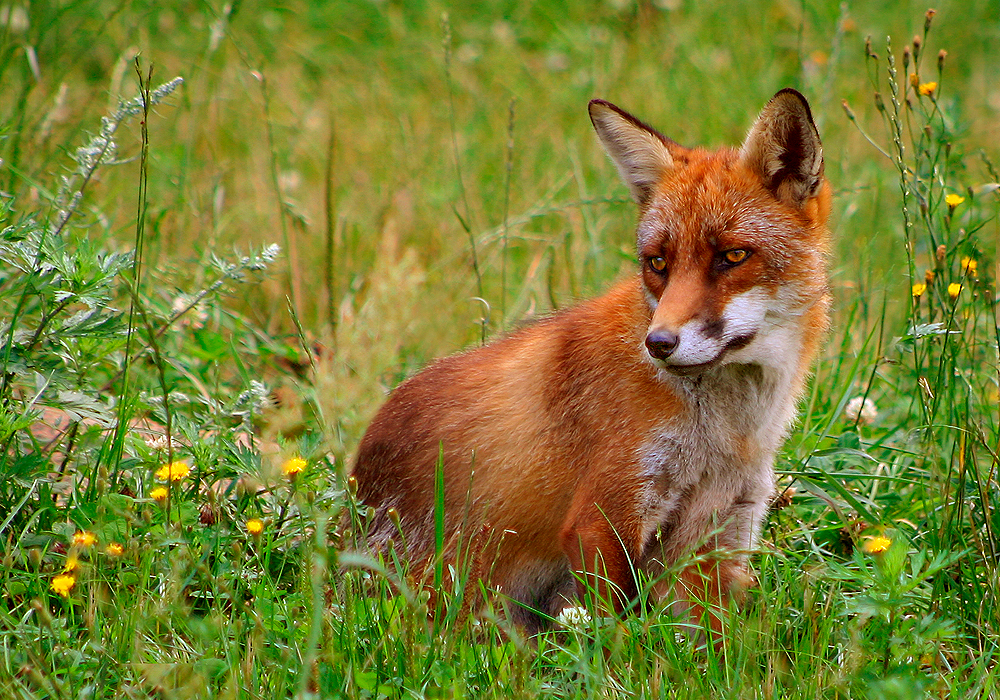
Red foxes use their pointed ears to detect sounds that help locate prey and recognize potential threats. They can listen for small animals moving beneath grass, leaf litter, or snow, then adjust their position before making a pounce. This sensitivity also makes unfamiliar human noises important, especially in otherwise quiet surroundings. An adult red fox typically weighs around 7 to 15 pounds, although size varies by region. Its hearing works together with a strong sense of smell and keen vision, so even when a hunter avoids obvious noise, other clues may reveal a nearby presence.
6. Coyote
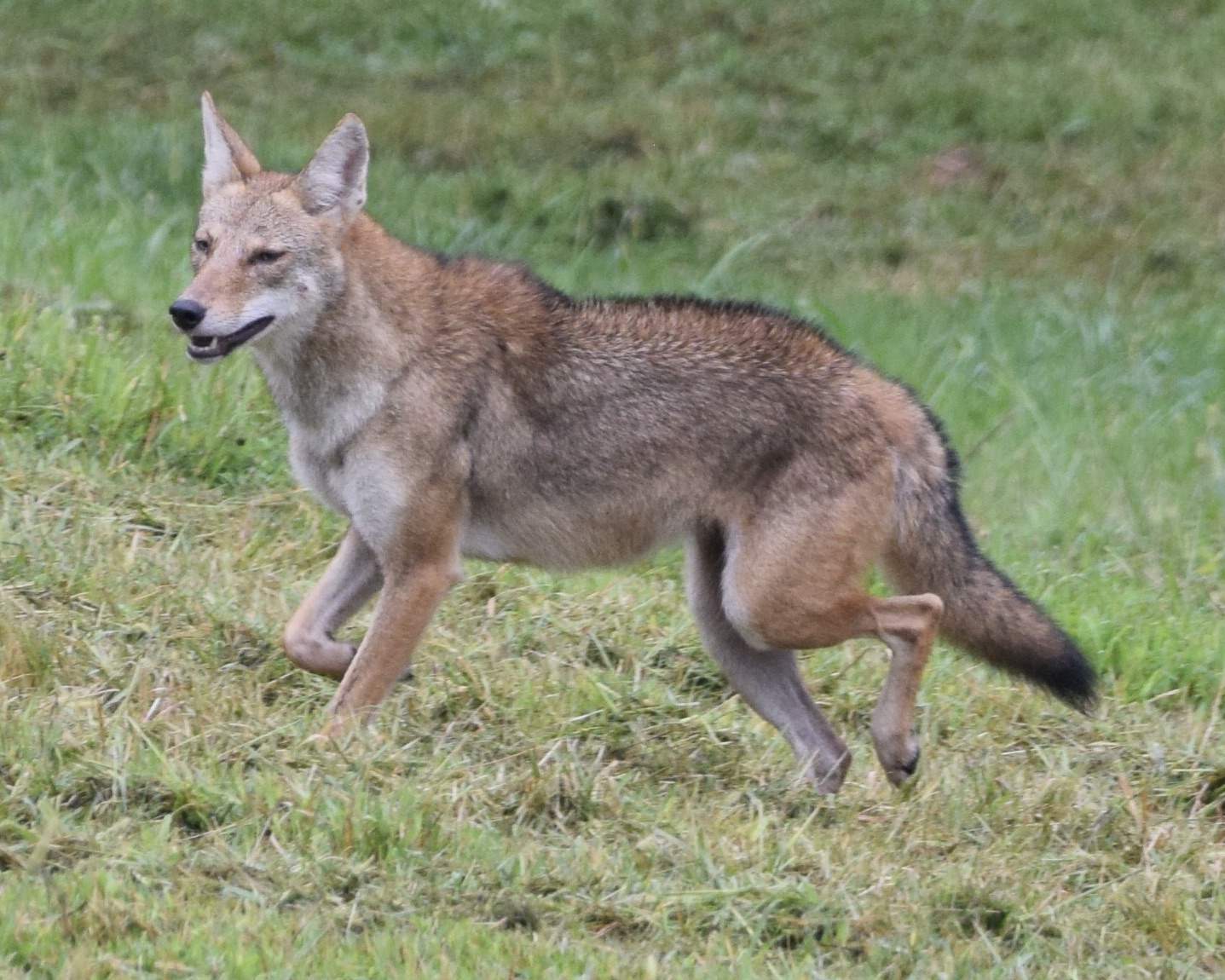
Coyotes have upright ears that help them pick up sounds while traveling through grasslands, scrub, farmland, and woodland. They use hearing to locate small prey, monitor other coyotes, and notice potential danger. A faint rustle or repeated unnatural noise may cause one to stop and assess its surroundings rather than continue along its original path. Adults commonly weigh around 20 to 50 pounds, with substantial regional variation. Their alertness is especially challenging because they combine sound awareness with excellent smell and adaptable behavior. A coyote that appears relaxed may still be monitoring noises beyond a person’s immediate hearing range.
7. Mule Deer
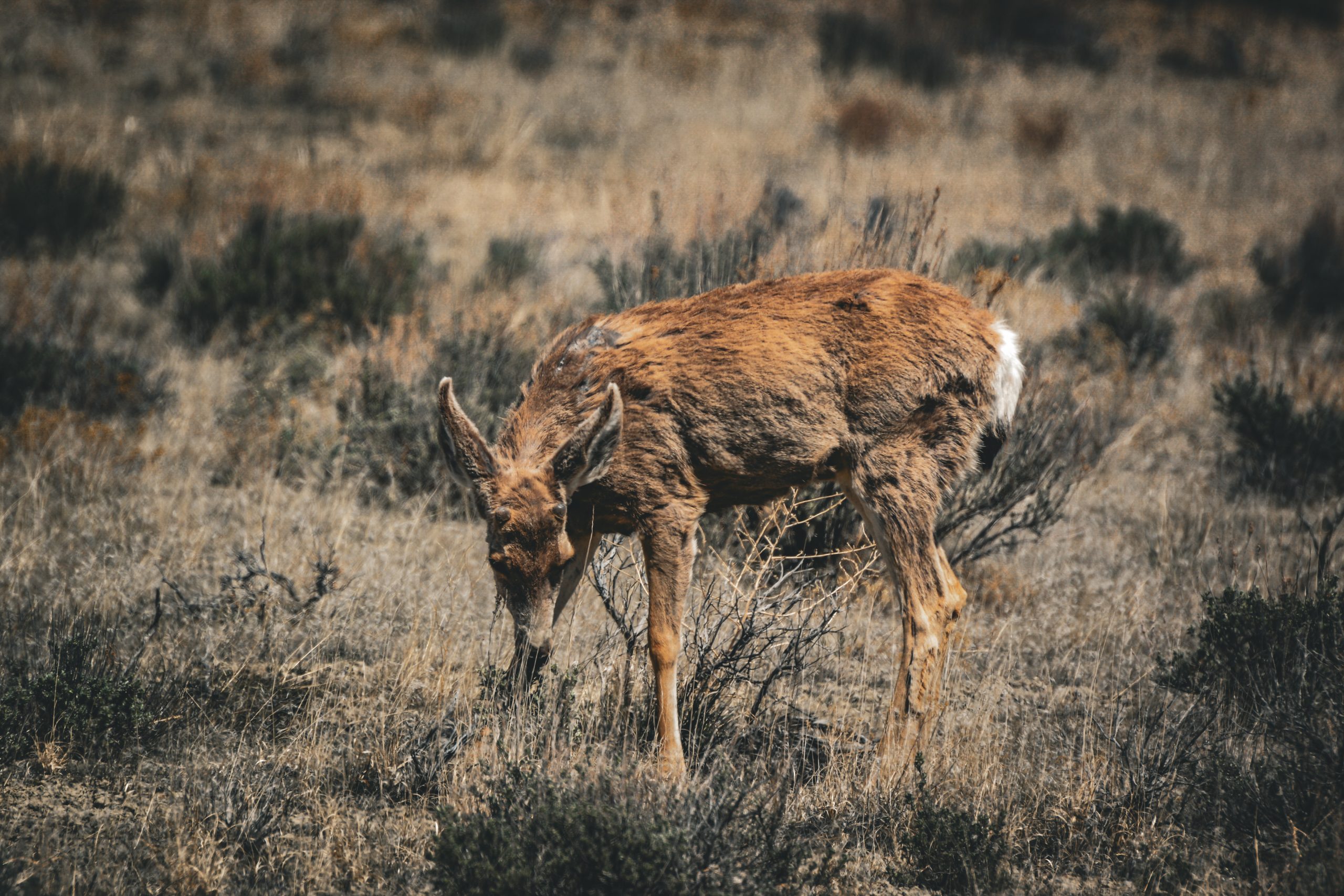
Mule deer rely on their large ears to monitor sounds across rugged country, including rocky slopes, open basins, and scattered woodland. Their ears can rotate toward a noise while the rest of the body remains still, giving the animal time to assess a possible threat. This is particularly useful where limited vegetation provides few places to hide. Adults commonly weigh between 100 and 300 pounds, depending on sex and region. Their hearing is only one part of a wider warning system that includes sight and smell, so a quiet approach may still fail if movement or human scent exposes a nearby presence.
8. Bighorn Sheep
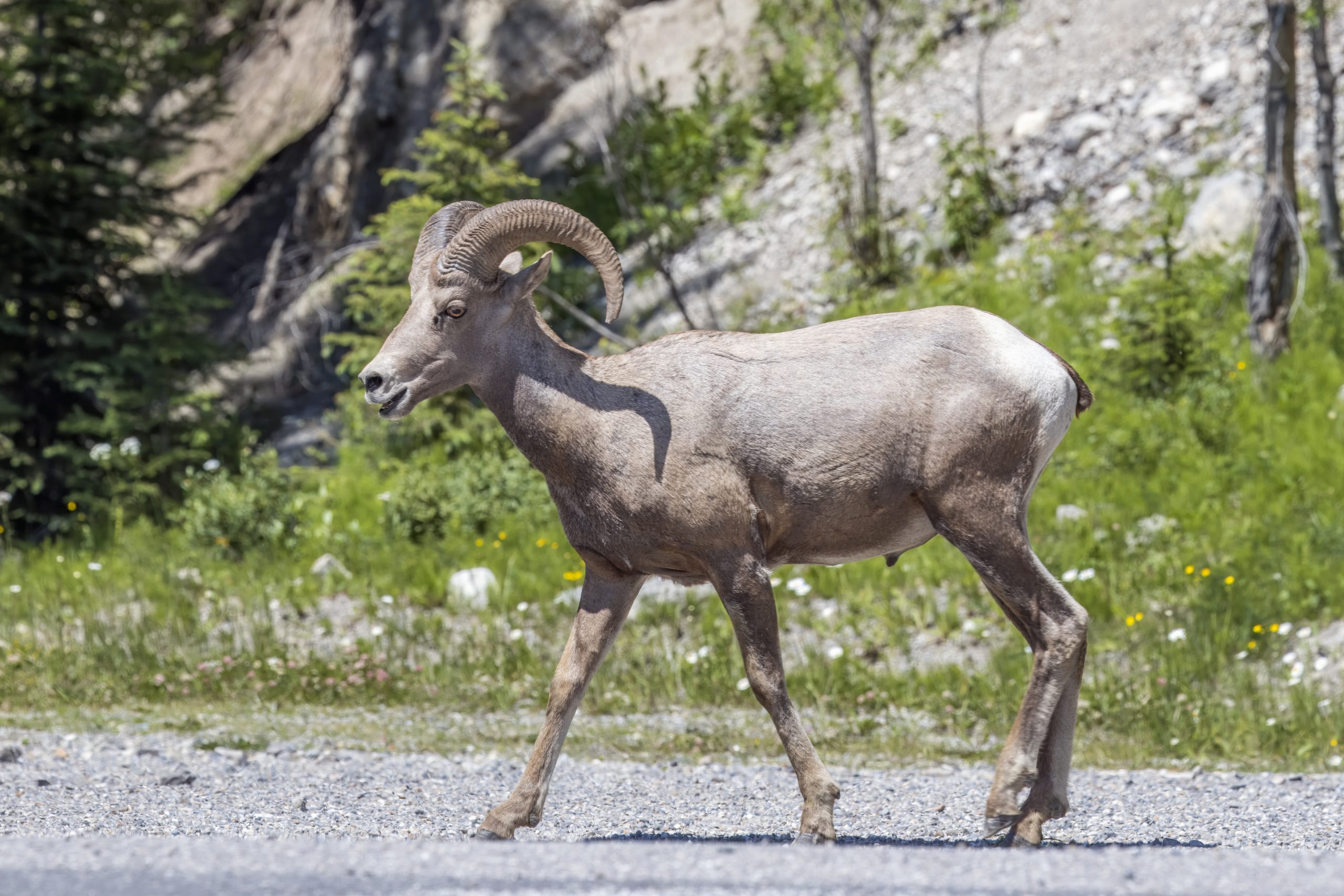
Bighorn sheep depend on keen hearing and constant awareness to survive in steep, rocky habitats where escape routes can be limited. Their ears help detect unusual sounds, while their eyes monitor movement across exposed slopes. Even small disturbances may prompt a sheep to raise its head and assess the surroundings before deciding whether to remain or move away. Adult males can weigh approximately 150 to 300 pounds, while females are generally smaller. Their ability to move across rugged terrain makes close encounters especially difficult, and their hearing works alongside vision and smell rather than acting as a standalone defense.