Camping does not require a complicated collection of knots to handle most everyday tasks. A small number of reliable knots can help secure tent lines, tie down equipment, hang food bags, bundle firewood, and set up simple camp shelters. The key is knowing which knot suits each job and understanding how to tie it correctly. Some knots are designed for quick adjustments, while others provide a firm hold under tension or make it easier to release a rope after use. These six practical knots cover many common campsite situations and are worth learning before your next outdoor trip.
1. Bowline
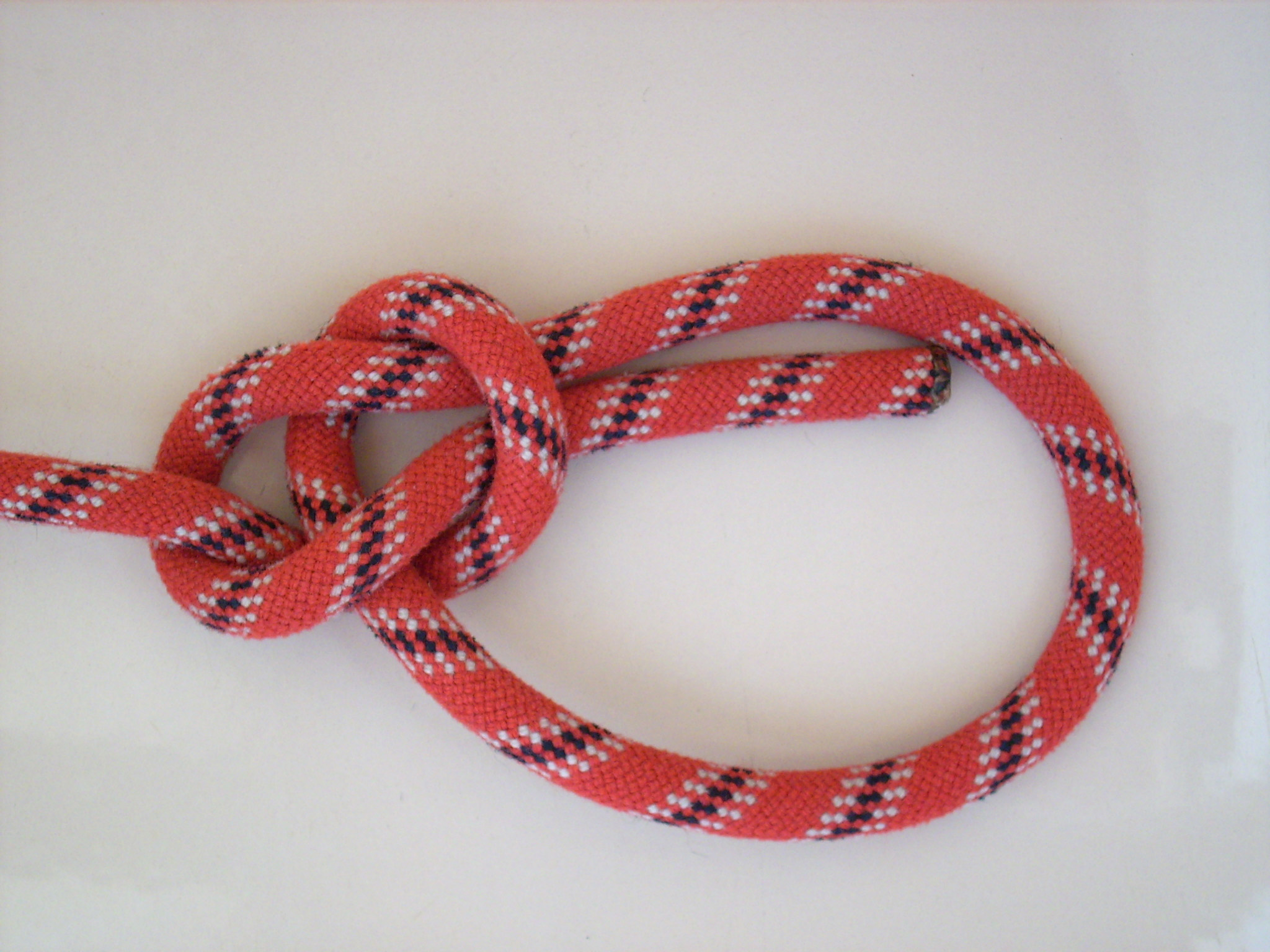
The bowline creates a fixed loop that stays relatively consistent under a steady load, making it useful for attaching a rope to a suitable anchor point. Campers often use it when securing a tarp, connecting a guyline to a strong attachment, or creating a loop around a tree. Its biggest advantage is that it can usually be untied more easily than many other secure knots after loading. To tie it, make a small loop, pass the working end through it, take it around the standing part, and bring it back through the original loop. Leave enough tail and secure it with a backup knot when appropriate. A bowline is not ideal for every slippery or highly dynamic rope.
2. Taut-Line Hitch
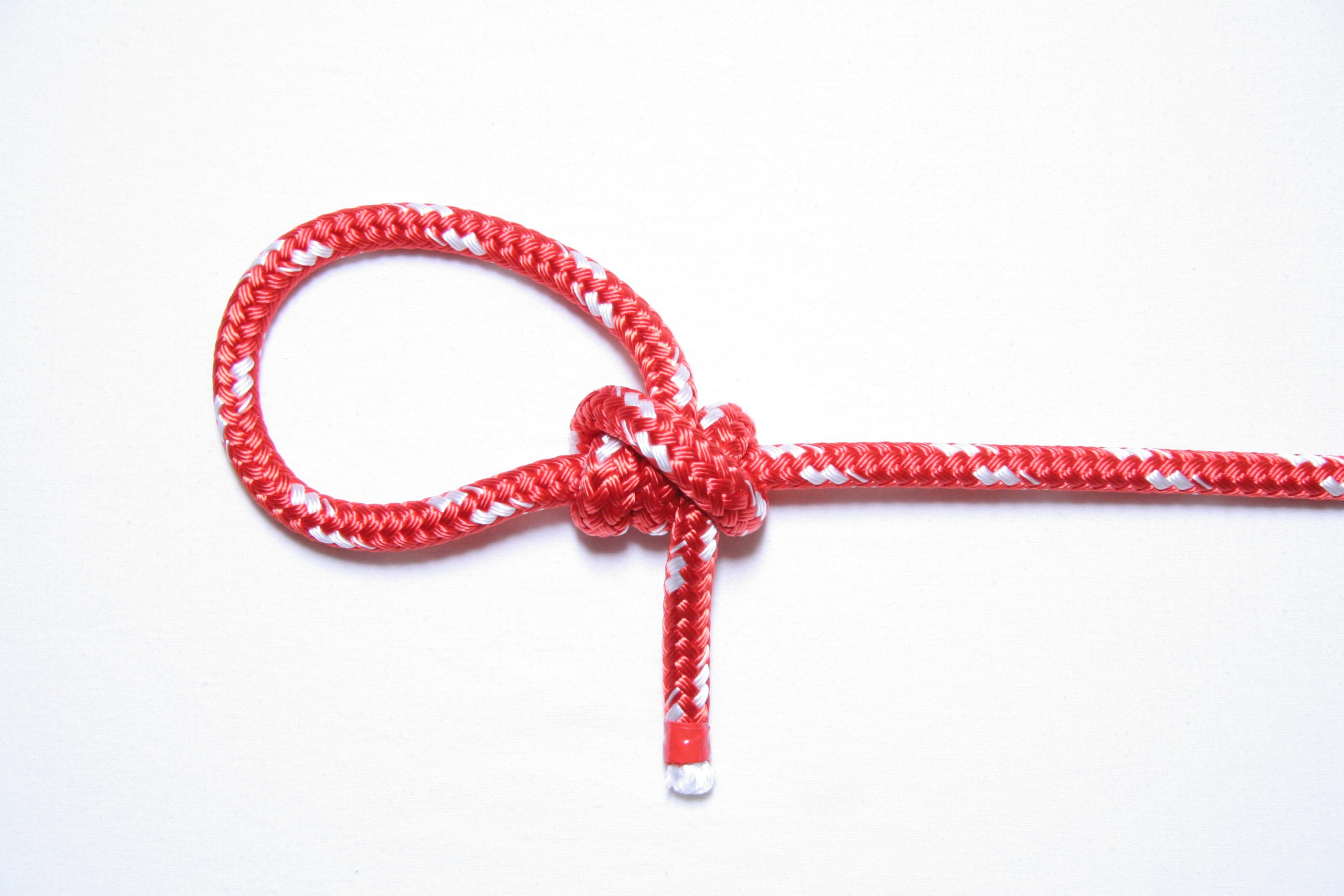
Few knots are as useful for adjusting tent and tarp lines as the taut-line hitch. It allows a camper to tighten or loosen a guyline without completely untying it, which is especially convenient when fabric stretches or wind changes the tension overnight. Wrap the working end around the standing part twice on the inside of the loop, then make one additional turn outside the first two and tighten. The resulting friction helps the knot hold when pulled in the correct direction. It is particularly handy for lightweight shelters with several anchor lines. Check the tension after setup and again after rain or strong wind. On slippery synthetic cord, test the knot carefully before trusting it.
3. Clove Hitch
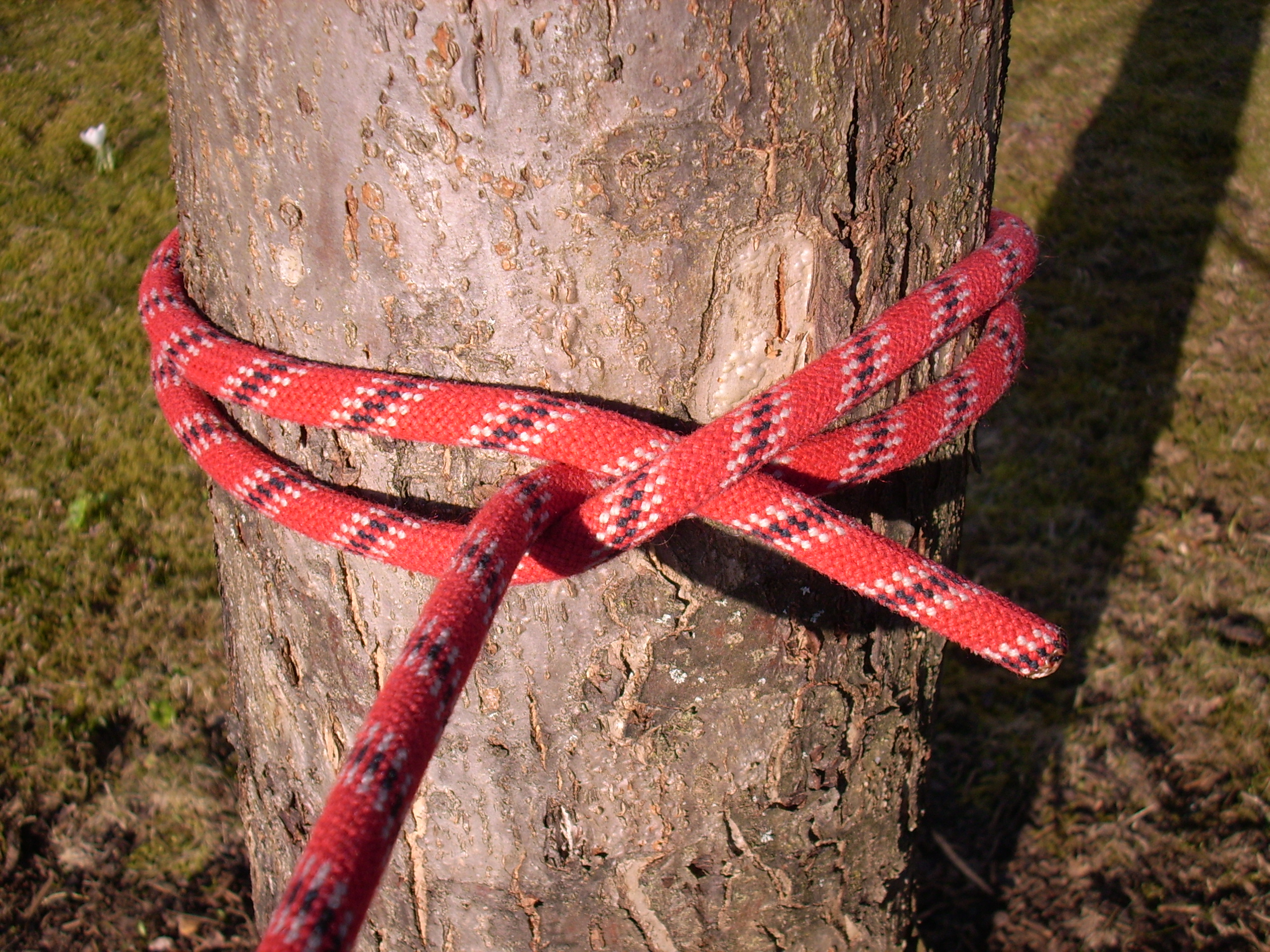
The clove hitch is a quick way to attach a rope to a post, pole, or other firm support, making it useful for temporary camp setups. It is often chosen when positioning a tarp ridge line, securing a lightweight item, or starting a lashing. Make 2 turns around the support, cross the working end over the standing part, and tuck it beneath the last turn. Pull both ends to snug the knot against the anchor. Its main strength is speed: it is easy to tie and adjust when the rope is not heavily loaded. However, it can loosen when the load changes direction or the support is smooth, so add a backup half hitch or choose a more secure attachment for critical loads.
4. Sheet Bend
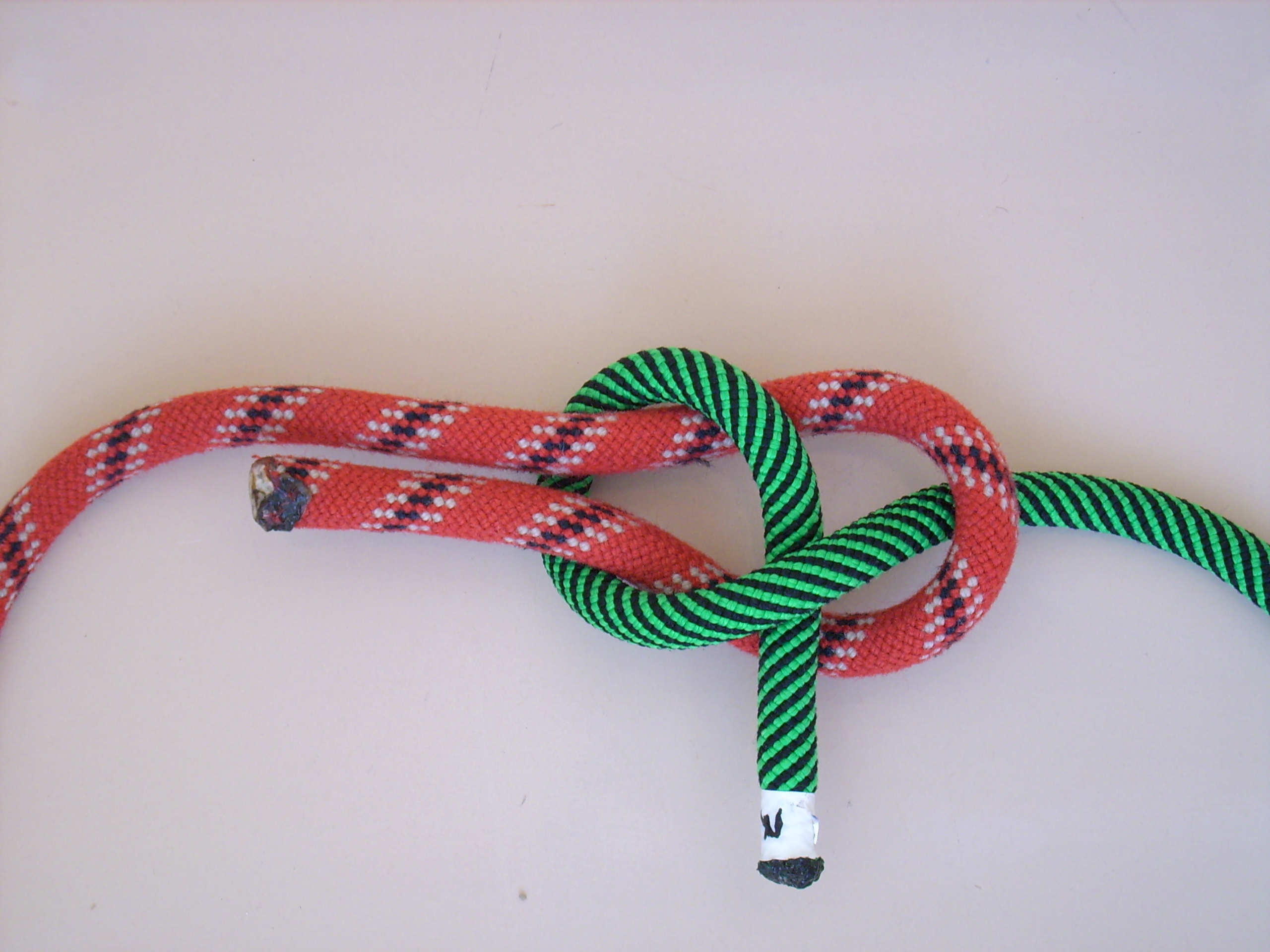
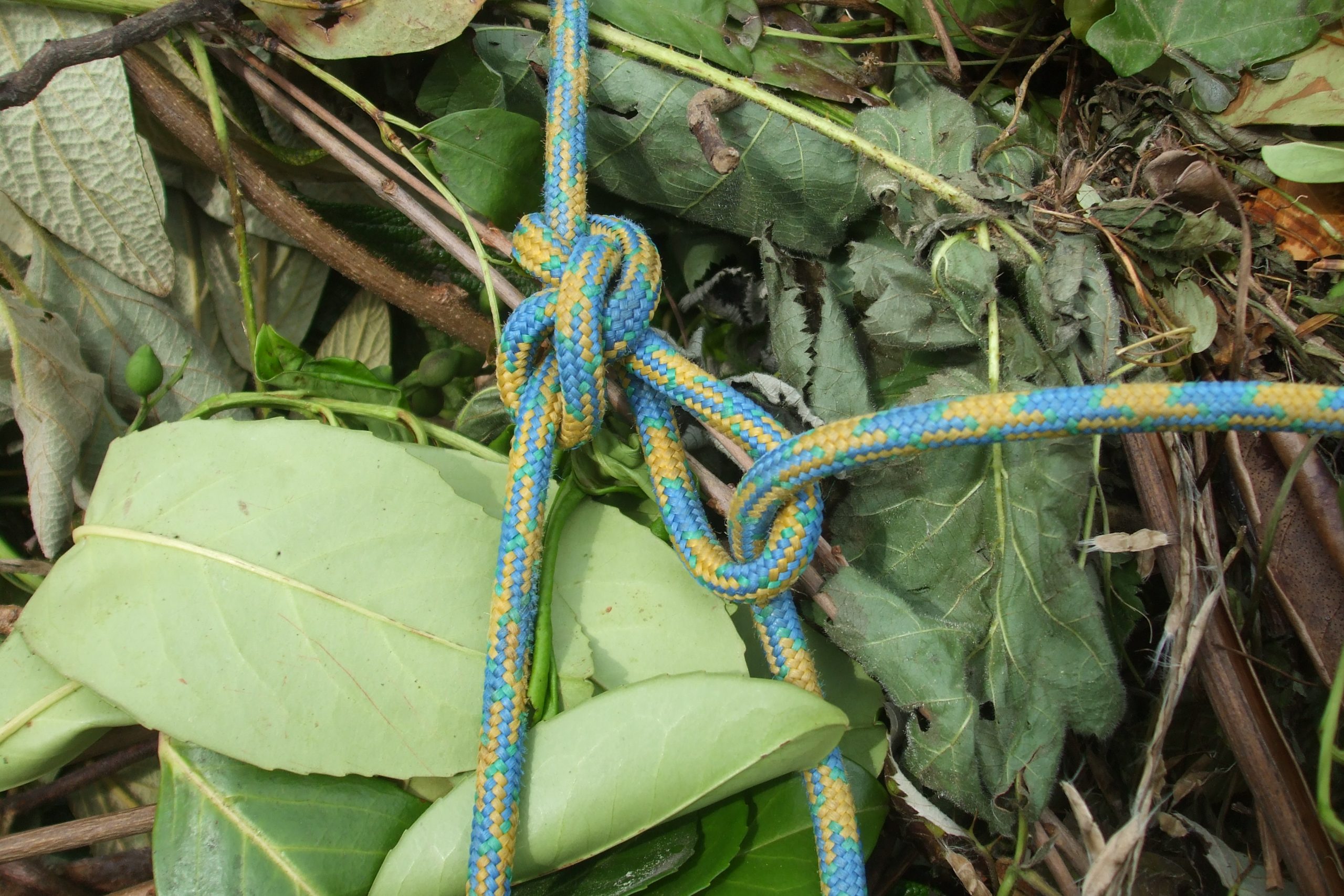
The sheet bend joins 2 ropes, especially when they differ in thickness, and can help when a camp line is too short for a particular task. Form a bight in the thicker rope, pass the thinner rope through it, take it around both parts of the bight, and tuck it under its own standing section. Pull the ends to tighten and leave a useful tail. This knot is handy for extending a tarp line or joining cordage for a non-critical bundle. It is not a substitute for purpose-made climbing or load-bearing connections. If the ropes are slick, very different in diameter, or likely to jerk under load, use a more suitable connector and test the join before relying on it.
5. Trucker’s Hitch
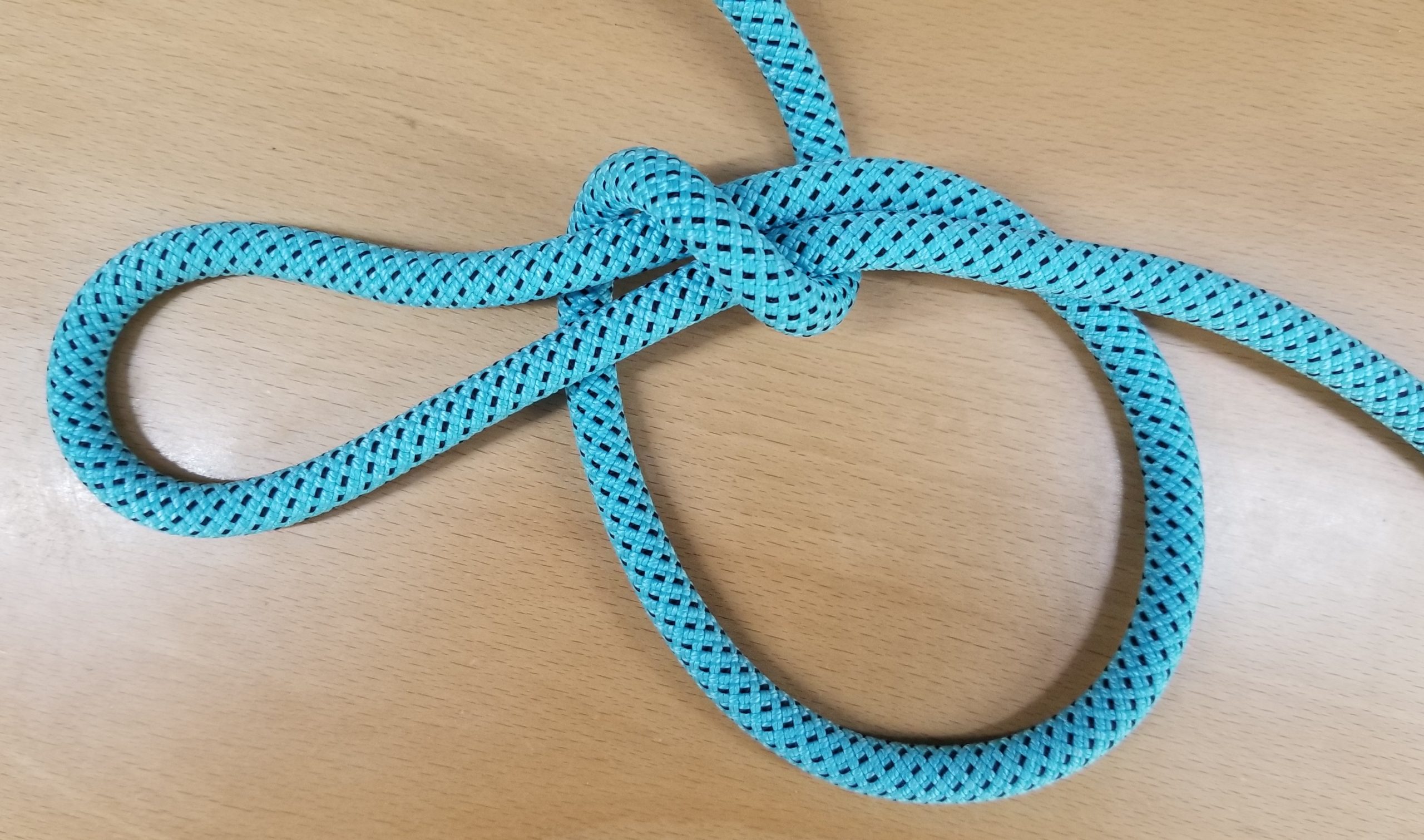
A trucker’s hitch creates a mechanical advantage that helps pull a tie-down line tight, making it valuable for securing gear beneath a tarp or strapping a load to a vehicle. First form a small loop in the standing part, pass the free end around the anchor, then bring it back through the loop to create a simple pulley arrangement. Pull the working end to tension the line and finish with 2 half hitches around the standing part. The loop reduces the effort needed to tighten bulky equipment, but excessive force can damage straps, rope, or cargo. Check that the load cannot shift, protect sharp edges, and stop to retighten after the first stretch of travel.
6. Square Knot
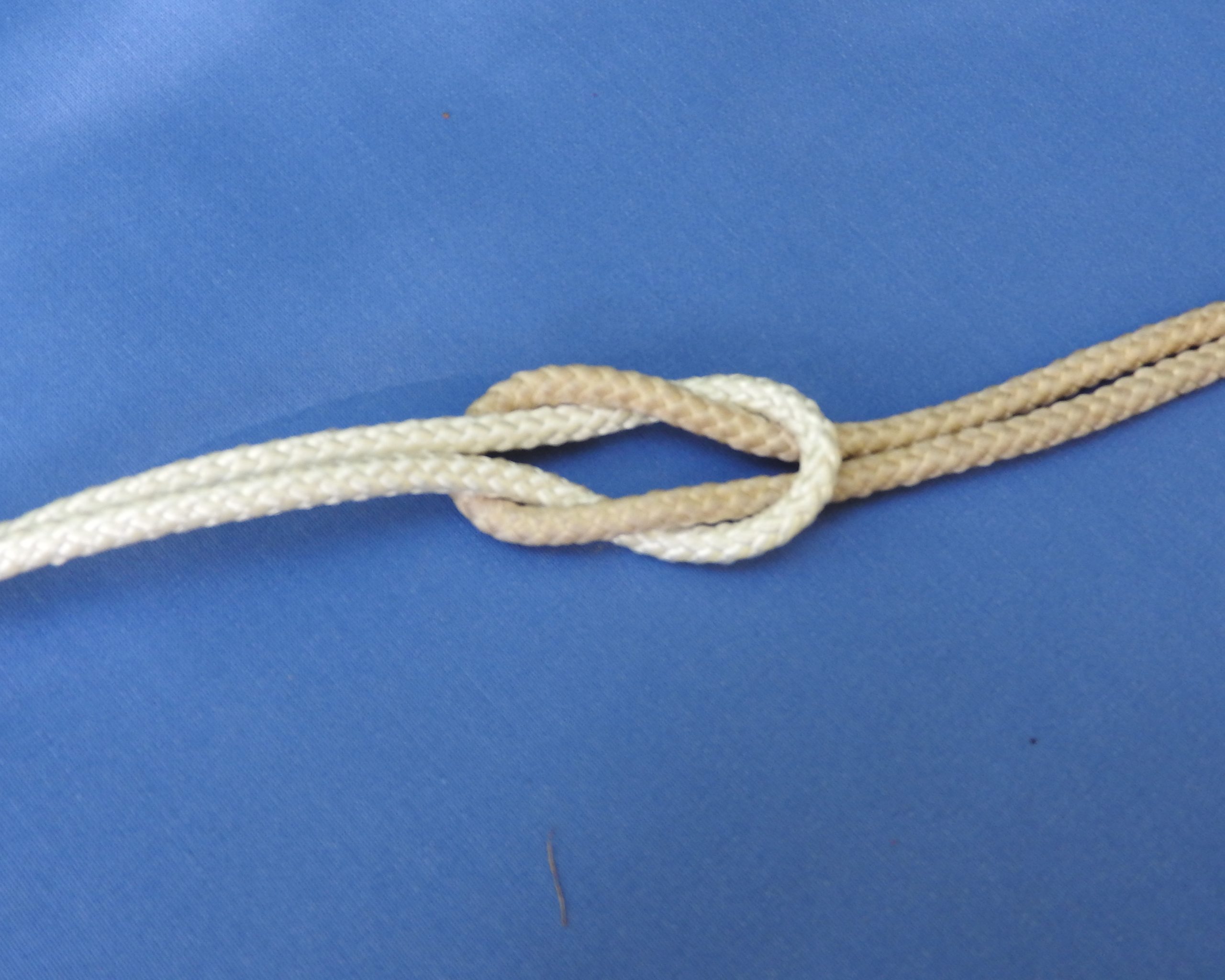
The square knot is a simple choice for tying together 2 ends of similar rope when bundling light items, closing a small parcel, or keeping rolled gear together. Cross the right end over the left and tuck it through, then cross the left end over the right and tuck it through again; remember the familiar “right over left, left over right” sequence. Pull both standing parts evenly to dress the knot flat. It is quick to learn and easy to inspect, but it can slip or spill when the ropes differ in size, the material is slippery, or the load changes direction. Do not use it for tent anchors, safety lines, or anything where failure could cause injury.