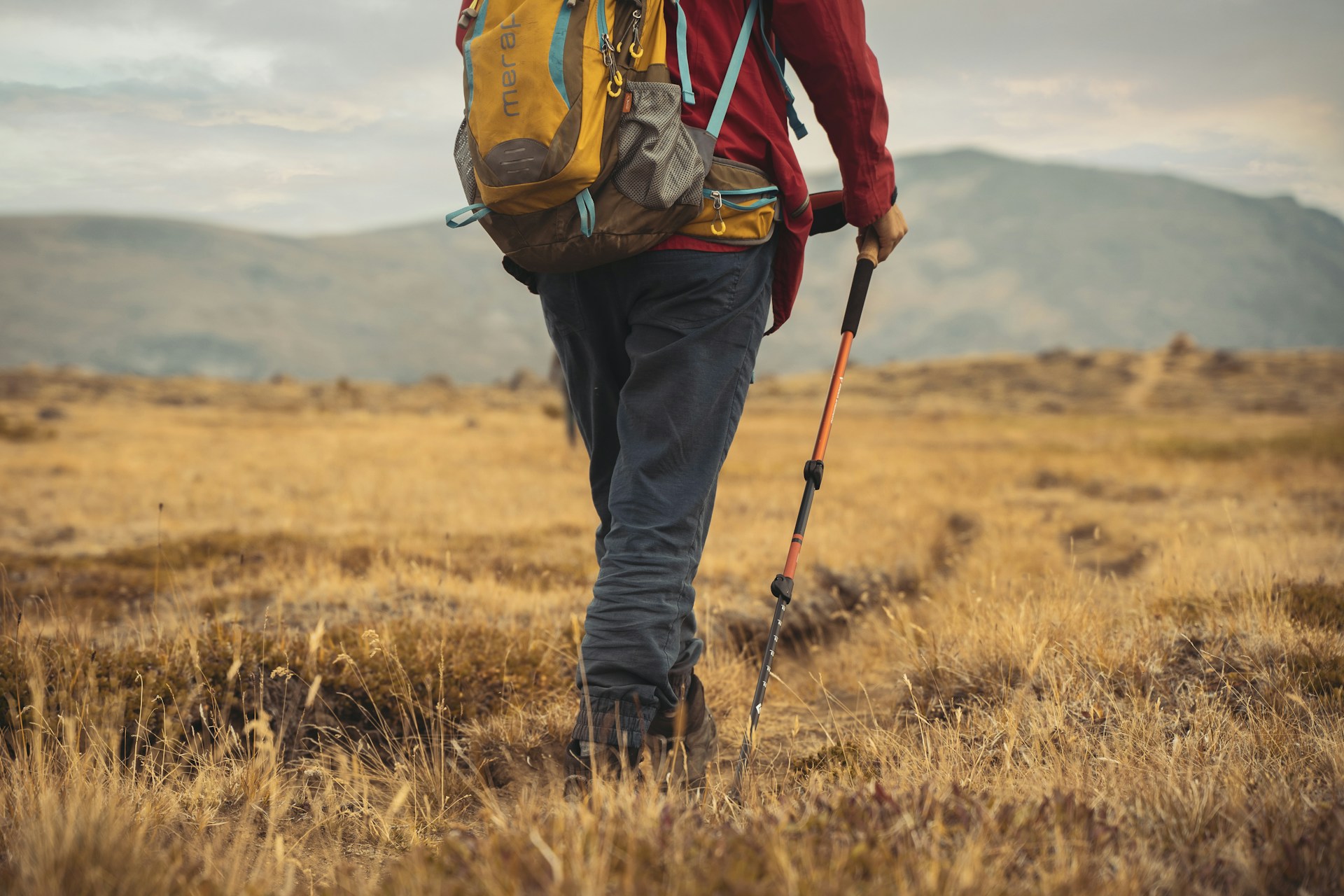
Hiking accidents are often linked not to extreme conditions but to poor preparation. A 2023 study by the American Hiking Society found that 42% of search-and-rescue incidents involved hikers missing essential gear. Packing the right items can mean the difference between a minor inconvenience and a serious emergency. These 13 essentials are backed by outdoor safety data and are especially critical for hikes in varied terrain or unpredictable weather.
Stay Connected with inReach Mini 2
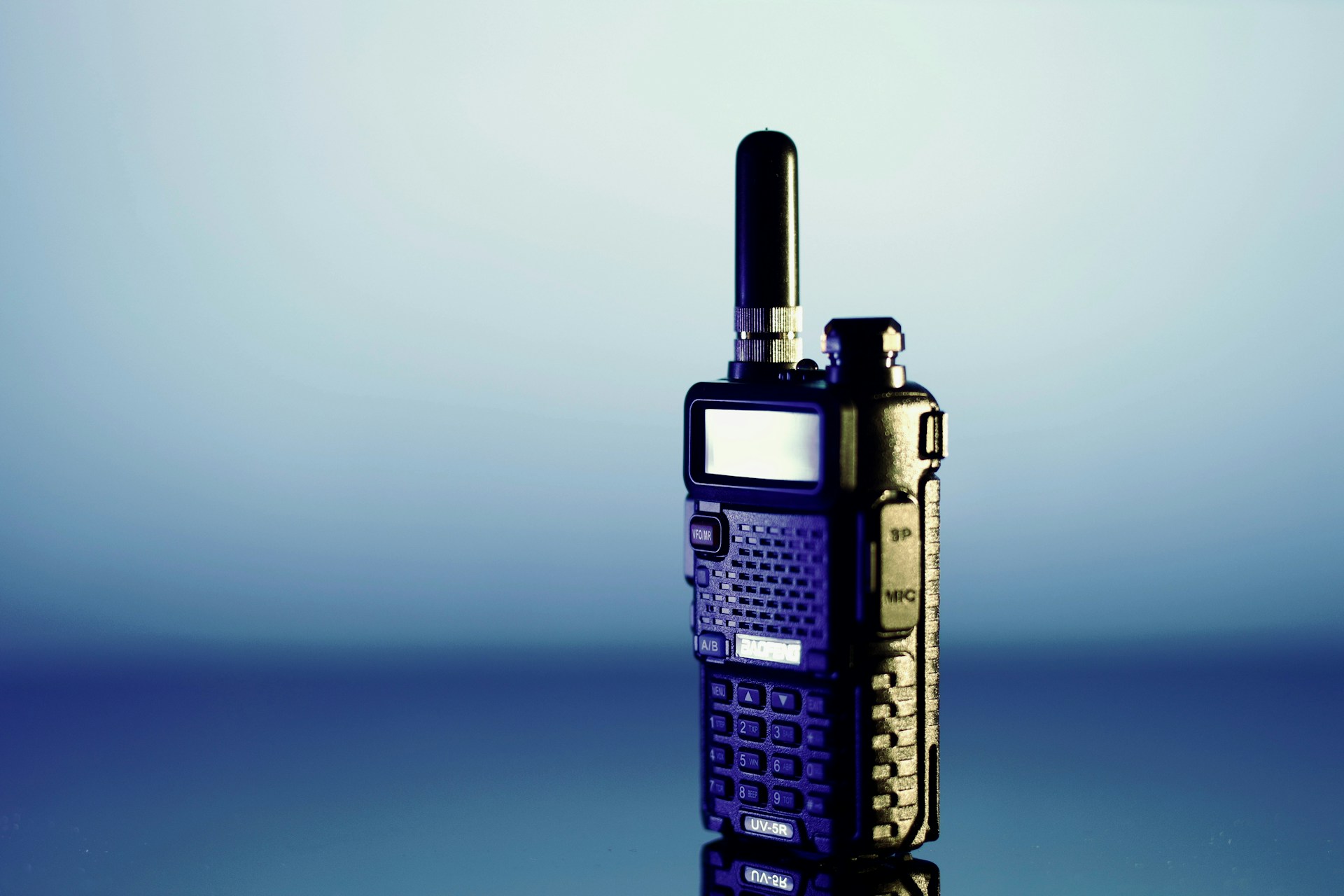
Garmin’s inReach Mini 2 satellite communicator has become a top choice for hikers exploring beyond cell coverage. According to Garmin’s 2024 field data, users sent over 1.3 million SOS signals in five years, many from hikers in remote regions. The device allows two-way text messaging, location sharing, and SOS alerts via the Iridium satellite network. At only 100 grams and with up to 14 days of battery life in tracking mode, it ensures reliable communication when traditional signals fail.
Navigate Smarter with Essential Tools
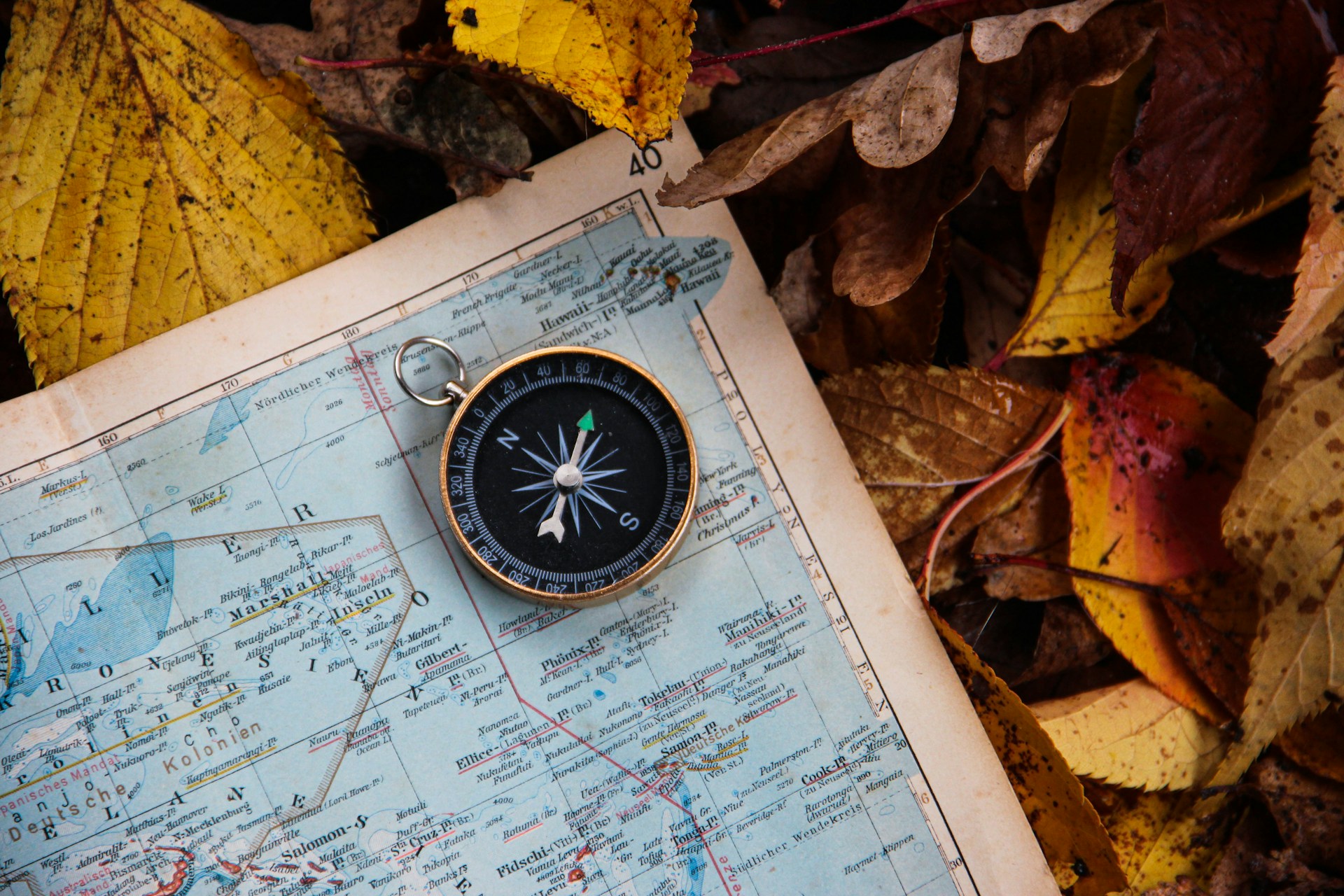
Even in the GPS era, traditional navigation tools remain crucial. The Appalachian Trail Conservancy reports that 16% of lost hiker incidents occur due to device failure or battery depletion. Carrying a topographic map and compass provides redundancy, while GPS units or smartphone apps like Gaia GPS enhance precision. Teens and adults alike benefit from learning map-to-terrain navigation skills, as they build situational awareness and reduce overreliance on electronics. A dual-system approach significantly increases safety on unfamiliar trails.
Protect Yourself with an Emergency Shelter
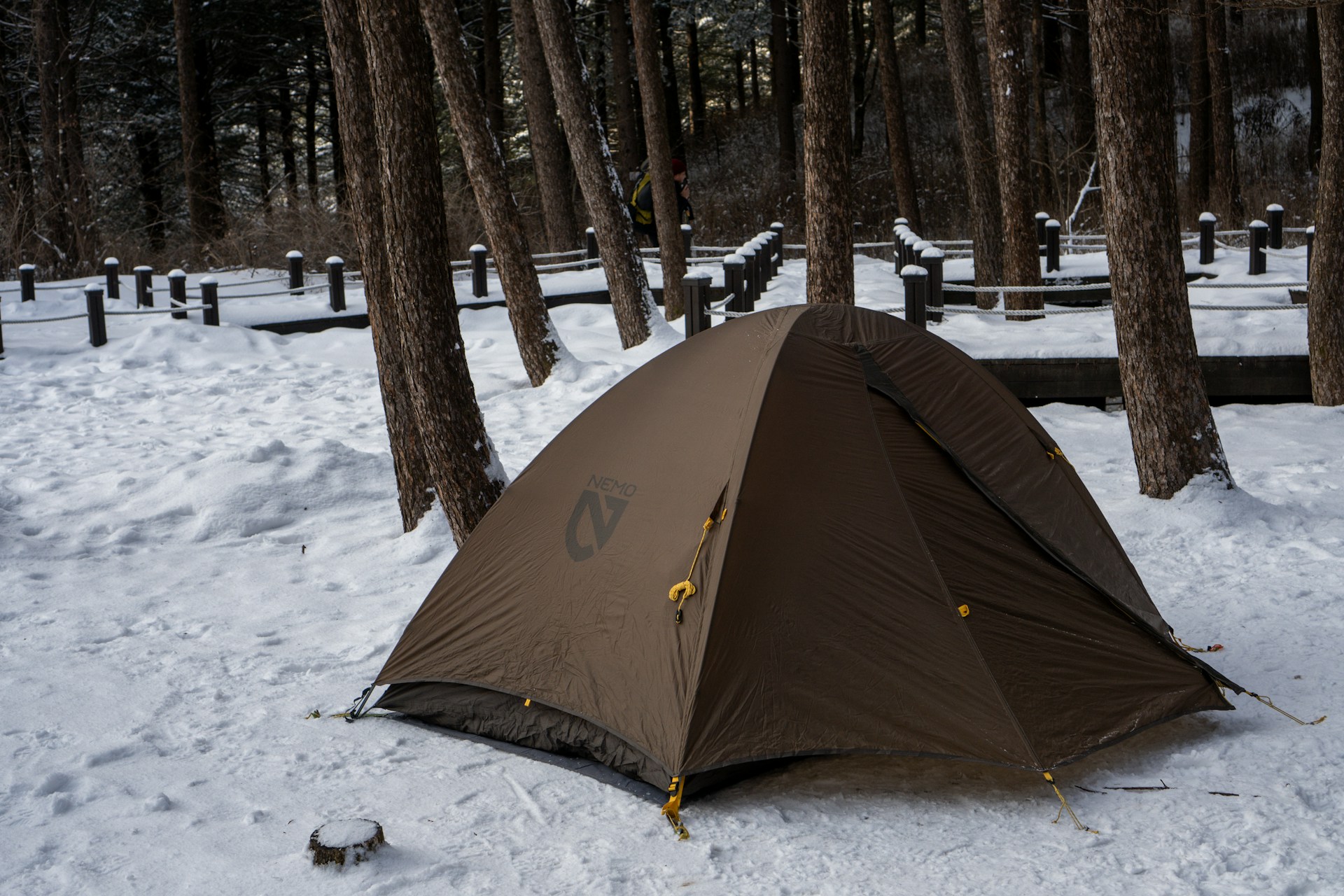
Lightweight emergency shelters, such as reflective bivy sacks, can save lives. A study in the Journal of Wilderness Medicine documented that hypothermia accounts for 25% of non-trauma-related wilderness deaths. Emergency shelters weigh under 200 grams and retain up to 90% of body heat. They are compact, often fitting in a pocket, but provide critical protection against wind, rain, and sudden temperature drops. Packing one can turn an unplanned overnight stay into a survivable event.
Defend Against Bites with Insect Protection
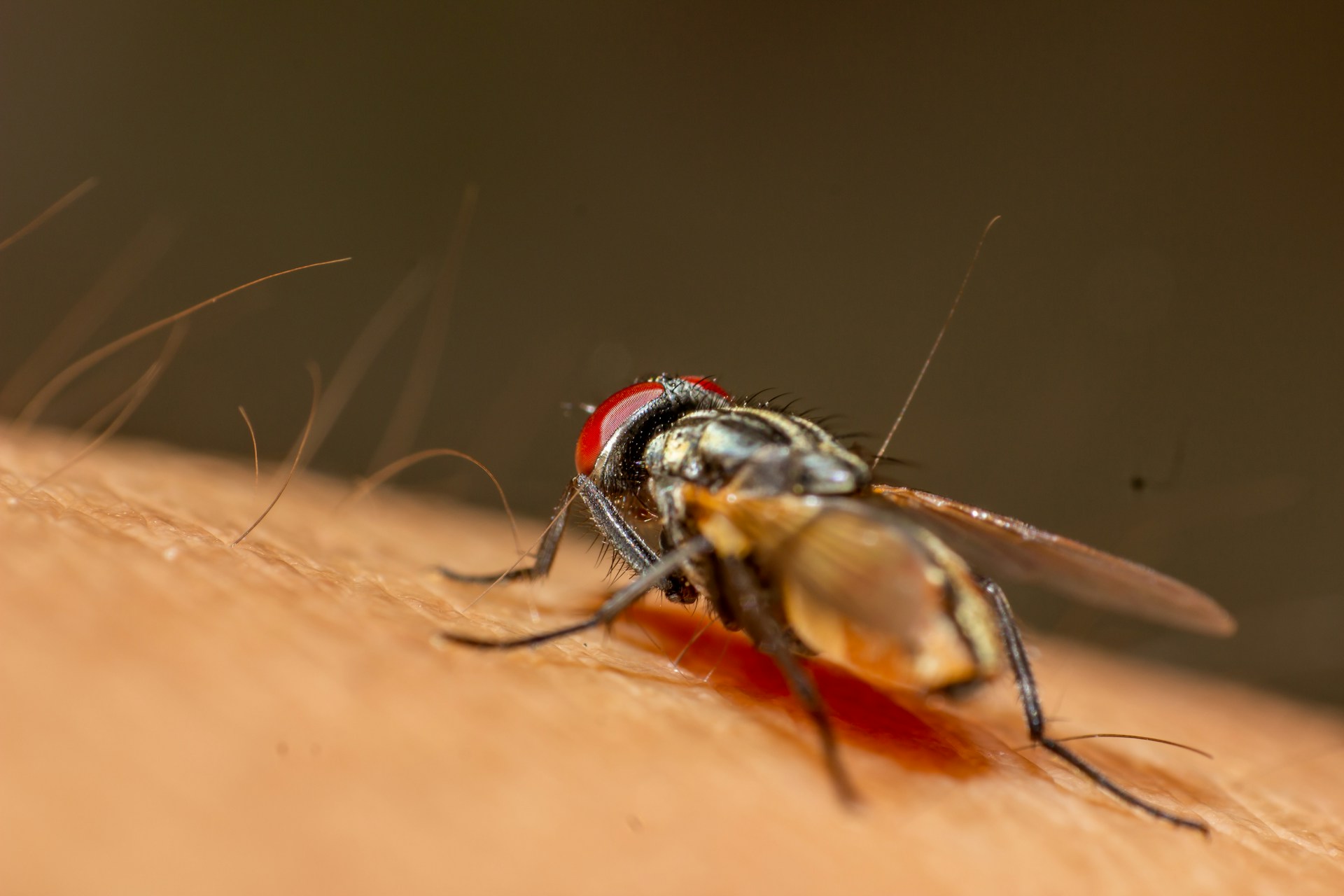
Insect-borne diseases remain a serious risk on trails worldwide. The CDC reported over 47,000 Lyme disease cases in the U.S. in 2022, most linked to outdoor exposure. Carrying insect repellent with DEET, picaridin, or IR3535 drastically reduces bite risk. Treated clothing, especially with permethrin, offers additional defense. For longer hikes in wetlands or forested areas, compact head nets can provide 24/7 protection. Effective insect management is not about comfort; it directly reduces disease risk and long-term health issues.
Keep Devices Alive with a Power Bank
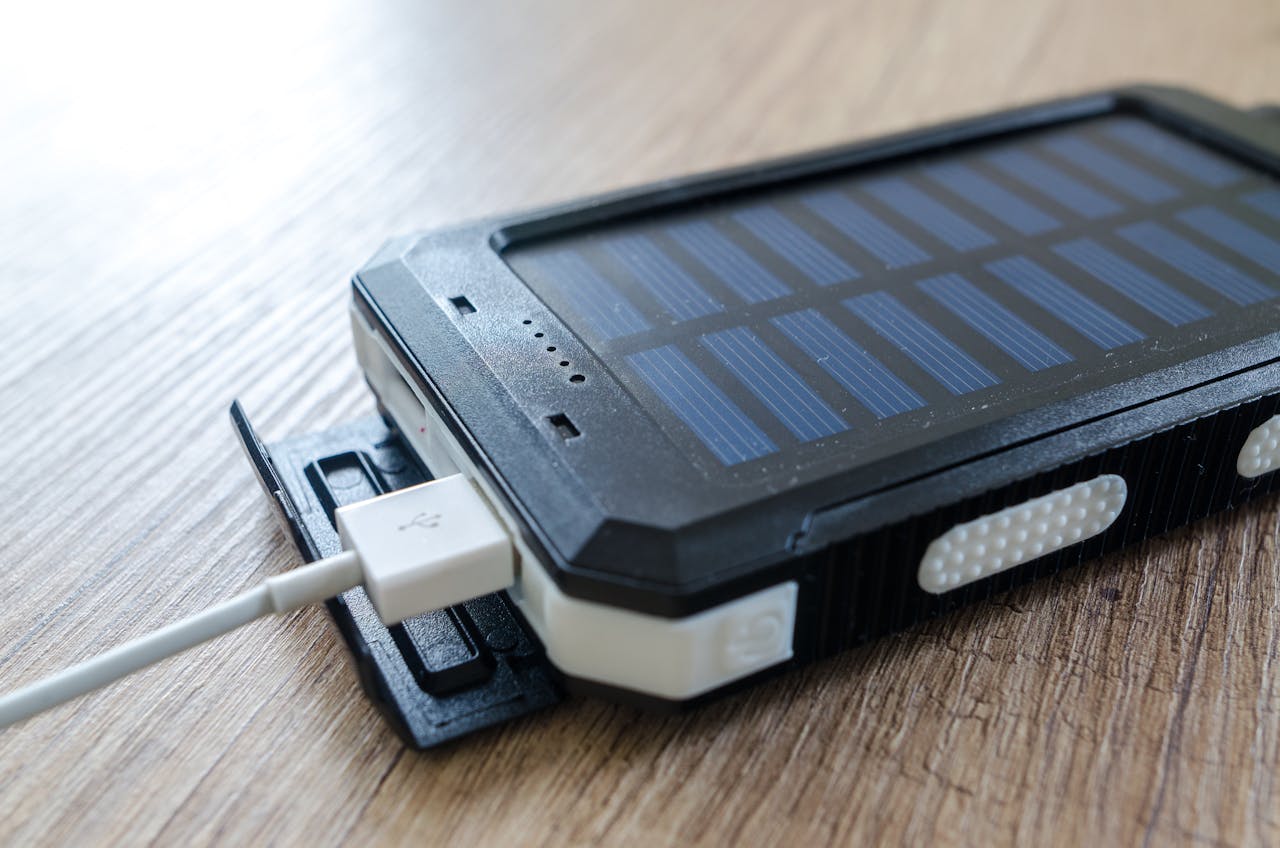
Electronics play an increasing role in navigation, communication, and safety. The Outdoor Participation Trends Report found that 72% of hikers use smartphones as their primary GPS tool. However, cold weather can reduce battery life by up to 40%. A rugged, 10,000 mAh power bank can recharge a smartphone 2–3 times, ensuring sustained connectivity. Solar-capable models provide longer autonomy for multi-day treks. This redundancy is critical, especially when devices double as flashlights, maps, and communication tools.
Carry Personal Identification at All Times
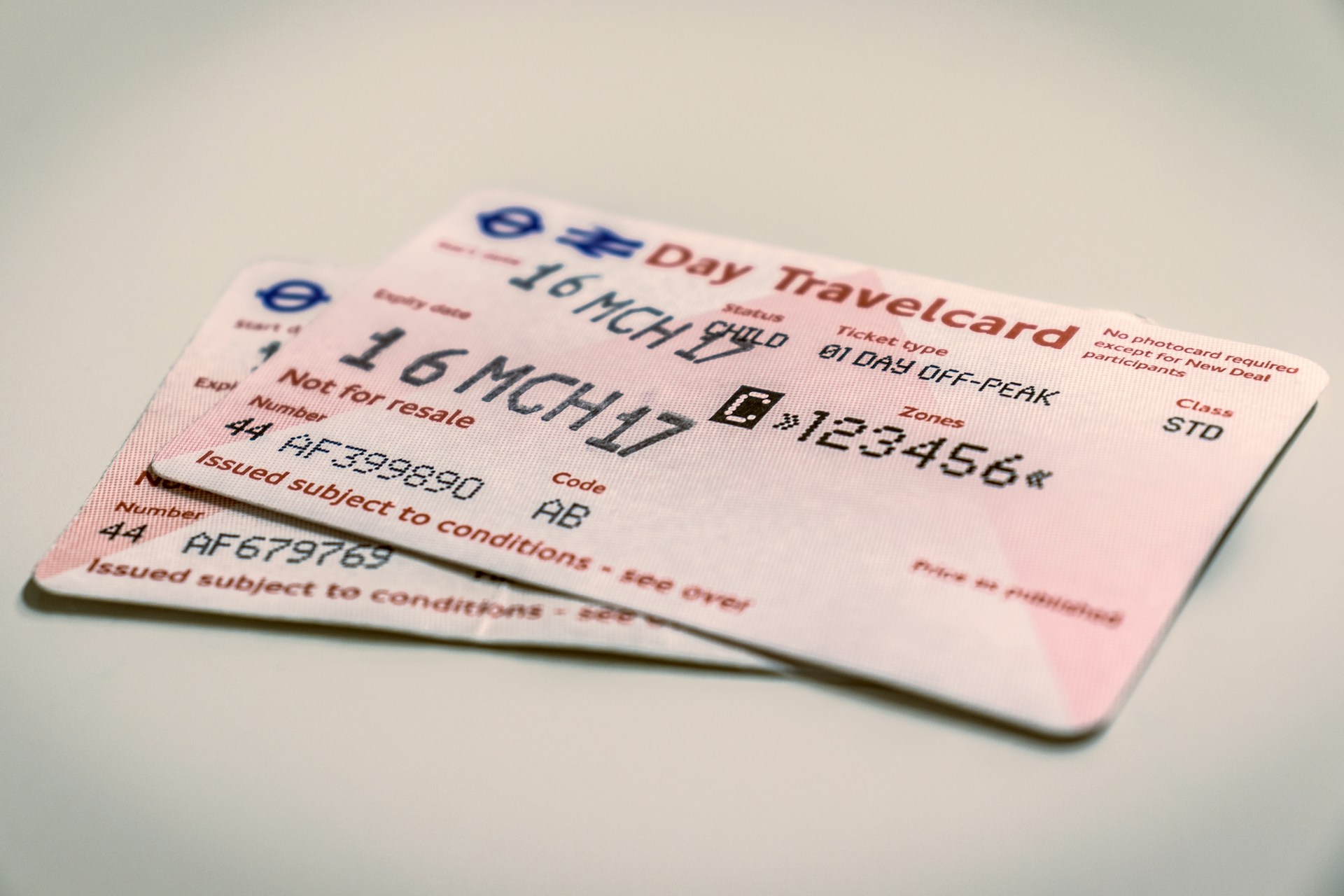
Identification is often overlooked, but it can be vital in emergencies. The National Association for Search and Rescue notes that a lack of ID delayed medical response in 11% of 2021 incidents. Carrying a government-issued ID, health insurance card, and an emergency contact note speeds medical care. Digital ID apps can supplement, but physical copies remain reliable in areas without connectivity. For minors, parental contact details should always accompany them in case of separation from group leaders.
Prepare to Ignite with Reliable Fire Starters

Fire remains one of the oldest survival tools, offering heat, cooking, and signaling. According to the U.S. Forest Service, fire-starting failures are a contributing factor in 19% of survival situation fatalities. A layered approach is recommended: waterproof matches, a ferrocerium rod, and tinder such as cotton balls soaked in petroleum jelly. Each weighs just grams but provides redundancy. Practicing with these tools before a hike ensures confidence and reduces the risk of fumbling under stress.
Support Every Step with Trekking Poles
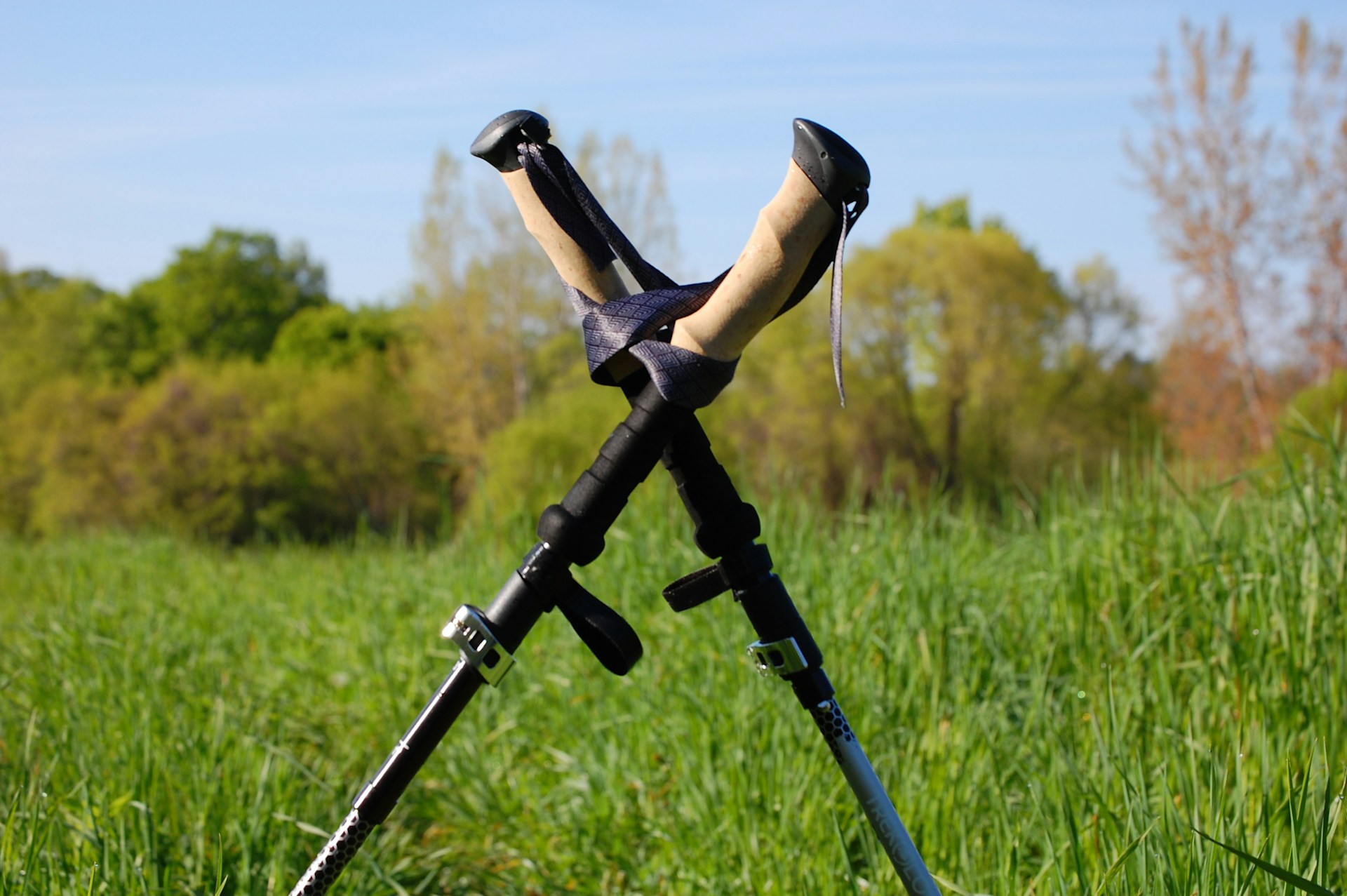
Trekking poles do more than save energy; they reduce injury risk. A 2020 study in the Journal of Sports Science found that poles reduce downhill impact forces on knees by up to 25%. Adjustable poles with carbide tips improve traction on rocky or icy surfaces, while wrist straps enhance endurance. For teens, poles also improve balance when carrying packs. Their utility extends beyond hiking: poles can serve as makeshift splints in first aid situations, increasing their survival value.
Light the Trail with a Headlamp
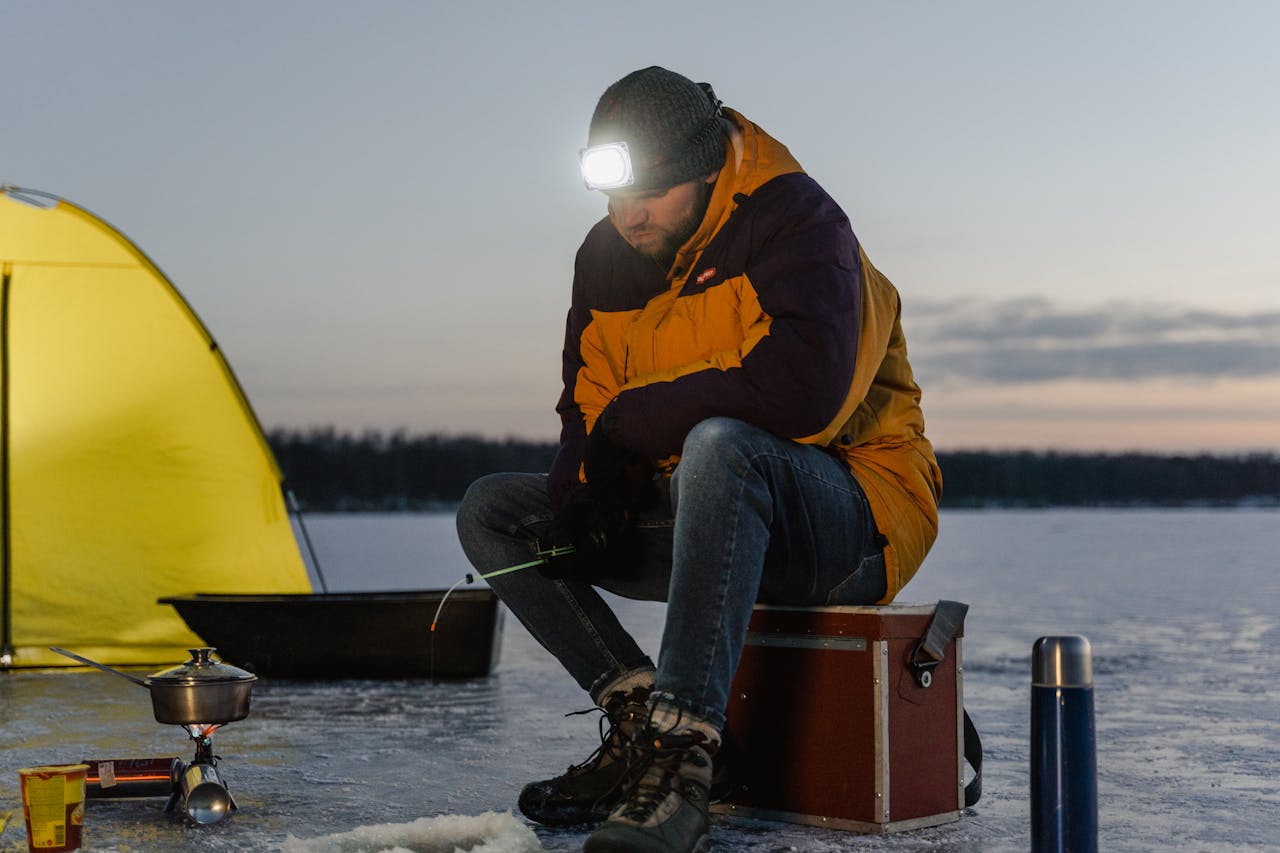
Headlamps provide hands-free illumination essential for early starts, late finishes, or emergencies. Search-and-rescue statistics from Colorado showed that 36% of hikers rescued after dark carried no light source. Modern LED headlamps, weighing under 100 grams, often deliver 200–400 lumens and last up to 40 hours on low settings. Models with red-light modes help preserve night vision. Unlike handheld flashlights, headlamps keep both hands free for climbing, map reading, or first aid tasks.
Be Prepared with a Multitool

A quality multitool condenses numerous functions into one device, often weighing less than 250 grams. According to backpacker surveys, multitools are most often used for gear repairs, such as fixing zippers or adjusting stove fittings. Common models include pliers, blades, screwdrivers, and scissors. Leatherman, one of the most popular brands, reports that its tools are tested for up to 50,000 opening cycles. Carrying one allows hikers to adapt quickly to unexpected problems without overpacking.
Boost Energy with Protein Bars

Nutrition is critical for sustained performance. The American College of Sports Medicine recommends 30–60 grams of carbohydrates per hour of moderate to intense activity. Protein bars, averaging 200–300 calories, provide a balanced mix of macronutrients in a compact form. They also withstand temperature fluctuations better than fresh foods, making them reliable for all seasons. For teens especially, protein supports muscle recovery, reducing post-hike fatigue. Packing multiple bars ensures energy reserves without adding bulk.
Stay Hydrated with Water and Purification

Dehydration is among the most common medical issues on trails. The Wilderness Medical Society reports that fluid loss as low as 2% of body weight can impair performance and decision-making. Carrying at least 2 liters of water per day is advised, but purification is equally vital. Portable filters remove 99.9% of protozoa and bacteria, preventing waterborne illnesses like Giardia, which affects an estimated 1.2 million Americans annually. Combining hydration bladders with compact filters ensures a safe, continuous supply.
Be Ready with a First Aid Kit
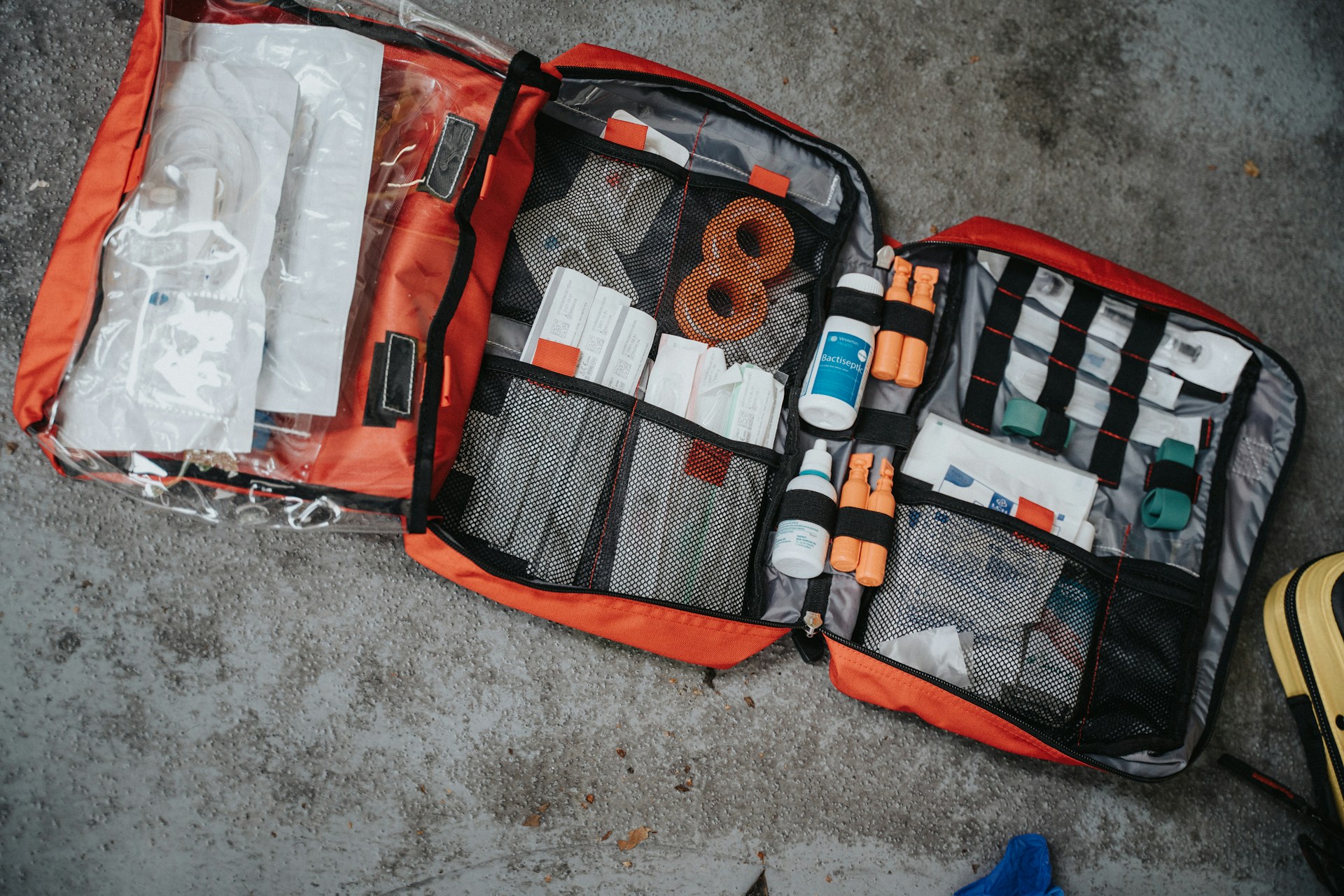
First aid kits are non-negotiable, yet a 2022 survey by REI found that only 38% of day hikers carried one. Kits should include bandages, antiseptics, blister treatment, and medications for allergies and pain. Data from the National Outdoor Leadership School indicates that foot blisters alone account for 34% of all backcountry medical cases. Pre-assembled kits weigh less than 300 grams and can be customized for group size and trip length. Regularly checking expiration dates ensures readiness.