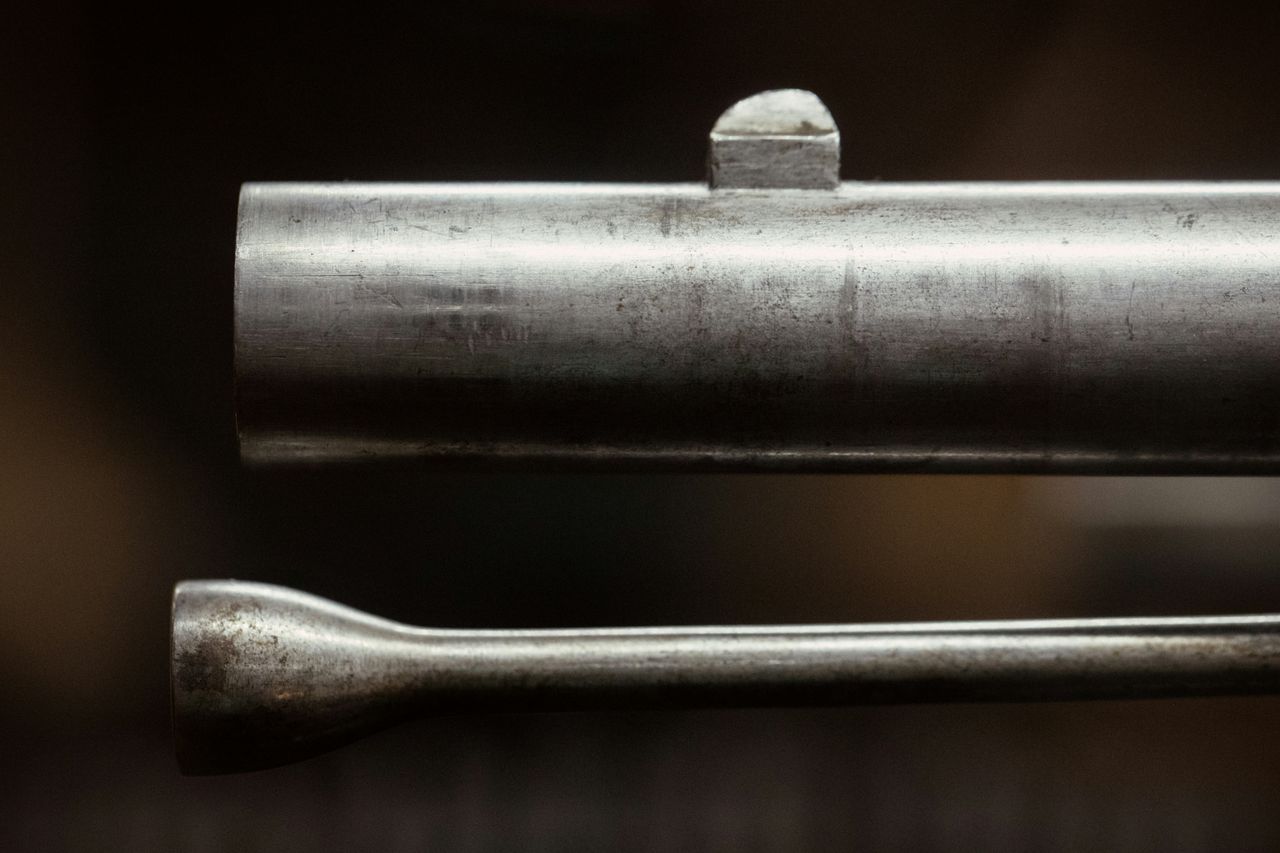
Two centuries later, it still sounds like a tall tale. But Lewis and Clark really did haul an advanced air rifle into the American West.
A Weapon That Felt Years Ahead Of Its Time
The rifle was almost certainly a Girandoni-style air gun, a design developed in Austria in the late 18th century and famous for firing multiple shots from compressed air rather than gunpowder. According to the National Park Service, Lewis bought a specialty air gun in Pittsburgh before the expedition pushed west.
That alone made it extraordinary. Most frontier firearms were slow to reload, smoky, loud, and vulnerable to wet weather.
An air rifle sidestepped many of those limits. It could fire repeatedly and impressively, and it did so without the dramatic cloud of black-powder smoke people expected from a military weapon.
Why Lewis Kept Showing It Off
Lewis did not carry the gun as a hunting novelty. He used it as theater.
The National Park Service notes that he demonstrated the air gun to multiple Indigenous communities during the journey, including Arikara leaders in October 1804. Clark wrote that the display astonished them, and Lewis later described similar reactions from the Shoshone and from people along the Columbia.
That matters because the Corps of Discovery was never just traveling. It was negotiating, signaling authority, and trying to enter unfamiliar homelands without constantly provoking violence.
A weapon that seemed to fire again and again, with no visible reloading ritual, helped create an aura of capability far beyond the small size of the expedition.
The “Secret” Wasn’t Total Secrecy
Calling it a secret weapon is accurate, but only in a limited sense. The expedition did not hide the rifle from everyone; Lewis openly demonstrated it.
What stayed quiet was its practical meaning. Few observers would have understood its mechanism, its compressed-air reservoir, or its limitations. To most people seeing it for the first time, it likely looked like an almost magical rifle that fired with unnatural ease.
That mystery was useful. Lewis even recorded that some Shoshone considered it “great medicine,” a phrase the National Park Service preserves in its account of the expedition’s demonstrations.
In other words, the secret was not the gun’s existence. The secret was how effectively confusion could be turned into diplomacy.
How The Gun Actually Worked
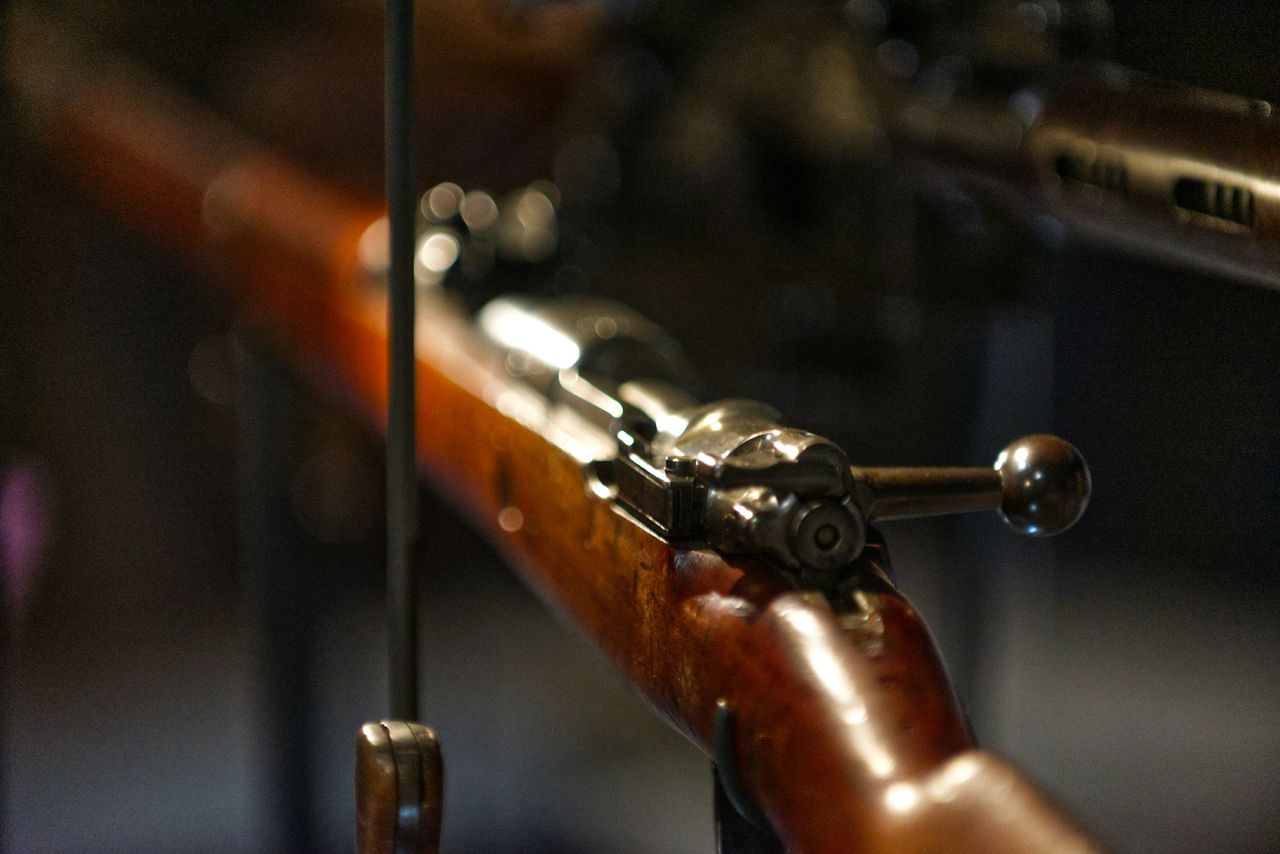
A Girandoni-style rifle used a detachable air reservoir, often shaped like the buttstock, that was filled in advance with compressed air. It also used a tubular magazine that allowed a string of shots before a full reload routine became necessary.
For an audience used to single-shot flintlocks, that was astonishing technology. It suggested speed, mechanical sophistication, and control.
But it was not a miracle arm. Air reservoirs had to be charged, seals could fail, and the system required careful maintenance. That helps explain why such weapons remained rare despite their sophistication.
Even so, in a demonstration setting, the gun’s strengths were exactly the ones Lewis needed most: repeat fire, low smoke, and pure surprise.
Why Historians Still Debate The Details
One stubborn wrinkle is that historians do not agree on every detail of the actual gun Lewis carried. The National Park Service says it may have been made in Philadelphia, and scholars have long debated whether it was a true Austrian Girandoni, a close copy, or a related custom piece.
That uncertainty is normal for early American material history. Surviving records are incomplete, original equipment was often modified, and later retellings sometimes exaggerated the story.
Still, the broad outline is well supported. Lewis had an air gun, purchased it before departure, and used it repeatedly as a diplomatic demonstration piece across the continent.
That is enough to make the story remarkable without adding myth.
A Perfect Tool For An Expedition Built On Nerve
Lewis and Clark carried maps, journals, trade goods, scientific curiosity, and plenty of ordinary firearms. The air rifle fit that mix perfectly because it was practical and symbolic at the same time.
It could help break the ice, command attention, and suggest military power without immediately escalating every encounter. In that sense, it was less a battlefield weapon than a carefully chosen instrument of presence.
For modern readers, that is the real fascination. The air rifle shows that the expedition’s success depended not just on grit and firepower, but on performance, perception, and calculated displays of technology.
Sometimes the smartest weapon in camp is the one that makes people stop, stare, and think twice.