It sounds almost impossible at first. One of America’s most iconic gunmakers was, for years, controlled from Britain.
The “secret” was hiding in plain sight.
For many gun owners, Smith & Wesson has always felt as American as Springfield steel, police sidearms, and old New England manufacturing. That is exactly why so many people never realized the company was not actually in American hands for a long stretch. The brand, the factories, and the public image all stayed rooted in Massachusetts, even while the parent company sat across the Atlantic.
The British owner was Tomkins PLC, a U.K. conglomerate better known for collecting industrial businesses than for building a firearms identity. Company records from Smith & Wesson’s own investor materials say Tomkins acquired Smith & Wesson in 1987 and held it until May 11, 2001, when Saf-T-Hammer bought the company. That means the brand spent roughly 14 years under British ownership before returning to U.S. control.
It felt “secret” not because it was hidden in a legal sense, but because average consumers rarely pay attention to corporate parents. Buyers saw the Smith & Wesson logo, notTomkins’s annual reports. Unless you followed mergers, securities filings, or the business press, the ownership structure was easy to miss.
That disconnect matters because it helps explain later backlash. When controversy hit, many American customers did not think a distant conglomerate was making decisions. They thought Smith & Wesson itself had changed sides.
How a British conglomerate ended up owning an American gun icon
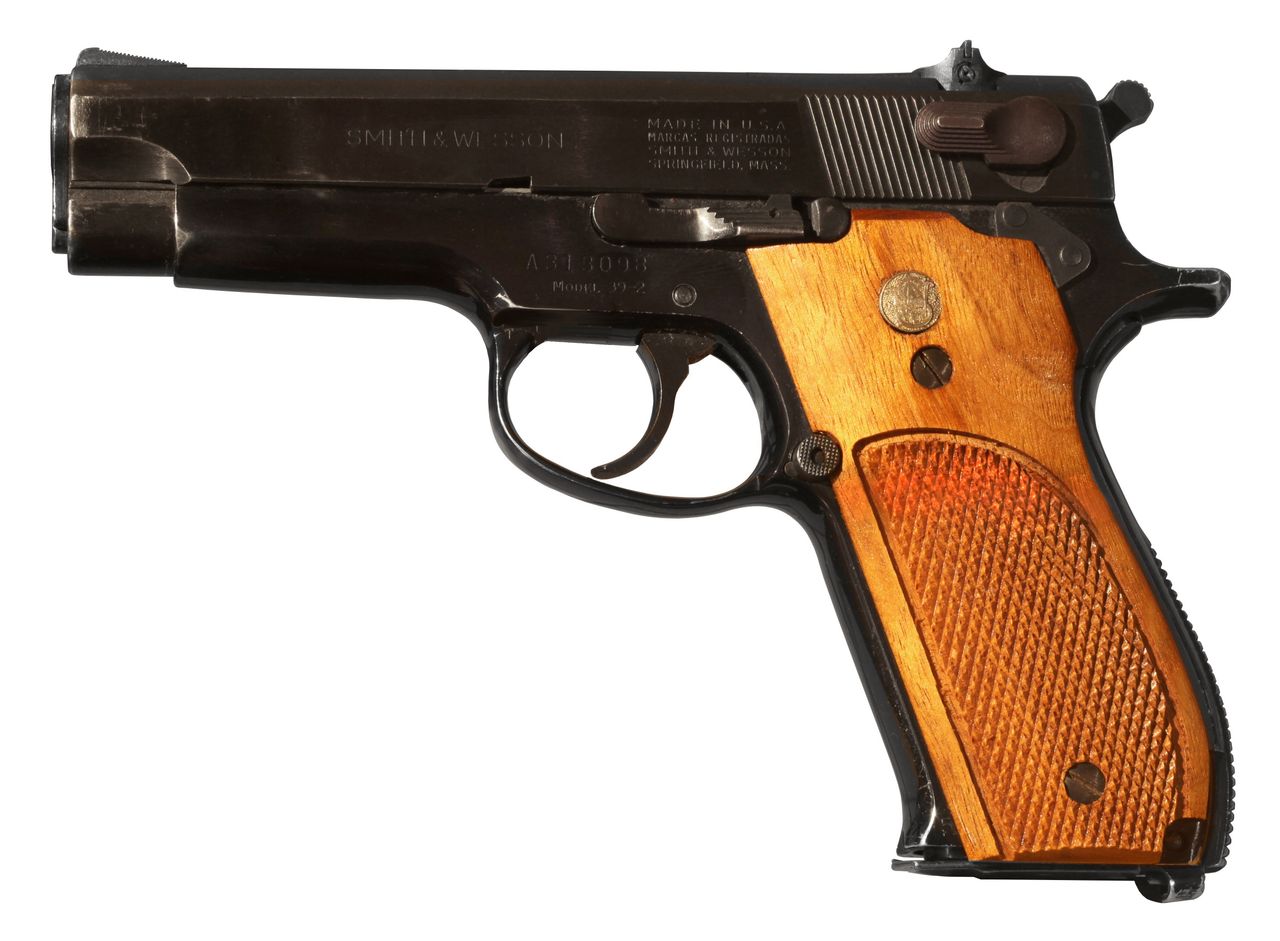
The path to British ownership was less ideological than financial. In the 1980s, conglomerates were buying and selling famous industrial names the way investors trade portfolios today. Smith & Wesson had already changed hands several times in its long history, and in that climate it became another asset in a broader corporate shuffle rather than a standalone symbol.
Smith & Wesson’s current historical materials trace the 1987 transfer to Tomkins through a subsidiary that acquired the company from Lear Siegler. Later SEC filings tied to Smith & Wesson also note that Forstmann Little bought Lear Siegler in 1986 and that Smith & Wesson was sold shortly afterward. In other words, the gunmaker moved through a chain of transaction-driven owners before landing inside Tomkins.
For Tomkins, Smith & Wesson was one business among many. The company was famous for its sprawling portfolio approach, owning everything from industrial and consumer businesses to operations so varied that British coverage once mocked the group with “buns to guns” style descriptions. Smith & Wesson was valuable, recognizable, and profitable enough to fit that model, even if it was culturally very different from Tomkins’ other holdings.
That arrangement worked as long as the gunmaker stayed commercially useful and politically manageable. Tomkins did not need Smith & Wesson to become more American. It just needed the brand to perform like any other holding in the portfolio.
Why most Americans barely noticed the change
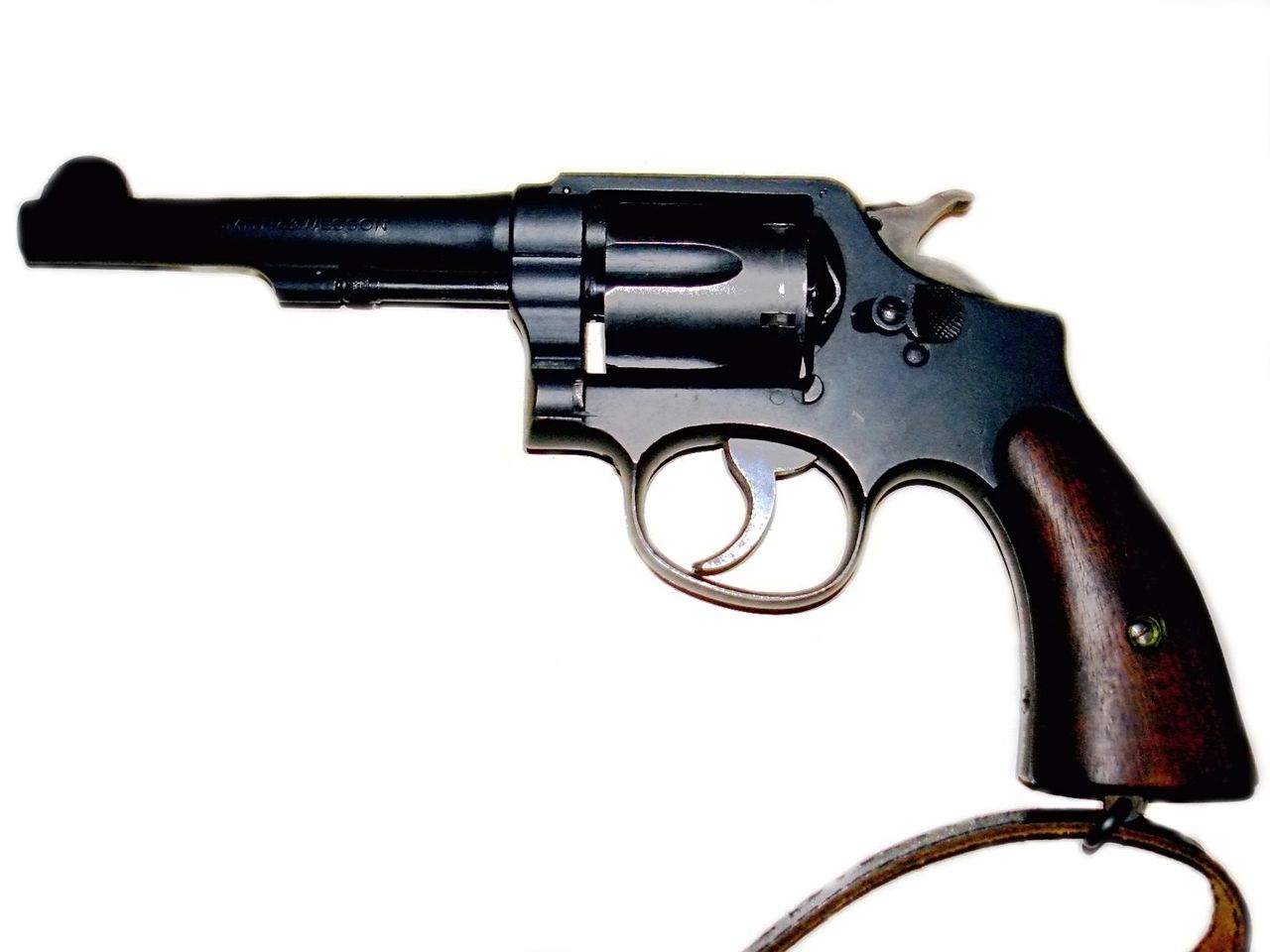
The simple answer is that almost nothing visible changed for the typical customer. Smith & Wesson was still making revolvers and pistols in the United States, still selling to law enforcement and civilian buyers, and still trading on a 19th-century American reputation. Ownership changed at the top, but the storefront reality looked familiar.
That is common in manufacturing. Consumers often confuse brand nationality with shareholder nationality. A company can keep domestic plants, domestic workers, and domestic branding while being controlled by foreign owners, private equity firms, or multinational holding companies. Smith & Wesson fit that pattern perfectly, especially before internet research became second nature for shoppers.
There was also little incentive to emphasize Tomkins. The British parent was not the selling point. Smith & Wesson’s value came from its own heritage, not from being part of a London-listed industrial conglomerate. So the market-facing identity stayed heavily American, while the corporate ownership sat in the background where only investors and trade observers paid much attention.
That low public awareness would prove important in 2000. Once Smith & Wesson entered a fierce political fight, critics in the gun world started pointing out that a “foreign-owned” company had cut a deal with the Clinton administration. Suddenly the ownership detail that barely mattered became central to the outrage.
The political storm that turned ownership into a liability
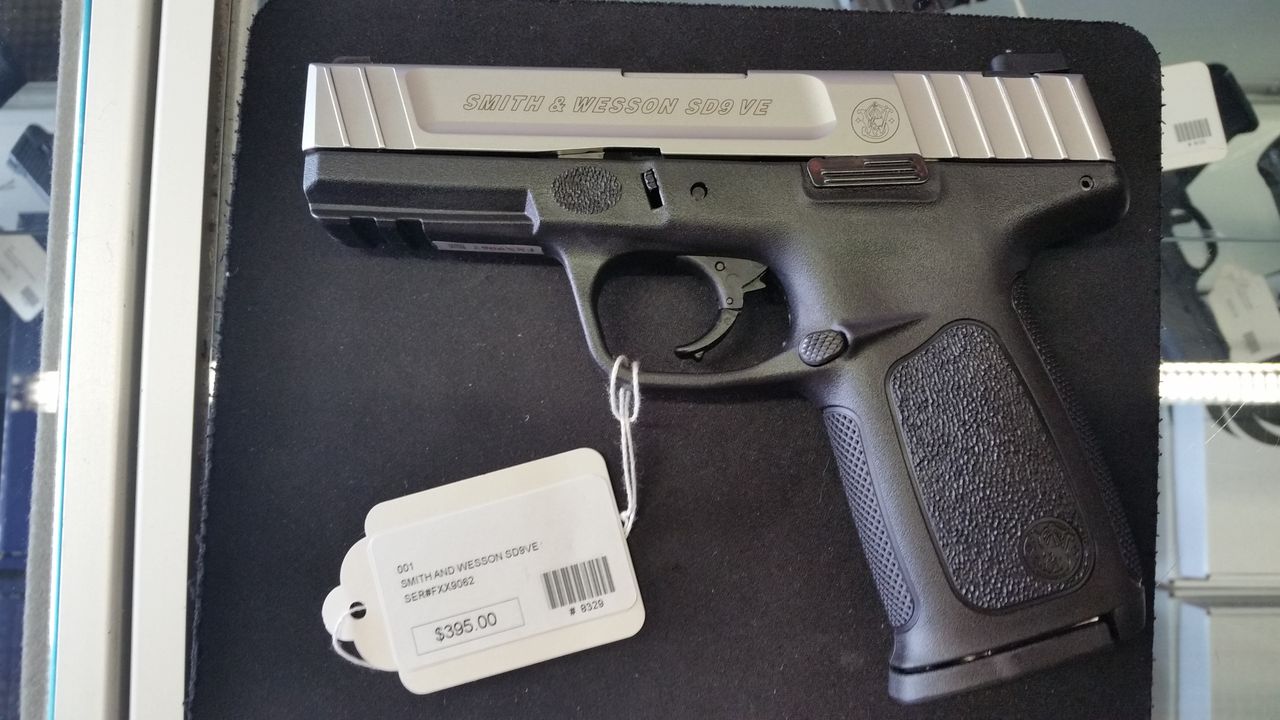
The real breaking point came on March 17, 2000. The Clinton White House announced a gun safety agreement with Smith & Wesson involving design and distribution changes, locking devices, and dealer code provisions. The administration praised the deal as a model for the industry, while many gun rights advocates and firearms businesses saw it as capitulation under government pressure.
Coverage at the time captured the fury. The Washington Post reported that industry leaders blasted Smith & Wesson for breaking ranks, and one trade representative specifically described it as a “foreign-owned” handgun maker cutting its own deal. That wording mattered. It turned a business dispute into a cultural betrayal story.
Tomkins had hoped the agreement might make Smith & Wesson easier to sell. Contemporary reporting said the conglomerate was already under pressure to simplify its holdings, and some believed settling political and legal threats could smooth a transaction. Instead, the move triggered boycotts and brand damage across core firearms customers, making the company harder to value and harder to unload cleanly.
In practical terms, British ownership became a vulnerability because Tomkins did not have deep political legitimacy with American gun buyers. A domestic owner might still have faced backlash, but a U.K. parent made it easier for critics to frame the controversy as outsiders misreading the U.S. gun market.
Why Tomkins sold Smith & Wesson so cheaply
When the sale finally came, the price was startlingly low. Smith & Wesson investor materials say Saf-T-Hammer acquired the company from Tomkins on May 11, 2001. SEC filings from Tomkins state the consideration was $15 million, with $5 million paid immediately and the balance due later. For a legendary firearms brand, that figure looked like a fire-sale number.
The low price makes more sense once you consider the damage around the business. By 2001, Tomkins was not selling a pristine trophy asset. It was trying to exit a politically radioactive company facing boycotts, dealer hostility, legal exposure, and uncertainty over whether the 2000 agreement would help or hurt the long-term business. A famous name does not automatically command a premium when customers are angry.
The buyer was Saf-T-Hammer, a small U.S. company known for firearms safety devices. Smith & Wesson’s own investor FAQ still notes the irony: a comparatively small publicly traded firm bought one of the biggest names in American firearms. That alone tells you Tomkins was motivated to get out more than to hold out for a glamorous valuation.
In business terms, Tomkins likely concluded that Smith & Wesson had become an asymmetric headache. The upside was limited, the controversy was nonstop, and the fit with the rest of the portfolio had gotten worse. Selling cheap was better than staying trapped.
How Smith & Wesson returned to American hands
The return happened through control, not mythology. On May 11, 2001, Saf-T-Hammer acquired Smith & Wesson from Tomkins, bringing ownership back under an American corporation, according to the company’s investor records and SEC filings. Smith & Wesson later highlighted that board member Colt Melby was instrumental in helping bring the company back to U.S. ownership.
That change mattered symbolically as much as financially. In the gun business, ownership can carry cultural weight beyond pure balance-sheet logic. A domestic owner had a better chance of rebuilding trust with dealers, distributors, and consumers who felt alienated during the Tomkins era. The brand could once again present itself not just as American-made, but American-controlled.
The post-sale corporate structure evolved several times. Saf-T-Hammer renamed itself Smith & Wesson Holding Corporation in 2002. Years later, the holding company became American Outdoor Brands Corporation, and then in 2020 the firearms business emerged as Smith & Wesson Brands, Inc. after a spin-off. But the decisive ownership repatriation happened in 2001.
That is the key date to remember. Smith & Wesson was not merely founded in America and operating in America. After 2001, it was once again owned in America too.
What this episode says about American brands
The Smith & Wesson story is a sharp reminder that iconic brands and actual ownership are not the same thing. A company can project a deeply national identity while being controlled by foreign shareholders, private equity, or a multinational parent that views it as just another line item. That gap is easy to ignore when times are calm and impossible to ignore when politics heats up.
It also shows how badly a parent company can misread a brand’s emotional ecosystem. Tomkins appears to have treated Smith & Wesson like a manageable corporate asset inside a wider portfolio. But firearms are not neutral consumer goods in the United States. They sit at the intersection of culture, law, identity, and politics. Decisions that might look rational in a boardroom can detonate in the marketplace.
Most of all, the episode explains why people still talk about Smith & Wesson’s British period as if it were hidden history. It was never truly hidden. It just took a crisis for the public to notice that one of America’s most famous gunmakers had, for more than a decade, answered to a British parent.
And once people noticed, they never forgot it.