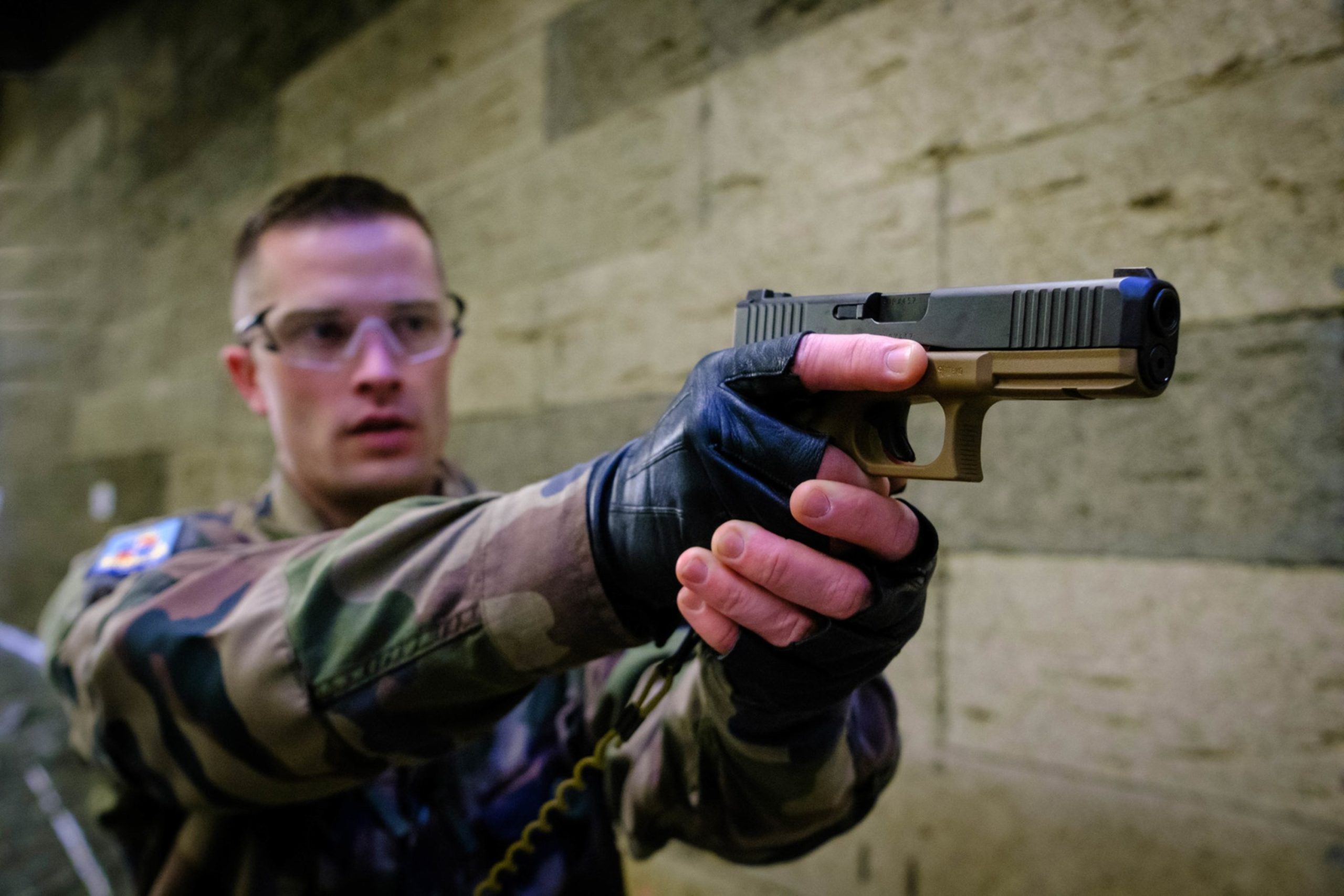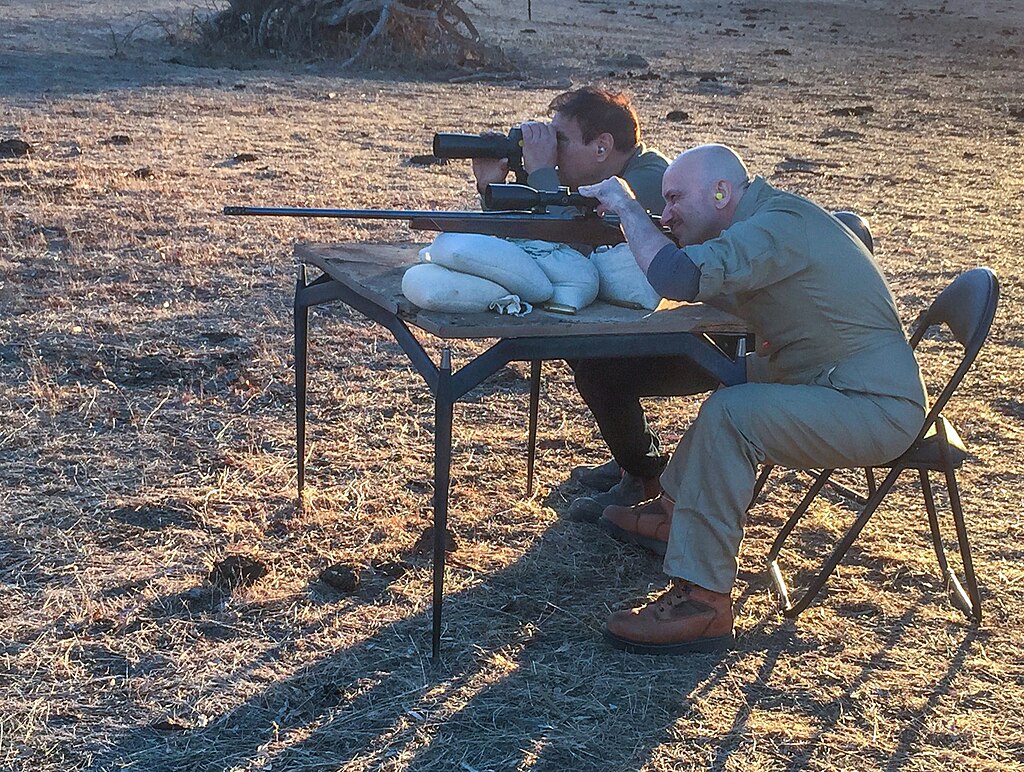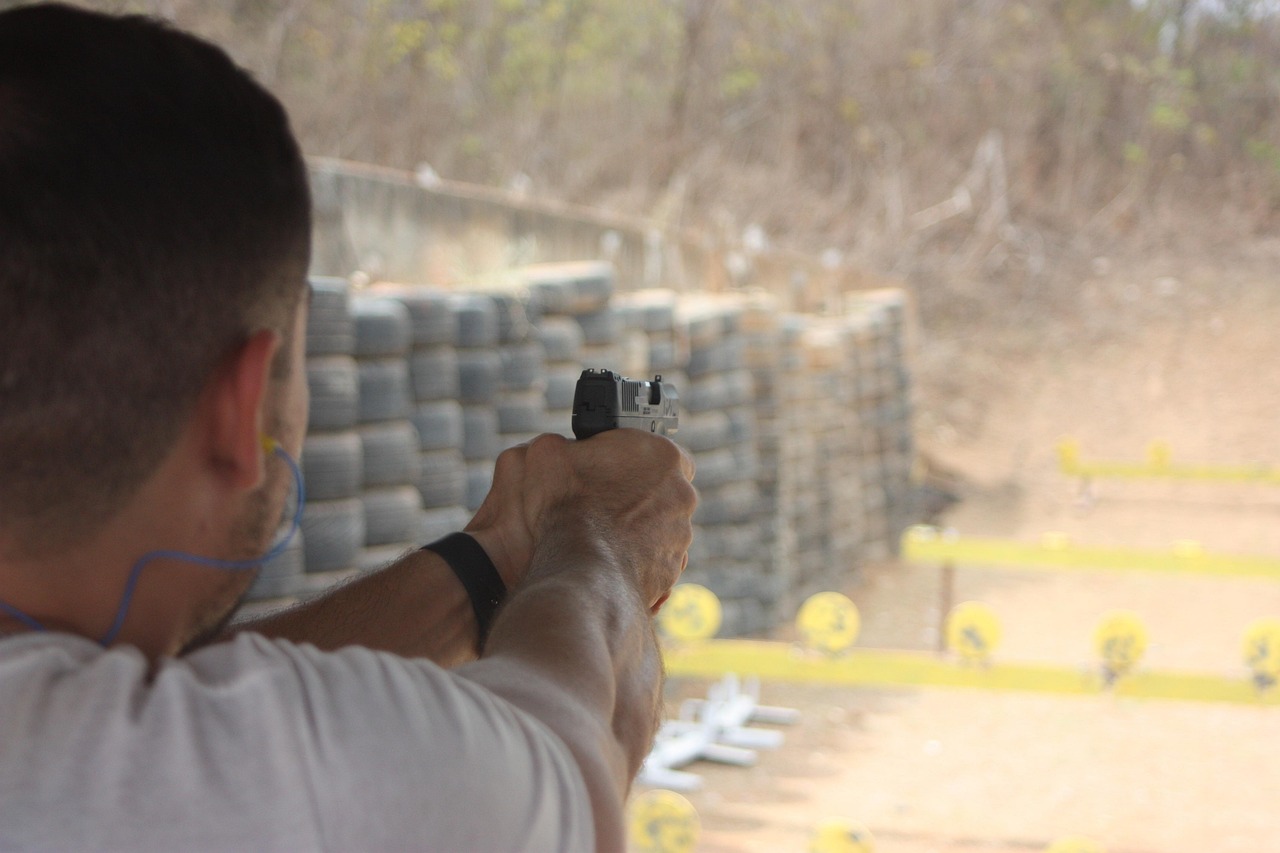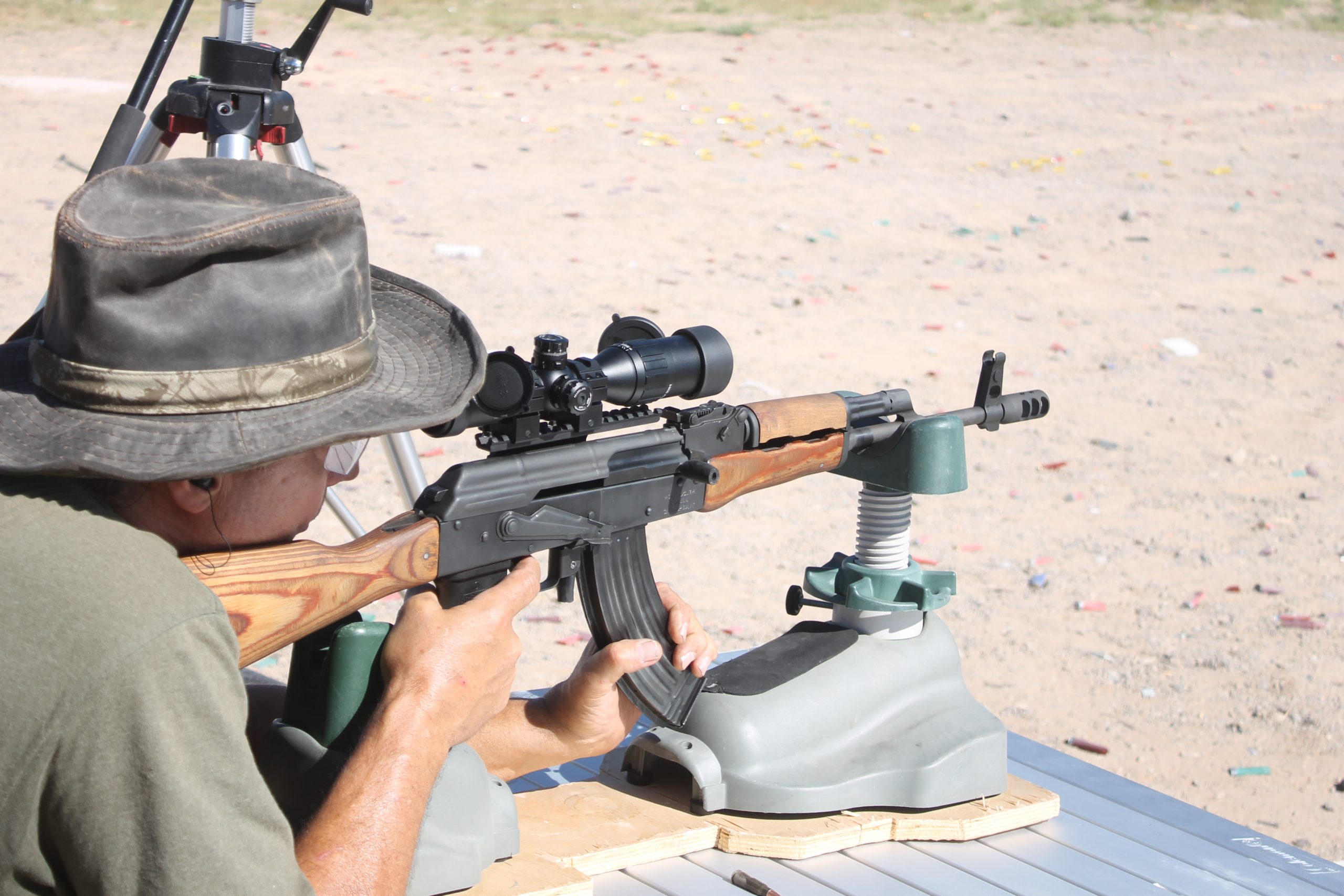
A shooting range has plenty of posted rules, but regulars also follow a quieter set of habits that are rarely written on the wall. These unwritten standards are mostly about awareness, courtesy, patience, and knowing when to step back. They help keep the firing line predictable and comfortable for everyone, whether someone is visiting for the first time or has spent years shooting. Understanding these habits can make a range visit smoother without trying to imitate anyone else.
1. The Range Officer Has Final Say
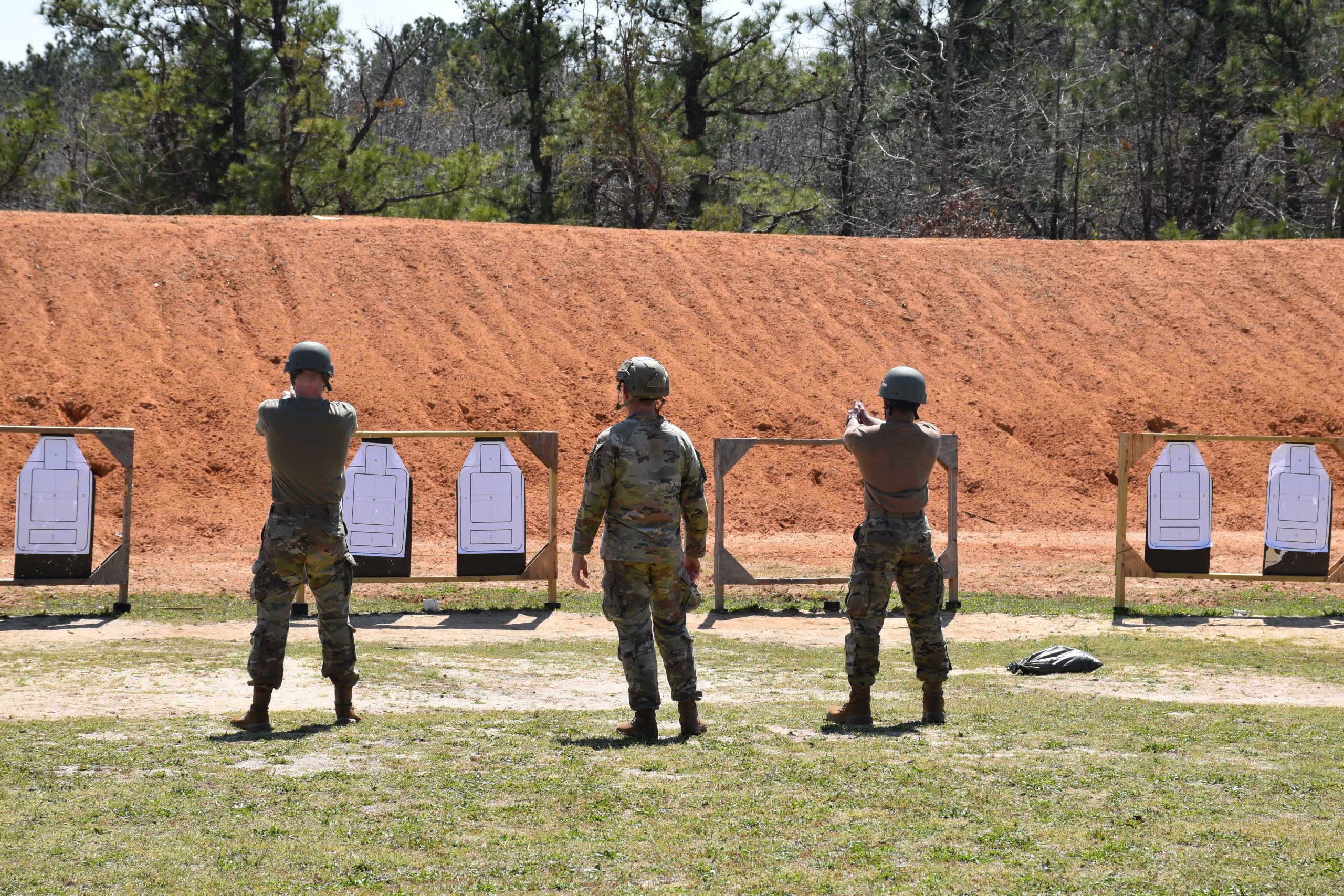
Regulars rarely need a reminder that the range officer controls the firing line. If an RSO says cease fire, the expected response is immediate: stop shooting, keep the firearm pointed safely, and follow instructions. Do not debate the reason while the line is being made safe. Many ranges also have their own commands, procedures, and posted rules, so the local system matters more than habits learned elsewhere. One simple rule covers it: if you are unsure, pause and ask. A question asked early is far better than a preventable safety problem later.
2. A Quiet Line Is a Safer Line
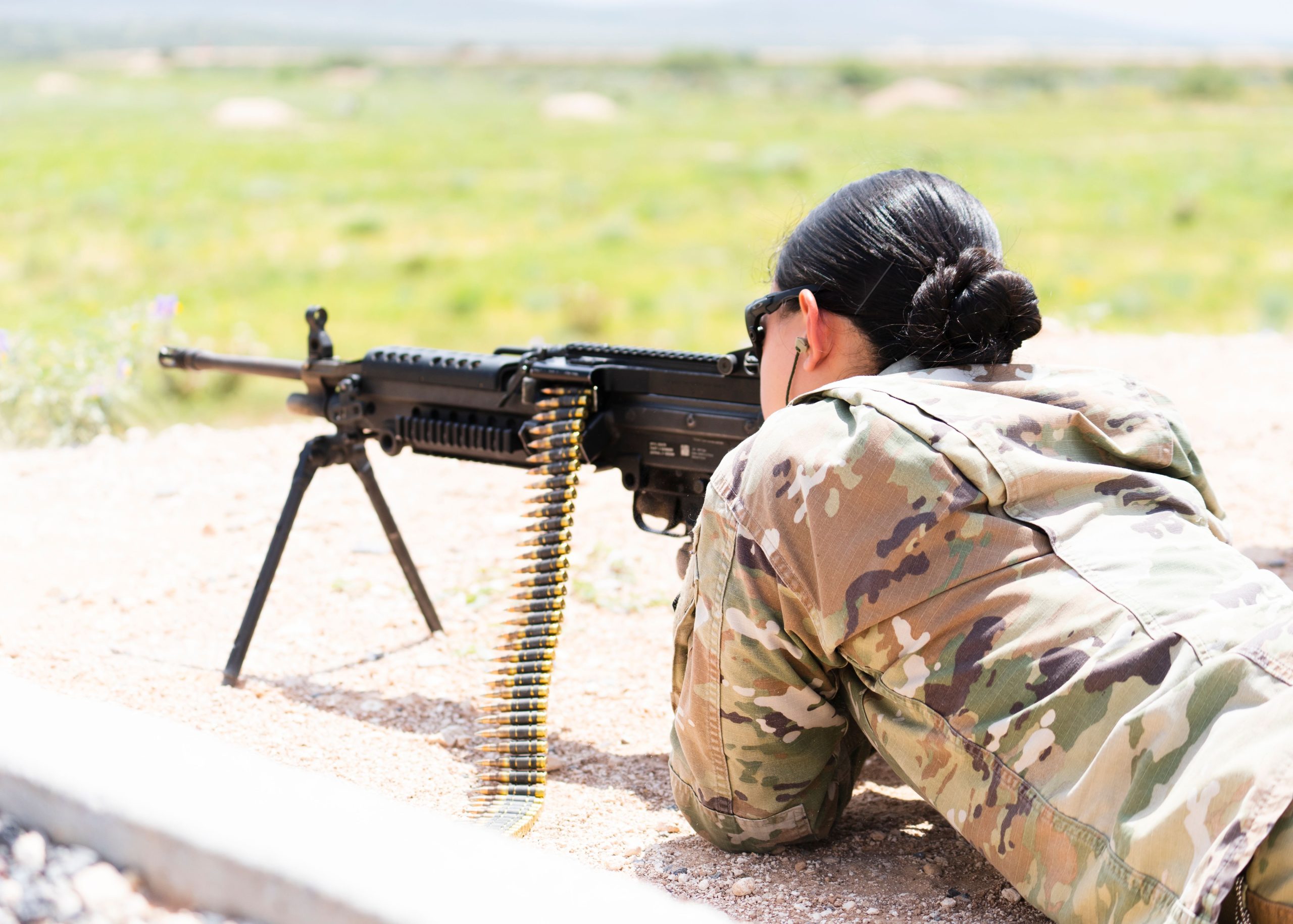
Experienced shooters quickly learn that a firing line is not a social club while people are concentrating. Loud conversations, jokes, sudden movement, or trying to coach someone during a shot can distract them at exactly the wrong moment. The unwritten courtesy is to keep your voice controlled and give neighboring shooters room to focus. Two people can share a bay without constantly interacting. If someone is sighting in, testing equipment, or working through a qualification, wait for a natural pause before speaking. Good range manners often mean knowing when not to interrupt.
3. Never Touch Another Shooter’s Gear
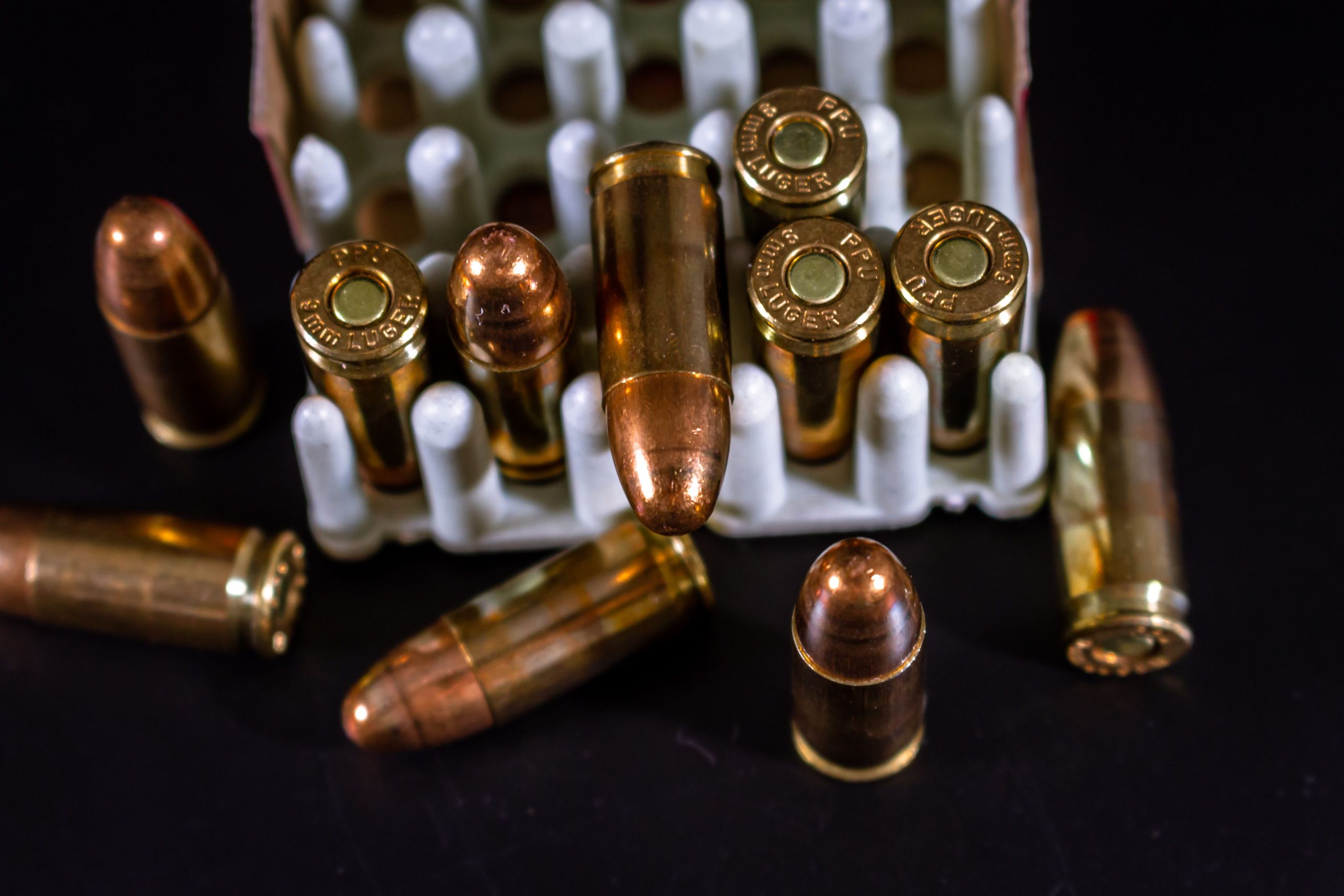
A regular usually treats another shooter’s firearm, ammunition, magazines, bags, and accessories as off-limits without permission. Even a well-intended adjustment can create confusion about the firearm’s condition or ownership. The same principle applies to picking up brass. Some shooters collect their spent cases for later use, while others leave them. If something appears to have been dropped, ask before moving it. There is nothing awkward about respecting someone else’s equipment. The unwritten standard is simple: your gear is yours, their gear is theirs, and permission comes first.
4. Cease Fire Means Everything Stops
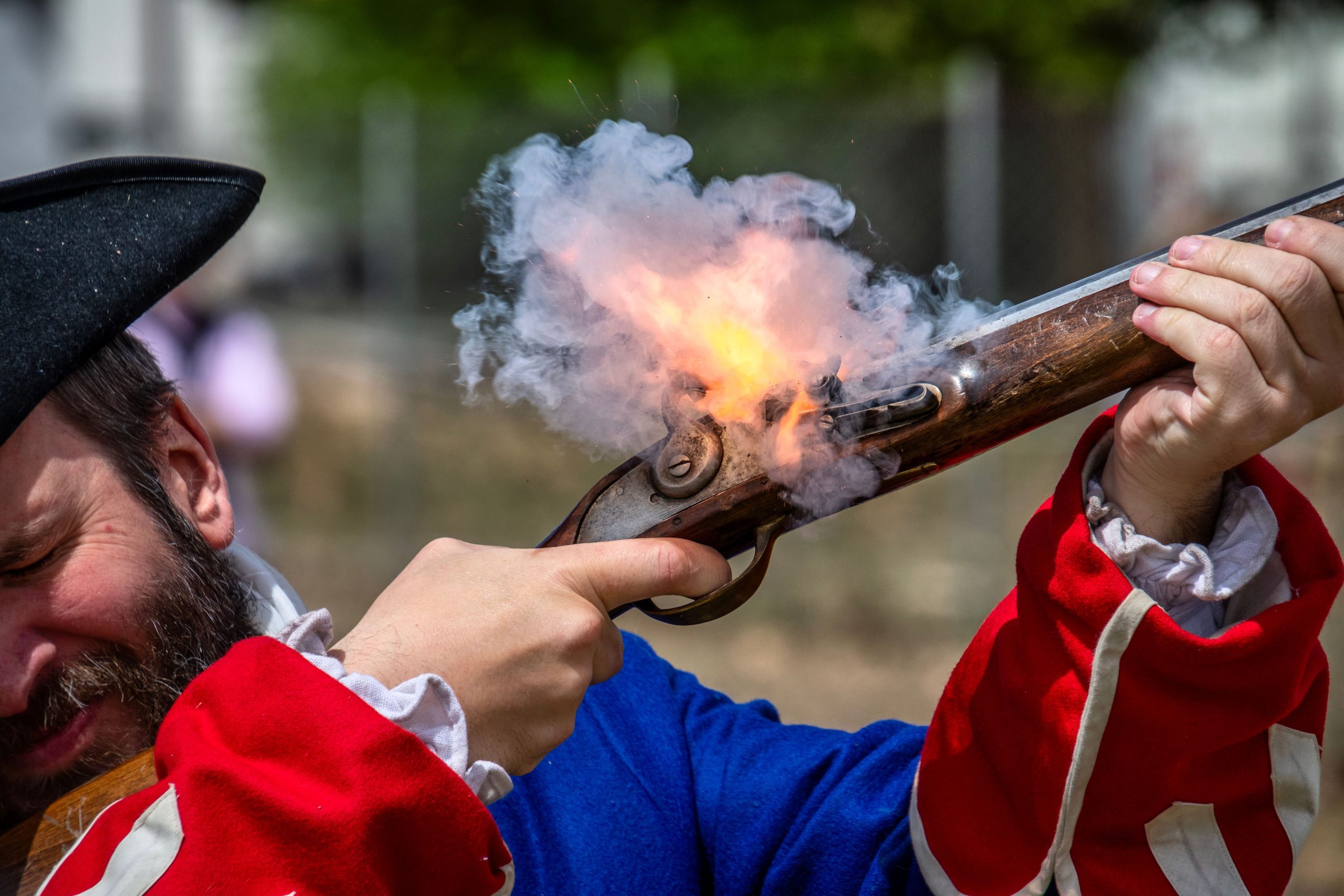
The phrase “cease fire” is not casual range vocabulary. It is a safety command that means shooting must stop immediately. Regulars also understand that a cease-fire can be called when something looks unsafe, not only by the person running the line. Once it is called, do not squeeze off one last shot, finish a magazine, or keep handling equipment because you think the reason is minor. Put safety ahead of curiosity and wait for the all-clear or further instructions. In many ranges, three words can matter more than any other announcement: cease fire, stop now.
5. Downrange Is Never a Shortcut
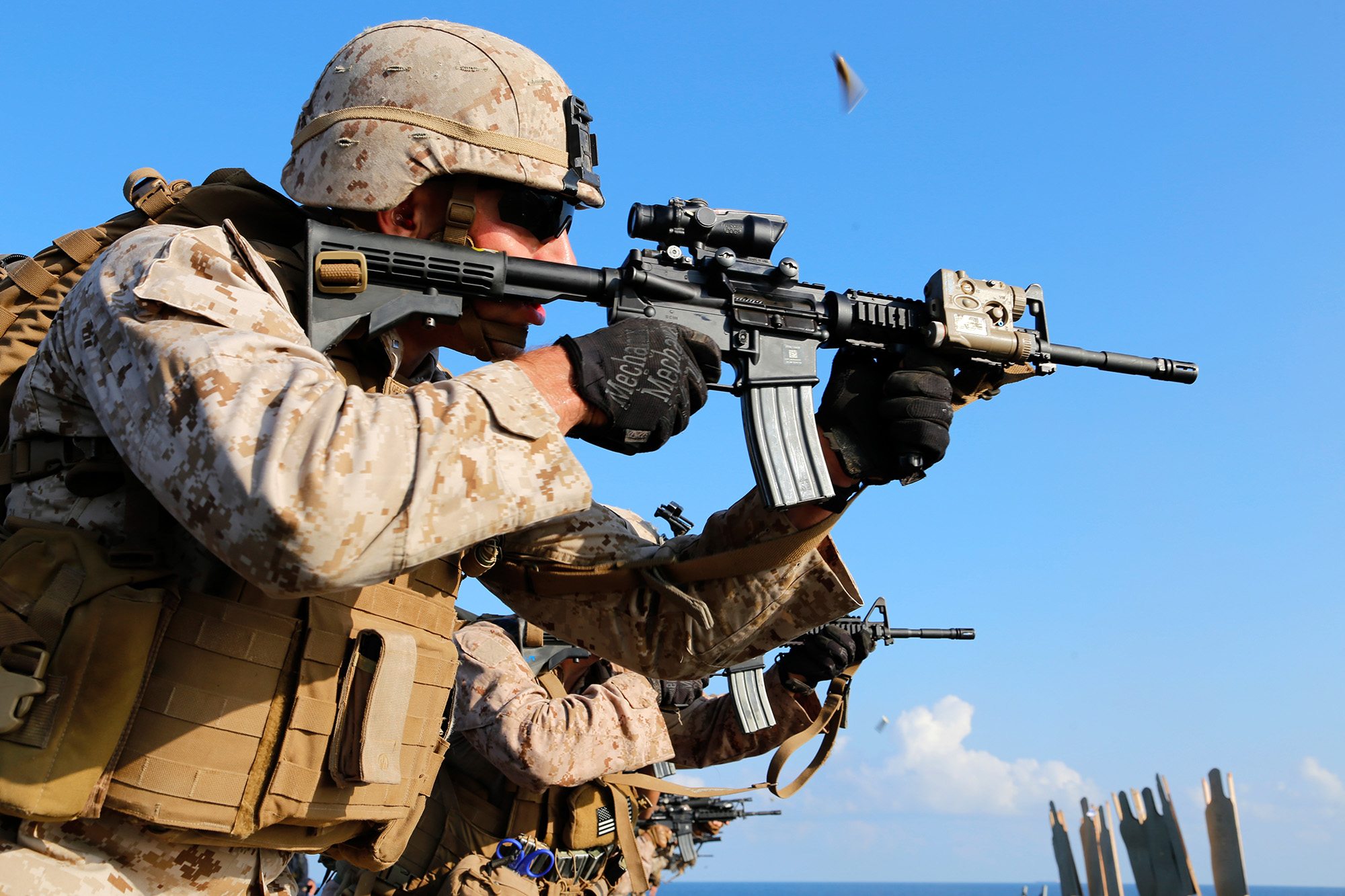
One of the strongest habits at a range is treating the area beyond the firing line as completely off-limits until it has been declared safe. Targets, frames, tape, or dropped equipment are never worth walking forward while firearms may be handled behind you. Regulars watch for the range officer’s command before moving downrange, and they expect everyone else to do the same. Even if your target is only a few steps away, distance does not change the rule. The unwritten message is clear: a forgotten target is replaceable; a person in an unsafe direction is not.
6. Clean Up Without Being Asked
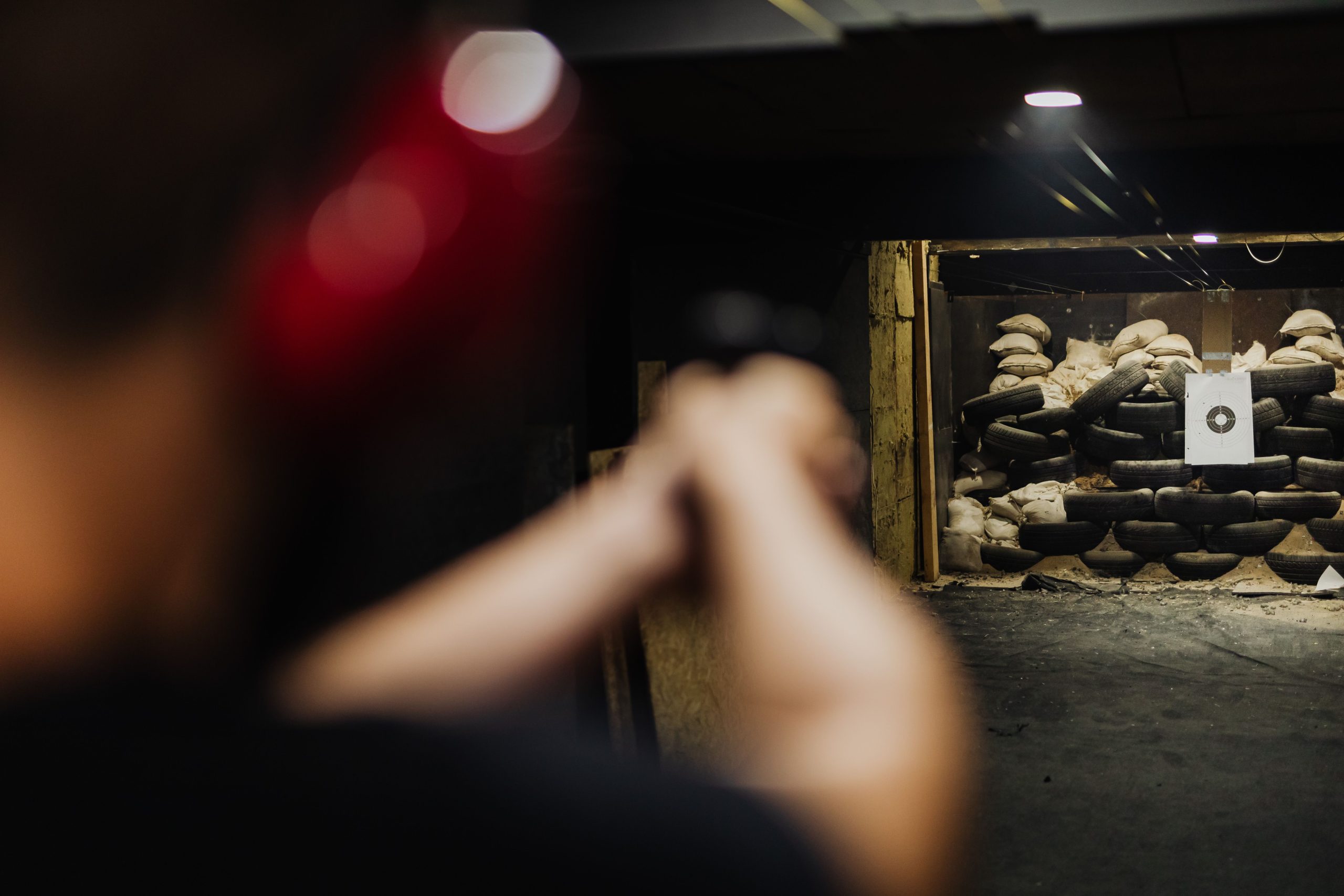
A range regular usually leaves the firing position ready for the next person. That means collecting permitted trash, taking down targets when required, returning range equipment, and checking that the bench is not covered with loose packaging or debris. Cleanup rules vary, especially for spent brass, so follow the facility’s policy rather than assuming. One practical habit is to spend the final 2 minutes looking over your lane before leaving. It costs almost nothing and prevents the next shooter from having to clean up after you. Good etiquette is often visible after the shooting ends.
7. Ear and Eye Protection Are Non-Negotiable
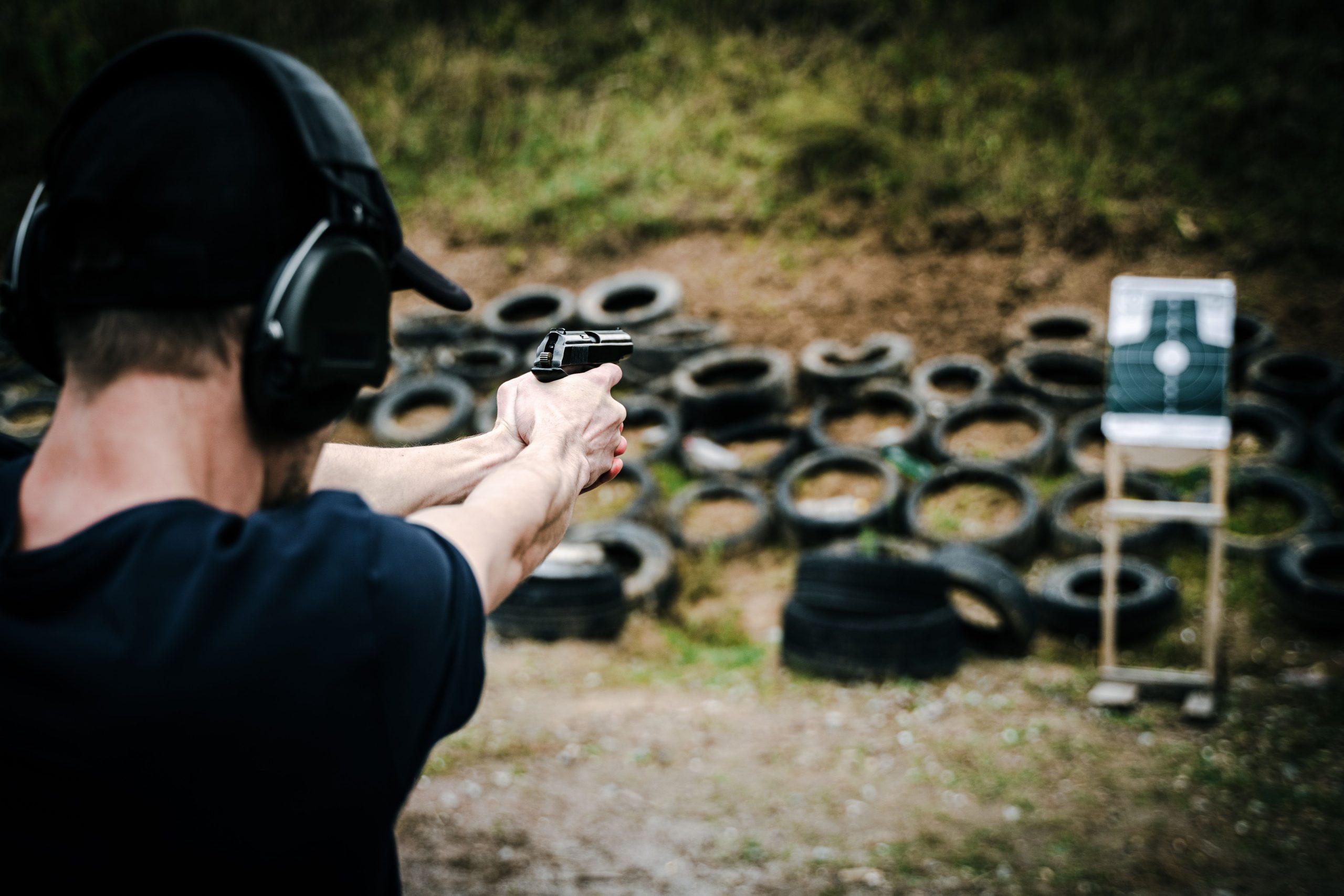
Experienced shooters generally put eye and hearing protection on before shooting starts, not after the first loud report. Shooting glasses can protect against debris or fragments, while hearing protection reduces exposure to intense impulse noise. A range may specify particular requirements, and those rules should be followed. The unwritten part is consideration for everyone nearby: do not encourage a guest to “just try one shot” without the required protection. Keep protection available for the whole session, too. Regulars treat both items as basic range gear.
8. Fixing a Problem Starts With Stopping
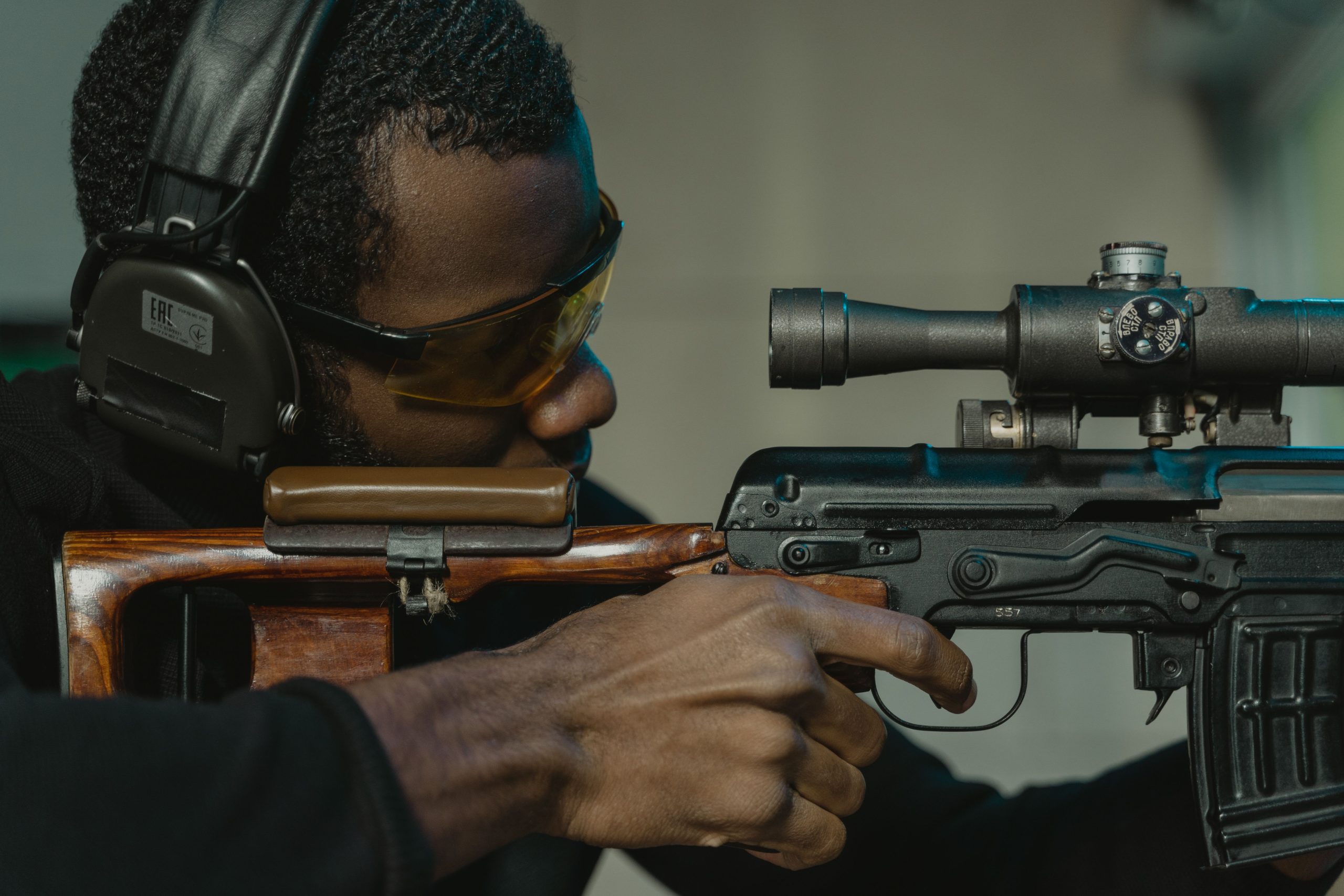
A malfunction, unusual sound, damaged target, or uncertain firearm condition is a reason to stop and get help, not improvise under pressure. Range regulars understand that embarrassment is temporary, while an unsafe response can have serious consequences. Keep the firearm pointed in the range-approved safe direction, keep your finger away from the trigger, and follow the facility’s instructions. Do not rush because people are waiting behind you. A range officer would rather answer one careful question than deal with an incident. Knowing when to pause is part of being a responsible shooter.
9. Leave the Range Better Than You Found It
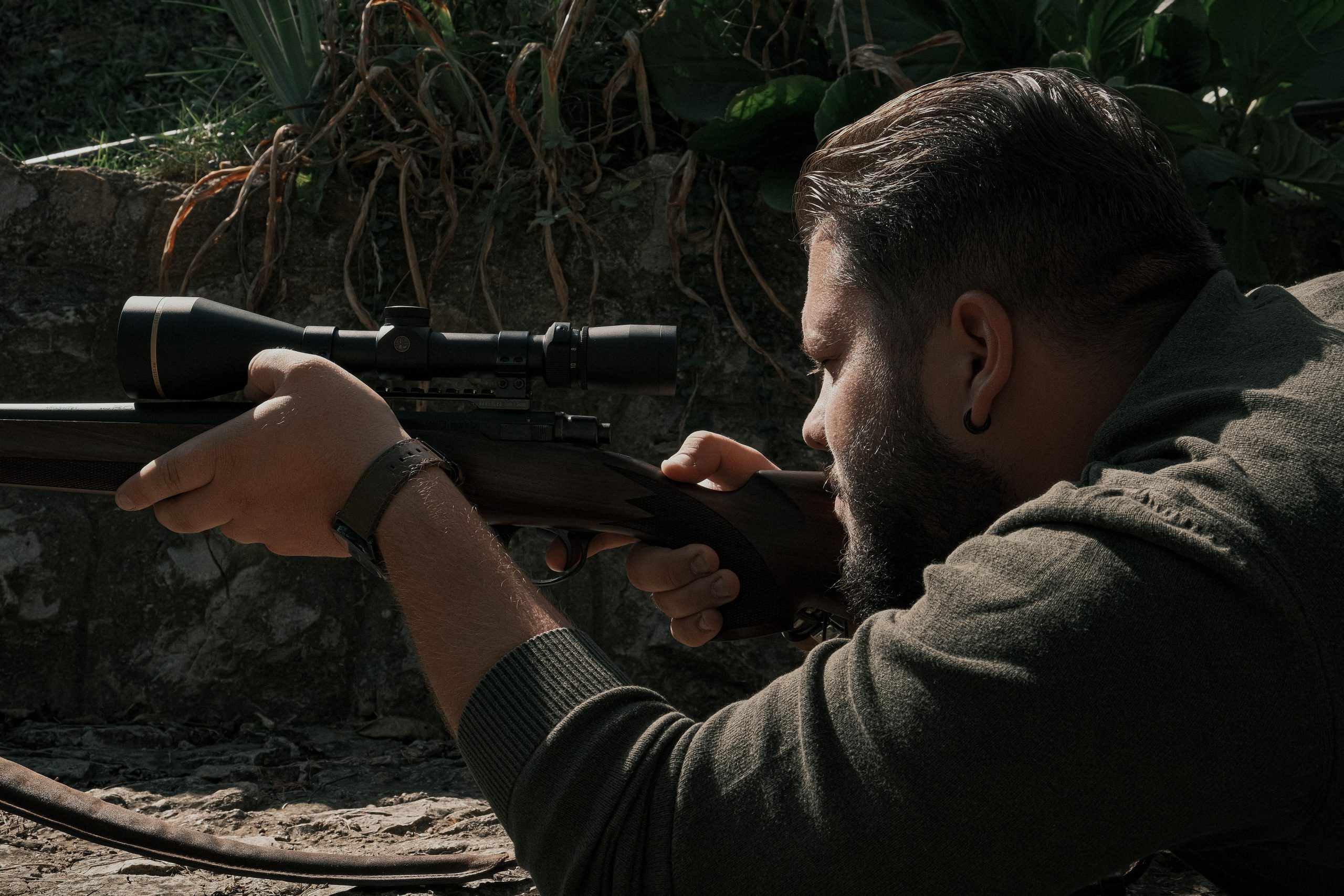
The final unwritten rule is about the people who come after you. A good range regular respects the facility, other shooters, and the staff who keep the place operating. Follow the target policy, use only authorized targets, dispose of permitted waste correctly, and return shared equipment where it belongs. Do not shoot posts, supports, or target frames unless the range specifically permits a particular setup. Before leaving, take a quick look at your lane and bench. That small habit can turn a busy range into a cleaner, calmer place for the next 1 shooter.