The Winchester Model 1897 became one of the most recognizable military shotguns in history, earning its reputation during the First World War. Designed by John Moses Browning, this pump-action firearm combined a strong mechanical design with a distinctive external hammer and a five-round magazine. Its military version became particularly associated with the muddy trenches of Europe, where close-range combat created an unusual role for shotguns. However, its reputation came from more than its battlefield use. Its operating system, construction, ammunition capacity, and military modifications all contributed to its place in firearms history. Here are seven important details that explain how the Model 1897 became the legendary trench gun.
1. John Moses Browning’s Design
The Model 1897 was created by John Moses Browning and introduced by Winchester in 1897 as an improved successor to the Model 1893. The earlier design had been intended for black-powder ammunition, while the new model was built for the growing use of smokeless-powder shotshells. Browning revised important parts of the action and strengthened the design, helping it earn a reputation beyond the hunting field. The shotgun remained in production until 1957, giving it a remarkable 60-year manufacturing life. That long history made the Model 1897 familiar to hunters, police departments, soldiers, and collectors.
2. A Five-Round Magazine and Six-Shot Capacity
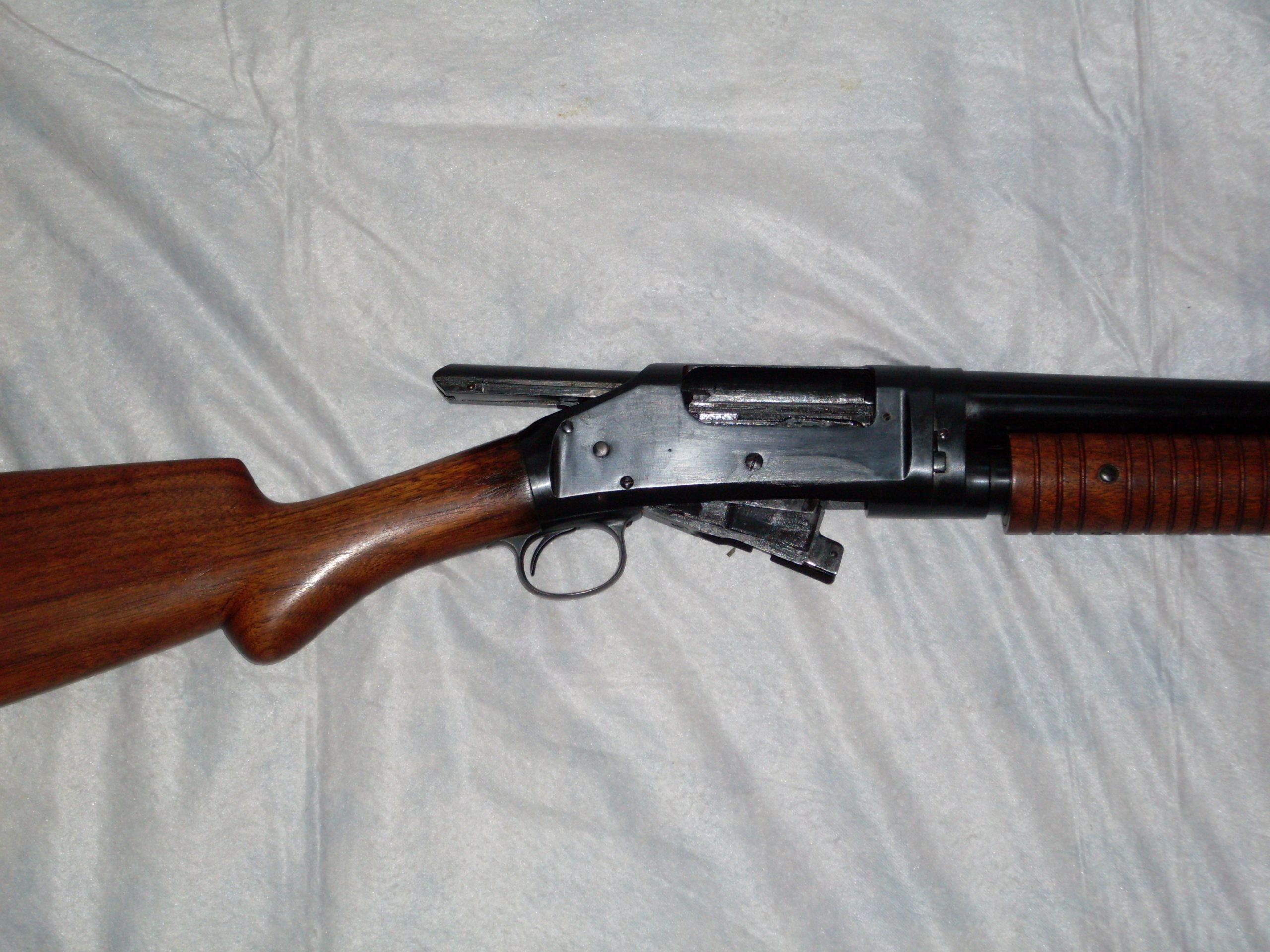
One feature that suited the Model 1897 to military service was its tubular magazine beneath the barrel. The standard 12-gauge version held five cartridges in the magazine, with room for one additional shell in the chamber, for a total capacity of six. This gave troops several rounds before reloading, a useful attribute in the confined environment of First World War trenches. The military version retained this basic capacity rather than introducing a new feeding system. Its pump-action layout also made the Model 1897 familiar to users of repeating shotguns of the period. The arrangement was straightforward for its time.
3. The Distinctive External Hammer
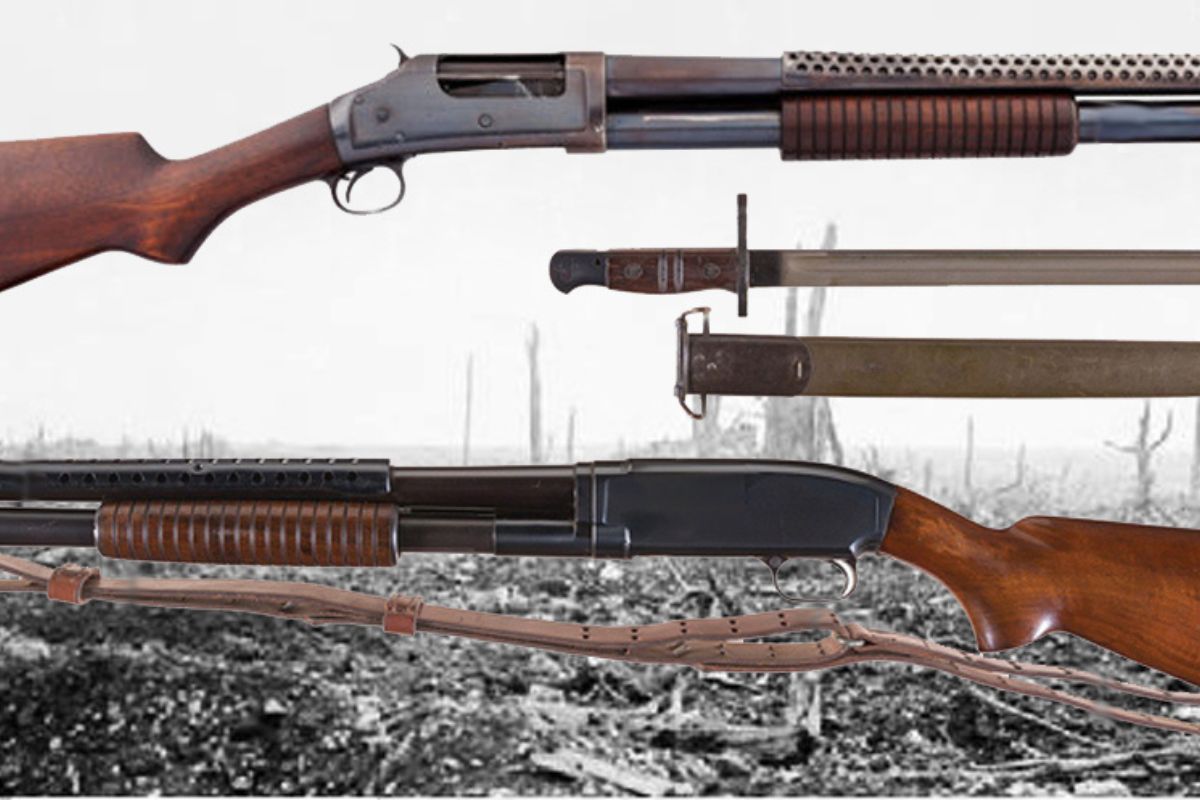
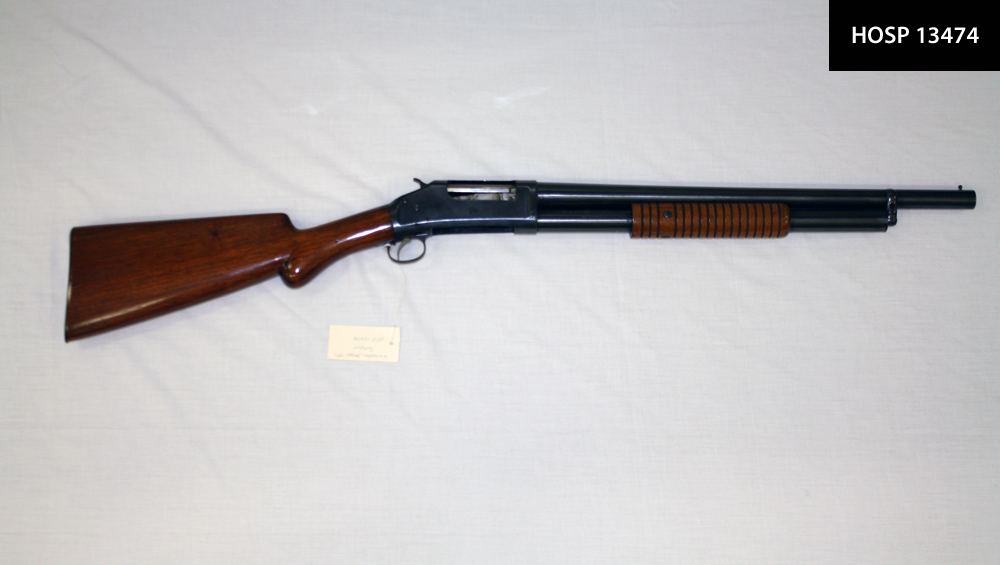
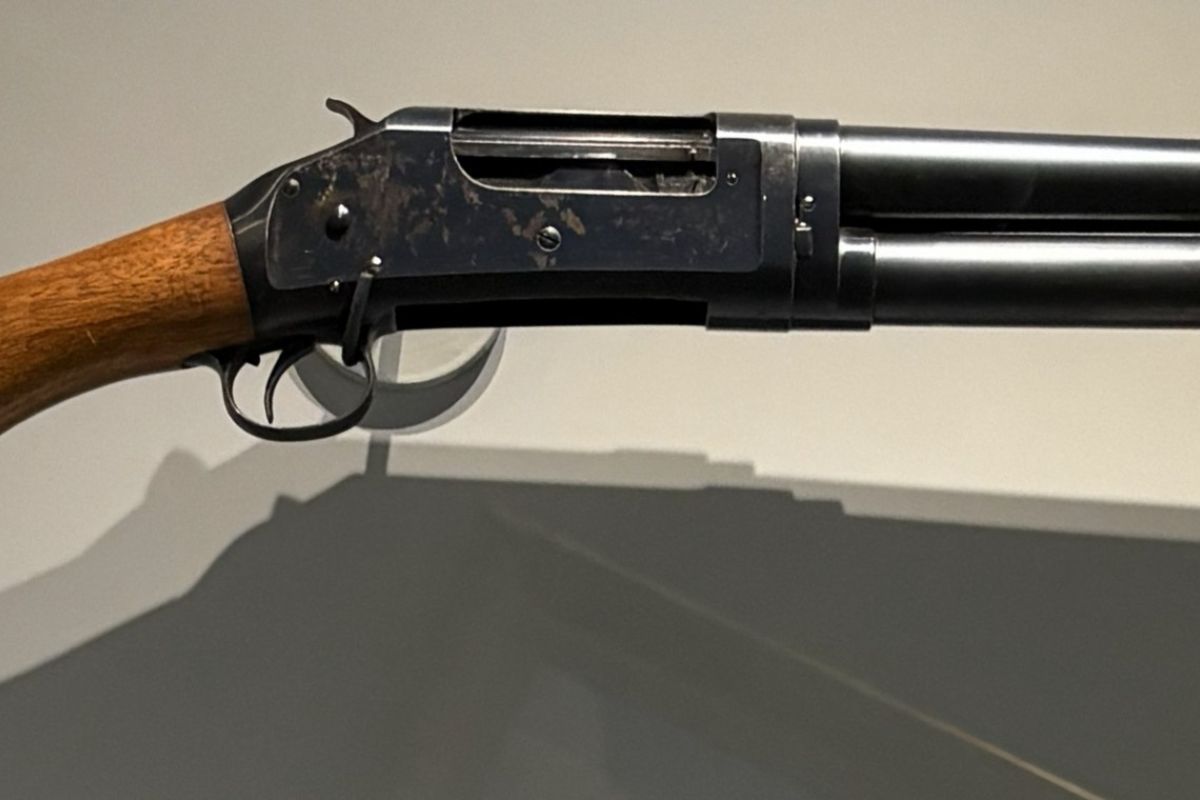
Unlike many later pump-action shotguns, the Model 1897 had an exposed hammer at the rear of its receiver. The hammer made the gun visually distinctive and allowed its cocked or uncocked condition to be seen. The design reflected an earlier generation of repeating firearms, before hammerless actions became the dominant sporting pattern. Browning paired this feature with a sliding fore-end and a locking action, creating a system that was practical for its era. The exposed hammer is one reason original Model 1897 shotguns remain easy for collectors to recognize, even in photographs showing only part of the receiver.
4. The Short 20-Inch Military Barrel
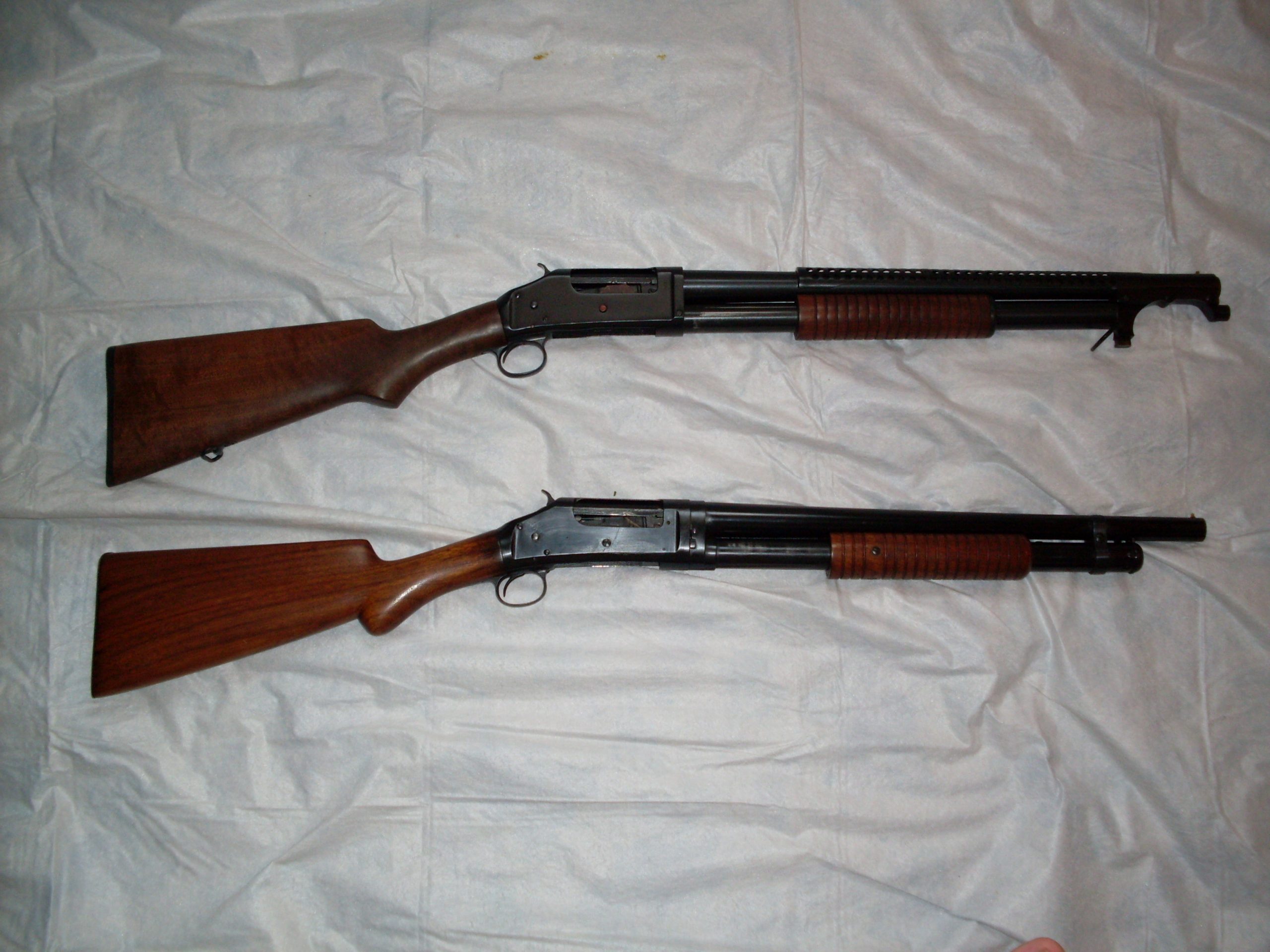
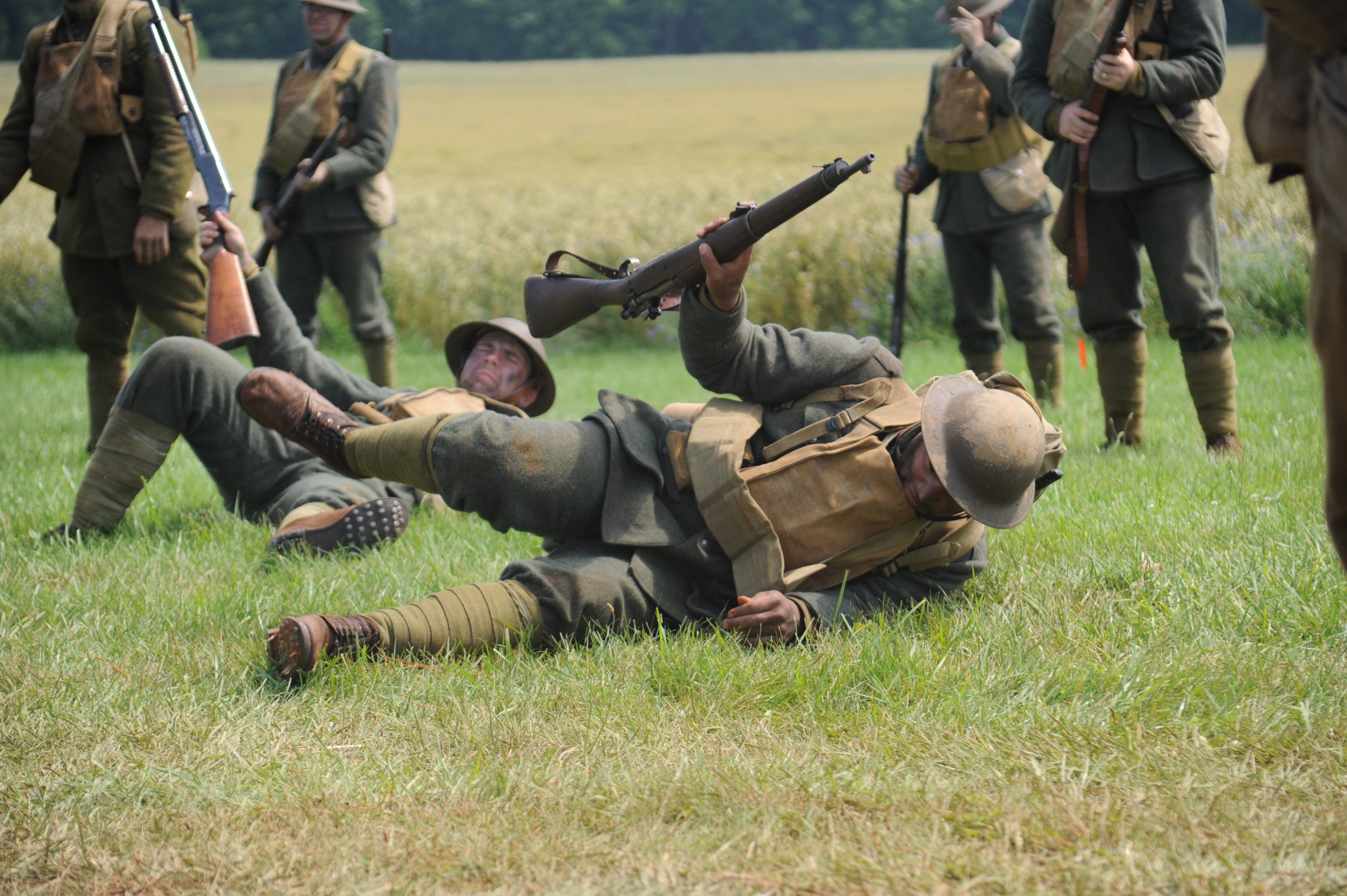
The military trench version used a barrel measuring about 20 inches, considerably shorter than the 28- and 30-inch barrels common on sporting Model 1897 shotguns. This compact configuration made the firearm more manageable in narrow trenches and other restricted spaces. The short-barrel format was not entirely new: Winchester had already offered a 20-inch Riot Model for law-enforcement and military-related use. In 1917, the company adapted that pattern for battlefield service by adding specific military fittings. The barrel length was therefore part of a wider conversion from a sporting repeater into a service arm.
5. The Heat Shield and Bayonet Fitting
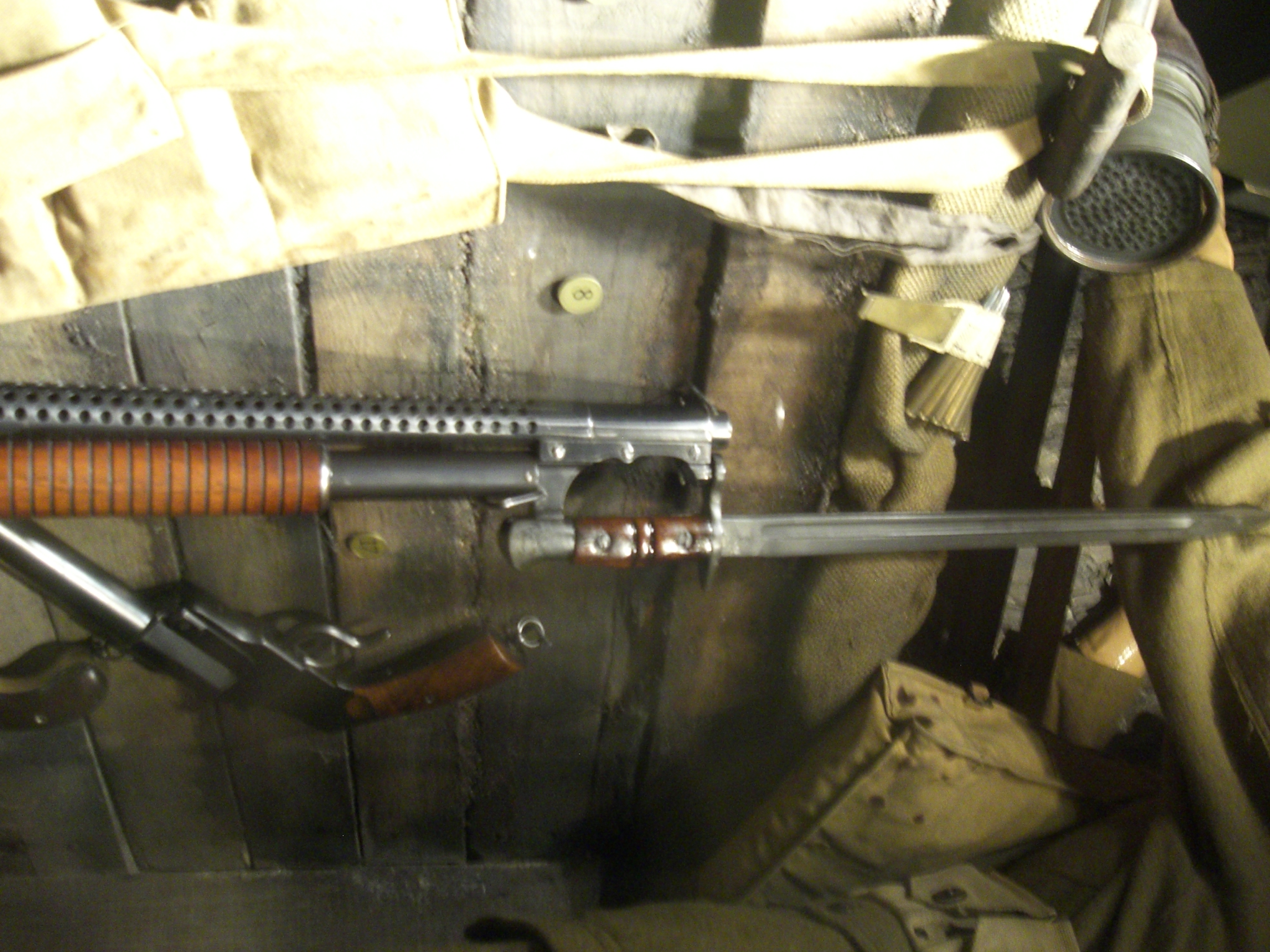
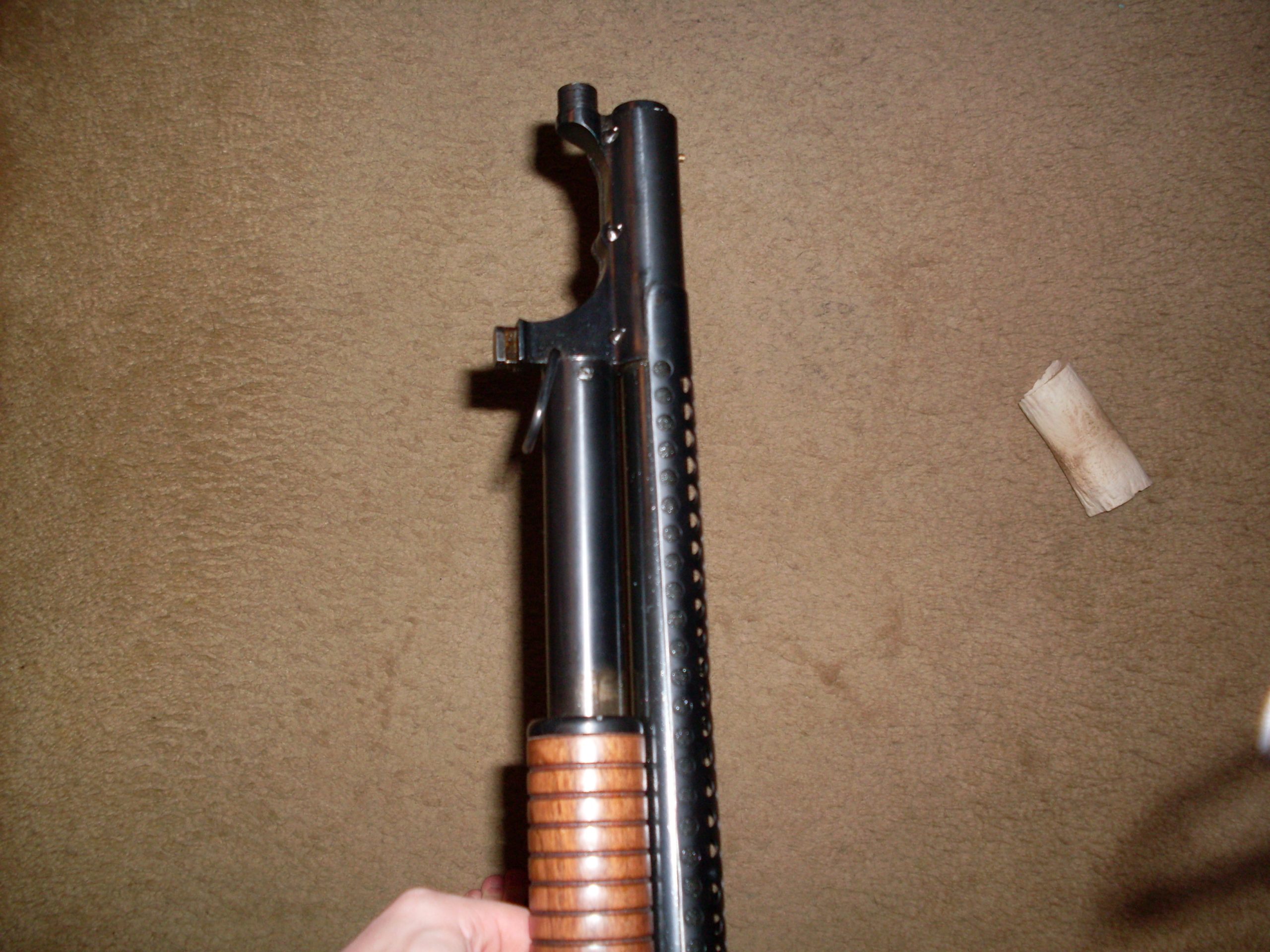
The most recognizable difference between a Riot Model and a true Trench Gun was its ventilated metal handguard, often called a heat shield. It sat above the barrel and helped protect the supporting hand from contact with a hot surface. The assembly also incorporated a fitting for the Model 1917 bayonet, giving the shotgun an unusual appearance compared with sporting firearms. Sling swivels were another military feature, allowing it to be carried with standard service equipment. These additions were not decorative: together, they identified the trench configuration and reflected the close-quarters conditions for which it was selected.
6. Its Controversial First World War Reputation
The Model 1897 gained international attention after American forces entered the First World War in 1917. Its use in trench fighting drew a formal protest from the German government in 1918, which argued that shotguns caused unnecessary suffering under the laws of war. The United States rejected the complaint, and the weapon remained in service. The controversy helped turn the trench gun into a symbol of brutal close-range fighting on the Western Front. Yet its reputation should not obscure practical problems: wet conditions could damage early paper-hulled cartridges, so more moisture-resistant ammunition, including brass cases, was adopted.
7. Service Beyond 1918 and a Lasting Legacy
The Model 1897 did not disappear when the First World War ended. Trench-gun versions were used again during the Second World War, while other Model 1897 shotguns continued in civilian and law-enforcement roles. Winchester produced the model from 1897 to 1957, with total production commonly estimated at around one million or more examples. The trench variant is especially collectible because its military fittings distinguish it from ordinary Riot and sporting models. Its long production run, recognizable exposed hammer, and association with two world wars have secured the Model 1897 a lasting place in American firearms history.