Getting lost in the woods can happen to anyone, no matter how experienced you are. Trails can look similar, weather can change suddenly, and one wrong turn can leave you disoriented. In such moments, having a few survival basics in mind makes all the difference between panic and calm decision-making. These tips are simple but powerful, helping you stay safe, conserve energy, and increase your chances of finding your way back or being rescued.
Stay Calm and Assess the Situation
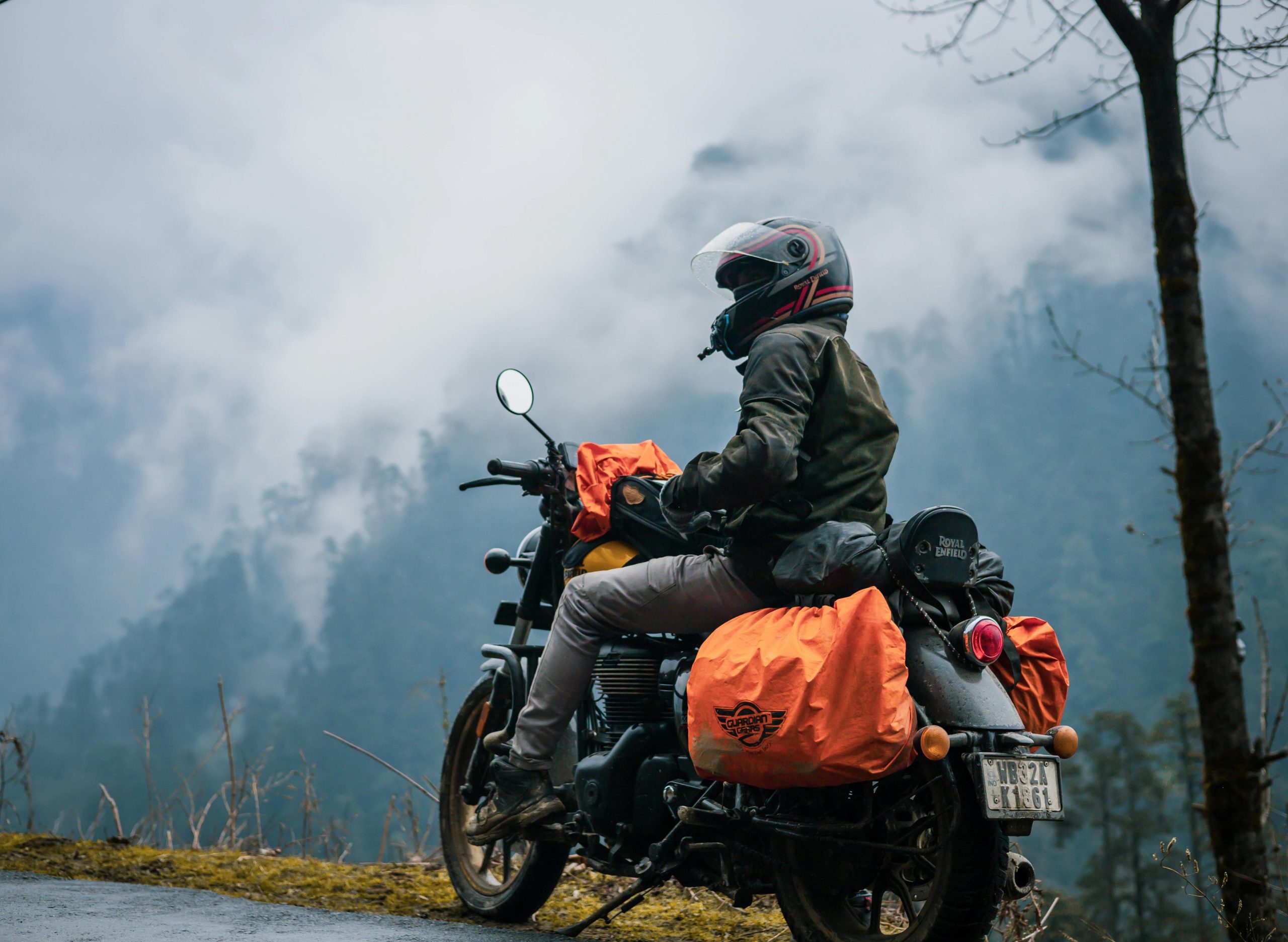
The first and most important step is to stay calm. Panic leads to poor decisions and wasted energy, while a clear head allows you to think rationally. Take a moment to stop, breathe, and evaluate where you are. Consider landmarks, the direction you last traveled, and the resources you have on hand before moving further.
Signal for Help
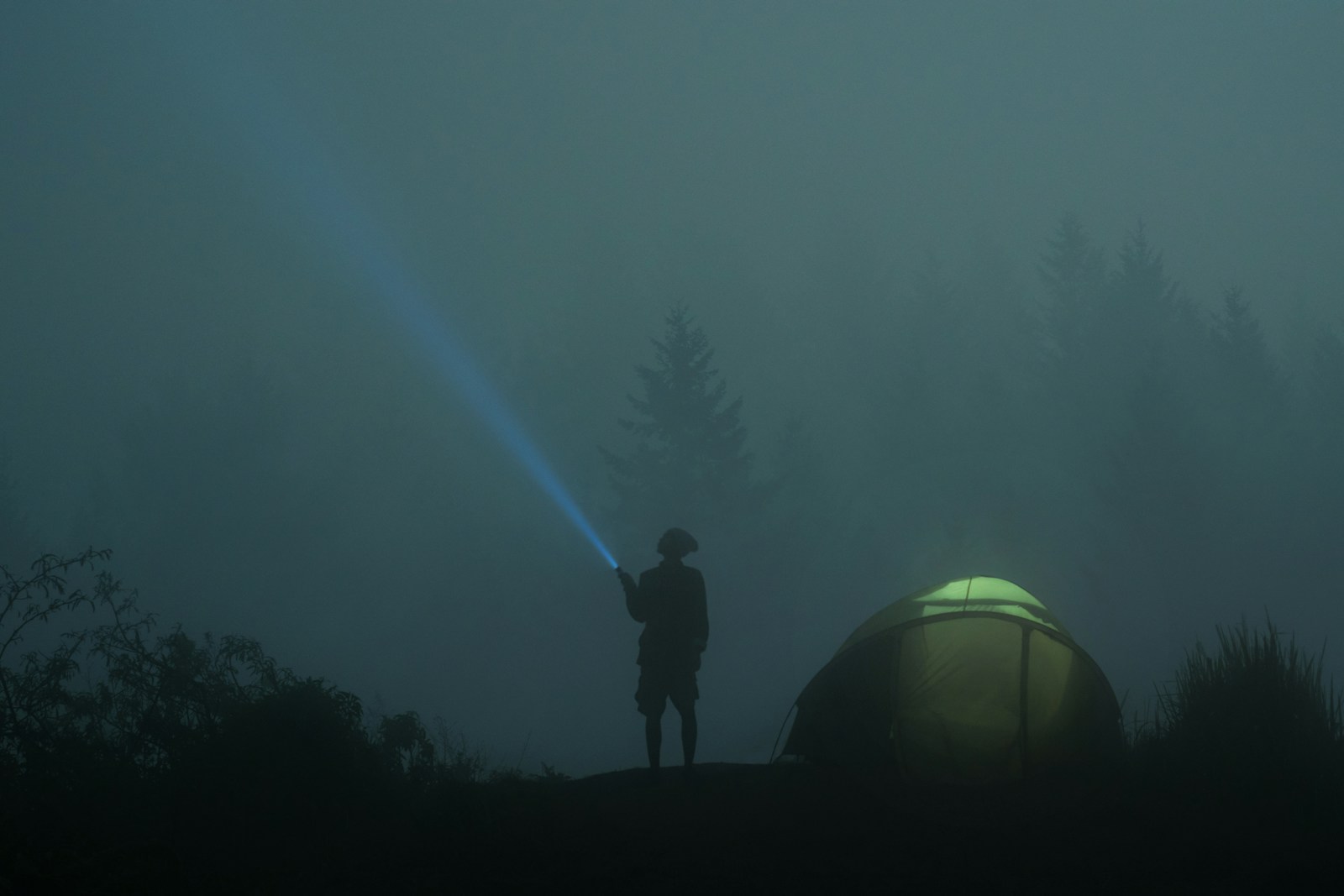
Making yourself visible and audible increases the chances of rescue. Carrying a whistle, mirror, or even brightly colored clothing can help signal your location. If you do not have tools, shouting or creating visible markers like rock piles or ground symbols works too. The key is to draw attention without exhausting yourself.
Find or Build Shelter
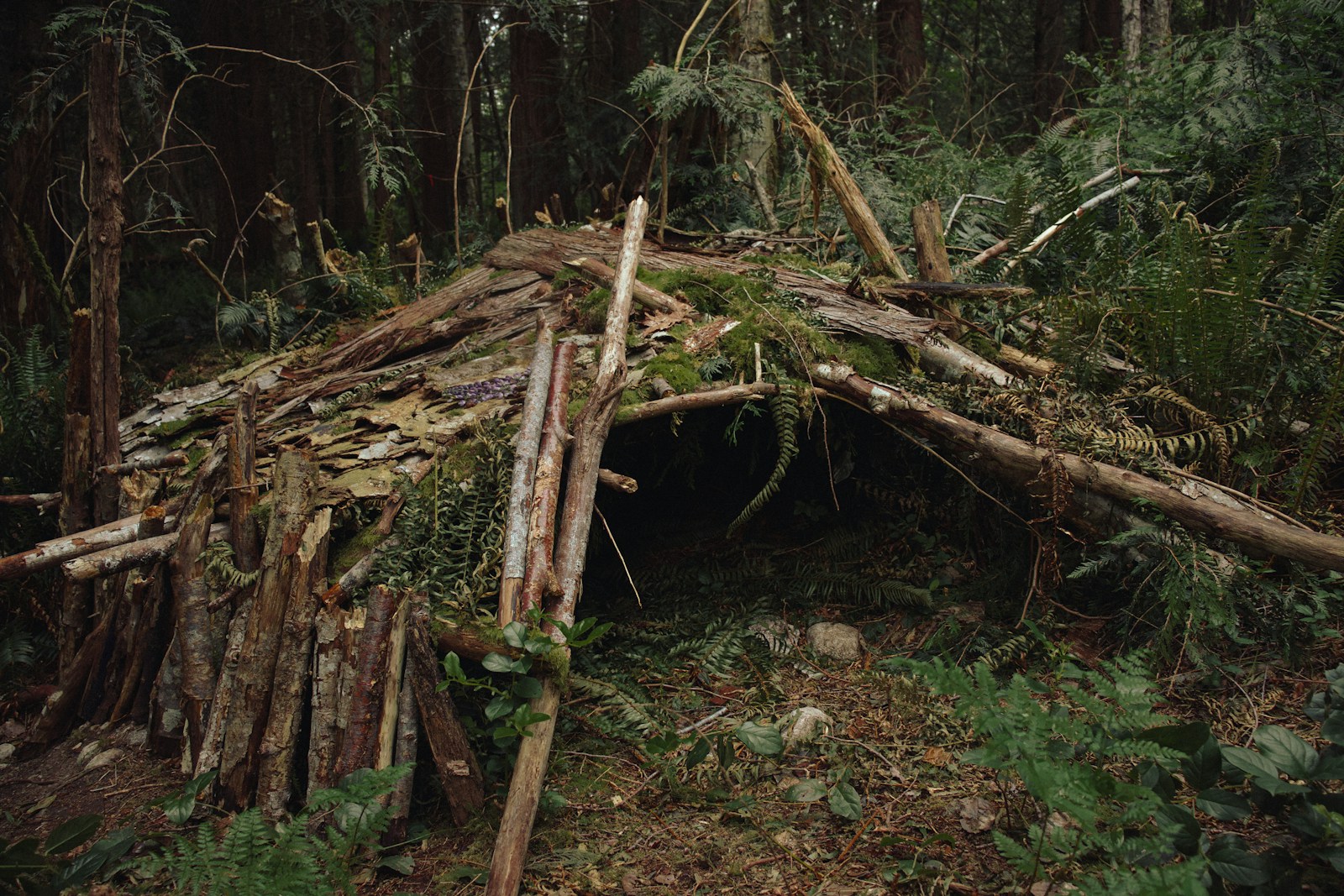
Exposure is one of the biggest dangers when lost outdoors, so securing shelter should be a priority. Use branches, leaves, or a tarp if you have one to create protection from wind and rain. Staying dry and conserving body heat is critical for survival. Even a simple lean-to or natural cover can make a big difference.
Locate a Safe Water Source
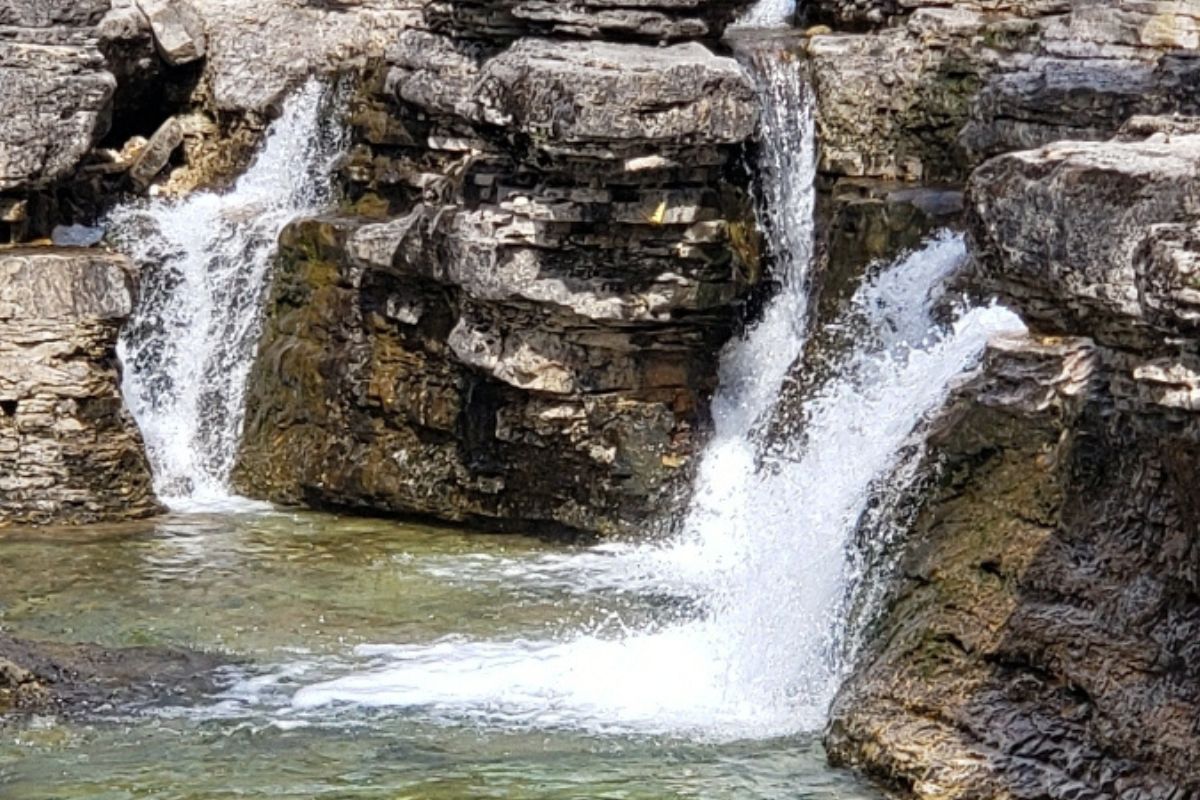
Water is more essential than food in the short term, so finding a safe source matters. Streams, rivers, or collected rainwater are good starting points. If possible, purify water by boiling, filtering, or using purification tablets. If you lack equipment, drinking directly may be necessary, but weigh the risks against the need to stay hydrated.
Use Natural Navigation Cues
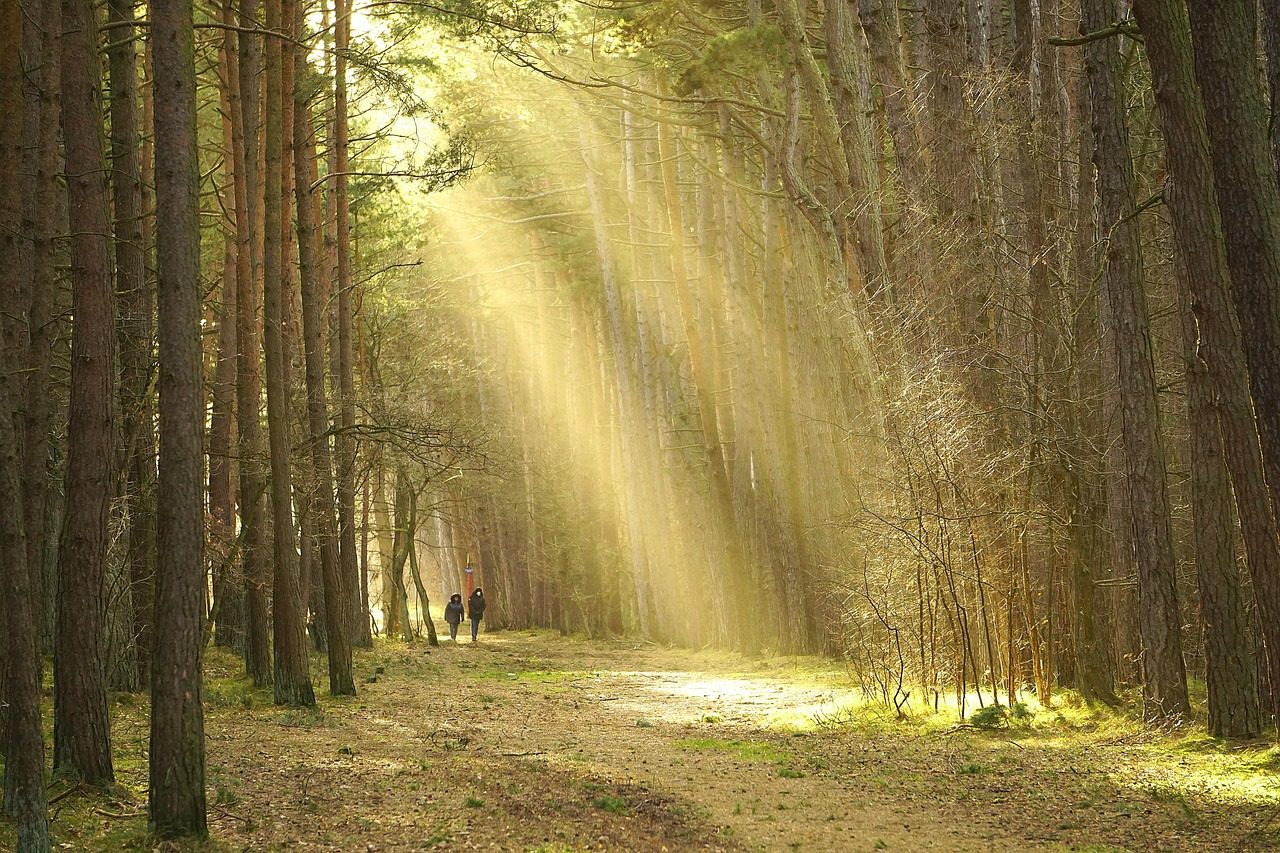
If you feel confident moving, use natural cues to guide you. The sun rises in the east and sets in the west, while moss often grows on the shaded side of trees. Following streams downhill can also lead to roads or inhabited areas. Moving carefully and deliberately prevents you from getting lost and preserves energy.