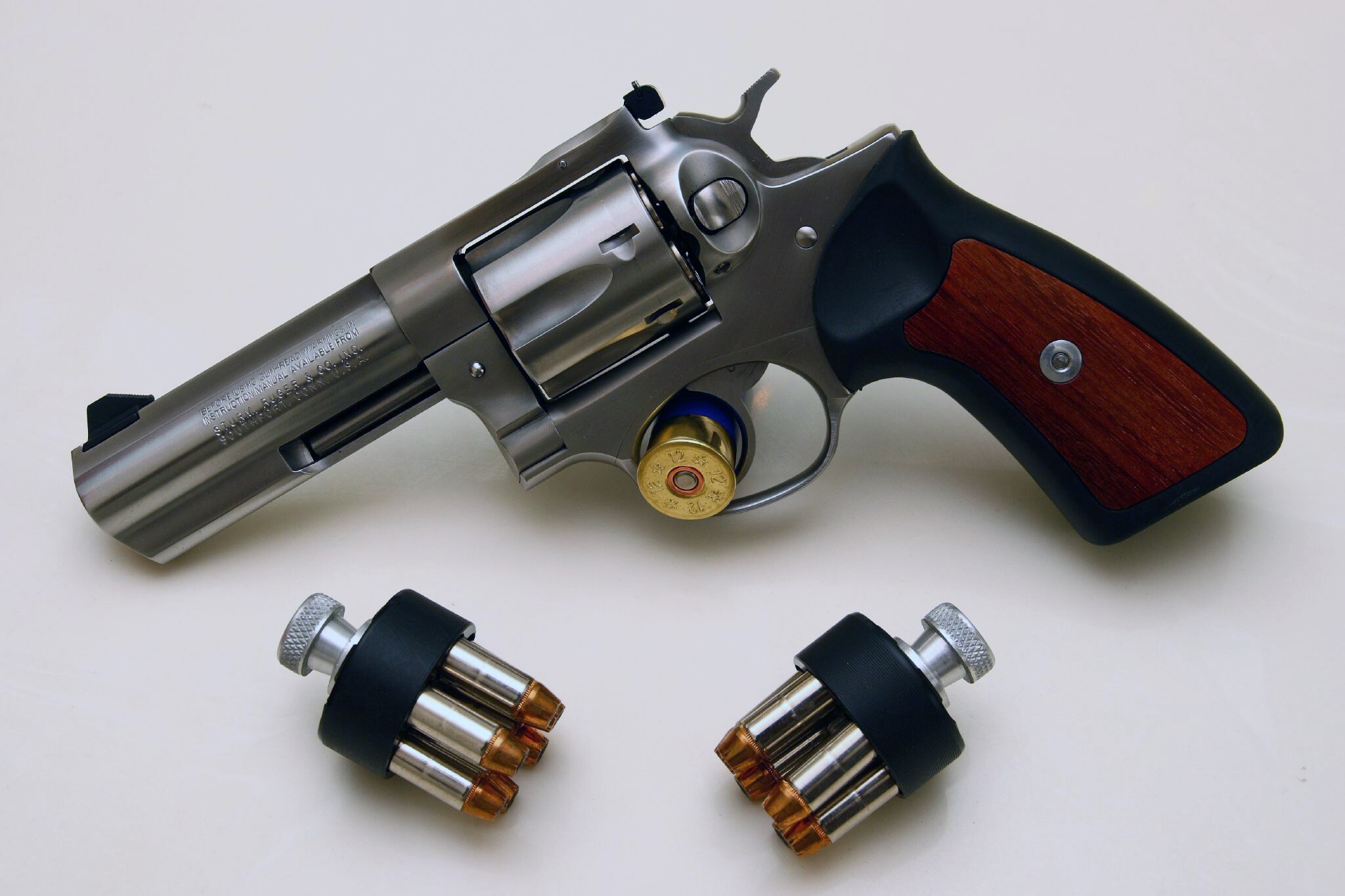
The Ruger GP100 has earned a strong reputation for its durable construction, dependable double-action mechanism, and practical versatility. Its stainless-steel frame and solid design make it a popular choice among revolver enthusiasts who value long-term reliability. However, a few carefully selected upgrades can make the revolver more comfortable to carry, easier to maintain, and better suited to regular outdoor use. From improved grips to more visible sights, the right additions can address everyday handling concerns without compromising the GP100’s original character. Here are six worthwhile upgrades to consider.
1. A Grip That Fits Your Hand
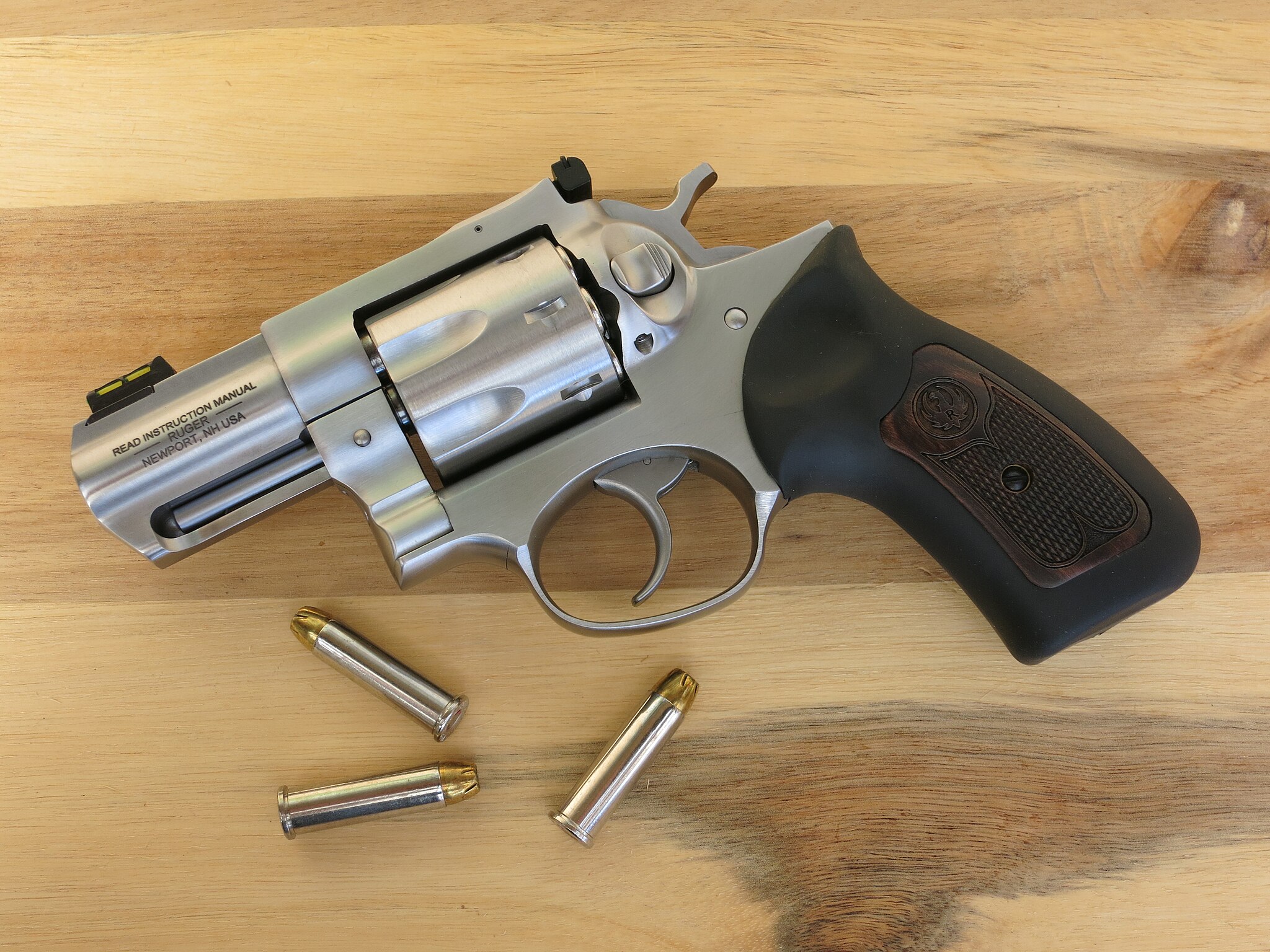
The GP100’s grip is worth assessing because comfort affects how naturally the revolver sits in the hand. A replacement rubber grip with a fuller backstrap or different profile may suit someone who finds the factory shape uncomfortable, while a hardwood-insert design offers a firmer feel. A common 4.2-inch .357 Magnum GP100 weighs about 40 ounces, so grip shape matters during extended handling. Check exact frame and model compatibility before buying; GP100 variants do not all share identical dimensions. Have a qualified gunsmith check fit and secure attachment. A comfortable fit should never interfere with safe handling.
2. High-Visibility Sight Options
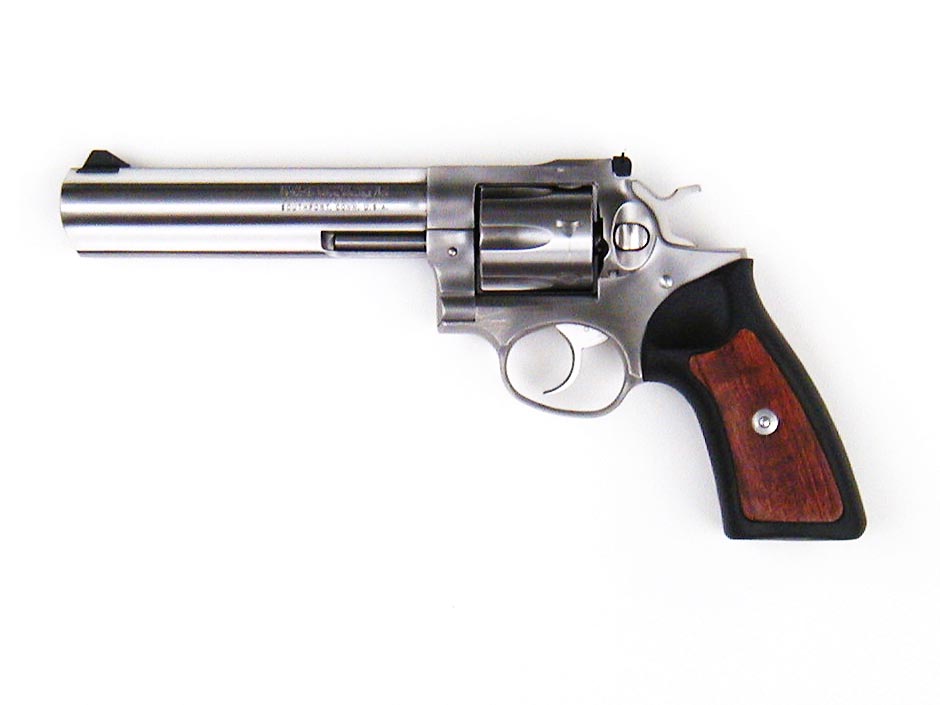
A clearly visible front sight can help when lighting or background contrast makes a conventional sight difficult to distinguish. Some GP100 versions already have a fiber-optic front sight and adjustable rear sight, while others use a ramp front. An upgrade is not automatically necessary: identify the sights on your particular model first. If a different sight picture is preferred, choose a manufacturer-approved, model-compatible component and have installation checked by a qualified gunsmith. Ruger’s specifications list several sight arrangements across the range, so check the model number rather than assuming every GP100 has the same setup.
3. A Properly Fitted Holster
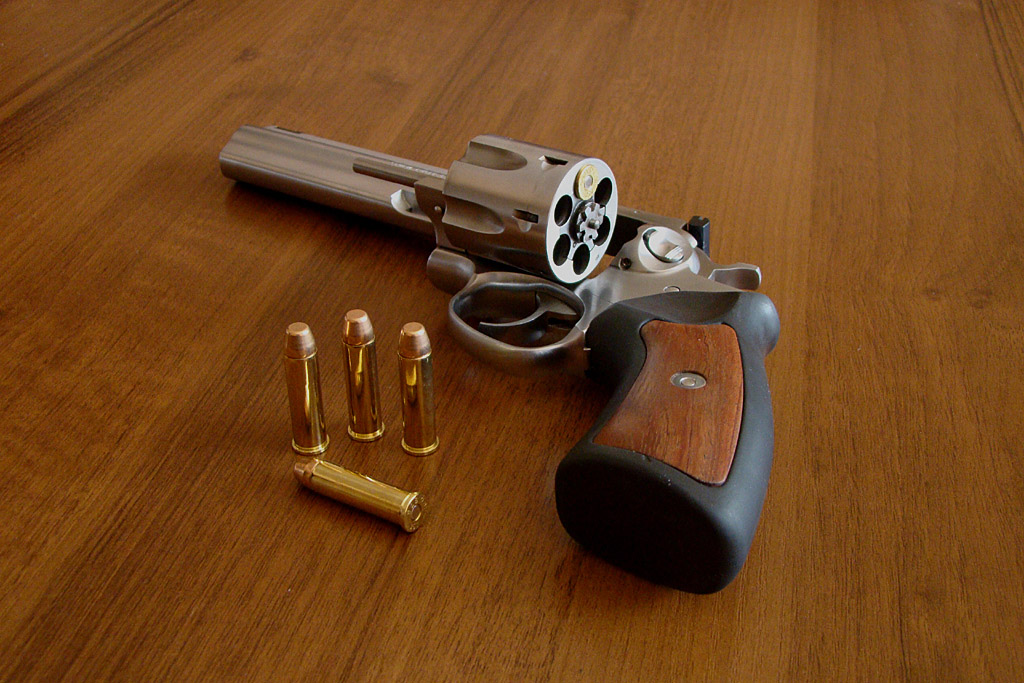
A well-made holster protects the revolver from knocks, dust, and accidental contact while keeping it securely contained. Choose one made for the GP100’s barrel length and frame profile; versions range from compact 2.5-inch models to 6-inch configurations. A holster intended for a 4.2-inch revolver may not safely retain a longer-barrel version. Look for secure retention, sturdy stitching,g and full trigger coverage. Check fit with an unloaded firearm and follow the maker’s instructions. Comfort, safe retention, and dependable construction matter more than appearance, especially when the revolver is transported outdoors.
4. A Supportive Belt and Carry Setup
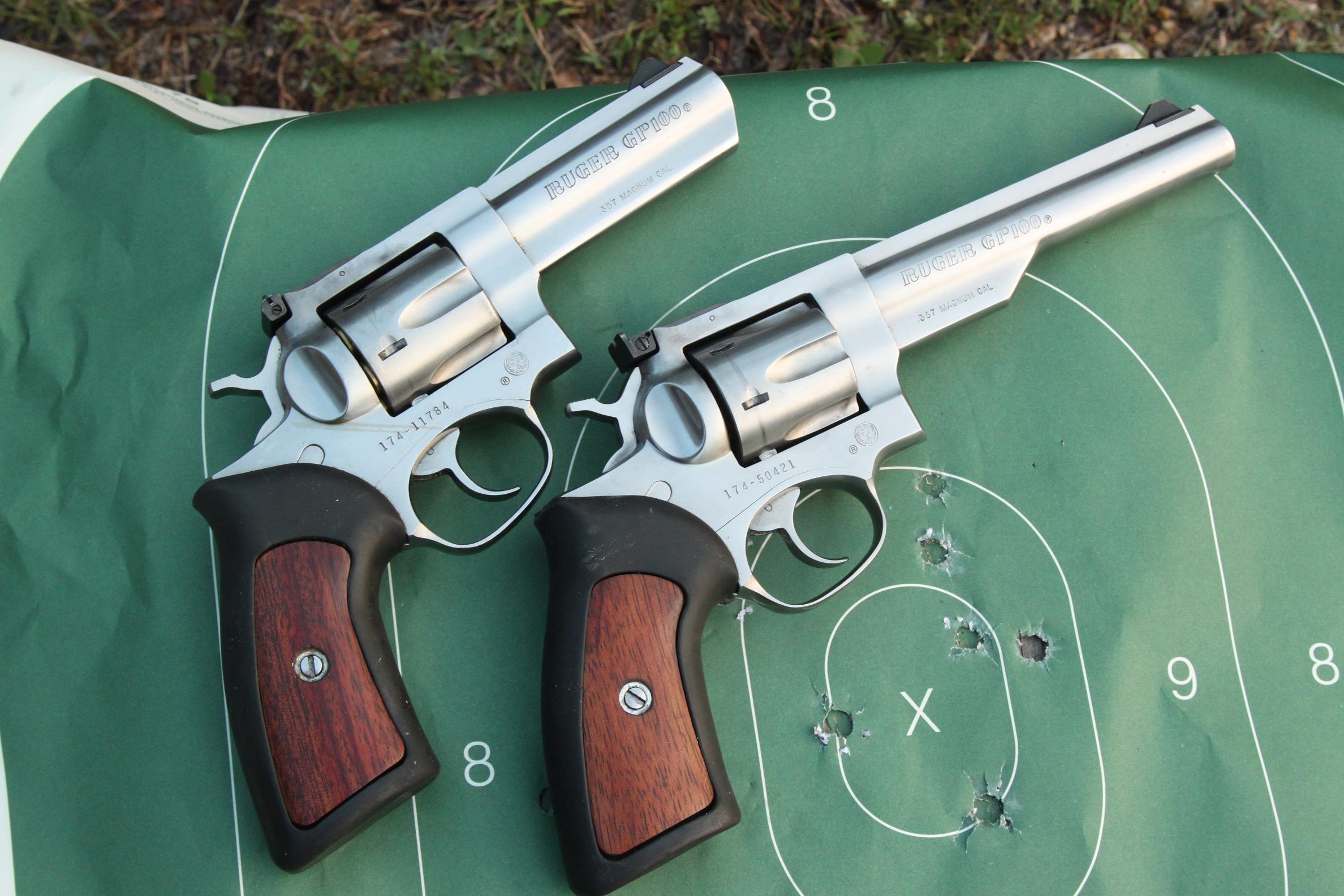
Even a good holster can become uncomfortable if its belt is too flexible. The GP100 is not lightweight: common .357 Magnum models weigh roughly 36 to 45 ounces, depending on barrel length and configuration. A purpose-built, properly sized belt can distribute that weight more evenly and reduce shifting during ordinary movement. Choose a setup that keeps the holster stable without restricting movement, and ensure the arrangement is legal where it will be used. Check comfort with an unloaded firearm before outdoor transport. The goal is secure, responsible carry, not a faster draw or tactical advantage.
5. A Dedicated Cleaning and Storage Kit
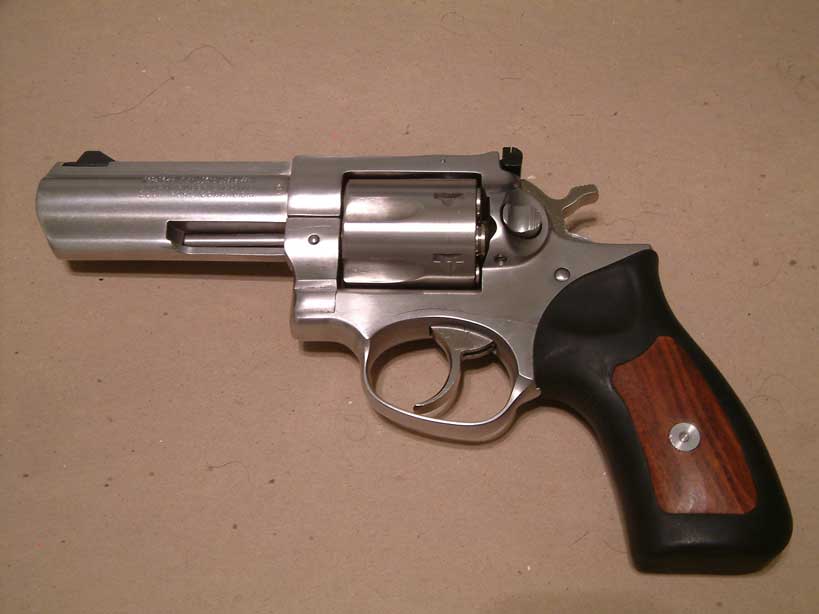
A compact maintenance kit is a practical addition after outdoor use. Dust, moisture,ure and residue can affect any firearm, so keep a suitable cleaning rod, correctly sized brushes, patches, lubricant, cant, and a soft cloth together in a protective case. Use products approved for the GP100’s materials and follow the owner’s manual; avoid improvised tools or excess lubricant. After exposure to rain or humidity, dry the revolver carefully and seek inspection if corrosion, damage, or unusual operation appears. Store it unloaded, locked,d and separate from ammunition, following local law. A simple kit and routine help protect its long-term condition.
6. A Professional Inspection and Service
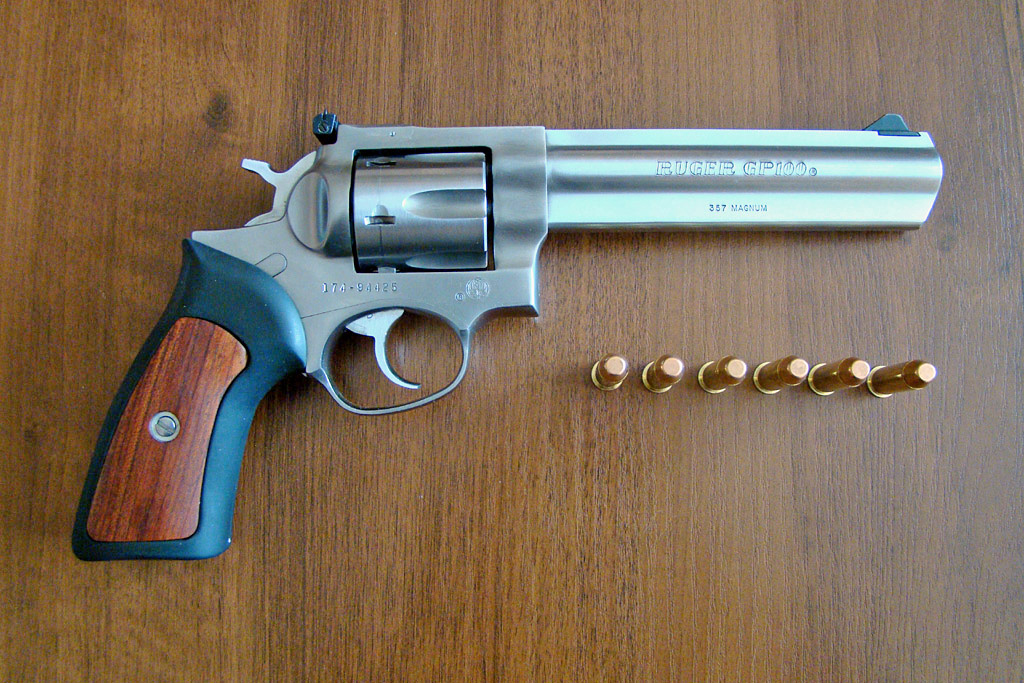
Not every worthwhile improvement requires an aftermarket part. A periodic inspection by a qualified gunsmith can identify wear, damage, or problems that routine cleaning may not reveal. Ask for a general safety and condition check, including timing, lockup,p and visible components, rather than attempting internal adjustments yourself. This is sensible for a used GP100 or one with an unknown service history. Keep a record of the inspection date and work performed; an annual reminder is useful, but it is no substitute for inspection whenever a problem appears. Reliable function starts with sound condition, correct ammunition, and Ruger’s manual.