Hunting often depends on patience, concealment, and keeping the surrounding woods as quiet as possible. The frustrating part is that the animal you are actually pursuing may not be the creature that gives your position away. Other wildlife can spot movement, make alarm calls, crash through vegetation, or suddenly take flight at exactly the wrong moment. Some are common enough to be almost unavoidable. Here are 9 animals that can unexpectedly turn a promising hunt into a long wait.
1. White-Tailed Deer
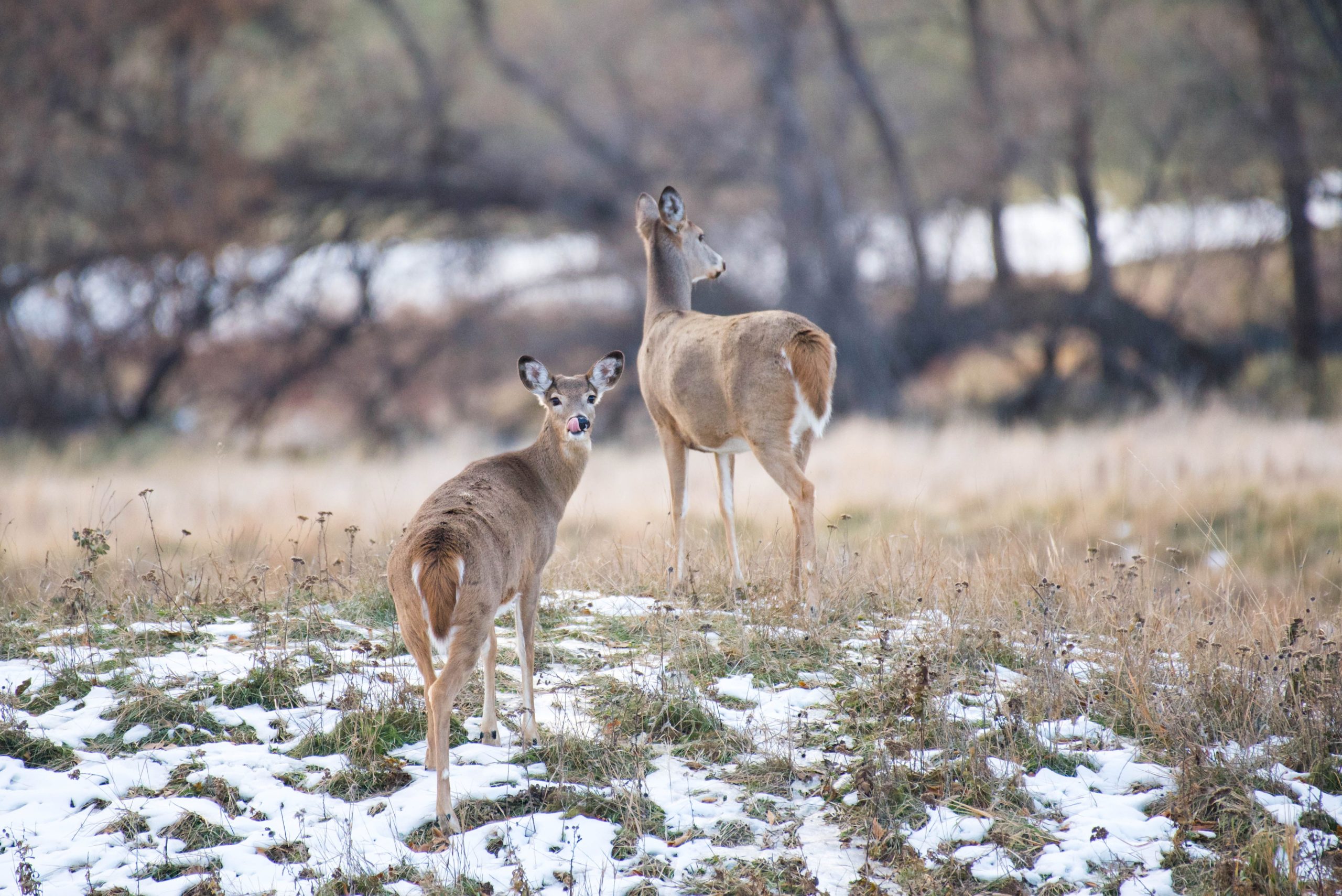
A hunter waiting for a turkey, squirrel, or waterfowl can be betrayed by an unexpected deer. White-tailed deer are highly alert and often notice movement long before the intended quarry appears. A deer that blows or bounds away can scatter nearby animals and leave a quiet area suddenly empty. Their hearing can detect subtle sounds, while their eyes are especially good at spotting motion. In many areas, deer are most active around dawn and dusk, the same periods when hunters often want to stay still. One alarmed deer can spoil an entire 30-minute setup.
2. American Crows
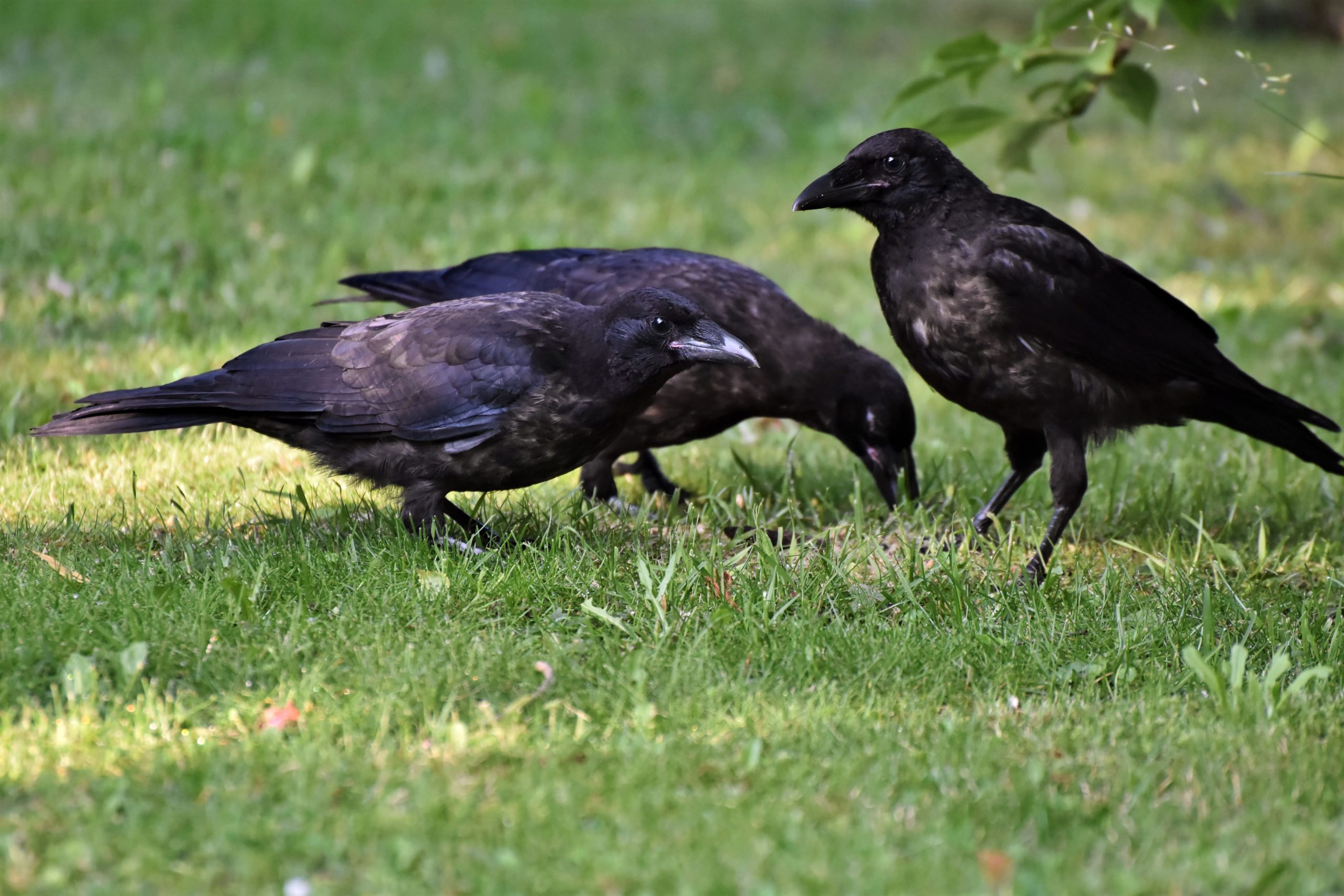
Crows are small, but their effect on a hunt can be surprisingly large. They have sharp eyesight and often react loudly when they notice a person, predator, or unusual movement. Their repeated calls can alert other birds across a wide area, making a carefully hidden hunter much easier to detect. Crows also learn from experience, so heavily hunted birds may become particularly cautious around blinds and trails. A group of 5 or 10 crows circling overhead can turn a quiet morning into a noisy warning system for every animal nearby. Even a few calls can break the stillness.
3. Wild Turkeys
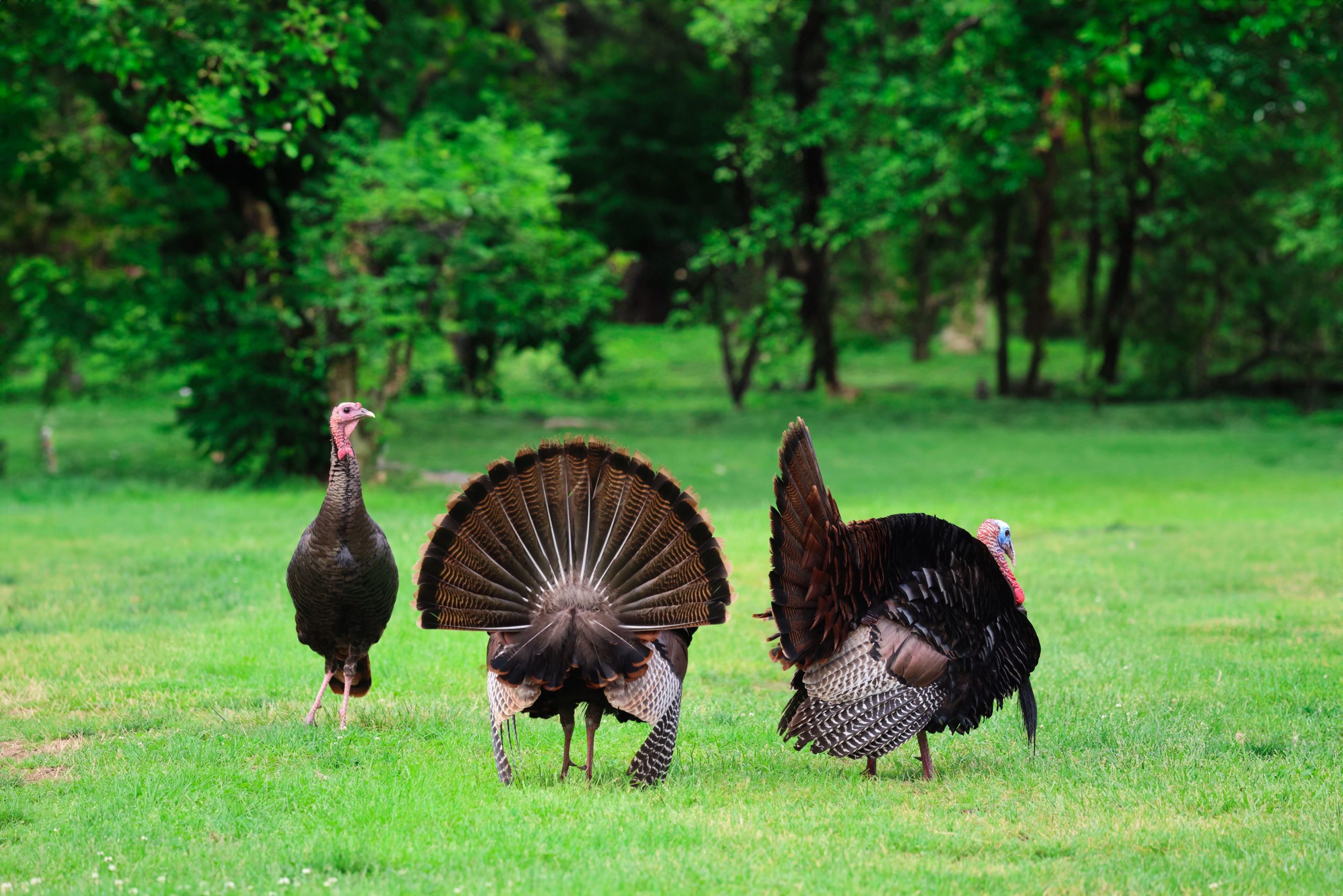
A turkey can ruin a hunt simply by being alarmed at the wrong moment. Wild turkeys have excellent vision and can detect movement surprisingly well, especially in open country. A flock moving through the woods may spot a hunter before the intended animal gets close, then erupt into wingbeats and alarm sounds. That disturbance can push deer or other game away from a promising setup. Adult wild turkeys can weigh more than 20 pounds, and a flock of 6 birds moving together creates much more noise than one animal. Their sudden departure can end a quiet sit instantly.
4. Gray Squirrels
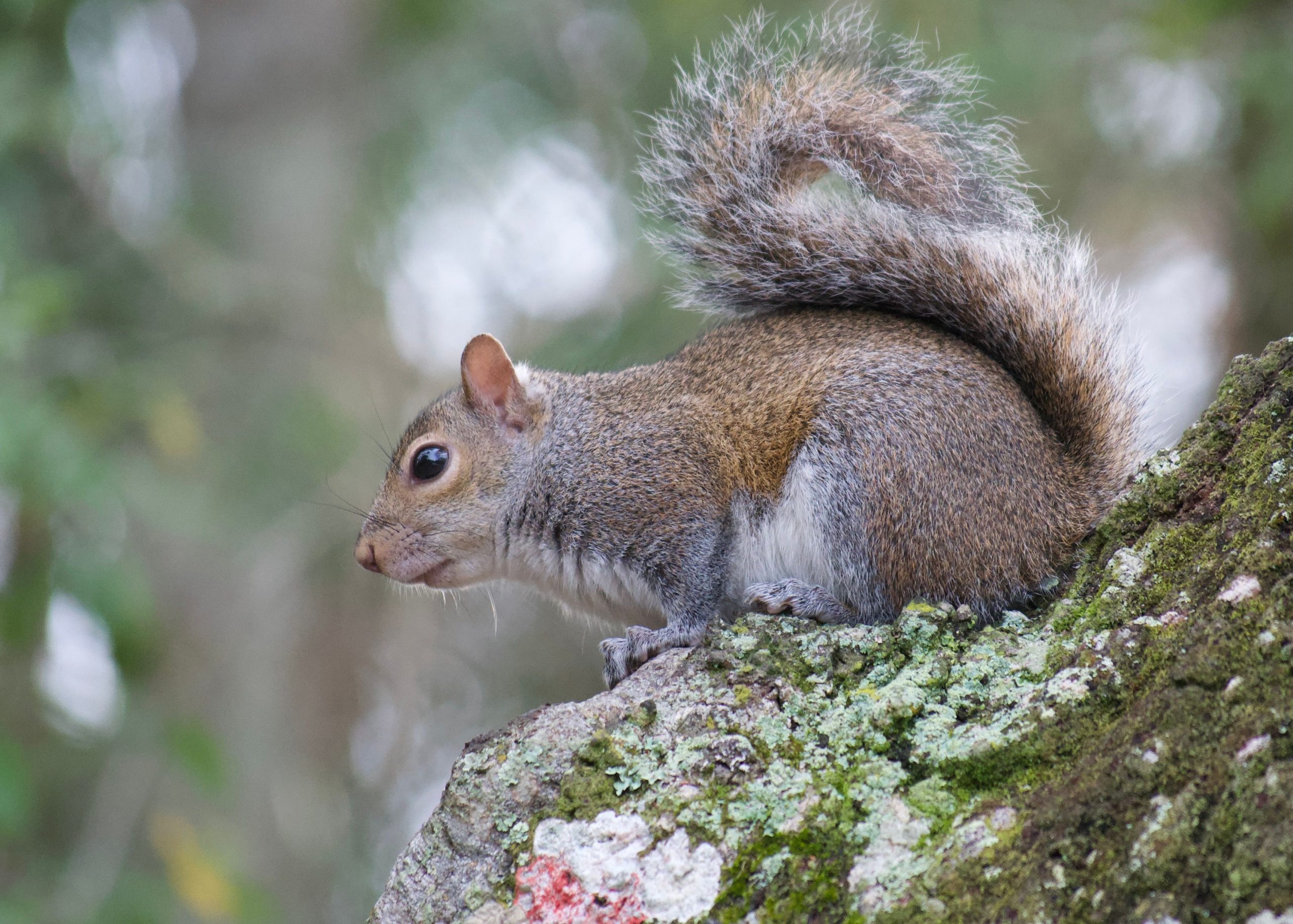
Gray squirrels are easy to overlook as a hunting disturbance, yet their constant movement can make a stand surprisingly difficult. They may bark, chatter, scamper across branches, or drop leaves and twigs while reacting to something nearby. Those sounds can make a hunter turn their head at exactly the wrong time. Squirrels are active during daylight and are common in many eastern forests, where hunters may also pursue deer or turkey. Seeing 3 or 4 squirrels around a stand is normal, but their repeated alarm behavior can keep the hunter moving and compromise concealment.
5. Raccoons
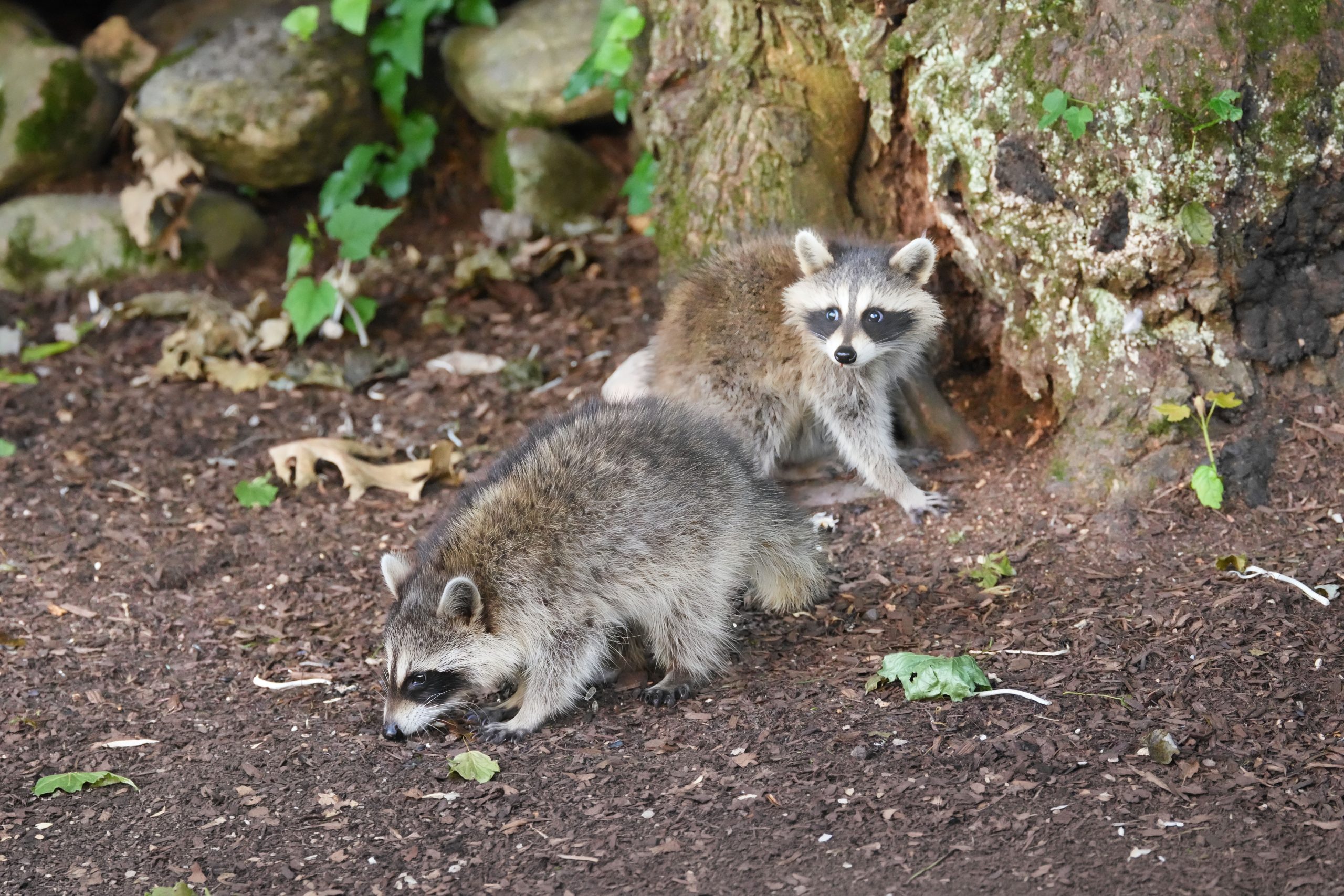
Raccoons are mostly nocturnal, but they can still interfere with a hunt around dawn, dusk, or quiet travel corridors. Their movement through leaves, climbing, and occasional vocalizations can create unexpected noise in otherwise calm woods. A raccoon may cross a trail shortly before the intended animal arrives, forcing a hunter to watch instead of staying focused. Adults commonly weigh between 10 and 20 pounds, although larger individuals occur. One active raccoon is rarely serious, but repeated movement over 20 or 30 minutes can make a stand much less predictable.
6. Coyotes
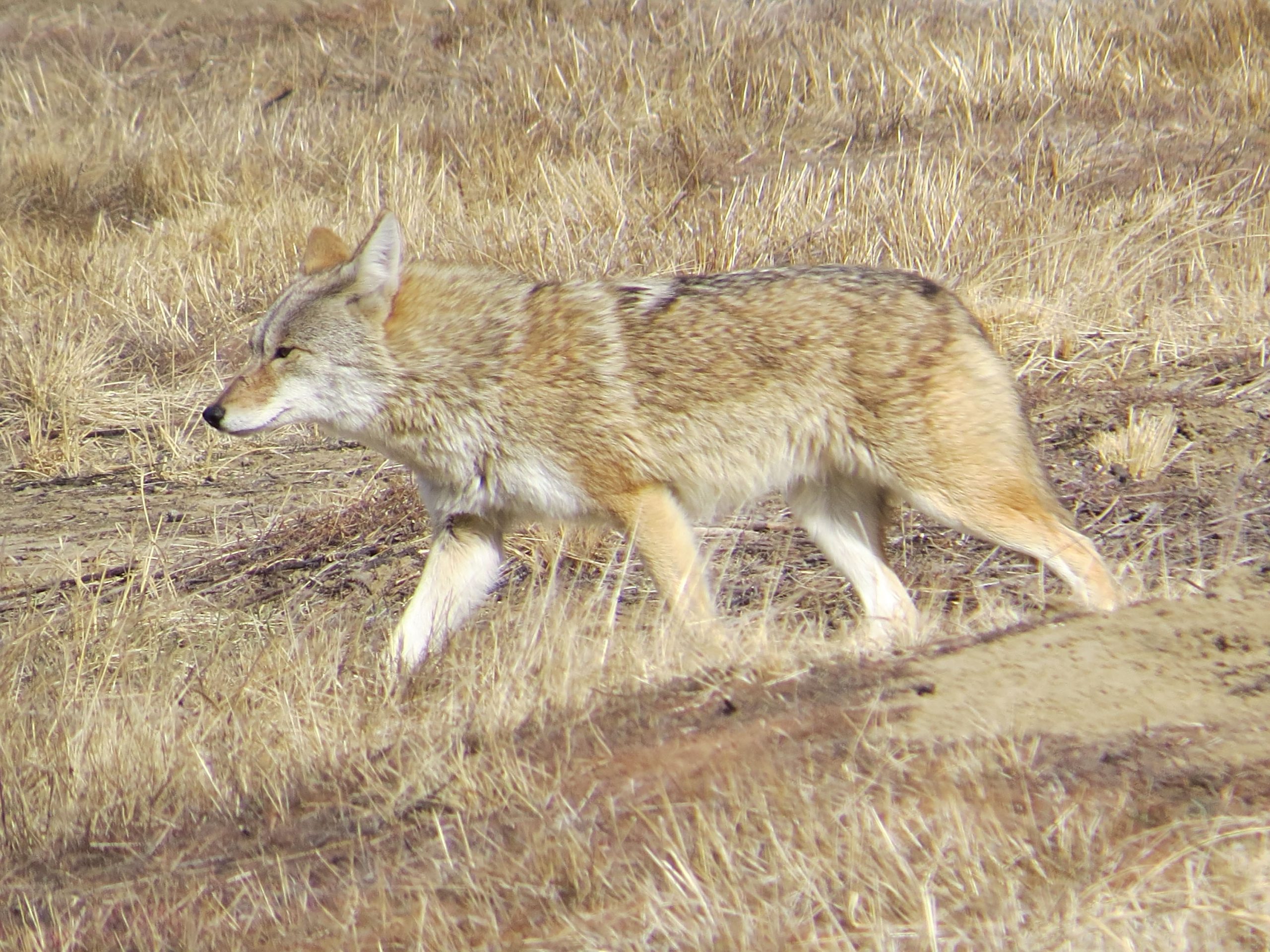
Coyotes can disrupt a hunt because many game animals recognize them as predators. Their howls, yips, and sudden movement may cause deer and other prey species to become cautious or change direction. Coyotes are also adaptable and can travel through fields, forests, and suburban edges, so their presence is not limited to remote country. A single coyote may pass quietly, but a group of 2 to 4 can create repeated vocal activity that changes the mood of an area. For a hunter waiting on another species, that disturbance can turn a promising setup into a long, unproductive wait.
7. Canada Geese
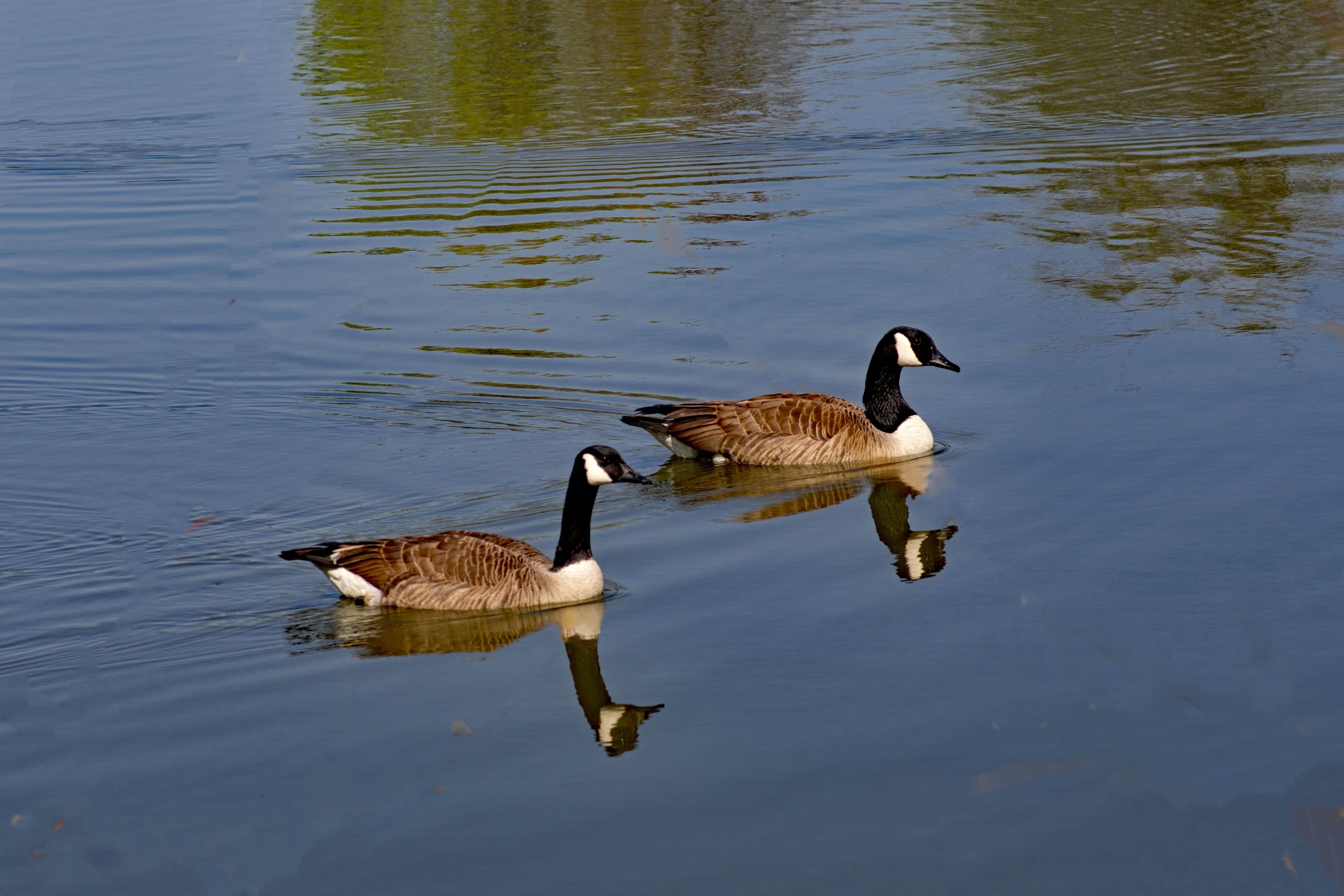
Canada geese can be remarkably effective at announcing that something unusual is happening. Their loud calls and heavy wingbeats carry a long way, especially over open water or marshes. A flock taking flight may also disturb ducks or other waterfowl using the same area. Adult Canada geese commonly weigh about 5 to 14 pounds, and even a group of 8 birds can create a dramatic burst of noise. Hunters working near wetlands may therefore find that one restless flock changes animal behavior before their intended quarry ever comes within range. That reaction can be enough to spoil concealment.
8. Pileated Woodpeckers
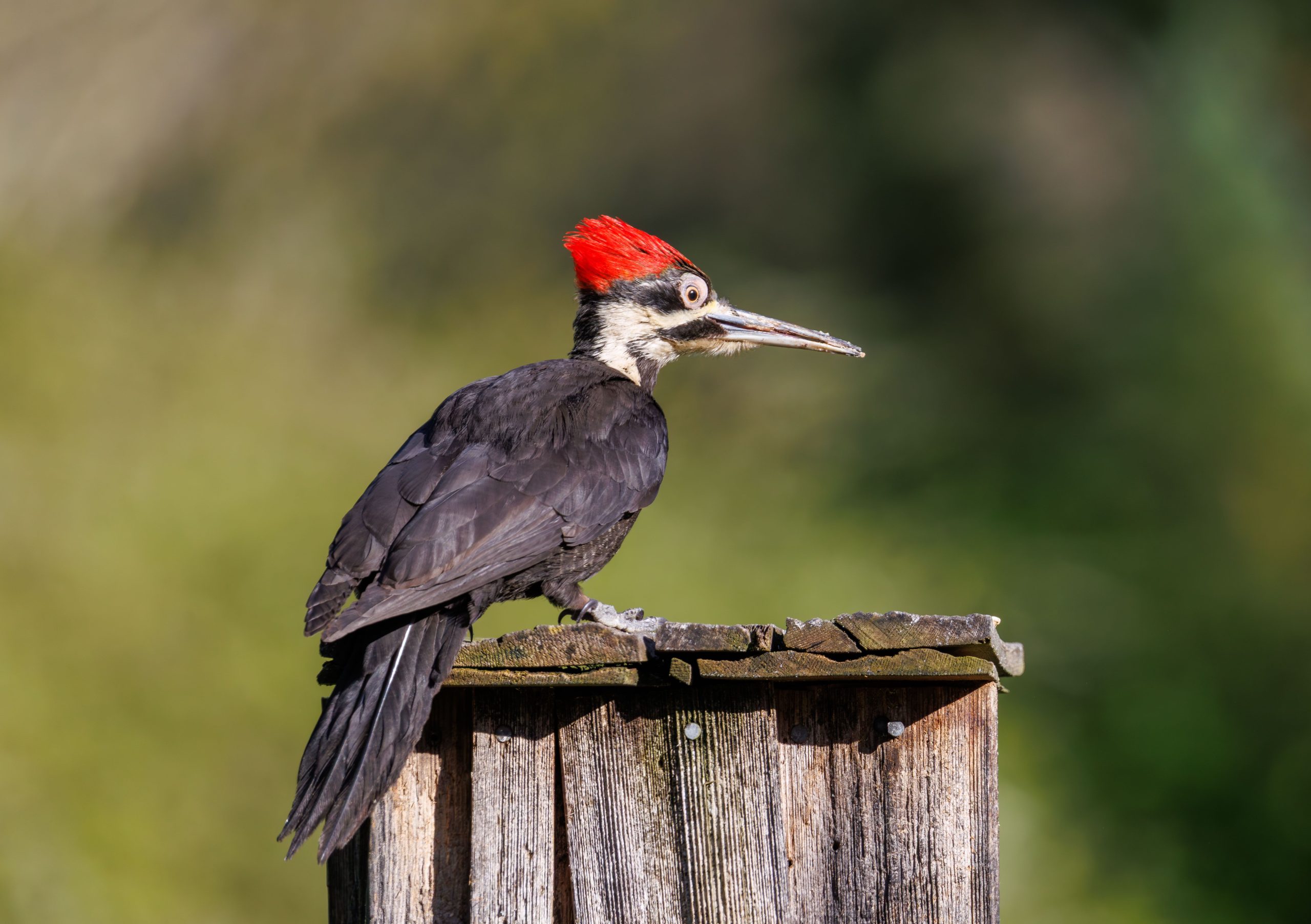
Pileated woodpeckers usually do not flee in dramatic groups, but their behavior can still distract a hunter at a critical moment. Their loud calls and powerful hammering on dead trees are among the most noticeable sounds in mature forests. A hunter may mistake that sudden activity for movement from the intended game animal and shift position unnecessarily. Pileated woodpeckers can reach roughly 17 inches in length, making them hard to ignore when they appear nearby. During a 40-minute sit, repeated hammering can become a persistent source of distraction in an otherwise quiet stand.
9. Feral Hogs
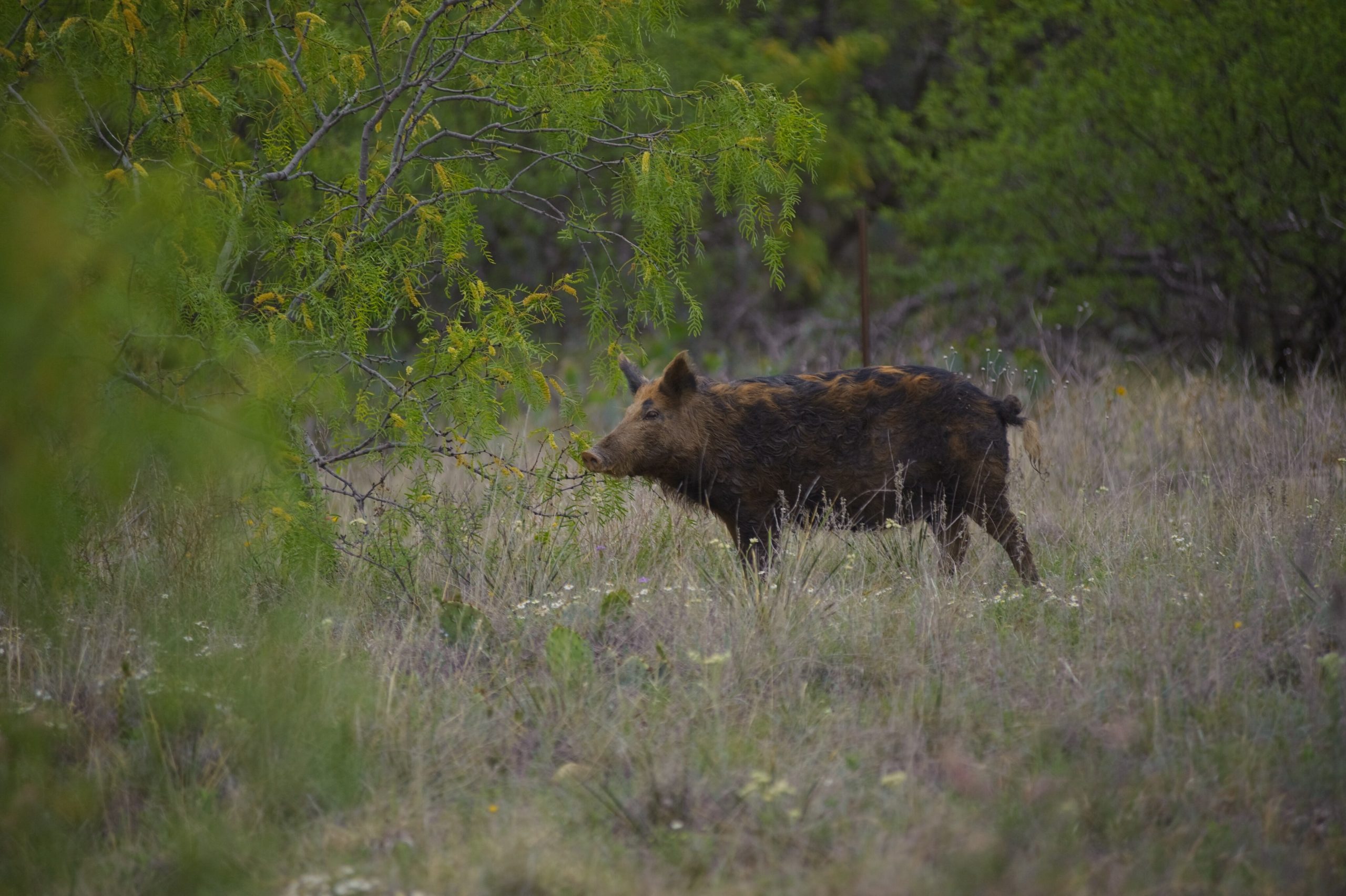
Feral hogs can completely change a hunting area because they are heavy, noisy, and often travel in groups. Their rooting can tear up soil, leaves, and vegetation, while several animals moving together can make far more noise than a deer or turkey. Hogs are also capable of shifting their activity around hunting pressure and human disturbance. Groups may contain 5, 10, or many more animals, creating movement in multiple directions. Even when hogs are not the intended quarry, their grunts, footsteps, and rooting can alert nearby deer and make a carefully planned stand much less productive.
.