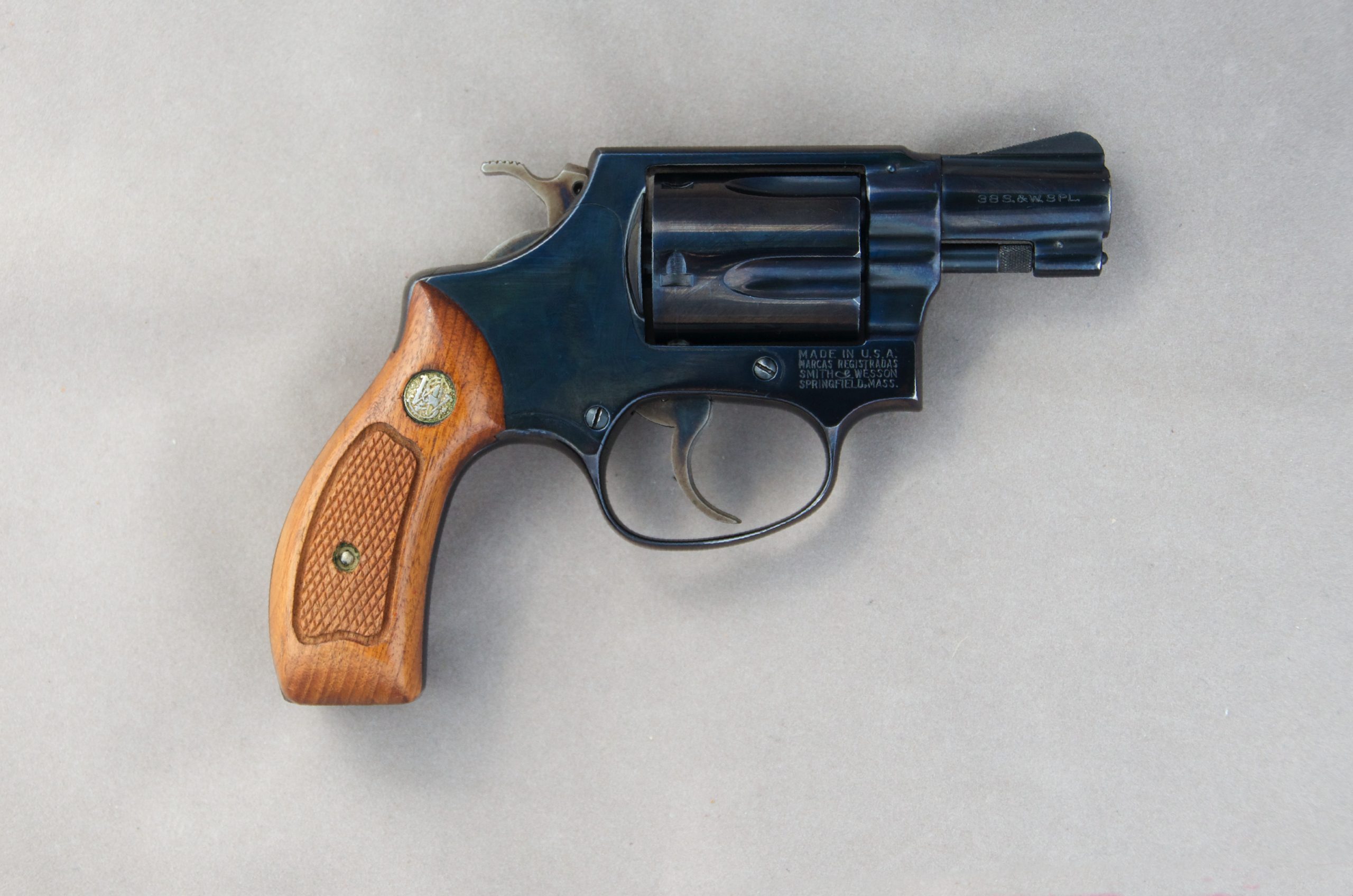
A little five-shot revolver can make a lot of sense outdoors. The Smith & Wesson Model 36 still earns respect because it is simple, compact, and surprisingly practical when the trail or stream calls for a handgun.
Why the Model 36 Still Makes Sense Outdoors
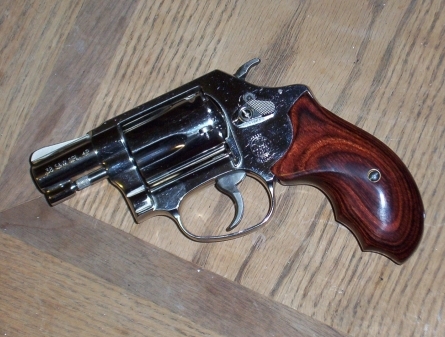
The Model 36 began life as the Chief’s Special, introduced by Smith & Wesson in 1950, and it became the numbered Model 36 in 1957. That history matters because it explains why the gun still feels so familiar in the hand: it set the pattern for the small J-frame revolver that countless shooters still carry today.
Most examples wear a short 1 7/8-inch barrel and hold five rounds of .38 Special. According to American Rifleman, the original design weighed under 20 ounces, which is a big reason it remains attractive for hikers and anglers who already have too much on their belts and backs.
That compactness pays off when you are climbing over deadfall, ducking under branches, or wading a narrow creek. A Model 36 does not swing like a larger belt gun, and it disappears more easily under a fishing vest, rain shell, or untucked camp shirt.
The Real Limits of a Snub-Nose on the Trail
A Model 36 is easy to carry, but no one should confuse easy carry with maximum capability. Short sight radius, modest capacity, and .38 Special chambering mean this revolver is best understood as a close-range defensive sidearm, not a general-purpose wilderness handgun.
That distinction matters most in bear country. The National Park Service says firearms are not recommended for stopping a bear attack and specifically notes that bear spray is easier to use effectively on a charging bear, while an injured bear can become even more dangerous.
For most hiking and fishing trips in the lower 48, that means the Model 36 should be seen as one tool, not the tool. In serious bear habitat, bear spray deserves the prime spot on your body, with the revolver as a secondary option only if local law allows it and you are trained to use it under stress.
Carry Methods That Actually Work on Water and Trails
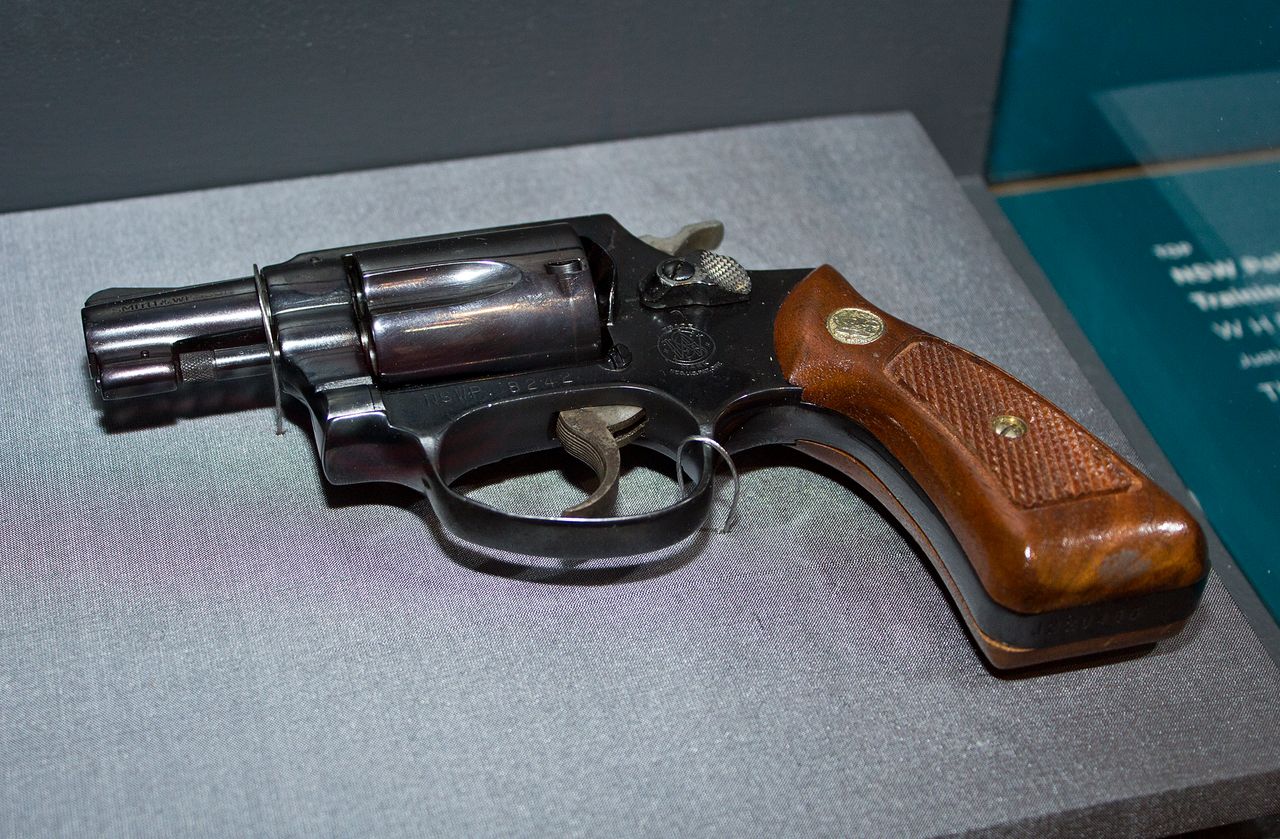
Holster choice matters as much as gun choice. A strong-side belt holster can work well on easy day hikes, but it may clash with a backpack hip belt, chest waders, or the waist strap of a fishing pack.
That is why many outdoorsmen prefer either a high-ride outside-the-waistband holster or a chest-mounted setup. The goal is simple: keep the revolver accessible with either hand, above the waterline during shallow wading, and clear of pack straps that can block a hurried draw.
Because most Model 36 revolvers are blued steel rather than stainless, moisture management is a real concern. American Rifleman has long noted the value of an oily wipe-down for blued guns, and that advice becomes especially important after a wet hike, a humid boat ride, or a long day around splashing fish.
Legal Ground Changes Faster Than the Terrain
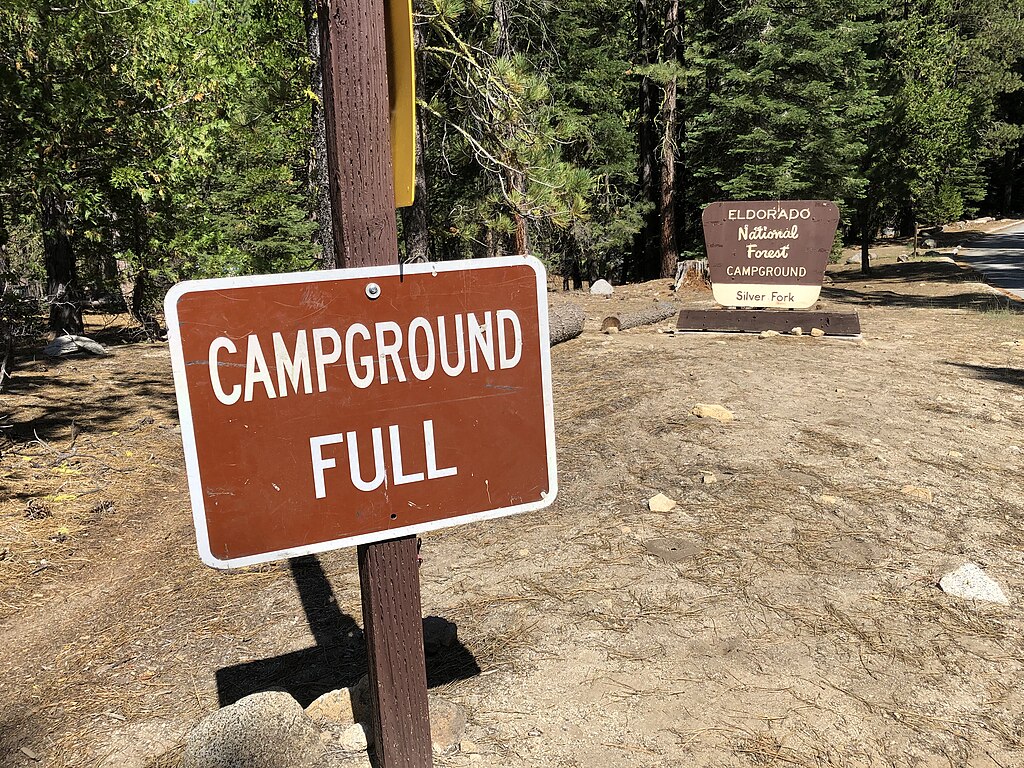
The biggest mistake outdoor carriers make is assuming public land has one universal gun rule. It does not. The National Park Service says firearm possession in national parks depends on the law of the state where the park area is located, and federal facilities such as visitor centers and ranger stations remain off-limits.
The Forest Service likewise points hikers toward applicable state law, and site-specific rules can vary further depending on hunting season, road access, discharge restrictions, and permit status. In other words, crossing an invisible park boundary or state line can change what is legal in a hurry.
Before any trip, check the state’s carry rules, the specific land agency, and whether your route enters federal buildings, refuges, or special management zones. Outdoors, legal awareness is part of safety, not a separate issue.
Practical Safety for Hikers, Anglers, and Campers
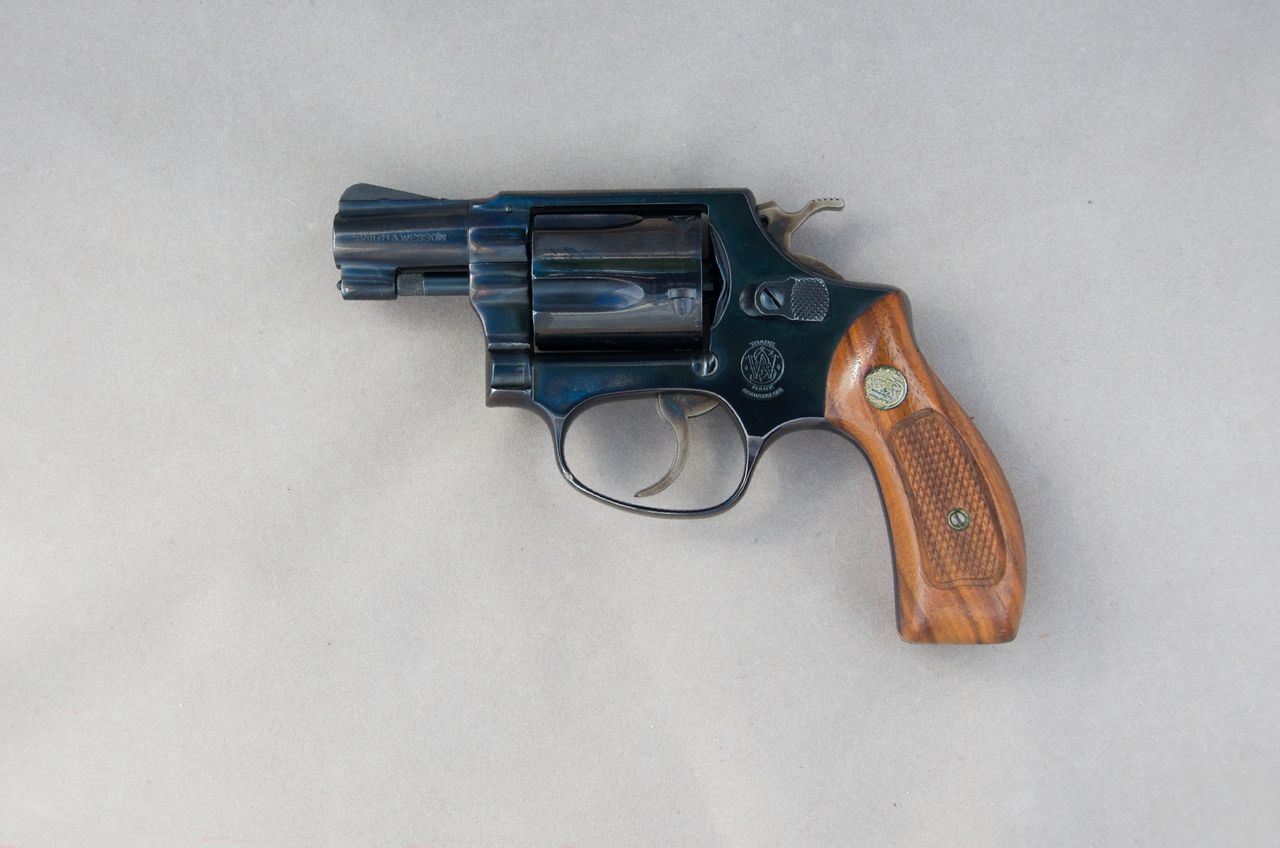
A small revolver rewards disciplined gun handling. The National Shooting Sports Foundation stresses learning the exact mechanical and handling characteristics of the firearm you are using, and that advice is especially relevant with older revolvers that may differ from modern carry guns in sights, grips, and trigger feel.
Practice should focus on realistic field problems. Drawing while seated on a riverbank, clearing a cover garment under a rain jacket, or keeping the muzzle controlled while stepping over slick rocks is more useful than casual slow fire at an indoor lane.
It also pays to think beyond the gun. The Fish and Wildlife Service advises anglers in bear country to keep spray accessible, avoid teaching bears that fish are easy meals, and stop fishing if a bear approaches. Smart behavior prevents more trouble than any handgun can solve.
The Best Way to Think About a Model 36 Outside
Used honestly, the Model 36 is a light, trustworthy companion for the kind of trip where convenience drives compliance. A handgun left in camp because it is heavy or awkward is worthless, while a compact revolver that stays on your person can at least be available when needed.
Still, the right mindset is balance, not romance. The little Smith is excellent for portability, adequate for close defensive work, and backed by a long record of practical service, but it does not replace bear spray, sound judgment, or a clear grasp of local law.
For hikers and fishermen who understand those limits, the Model 36 remains a sensible old-school sidearm. Carry it legally, carry it securely, keep it dry and maintained, and treat it as part of a broader backcountry safety plan rather than the whole plan.