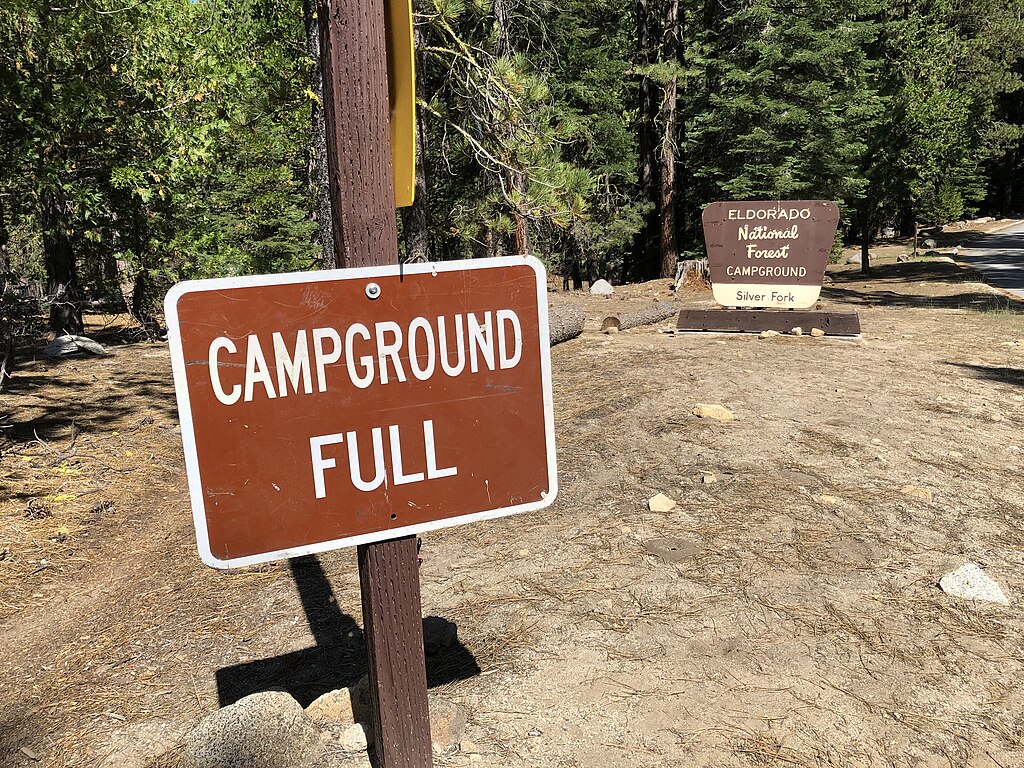
Across the American wilderness, some once-beloved campsites now stand eerily silent after devastating wildfires swept through. These “ghost” campgrounds serve as haunting reminders of nature’s power and resilience. Where laughter once echoed beside campfires, now only charred trees and empty fire rings remain. Exploring their stories reveals the balance between human adventure and the fragile ecosystems that shape the great outdoors.
Paradise Campground, Oregon
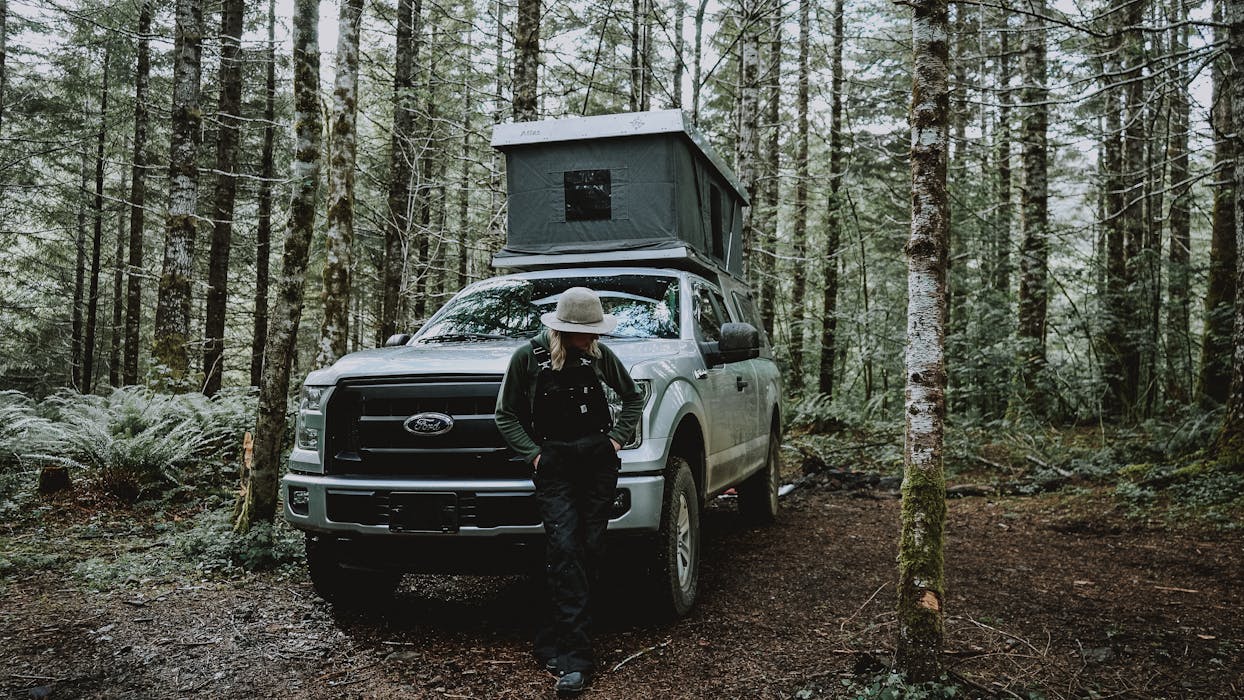
Nestled along the McKenzie River, Paradise Campground was a favorite stop for campers seeking peaceful forest views. The 2020 Holiday Farm Fire reduced much of it to ash, leaving blackened trunks where tall firs once stood. Trails have slowly reopened, but the landscape still bears deep scars. Visitors who return describe the area as both haunting and hopeful in its recovery.
Big Basin Redwoods State Park, California
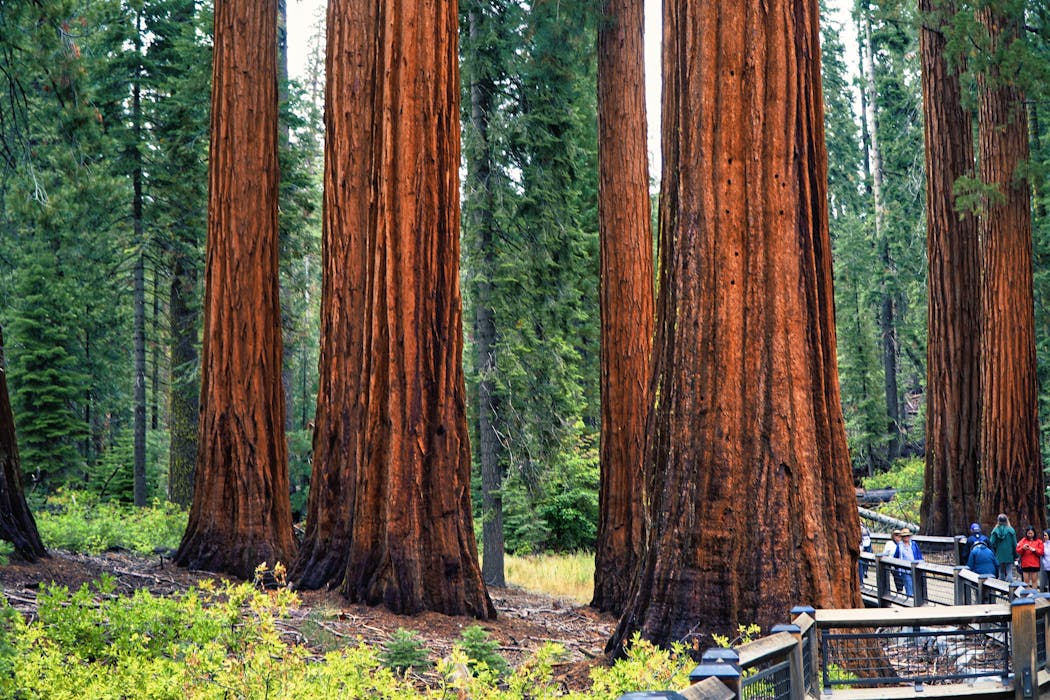
California’s oldest state park once offered towering redwoods and shady campsites beneath ancient trees. The 2020 CZU Lightning Complex Fires changed that, destroying nearly all structures within the park. Campgrounds remain closed for full restoration as nature slowly regenerates. New growth now pushes through the ashes, symbolizing resilience after one of the state’s most destructive fire seasons.
Moraine Campground, Colorado
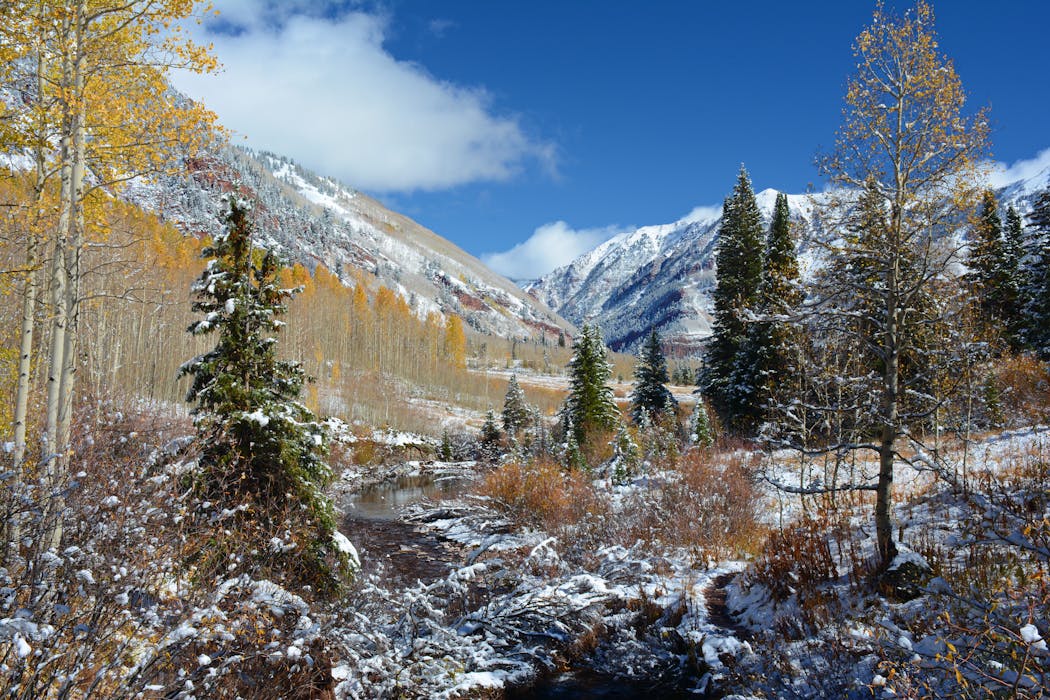
Located near Estes Park in the Rocky Mountains, Moraine Campground suffered severe damage from the 2020 East Troublesome Fire. Once a vibrant site for hikers and wildlife watchers, it now carries reminders of how fast fires move through high-altitude forests. Replanting efforts continue, but the eerie silence left behind speaks to the fire’s lasting impact on local ecosystems.
Whiskeytown Lake Recreation Area, California
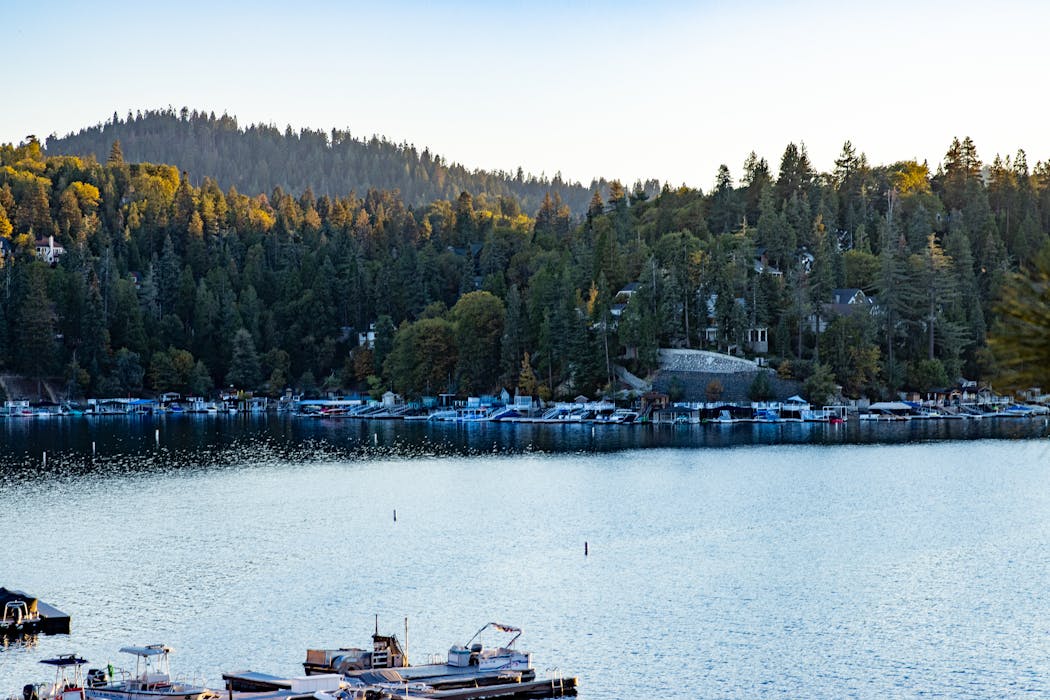
Whiskeytown’s campgrounds were once a paradise for boaters and anglers. The 2018 Carr Fire tore through the region, leaving behind blackened soil and melted picnic tables. While parts of the park have reopened, some campsites remain permanently closed. Nature is making its comeback, with green shoots pushing through scorched ground where families once gathered for summer weekends.
Malheur National Forest, Oregon
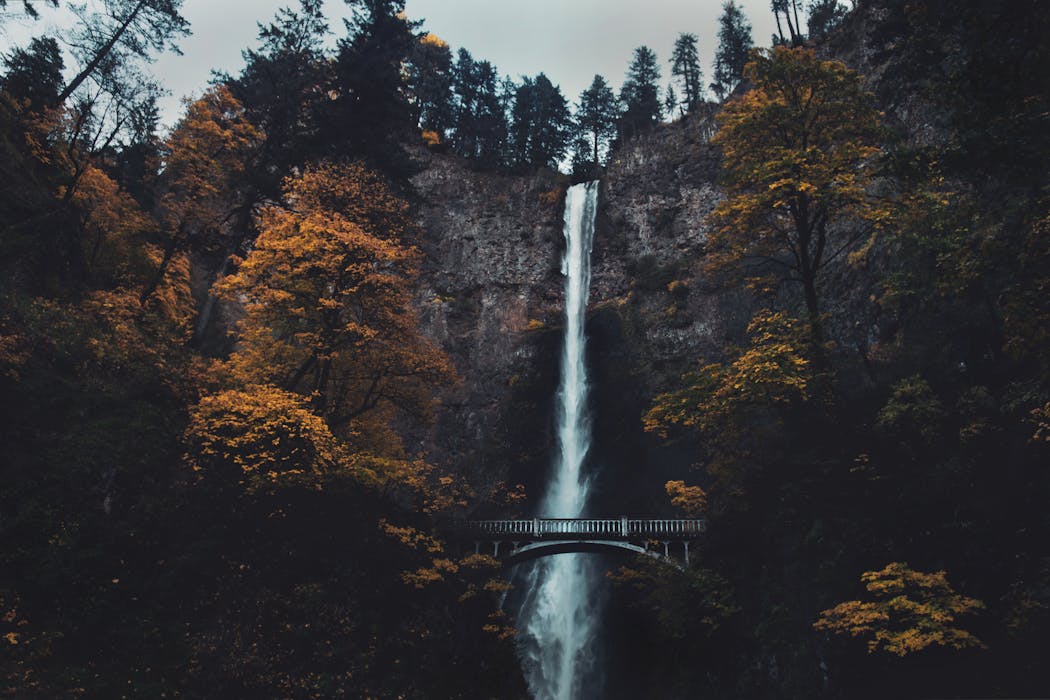
Several primitive campsites in Malheur National Forest were lost to a series of wildfires that swept the region over the past decade. The once-thick pine canopy now opens to wide stretches of gray stumps and wildflowers reclaiming the land. Rangers report slow but steady regrowth, reminding visitors that even after destruction, renewal always begins quietly.
Lassen Volcanic National Park, California
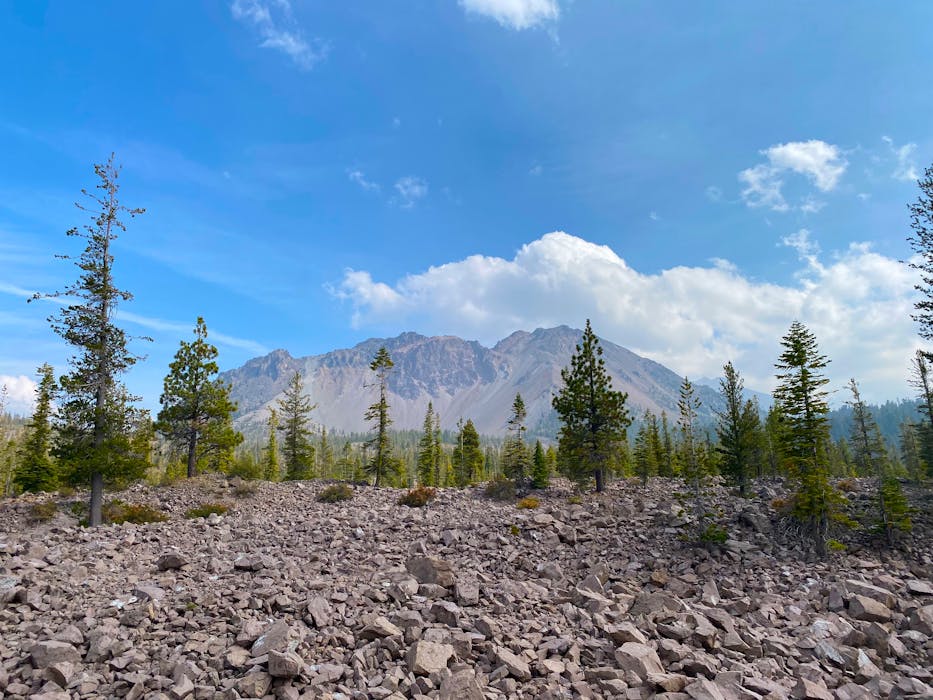
The Dixie Fire of 2021 burned through much of Lassen Volcanic National Park, including its popular Juniper Lake Campground. Once known for crystal-clear water and quiet mountain serenity, it now stands as a haunting reminder of wildfire intensity. Cleanup and safety efforts are ongoing, and regrowth brings hope for future visitors to return one day.
Glacier National Park, Montana
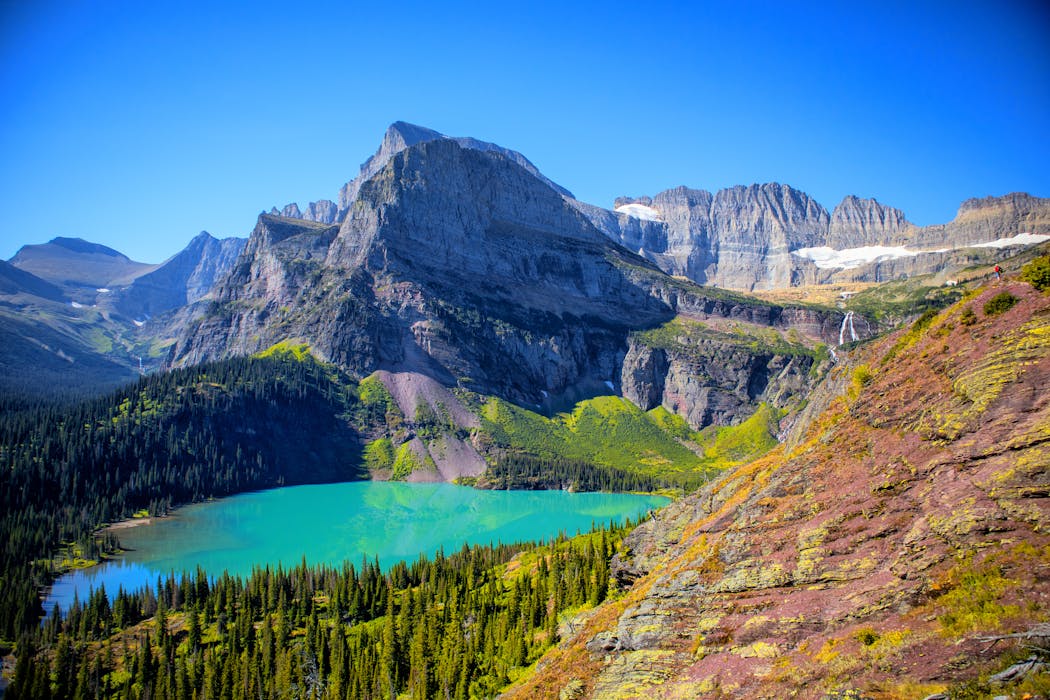
The Sprague Fire in 2017 devastated parts of Glacier’s Lake McDonald area, leaving campsites and cabins destroyed. The loss transformed a beloved camping destination into a study in recovery. Charred cedar and lodgepole pine still line the shoreline, while new plant life now spreads across the valley. The area remains a poignant symbol of nature’s cycle of loss and renewal.
Sequoia National Forest, California
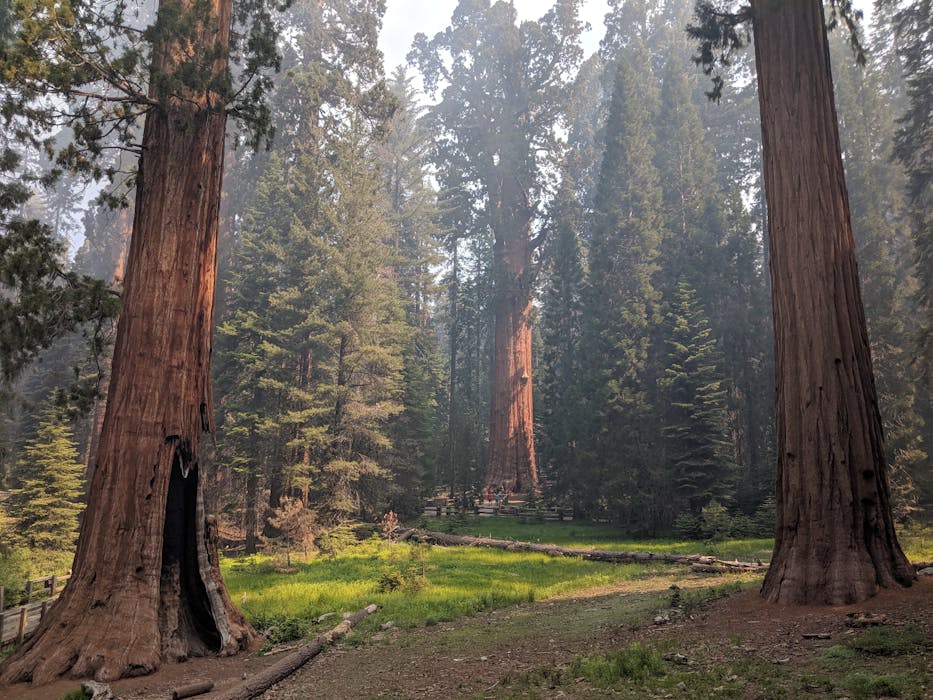
The Castle Fire of 2020 burned through Sequoia’s lesser-known campsites, leaving behind a surreal landscape of standing dead giants. Though the massive sequoias resisted complete destruction, the surrounding campgrounds were consumed. Restoration projects aim to stabilize soil and revive vegetation. Returning campers often describe the site as both ghostly and deeply inspiring.
Pine Creek Campground, Arizona
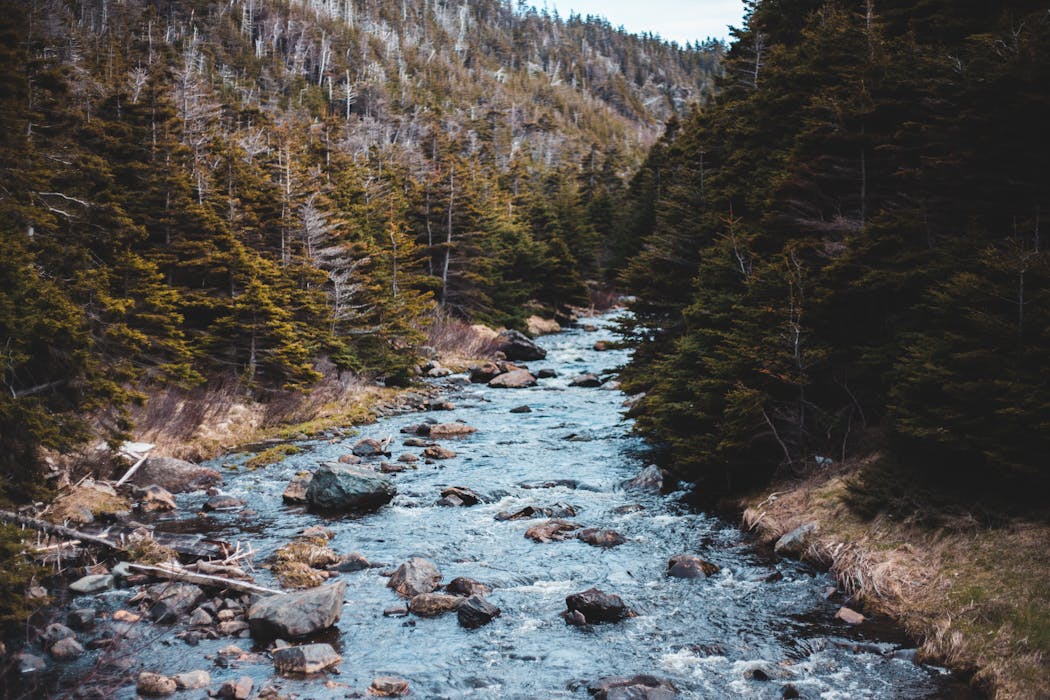
Pine Creek Campground once drew visitors seeking shade beneath ponderosa pines near Sedona. The 2021 Rafael Fire transformed it into a barren expanse of ash and stone. Firefighters saved nearby communities, but the campground could not be spared. Now, nature reclaims the space with desert grasses and young saplings rising from the soot, marking the slow rhythm of renewal in the Southwest.