The .45 Colt emerged in 1872 when Colt and its ammunition partners developed a powerful metallic cartridge for the new Single Action Army revolver. Adopted by the U.S. Army in 1873, it combined a large lead bullet with a substantial black-powder charge and quickly gained a formidable reputation. Its frontier fame was strengthened by the Peacemaker, military service, civilian ownership, and later cowboy culture. More than 150 years later, the cartridge remains commercially available, an extraordinary survival story for a design born in the black-powder era.
1. It Was Born With the Peacemaker
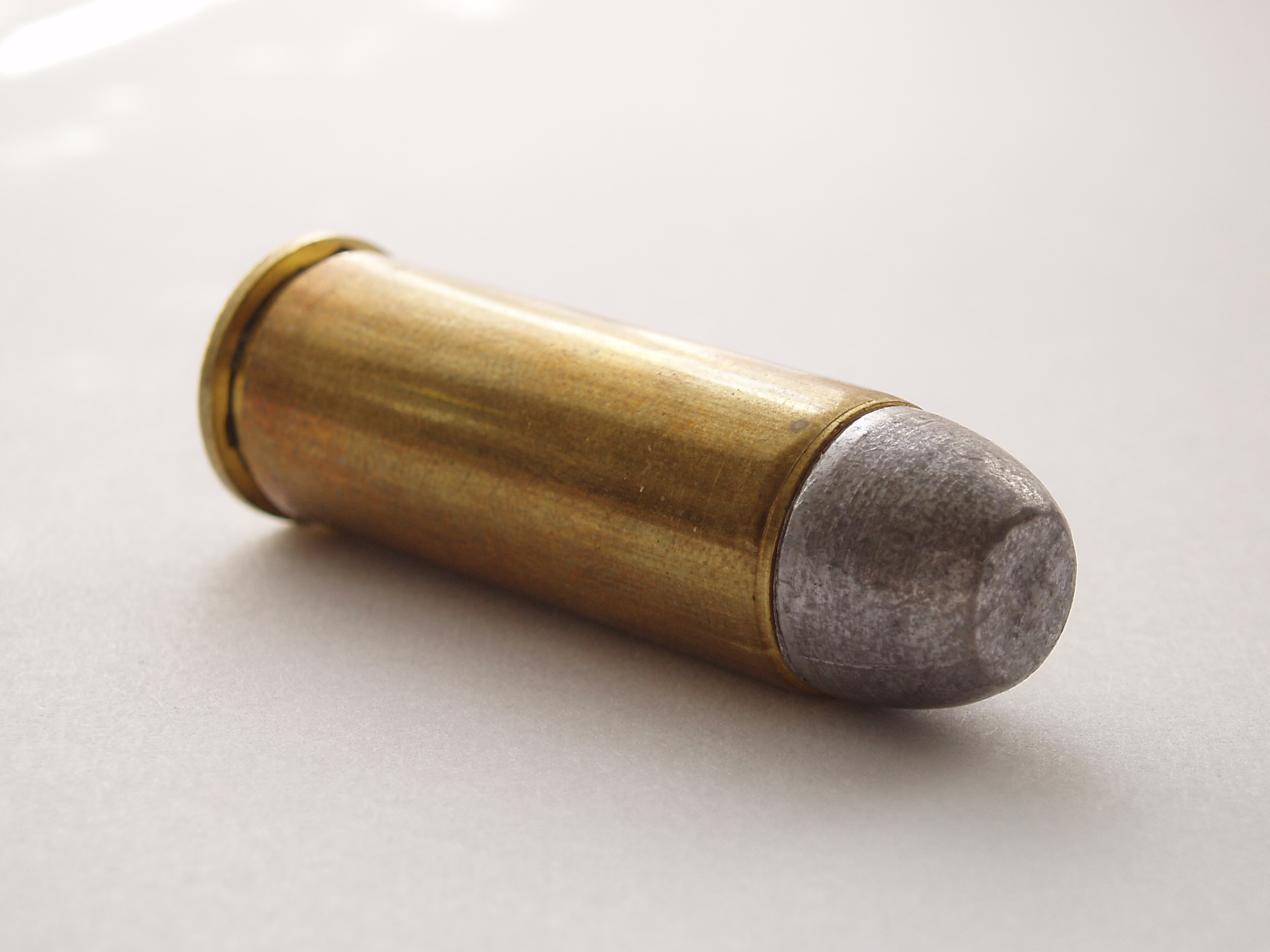
The .45 Colt was developed specifically for the new Colt Single Action Army, introduced alongside the cartridge in 1873. Earlier Colt designs had used .44-caliber ammunition, but Army trials demanded a more powerful service revolver and cartridge. The resulting round used a large lead projectile and a substantial black-powder charge. Early ammunition is commonly associated with a 255-grain bullet and roughly 40 grains of black powder, producing around 875–900 feet per second depending on the load and test conditions. That combination gave soldiers a serious sidearm at a time when metallic cartridges were rapidly replacing percussion revolvers.
2. The Original Cartridge Was Not Called Long Colt
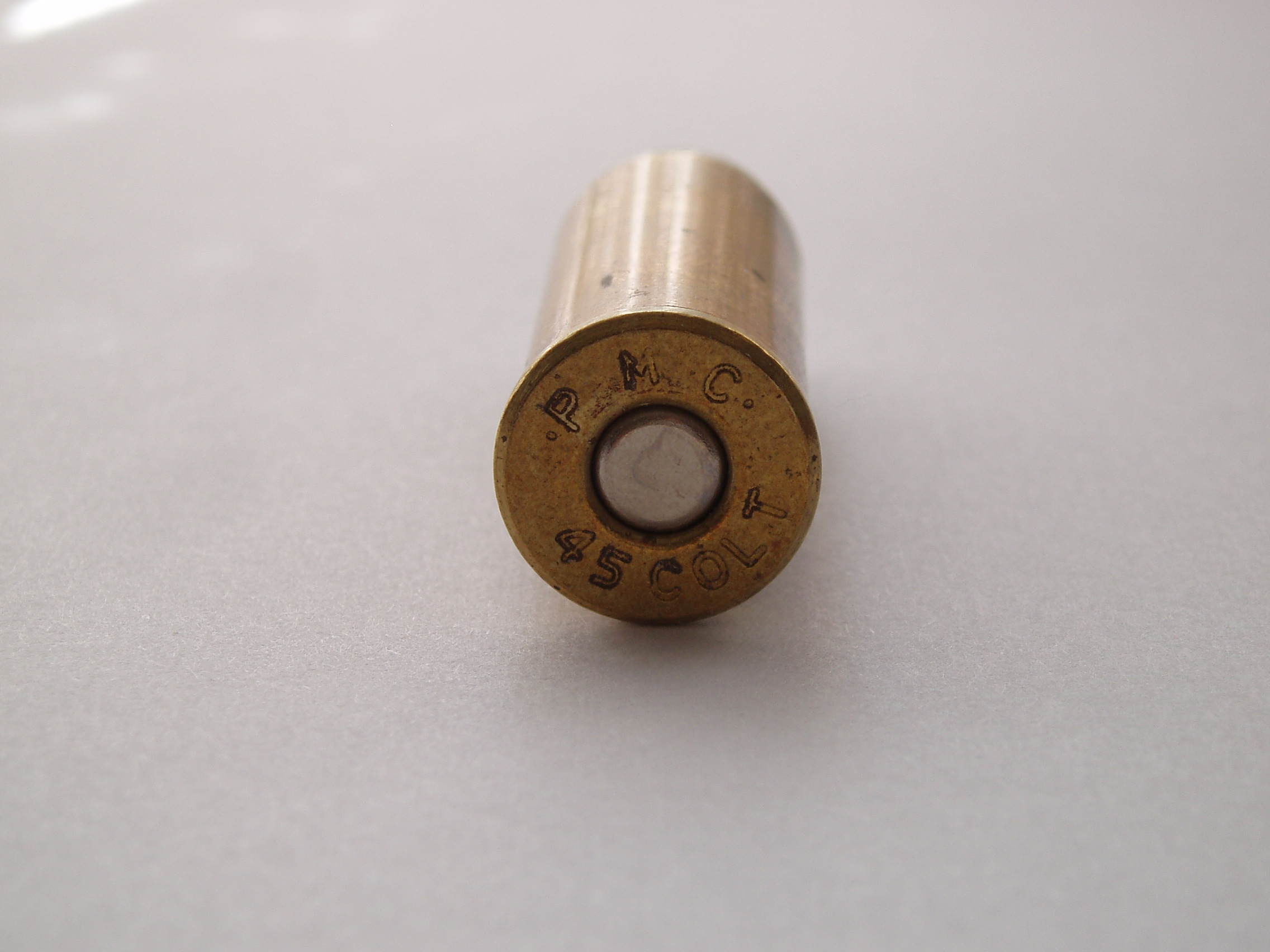
The name “.45 Long Colt” is one of the cartridge world’s most persistent historical nicknames, but .45 Colt is the original and technically correct designation. The longer name gained popularity because the U.S. Army also used the shorter .45 Schofield cartridge with Smith & Wesson revolvers. The Schofield round could generally be used in Colt revolvers, while the longer .45 Colt could not fit the Schofield’s shorter cylinder. Army supply officers therefore faced an ammunition headache. The “Long Colt” description helped distinguish the two rounds, and the nickname survived long after the logistical problem disappeared.
3. Its Big Bullet Was a Deliberate Choice
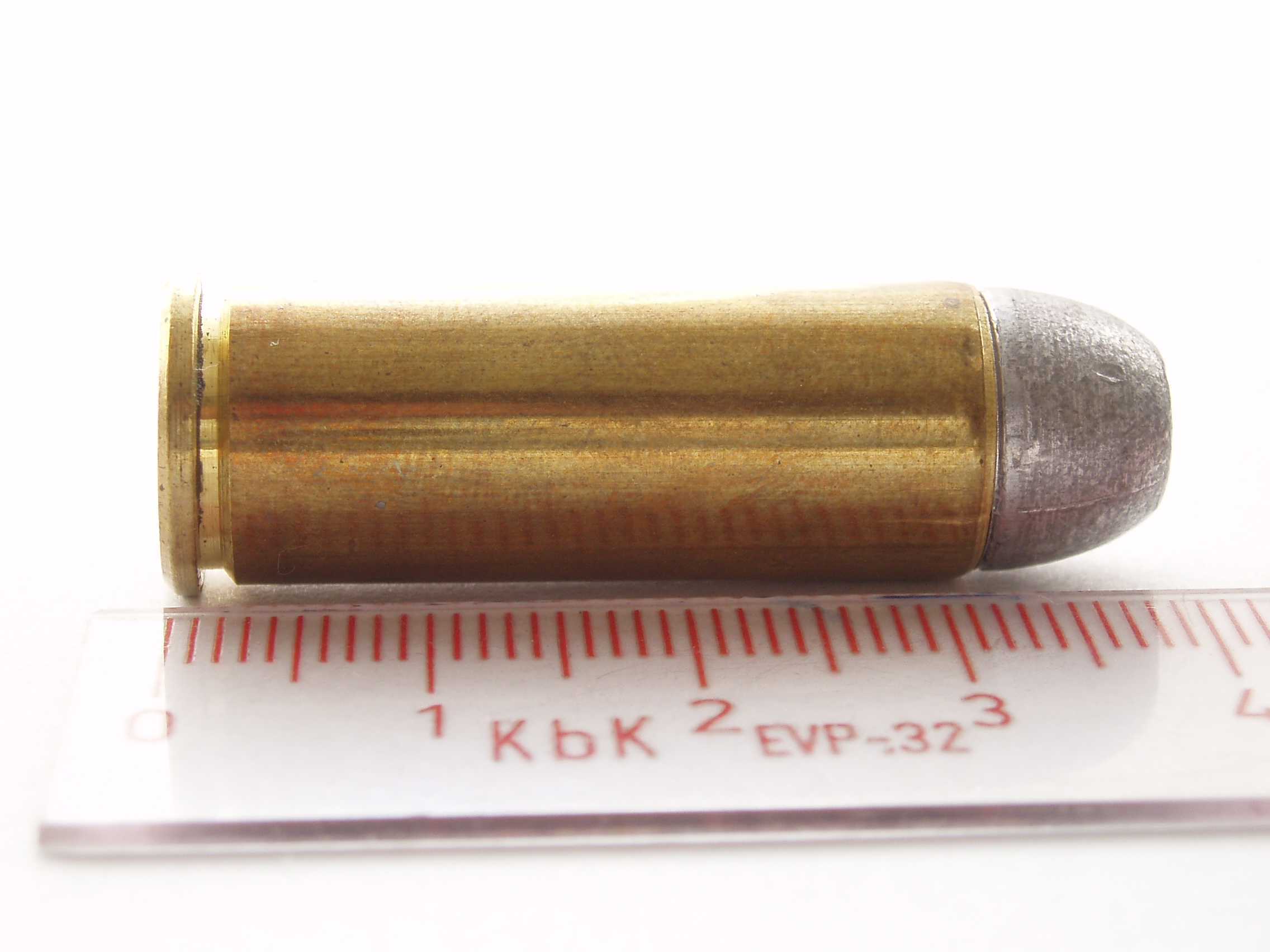
The .45 Colt’s large projectile was central to its original military identity. The cartridge used a straight, rimmed case with a bullet around .452–.454 inch in diameter, depending on construction and period specifications. Early service ammunition commonly used a heavy lead bullet weighing about 255 grains. That projectile was substantially heavier than many contemporary handgun bullets, while black powder supplied the energy needed for useful battlefield performance. The goal was not extreme velocity by modern standards; instead, the cartridge emphasized a large, heavy projectile from a practical cavalry sidearm. That philosophy helped establish the .45 Colt’s reputation on the frontier.
4. The Army Quickly Created an Ammunition Problem
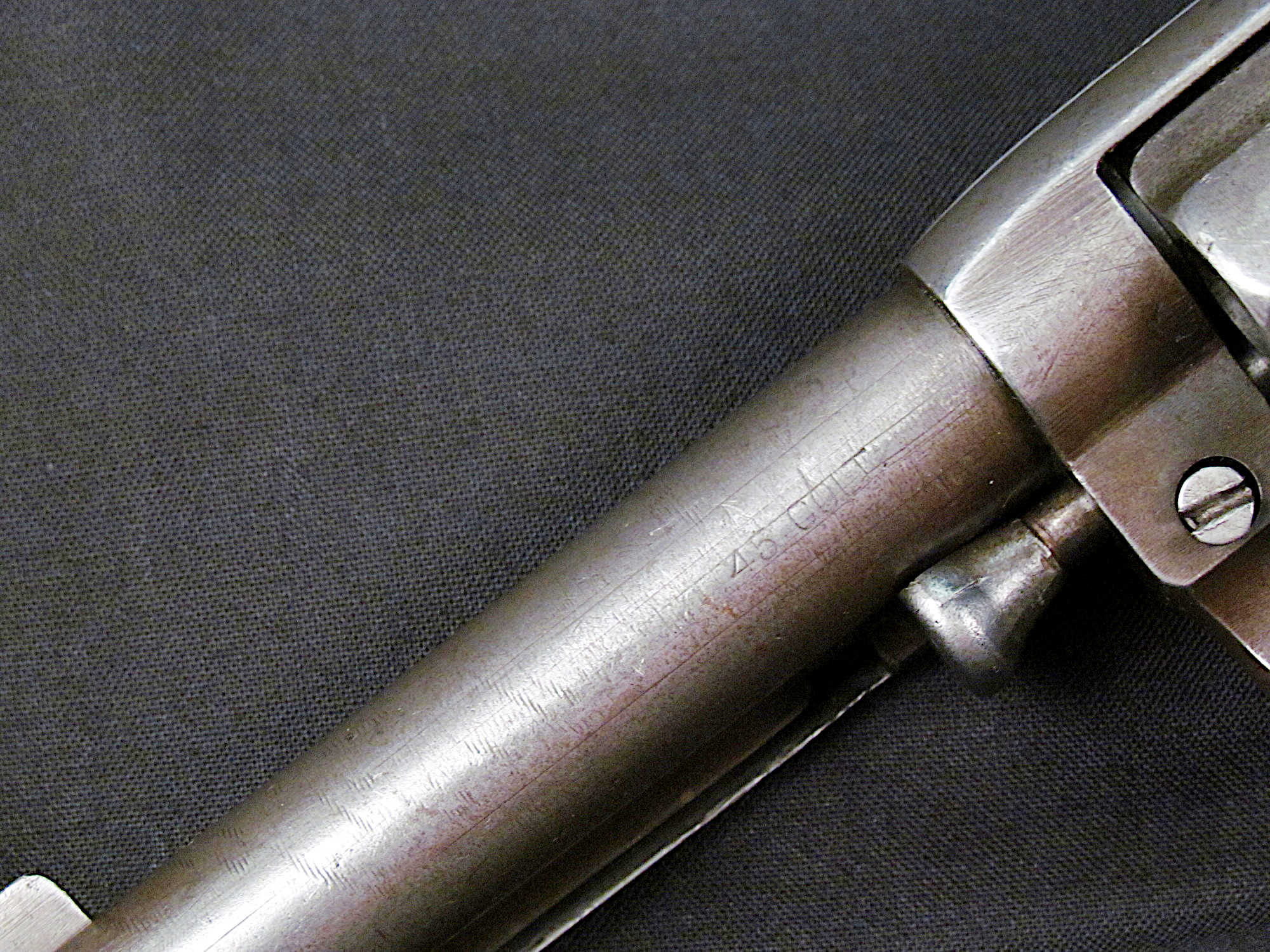
The .45 Colt became entangled in one of the U.S. Army’s most interesting cartridge-logistics problems. In 1875, the Army adopted the Smith & Wesson Schofield revolver, whose cylinder was too short for the original .45 Colt. Yet the shorter .45 Schofield could function in the Colt, creating an awkward one-way compatibility. Troops carrying different revolvers could consequently receive ammunition that did not fit every weapon. Frankford Arsenal eventually favored a shorter .45-caliber service load that could work across both revolvers. The episode helped cement the “Long Colt” nickname while showing that battlefield logistics could influence ammunition design as much as ballistic performance.
5. It Became a Symbol of the American Frontier
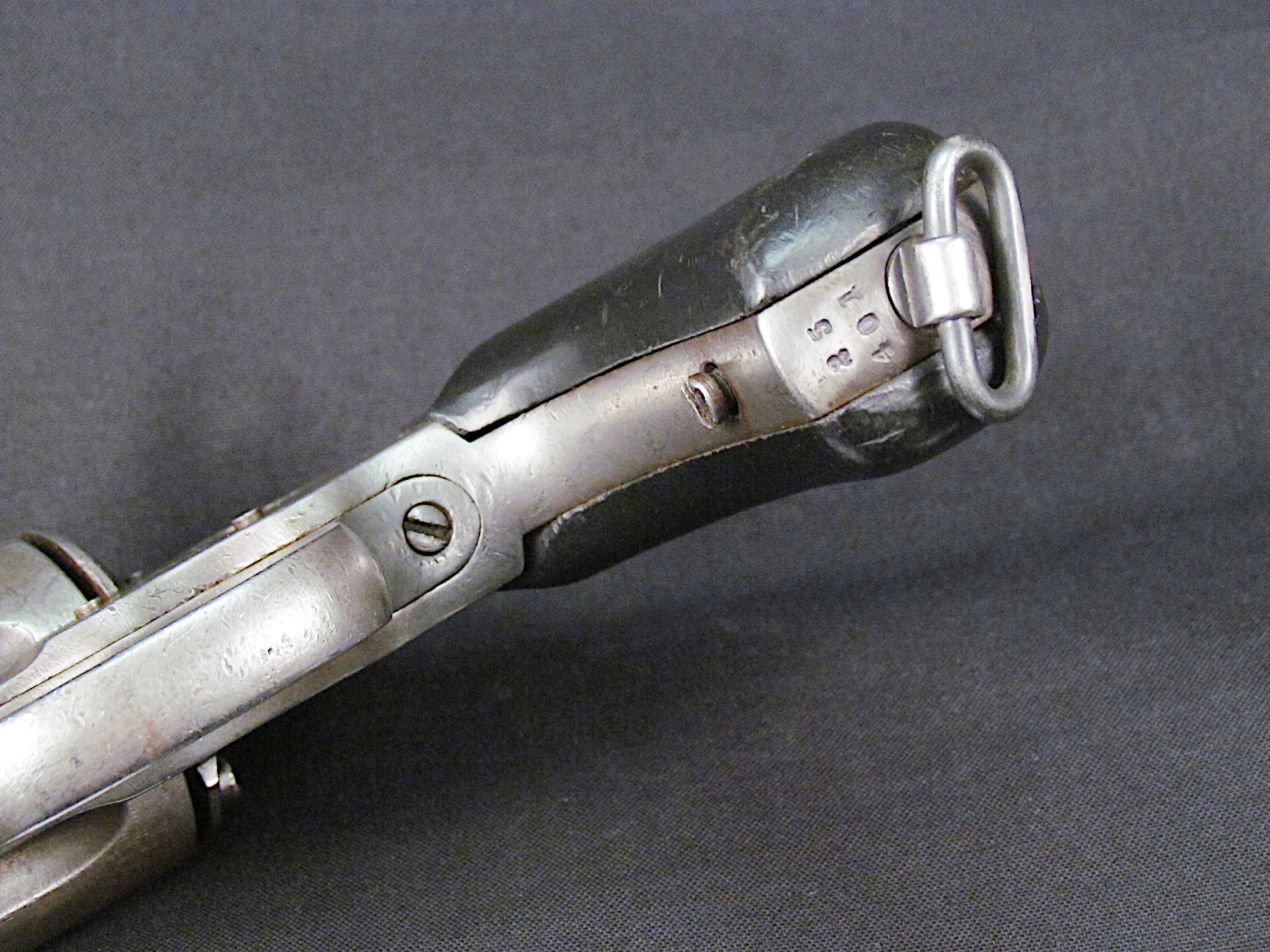
The .45 Colt gained its legendary Western reputation partly because it arrived during a period of rapid expansion across the American frontier. The Colt Single Action Army became associated with cavalrymen, lawmen, ranchers, travelers, and civilians, giving the cartridge an identity far beyond its original military purpose. Its original service load pushed a 255-grain bullet at roughly 875 feet per second, impressive for the period. Other cartridges, particularly the .44-40, offered advantages in rifles and ammunition commonality, but the .45 Colt remained closely linked with the heavy-duty revolver. That cultural association eventually became as powerful as the cartridge’s technical reputation.
6. It Was Not the Best Rifle Cartridge of Its Era
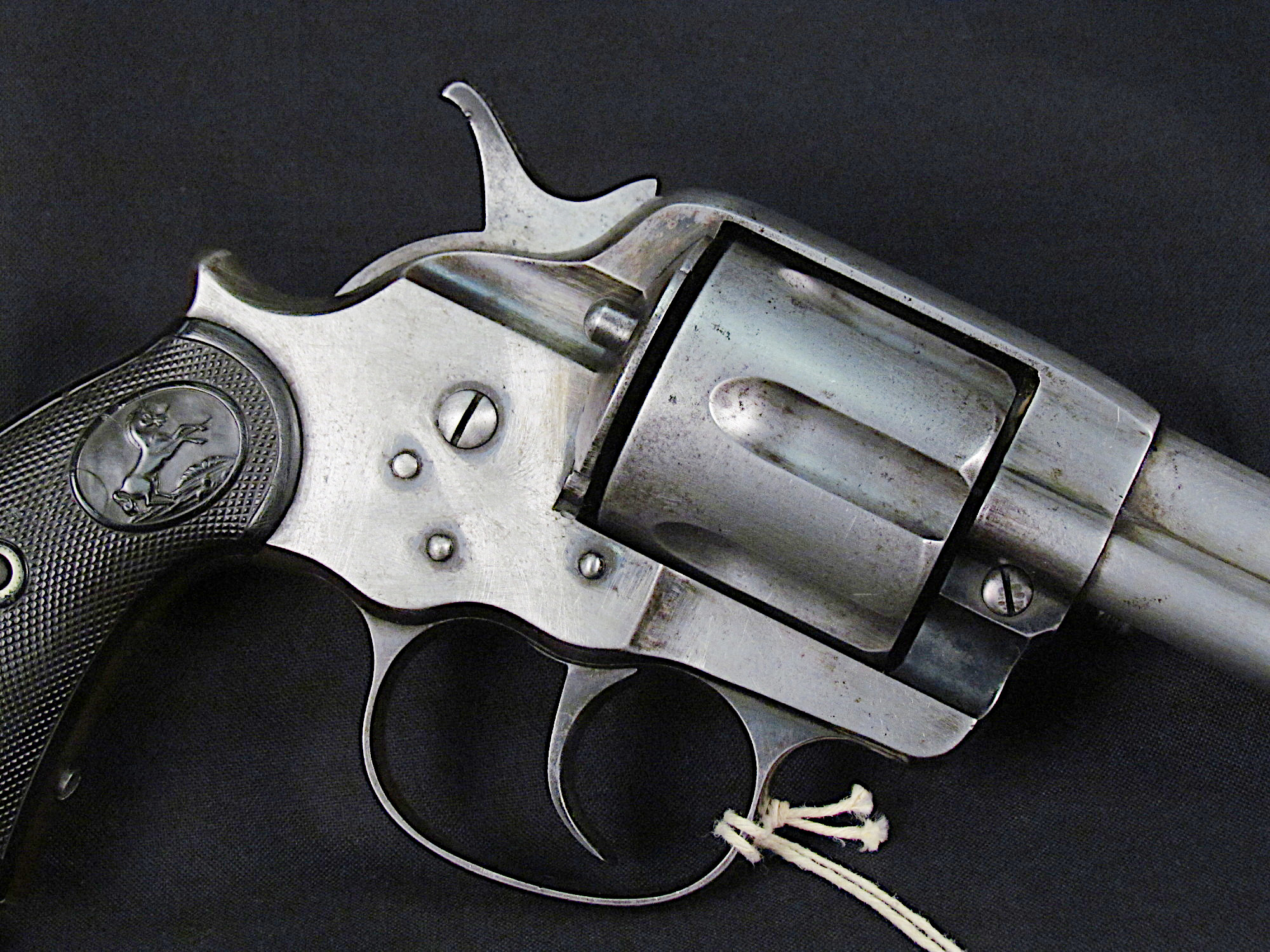
Despite its Western fame, the .45 Colt was not originally a universal rifle-and-revolver cartridge. Unlike the .44-40 introduced by Winchester in 1873, the .45 Colt was not initially designed around a repeating rifle. Its rimmed case and relatively modest handgun velocity made it especially well suited to revolvers. That distinction is important because modern audiences often imagine every famous frontier cartridge being shared between a lever-action rifle and a six-shooter. The .45 Colt eventually became available in rifles and carbines, particularly as modern cowboy shooting expanded, but that was a later development rather than its original role.
7. The Cartridge Survived After the Army Moved On
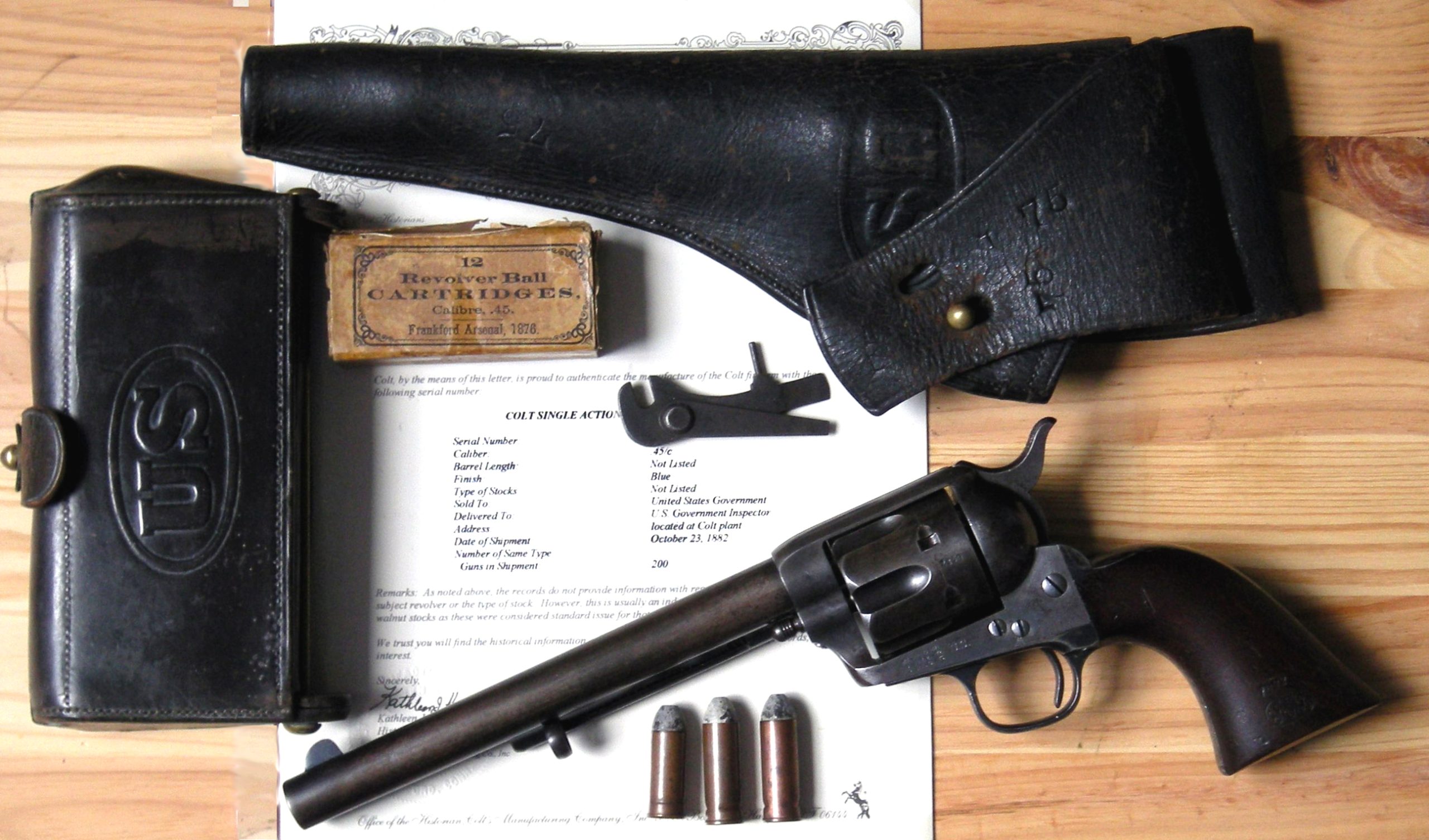
The .45 Colt’s official military career did not last forever. The U.S. Army eventually replaced it with the .38 Long Colt, beginning in the early 1890s, but the older cartridge continued in commercial production and civilian use. That transition could easily have pushed the .45 Colt into obsolescence, yet its established reputation kept it alive. Stronger revolver designs later allowed ammunition manufacturers to offer substantially different performance levels than the original black-powder-era loading. The cartridge consequently developed a second life: first as a historic revolver round, then as a versatile modern option for sporting, hunting, collecting, and recreational shooting.
8. Modern Revolvers Gave It a Second Career
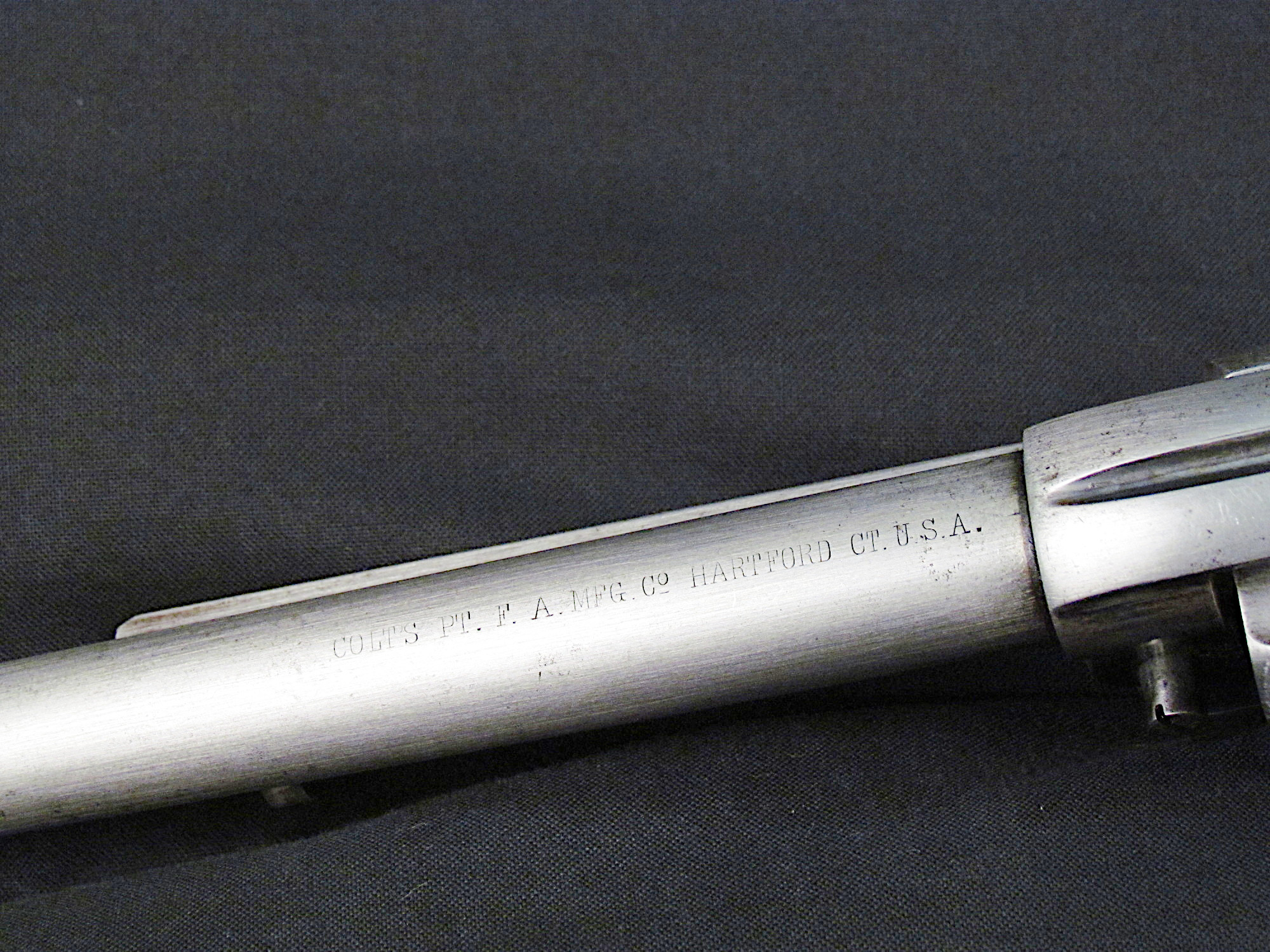
The .45 Colt experienced a major revival when manufacturers began chambering it in stronger modern revolvers. This allowed the cartridge to move beyond its original black-powder performance envelope, although ammunition must always be matched to the specific firearm and its intended pressure level. Modern loads range from traditional-style ammunition that echoes the historic 250–255-grain bullet to much more specialized offerings. The cartridge also became prominent in cowboy-action competition, where shooters deliberately recreate the look and feel of the Old West. That combination of historical authenticity and modern versatility explains much of its continuing popularity.
9. Its Design Became the Foundation for Later Big-Bore Rounds
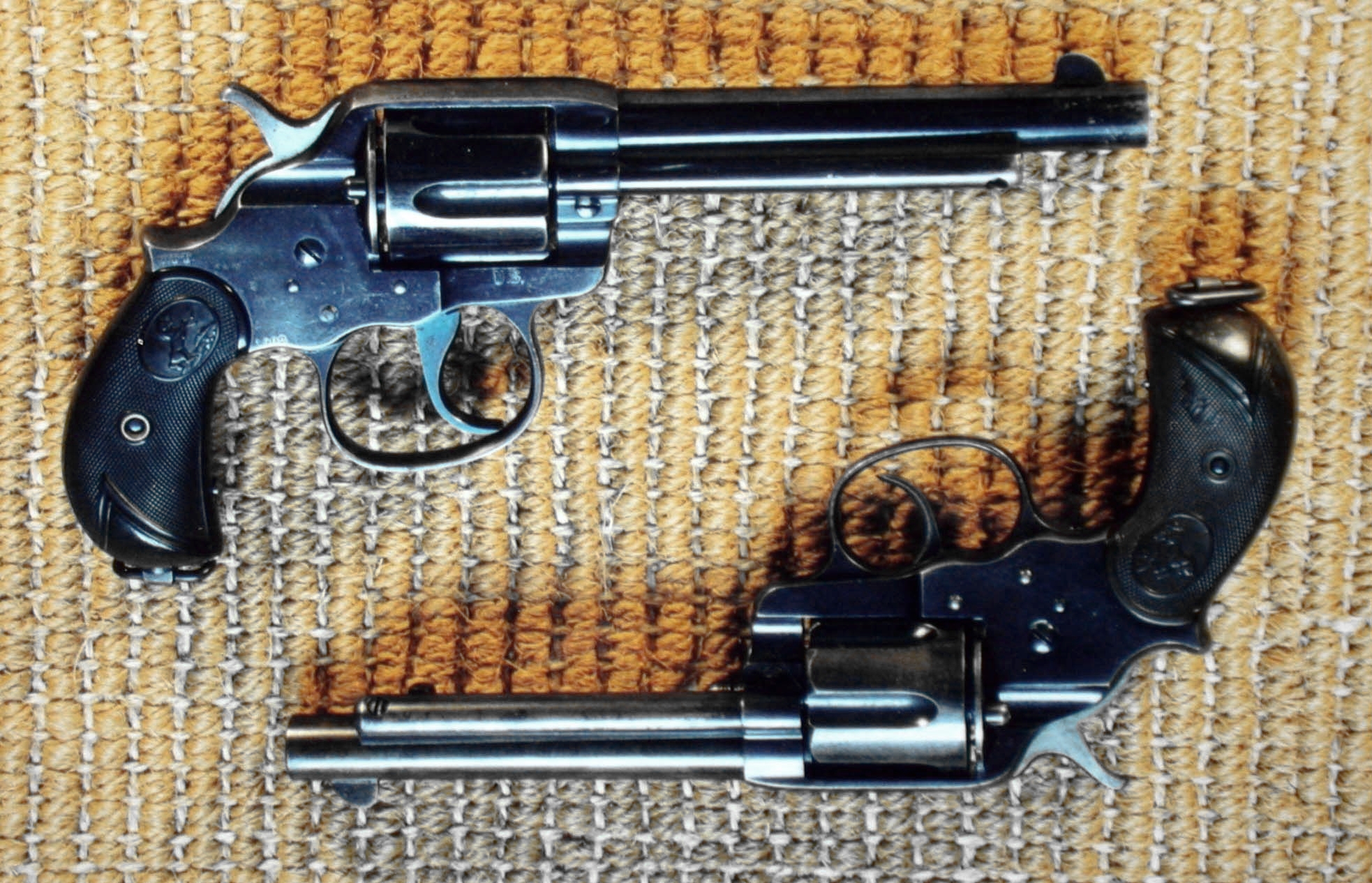
The .45 Colt did more than survive; it became a starting point for later high-performance revolver cartridges. The stronger modern versions demonstrated how much potential remained in its basic 1.285-inch case, and the cartridge’s dimensions influenced subsequent developments. The most famous descendants include the .454 Casull, which dramatically increased pressure and performance, and the later .460 S&W Magnum, which pushed the concept further still. These cartridges are not simply “hot-loaded .45 Colts”; they are distinct designs requiring appropriate firearms. Their existence nevertheless illustrates the remarkable adaptability of a cartridge conceived around black powder in 1872.