Some shotguns become valuable because of their age, but others earn their reputation through decades of dependable service, distinctive craftsmanship, and a loyal following among collectors. Models that once sat in ordinary gun shops have gradually become sought-after pieces of firearms history. Limited production runs, discontinued designs, attractive woodwork, and strong historical associations have all contributed to their rising appeal. However, not every old shotgun is automatically worth a fortune. Condition, originality, manufacturing year, rarity, and documented provenance can make an enormous difference. Here are 10 notable shotguns whose collector-market values can exceed their original retail prices.
1. Parker Brothers Double-Barrel Shotguns
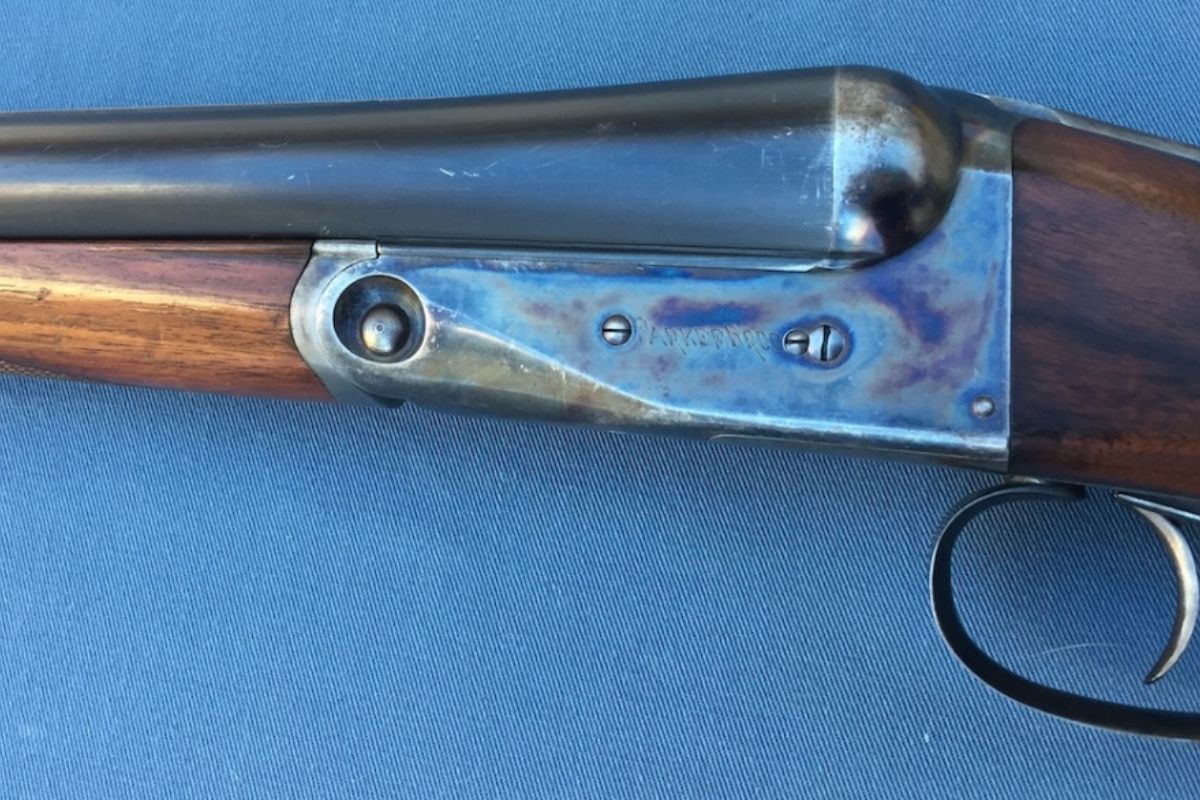
Parker shotguns, made in the United States from 1867 until the company’s sale in 1934, hold a special place in American sporting-gun history. Their appeal comes from finely fitted actions, graceful lines, and grades ranging from practical field guns to elaborate high-grade examples. A well-preserved Parker can command far more than its original price, particularly when its barrels, finish, and stock remain original. Collectors consider grade, gauge, configuration, and factory records. Two guns of the same model can differ sharply in value, so age alone does not establish a premium. The best-preserved examples attract serious collector interest.
2. A.H. Fox Sterlingworth

The A.H. Fox Sterlingworth was introduced as a more affordable member of the Fox side-by-side family, yet it has become a respected collectible in its own right. Fox shotguns were made in Philadelphia from 1906, and Sterlingworth production continued into the 1930s under changing ownership. Its reputation rests on lively handling, attractive proportions, and a strong connection to classic American bird hunting. Original 16- and 20-gauge examples can attract interest, but condition and configuration matter more than gauge alone. A clean, unaltered gun may sell for considerably more today than its first owner paid, while refinishing or replacement parts can reduce collector appeal.
3. Winchester Model 21

Winchester introduced the Model 21 in 1931 as a robust, high-quality side-by-side, and it remains one of the company’s most admired double guns. Production continued for decades, with examples offered in several grades and configurations. Its careful workmanship and association with premium American sporting arms helped it move beyond ordinary field-gun status. Values vary widely: standard guns are not priced like engraved or custom-ordered examples, and original factory specifications matter. Collectors examine barrel condition, stock dimensions, engraving, and documentation. A desirable Model 21 can be worth substantially more than its original price, especially when its history is well established.
4. Browning Superposed
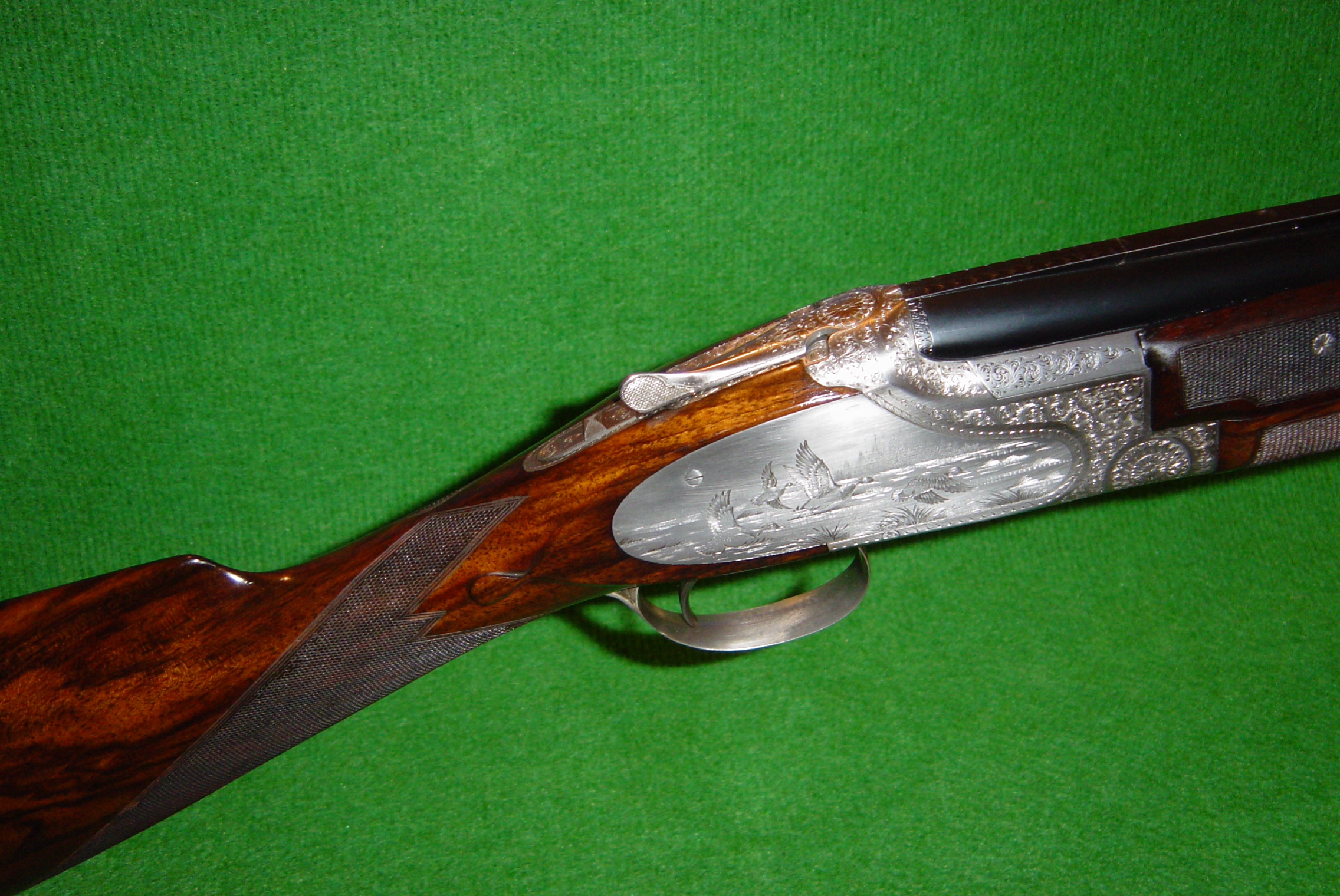
John Browning’s Superposed helped establish the modern appeal of the over-and-under sporting shotgun. Introduced in the 1930s, it was among the last major designs he completed before his death in 1926; production began later, with Belgian-made examples becoming especially desirable. The line included field and higher-grade versions, with engraving, wood, and finish influencing value. Its elegant styling and long sporting history give early examples a lasting collector audience. A standard, heavily used gun should not be confused with a pristine high-grade specimen. Originality, gauge, condition, and factory documentation all affect its appreciation over the decades.
5. Browning Auto-5
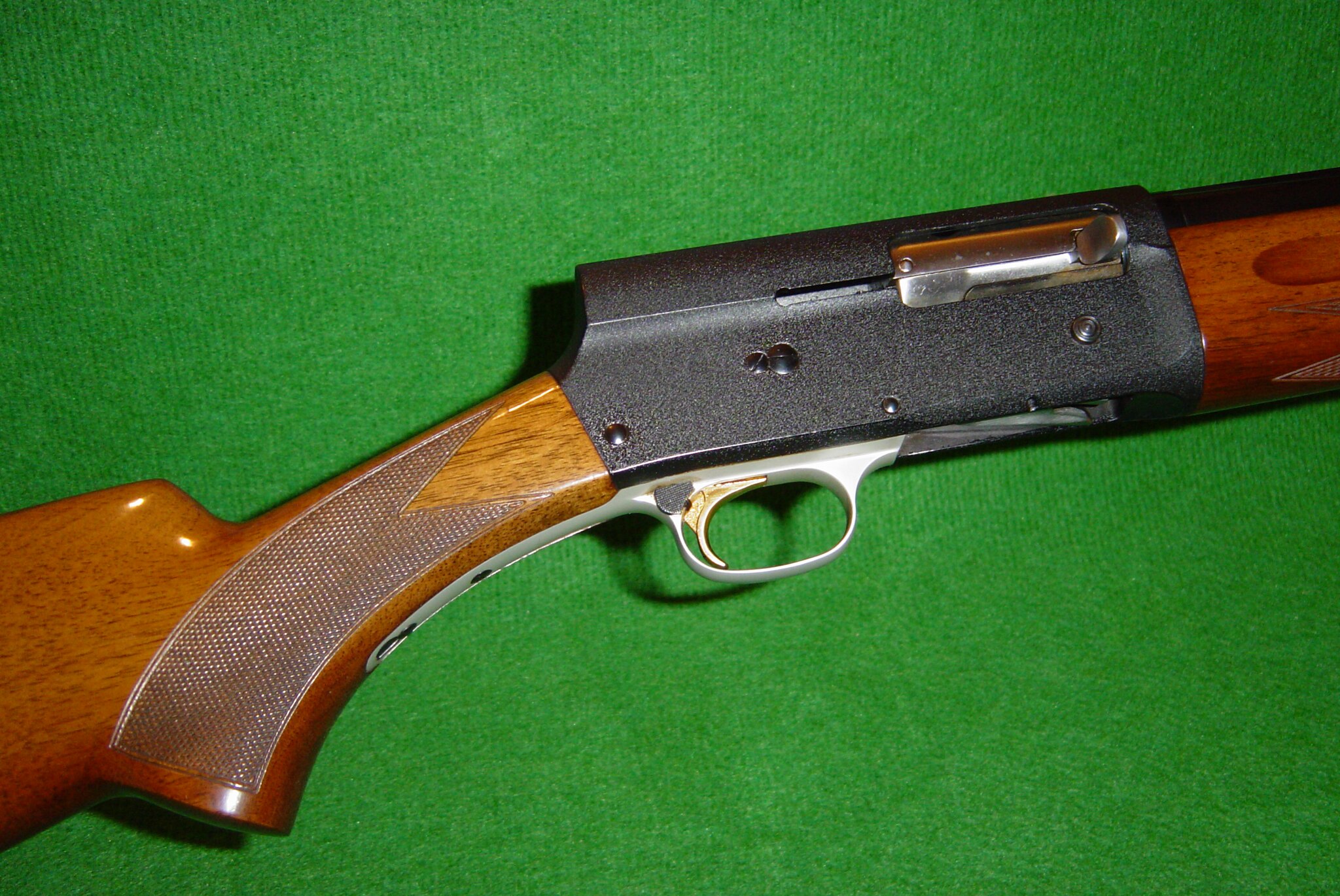
The Browning Auto-5 is one of the most recognizable semi-automatic shotguns of the twentieth century. Designed by John Browning and introduced in 1902, it remained in production until 1998, with manufacture shifting among Belgium, the United States, and Japan. Its distinctive humpback receiver and long production history created many variations for collectors. Early Belgian guns, scarce gauges, and special editions may bring higher prices than common, well-used examples. The Sweet Sixteen is particularly well known. Collectors examine the exact variant, originality, finish, and stock condition when determining value. Not every old Auto-5 is automatically a rare collectible.
6. Winchester Model 12
Introduced in 1912, the Winchester Model 12 became one of the best-known American pump-action shotguns. More than 2 million were produced before regular manufacture ended in 1964, making it historically important but not automatically scarce. Its workmanship, classic profile, and long sporting and service history keep collector interest alive. Special-purpose versions, unusual gauges, early examples, and factory-enhanced grades can be worth much more than ordinary field models. Condition is crucial: worn finishes, replacement wood, and modifications can limit appeal. The Model 12 shows why production numbers matter; value comes from configuration and originality, not simply from age.
7. Ithaca Model 37
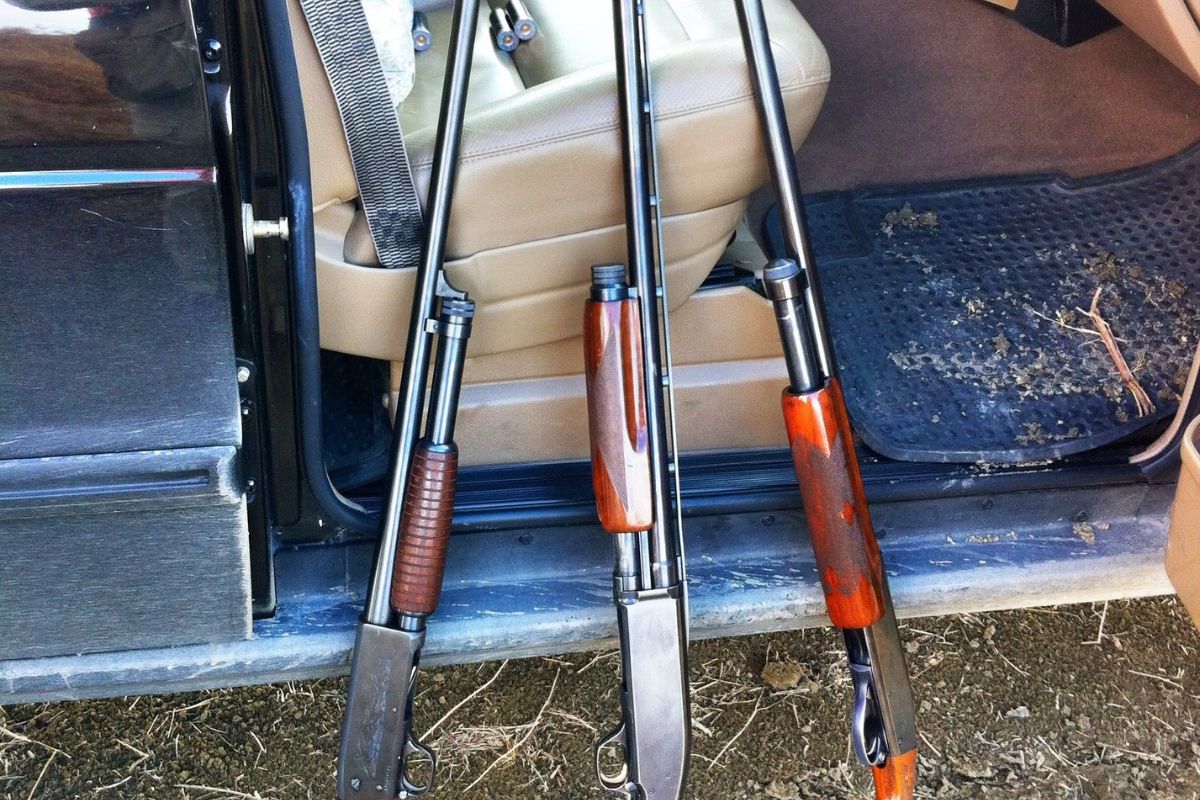
The Ithaca Model 37 arrived in 1937, drawing on a John Browning design and becoming a long-running American pump shotgun. Its bottom-ejection arrangement gives it a distinctive identity, while decades of production created sporting, law-enforcement, and military-associated versions. Collectors distinguish early guns, discontinued variants, and examples with documented institutional history from ordinary later production. Gauge, barrel length, finish, and originality influence price. Because the model has been made across many decades, an older date does not automatically mean high value. A well-preserved early example may appreciate beyond its original retail cost, but common working guns usually remain more affordable.
8. Remington Model 1100
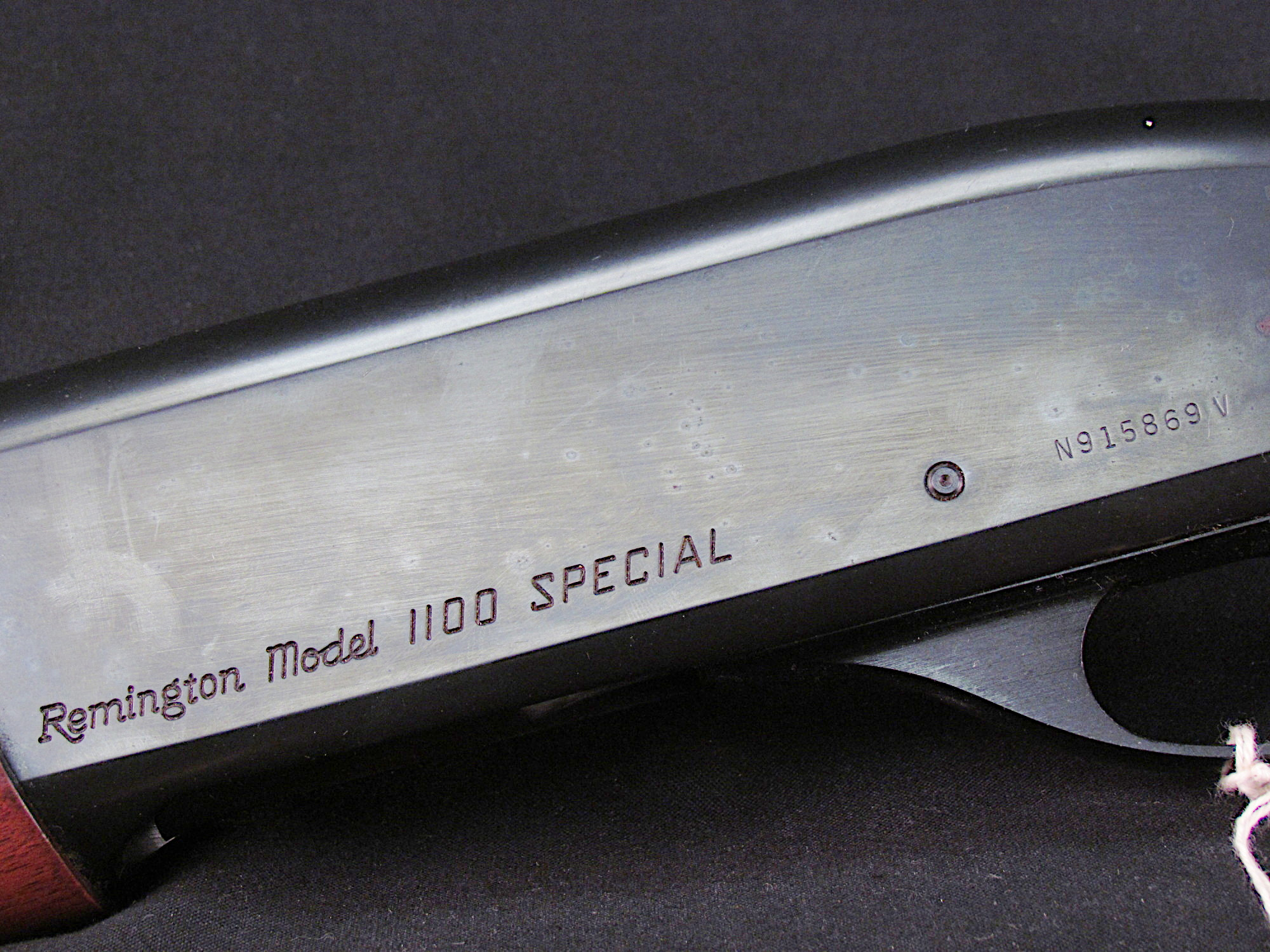
Remington launched the Model 1100 in 1963, and it quickly became familiar among American sportsmen. Its extensive production means standard examples are generally less scarce than premium collectible doubles, but selected versions have developed a following. Early guns, commemorative editions, uncommon gauges, and models with original accessories can attract stronger interest. The 12-gauge field version is not equivalent in value to a scarce 28-gauge or a carefully preserved limited edition. Collectors look for intact finish, unmodified wood, and clear model identification. Its long history makes the 1100 collectible, though appreciation depends on the exact variant and condition.
9. L.C. Smith Side-by-Side Shotguns

L.C. Smith double-barrel shotguns became known for their distinctive sidelock design and traditional American craftsmanship. Produced under different corporate arrangements from the late nineteenth century into the mid-twentieth century, they appeared in several grades, with engraving and finish separating basic field models from elaborate sporting pieces. Higher-grade examples with original wood, clean barrels, and documented specifications can be especially desirable. Collectors also consider gauge and action condition, since repairs or alterations may affect value. A well-kept L.C. Smith may be worth far more than its original owner paid, but prices vary greatly between grades and individual examples.
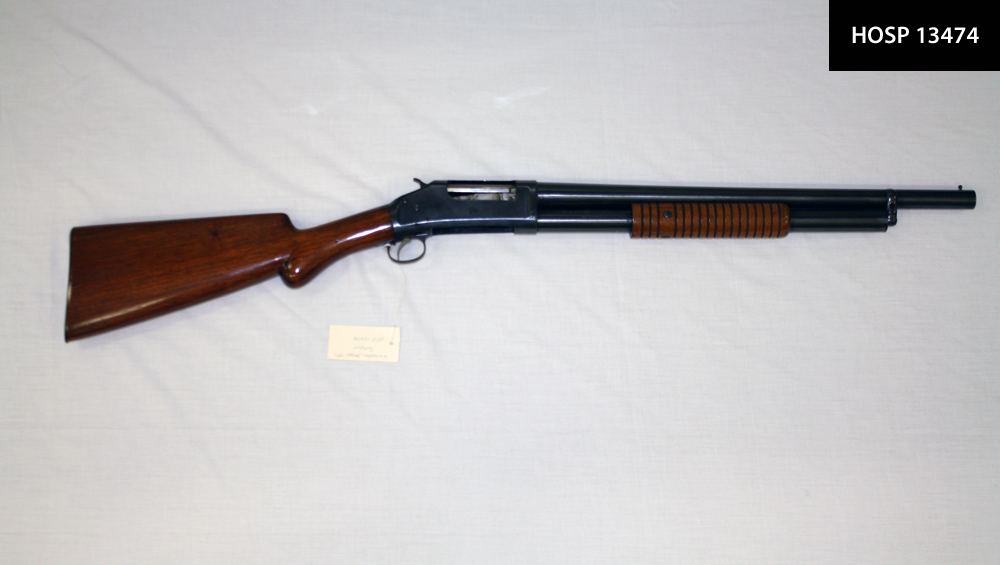
10. Winchester Model 1897
The Winchester Model 1897, designed by John Browning, entered production in 1897 and became a defining American repeating shotgun. Its external-hammer design and long service history make it instantly recognizable to collectors. Production continued into the mid-twentieth century, and the model appeared in sporting and military-associated forms. Trench and riot variants with documented history can command premiums, while ordinary field examples are more common. Original configuration is important: altered barrels, refinished metal, and replacement furniture can change collector value considerably. Its historical significance supports demand, but condition and verified variant determine its present-day worth.