There are certain shotguns you only learn to appreciate after they are gone. At the time, selling one might have seemed like a sensible decision. Perhaps a newer model caught your attention, money was needed elsewhere, or you simply wanted to make room for another firearm. Years later, however, the memories of those familiar stocks, distinctive actions, and dependable designs can make you wish you had kept them. Some shotguns become collectible classics, while others earn lasting respect through decades of sporting history. These 10 shotguns are examples of firearms that former owners might regret selling, especially when they discover how difficult it can be to find the same model, condition,n and original features again.
1. Winchester Model 12
The Winchester Model 12 is the kind of pump shotgun that can make a former owner rethink a quick sale. Introduced in 1912 as the Model 1912, it earned a reputation for careful machining, a smooth-feeling action and handsome walnut furniture. Winchester eventually shortened the name to Model 12, and the line appeared in several gauges and sporting grades. Its long production story, running through 1963 for regular manufacture, gives collectors plenty of variations to study. A well-kept example is more than an old field gun; it represents an era when fit, finish,sh and mechanical feel were major selling points.
2. Browning Auto-5
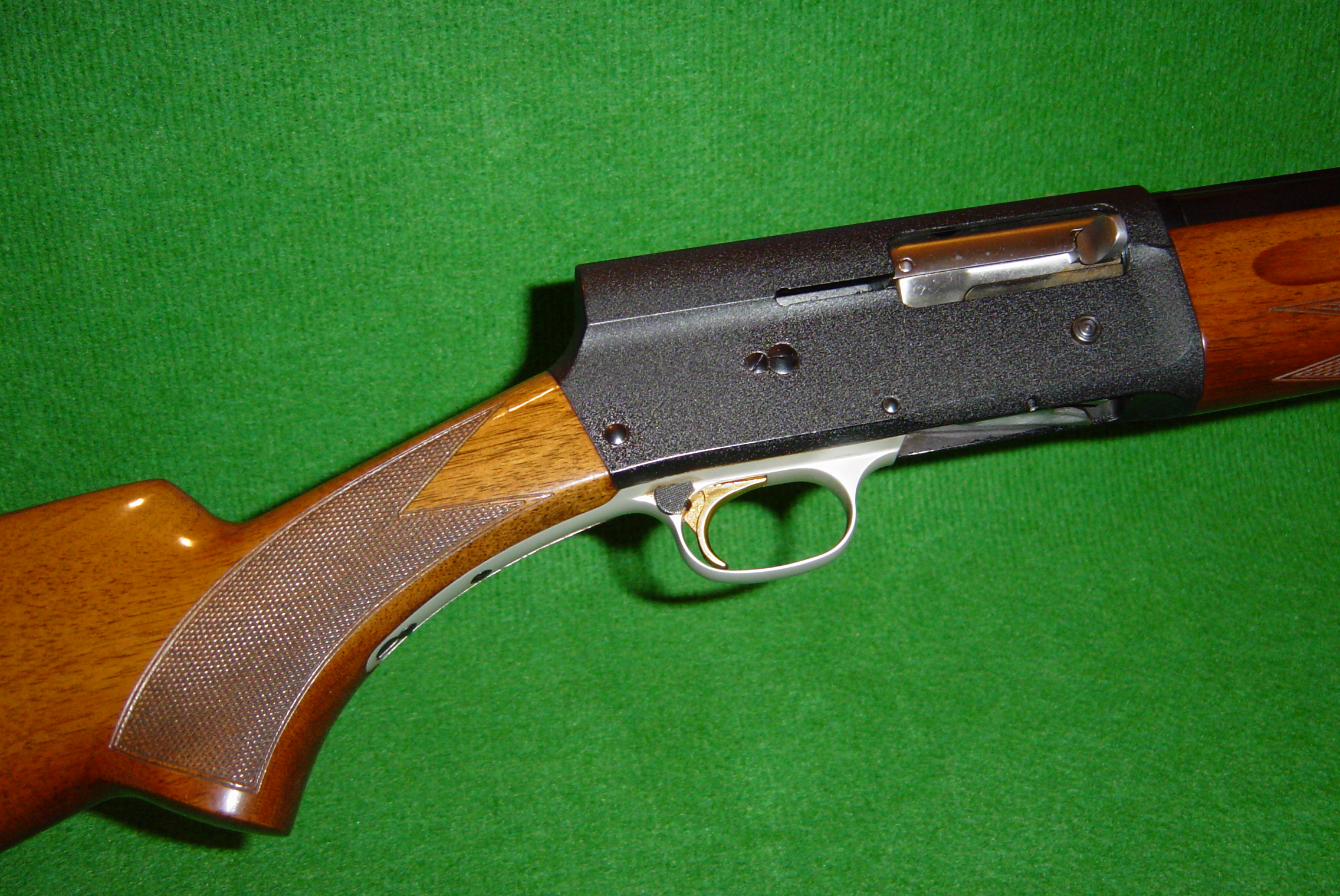
Selling a Browning Auto-5 can feel like parting with a piece of design history. John Moses Browning’s long-recoil semi-automatic began production in 1902 and remained in the Browning line until the end of the century, with its final tribute edition marking the close in 1999. Its distinctive humpback receiver makes it instantly recognizable, while versions appeared in 12, 16 and 20 gauge. The famous Sweet Sixteen added another layer of appeal for enthusiasts. Changes in manufacture and markings over its long life make individual examples worth researching carefully. Few sporting shotguns carry such a clear link to one influential inventor.
3. Remington 870 Wingmaster
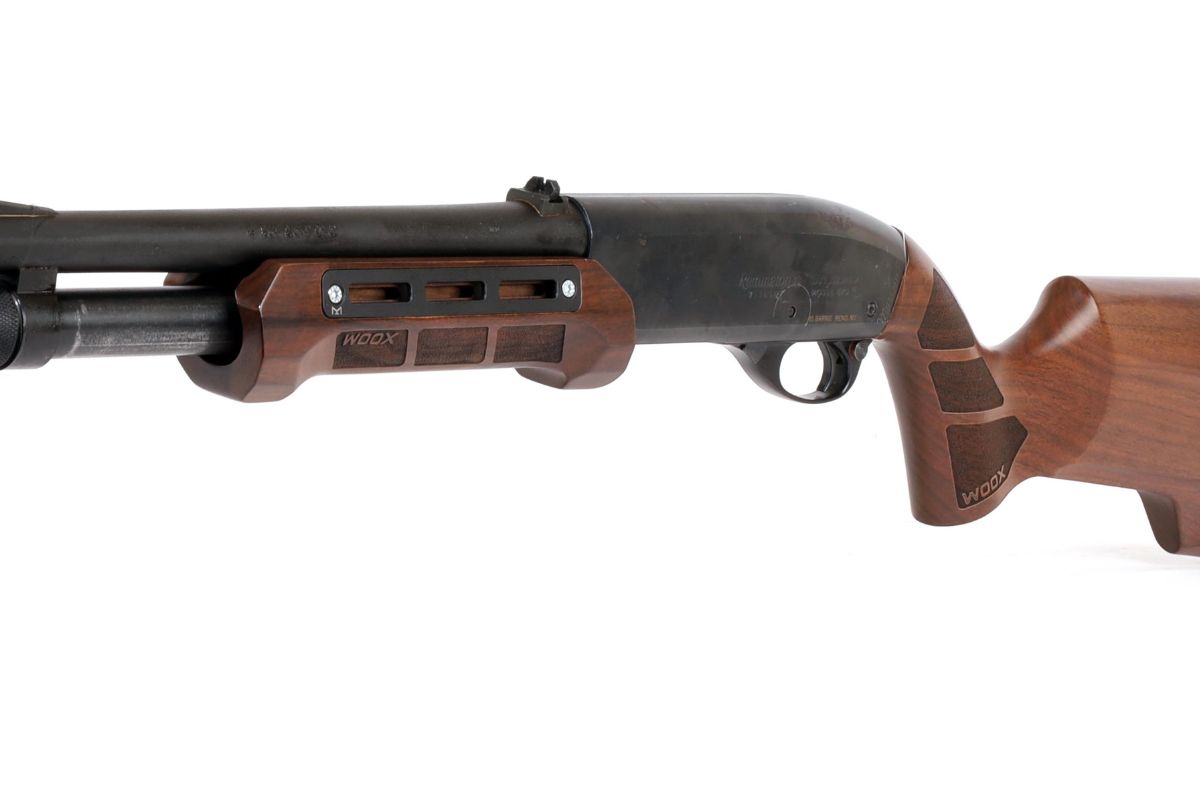
The Remington 870 Wingmaster is easy to take for granted because it became such a familiar sight in American gun cabinets. Introduced in 1950, the pump-action design grew into one of the most successful shotgun families ever made. Remington lists more than 10 million Model 870s produced, across gauges that include 12, 16, 20, 28 and .410. Wingmaster versions are especially remembered for polished metalwork, quality wood and a refined appearance compared with plainer utility models. Selling one may seem sensible when it is simply another pump gun, but its long history and broad following can make a good example difficult to replace.
4. Ithaca Model 37
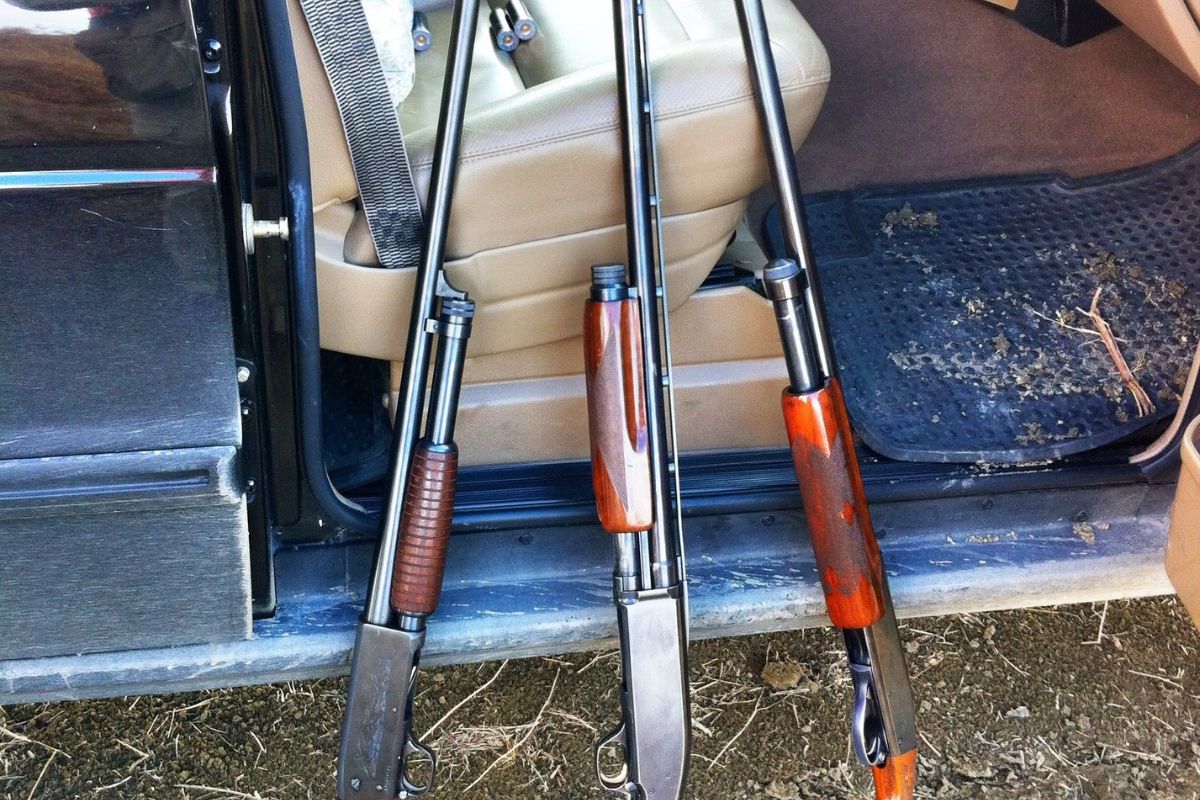
The Ithaca Model 37 has a character that is easy to miss until it is gone. Introduced in 1937, it developed from John Browning’s Model 17 design and became known for its bottom-loading, bottom-ejecting layout. That arrangement gives the receiver a clean profile and sets it apart from many pump shotguns. It appeared in numerous sporting and professional variants, and its long production history includes several manufacturing chapters. Collectors value older examples for their distinctive design and traditional finish. If you sold one without appreciating its unusual layout, finding the same version later may take patience.
5. Winchester Model 1897
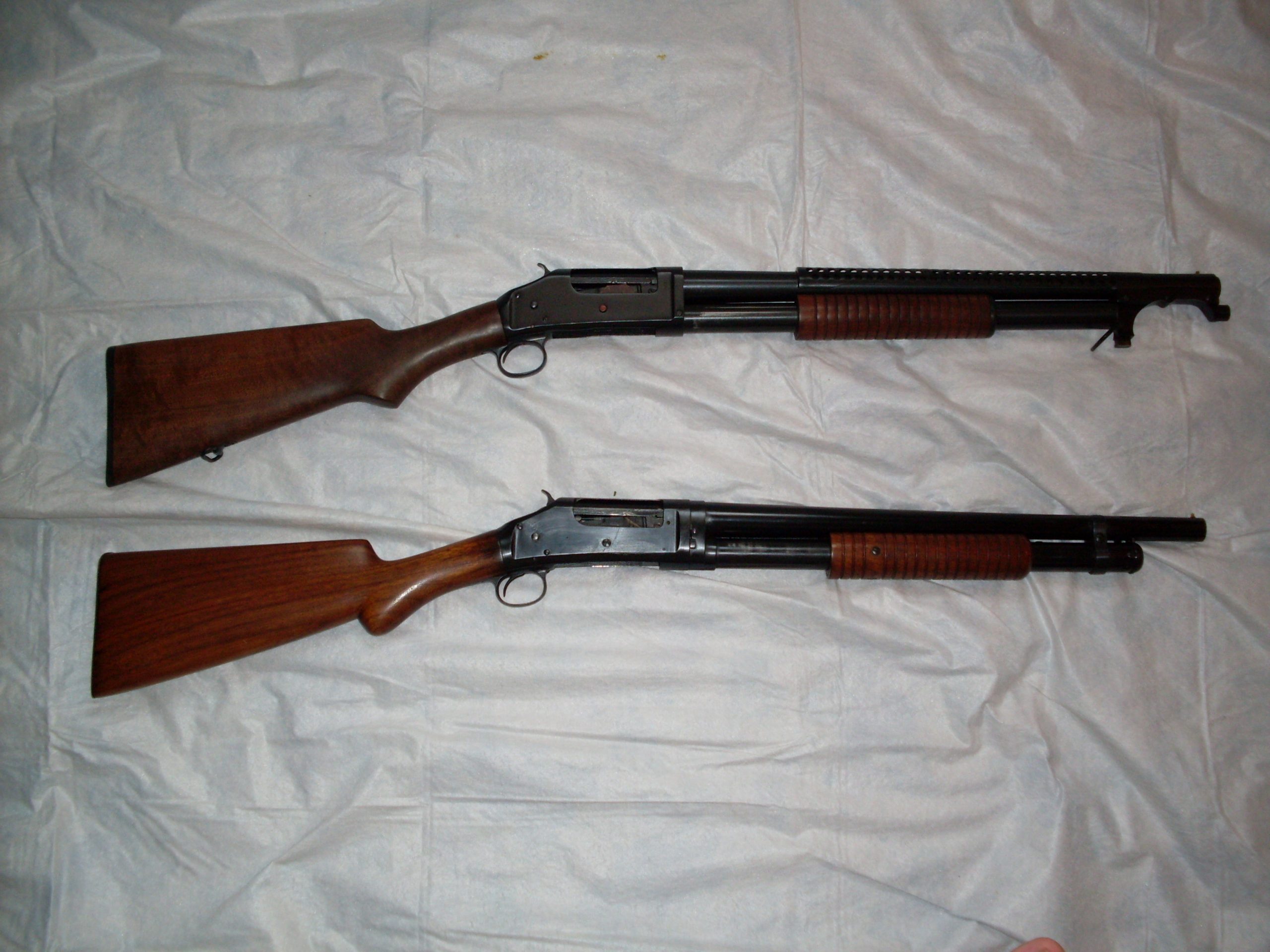
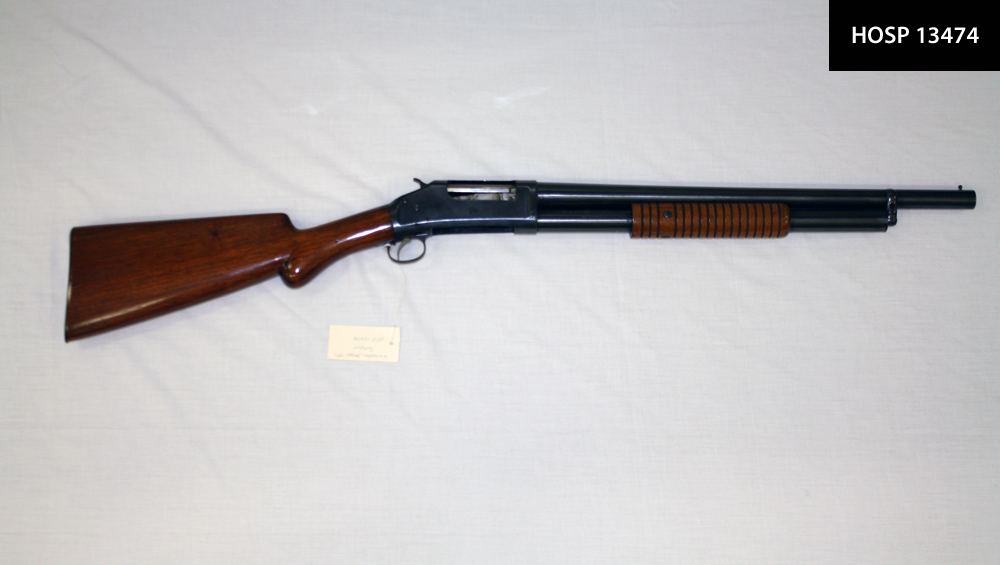
The Winchester Model 1897 shows how a shotgun can become historically important as well as useful. Production ran from 1897 to 1957, with examples made in 12 and 16 gauge and several grades. Its exposed hammer makes it visibly different from later hammerless pumps. The design served civilian sporting users and the military, including specially configured trench guns during the World Wars. Museum accounts report that more than a million were produced, yet condition, originality, and documented history affect collector interest. Selling an intact, well-preserved example can be a decision that lingers.
6. Browning Superposed
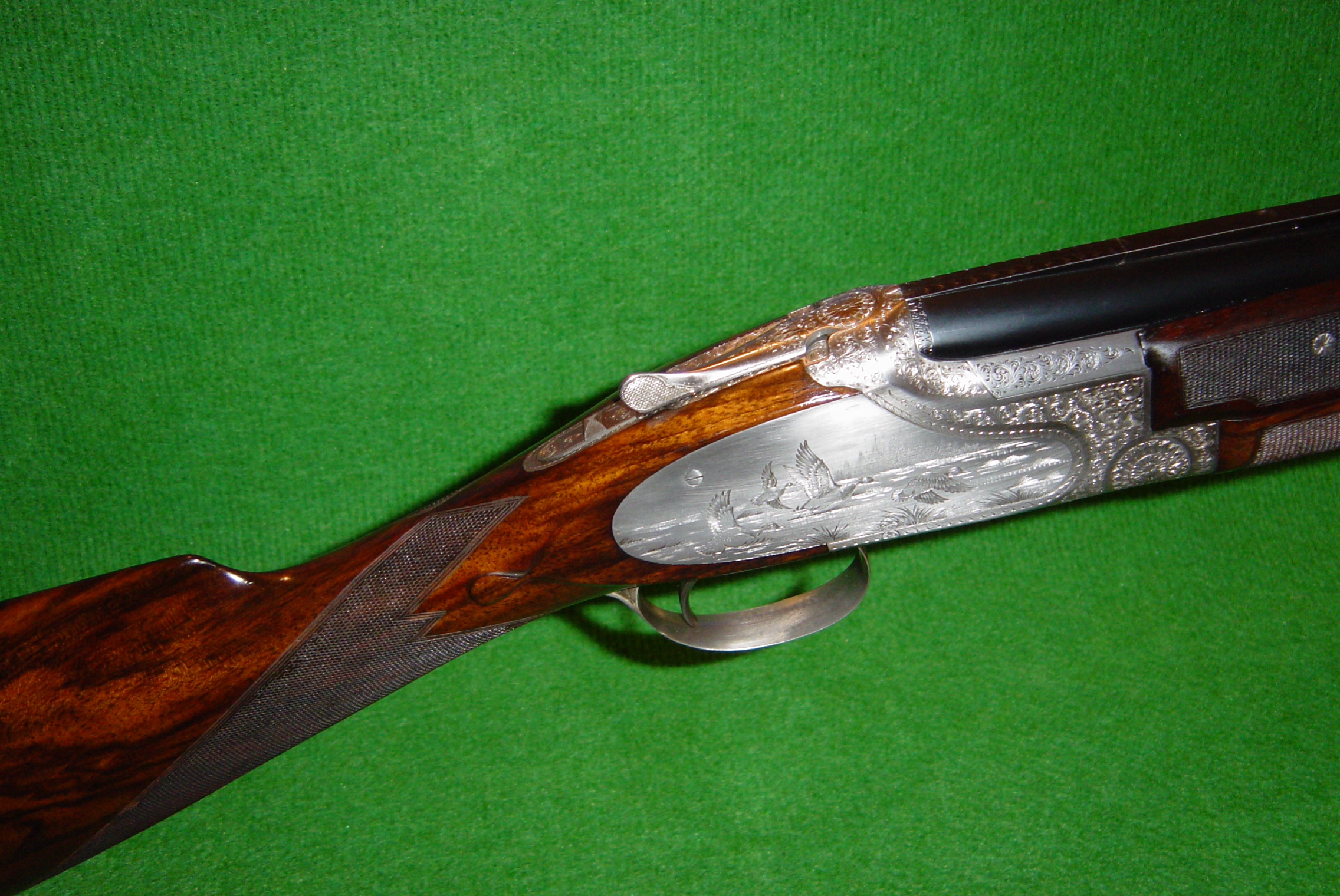
The Browning Superposed belongs in a different conversation from everyday field guns. Designed by John Moses Browning and introduced to the US market in 1931, it helped establish the over-under as a premium sporting choice. Production paused during World War II, resumed after the war,d and continued in the American Browning catalogue until 1986. Offered in multiple gauges and grades, the Superposed is admired for its balance, engraving and carefully finished wood. Even standard examples have a strong place in shotgun history. Parting with one for a short-term upgrade can mean losing an elegant classic.
7. Remington Model 1100
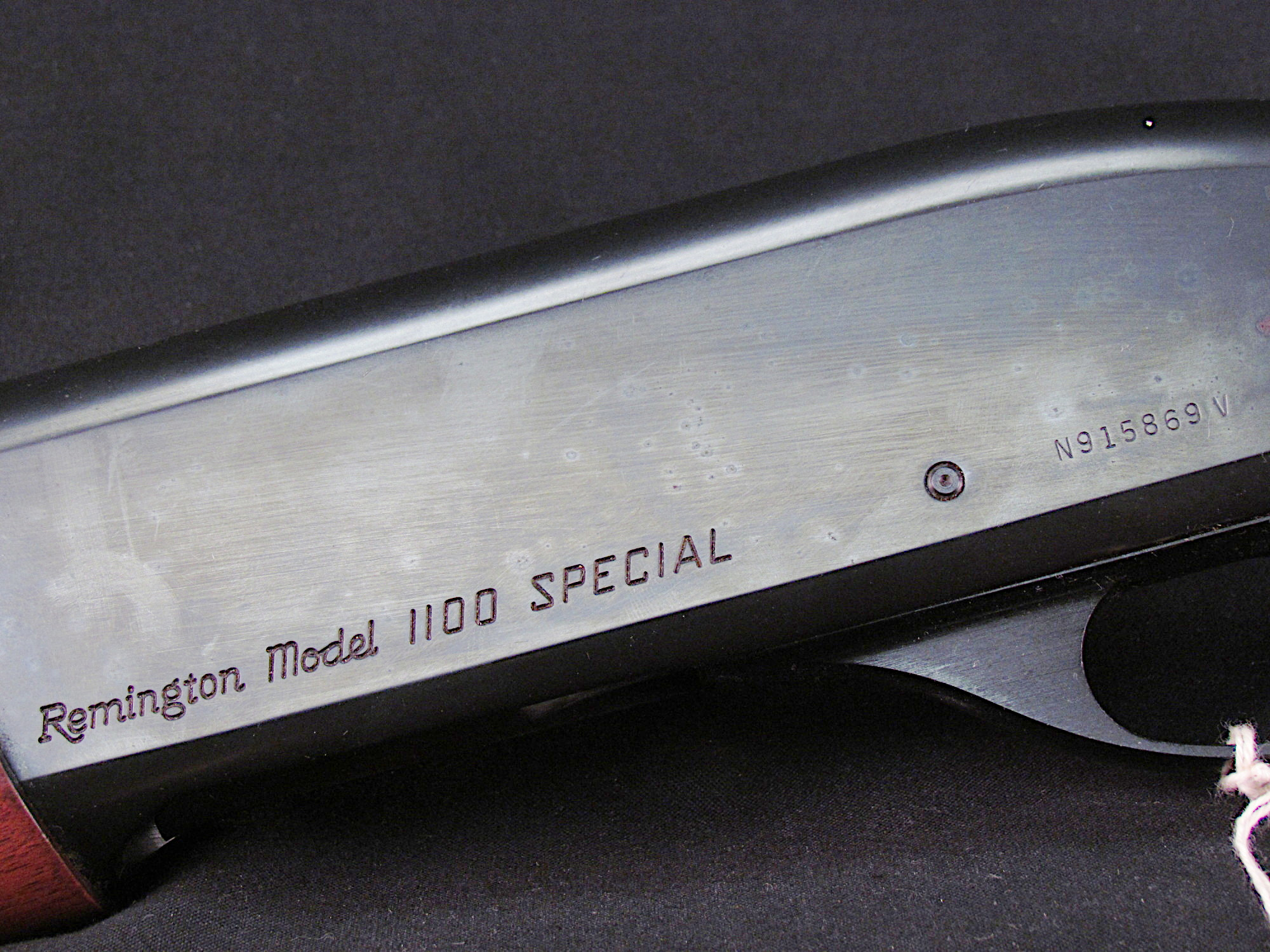
The Remington Model 1100 arrived in 1963 and became familiar among clay-target shooters and hunters. Its gas-operated semi-automatic action was promoted for a softer shooting experience, and the family expanded beyond its original 12-gauge offerings to include other gauges and specialized versions. Field, skeet, and trap models gave buyers choices for different sporting uses, while walnut-stocked examples developed a timeless look. Its long production life and wide range of configurations make condition and originality important. Selling one may seem like clearing space, until you remember how well it served across generations.
8. Winchester Model 21

A Winchester Model 21 is the sort of side-by-side that stays in someone’s memory long after it leaves the safe. Introduced in 1930, it was positioned as a high-quality American double, with robust construction and a range of grades and finishes. Its appeal rests on workmanship, fit, and the details of an individual gun. Production and later custom work created variations that collectors examine closely, so checking the serial number and configuration matters. A plain example may look understated beside engraved doubles, but the Model 21’s reputation gives it lasting significance. Selling one casually can become a lasting regret.
9. Beretta 686 Silver Pigeon

The Beretta 686 Silver Pigeon represents the appeal of a well-finished over-under from a maker with centuries of firearms history. The 686 family became familiar for sporting clays and field use, with versions offered in gauges such as 12 and 20. Its appeal is practical as well as aesthetic: clean lines, attractive work,k and varied configurations make it easy to find a model suited to different preferences. Because the name covers many generations and trims, details matter when comparing examples. Selling a familiar 686 can seem ordinary, until a later search reveals how much you valued it.
10. Benelli M1 Super 90
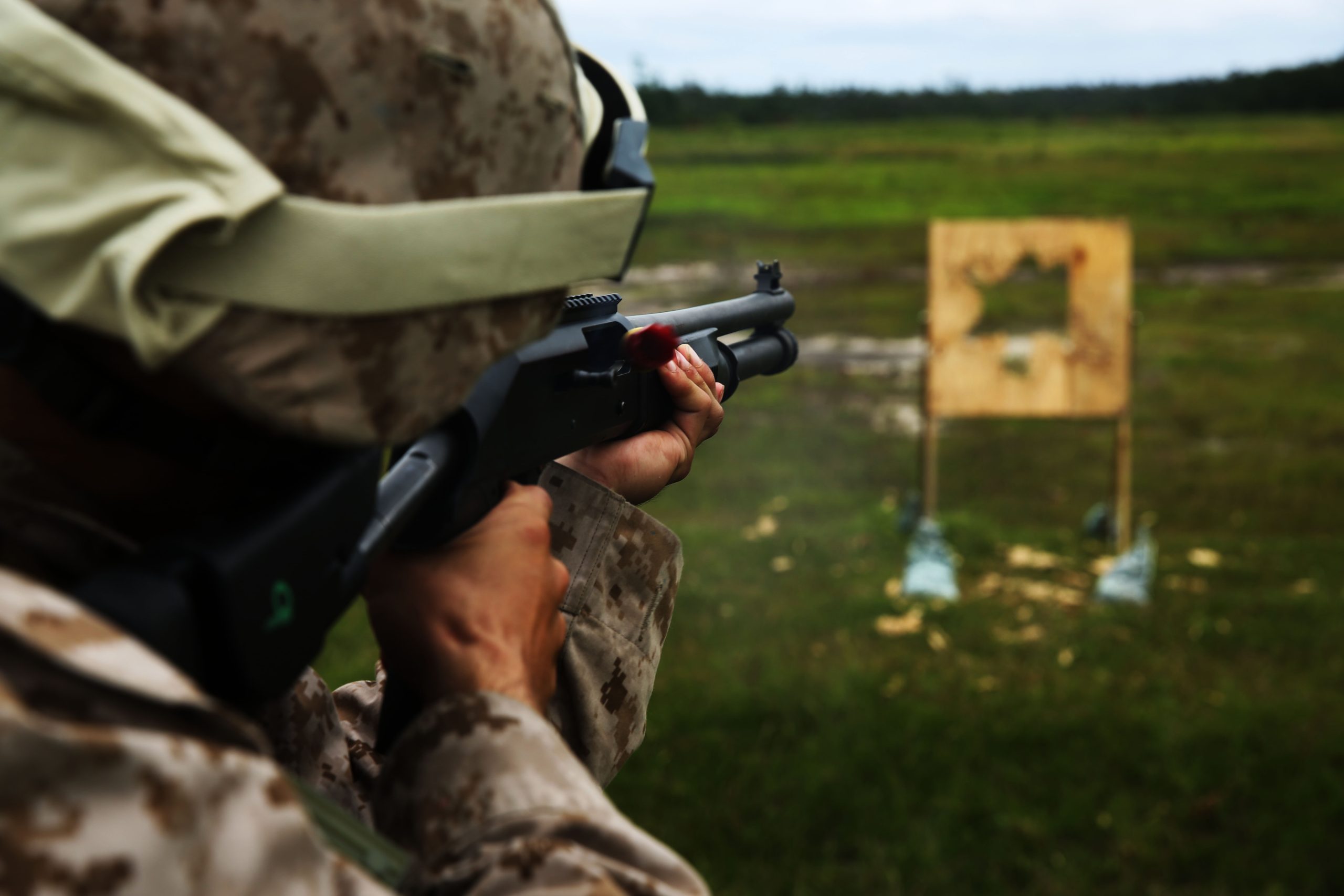
The Benelli M1 Super 90 earns a place here as a distinctive chapter in 1980s-era semi-automatic shotgun design. Its inertia-operated system made the model recognizable, while its practical styling contrasted with traditional walnut-and-steel classics. M1 Super 90 versions appeared in sporting, field,ld and law-enforcement configurations, so the exact variant matters when researching one. Its reputation grew through years of use and a profile enthusiasts still appreciate. Selling one may have seemed like moving on to something newer, but distinctive models are not always easy to replace in comparable condition.